
Reviewed · OSAKA COOKING CLASSES
Authentic SUSHI Course Cooking Class
Osaka has a way of making cooking feel like an adventure. This hands-on sushi course teaches you step-by-step, from making your own sushi rice to finishing a full plate of nigiri, gunkan-maki, egg sushi, and yakitori. Two things I especially like are the small group setup (so you’re not just watching) and the fact that you actually eat what you made. One possible drawback: the class can feel busy if you want more free time to stroll afterward, since it runs about 2.5 hours and then you sit down to a complete meal.
What makes it work is the pace and the structure. You start solo with your own wooden tub and paddle for rice, then shift into group cooking for items like rolled egg and dashi, then you build the sushi pieces and skewer the chicken. In past classes, instructors such as Fumi and Sakura are known for keeping everyone involved, even when someone comes alone.
The schedule also helps. You can pick lunch or dinner timing, and the location is in Osaka near public transportation. For this specific session, the start time shown is 5:30 pm, so it’s a great fit if you want an evening plan that ends with dessert.
In This Review
- Key Highlights You’ll Care About
- First Stop: Banix Kitahorie and a 5:30 Start
- Sushi Rice From Scratch: Wooden Tub, Paddle, and Hands-On Control
- Rolled Egg, Dashi, and Miso Soup: The Japanese “Rest of the Plate”
- Your Sushi Course in Numbers: Nigiri, Gunkan-Maki, and a Roll
- Yakitori Chicken Skewers: The Non-Sushi Highlight
- Finishing the Meal: Itadakimasu, Chopsticks, and Seasonal Dessert
- Instructor Support: How Fumi and Sakura Keep Everyone Cooking
- Price and Value: Is $99.08 Worth It?
- Who Should Book This Class in Osaka
- Practical Tips So You Leave Feeling Confident
- Should You Book This Osaka Sushi Course?
Key Highlights You’ll Care About
- You make the rice yourself: each person uses a wooden tub and paddle to season sushi rice
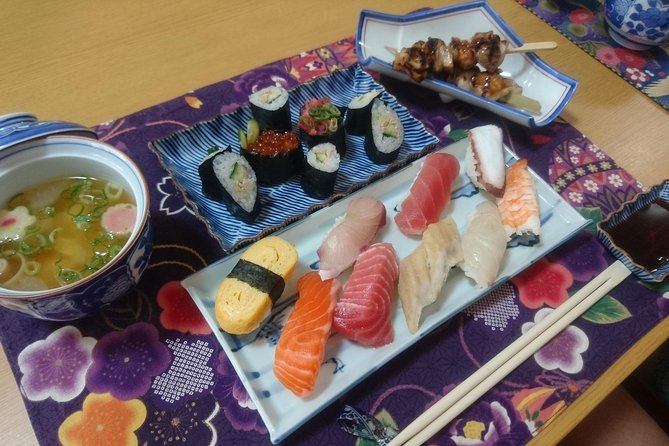
- A full course, not a sampler: nigiri, gunkan-maki, egg sushi, miso soup, plus yakitori
- Real technique practice: rolling, shaping, and seasoning are taught with close guidance
- Warm, small-group atmosphere: the class size is kept small for more hands-on help
- Dessert included: you finish with complimentary seasonal sweets after you eat
Flour on your hands, more Osaka kitchens to try
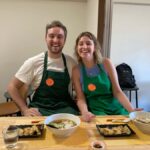
First Stop: Banix Kitahorie and a 5:30 Start
You meet at Banix北堀江 Japan, System Gallery area: 550-0014 Osaka, Nishi Ward, Kitahorie, 3-chōme62 システマギャラリー. The activity ends back at the same meeting point, so you don’t have to plan an extra subway shuffle afterward.
For timing, the session you’re looking at is set to start at 5:30 pm, and the class runs about 2 hours 30 minutes. The operator also offers lunch or dinner options, so if 5:30 feels late (or early), you can choose another time window when booking.
This is the kind of class that benefits from being on time. Once you’re in the room, the instructor starts with rice, and rice timing matters. I’d build in a little buffer so you can get seated, get oriented, and start cleanly.
Sushi Rice From Scratch: Wooden Tub, Paddle, and Hands-On Control
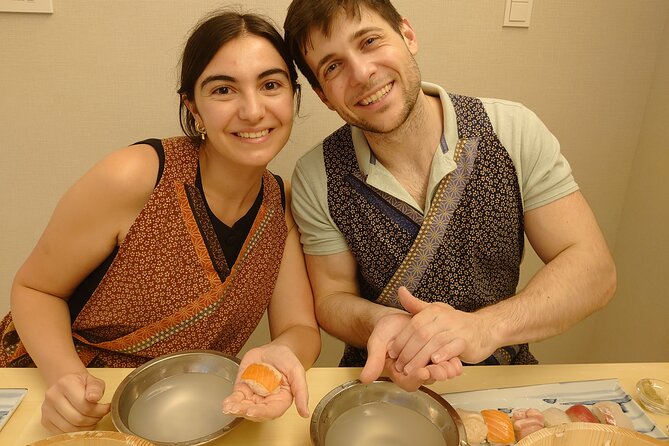
The class begins with the most important part: sushi rice. You put on an apron and then start making your own rice right away. The setup is practical: each participant gets a wooden tub and paddle, so you’re not sharing one big station.
Here’s why this matters. Sushi rice isn’t just cooked rice with sauce poured on top. The method you learn—how to cool and season it properly—affects how the rice holds together when you shape nigiri and rolls. Doing it yourself means you get muscle memory, not just a theory lesson.
One detail that stands out from how the technique is taught: you handle the rice with your hands for seasoning and mixing. That’s great for learning, but it’s also a reminder to wear clothes you’re okay with if a tiny bit of rice ends up where it shouldn’t.
If you’ve ever tried to copy sushi rice at home and it came out either too sticky or too dry, this is where the gap usually is. Getting the steps explained while you’re actively doing them helps you fix the common mistakes.
Rolled Egg, Dashi, and Miso Soup: The Japanese “Rest of the Plate”
After your rice work, everyone shifts to the group portion. First up is rolled eggs for egg sushi, using a rectangle-shaped frying pan. Rolled egg matters in Japanese cooking because it’s controlled heat plus layering, not just “make an omelet.” You learn how to shape it into a form that works for sushi-style presentation.
Then you move into dashi, the broth base that shows up in a lot of Japanese flavors. You make the broth as part of the class flow, and then you use it to build miso soup.
The miso soup part is more than a quick bowl. You’ll make miso soup with tofu and vegetables that are described as having a fancier shape. That’s a small detail, but it signals something important: the class is aiming for restaurant-style technique and presentation, not just feeding you.
If you love the idea of ordering Japanese food and not fully knowing why it tastes the way it does, this part gives you the “flavor engine.” Even if your main goal is sushi, learning what dashi contributes makes the rest of the meal make more sense.
Put this one next to a few other Osaka options first:
Your Sushi Course in Numbers: Nigiri, Gunkan-Maki, and a Roll
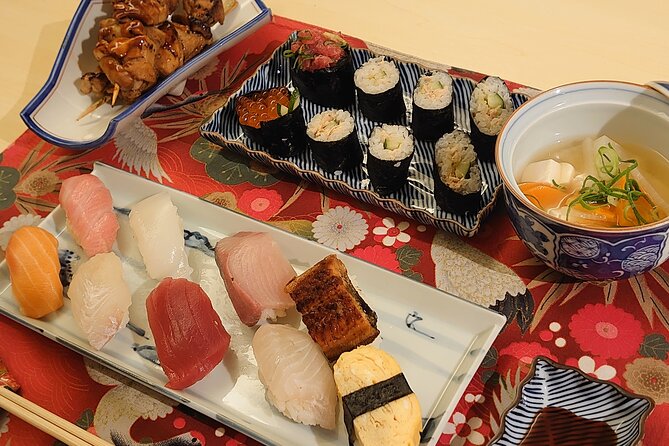
This is a sushi class with real output. By the end, you’ll make three kinds of sushi, with numbers that show the expectation: 9 nigiri, 2 gunkan-maki, and 1 rolled-sushi.
That structure is key for your skill growth. Nigiri forces you to handle rice shaping and topping placement. Gunkan-maki is a different texture challenge because the shape supports a topping that sits like it’s holding a small “helmet.” And the rolled sushi teaches you how to handle seaweed wrapping and filling so it doesn’t fall apart.
You’re not just learning what to do—you’re learning how the pieces relate. For example, the seasoning level of the rice affects how nigiri holds and how rolls taste. Since you made the rice earlier, you get immediate feedback when you shape everything.
Also, this is one of those meals where you get to see your work on a plate, then eat it. That’s motivating. It makes the technique stick because your brain links step-by-step effort to the final bite.
Yakitori Chicken Skewers: The Non-Sushi Highlight
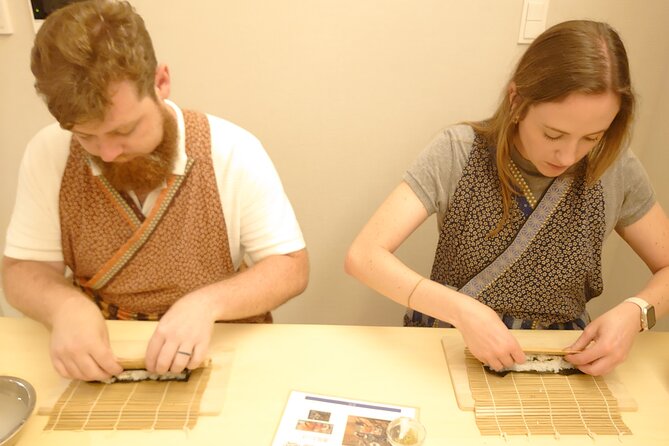
Not every sushi class includes yakitori, and that’s a big reason this one feels like a true dinner course. You skewer the chicken and then make yakitori as part of the experience.
Yakitori is deceptively simple on paper: chicken, skewers, heat, sauce (or seasoning). But the class format lets you learn the “hands” side—how the chicken is prepared for skewering and how it’s cooked as part of the overall meal timing.
If you’re the kind of person who likes eating while you learn, this adds variety so you’re not stuck only in seafood mode. It also balances out the meal. Sushi rice and miso soup provide that comforting Japanese base, and yakitori gives you another hot, savory flavor.
Finishing the Meal: Itadakimasu, Chopsticks, and Seasonal Dessert
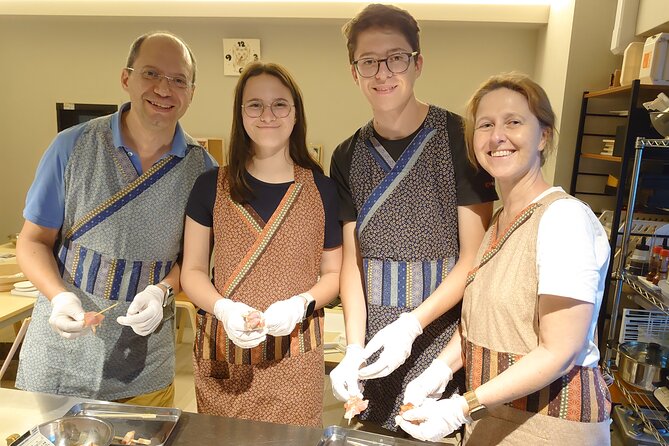
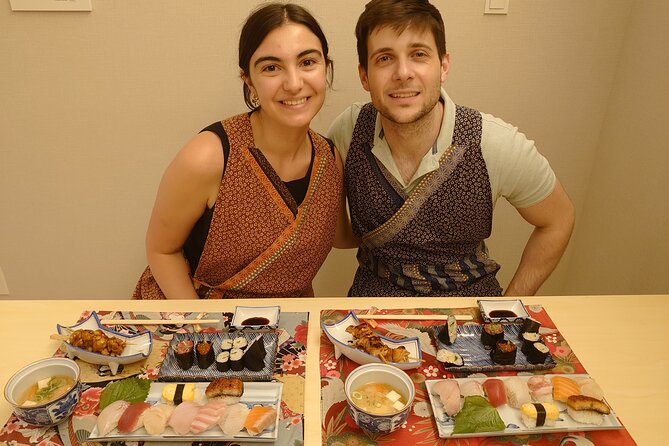
At the end, you place your dishes together with chopsticks and share the classic start of the meal: you’ll say itadakimasu before eating.
Then the best part: you enjoy the meal you made. Since the class includes a multi-dish spread—sushi pieces, miso soup, and yakitori—you should plan to eat comfortably. This is not a tiny snack class.
You also get complimentary seasonal dessert, plus the experience description notes some sweets included. That means you end with a sweet note, which helps if you’re doing this as your main dinner plan.
One small consideration: there’s mention that the recipe or takeaway instructions can feel a bit light in some cases. If you’re the type who wants ultra-detailed written steps, you might want to take notes while you’re there and ask questions when something feels unclear.
Instructor Support: How Fumi and Sakura Keep Everyone Cooking
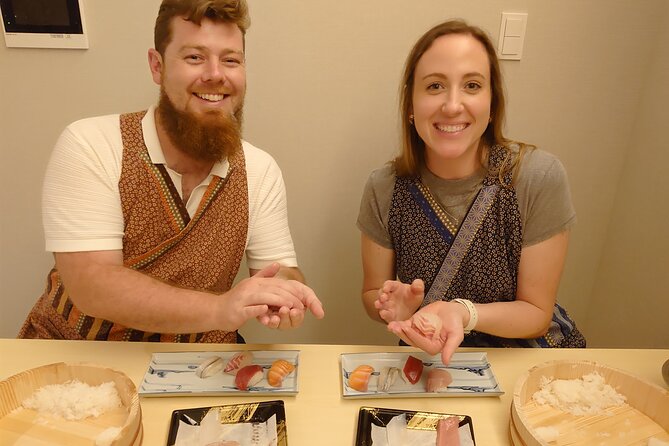
A standout theme is instruction quality. In classes led by instructors like Fumi and Sakura, the teaching style aims to keep everyone active. Instead of doing a few steps for you and leaving you with observation, the format pushes you to complete most steps yourself—especially rice shaping and sushi construction.
I also like that the class includes a bit of background. You’ll get explanations tied to flavors and concepts (for example, there’s mention of talking about umami and bonito). That’s useful because it helps you understand why certain choices matter, which makes it easier to reproduce later.
The coaching style you want in a cooking class is simple: clear steps, patience, and enough attention that you don’t feel lost. The small group size supports that.
Price and Value: Is $99.08 Worth It?
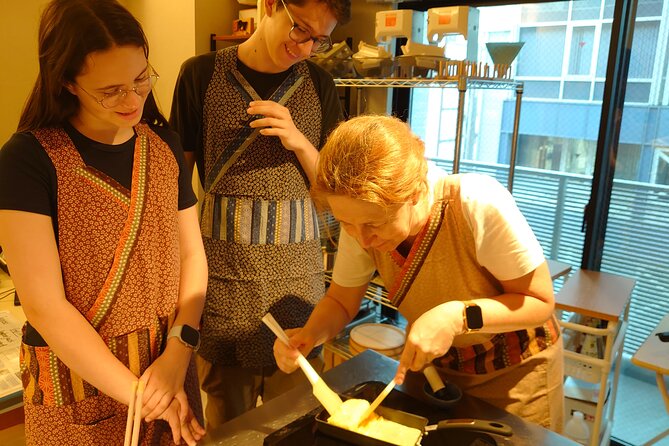
The price listed is $99.08 per person, for about 2 hours 30 minutes and a mobile ticket. At first glance, it’s not cheap. But when you break down what’s included, the value starts to look more sensible.
You’re paying for:
- Hands-on instruction at a level that’s hard to self-teach
- All ingredients included for the dishes you make
- A full meal build: sushi rice, egg sushi, dashi, miso soup, nigiri, gunkan-maki, rolled sushi, and yakitori
- Dessert and some sweets afterward
- A small-group format that makes it easier to get help when your rice is sticky or your roll won’t cooperate
If you compare this to a normal restaurant meal, the cost is higher than eating out. But sushi skill-building is the point here. You’re not just buying food. You’re paying to practice technique in a guided setting where you can ask why something works.
If your goal is to taste a fancy sushi dinner, you might find cheaper options. If your goal is to learn technique you can use at home, this price starts to feel fair—especially with a small group.
Who Should Book This Class in Osaka
This is a strong fit if you:
- Want hands-on sushi skills, not just a tasting experience
- Like a structured cooking class that ends with a real dinner
- Enjoy learning Japanese flavor fundamentals like dashi and miso
- Are comfortable cooking with your hands (you’ll be working with sushi rice)
It also works well for different group styles. There’s clear evidence that people have enjoyed the class coming as families (including teenagers) and even as solo participants—small group setups help reduce the awkwardness you can get in big group tours.
If you’re traveling with kids, note that children must be accompanied by an adult. And if you have any dietary restrictions, the class asks you to advise dietary requirements at booking.
Practical Tips So You Leave Feeling Confident
A few smart moves will help you get the most from the night:
- Ask one question early if there’s anything about rice handling, rolling, or broth-making you’re unsure about. The earlier you clarify, the easier the next steps become.
- Take quick notes as you go. Since the class outcome includes a lot of technique, you’ll thank yourself later when you try to repeat it.
- Lean into the full menu. Even if sushi is your main focus, the miso soup and yakitori teach you balance—how Japanese meals mix flavors and textures.
- Plan to eat well. You’re making enough food for a complete meal, plus dessert.
And bring the right mindset. Sushi is hard to master alone, but in a guided class like this, you get feedback while you work. That’s the whole advantage.
Should You Book This Osaka Sushi Course?
I’d book it if you want a guided, hands-on way to learn sushi and the supporting dishes that make Japanese food taste like Japanese food. The small-group feel, the focus on sushi rice technique, and the fact that you leave with a complete course (including miso soup and yakitori) makes it good value for your time.
Skip or consider something else if you’re looking for a super slow, sightseeing-style evening, or if you only want light bites. This class is about making and eating a full plate, and the energy stays high for the 2.5 hours.
If you’re curious, this is one of those Osaka experiences that turns dinner into a skill you can carry home.
Take Home Something You Made
- Sushi Making Osaka Roll and Authentic Japanese Sushi Class★ 5.0 · 1,220 reviews
- Matcha Making Class in Osaka with Authentic Japanese Sweets Set★ 5.0 · 509 reviews
- Osaka: Ramen and Gyoza Cooking Class in Dotonbori★ 5.0 · 378 reviews
- Osaka Cooking Class: Okonomiyaki &Japanese cuisines experience★ 5.0 · 261 reviews
- Osaka: Roll and Authentic Sushi Making Class in Dotonbori★ 4.9 · 239 reviews
More Tour Reviews in Osaka
- Osaka Go Karting Tour with Funny Costume★ 5.0 · 2,658 reviews
- Osaka Castle: Museum and Tower Entry Ticket★ 4.5 · 2,380 reviews
- Osaka: Shinsekai Food Tour with 13-15 Dishes at 5 Eateries★ 4.8 · 2,204 reviews
- Osaka Food Tour: 13 Dishes at 5 Local Eateries★ 5.0 · 2,149 reviews
- Hungry Osaka Street Food Tour:15 Tastings & 3 Drinks with a Local★ 5.0 · 1,727 reviews
Cook It Yourself in Osaka
- Sushi Making Osaka Roll and Authentic Japanese Sushi Class★ 5.0 · 1,220 reviews
- Osaka: Five Must-See Highlights Walking Tour & Ramen Lunch★ 4.7 · 411 reviews
- Osaka Sushi Making Experience★ 5.0 · 400 reviews
- Osaka: Ramen and Gyoza Cooking Class in Dotonbori★ 5.0 · 378 reviews
- Osaka: Sumo Stage Show with Bento or Snack + Fight & Photo★ 4.3 · 364 reviews
The Newest Osaka Write-Ups
- Private Photoshoot in Osaka with a Professional Photographer
★ 5.0 · 3 reviews - Osaka Early Morning Osaka Castle Tour Avoid Crowds
★ 5.0 · 3 reviews - Nara Private Tour with Pick and Drop and English Speaking Driver
★ 3.5 · 3 reviews - Osaka: Modern Vegetarian Sushi Cooking Class
★ 5.0 · 3 reviews - Nara Day Trip from Osaka with a Licensed Guide
★ 5.0 · 3 reviews
Osaka Cooking Classes, compared.
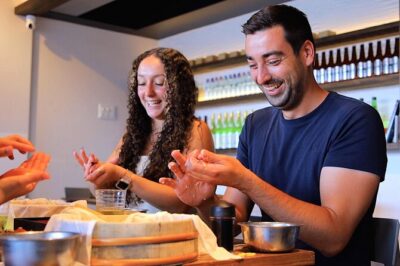 ★ 5.0Sushi Making Osaka Roll and Authentic Japanese Sushi ClassFrom $311,220 reviews
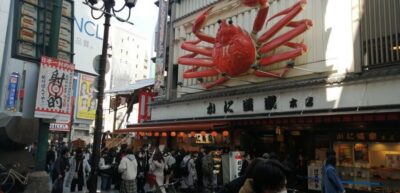 ★ 4.7Five Must-See Highlights Walking Tour & Ramen LunchFrom $56411 reviews
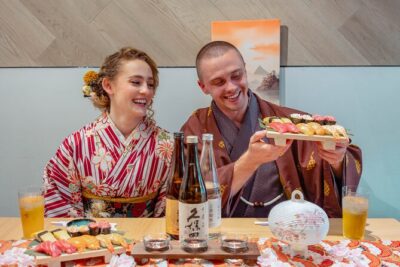 ★ 5.0Osaka Sushi Making ExperienceFrom $29400 reviews
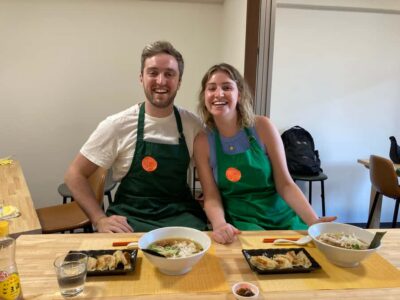 ★ 5.0Ramen and Gyoza Cooking Class in DotonboriFrom $70378 reviews
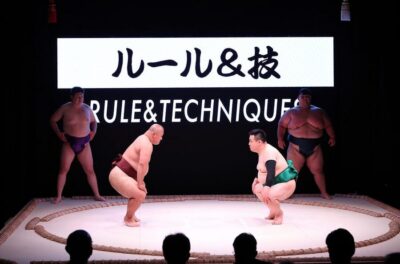 ★ 4.3Sumo Stage Show with Bento or Snack + Fight & PhotoFrom $93364 reviews
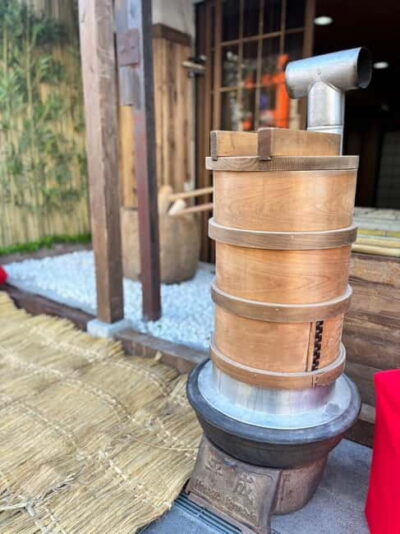 ★ 4.9Traditional Mochi Pounding Experience with TastingFrom $31306 reviews
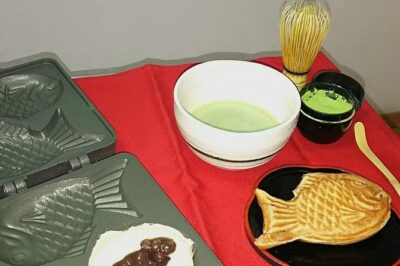 ★ 5.0Osaka Cooking Class: Okonomiyaki &Japanese cuisines experienceFrom $104261 reviews
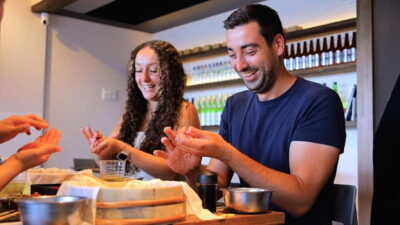 ★ 4.9Roll and Authentic Sushi Making Class in DotonboriFrom $45239 reviews
Browse the lists this tour appears in