
Reviewed · OSAKA TEMPLES & SHRINES
1-Day walking tour in Osaka:Castle, temples and Ukiyoe
One day in Osaka, and your feet fly. This guided loop puts Osaka Castle, a first-rate temple stop, food at Kuromon, and a hands-on ukiyo-e moment all in one day—without you having to stitch the plan together. I especially like how the guide connects what you see to the story behind it, and I also like the built-in chance to slow down for real local life at the market.
Here’s the trade-off: it’s a long day outdoors with steady walking, plus multiple train rides. If you’re expecting a relaxed stroll with frequent sit-down breaks, you may find the pace a bit full-on, especially in hot sun or rain.
In This Review
- Key points at a glance
- Akatsuki Plaza kickoff: trains inside the day, walking outside
- Osaka Castle Museum: from 1597 to the 1995 rebuild
- Shitennoji Temple: where Buddhism’s route becomes real
- Kuromon Ichiba Market: lunch time that turns into a strategy lesson
- Dotonbori and ukiyo-e: the billboards plus the art hands-on
- Shinsaibashi: where the day ends with a real Osaka stroll
- Price and value: is $136 worth it for a full guided day?
- Who should book this tour
- Should you book: my practical verdict
- FAQ
- FAQ
- What is the meeting point for the Osaka walking tour?
- What are the main stops during the tour?
- Is lunch included in the price?
- Does the tour include transportation between areas?
- Is the ukiyo-e experience included?
- What time does the tour start?
Key points at a glance
- Akatsuki Plaza meetup inside JR Osaka Station makes the start simple (no guessing which exit).
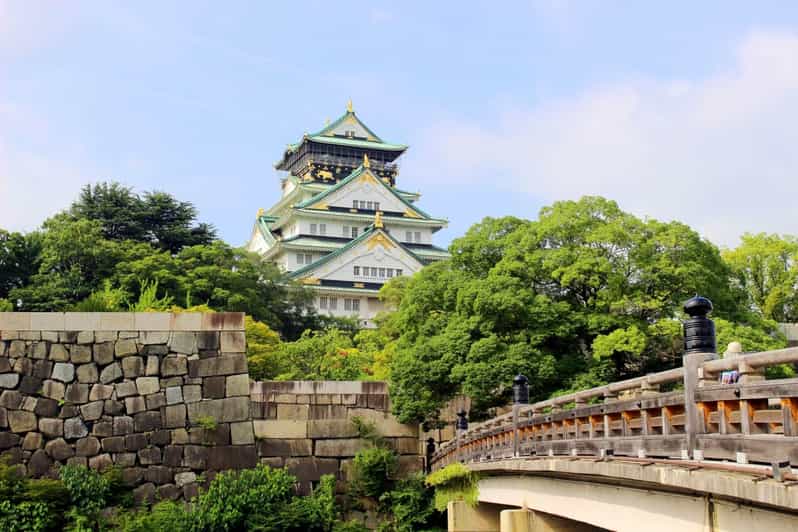
- Osaka Castle timeline explained clearly, from the 1597 completion to repeated destruction and a 1995 rebuild.
- Shitennoji Temple context on how Buddhism traveled from India to China and then to Japan.
- Kuromon Ichiba Market lunch break with time to eat your way through Osaka’s market culture (food not included).
- Dotonbori + ukiyo-e experience pairs the famous 3D billboard area with traditional Japanese art practice.
- Shinsaibashi photo-and-walk finish lets you end in a popular shopping street area.
Quieter corners: more Osaka temples and shrines
Akatsuki Plaza kickoff: trains inside the day, walking outside
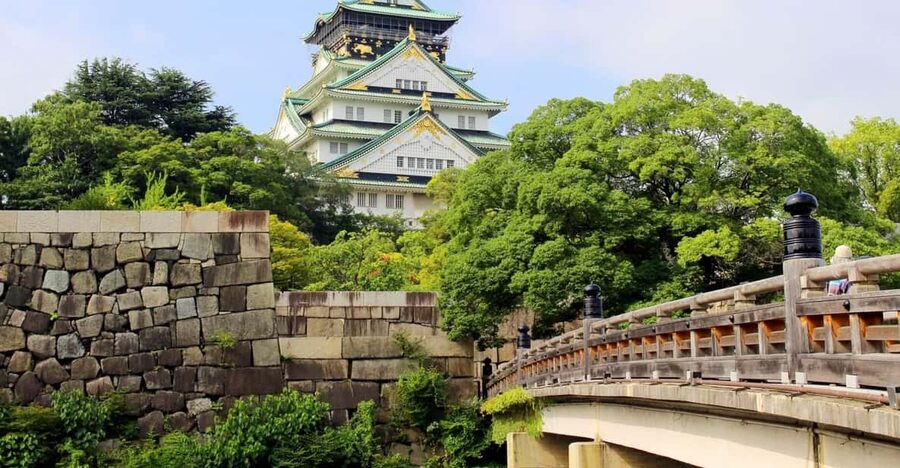
The day starts at 09:25 at Akatsuki Plaza (暁の広場) in JR Osaka Station. You meet on the first floor of the North Gate Building. Look for the sign that says SNOW MONKEY RESORTS, and please wait on the first floor with everyone else—don’t head up the escalators.
This is a smart setup if you’re arriving from another line, because the tour handles the in-day movement. Once you’re on the program, you use public transportation between stops, and the tour includes the train tickets required for the experience. Still, you’ll be on your feet for hours, so bring comfortable shoes and plan for weather. The tour itself specifically warns you to pack sunshade and rain protection.
If you’re the type who likes to get your bearings fast, this one-day structure helps. Instead of spending your day figuring out routes and transit, you spend it learning how Osaka connects castle, religion, street food, and art into one flow.
Osaka Castle Museum: from 1597 to the 1995 rebuild
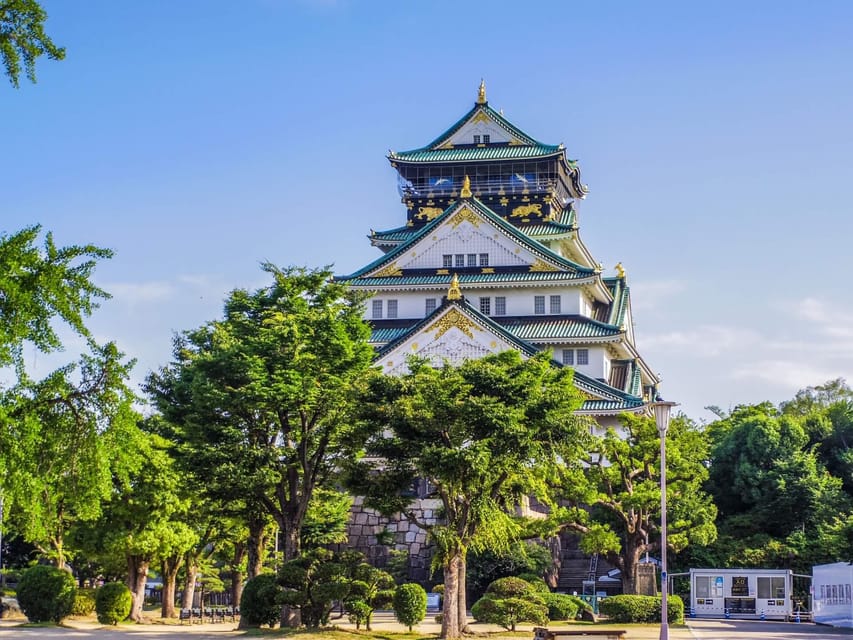
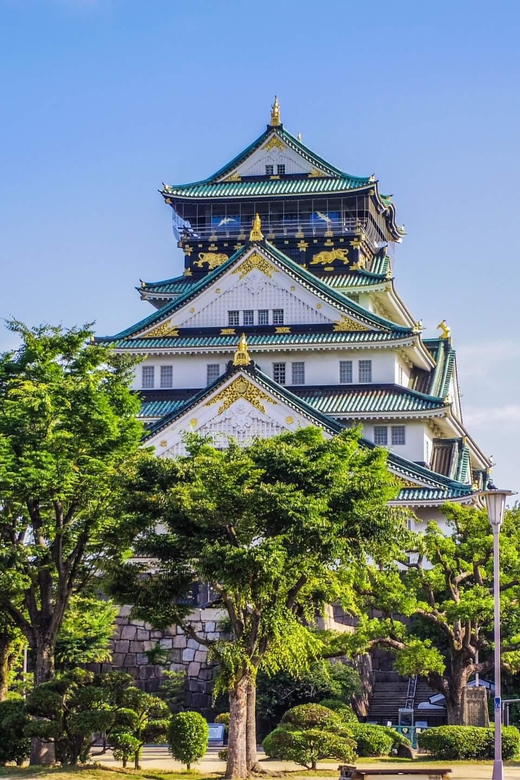
Osaka Castle is where the tour gives you the big-picture grounding. You’ll get guided time to visit the Osaka Castle Museum and see how the castle story fits into Osaka’s identity.
The key details you get during the visit matter because Osaka Castle isn’t just a pretty backdrop. The castle was completed in 1597, destroyed multiple times over the centuries, and then rebuilt by the Japanese government in 1995. That rebuild means what you see today is not a time machine back to the original structure—but it’s still a meaningful link to the past. The guide helps you understand why the modern castle exists as a historical symbol, not just a fortress.
After the museum, there’s time to explore around the castle area. This is one of those spots where photos come naturally, but the real value is that you know what you’re looking at. You’ll also understand why castles in Japan are more than buildings—they’re power, planning, and story in stone form.
Possible drawback to keep in mind: castle grounds can involve lots of standing and walking at your own speed after the guided portion. If your legs don’t love uneven paths and standing around viewpoints, it may feel like work.
Shitennoji Temple: where Buddhism’s route becomes real
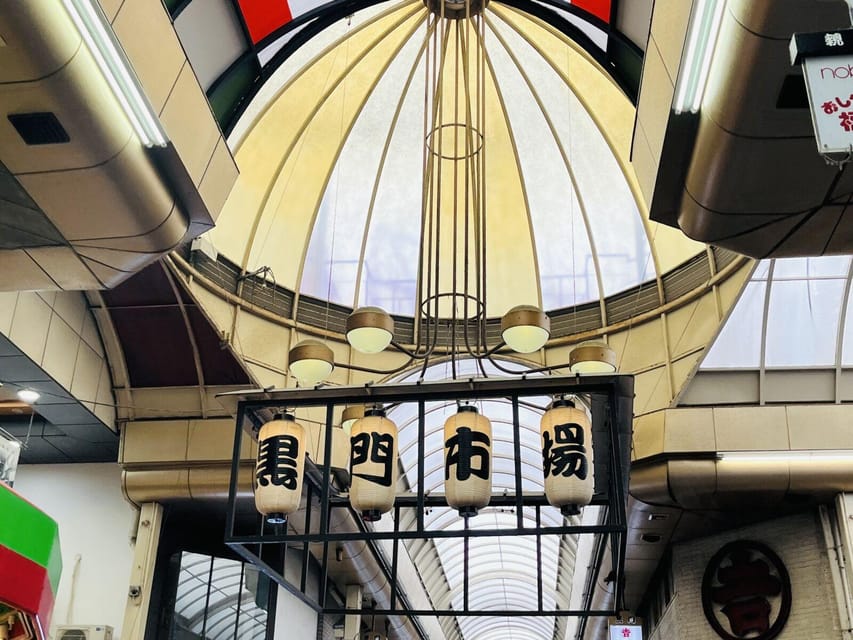
Next up is Shitennoji Temple, visited with guided time. This temple has a standout claim: it’s the first Japanese Buddhist temple in Japan. That’s not just trivia. The tour frames it as a real destination where you can connect the dots of how Buddhism traveled.
You’ll learn about Buddhism’s route from India to China, and then how it eventually landed in Japan thousands of years ago. It turns what could be an abstract history lecture into something you can picture while you’re standing in the place itself.
One of the strongest things about this stop is how the guide brings attention to what’s happening around you. Based on experiences shared, you might catch the atmosphere of prayer rituals, including chanting by monks. You may even be taken to higher areas for a proper respectful moment, where you can pay respects to a relic. That kind of access and timing isn’t something you should assume every day, but when it lines up, it’s memorable.
This is also where the guide’s tone matters. In past days, guide Winki (also spelled Winky in one review) was praised for being patient and answering questions clearly, including when the group includes kids. If you travel with children or you simply like to ask why things are the way they are, that helps.
Osaka block by block, more routes on foot
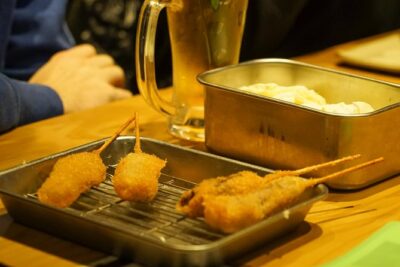
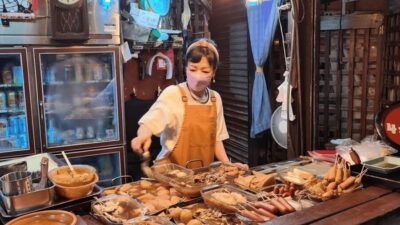

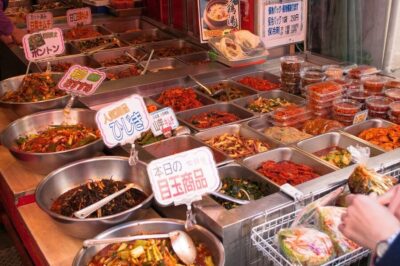
Kuromon Ichiba Market: lunch time that turns into a strategy lesson
After morning history, the tour shifts gears to Osaka’s daily rhythm. Lunch time is at Kuromon Ichiba Market, and you’ll get guided time plus free time to eat.
The market is described as a major food hub with roughly 150 stores selling seafood, vegetables, fruits, beverages, and more, in an area about 580 meters south of Sennichimae. That scale is the whole point: it’s not a single street with a few stalls. It’s a full-on neighborhood of food.
Here’s how I’d approach lunch on this stop:
- Start with one thing you can commit to quickly (a bite you can eat standing up).
- Then slow down for a second round once you get a feel for what looks fresh and busy.
- Keep your hands free if you plan to snack and walk.
Food and drinks are not included in the price, so this is your moment to budget for what you want to try. The upside is that the free time is built in, so you’re not rushed while you’re deciding what to order.
Also, market lunches are a great way to understand Osaka beyond “sightseeing mode.” You’ll see how locals shop and snack, and you’ll go back to the street feeling less like you toured the city and more like you experienced it.
Dotonbori and ukiyo-e: the billboards plus the art hands-on
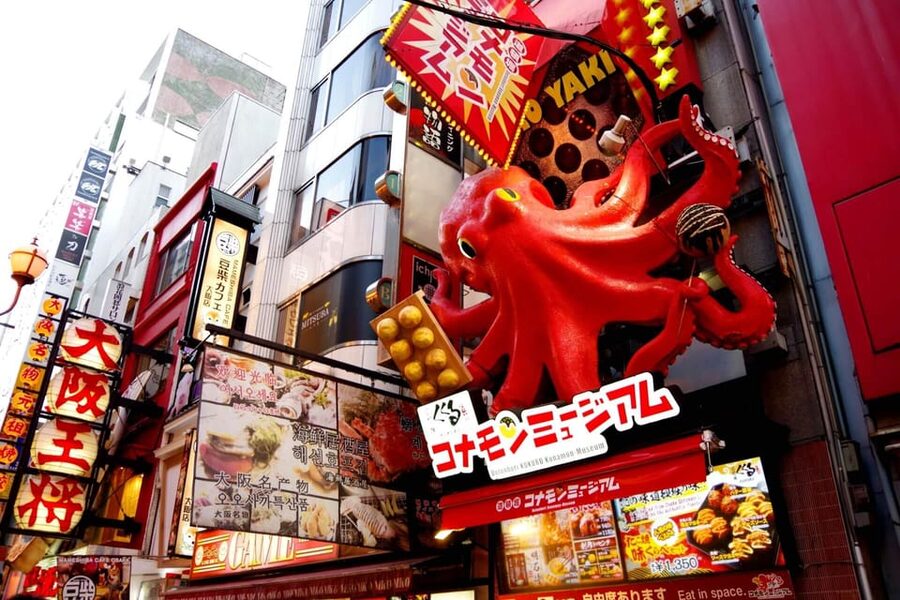
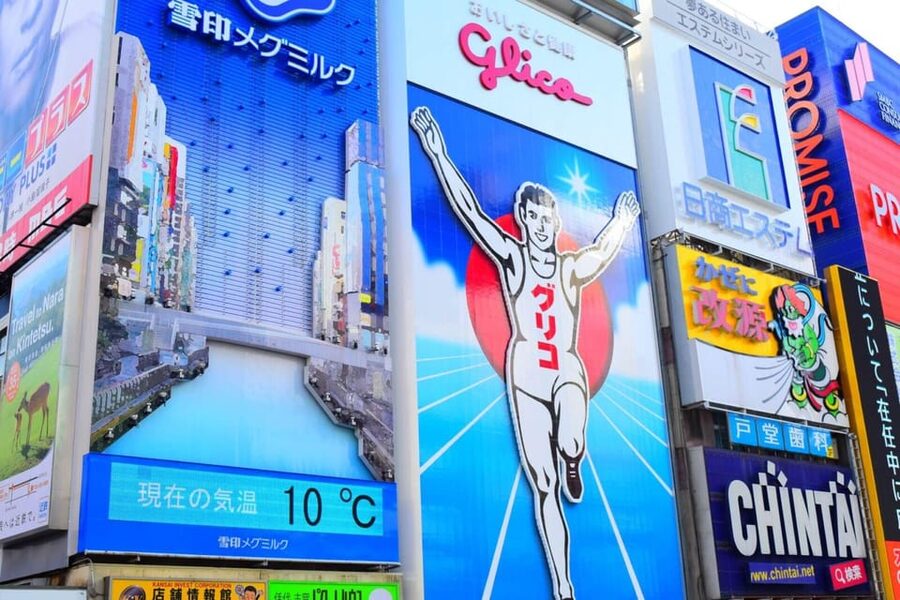
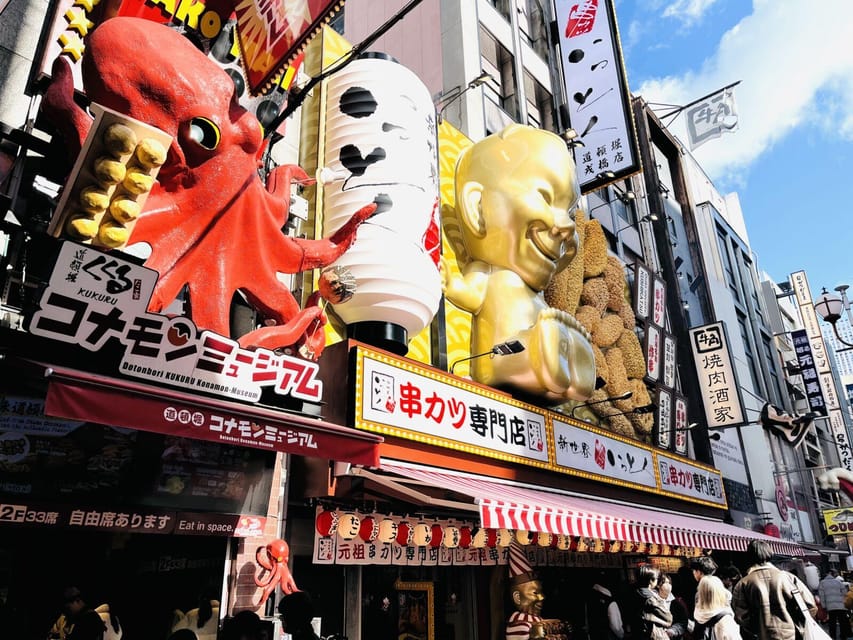
Once you leave the market, you’ll head toward the famous Dotonbori area. This is Osaka’s big-name street scene, especially around the downtown Minami zone. The iconic part here is the huge three-dimensional billboards lining the streets.
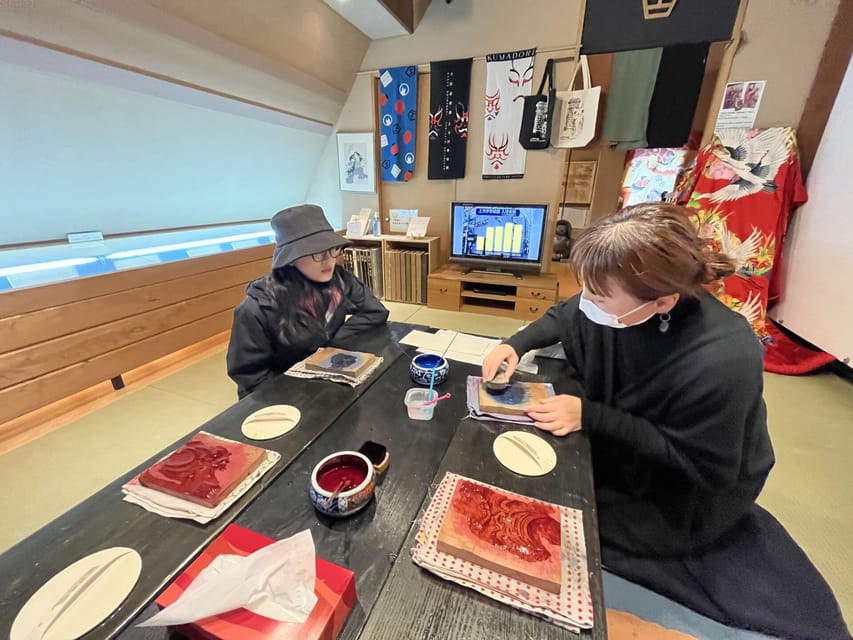
Yes, you’ll want photos. But don’t treat it as only a photo stop. The tour includes guided time in Dotonbori and adds a traditional Japanese art experience with ukiyo-e.
Here are the historical anchors you get: the earliest ukiyo-e works were found in the 1670s, and the art flourished from the 17th to 19th century. Today, ukiyo-e is one of Japan’s representative images. The guide helps connect that timeline to what you’re doing in the experience portion.
Because the tour includes the ukiyo-e experience fee, you’re not just looking at art—you’re participating. The exact format of the activity isn’t detailed in the tour notes you provided, but the intent is clear: you practice or create within the ukiyo-e tradition. For many people, that’s the difference between remembering a photo and remembering a day.
Small reality check: Dotonbori is popular. That’s great for energy, but it can also mean thicker crowds and more time standing still to watch where your group is moving. Bring patience and give yourself room to maneuver.
Shinsaibashi: where the day ends with a real Osaka stroll
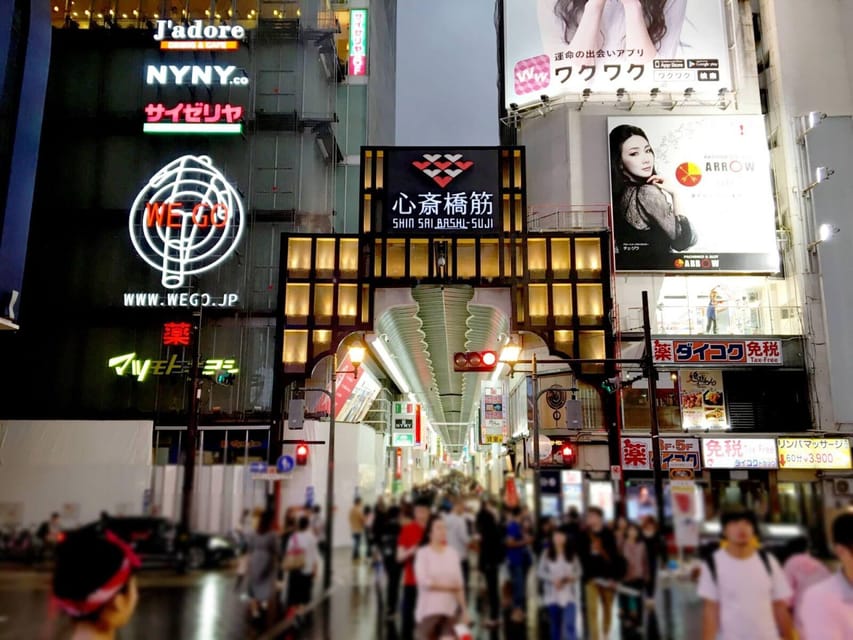
The tour finishes with Shinsaibashi, a popular shopping street with a long history as a regional commercial center. You’ll get guided time here and then a walk.
This stop is less about a single landmark and more about atmosphere—local shops alongside international brands, plus the practical joy of stretching your legs after a packed day. You’ll also pass the famous Osaka billboard that’s become a classic photo target. If you like taking pictures but hate hunting for the exact spot, this is the kind of guided routing that saves your sanity.
Then you return to JR Osaka Station, back to Akatsuki Plaza, where the group ends the day.
If you still want more time in Osaka after the tour, you’re welcome to continue on your own. The structure is helpful because you’ll already have a framework for where things are and how to move around the city.
Price and value: is $136 worth it for a full guided day?
At $136 per person for a one-day experience, the value hinges on what’s included versus what you’d otherwise pay for.
What you do get included:
- Entrance fees for the spots during the tour
- Train tickets required for the tour
- The ukiyo-e experience fee
- An English-speaking guided tour
What you don’t get included:
- Food and drinks (including at Kuromon)
- Train tickets before and after the tour
In plain terms, you’re paying for two big things: guided interpretation and the “logistics layer” that moves you between major areas. Osaka works well for independent travel, but castles, temples, markets, and art don’t always add up to an easy route—especially when you want context. This itinerary tries to give you the stories while also covering the transit legs.
So I think the price is fair if:
- You want history tied to what you’re seeing (not just a map app).
- You’ll actually do the ukiyo-e activity rather than skipping it.
- You prefer having an organized day instead of sorting routes and timing.
If you’re the kind of traveler who only wants photos and doesn’t care about explanations, the included guiding will matter less, and you might be happier doing a cheaper self-guided route.
Who should book this tour
This is a strong pick if you want one day in Osaka that balances:
- Major sights (castle, a key temple)
- Everyday culture (market lunch time)
- Street life (Dotonbori)
- A hands-on art moment (ukiyo-e)
It also seems especially good for families. In one account, a guide named Winki was praised for being patient and friendly, and even a 5-year-old enjoyed the experience enough to ask about seeing the guide again the next day. That’s a useful signal if you’re traveling with kids who need a guide that keeps things understandable and fun.
You might want to skip or at least adjust expectations if:
- Your travel style is slow and lots of stops for sitting.
- You hate outdoor walking on schedule.
- You’re trying to keep spending tight, since food isn’t included.
Should you book: my practical verdict
I’d book this tour if you only have one day and you want a guided structure that actually connects Osaka’s big identity markers—castle, temple, food culture, and ukiyo-e—into one coherent day. The included train rides and entrance fees also make it feel like you’re paying for convenience plus meaning, not just movement.
If you’re going for a calm, leisurely day with minimal walking, you’ll probably feel the schedule. But if you can handle a full day outdoors and you like the idea of learning while you walk, this is a solid value.
FAQ
FAQ
What is the meeting point for the Osaka walking tour?
Meet at Akatsuki Plaza (暁の広場) on the first floor of the North Gate Building inside JR Osaka Station. You’ll be holding a sign that says SNOW MONKEY RESORTS.
What are the main stops during the tour?
The tour includes Osaka Castle, Shitennoji Temple, Kuromon Ichiba Market (for lunch and free time), Dotonbori, and Shinsaibashi, then returns to JR Osaka Station.
Is lunch included in the price?
Food and drinks are not included. Lunch time is built into the market stop, so you’ll pay for what you choose to eat there.
Does the tour include transportation between areas?
Yes. It’s a walking tour that uses public transportation, and train tickets required for the tour are included. Train tickets before and after the tour are not included.
Is the ukiyo-e experience included?
Yes. The tour includes the ukiyo-e experience fee, along with guided time at the art moment during the Dotonbori segment.
What time does the tour start?
The tour begins at 09:25. The exact timing can vary due to weather and train conditions, but 09:25 is the scheduled start.
Made in Osaka, by You
- Osaka: Tea Ceremony, Calligraphy, and Kimono Experience★ 4.9 · 130 reviews
- 1.5〜2 Hours Traditional Kintsugi Work Shop in Namba Osaka★ 5.0 · 75 reviews
- Osaka: Private Japanese Calligraphy Experience★ 5.0 · 66 reviews
- From Osaka: Sakai Knife Maker or Blacksmith Walking Tour★ 4.9 · 64 reviews
- Calligraphy Workshop in Namba, Dotonbori★ 5.0 · 57 reviews
Osaka at Street Level
- Osaka Local Foodie Walking Tour in Dotonbori and Shinsekai★ 5.0 · 985 reviews
- Osaka: Deep Backstreets Walking Tour with Dinner Option★ 4.9 · 902 reviews
- Ultimate Osaka Walking Tour: Castle, Dotonbori & Hidden Gems★ 5.0 · 862 reviews
- Osaka: Main Sights and Hidden Spots Guided Walking Tour★ 4.9 · 702 reviews
- Private Osaka Walking Tour: Highlights & Hidden Gems★ 5.0 · 569 reviews
Temple Gates and Shrine Paths
- Osaka: Minoh, Katsuoji Temple, & Minoh Falls Full-day Tour★ 4.9 · 172 reviews
- Full Day Kyoto Tour : Bamboo Forest, Golden Temple, Fushimi Inari★ 5.0 · 84 reviews
- Osaka Temple Cool Foot Bath & Matcha Experience〈45min〉★ 4.9 · 82 reviews
- Osaka: Mind & Spirit Balance Temple Reiki Healing★ 5.0 · 41 reviews
- Katsuo-ji Temple, Arashiyama Forest, & Nara Park★ 4.0 · 37 reviews
The Newest Osaka Write-Ups
- Private Photoshoot in Osaka with a Professional Photographer
★ 5.0 · 3 reviews - Osaka Early Morning Osaka Castle Tour Avoid Crowds
★ 5.0 · 3 reviews - Nara Private Tour with Pick and Drop and English Speaking Driver
★ 3.5 · 3 reviews - Osaka: Modern Vegetarian Sushi Cooking Class
★ 5.0 · 3 reviews - Nara Day Trip from Osaka with a Licensed Guide
★ 5.0 · 3 reviews
Osaka Temples & Shrines, compared.
 ★ 4.9Minoh, Katsuoji Temple, & Minoh Falls Full-day TourFrom $135172 reviews
Full Day Kyoto Tour : Bamboo Forest, Golden Temple, Fushimi InariFrom $10584 reviews
★ 4.9Minoh, Katsuoji Temple, & Minoh Falls Full-day TourFrom $135172 reviews
Full Day Kyoto Tour : Bamboo Forest, Golden Temple, Fushimi InariFrom $10584 reviews
 ★ 4.9Osaka Temple Cool Foot Bath & Matcha Experience〈45min〉From $3482 reviews
 ★ 5.0Mind & Spirit Balance Temple Reiki HealingFrom $16141 reviews
 ★ 4.0Katsuo-ji Temple, Arashiyama Forest, & Nara ParkFrom $9137 reviews
 ★ 4.7Minoh Waterfall & Katsuo-ji Temple Half-Day TourFrom $4727 reviews
 ★ 5.0Osaka Half-day E-bike Adventure: Minoh Falls & Katsuoji TempleFrom $3425 reviews
 ★ 4.9Temple Tour and Traditional Calligraphy LessonFrom $2024 reviews
Browse the lists this tour appears in