
Reviewed · OSAKA TEMPLES & SHRINES
Osaka: Temple Tour and Traditional Calligraphy Lesson
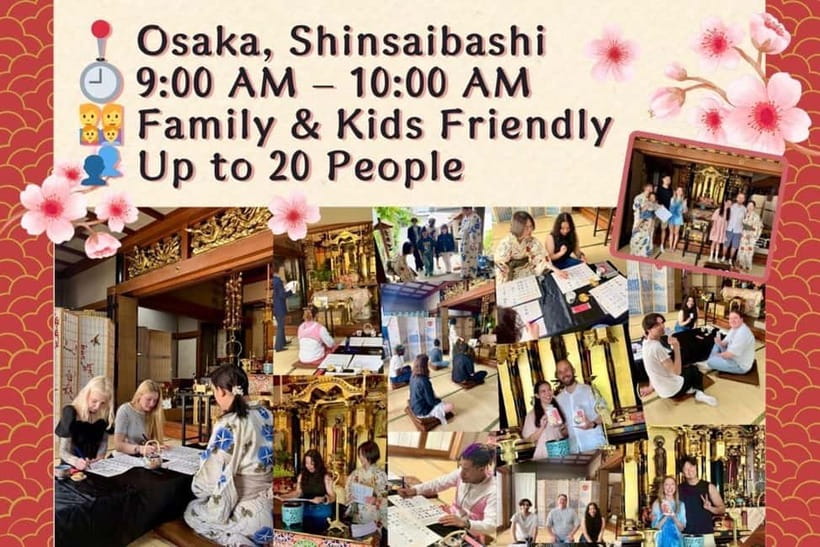
If you need a reset button, this one works fast. This Osaka temple tour at Saishoji Temple pairs a short Japanese lesson with quiet zazen meditation and hands-on calligraphy, right by the Yotsubashi Line. You’re not just watching culture from the outside; you’re using a brush, breathing slowly, and learning what people actually mean when they talk politely in Japan.
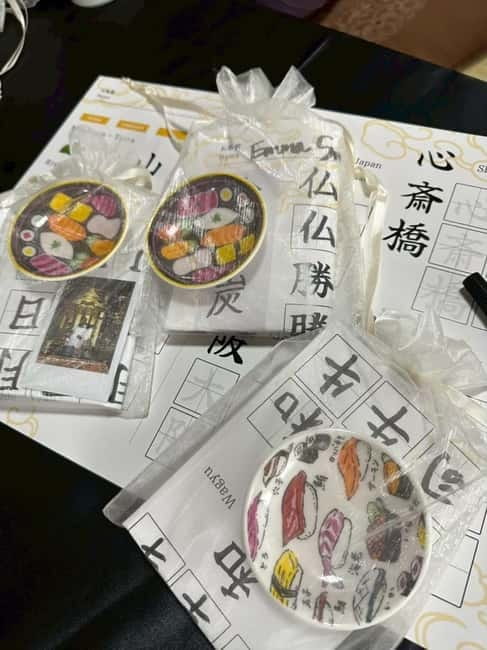
I especially love the calm pacing and how practical the instruction feels when you’re writing. You practice basic calligraphy, then write one favorite kanji on a mini shikishi and leave with a name card that includes that kanji plus its meaning, plus a small ceramic gift plate (8 cm diameter). A possible drawback: the whole experience is only 1 hour, so you’ll finish with a great keepsake, but you won’t become a calligraphy expert in a single sitting.
In This Review
- Key Takeaways Before You Go
- Saishoji Temple: Why This Osaka Experience Feels Different
- Getting There: The Easy Win Near Yotsubashi Station
- The 1-Hour Flow: What Happens, Step by Step
- 1) Guided Japanese history + language lesson
- 2) Zazen meditation: breath, focus, and quiet
- 3) Calligraphy copying + techniques
- 4) Write your favorite kanji on a mini shikishi
- 5) Matcha tea ceremony
- 6) Interaction with resident monks
- What You Actually Get: Keepsakes With Real Meaning
- Who This Is For (And Who Might Want Something Else)
- You’ll probably love it if:
- You might prefer a different activity if:
- Price and Value: Why $20 Works Here
- Temple Etiquette That Helps Your Experience
- Should You Book This Osaka Temple Tour and Calligraphy Lesson?
- FAQ
- Where is the meeting point?
- How long does the experience last?
- What is the price per person?
- Is the instruction available in English?
- What activities are included?
- Will I be able to write kanji myself?
- What take-home items are included?
- Is there free cancellation?
Key Takeaways Before You Go
- Saishoji Temple location: steps from Yotsubashi Station (Exit 4), so you can fit this into a normal Osaka day without stress.
- Zazen that actually teaches your body: a guided meditation focused on breath and clearing your mind.
- Calligraphy you can walk away with: write one kanji on a mini shikishi, plus get a name card with meaning.
- Basic lessons for first-timers: the instruction is in English and designed for beginners and returning learners.
- A small ceremonial touch: a matcha tea ceremony is part of the cultural flow.
- You get more than paper: there’s also a small ceramic plate gift.
Quieter corners: more Osaka temples and shrines
Saishoji Temple: Why This Osaka Experience Feels Different
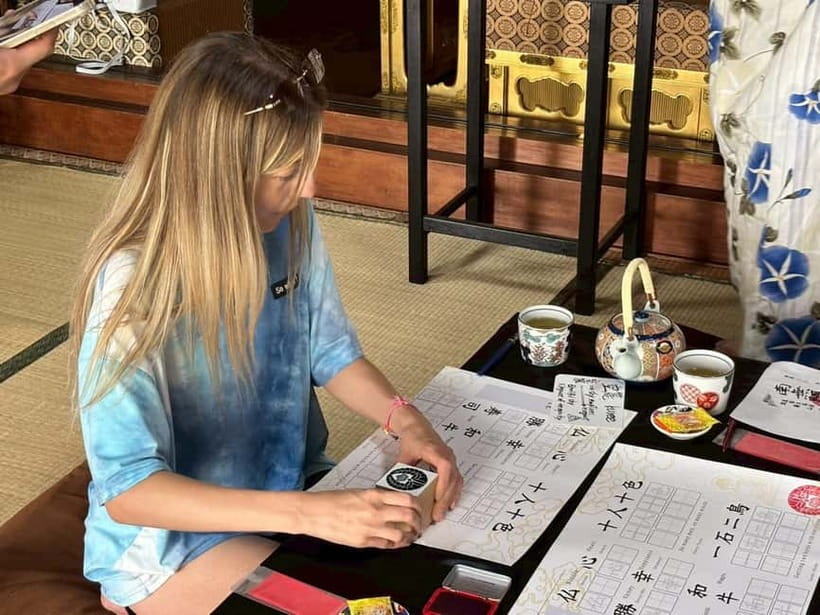
Osaka can be loud. Even when you’re loving it, you can still feel your brain going a little too fast. This experience at Saishoji Temple is built for the opposite mood: calm, attentive, and very hands-on.
The first thing I like is that it’s not an abstract “culture class.” You start with a short guided Japanese history and language lesson, then you switch gears into meditation and calligraphy. That rhythm matters because you’re learning in the same order your focus works: settle your mind, then concentrate your hands.
The second thing that stands out is what you take home. The calligraphy isn’t a worksheet you forget. You write one kanji you choose, on a mini shikishi, and you receive a name card with Japanese kanji and its meaning. Add a small ceramic plate gift (8 cm in diameter), and you end up with tangible proof that you did something real in Japan, not just collected photos.
Getting There: The Easy Win Near Yotsubashi Station
Location is a big part of value. Meeting at Saishoji Temple means you’re not commuting across town just to do something short.
Here’s how it works for planning:
- Yotsubashi Station (Osaka Metro Yotsubashi Line), Exit 4: about a 3-minute walk
- Shinsaibashi Station (Osaka Metro Midosuji Line): about 10 minutes on foot
- Namba Station: about 15 minutes on foot
If you’re staying around Shinsaibashi or moving between Namba and that west side of town, this is one of those activities that doesn’t steal half your day. You can also use the provided Google Maps link to get door-to-door directions.
Practical tip: because you’re stepping into a temple setting, I’d treat it like a calm appointment. Aim to arrive a few minutes early so you’re not rushing your mood.
The 1-Hour Flow: What Happens, Step by Step
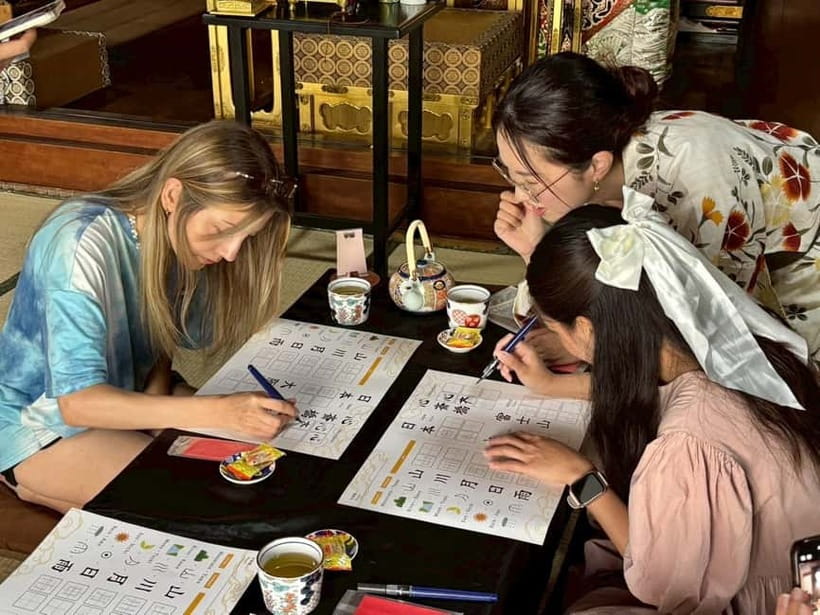
This is a tightly packed 1-hour experience, which is exactly why it works. Here’s what you can expect in order, and why each part matters.
Make the souvenir yourself at more workshops
1) Guided Japanese history + language lesson
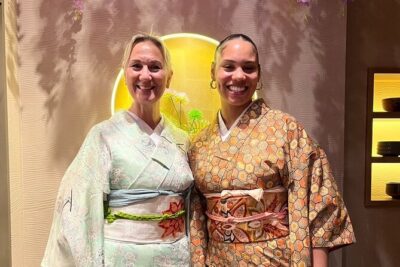
You begin with a brief guided lesson tied to the area: Shinsaibashi, Yotsubashi, and Osaka Castle. You also get the difference between temples and shrines in Japan, which is one of those topics that’s easy to confuse when you’re sightseeing.
Then the language component shifts from facts to usefulness. You’ll practice conversational phrases and idiomatic cultural expressions, plus mindful communication.
Why this is valuable: you’re learning not just words, but how people talk politely and indirectly. Even a short lesson can make your next interactions in Osaka feel smoother, like you know the tone and not just the vocabulary.
2) Zazen meditation: breath, focus, and quiet
Next comes Zazen meditation. This is guided, and it’s specifically about clearing your mind and focusing on breathing.
If you’ve never tried sitting meditation before, this is a good first encounter because the goal is simple: slow down, notice breathing, and let the noise fall away. Several people mention the moment of “nothingness” feeling refreshing, especially when you step into the temple quiet away from daily bustle.
Possible consideration: if you’re the kind of person who hates sitting still or worries you’ll do it wrong, just know that the purpose here is gentle guidance, not performance. You’re allowed to follow, not impress.
3) Calligraphy copying + techniques
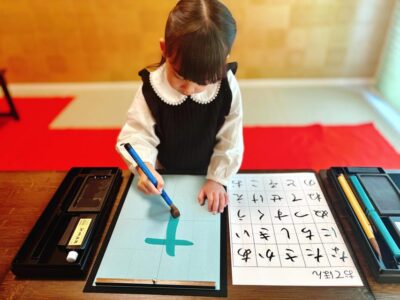
After meditation, you’ll shift from stillness to motion—brush work. You’ll practice basic calligraphy, including copying steps that teach control and rhythm.
This part is where the class earns its keep. Calligraphy sounds mystical, but the real magic comes from basic mechanics: brush pressure, stroke order, steady pace, and letting the ink do its job.
You don’t need prior skill. The instruction is in English, and the format is friendly for first-timers, so you won’t feel like everyone else learned this as a kid.
4) Write your favorite kanji on a mini shikishi
Then comes the moment you’ll remember: you write one favorite kanji on a mini shikishi.
That choice matters. When you pick the character yourself, it stops being “a kanji lesson” and becomes personal. You’re literally crafting a symbol that means something to you, and you’ll be able to connect it to the meaning you receive afterward.
You’ll also get a name card featuring the kanji and its meaning. For anyone learning Japanese, that’s a nice bridge between studying and real-world use—kanji stop being only study material and start looking like language you live with.
One more detail people mention: there’s also a stamping step tied to the calligraphy process. In practice, it adds a layer of craftsmanship beyond just ink.
5) Matcha tea ceremony
You also take part in a traditional matcha tea ceremony as part of the cultural flow.
This is the “pause” built into the schedule. Tea rounds out the sensory experience: you’ve used your hands with the brush, now you slow down with something warm, mindful, and simple.
Even if you’re already a matcha fan, the ceremony framing makes it feel less like ordering a drink and more like participating in a ritual.
6) Interaction with resident monks
Throughout, you interact with resident monks. This is one of those details that can quietly change the feel of the whole thing.
When you’re guided by monks and instructors, it’s harder to turn the experience into a check-the-box photo stop. You’re learning inside the temple’s culture, not just around it.
What You Actually Get: Keepsakes With Real Meaning

Most short experiences in Japan hand you a souvenir that looks nice in a bag. This one gives you items with purpose.
Here’s what’s included:
- Guided Japanese history and language lesson
- Cultural immersion activities
- Interaction with resident monks
- All materials needed
- A calligraphy result: your written kanji on a mini shikishi
- A name card with Japanese kanji and its meaning
- A small ceramic plate gift (8 cm diameter)
And the calligraphy keepsake isn’t generic. People consistently mention that writing and holding the brush changes how they see Japanese culture, because it’s physical, not only visual.
If you’re learning Japanese, the name card can also act like a micro-study tool. You can glance at your chosen kanji later and remember the meaning without re-reading notes.
Who This Is For (And Who Might Want Something Else)
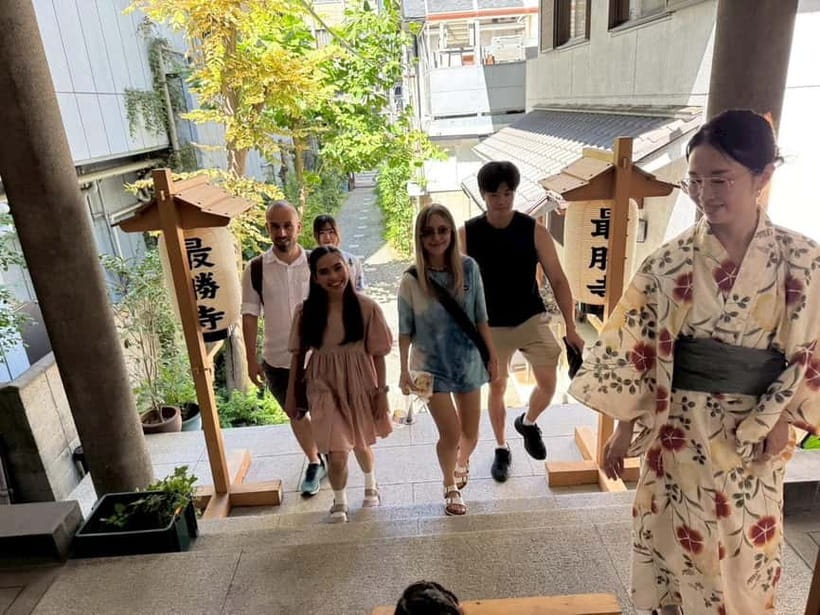
This experience is built for a wide range of levels. The structure is designed to be approachable for beginners and still worthwhile if you’ve done calligraphy before.
You’ll probably love it if:
- You’re a beginner in Japanese and want practical phrases, not just random trivia
- You like calm activities that slow your day down
- You want something hands-on that ends with a personal keepsake
- You’re traveling solo and want guided structure without feeling awkward
- You enjoy cultural rituals like tea when they’re taught, not just performed
Reviews also highlight that solo participants can relax. Since the instruction is in English and staff tend to be kind and accommodating, it’s not one of those activities where you spend the hour worrying you’ll fall behind.
You might prefer a different activity if:
- You’re expecting a long calligraphy workshop or serious skill training
- You don’t like sitting meditation at all and can’t handle quiet instructions
- You want a deep dive into temple history that lasts longer than an hour
Remember: the value here is focus and completion, not extended mastery.
Price and Value: Why $20 Works Here
At $20 per person for 1 hour, you’re buying more than time. You’re buying:
- Guided Japanese history + language practice
- Meditation guidance
- Calligraphy instruction
- A matcha tea ceremony
- Materials supplied
- A finished calligraphy outcome plus two take-home items (name card and ceramic plate)
In a city where many activities charge for “just the lesson,” this adds up because you actually produce something you can keep. The ceramic gift is also small, but that’s the point—this is the kind of souvenir you’ll remember as part of the experience rather than a bulky item you regret packing.
If you’re trying to get cultural value without spending a full afternoon, this is priced to fit.
Temple Etiquette That Helps Your Experience
You don’t need to be an expert. But you’ll get more out of it if you treat the space respectfully.
A few sensible habits:
- Keep your voice low and your movements calm
- When you’re practicing calligraphy, focus on the instructor’s pace rather than rushing your strokes
- During meditation and tea, treat it like a shared moment, not a performance
Even if you’re busy in Osaka the rest of the day, here you’re stepping into quiet practice. People notice when you match the mood.
Should You Book This Osaka Temple Tour and Calligraphy Lesson?
I’d book it if you want a short, high-impact experience that blends language learning with real cultural practice. The combination of zazen meditation, calligraphy you make yourself, and a name card with meaning is a strong mix of calm + craft + personal outcome for the price.
Skip it only if you’re expecting a long skill-building workshop or you know you’ll hate sitting meditation. Otherwise, this is one of those Osaka activities that leaves you calmer than you started—and with a keepsake that makes your next Japanese study feel more personal.
FAQ
Where is the meeting point?
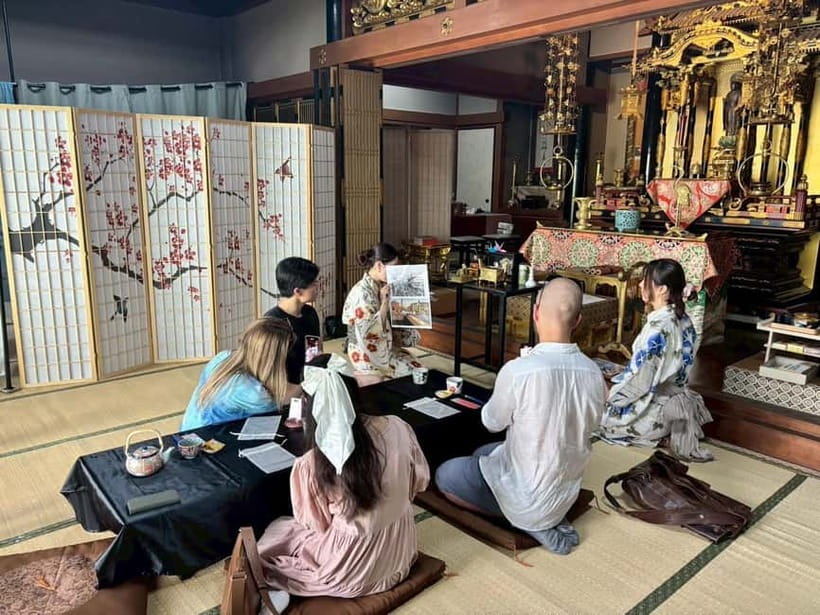
The meeting point is Saishoji Temple, 1-6-18 Kitahorie, Nishi-ku, Osaka, 550-0014, Japan.
How long does the experience last?
The experience lasts 1 hour.
What is the price per person?
The price is $20 per person.
Is the instruction available in English?
Yes. The instructor language is English.
What activities are included?
You can expect a guided Japanese history and language lesson, Zazen meditation, calligraphy practice (including writing one favorite kanji on a mini shikishi), and a traditional matcha tea ceremony.
Will I be able to write kanji myself?
Yes. You will practice basic calligraphy and then write one favorite kanji on a mini shikishi.
What take-home items are included?
You receive a name card with Japanese kanji and its meaning, and a small ceramic plate gift (8 cm in diameter). Materials for the activities are also provided.
Is there free cancellation?
Yes. You can cancel up to 24 hours in advance for a full refund.
More Tour Reviews in Osaka
- Osaka Go Karting Tour with Funny Costume★ 5.0 · 2,658 reviews
- Osaka Castle: Museum and Tower Entry Ticket★ 4.5 · 2,380 reviews
- Osaka: Shinsekai Food Tour with 13-15 Dishes at 5 Eateries★ 4.8 · 2,204 reviews
- Osaka Food Tour: 13 Dishes at 5 Local Eateries★ 5.0 · 2,149 reviews
- Hungry Osaka Street Food Tour:15 Tastings & 3 Drinks with a Local★ 5.0 · 1,727 reviews
Made in Osaka, by You
- Osaka: Tea Ceremony, Calligraphy, and Kimono Experience★ 4.9 · 130 reviews
- 1.5〜2 Hours Traditional Kintsugi Work Shop in Namba Osaka★ 5.0 · 75 reviews
- Osaka: Private Japanese Calligraphy Experience★ 5.0 · 66 reviews
- From Osaka: Sakai Knife Maker or Blacksmith Walking Tour★ 4.9 · 64 reviews
- Osaka: Traditional Japanese Ceramics Private Experience★ 5.0 · 57 reviews
Temple Gates and Shrine Paths
- Osaka: Minoh, Katsuoji Temple, & Minoh Falls Full-day Tour★ 4.9 · 172 reviews
- Full Day Kyoto Tour : Bamboo Forest, Golden Temple, Fushimi Inari★ 5.0 · 84 reviews
- Osaka Temple Cool Foot Bath & Matcha Experience〈45min〉★ 4.9 · 82 reviews
- Osaka: Mind & Spirit Balance Temple Reiki Healing★ 5.0 · 41 reviews
- Katsuo-ji Temple, Arashiyama Forest, & Nara Park★ 4.0 · 37 reviews
The Newest Osaka Write-Ups
- Private Photoshoot in Osaka with a Professional Photographer
★ 5.0 · 3 reviews - Osaka Early Morning Osaka Castle Tour Avoid Crowds
★ 5.0 · 3 reviews - Nara Private Tour with Pick and Drop and English Speaking Driver
★ 3.5 · 3 reviews - Osaka: Modern Vegetarian Sushi Cooking Class
★ 5.0 · 3 reviews - Nara Day Trip from Osaka with a Licensed Guide
★ 5.0 · 3 reviews
Osaka Temples & Shrines, compared.
 ★ 4.9Minoh, Katsuoji Temple, & Minoh Falls Full-day TourFrom $135172 reviews
Full Day Kyoto Tour : Bamboo Forest, Golden Temple, Fushimi InariFrom $10584 reviews
★ 4.9Minoh, Katsuoji Temple, & Minoh Falls Full-day TourFrom $135172 reviews
Full Day Kyoto Tour : Bamboo Forest, Golden Temple, Fushimi InariFrom $10584 reviews
 ★ 4.9Osaka Temple Cool Foot Bath & Matcha Experience〈45min〉From $3482 reviews
 ★ 5.0Mind & Spirit Balance Temple Reiki HealingFrom $16141 reviews
 ★ 4.0Katsuo-ji Temple, Arashiyama Forest, & Nara ParkFrom $9137 reviews
 ★ 4.7Minoh Waterfall & Katsuo-ji Temple Half-Day TourFrom $4727 reviews
 ★ 5.0Osaka Half-day E-bike Adventure: Minoh Falls & Katsuoji TempleFrom $3425 reviews
 ★ 5.0Private Car Full Day Tour of Osaka Temples, Gardens and Kofun TombsFrom $70824 reviews
Browse the lists this tour appears in