
Kyoto in one long day? It works. This full-day tour strings together Arashiyama bamboo, the Golden Pavilion, and the red gates of Fushimi Inari in one efficient route, with an air-conditioned private vehicle from Osaka and entry tickets included.
I like that the group stays small, with a maximum of 11 people, so the guide can slow down for real explanations instead of herding. I also like that the big-pay-item friction is gone: entry tickets are included for the main stops, plus you get bottled water and onboard WiFi.
The main drawback is effort. You’ll walk a fair amount with stairs and hills at each site, and the tour is not customizable, so it’s best for travelers who can handle a full 8–9 hour day.
In This Review
- Key things to know before you go
- Kyoto from Osaka, with the big hits in one day
- Meeting points and how the 9:45am start affects your day
- Arashiyama: Bamboo Forest for over 1,000 years of atmosphere
- Togetsukyo Bridge and Arashiyama town time: where the day breathes
- Kinkakuji (Golden Pavilion): iconic views, managed pacing
- Fushimi Inari Taisha: red gates and a stair-heavy finish
- The ride, the group size, and why it matters in Kyoto
- Price and value: what you’re actually paying for
- What to pack and how to pace yourself
- Who this tour is best for (and who should skip it)
- Should you book this Kyoto day trip from Osaka?
- FAQ
- How long is the Full Day Kyoto Tour?
- Where do you meet, and when does it start?
- Are entry tickets included?
- What’s included in the tour besides tickets?
- Is lunch included?
- Do I need to be able to walk stairs and hills?
Key things to know before you go
- Small-group feel (max 11 travelers): easier pacing and more Q&A than big coach tours
- Tickets included: you don’t have to time your own lines for the included admissions
- Three Kyoto icons, one route: bamboo in Arashiyama, Kinkakuji, then Fushimi Inari
- Guides with strong storytelling: names you may hear include Taka, Tom, Woody, and Jin
- Weather and traffic can shift timing: the schedule may change during the day
Quieter corners: more Osaka temples and shrines
Kyoto from Osaka, with the big hits in one day
If your Kyoto time is short, this type of tour solves the main problem: distance and logistics. You start from Osaka around 9:45am, then ride comfortably to Arashiyama, Kyoto’s bamboo-and-river valley area, before moving on to Kinkakuji (Golden Pavilion) and finally Fushimi Inari Taisha.
What I’d call the smartest part is the order. Arashiyama is a great morning choice for walking and photos, then Kinkakuji follows while you’re still fresh, and Fushimi Inari caps the day with a more flexible, self-paced feel even when the shrine is busy.
This is also a tour built around interpretation, not just checklists. A good guide can explain why each place looks the way it does and what you’re seeing beyond the postcard version. In the past, guides on this experience have included people like Taka and Tom, Woody, and Jin, and their common theme is clear, practical storytelling that helps you read Kyoto instead of just wandering.
One more value point: you travel by private vehicle with an English-speaking and Mandarin-speaking conductor option (your guide may be multilingual). That matters on a long day because you want someone to keep the day running while you focus on the sights.
Meeting points and how the 9:45am start affects your day
The tour starts at 9:45am, and you meet your conductor in Shinsaibashi or at Umeda DT Tower. You board a comfortable, air-conditioned vehicle and head to Kyoto. There’s no extra pickup or drop-off service, so you’ll want to plan your morning transit to those exact areas.
Timing is everything for Kyoto. Since you’re doing three major stops across roughly 8–9 hours, you should assume you’ll be transitioning often—ride, walk, ride, walk. If you’re coming from a hotel, I’d build in buffer time so you’re not sprinting to the meeting point.
Also, while the tour says it is not customizable, it does include flexibility in the sense that the schedule may change based on weather and traffic conditions. That’s normal for Kyoto day trips, especially when crowds and congestion pick up. The best mindset is to treat the plan as a guide, not a rigid clock.
Finally, the meeting point ends where you started. You’ll return to Shinsaibashi or Umeda DT Tower, depending on where you disembark.
Arashiyama: Bamboo Forest for over 1,000 years of atmosphere
The bamboo forest trail is the reason many people book this Kyoto day trip. You get time to walk among bamboo that has been culturally significant for over 1,000 years. The tour describes bamboo cultivated by the nobles of the Heian era still remaining—so you’re not just seeing fast-growing greenery; you’re walking through a space with deep historical roots.
The trail time is about 50 minutes, which is enough to slow down, take photos without turning it into a race, and catch the slight change in sound and light as you move deeper. Bamboo areas can feel similar at a distance, but in person you notice differences in how the path bends, how the crowd density changes, and where the light filters through the stalks.
Practical note: this is not a totally flat walk. The tour information flags stairs and hills in each place, and Arashiyama is where that starts. If you’re comfortable with some incline and uneven ground, you’ll get more enjoyment. If not, you may feel the day more than you expected.
Also, bamboo forests in Kyoto can get crowded. This tour’s structure helps because you reach the area as part of a full route, not as a last-minute scramble. Still, come prepared for people—especially around the most photographed sections.
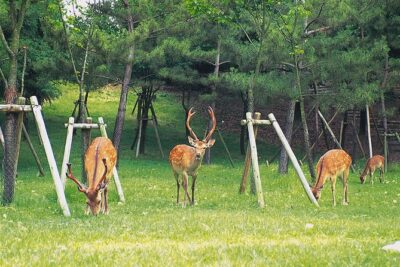
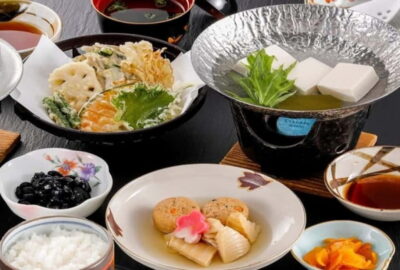
Kyoto sits thirty minutes away, more ways there
Togetsukyo Bridge and Arashiyama town time: where the day breathes
Before the bamboo trail, you arrive at Togetsukyo Bridge. This stop is about scenery—mountains, river valley views, and the chance to cross the bridge and see Arashiyama from the outside in. You then walk through Arashiyama town, which is where the trip feels more like a real neighborhood day than a museum crawl.
You also get a solid block of time in Arashiyama for a lunch break and shopping. The tour sets aside about 1 hour here. Lunch is not included, but you can grab local food or snacks from stalls and restaurants in the area. Even if you skip shopping, that extra time matters because it gives your legs a chance to recover before Kinkakuji.
Here’s the balance I’d watch: one review feedback noted the bamboo and lunch time can feel long for some people, while time at the next stop can feel tight. That doesn’t mean it’s bad—it just means your preferences matter. If you love unhurried bamboo photos and long strolls, you may find this timing a win. If you want more time climbing at Fushimi Inari, you might feel the schedule pressure later in the day.
Either way, use the Arashiyama town hour strategically. Pick a food spot quickly, eat, and then spend your remaining minutes on the streets you want—rather than trying to do everything.
Kinkakuji (Golden Pavilion): iconic views, managed pacing
Kinkakuji, or the Golden Pavilion, is Kyoto’s instant recognition stop. The tour gives you about 1 hour 30 minutes at this site, including admission. That’s a meaningful window: enough to see the pavilion itself, walk through the surrounding garden area, and take in the viewpoints without feeling like you’re constantly moving.
The value here isn’t just the pavilion. A good guide can explain how Kinkakuji’s design and garden layout shape the experience—where your eyes are supposed to land and why the setting feels so deliberate. On these tours, guides like Taka and Tom (and others) have been praised for keeping the day engaging while pointing out what matters.
The pacing is important. One key review point was that the tour generally doesn’t feel rushed, which is what you want at Kinkakuji. Crowds can thicken quickly, and if your time window is too short, you end up treating it like a drive-by. At 1.5 hours, you’re more likely to actually enjoy the place.
Still, you should plan for walking and likely some uneven paths. If your legs are already tired from Arashiyama, this is where you’ll notice it. Wear shoes you can handle confidently.
Fushimi Inari Taisha: red gates and a stair-heavy finish
Then you head to Fushimi Inari Taisha, famous for its red torii gates donated over generations. The shrine is described as being founded over 1,300 years ago for the god Inari Okami, connected to the peaks of Mt. Inari. You get about 2 hours here, and entry tickets are free/included for the tour.
Fushimi Inari is where Kyoto gets physical. Even if you don’t aim for the farthest reaches, the site naturally leads you up stairs and along paths. The tour explicitly warns about stairs and hills, and this is one of the biggest reasons. If you’re comfortable with moderate exertion, you’ll probably leave satisfied. If you’re not, it can turn into a grind.
Time allocation is the one place where the tour may not match everyone’s wish list. One piece of feedback said the time at Fushimi Inari felt too short and rushed. That doesn’t surprise me. This shrine is easy to overrun because you’ll want to keep going once you’re under the gates.
So here’s how to handle it smartly. Decide early how you’ll spend your 2 hours. If you want the most iconic sections, plan to turn back before the farthest routes eat your time. If you want deeper climbing, skip long photo detours earlier and use your energy here.
The ride, the group size, and why it matters in Kyoto
This tour keeps things practical: an air-conditioned vehicle, onboard WiFi, bottled water, and an expert guide plus a driver. You start with a drive of about 1.2 hours from Osaka to Kyoto’s Arashiyama area, then you bounce between sites with short transfers.
Group size is capped at 11 travelers, which is a real difference maker on Kyoto days. Big bus tours can feel like a conveyor belt. Here, you’re more likely to get direct help—especially for navigating crowd flow at the busiest photo spots.
Guides also matter on a day like this because you’re stacking very different experiences. Bamboo is quiet and atmospheric. Kinkakuji is visual and structured. Fushimi Inari is energetic and stair-driven. A guide can connect the dots so the day feels like a coherent story instead of three separate errands.
In the reviews tied to this experience, guides such as Taka and Tom were repeatedly praised for knowledge and for making visitors feel safe and comfortable in busy Kyoto areas. There’s also mention of guides like Jin giving detailed information. That’s the kind of “how to look at it” guidance that makes the stops worth your time.
Price and value: what you’re actually paying for
At $105.71 per person, you’re not just paying for transport. You’re paying for:
- Private vehicle transfers between Osaka and Kyoto sites
- English-speaking conductor (plus Mandarin-speaking option)
- Entry tickets included for the tour’s main paid items
- Bottled water and onboard WiFi
When tickets are included, you reduce two common costs: time spent finding tickets and friction at ticket counters. On a 9-hour day, saving time can be more valuable than saving money.
You do pay for convenience. This tour also avoids the chaos of piecing together public transit plus timed entries for three major destinations. If you’re short on days in Japan, that can be the difference between a smooth itinerary and a stressful one.
The only cost not covered is lunch and tips. Lunch is on you, and it’s worth planning to grab something quick and filling in Arashiyama so you don’t lose time later.
What to pack and how to pace yourself
Because this tour includes walking with stairs and hills at each place, packing matters more than usual. Bring comfortable walking shoes with traction. If you usually wear sandals, consider a backup plan—Kyoto’s paths can be uneven, and stairs are part of the deal.
Also pack for weather. The tour notes that schedule can change due to weather and traffic. Rain or heat can make bamboo and shrine walking feel longer. Bring a small umbrella or a light rain layer, and if it’s hot, plan to hydrate.
Finally, pace your photos. The bamboo forest is gorgeous, but it’s also where you can accidentally spend 30 minutes more than you intended. Use the time like a pro: shoot the obvious angles, then move deeper for calmer views.
At Kinkakuji, keep your expectations realistic. You have about 1.5 hours—so you’re there to see the pavilion and the garden area, not to do a half-day hike.
At Fushimi Inari, decide on your turn-back point early so you don’t end the tour sprinting.
Who this tour is best for (and who should skip it)
This full-day Kyoto tour from Osaka is a great match if you want three major Kyoto sights in one day without handling logistics. It’s especially good for first-time visitors who want to understand what they’re looking at, not just take photos and move on.
It’s also a good pick if you like a guided route with small-group pacing. With a maximum of 11, you’ll feel more supported.
Skip or rethink if you cannot walk long distances or handle stairs and hills. The tour itself flags that it is not recommended for travelers who can’t manage the walking component. If your mobility needs more flexibility, you may prefer a slower, more customized plan.
One more “fit” factor: this is not customizable. If you have a strong preference to spend extra time at one site, you might feel the timing trade-offs. The route is built as a balanced circuit, and the day’s structure may not match everyone’s ideal priorities.
Should you book this Kyoto day trip from Osaka?
I’d book this tour if you want an efficient Kyoto hit list—bamboo forest, Kinkakuji, and Fushimi Inari—with guides who help you understand what you’re seeing and with tickets included. The small group size and comfort of a private vehicle make the long day feel less exhausting than DIY.
I’d hesitate if you’re sensitive to walking, stairs, or crowded sites. Fushimi Inari can be demanding, and some timing feedback suggests it can feel rushed if you want to go far. Also remember lunch is on your own, so build in a quick meal plan.
If you go in with realistic expectations—good shoes, steady energy, and a simple plan for how far you’ll go at Fushimi Inari—you’ll likely come away feeling you used your limited Kyoto time well.
FAQ
How long is the Full Day Kyoto Tour?
The tour runs about 8 to 9 hours.
Where do you meet, and when does it start?
Meeting options are Shinsaibashi or Umeda DT Tower, and the start time is 9:45am.
Are entry tickets included?
Yes. All entry tickets for the tour stops are included in the price.
What’s included in the tour besides tickets?
You get an English-speaking and Mandarin-speaking conductor, an air-conditioned vehicle, WiFi on board, bottled water, and all fees and taxes.
Is lunch included?
No. Lunch is not included, but you do have time for a lunch break in Arashiyama.
Do I need to be able to walk stairs and hills?
Yes. The tour includes walking and notes stairs and hills at each place, so it is not recommended if you can’t walk long distances.
More Tour Reviews in Osaka
- Osaka Go Karting Tour with Funny Costume★ 5.0 · 2,658 reviews
- Osaka Castle: Museum and Tower Entry Ticket★ 4.5 · 2,380 reviews
- Osaka: Shinsekai Food Tour with 13-15 Dishes at 5 Eateries★ 4.8 · 2,204 reviews
- Osaka Food Tour: 13 Dishes at 5 Local Eateries★ 5.0 · 2,149 reviews
- Hungry Osaka Street Food Tour:15 Tastings & 3 Drinks with a Local★ 5.0 · 1,727 reviews
Kyoto, Just Up the Line
- Osaka/Kyoto: Hiroshima Miyajima Bus Tour & Shinkansen Ticket★ 4.7 · 919 reviews
- From Kyoto/Osaka: Kyoto Top Highlights 1-Day Guided Bus Tour★ 4.5 · 714 reviews
- Ancient Capital Tour: Kyoto and Nara Highlights from Kyoto/Osaka★ 4.5 · 332 reviews
- Osaka/Kyoto: Amanohashidate & Miyama Tour with Boat & Lunch★ 4.6 · 207 reviews
- Kyoto and Nara Day Trip from Osaka★ 4.0 · 175 reviews
Temple Gates and Shrine Paths
- Osaka: Minoh, Katsuoji Temple, & Minoh Falls Full-day Tour★ 4.9 · 172 reviews
- Osaka Temple Cool Foot Bath & Matcha Experience〈45min〉★ 4.9 · 82 reviews
- Osaka: Mind & Spirit Balance Temple Reiki Healing★ 5.0 · 41 reviews
- Katsuo-ji Temple, Arashiyama Forest, & Nara Park★ 4.0 · 37 reviews
- Osaka: Minoh Waterfall & Katsuo-ji Temple Half-Day Tour★ 4.7 · 27 reviews
The Newest Osaka Write-Ups
- Private Photoshoot in Osaka with a Professional Photographer
★ 5.0 · 3 reviews - Osaka Early Morning Osaka Castle Tour Avoid Crowds
★ 5.0 · 3 reviews - Nara Private Tour with Pick and Drop and English Speaking Driver
★ 3.5 · 3 reviews - Osaka: Modern Vegetarian Sushi Cooking Class
★ 5.0 · 3 reviews - Nara Day Trip from Osaka with a Licensed Guide
★ 5.0 · 3 reviews
Osaka Temples & Shrines, compared.
 ★ 4.9Minoh, Katsuoji Temple, & Minoh Falls Full-day TourFrom $135172 reviews
 ★ 4.9Osaka Temple Cool Foot Bath & Matcha Experience〈45min〉From $3482 reviews
 ★ 5.0Mind & Spirit Balance Temple Reiki HealingFrom $16141 reviews
 ★ 4.0Katsuo-ji Temple, Arashiyama Forest, & Nara ParkFrom $9137 reviews
 ★ 4.7Minoh Waterfall & Katsuo-ji Temple Half-Day TourFrom $4727 reviews
 ★ 5.0Osaka Half-day E-bike Adventure: Minoh Falls & Katsuoji TempleFrom $3425 reviews
 ★ 4.9Temple Tour and Traditional Calligraphy LessonFrom $2024 reviews
 ★ 5.0Private Car Full Day Tour of Osaka Temples, Gardens and Kofun TombsFrom $70824 reviews
Browse the lists this tour appears in