
Reviewed · OSAKA COOKING CLASSES
Well-balanced BENTO (lunch box) Cooking Class
Lunch, but make it hands-on. This bento cooking class in Osaka is interesting because you don’t just watch—you build the lunch step by step, from dashi to the final lunch-box layout. I especially love how the instructor explains what’s going on (the dashi stock process really matters), and I love that you finish by packing a bento that looks put-together, not chaotic. One possible drawback: the class moves fast, so if you’re slower in the kitchen, you’ll need to keep your hands moving.
I also like that the small-group size (up to 8) makes it easier to get help while you cook and shape your rice. The teaching style comes through clearly in the experience—people talk about instructors like Yumi and Fumi being careful, clear, and professional with English that stays friendly and to the point. If you prefer long, slow cooking with lots of downtime, this one may feel like more of a focused sprint than a leisurely meal.
Finally, the food is not random. You learn to make classic home-style dishes (including Wagyu beef, shrimp, salmon, and egg), then you pair it with fresh veg inside your bento and a complimentary miso soup to round it out.
In This Review
- Key highlights you’ll feel right away
- Osaka’s hands-on bento workshop at Sakura Cook
- What you make: dashi, seven home-style dishes, and triangular rice balls
- From marinate to heat control: techniques you’ll actually use again
- Bento packing: learning the look and balance of a real lunch
- Miso soup + meal moment: the end of class that ties it together
- Price and value: what $92.24 buys you in Osaka
- Who this class suits best (and who should skip it)
- Small practical tips so you enjoy the class more
- Should you book this Osaka bento cooking class?
- FAQ
- Where does the class start and end?
- How long is the cooking class?
- What’s the group size?
- Is this class vegetarian or can it be customized?
- What dishes will I learn to make?
- Do we eat the food we make?
- Do I need to bring anything or wear anything special?
- Can children take the class?
- Is transportation nearby?
- What if my plans change?
Key highlights you’ll feel right away
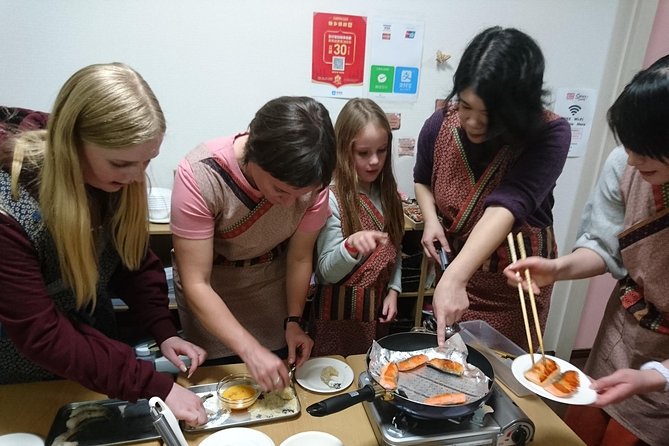
- Dashi basics: you start with traditional Japanese broth stock, not shortcut ingredients
- Up to seven home-style dishes: Wagyu beef, shrimp, salmon, egg, squash, mushrooms, and more
- Triangular rice balls: you practice shaping with plastic molds before assembling
- Bento packing, taught: you learn how to place food so it looks neat and balanced
- Miso soup included: you eat your lunch with the same kind of simple pairing locals use
Flour on your hands, more Osaka kitchens to try


Osaka’s hands-on bento workshop at Sakura Cook
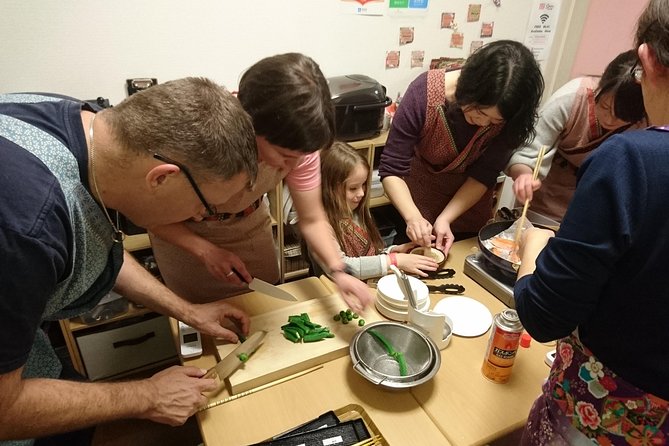
This is the kind of class that makes Japanese food feel practical instead of mysterious. You start at Sakura Cook, a restaurant setting that’s set up for small groups and hands-on cooking. The experience is built around real lunch making: cooking, assembling, and then eating what you made.
The first moment matters. You choose your favorite lunch box, put on an apron, and get into the rhythm of cooking. That small choice is more than cute branding—it sets you up to take the final packing seriously. You’ll also notice how the class is timed to fit everything in roughly 2 hours 30 minutes, so you get a full meal experience without it turning into an all-day project.
Group size is capped at 8 travelers, which helps a lot. In a class like this, you want enough space to work and enough instructor attention to avoid mistakes with heat and timing. If the group is extra small, you may get more hands-on detail. That extra attention shows up in how instructors teach, with people describing very careful guidance and clear steps when they had fewer classmates.
What you make: dashi, seven home-style dishes, and triangular rice balls
The core of the class is “build a bento from scratch.” You begin with dashi, the traditional Japanese broth stock that supports the flavor base of many dishes. Dashi can sound like a tiny detail until you taste how it ties everything together. Instructors often explain both the process and the reasoning behind it, including context on why this stock is so common in Japanese home cooking.
After the dashi start, you move into making up to seven classic dishes you’d realistically see in Japanese homes. The ingredients listed for the class include:
- Wagyu beef
- Shrimp
- Salmon
- Egg
- Squash and mushrooms
- A green vegetable
- Plus the triangular rice balls
You’ll practice multiple cooking styles, not just one. The class covers frying, grilling, simmering, and marinating. That matters because bento isn’t about one perfect dish—it’s about a range of flavors and textures that hold together inside a lunch box.
Then comes the rice work. You’ll practice shaping triangular rice balls using plastic molds, and you’ll complete two rice balls by the end. If you’ve only seen onigiri done quickly, the mold step helps you learn the shape without fighting the technique. You get the result faster, and then your hands learn the pattern for the next time you try it on your own.
From marinate to heat control: techniques you’ll actually use again
A lot of cooking classes teach recipes. This one teaches the moves behind the recipes. That’s where the value sits for me, because you’re not just collecting dishes—you’re collecting methods.
Here’s what the class emphasizes through its workflow:
1) Marinating to build flavor
You learn how marinating changes taste and texture, and how it fits into a tight schedule. Even if you don’t remember every ingredient ratio later, you’ll remember the idea: flavor goes in before the heat does its job.
2) Frying and grilling for different textures
Bento needs contrast. Fried items tend to feel crisp or set; grilled items feel deeper and firmer. You practice both so you learn how cooking style changes the final mouthfeel.
3) Simmering for soft, home-style comfort
Simmering is a gentle heat method. It’s useful for dishes that need time to absorb flavor without becoming tough. This is the kind of technique that makes home cooking feel forgiving—once you understand the timing.
4) Finishing and assembly work
Cooking is only half the job. When dishes are ready, the class pushes you to shift gears from the stove to the lunch box. That transition is a real skill in Japanese meal culture.
In the best classes, you can tell the instructor wants you to succeed, not just finish. People consistently describe instructors like Yumi and Fumi as attentive and focused on clear communication. You’ll feel that in how the instructions are paced and how they check that you’re participating in each dish.
Put this one next to a few other Osaka options first:



Bento packing: learning the look and balance of a real lunch
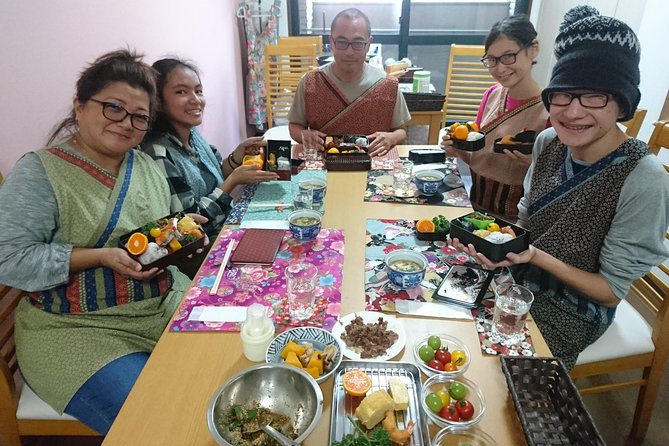
This is where the class turns from cooking to Japanese lunch design.
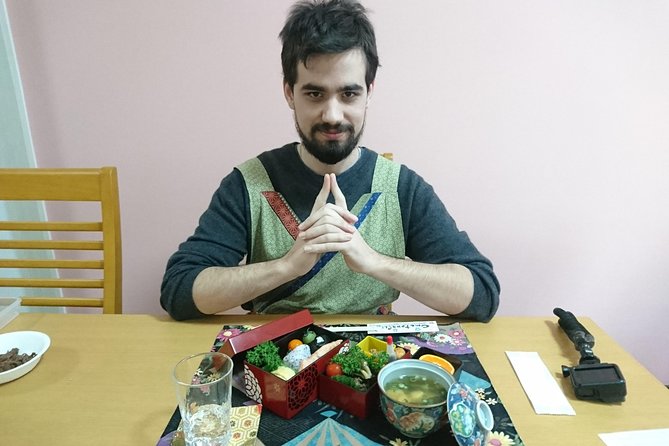
Once dishes are completed, you pack them into your bento box. The experience specifically includes placing food along with fresh vegetables, and you’ll get guidance on an attractive packing way. This isn’t just about making it pretty for a photo. A bento layout helps keep parts separate, makes the meal feel intentional, and makes eating easier on the go.
A few practical things you learn through the packing stage:
- Placement matters: heavy items go in positions that make the lunch feel stable and not jammed together
- Color and texture balance: vegetables and different cooking styles keep the meal from feeling flat
- Space planning: bento boxes force you to think in portions, not in heaping serving bowls
- Chopsticks get accounted for: you pack a complete eating setup, not just food
Also, the bento box isn’t treated like a last-second container. You choose it at the start, so you spend the whole class aware of what needs to fit. That makes the final assembly more satisfying because it feels like you’re building toward a specific result.
In a class like this, the goal is that you leave knowing how to recreate the workflow. For me, the biggest win is that you don’t just learn what to cook—you learn how to translate cooked food into lunch-box form.
Miso soup + meal moment: the end of class that ties it together
When your bento is packed, you sit down and eat what you made. The class provides chopsticks, and the meal includes a complimentary miso soup that pairs with your lunch.
They also encourage a simple start to the meal, using the Japanese phrase Itadakimasu. It’s a small ritual, but it signals that you’re not just taking a cooking demo souvenir—you’re finishing a real food experience.
That last part matters more than you might think. Cooking classes sometimes end abruptly after the last bite of assembly. Here, the structure ends with eating, which helps the skills stick. You taste the way the dashi supports the dishes, you notice how the shrimp and beef complement each other, and you feel whether your rice-ball shaping holds up in actual eating.
Price and value: what $92.24 buys you in Osaka
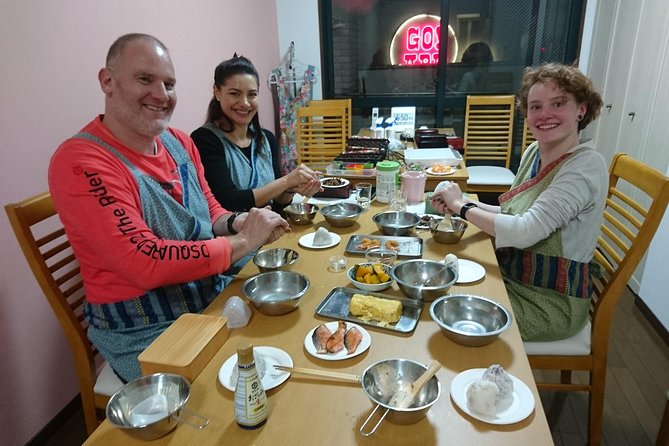
At $92.24 per person, you should think of this as paying for a full, guided meal experience—not just ingredients and a recipe.
Here’s why the price can feel fair for the time you get:
- You make up to seven dishes, so the class isn’t limited to one or two items
- You practice multiple cooking techniques (frying, grilling, simmering, marinating)
- You shape triangular rice balls with molds and assemble the final lunch
- You get a full lunch setup, including miso soup
- The class is capped at 8 travelers, which usually means more hands-on support
Also, this kind of experience is often in demand, since it’s commonly booked well ahead (on average about 53 days). If you want a specific date and time slot, it’s smarter to lock it in early rather than wait for the last week.
If you’re the type who likes learning by doing, this class is worth it. If you mainly want the best flavor with the least effort, you might find better value eating bento elsewhere and saving classes for a dessert or a market tour. But if your goal is skills plus lunch, this is a strong fit.
Who this class suits best (and who should skip it)
I think this works especially well for:
- Food lovers who want skills: you’ll leave understanding dashi and bento assembly, not only memorizing steps
- People traveling with kids: the experience notes that children must be accompanied by an adult, and it’s structured so a 12-year-old can follow with support
- Solo travelers who like small groups: up to 8 means you’re less likely to feel lost in a crowd
- Anyone who wants a balanced lunch culture lesson: the bento idea is about variety, portion, and neatness
You might skip it if:
- You hate time pressure in the kitchen
- You want a class that’s mostly tasting with minimal cooking
- You already feel confident cooking with Japanese techniques and want a different focus
Small practical tips so you enjoy the class more
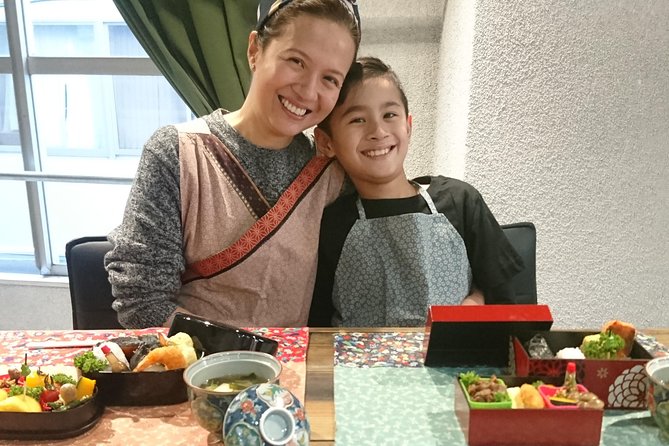
A few things can make the experience smoother:
- Come with a good attitude toward measuring and timing. This class is built around finishing multiple dishes in one sitting.
- If you have dietary limits, plan to mention them at booking. The experience asks you to advise special dietary requirements in advance.
- If you’re worried about language, don’t. Instructors are described as having English that stays warm and direct, and you’ll be busy enough that hands-on steps carry you.
Should you book this Osaka bento cooking class?
Book it if you want an Osaka experience you can taste, not just photograph. The combination of dashi, multiple home-style dishes, triangular rice balls, and then learning how to pack a real bento gives you a complete lunch workflow you can reuse later.
Skip it if your priority is a slow, sightseeing-based food outing or if you’re looking for only one dish to learn. This class rewards people who enjoy cooking and like finishing with a satisfying meal at the end.
If you’re ready for a hands-on lunch that feels like a Japanese home cooking moment, this is a very solid choice.
FAQ
Where does the class start and end?
The class starts at Banix北堀江 Japan, 550-0014 Osaka, Nishi Ward, Kitahorie, 3-chōme62 システマギャラリー. It ends back at the same meeting point.
How long is the cooking class?
It takes about 2 hours 30 minutes (approx.).
What’s the group size?
The class has a maximum of 8 travelers.
Is this class vegetarian or can it be customized?
The class includes dishes like Wagyu beef, shrimp, and salmon based on the standard menu. You should advise any specific dietary requirements at booking so the provider can account for them.
What dishes will I learn to make?
You’ll prepare up to seven classic Japanese home-style dishes. The listed ingredients include Wagyu beef, shrimp, salmon, egg, squash, mushrooms, and a green vegetable, plus triangular rice balls.
Do we eat the food we make?
Yes. At the end, you pack and then eat your bento. The experience includes chopsticks and a complimentary miso soup.
Do I need to bring anything or wear anything special?
You’ll choose your favorite lunch box and wear an apron during the class.
Can children take the class?
Children must be accompanied by an adult.
Is transportation nearby?
Yes. The meeting point is near public transportation.
What if my plans change?
You can cancel for a full refund if you cancel up to 24 hours in advance of the experience start time. Confirmation is received within 48 hours of booking, subject to availability.
More Lunch Experiences in Osaka
- Osaka: Five Must-See Highlights Walking Tour & Ramen Lunch★ 4.7 · 411 reviews
- Osaka/Kyoto: Amanohashidate & Miyama Tour with Boat & Lunch★ 4.6 · 207 reviews
- Walking Tour of Osaka’s 5 Must-See Sights, with Ramen for Lunch★ 5.0 · 158 reviews
- 5-Hour Osaka Highlights Bike Tour with Lunch★ 4.8 · 146 reviews
- Play with Snow Crab Buffet Lunch and Strawberry Picking Bus Tour★ 5.0 · 88 reviews
More Tour Reviews in Osaka
- Osaka Go Karting Tour with Funny Costume★ 5.0 · 2,658 reviews
- Osaka Castle: Museum and Tower Entry Ticket★ 4.5 · 2,380 reviews
- Osaka: Shinsekai Food Tour with 13-15 Dishes at 5 Eateries★ 4.8 · 2,204 reviews
- Osaka Food Tour: 13 Dishes at 5 Local Eateries★ 5.0 · 2,149 reviews
- Hungry Osaka Street Food Tour:15 Tastings & 3 Drinks with a Local★ 5.0 · 1,727 reviews
Cook It Yourself in Osaka
- Sushi Making Osaka Roll and Authentic Japanese Sushi Class★ 5.0 · 1,220 reviews
- Osaka: Five Must-See Highlights Walking Tour & Ramen Lunch★ 4.7 · 411 reviews
- Osaka Sushi Making Experience★ 5.0 · 400 reviews
- Osaka: Ramen and Gyoza Cooking Class in Dotonbori★ 5.0 · 378 reviews
- Osaka: Sumo Stage Show with Bento or Snack + Fight & Photo★ 4.3 · 364 reviews
The Newest Osaka Write-Ups
- Private Photoshoot in Osaka with a Professional Photographer
★ 5.0 · 3 reviews - Osaka Early Morning Osaka Castle Tour Avoid Crowds
★ 5.0 · 3 reviews - Nara Private Tour with Pick and Drop and English Speaking Driver
★ 3.5 · 3 reviews - Osaka: Modern Vegetarian Sushi Cooking Class
★ 5.0 · 3 reviews - Nara Day Trip from Osaka with a Licensed Guide
★ 5.0 · 3 reviews
Osaka Cooking Classes, compared.
 ★ 5.0Sushi Making Osaka Roll and Authentic Japanese Sushi ClassFrom $311,220 reviews
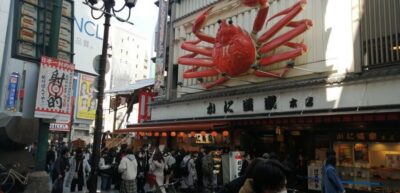 ★ 4.7Five Must-See Highlights Walking Tour & Ramen LunchFrom $56411 reviews
 ★ 5.0Osaka Sushi Making ExperienceFrom $29400 reviews
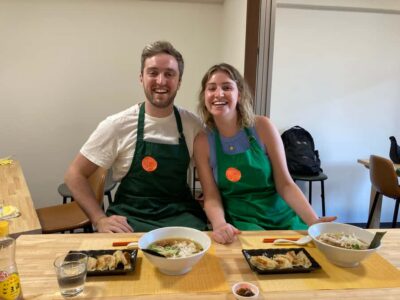 ★ 5.0Ramen and Gyoza Cooking Class in DotonboriFrom $70378 reviews
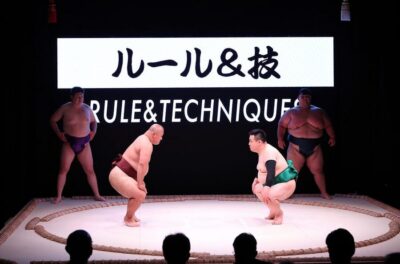 ★ 4.3Sumo Stage Show with Bento or Snack + Fight & PhotoFrom $93364 reviews
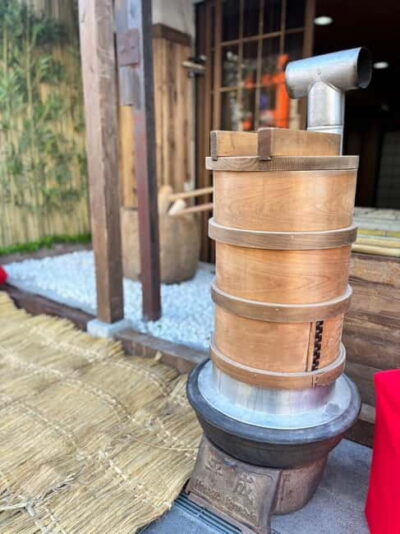 ★ 4.9Traditional Mochi Pounding Experience with TastingFrom $31306 reviews
 ★ 5.0Osaka Cooking Class: Okonomiyaki &Japanese cuisines experienceFrom $104261 reviews
 ★ 4.9Roll and Authentic Sushi Making Class in DotonboriFrom $45239 reviews
Browse the lists this tour appears in