
One sharp lesson near Osaka Castle. This Bushido-style sword experience mixes samurai etiquette with hands-on cutting practice using a real Japanese sword with serious sharpness. I especially like that it’s kept tight and clear (you move through bow, stance, and core actions), and that you get photos you can actually use afterward. One consideration: this is sword training, so you’ll need to follow directions closely and you should be comfortable with a moderate fitness level for stance work.
I also like the location. You meet at Samurai Honor, about a one-minute walk from Osaka-jo Koen Station on the JR Osaka Loop Line, right by Osaka Castle’s grounds. And because the group is kept small (maximum 5), it stays attentive without feeling rushed. The potential drawback is that it’s not a long deep-dive on sword collecting or history books; you’re here to practice and cut.
In This Review
- Key things to know before you go
- Samurai Honor and Osaka Castle access: fast to start, easy to find
- Into the costume: turning into a samurai before any sword action
- Bow, iai, and the exact sequence: what you practice before you cut
- Trial slashing on rolled straw: where the real sword moment happens
- Samurai language and etiquette: the lesson you didn’t know you’d get
- Photos and souvenirs: taking it home without turning it into a photoshoot
- Price and logistics: is $78.83 worth a one-hour sword lesson?
- Who should book this (and who should think twice)
- Booking check: should you do it?
- FAQ
- How long is the Bushido sword trial slashing lesson?
- Where is the meeting point?
- Is transportation included?
- What’s included in the price?
- Do I get photos from the activity?
- What language is the class taught in?
- Is there a group limit?
- Do I need to be physically fit?
Key things to know before you go
- One-hour format that moves from costume to iai basics to trial slashing
- Real Japanese sword sharpness for your rolled-straw cut (with strict supervision)
- Iai practice sword first, so you learn the sequence before touching the cutting blade
- Core actions taught in order: battou, chiburui, and nottou
- Photo data included, sent to your email within both days after the session
- Max 5 people, making it feel more like guided coaching than a big show
Pick the sword back up with these sessions


Samurai Honor and Osaka Castle access: fast to start, easy to find
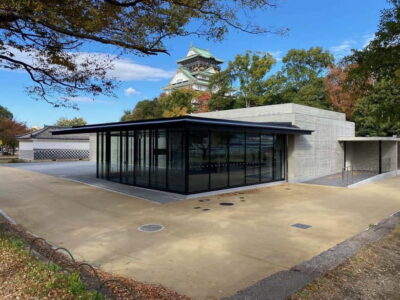
Your lesson starts at Samurai Honor (2-chōme 3-19, Excellence Takayama area). The practical win is the setting: it’s just a one-minute walk from Osaka-jo Koen Station on the JR Osaka Loop Line. That matters because after a day of Osaka sightseeing, you want to spend your energy on the lesson, not on figuring out transit.
Osaka Castle is right there, so you can line this up with a visit to the grounds before or after. If you’re arriving by train, use the Loop Line route and then get off at Osaka-jo Koen Station. From there, just follow signs to Osaka-jo Koen area and you’ll be at the meeting point very quickly.
There’s also something underrated here: meeting nearby means you can keep the lesson feeling focused. If you’re late or frazzled, sword work stops being fun and starts being stressful. This is the kind of activity where being calm helps you learn the sequence cleanly.
Into the costume: turning into a samurai before any sword action
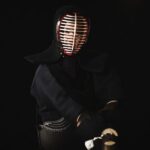
Before the sword comes out, you change into samurai attire: a dogi and hakama. This isn’t just for photos. Clothing like this affects how you stand, move, and settle into the stances. It also signals what kind of discipline this lesson is going for.
Then you’re guided into the samurai mindset through simple ritual: begin with a bow and then follow instruction on sword manners. That bow-and-manners part is important because sword techniques in Bushido context aren’t only about speed or strength. They’re about respect, control, and not treating the blade like a toy.
You’ll also get an explanation of swords and samurai manners early on. That helps you understand why the instructor keeps things structured and why they’ll stop you if anything seems unsafe. If you’re thinking, I just want to cut something, this costume step might feel slightly extra. But it sets you up to do the later steps correctly.
Bow, iai, and the exact sequence: what you practice before you cut
The lesson is built like a progression. You start with the basics, then you work up to the cutting moment. First comes stance and controlled movements. You’ll get practice using an iai practice sword before you handle the real Japanese sword.
Here’s the practical flow you should expect:
1) Swing and stance basics
You practice how to move from the right prepared posture. This is where you learn what your body is supposed to do, not just what your arms feel like doing.
2) Battou: pulling the sword out of the scabbard to cut
This is one of the central actions you’re taught. The idea is that the cut comes from coordinated movement, not random arm motion. The instructor will guide you so you execute the sequence cleanly.
3) Chiburui: symbolic blood removal from the blade after cutting
You’re taught the symbolic action after a cut. Even if it’s not literally blood in your case, the lesson’s message is clear: the sword has a “before and after,” and you don’t rush past the end of the action.
4) Nottou: returning the sword to its sheath after chiburui
Ending properly is part of technique. A lot of people focus only on drawing and cutting, but here the reset matters just as much.
What I like about teaching it this way is that it gives your brain a checklist. When people freeze in safety training, it’s often because they don’t know what comes next. Having those named steps makes it easier to follow along.
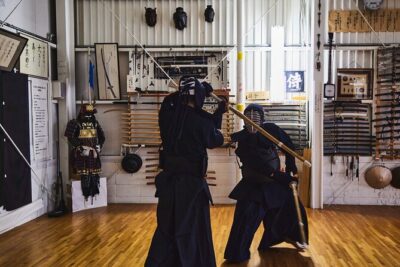
Also, you get direct coaching from the master instructor. The lesson includes basic kata and stances, plus sword swings based on what you’ve been taught. Since the group is limited (maximum 5), you’re more likely to get corrections than if this were a large class.


Trial slashing on rolled straw: where the real sword moment happens
Now for the main event: trial slashing. You try your hand at cutting a rolled straw using a real Japanese sword. The lesson description specifically calls out real Japanese sword performance, and the session is framed around serious cutting technique, not display-only movement.
This is where safety rules are non-negotiable. You’ll be reminded that drawing swords is dangerous, and you should never do anything like that without permission. That’s a good sign. In activities like this, calm instruction beats bravado every time.
What you’re really testing with a rolled straw isn’t just strength. It’s timing, alignment, and the full-sequence mechanics you practiced earlier. If your draw-to-cut sequence is off, you’ll feel it immediately because the straw won’t go where you expect. If your stance is unstable, the motion won’t land cleanly. And if you rush past the end steps, you’ll likely get corrected right away.
I also like that this lesson keeps it grounded. A lot of sword experiences in tourist areas turn into a blur of poses. Here, the cutting target is simple and tangible. That makes it easier to understand what’s being measured.
If you’re coming with kids or beginners, remember this is described as requiring a moderate physical fitness level. You don’t need to be an athlete, but you do need to be able to hold a stance and follow movement safely for the duration.
Samurai language and etiquette: the lesson you didn’t know you’d get
One of the more interesting add-ons is the samurai language component. This refers to the language used mainly by samurai class in the Warring States period. The idea is that samurai loyalty, discipline, and Bushido spirit shaped communication too.
In practical terms, you’re not learning a random vocabulary list. You’re learning the mindset around speaking and behavior. One strong takeaway you might notice is the concept that samurai communication wasn’t casual. It was tied to rank and permission, with etiquette built into when and how you speak.
You also get a lesson-style segment where you may learn how etiquette connects to avoiding shame and maintaining discipline. It’s the kind of detail that makes the experience feel more grounded than just learning sword moves.
Then there’s the ending ritual: ended with a bow. The bow at the end matters because it reinforces that this isn’t just physical training. You’re participating in a structured tradition where the “finish” is part of the whole method.
Photos and souvenirs: taking it home without turning it into a photoshoot
You’ll have photography service during the activity, designed to capture you in the serious figure moment of the practice. The best part is the practical delivery: you’ll receive the photo data within both days by email.
That helps because you’re not stuck trying to manage a phone while you’re learning. And it means you can actually focus on technique when the instructor is coaching battou and the cut.
You also receive souvenirs from my teacher. The exact items aren’t specified in your details, but the intent is clear: you’re not leaving empty-handed after wearing the dogi and hakama, learning the sequence, and doing the trial cut.
If you care about having something visual as proof you did the real thing, the photo service is a meaningful value add. For many short activities, photos are optional or overpriced. Here, it’s included.
Price and logistics: is $78.83 worth a one-hour sword lesson?
At $78.83 per person for about one hour, the value depends on what you want. If you’re hoping for a long, museum-style experience, this may feel short. But if you want guided, hands-on cutting practice near Osaka Castle with a real sword and included coaching, the structure is pretty efficient.
Here’s what you’re getting in the included list:
- Samurai outfit (dogi and hakama)
- Certified professional instructor
- Photography with email delivery of photo data within both days
- Gratuities
- English by default (other languages by inquiry)
Not included:
- Public transportation and transfers
- Bottled water
- Optional paid add-ons like paid movie shooting (listed as an extra option)
For practical value, a big part is what’s included with the instructor and photos. Many experiences like this charge extra for photography or for the real-sword portion. You’re paying for the full learning sequence and the cutting moment, not just the costume and a pose.
Group size also supports value. With a maximum of 5 people, you’re more likely to get attention as you practice battou and the sequence. That can matter a lot when you’re learning muscle memory.
One more logistics note: the tour uses a mobile ticket, and you receive confirmation at booking time. If you’re the kind of traveler who likes everything digital, that’s convenient.
Who should book this (and who should think twice)
This experience is a strong fit if you:
- Want a hands-on katana/bushido practice rather than a passive show
- Like structured lessons where you learn named actions in order (battou, chiburui, nottou)
- Want included photos tied to your activity, not a random selfie moment
- Prefer a small group setup (max 5)
It’s a “think twice” choice if you:
- Don’t want to follow safety rules closely
- Struggle with moderate physical fitness needs for stance and movement
- Are expecting a longer, multi-hour cultural tour
Also, because drawing swords is explicitly described as dangerous and you should only do it with permission, this isn’t the kind of experience to treat like hands-on cosplay. It’s coached, controlled training.
Booking check: should you do it?
If you’re in Osaka and you’re curious about samurai discipline beyond basic facts, I’d say yes—this one-hour format is focused, and the trial cut on rolled straw gives you a real, tangible result. The included photos and the tight group size are real quality-of-life wins.
I’d pass if you’re mainly after a sightseeing loop, or if you’re nervous about safety guidance and following instructions. But if you want a short, serious practice lesson near Osaka Castle, this is the kind of activity that turns culture into something you can feel in your body.
FAQ
How long is the Bushido sword trial slashing lesson?
It’s about 1 hour.
Where is the meeting point?
The lesson meets at Samurai Honor near Osaka-jo Koen Station on the JR Osaka Loop Line, with a one-minute walk to the entrance by Osaka Castle grounds.
Is transportation included?
No. Public transportation and hotel transfers are not included.
What’s included in the price?
Included are the samurai outfit (dogi and hakama), a certified professional instructor, photography (photo data sent to your designated email within both days), and gratuities.
Do I get photos from the activity?
Yes. There is photography service during the activity, and you’ll receive the photo data within both days.
What language is the class taught in?
The default language is English. Other languages may be available if you inquire (Italian, Spanish, French, Chinese, Thai, and Indonesian are listed).
Is there a group limit?
Yes. The experience has a maximum of 5 travelers.
Do I need to be physically fit?
You should have a moderate physical fitness level since you’ll practice basic stances and movements.
More Tour Reviews in Osaka
- Osaka Go Karting Tour with Funny Costume★ 5.0 · 2,658 reviews
- Osaka Castle: Museum and Tower Entry Ticket★ 4.5 · 2,380 reviews
- Osaka: Shinsekai Food Tour with 13-15 Dishes at 5 Eateries★ 4.8 · 2,204 reviews
- Osaka Food Tour: 13 Dishes at 5 Local Eateries★ 5.0 · 2,149 reviews
- Hungry Osaka Street Food Tour:15 Tastings & 3 Drinks with a Local★ 5.0 · 1,727 reviews
Blades Out: More Samurai Sessions
- Samurai Training Experience KENDO in Osaka★ 5.0 · 515 reviews
- OSAKA NIGHT FUSION Japanese Taiko Kabuki Samurai Dance Show★ 4.8 · 155 reviews
- Osaka: Samurai Training Experience KENDO in Osaka★ 5.0 · 111 reviews
- Osaka: A Modern Samurai, Kabuki, Taiko, & Dance Show★ 4.5 · 66 reviews
- Osaka 2-Hour Genuine Kendo / Samurai Experience In Japan★ 5.0 · 65 reviews
The Newest Osaka Write-Ups
- Private Photoshoot in Osaka with a Professional Photographer
★ 5.0 · 3 reviews - Osaka Early Morning Osaka Castle Tour Avoid Crowds
★ 5.0 · 3 reviews - Nara Private Tour with Pick and Drop and English Speaking Driver
★ 3.5 · 3 reviews - Osaka: Modern Vegetarian Sushi Cooking Class
★ 5.0 · 3 reviews - Nara Day Trip from Osaka with a Licensed Guide
★ 5.0 · 3 reviews
Osaka Samurai & Ninja Experiences, compared.
 ★ 5.0Samurai Training Experience KENDO in OsakaFrom $131515 reviews
 ★ 4.8OSAKA NIGHT FUSION Japanese Taiko Kabuki Samurai Dance ShowFrom $40155 reviews
 ★ 5.0Samurai Training Experience KENDO in OsakaFrom $127111 reviews
 ★ 4.5A Modern Samurai, Kabuki, Taiko, & Dance ShowFrom $1966 reviews
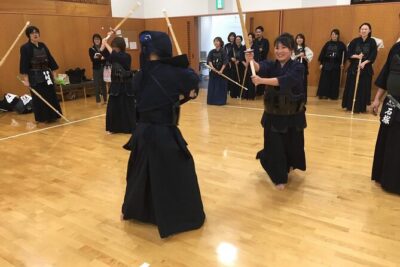 ★ 5.0Osaka 2-Hour Genuine Kendo / Samurai Experience In JapanFrom $11865 reviews
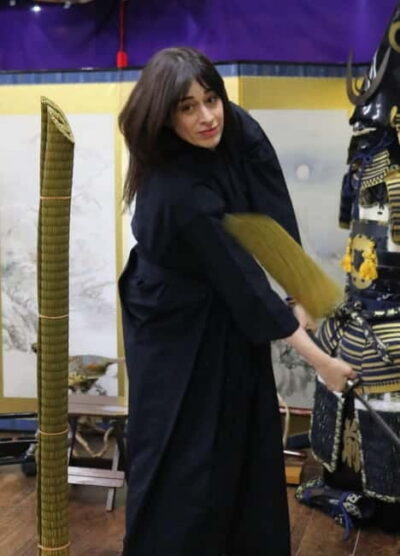 ★ 4.9Learn Bushido – Trial Slashing with Samurai SwordFrom $9259 reviews
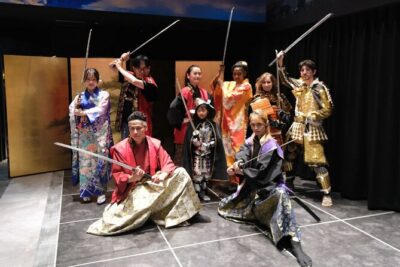 ★ 5.0Samurai Show, Tea Ceremony, Japanese Traditional ActivitiesFrom $4456 reviews
 ★ 5.0Private Samurai Experience – Train with Sword MasterFrom $15836 reviews
Browse the lists this tour appears in