
Reviewed · OSAKA COOKING CLASSES
Traditional Home cooking Experience in Osaka, Japan
Cooking classes are fine. This one is Cook, Taste and Enjoy Osaka, and it keeps things light while you learn real home-style dishes. I like the emphasis on fun with guidance, not just standing back and watching, and I also like the rice focus: Koshihikari from a contracted farmer in Minami-Uonuma, Niigata Prefecture. The one thing to consider is drink costs: water is free, but other drinks are charged separately and alcohol isn’t included.
You get to choose your path with Course A or Course B, and both are built around making two dishes together in about two hours. The setting is in Nishishinsaibashi, so it’s easy to plug into a sightseeing day without a long commute.
In This Review
- Key Points You’ll Care About
- Choose Course A or Course B: Two Dish Lessons
- Minami-Uonuma Rice: Why It Matters More Than You Think
- Inside the 2-Hour Rhythm: From Prep to Plates
- Small Group Size and English-Friendly Hosting
- The Meal Includes (and What Costs Extra)
- Add a Music Moment with Keiko
- What to Bring and How to Fit It Into Your Osaka Day
- Who This Osaka Cooking Class Is Best For
- Should You Book Cook, Taste and Enjoy Osaka?
- FAQ
- How long is the cooking class?
- What courses can I choose from?
- What dishes are included in Course A?
- What dishes are included in Course B?
- Is water included?
- Are alcoholic beverages included?
- Where does the class take place?
- What’s the group size?
- What’s the cancellation policy?
Key Points You’ll Care About
- Two clear menu tracks (Course A or Course B), each centered on making two dishes together
- Seasonal Japanese ingredients that follow the four-season rhythm
- High-quality Koshihikari rice sourced directly from Minami-Uonuma, Niigata
- Small groups of up to 8, which usually means more hands-on time
- English-friendly instructor support so you can actually follow what’s happening
- A brief music moment with performer Keiko during the experience
Flour on your hands, more Osaka kitchens to try


Choose Course A or Course B: Two Dish Lessons
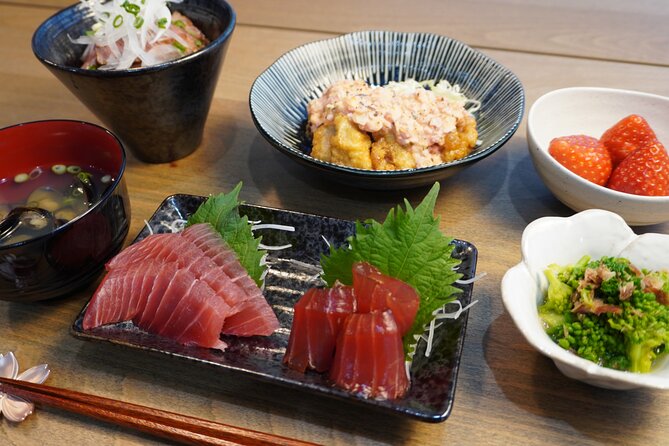
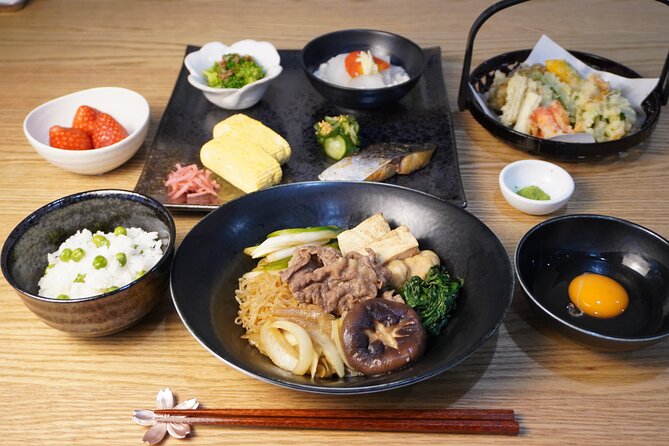
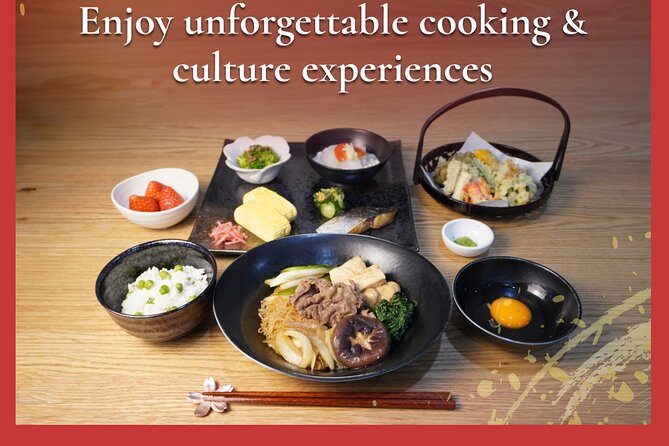
Start by choosing which “flavor of Osaka” you want to work on. Course A is classic comfort cooking with sukiyaki, tempura, and rolled omelet. Course B shifts to punchier, slice-and-serve favorites with a wagyu roast beef bowl, chicken nanban, and sashimi.
What I like about having two structured courses is that you don’t spend your time guessing. You know what you’re signing up for, and your learning stays focused on that pair of dishes you’ll actually make together. If you’re a fan of savory-sweet cooking and fried/rolled textures, Course A will feel natural. If you’d rather taste the kind of meats and seafood you see on Japanese menus and plates, Course B has a stronger straight-to-it vibe.
One practical note: because the class is only about two hours, everything moves at a classroom pace. That’s great for staying sharp, but it’s not the kind of deep, multi-day food apprenticeship where you can slowly perfect every step. Pick the course that matches what you’re most excited to eat at the end.
Minami-Uonuma Rice: Why It Matters More Than You Think
A lot of cooking classes treat rice like a side detail. This one treats it like a star ingredient. The class sources Koshihikari rice directly from contracted farmers in Minami-Uonuma City, in Niigata Prefecture, which is well known as a leading rice-producing area in Japan.
Why this matters for you: rice is one of those things you notice instantly in Japan, even if you don’t think you’ll be a “rice person.” When the rice is high quality, it supports everything else on the plate—especially bowls and any dish where you’re eating bite after bite. In Course B, the wagyu roast beef bowl makes rice even more important. In general, good rice also makes the class feel more like a proper meal, not just a set of lessons.
If you’ve ever left a cooking class feeling like the food was fine but forgettable, this rice decision is a smart lever. It gives the experience a stronger payoff, because the ingredient quality isn’t a gamble.
Inside the 2-Hour Rhythm: From Prep to Plates
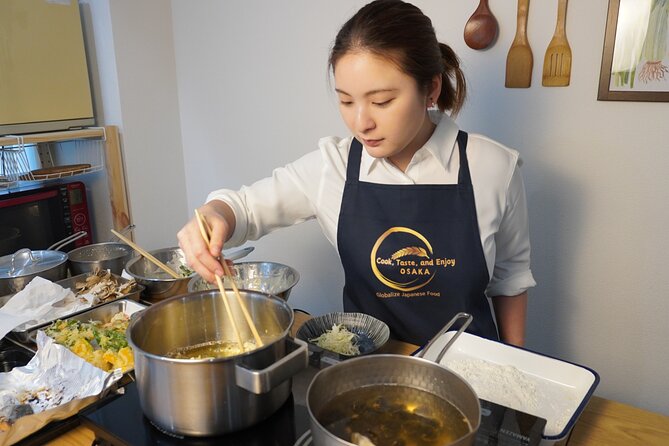
The class runs about two hours and is designed around making two dishes together. That “together” part is key. This isn’t a demo where you watch, then sit down with food that was prepared earlier.
Here’s the likely flow you can expect:
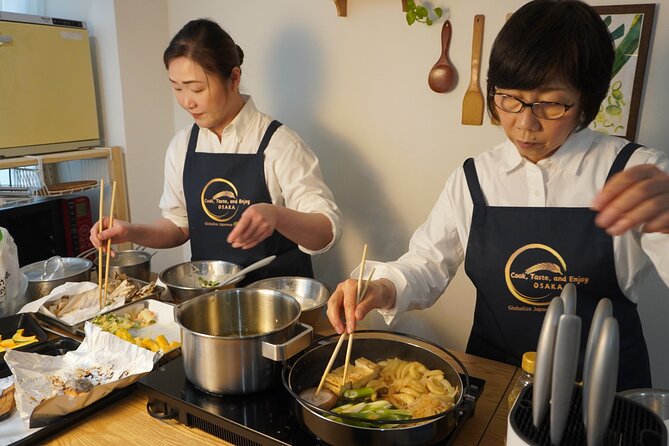
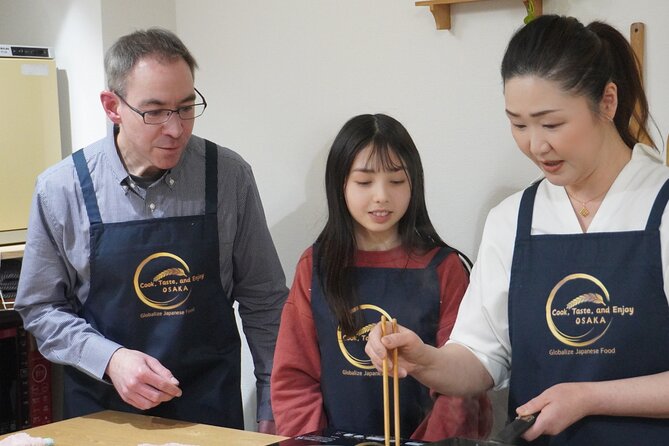
You’ll start with a welcome and a quick setup so you know what you’ll make during the session. Then you’ll work with the instructor and staff as you prep and cook. The teaching is hands-on—your job is to learn the techniques as you go, while keeping the pace fun and manageable.
Once the cooking finishes, you’ll eat what you made. That’s not an afterthought. It’s part of the design: you cook, taste, adjust, and actually understand the dish by experiencing it. With a small group, you’re also more likely to get feedback while you’re still in the process, not only at the end.
The class title says it all: you’re meant to enjoy Osaka, not just produce a plate. The “fun” emphasis helps you relax into learning, especially if your Japanese is basic.


Small Group Size and English-Friendly Hosting
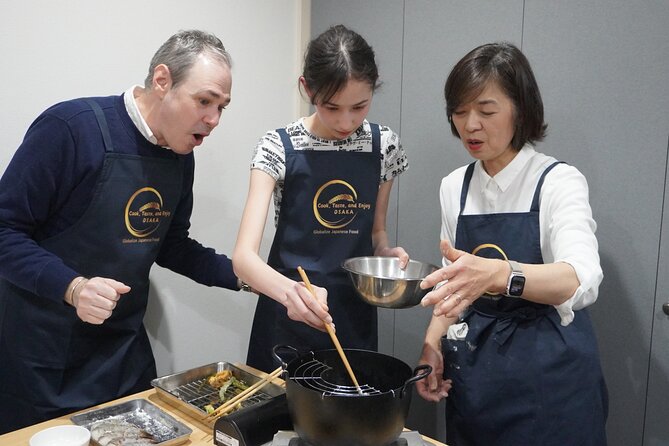
You’ll be in a group capped at 8 travelers. That limit changes the feel. In a big class, you can end up waiting your turn or feeling like a spectator. With fewer people, you’re more likely to get step-by-step help when you need it.
The experience also shines on communication. The instructor and staff are described as friendly and easy to talk to, with great English support. That matters more than you might think. Cooking is practical learning: you need clarity about timing, texture, and what “done” looks like.
Also, the class leans social in a good way. It’s not just about skills—it’s about sharing the kitchen with other people, learning a couple dishes at a steady pace, and then eating as a group. If you’ve had a “classy-but-cold” experience in the past, this one is built to feel warmer.
The Meal Includes (and What Costs Extra)
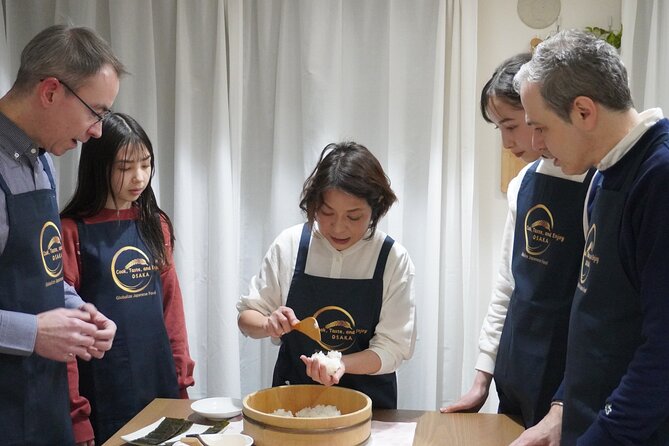
Let’s keep the money math simple. The price is $104.51 per person for about two hours. For what you get, the value comes from several things that travel well together: a small group, hands-on cooking, and quality ingredients (especially the rice). You’re also choosing between two menu tracks, which gives you control over what you’ll leave with in your memory and on your plate.
Included:
- Water is free
Not included:
- Alcoholic beverages
- Other drinks besides water
So if you like having sake or beer with dinner, plan on paying separately for it, since it’s not included. And if you’re budget-minded, water being free helps you keep the class meal from turning into an expensive add-on.
One more planning note: this tends to book ahead. The average booking window is about 19 days in advance, so if your Osaka dates are fixed, I’d aim to reserve early rather than hoping.
Add a Music Moment with Keiko
Food classes can feel quiet. This one has a cultural pause inside the experience. The experience includes songs and instruments, with performer Keiko described as right in front of the group during the performance.
That kind of mid-experience moment is more than entertainment. It breaks up the cooking focus, reminds you that you’re in Osaka for culture and not just calories, and gives the evening a “special” quality without taking over the whole schedule.
If you’re trying to experience Japan beyond looking at it from the sidewalk, this added piece is a nice bridge. You get cooking skills, a meal, and a short live performance in one compact time block.
What to Bring and How to Fit It Into Your Osaka Day
The meeting point is 2 Chome-13 Nishishinsaibashi, Chuo Ward, Osaka, 542-0086, Japan. The activity ends back at the same place, so you’re not left thinking about how to get across town after you eat.
It’s also near public transportation, which is practical in Osaka where you’ll likely be walking and hopping trains all day anyway. And you’ll receive a mobile ticket, so you can keep things simple on your phone.
For what to wear: choose comfortable clothes and shoes you don’t mind getting a little kitchen activity on. Since you’re cooking, you’ll likely be standing, mixing, and moving around for parts of the class.
Timing tip: because the class is only about two hours, it works well as an early evening anchor. You can fill the time before with shopping or sightseeing nearby, then head into the class without rushing.
Who This Osaka Cooking Class Is Best For
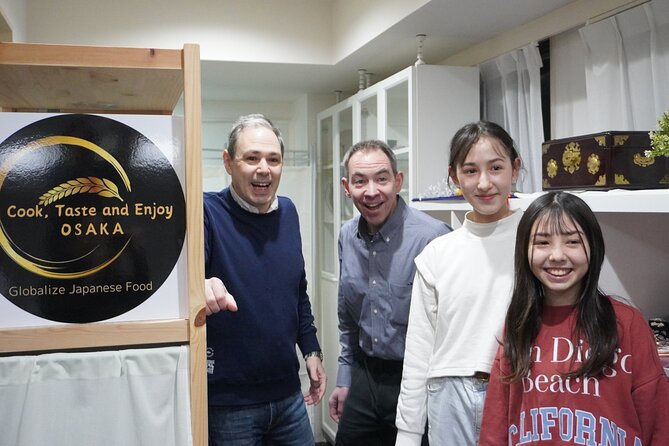
This is a great fit if you want Japanese home cooking with actual participation. I’d especially recommend it if:
- You like learning through doing, not watching
- You want a small group class where you can ask questions
- You care about ingredient quality, especially rice
- You’d rather choose between two dish “themes” than take what’s handed to you
- You appreciate a cultural add-on like the performance with Keiko
It’s also a good option for food-focused couples or friends who want one organized activity that still feels personal. Even solo, the small group size helps you feel less awkward.
If you’re the type who wants a slow, ultra-detailed cooking session with lots of free-form exploration, this might feel more structured than you’d like. But if you want a high-yield experience you can complete in one sitting, it’s built for exactly that.
Should You Book Cook, Taste and Enjoy Osaka?
If you want an Osaka experience that blends technique, eating, and a little culture in a tight two-hour window, I think it’s a strong booking. The biggest wins are the hands-on approach, the small group size, and the rice sourcing that signals the class isn’t treating ingredients like an afterthought. Add in the fact that the instructor support is described as friendly with great English, and it becomes one of those experiences that works even if you’re not confident in Japanese.
I’d say book it if you:
- Plan to stay in the Nishishinsaibashi area or can easily reach it
- Want to choose what you cook via Course A or Course B
- Appreciate value when you see what you’re paying for: two dishes made together, not just a meal
Hold off if you’re hoping for a fully alcohol-included dinner or a multi-hour culinary deep course. Since drinks besides water cost extra and alcohol isn’t included, you’ll want to plan your budget accordingly.
FAQ
How long is the cooking class?
The class lasts about two hours.
What courses can I choose from?
You can choose Course A or Course B when making your reservation.
What dishes are included in Course A?
Course A features sukiyaki, tempura, and rolled omelet.
What dishes are included in Course B?
Course B features wagyu roast beef bowl, chicken nanban, and sashimi.
Is water included?
Yes. Water is free, but other drinks are charged separately.
Are alcoholic beverages included?
No. Alcoholic beverages are not included.
Where does the class take place?
The meeting point is 2 Chome-13 Nishishinsaibashi, Chuo Ward, Osaka, 542-0086, Japan, and it ends back at the meeting point.
What’s the group size?
The class has a maximum of 8 travelers.
What’s the cancellation policy?
You can cancel for a full refund if you cancel up to 24 hours in advance of the experience start time. If you cancel less than 24 hours before, the amount you paid is not refunded.
More Tour Reviews in Osaka
- Osaka Go Karting Tour with Funny Costume★ 5.0 · 2,658 reviews
- Osaka Castle: Museum and Tower Entry Ticket★ 4.5 · 2,380 reviews
- Osaka: Shinsekai Food Tour with 13-15 Dishes at 5 Eateries★ 4.8 · 2,204 reviews
- Osaka Food Tour: 13 Dishes at 5 Local Eateries★ 5.0 · 2,149 reviews
- Hungry Osaka Street Food Tour:15 Tastings & 3 Drinks with a Local★ 5.0 · 1,727 reviews
Cook It Yourself in Osaka
- Sushi Making Osaka Roll and Authentic Japanese Sushi Class★ 5.0 · 1,220 reviews
- Osaka: Five Must-See Highlights Walking Tour & Ramen Lunch★ 4.7 · 411 reviews
- Osaka Sushi Making Experience★ 5.0 · 400 reviews
- Osaka: Ramen and Gyoza Cooking Class in Dotonbori★ 5.0 · 378 reviews
- Osaka: Sumo Stage Show with Bento or Snack + Fight & Photo★ 4.3 · 364 reviews
The Newest Osaka Write-Ups
- Private Photoshoot in Osaka with a Professional Photographer
★ 5.0 · 3 reviews - Osaka Early Morning Osaka Castle Tour Avoid Crowds
★ 5.0 · 3 reviews - Nara Private Tour with Pick and Drop and English Speaking Driver
★ 3.5 · 3 reviews - Osaka: Modern Vegetarian Sushi Cooking Class
★ 5.0 · 3 reviews - Nara Day Trip from Osaka with a Licensed Guide
★ 5.0 · 3 reviews
Osaka Cooking Classes, compared.
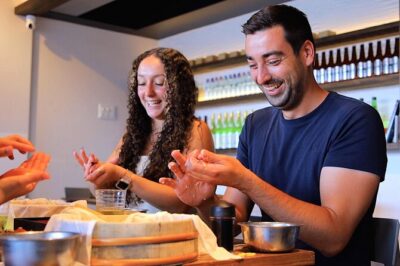 ★ 5.0Sushi Making Osaka Roll and Authentic Japanese Sushi ClassFrom $311,220 reviews
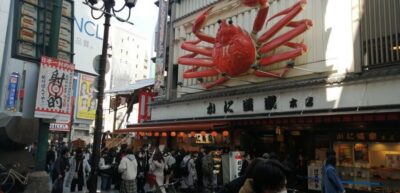 ★ 4.7Five Must-See Highlights Walking Tour & Ramen LunchFrom $56411 reviews
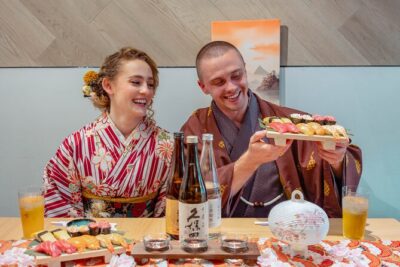 ★ 5.0Osaka Sushi Making ExperienceFrom $29400 reviews
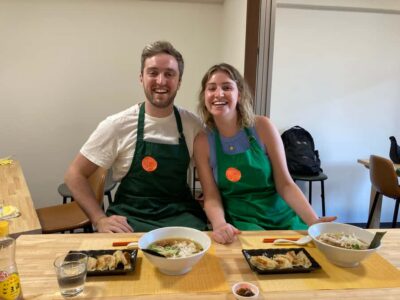 ★ 5.0Ramen and Gyoza Cooking Class in DotonboriFrom $70378 reviews
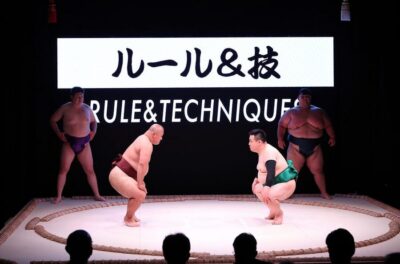 ★ 4.3Sumo Stage Show with Bento or Snack + Fight & PhotoFrom $93364 reviews
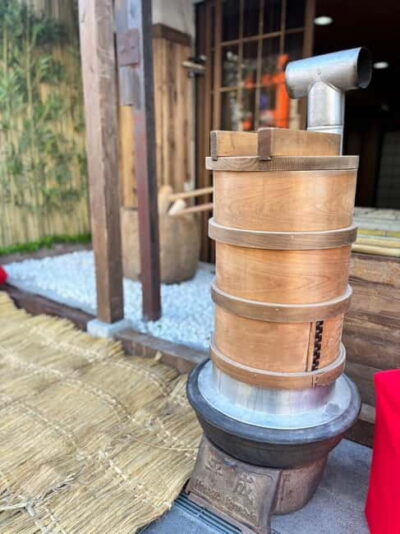 ★ 4.9Traditional Mochi Pounding Experience with TastingFrom $31306 reviews
 ★ 5.0Osaka Cooking Class: Okonomiyaki &Japanese cuisines experienceFrom $104261 reviews
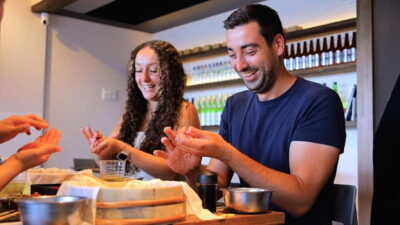 ★ 4.9Roll and Authentic Sushi Making Class in DotonboriFrom $45239 reviews
Browse the lists this tour appears in