
Reviewed · OSAKA CRAFT & CULTURE WORKSHOPS
Tea and Calligraphy Session at a Table in Osaka
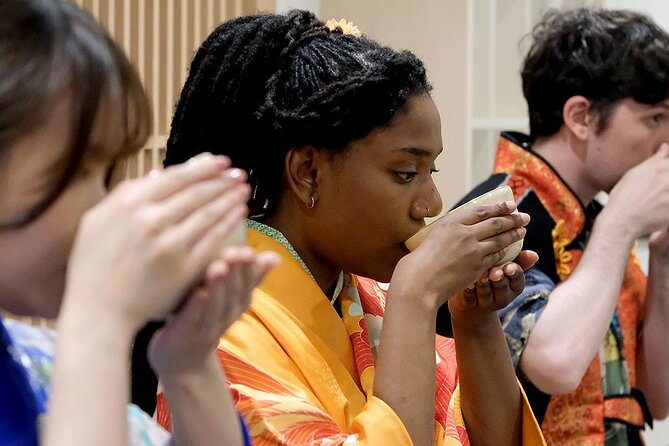
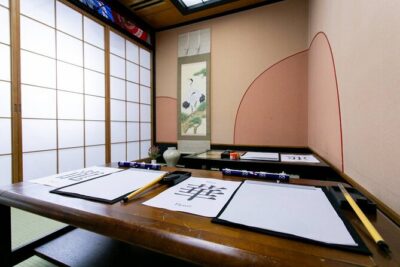
Two traditions, one table. That’s the magic here: tea ceremony and calligraphy taught together, in Osaka’s Shinsaibashi area, with a professional guide. The best part for first-timers is the format. It happens at a table instead of the usual tatami setup, so you can focus on learning without fighting your posture.
I love that you get both the tasting side (matcha and sweets) and the hands-on art side (you create calligraphy and take it home). I also like that you can do just tea or just calligraphy if you want a shorter, simpler plan. One consideration: it’s about an hour, so it’s a taste-and-practice session, not a long masterclass.
In This Review
- Key things I’d highlight before you go
- Shinsaibashi ARTY Inn: an easy culture stop near transit
- Tea ceremony at a table: matcha, sweets, and the basics you can use
- Calligraphy class: make your character and take it home
- Doing tea and calligraphy together: why the pairing works
- The real value of $22.76: what’s included, what isn’t
- Group energy and staff support: small class, big help
- Timing: how to fit one hour into an Osaka day
- Who should book this tea and calligraphy session?
- Quick, honest considerations before you go
- Should you book this tea and calligraphy session?
- FAQ
- How long is the tea and calligraphy session?
- What’s included in the price?
- Can I do only tea ceremony or only calligraphy?
- Is the experience done at a table or on tatami?
- Where does the experience take place?
- What’s the group size limit?
- What is the cancellation policy?
Key things I’d highlight before you go
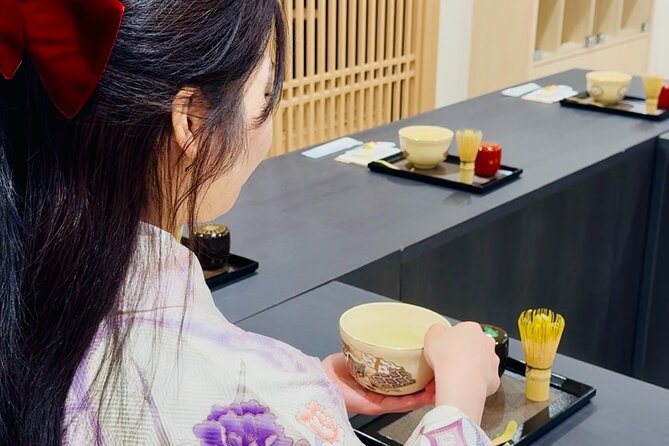
- Table-based tea and calligraphy: easier for beginners than tatami sitting.
- Matcha plus Japanese sweets included, so you’re not just watching.
- Create-and-take-home calligraphy with hands-on guidance.
- Small group size (max 10), which usually means more attention.
- You can combine or choose one activity, depending on your mood.
- The venue also has cultural displays, but outfit/music add-ons cost extra.
Make the souvenir yourself at more workshops
Shinsaibashi ARTY Inn: an easy culture stop near transit
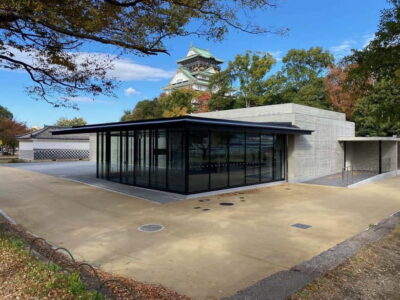
This experience runs in Shinsaibashi at the Shinsaibashi ARTY Inn, in central Osaka. It’s the kind of place that works well if you want something cultural that doesn’t eat your whole day.
The location matters because Shinsaibashi is walkable and well connected. The activity is listed as being near public transportation, and you’ll start at 2-chōme-17-3 Nishishinsaibashi, Chuo Ward, Osaka and end back around the same meeting point. If your Osaka plan already includes shopping streets and food stops, this slots in nicely as a calm break.
Also, the session is limited to a maximum of 10 travelers. That small ceiling is a big deal. It usually means less waiting around, and it helps the instructors guide you through the details instead of racing through a crowd.
One practical note: you’ll receive a mobile ticket, so you won’t need to hunt down paper vouchers on the day.
Tea ceremony at a table: matcha, sweets, and the basics you can use
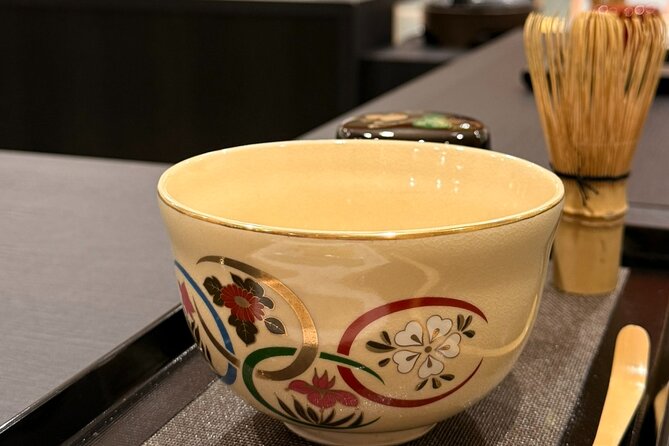
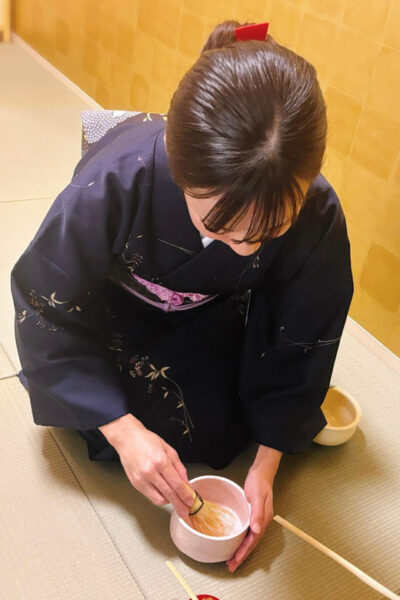
The tea ceremony portion includes matcha and Japanese sweets. Even if you don’t know anything about tea rituals, this format is designed to get you comfortable fast.
What I like about doing tea ceremony in this setting is the pacing. It’s long enough to learn the key ideas, but not so long that it becomes an endurance test. In around an hour total, you’ll cover enough to understand what matters: the rhythm, the respect, and the simple etiquette that makes the whole thing feel intentional.
The tour description also notes that a professional tea master will guide you personally. That matters more than people expect. In a group setting, the best instructors don’t just explain. They correct the small things in real time, especially things beginners might not even realize they’re doing wrong (like where to place items, how to handle the cups, or how to take a moment before you drink).
And then there’s the pairing. Matcha plus Japanese sweets isn’t just a snack. It’s a common way tea ceremonies balance flavors and timing—sweetness and bitterness working together so you actually enjoy the matcha instead of finding it harsh or confusing.
If you’re sensitive about comfort, the table setup helps. Traditional tatami-based tea experiences can require careful sitting and quick posture adjustments. Here, the table format makes it easier to concentrate on what’s happening rather than on keeping your knees and back happy.
Calligraphy class: make your character and take it home
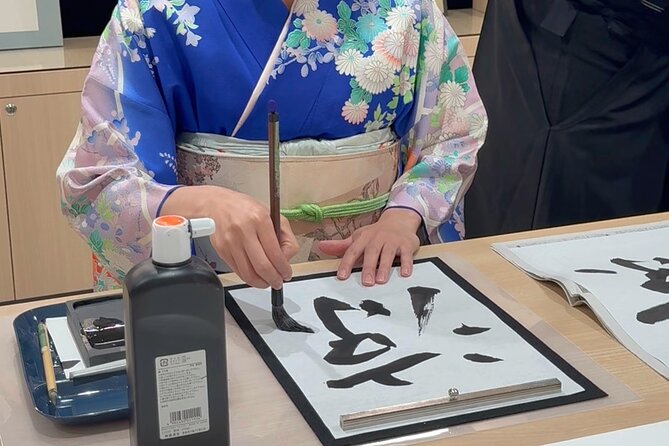
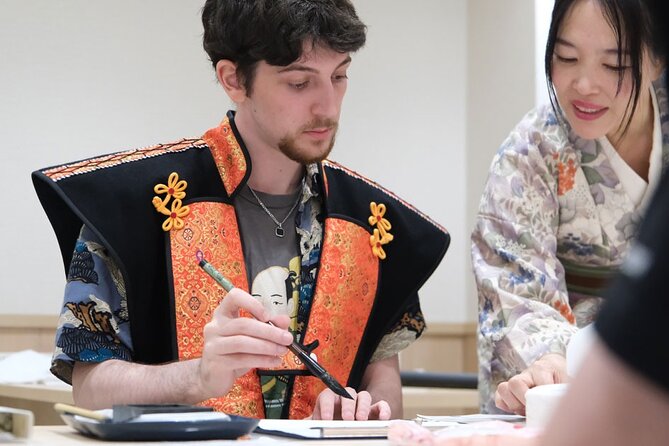
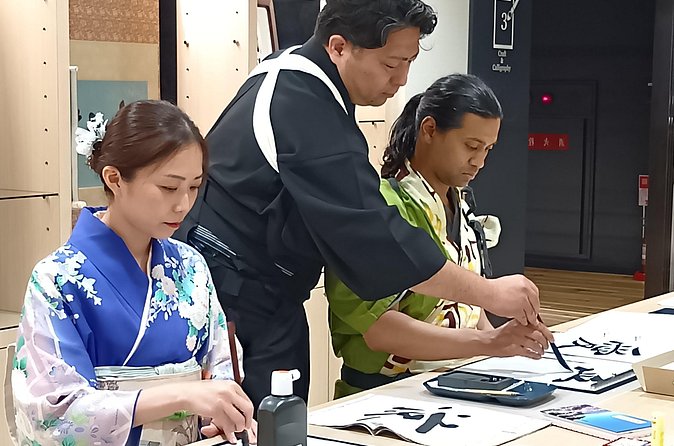
The calligraphy part is hands-on: you’ll create Japanese calligraphy and take your artwork home. For most beginners, that alone is worth the price. You don’t just learn theory; you leave with something tangible, something you can display or gift.
A short calligraphy session can go two ways: either it becomes a quick demo with no real practice, or it gives you enough guidance to write your own piece with confidence. This class is built around the idea that you’ll actually do the brushwork, supported by professionals.
What you can expect from a guided session like this is that you’ll get a basic framework first—how to hold the brush, how to plan strokes, and how to think about balance on the page. The goal isn’t to produce museum-level calligraphy. The goal is to help you understand how calligraphy is structured so your handwriting doesn’t feel like random squiggles.
And because you take it home, you’ll remember it later. That matters in Japan. A lot of cultural experiences give you photos. This one also gives you a physical reminder.


Doing tea and calligraphy together: why the pairing works
You might wonder why these two arts are offered together. On paper, tea ceremony is etiquette and taste. Calligraphy is art and technique. But in practice, they connect in a very real way.
Both are about attention. Tea ceremony asks you to slow down, observe, and follow steps with care. Calligraphy asks you to slow down too—because brush control is all about timing. Even within one hour, switching between these two activities keeps the experience lively while still teaching you how Japanese culture values focus and form.
It also gives you options. The plan is described as a limited-time combo, and you can choose both or choose just tea or just calligraphy. That’s useful if you’re traveling with someone who only wants one activity. It’s also helpful if your energy is high at the start of the day but you don’t want a long workshop.
The real value of $22.76: what’s included, what isn’t
The listed price is $22.76 per person for an experience that runs about one hour. At that price point, the value comes from what’s actually included.
Included:
- Tea ceremony with matcha and Japanese sweets
- Japanese calligraphy where you create and take home your artwork
Not included (extra-cost add-ons):
- Samurai armor dressing
- Kimono dressing
- Ninja dressing
- A samurai add-on experience
- Traditional Japanese music ¥3,300 per person
Here’s how I’d think about it as value. You’re paying for instructor-led guidance, consumables (matcha and sweets), and a finished product (your calligraphy). That’s different from many cheap cultural demos where the main cost is the atmosphere but you don’t leave with anything.
The add-ons list is a hint about what else the venue can do, but you should treat these as optional extras. If you want the full cosplay-style photo package—armor, kimono, or ninja—budget for it separately. If you’re there for the arts themselves, you can keep it simple and focus on tea and calligraphy.
Also, the maximum group size (10) helps justify the cost. With fewer people, instructors can actually guide. That’s usually where class-based activities earn their money.
Group energy and staff support: small class, big help
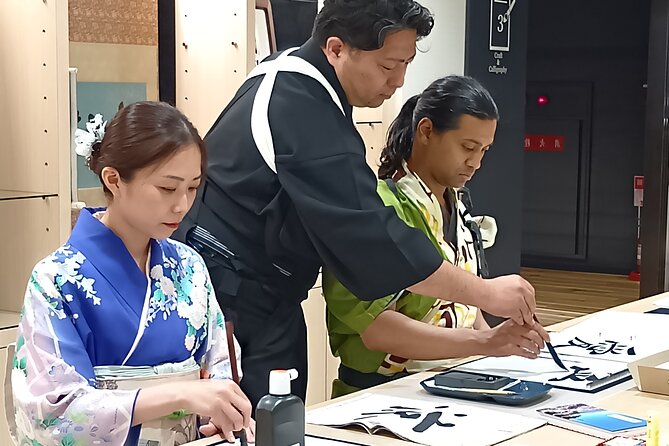
This kind of workshop runs best when staff help you with two things: comfort and confidence. The vibe described around the experience is friendly and attentive—people are guided through what to do, and there’s support with photos.
That’s a practical advantage for short activities. When an instructor helps you take photos in the right place and time, you don’t waste the session fiddling with your phone. When staff are attentive and friendly, beginners don’t feel embarrassed asking basic questions.
One more note: the venue experience can go beyond tea and calligraphy. The facility has impressive displays related to samurai culture, and you may see examples of costumes/props around the space. If you like photos and costumes, you’ll probably notice the displays even if you don’t add the dressing experience. Just remember those dressing and music options are listed as not included, so you’ll only get them if you choose the paid add-ons.
Timing: how to fit one hour into an Osaka day
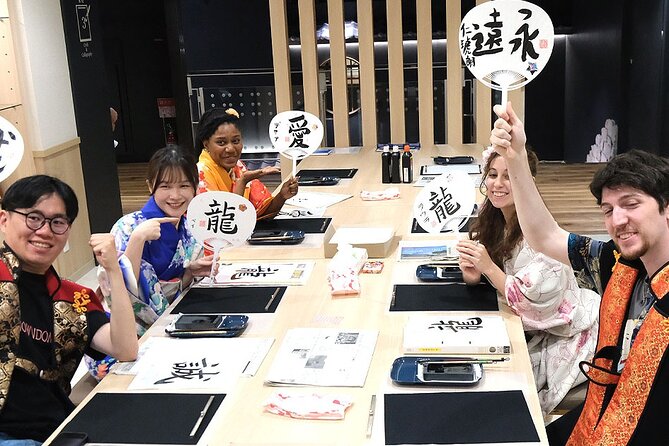
The session duration is about 1 hour. That’s a sweet spot for city travel. In Osaka, you can easily stack this with lunch, shopping, or a nearby neighborhood walk.
Because it’s a short session, it’s especially good if:
- you want a cultural activity without committing to a half-day
- you’re traveling with kids or anyone who gets restless
- you want something structured that still feels hands-on
It’s also a good “reset” activity. Tea and calligraphy tend to slow you down. After hours of moving around, this gives your brain something focused and calm.
If you’re planning ahead, note that the experience is commonly booked about 18 days in advance on average. If you’re traveling during peak periods or you want a specific time slot, booking earlier can reduce stress.
Who should book this tea and calligraphy session?
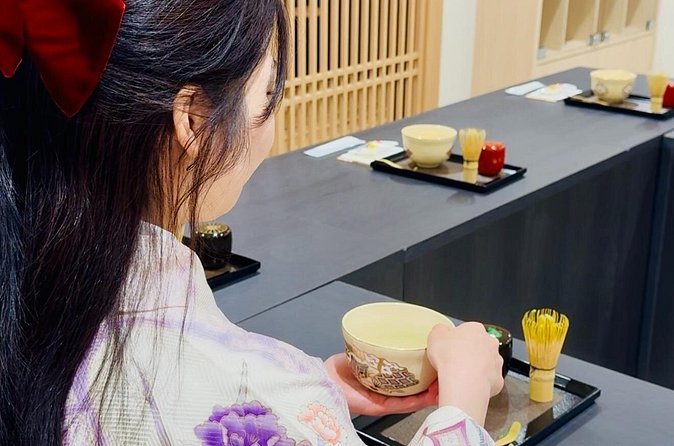
I’d point you toward this experience if you’re a beginner who wants real guidance, not a lecture. The table-based setup is a big plus if you don’t want the strict sitting posture of traditional formats.
You’ll likely enjoy it if you:
- want a hands-on cultural skill you can take home
- enjoy tea, even if you’re new to matcha
- like the idea of doing something creative in a small group
- want a guided activity near central Shinsaibashi
It’s also described as suitable for most travelers. Service animals are allowed, and it’s near public transportation, so it’s easier than many niche workshops to reach.
If you’re a calligraphy expert looking for deep technical training over many hours, this probably won’t feel long enough. Think of it as a strong introduction and a fun practice session, not a full curriculum.
Quick, honest considerations before you go
Here are the main things to weigh:
- One-hour time limit: you’ll learn the basics and make something, but it won’t turn into a long practice marathon.
- Table format vs. tatami: the beginner-friendly setup is great for comfort, but it’s not the traditional seating style.
- Add-ons cost extra: samurai/killer costume moments and music are listed as not included, so if you want those photos, budget separately.
If you go in with the right expectations—tea, calligraphy, guidance, and take-home art—you’ll leave happy.
Should you book this tea and calligraphy session?
Yes, I think you should book it if you want a focused Osaka cultural activity that’s easy to fit into your day. The biggest reason is the combination: matcha and sweets plus calligraphy you take home, all taught by professionals in a small group.
It’s also a smart choice if you’re traveling with a partner or friend who might have different interests. You can do both, or choose only tea or only calligraphy depending on what you want that day.
If you’re the type who likes structured experiences with a clear payoff, this one delivers: you get a guided ritual and a completed piece of art. And in Shinsaibashi, that’s a win.
FAQ
How long is the tea and calligraphy session?
It lasts about 1 hour.
What’s included in the price?
Tea ceremony with matcha and Japanese sweets, plus Japanese calligraphy where you create artwork and take it home.
Can I do only tea ceremony or only calligraphy?
Yes. The plan lets you enjoy both together, or choose just tea ceremony or just calligraphy.
Is the experience done at a table or on tatami?
It’s done at a table instead of traditional tatami.
Where does the experience take place?
It starts at Shinsaibashi ARTY Inn, at 2-chōme-17-3 Nishishinsaibashi, Chuo Ward, Osaka, 542-0086, Japan, and ends back near the meeting point.
What’s the group size limit?
The experience has a maximum of 10 travelers.
What is the cancellation policy?
You can cancel for a full refund up to 24 hours before the experience starts. If you cancel within 24 hours of the start time, the amount paid is not refunded.
More Tour Reviews in Osaka
- Osaka Go Karting Tour with Funny Costume★ 5.0 · 2,658 reviews
- Osaka Castle: Museum and Tower Entry Ticket★ 4.5 · 2,380 reviews
- Osaka: Shinsekai Food Tour with 13-15 Dishes at 5 Eateries★ 4.8 · 2,204 reviews
- Osaka Food Tour: 13 Dishes at 5 Local Eateries★ 5.0 · 2,149 reviews
- Hungry Osaka Street Food Tour:15 Tastings & 3 Drinks with a Local★ 5.0 · 1,727 reviews
Made in Osaka, by You
- Osaka: Tea Ceremony, Calligraphy, and Kimono Experience★ 4.9 · 130 reviews
- 1.5〜2 Hours Traditional Kintsugi Work Shop in Namba Osaka★ 5.0 · 75 reviews
- Osaka: Private Japanese Calligraphy Experience★ 5.0 · 66 reviews
- From Osaka: Sakai Knife Maker or Blacksmith Walking Tour★ 4.9 · 64 reviews
- Osaka: Traditional Japanese Ceramics Private Experience★ 5.0 · 57 reviews
The Newest Osaka Write-Ups
- Private Photoshoot in Osaka with a Professional Photographer
★ 5.0 · 3 reviews - Osaka Early Morning Osaka Castle Tour Avoid Crowds
★ 5.0 · 3 reviews - Nara Private Tour with Pick and Drop and English Speaking Driver
★ 3.5 · 3 reviews - Osaka: Modern Vegetarian Sushi Cooking Class
★ 5.0 · 3 reviews - Nara Day Trip from Osaka with a Licensed Guide
★ 5.0 · 3 reviews
Osaka Craft & Culture Workshops, compared.
 ★ 4.9Tea Ceremony, Calligraphy, and Kimono ExperienceFrom $96130 reviews
 ★ 5.01.5〜2 Hours Traditional Kintsugi Work Shop in Namba OsakaFrom $12575 reviews
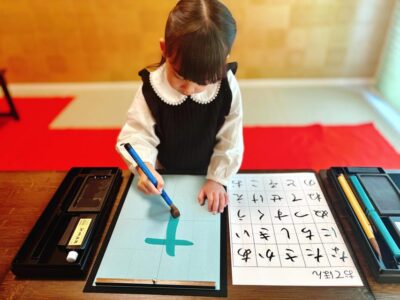 ★ 5.0Private Japanese Calligraphy ExperienceFrom $5166 reviews
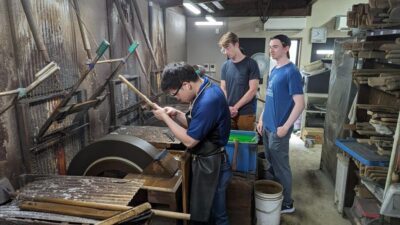 ★ 4.9From Osaka: Sakai Knife Maker or Blacksmith Walking TourFrom $6464 reviews
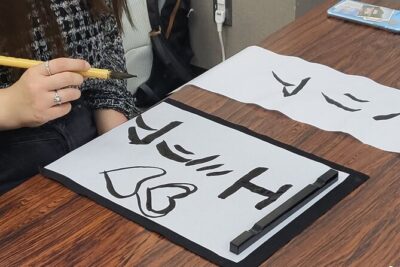 ★ 5.0Calligraphy Workshop in Namba, DotonboriFrom $4957 reviews
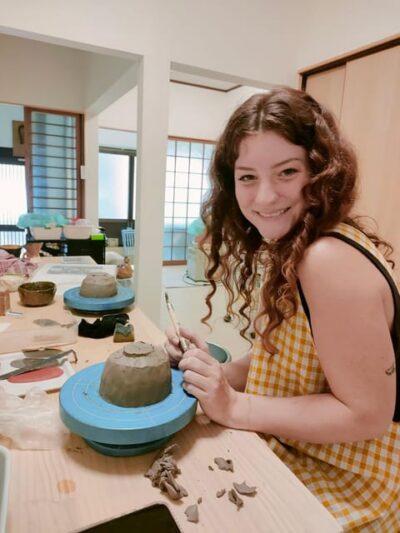 ★ 5.0Traditional Japanese Ceramics Private ExperienceFrom $9657 reviews
 ★ 4.5Learning Zen of Japanese Calligraphy in kimono near Osaka CastleFrom $4353 reviews
 ★ 5.0Private Tea Ceremony and Calligraphy ExperienceFrom $6450 reviews
Browse the lists this tour appears in