
Reviewed · DOTONBORI & NAMBA TOURS
Sushi Class in Osaka Dotonbori
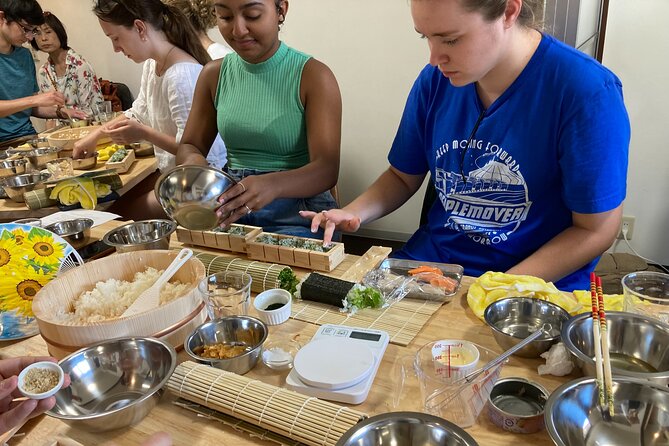
Box sushi and nigiri in one morning. This sushi class in Osaka’s Dotonbori area is interesting because it’s small-group and lets you make sushi step-by-step, not just watch. I love the hands-on teaching style and the fact that ingredients are prepared for you, so you can focus on technique. One drawback to plan for: the meeting spot is in a building with a specific door setup, and it can be a little tricky to find quickly.
You’ll assemble three different Japanese sushi styles: a salad roll, classic nigiri, and Kansai-style oshizushi (pressed box sushi). You’ll also eat what you make with miso soup, so it feels like both a class and a meal.
The class runs about 3 hours and starts at 9:30 am. It uses a mobile ticket, and you’ll be in a group capped at 8 travelers, which is a big part of why the experience stays personal.
In This Review
- Key points I’d plan around
- Sushi Class in Dotonbori: What You Actually Make in 3 Hours
- The three sushi types, in plain language
- Meeting Point at Room 807: How to Find Cooking Sun Fast
- Practical tip
- The Classroom Setup: Apron, Prepped Ingredients, and Real Participation
- Vegetarian and gluten-free options
- Salad Roll Workshop: Building the Nori Roll with a Tamagoyaki Core
- What you’ll learn (and why it’s useful)
- Nigiri Shaping: Vinegared Rice and Topping Balance
- What makes nigiri more than finger food
- Watch for your comfort level
- Oshizushi (Box Sushi) Pressing: The Kansai Style Square You Cut Before Eating
- Why I think box sushi is a smart lesson
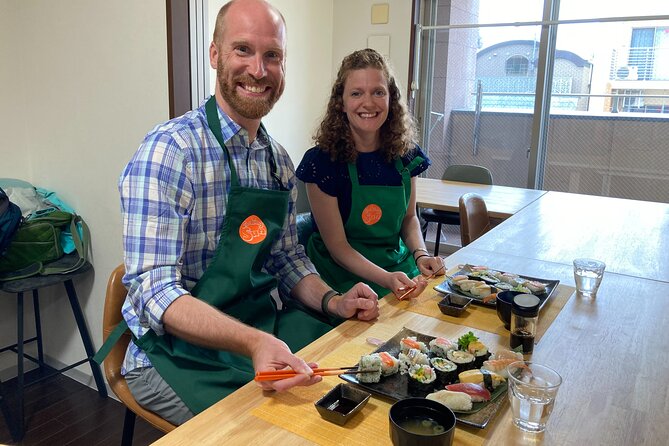
- The End Part: Miso Soup and Eating What You Built
- Price and Value: Is $71.16 Worth It?
- Who Should Book This Sushi Class in Osaka
- Tips to Get More Out of Your Class
- Should You Book This Sushi Class in Osaka’s Dotonbori?
- FAQ
- How long is the sushi class?
- What is the price per person?
- Where do I meet for the class?
- What sushi types will I make?
- Can the class accommodate vegetarian diets?
- Is there a gluten-free option?
- What should I do when I arrive at the building?
- Can I cancel for free?
Key points I’d plan around

- Up to 8 people means more time at your station and more chances to ask questions
- Three sushi styles in one session: salad roll, nigiri, and Osaka box sushi
- Ingredients are prepped for you and an apron is provided, so you aren’t stuck on basic prep
- Vegetarian and gluten-free requests are supported if you note them when booking
- Osaka-style oshizushi uses a square form, then gets cut right before eating
- Location is inside a building (Room 807), so arriving early helps
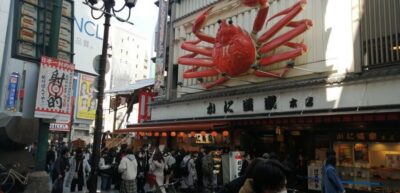
Back under the Glico sign: more Dotonbori runs


Sushi Class in Dotonbori: What You Actually Make in 3 Hours
This is the kind of Osaka food experience that gives you a real skill, not just a photo. In about three hours, you’ll make and then eat three sushi types that cover different techniques: rolling, hand-shaping, and pressing.
What makes it work for most travelers is the balance between guidance and independence. The ingredients are prepared in advance, and you get help through each stage—so beginners aren’t forced into guesswork. At the same time, you’re doing enough of the hands-on work to walk away thinking, I can do this again at home.
You’ll also learn the “why” behind the mechanics. One standout theme from past classes: the instructors explain sushi as a Japanese food with regional variations, not just a list of steps. If you like understanding what you’re eating, this class scratches that itch.
The three sushi types, in plain language
- Salad roll: a nori roll with a creamy tuna mix and crunchy veg, plus a tamagoyaki core
- Nigiri: vinegared rice topped with fish or egg-style toppings, shaped by hand
- Oshizushi: pressed box sushi from Kansai, using a square form and then cut into pieces
Meeting Point at Room 807: How to Find Cooking Sun Fast
Your start point is Cooking Sun at the address in Chuo Ward, Shimanouchi (Masters Residence Dotonbori I, Room 807). The important part is that you’re not meeting at a street-level shop.
When you arrive, you’ll need to press 807 and the 呼出 (call) button and wait for the door to be opened. That detail matters because Google Maps may send you to the wrong building across the street, which can turn a short morning into a scavenger hunt.
Flour on your hands, more Osaka kitchens to try
Practical tip
Give yourself a little buffer time. In past experiences, people found the correct building quickly once they looked for the placard on the right entrance. If you’re only going off your phone’s map pin, plan for a couple extra minutes.
The Classroom Setup: Apron, Prepped Ingredients, and Real Participation
The class feels personal because the group size is capped at 8 travelers. In practice, that means you aren’t competing for attention or standing around while someone else rolls.
You’ll get an apron, and the ingredients are set up so you can start making sushi without long kitchen prep. One review also mentioned that sushi rice and parts of the filling were pre-cooked ahead of time. That’s great for value: your money buys instruction and technique, not hours of basic cooking.
Even better, the teaching style is slow and methodical. People noted that the instructors speak clearly and take time, which helps if you’re a true beginner or if you just want to follow along without feeling rushed.
Vegetarian and gluten-free options
If you book with a vegetarian preference (with eggs or no eggs), the class can accommodate. There’s also a gluten-free option available if you request it when booking. This is a big deal in a food class, because you want to actually make something you can eat, not just watch and snack later.
Salad Roll Workshop: Building the Nori Roll with a Tamagoyaki Core
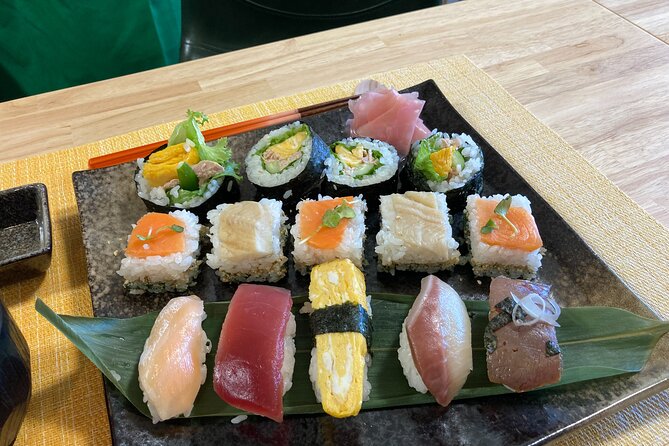
The first sushi you’ll make is the salad roll, a type of sushi roll that mixes both fresh and creamy flavors with a recognizable Japanese texture.
Here’s what’s in it:
- Crab-flavored kamaboko
- Lettuce and cucumber for crunch
- Avocado
- Tuna mixed with mayonnaise
- Nori roll with a core of tamagoyaki (egg roll)
What you’ll learn (and why it’s useful)
This is a great first project because it teaches rolling discipline. You’re practicing how to keep fillings even and how to manage the nori so the roll holds together. You’ll also get a feel for how Japanese sushi isn’t always “just fish on rice.” It can be cool, creamy, crunchy, and very approachable.
If you’ve ever struggled with rolls at home, this class helps because you’re not inventing ingredients from scratch. The setup is organized so you can concentrate on technique: placement, layering, and how tight to roll.
Nigiri Shaping: Vinegared Rice and Topping Balance
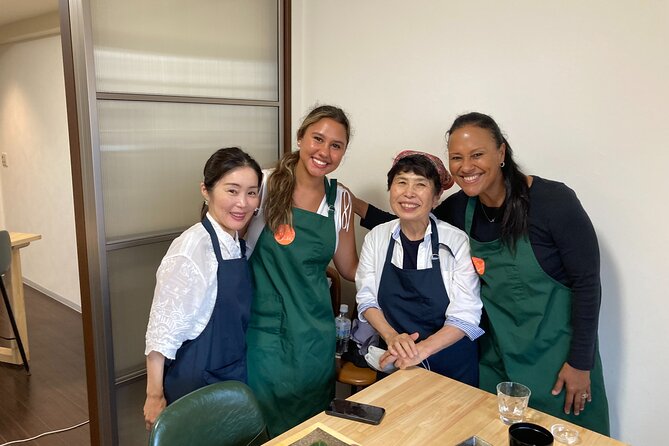
Next comes nigiri-zushi, one of Japan’s best-known sushi styles. The key idea is simple: you place ingredients on top of vinegared rice.
In class, you’ll learn how nigiri works as a handheld bite. The topping sits on a rice base shaped in a way that makes it easy to eat—without the rice falling apart or the toppings looking like they’re floating.
What makes nigiri more than finger food
Nigiri is about balance. You’re learning a few important micro-skills:
- rice shape and compactness
- topping placement
- getting the right bite size
One practical value here is confidence. After you make nigiri once, you understand why sushi chefs obsess over rice texture and topping alignment. It stops feeling mysterious.
Watch for your comfort level
If you’re nervous about hand-shaping, don’t worry. The class is structured for beginners, and instructors can guide you as you form your nigiri. Past participants also liked that teachers spoke slowly and didn’t rush people.
Oshizushi (Box Sushi) Pressing: The Kansai Style Square You Cut Before Eating
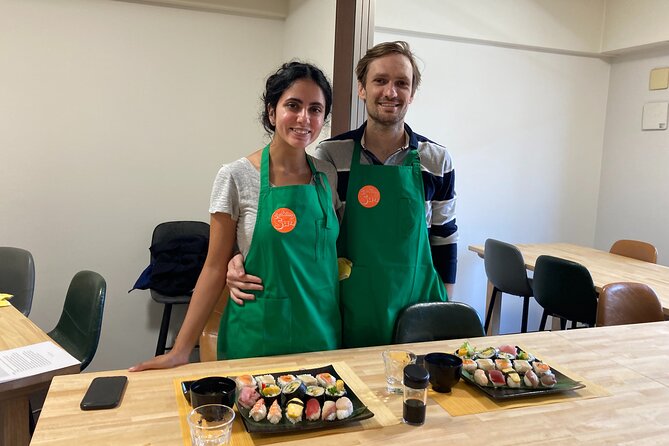
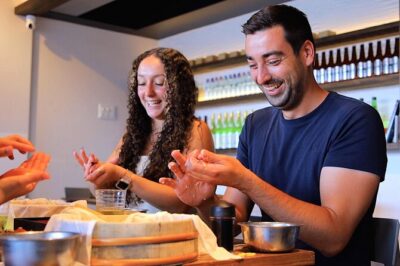
Then you’ll make oshizushi, often called box sushi in Osaka. This is a classic Kansai approach to sushi, and it’s one of the most fun parts of the class because it’s tactile and “mechanical.”
How it works:
- Fill a square wooden frame with sushi rice and toppings
- Press the rice by hand so it sticks to the toppings
- Lift it out as a square
- Cut it into pieces just before eating
The finished product is square, so you don’t nibble it in one big chunk—you slice it into proper sushi pieces. That final cut is the “wait, I made this” moment.
Why I think box sushi is a smart lesson
Pressed sushi teaches something different than rolling or shaping. You’ll learn how to pack rice firmly enough to bind, but not so forcefully that everything turns into one solid block. It’s also a regional technique, which gives you context for why Osaka sushi culture can feel distinct from the Tokyo style people often imagine.
If you like hands-on food projects, this one hits the sweet spot. You’ll leave with something you can describe clearly later: I made Osaka box sushi using a wooden frame.
The End Part: Miso Soup and Eating What You Built
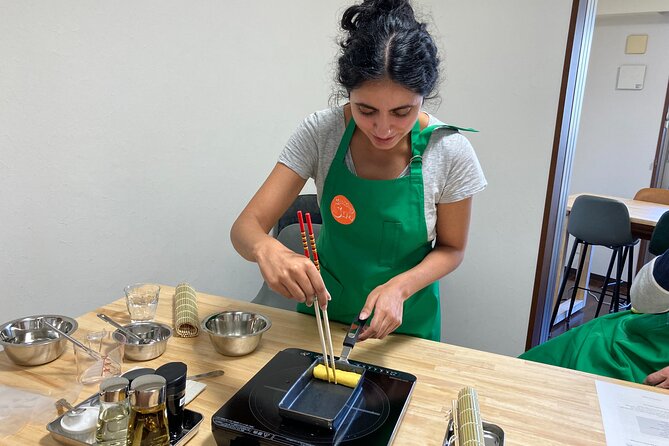
After you finish the sushi, you’ll eat your creations alongside miso soup. This matters for two reasons.
First, it closes the loop. You aren’t paying for a cooking demo that ends with cleanup and walking away. You get to taste what you made while it’s still fresh.
Second, the meal helps you spot your wins and your “next time I’ll do it this way.” Did your nigiri keep its shape? Did the roll stay intact? Was the oshizushi slice clean? Those small observations turn the class into a lasting learning experience.
And yes, you’ll likely feel full. Multiple past participants described the food as satisfying and worth the effort.
Price and Value: Is $71.16 Worth It?
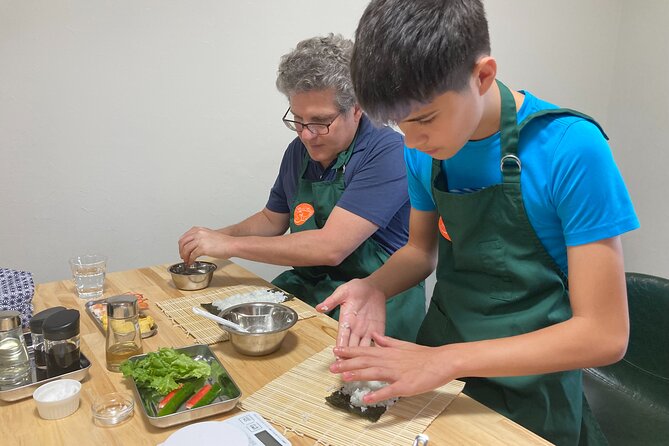
At $71.16 per person for about 3 hours, this class is paying for more than ingredients. You’re paying for:
- a small group size (up to 8)
- live instruction through three sushi styles
- apron and a structured kitchen setup
- the ingredients being handled/prepped enough that you can focus on technique
- a meal outcome (your sushi plus miso soup)
For me, the value comes from the combination of hands-on work and real guidance. If you’re the type who learns best by doing, this is the kind of class that justifies the cost. You’re not just eating in Dotonbori—you’re leaving with a skill you can repeat.
Also consider the planning reality. On average, this class gets booked about 74 days in advance, so if you want your preferred date, you’ll want to lock it in early.
Who Should Book This Sushi Class in Osaka
This class is a strong fit if:
- you’re a beginner and want step-by-step help
- you want to learn sushi beyond one style
- you care about a small group atmosphere
- you need vegetarian or gluten-free options (request them at booking)
It also seems to work well for families in practice. Some participants brought children, including a 12-year-old, and the class was still interactive enough for a young cook to participate.
You might consider a different class if:
- you’re strictly looking for a sightseeing-heavy tour with multiple stops
- you hate meeting locations inside buildings and want only street-level venues
Tips to Get More Out of Your Class
Here’s how to make the most of your 3 hours:
- Arrive a few minutes early so the Room 807 door setup doesn’t stress you.
- If you have dietary needs, request them during booking so the class can plan ahead.
- During the oshizushi pressing, pay attention to how firmly they want the rice packed. That’s the secret sauce.
- Take a few photos, but focus first on learning the technique; you’ll appreciate it more later when you recreate it at home.
If you’re lucky, you may get an instructor whose style matches what many past groups loved. People named teachers such as Sakura cook, and also mentioned Ami and Jaimi as patient, detailed guides, plus Yoshi as a teacher who helped people learn multiple sushi styles. The common thread: clear direction, patience, and plenty of time to ask questions.
Should You Book This Sushi Class in Osaka’s Dotonbori?
Yes, I’d book it if you want a hands-on Osaka food experience with clear structure. The best reason is simple: you make three real sushi types—including Osaka-style box sushi—and you eat what you produce. With a max of 8 people, you get attention instead of standing on the sidelines.
I’d think twice only if you’re in a rush and don’t want to deal with an inside-building meeting point. If that’s your situation, give yourself extra time when heading to Room 807, and you’ll be fine.
If you want one activity in Osaka that feels like a skill-building souvenir (not just a meal), this class does the job.
FAQ
How long is the sushi class?
The class runs for about 3 hours.
What is the price per person?
The price is $71.16 per person.
Where do I meet for the class?
You meet at Cooking Sun, located at Masters Residence Dotonbori I, Room 807. The start time is 9:30 am, and it ends back at the meeting point.
What sushi types will I make?
You’ll make three kinds: a salad roll, nigiri, and oshizushi (pressed box sushi).
Can the class accommodate vegetarian diets?
Yes. Vegetarian options are available, with eggs or with no eggs. You need to request this when booking.
Is there a gluten-free option?
Yes. A gluten-free option is available if you request it when booking.
What should I do when I arrive at the building?
Press 807 and the 呼出 (call) button, then wait for staff to open the door.
Can I cancel for free?
Yes. You can cancel for free up to 24 hours before the experience starts for a full refund.
More Tour Reviews in Osaka
- Osaka Go Karting Tour with Funny Costume★ 5.0 · 2,658 reviews
- Osaka Castle: Museum and Tower Entry Ticket★ 4.5 · 2,380 reviews
- Osaka: Shinsekai Food Tour with 13-15 Dishes at 5 Eateries★ 4.8 · 2,204 reviews
- Osaka Food Tour: 13 Dishes at 5 Local Eateries★ 5.0 · 2,149 reviews
- Hungry Osaka Street Food Tour:15 Tastings & 3 Drinks with a Local★ 5.0 · 1,727 reviews
Cook It Yourself in Osaka
- Sushi Making Osaka Roll and Authentic Japanese Sushi Class★ 5.0 · 1,220 reviews
- Osaka: Five Must-See Highlights Walking Tour & Ramen Lunch★ 4.7 · 411 reviews
- Osaka Sushi Making Experience★ 5.0 · 400 reviews
- Osaka: Ramen and Gyoza Cooking Class in Dotonbori★ 5.0 · 378 reviews
- Osaka: Sumo Stage Show with Bento or Snack + Fight & Photo★ 4.3 · 364 reviews
Dotonbori and Namba, Round Two
- Osaka Local Foodie Walking Tour in Dotonbori and Shinsekai★ 5.0 · 985 reviews
- Osaka: Dotonbori District River Cruise with Drink Discount★ 4.2 · 876 reviews
- Ultimate Osaka Walking Tour: Castle, Dotonbori & Hidden Gems★ 5.0 · 862 reviews
- Tea Ceremony Experience in Osaka Doutonbori★ 5.0 · 754 reviews
- Osaka: Namba Pub Bar Crawl with a Local Guide★ 4.9 · 424 reviews
The Newest Osaka Write-Ups
- Private Photoshoot in Osaka with a Professional Photographer
★ 5.0 · 3 reviews - Osaka Early Morning Osaka Castle Tour Avoid Crowds
★ 5.0 · 3 reviews - Nara Private Tour with Pick and Drop and English Speaking Driver
★ 3.5 · 3 reviews - Osaka: Modern Vegetarian Sushi Cooking Class
★ 5.0 · 3 reviews - Nara Day Trip from Osaka with a Licensed Guide
★ 5.0 · 3 reviews
Dotonbori & Namba Tours, compared.
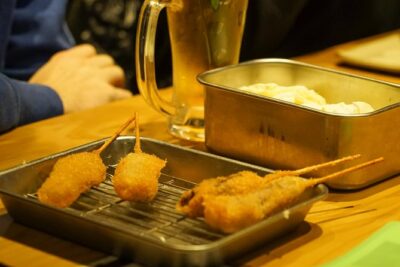 ★ 5.0Osaka Local Foodie Walking Tour in Dotonbori and ShinsekaiFrom $111985 reviews
 ★ 4.2Dotonbori District River Cruise with Drink DiscountFrom $12876 reviews
 ★ 5.0Ultimate Osaka Walking Tour: Castle, Dotonbori & Hidden GemsFrom $73862 reviews
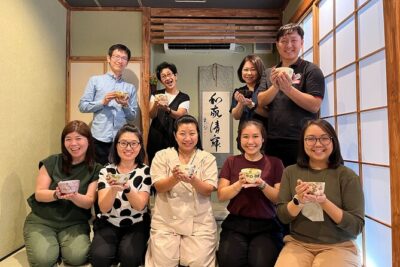 ★ 5.0Tea Ceremony Experience in Osaka DoutonboriFrom $20754 reviews
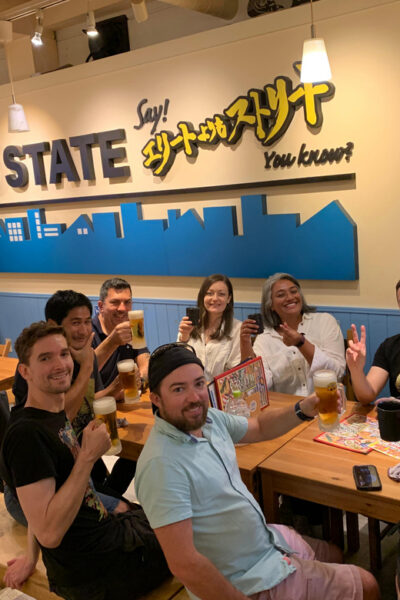 ★ 4.9Namba Pub Bar Crawl with a Local GuideFrom $30424 reviews
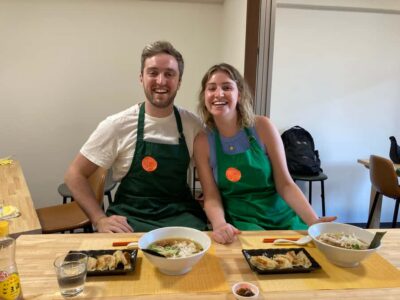 ★ 5.0Ramen and Gyoza Cooking Class in DotonboriFrom $70378 reviews
Dotonbori River Cruise with Glico Sign & Neon ViewsFrom $12376 reviews
★ 5.0Ramen and Gyoza Cooking Class in DotonboriFrom $70378 reviews
Dotonbori River Cruise with Glico Sign & Neon ViewsFrom $12376 reviews
 ★ 3.9Dotonbori’s Bridges 20-Minute CruiseFrom $12303 reviews
Browse the lists this tour appears in