
Reviewed · OSAKA CRAFT & CULTURE WORKSHOPS
Sharpen Japanese Knives in Osaka
Your knife deserves a proper edge in Japan.
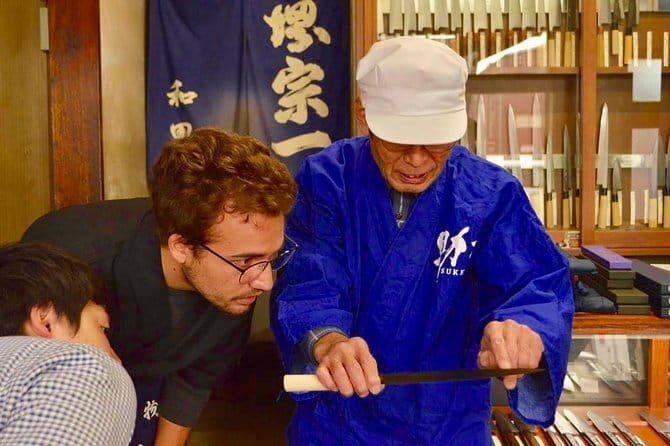
This small Osaka workshop takes you into Sakai, the so-called knife city, where metalwork skills have been passed down for centuries. You’ll see how professionals think about different knife types, then you’ll sharpen using real whetstones—the kind of practical skill you can actually use later.
I love that the experience doesn’t treat knives like souvenirs. You start with a guided look at how knives are made and what they’re for, then you shift into hands-on work with a craftsman at Wada Store. The other thing I really like is the attention to details you’d normally miss—like how to shape your sharpening, and how to fit handles in the traditional way.
One consideration: this runs close to the neighborhood and needs good weather. If your timing is tight or you hate any walking, plan for comfortable shoes and a little flexibility.
In This Review
- Key takeaways before you go
- Knife City Sakai: more than shiny blades
- Stop 1 at the Sakai Traditional Industrial Hall: knives made by hand, not magic
- Stop 2 at Wada Store: whetstones, proper technique, and handle fitting
- What it feels like while you’re sharpening
- What you learn beyond sharpening (and how you’ll use it later)
- Timing, group size, and what’s actually included in Osaka
- Getting there and meeting up
- Price and value: what $213 buys you in practice
- Who should book this Osaka knife sharpening tour
- Should you book this Osaka knife sharpening experience?
- FAQ
- Where is the meeting point?
- How long is the tour?
- What do I do at each stop?
- What’s included in the price?
- What is not included?
- Do I need good weather?
- How many people are in the group?
- Can most people participate?
- Is the admission ticket required for both stops?
Key takeaways before you go
- Sakai Traditional Industrial Hall first: a quick, focused look at knife types and handmaking
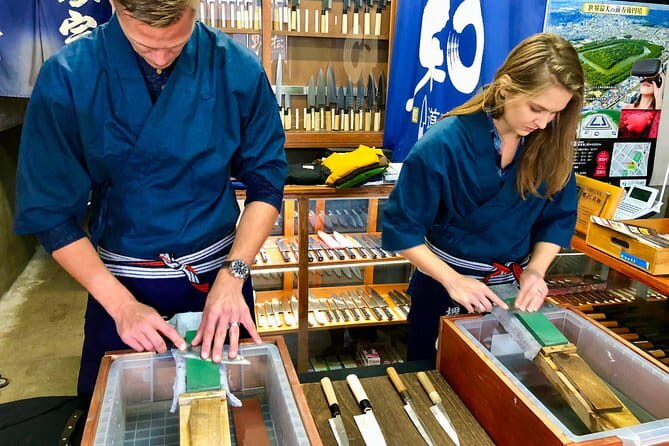
- Hands-on sharpening with whetstones: you get coached on doing it right
- Traditional handle fitting: you learn more than just making the blade sharper
- Small group size (max 5): easier questions and calmer pacing
- You bring your own knife: practice with something you’ll recognize and keep using
Make the souvenir yourself at more workshops


Knife City Sakai: more than shiny blades
Sakai is one of those places where you don’t have to hunt for meaning. The city’s reputation is knives, and that reputation comes from skill and process—not marketing. That matters, because a knife isn’t one thing. It’s a tool made for a job, shaped by how it will be used, and maintained by how you sharpen it.
What I like about starting in Sakai is that it sets you up to understand what you’re about to do. Before you ever touch a stone, you learn there are different knife styles for different tasks. That makes the sharpening lesson feel less like a trick, and more like tool care.
And yes, you’ll probably notice the “craft” vibe right away. This isn’t a factory tour with big machines and fast answers. It’s people, tools, and method—plus the sense that improving your edge takes time.
Stop 1 at the Sakai Traditional Industrial Hall: knives made by hand, not magic
You start at the Sakai Traditional Industrial Hall, with about 30 minutes of guided sightseeing. Admission here is free, so you’re not “buying” the lesson yet—you’re learning the context.
Even in a short visit, this stop helps you read knives like a system. You’ll see how many knives exist for different purposes, and you’ll understand the idea that handmaking is part of why they perform the way they do. It also gives you a reference point for the workshop later: you’re sharpening with purpose, not just chasing a sharper-looking edge.
A small practical note: this first stop is short, so arrive ready to pay attention. If you spend the whole time scanning for the next photo spot, you’ll miss the clues that make the sharpening guidance click later.
Stop 2 at Wada Store: whetstones, proper technique, and handle fitting
After the hall, you head to Wada Store for the main event. This is about 1 hour 30 minutes, and admission is included.
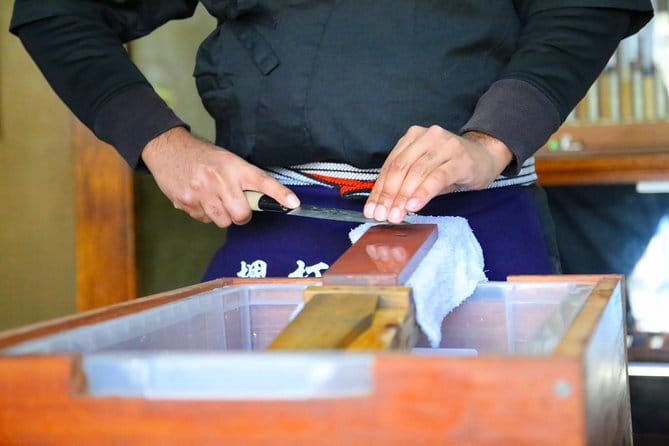
The sharpening lesson is structured around real technique. You’ll sharpen using whetstones, and you’ll learn the basics of doing it properly rather than copying a random method. The point isn’t just to make a knife feel sharper for an hour. The goal is to learn a repeatable approach, so you can maintain your edge at home.
One of the most praised parts here is the coaching quality. The guide—Yuji—is described as meeting on time, speaking English very clearly, and explaining what you’re seeing and doing. That matters because knife sharpening has a lot of small movements, and having clear instruction prevents you from guessing.
Then there’s the part that most “knife workshops” skip: fitting the handle traditionally. You don’t only learn the blade side of the craft. You also learn how handles are fitted into blades in the traditional way. That gives the whole experience extra depth, because it connects sharpening to the full life of a knife.
Coffee and/or tea are included, too. It’s a small thing, but it helps you slow down and focus—especially if you came in already tired from Osaka transit.

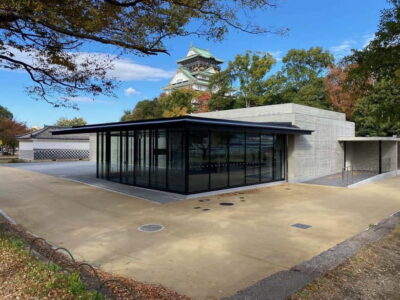


What it feels like while you’re sharpening
Expect a calmer, hands-on session rather than a loud class. You’ll be working with the tools provided (and you’ll bring your own knife). The lesson is designed so you can participate, and the group is kept small—up to 5 people—so you can ask questions without feeling rushed.
You’ll likely spend less time staring at your phone and more time watching your angles and your pressure. That’s the good part. Sharpening is one of those skills where the “right” method is mostly invisible until someone corrects your form.
What you learn beyond sharpening (and how you’ll use it later)

This workshop is about making your knives work better, but the value goes farther than one successful sharpening session.
First, you learn that sharpening is technique. Whetstone sharpening isn’t just grinding metal. It’s controlled contact. That means you start thinking in terms of consistency—how long you hold the angle, how even the strokes feel, and how you evaluate progress.
Second, you learn tool care. Once you understand sharpening as maintenance, you’re less likely to wait until your knife is dull enough that you have to “fix it” later. You also start noticing which tasks wear your knife down fastest.
Third—and this is a big reason I’d recommend it—this class ties blade care to the knife as a whole. Handle fitting and the idea that knives are made and assembled with intention make you treat the knife more respectfully. That’s not sentimental talk. It changes how you handle, store, and use your tool.
If you’re the type who already owns a Japanese knife, this experience is especially useful. You’ll be sharpening something that’s part of your routine, not a random demo blade. And if you’re new to Japanese knives, you’ll still leave with a clearer sense of what makes good sharpening different from basic “honing.”
Timing, group size, and what’s actually included in Osaka
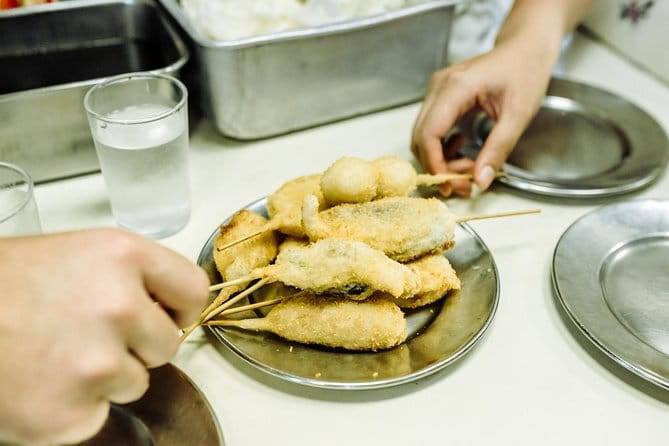
This experience runs for about 2 hours total. The schedule is tight: around 30 minutes at the Sakai hall, then roughly 1 hour 30 minutes at Wada Store.
Why this matters for you: it’s short enough to fit into a busy Osaka day without swallowing your afternoon. It also means you can keep your energy up. Knife sharpening is physical work in small ways, and you don’t want to start it hungry or already worn out.
Group size is capped at 5 travelers, which is a big deal for learning. In small groups, you get more than one blanket explanation. You can often get corrections and clearer answers when something feels off.
Included items make it easier to show up with minimal fuss:
- Apron
- Tools for sharpening knives
- Your knife
- Coffee and/or tea
Not included:
- Lunch, dinner, snacks
So if you’re visiting as part of a longer Osaka day, eat before. You’ll thank yourself halfway through the sharpening lesson.
Getting there and meeting up
The start point is Wada Store at 1-chōme-1-1 Shinmeichōhigashi, Sakai Ward, Sakai, Osaka 590-0935, Japan. The tour ends back at the meeting point.
You’re near public transportation, so you won’t need a car. One review also notes walking between the area around Sakai station and the knife museum, so plan on a short stroll.
You’ll use a mobile ticket. That’s simple, but do make sure you have your phone charged and your confirmation ready.
Price and value: what $213 buys you in practice
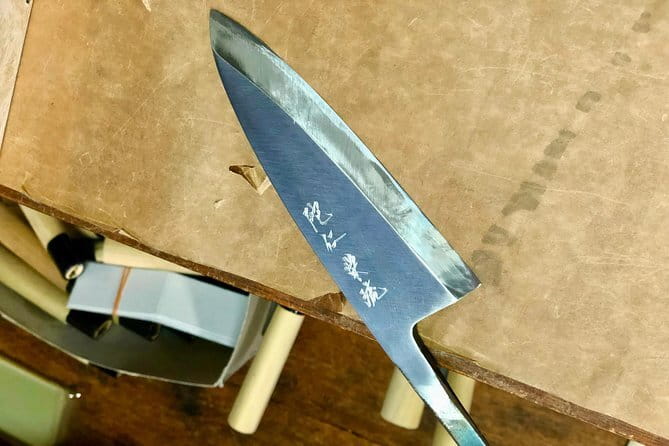
At $213 for about 2 hours, this isn’t a budget activity. But it also isn’t overpriced if you compare it to what you’re really paying for.
You’re paying for:
- Guided context in a knife-focused neighborhood
- A hands-on whetstone lesson with coaching
- Traditional instruction beyond just sharpening
- Small-group attention (max 5 people)
- Included tools, apron, and coffee/tea
For many people, the biggest value comes from the teaching quality. When instruction is clear—especially with English support—you waste less time doing the wrong thing. That’s how you turn a workshop into a skill, not just a nice afternoon.
If you already love the idea of Japanese knives, this gives you something tangible. If you’re on the fence, the key question is whether you want an actual sharpening skill. If yes, the price makes more sense. If you only want sightseeing and photos, you might get less value.
Who should book this Osaka knife sharpening tour

I’d book this if you fit one of these profiles:
- You own Japanese knives and you want to maintain them properly with whetstones.
- You like craft experiences where you learn the method, not just the story.
- You want a small group setting where you can ask questions and get adjustments.
- You enjoy cultural detail—like understanding why different knives exist and how handle fitting works.
It can also work well for couples or small groups who want to learn something useful together. The max group size means your attention doesn’t get diluted.
One more practical fit note: most travelers can participate. Still, come in with the expectation that you’ll be doing the hands-on part of sharpening. If you’re dealing with wrist or hand limitations, consider whether you’ll be comfortable participating.
Should you book this Osaka knife sharpening experience?

Yes, I think you should book it if you want a real skill from Sakai, not just a photo stop. The standout strengths are the expert guidance and the fact that you learn more than sharpening—there’s traditional handle fitting and a clear sense of knife purpose. Add the small group size and the English support from Yuji, and it becomes a very “teacher-student” type experience.
Book it especially if you’re the practical sort who cares about keeping your tools in good shape. If you’d rather spend your limited time in Osaka on big landmarks, you might prefer a different day. But if you’re curious about Japanese knife craft and you want something you can use at home, this is one of those rare tours that actually delivers.
FAQ
Where is the meeting point?
It starts at Wada Store, located at 1-chōme-1-1 Shinmeichōhigashi, Sakai Ward, Sakai, Osaka 590-0935, Japan, and the tour ends back at the meeting point.
How long is the tour?
The experience is about 2 hours total (approximately).
What do I do at each stop?
You begin at Sakai Traditional Industrial Hall for about 30 minutes of learning about knife purposes and handmaking, then you go to Wada Store for about 1 hour 30 minutes of sharpening practice using whetstones and learning traditional handle fitting.
What’s included in the price?
Included items are an apron, tools for sharpening, your knife (used during the lesson), and coffee and/or tea.
What is not included?
Lunch, dinner, and snacks are not included.
Do I need good weather?
Yes. The experience requires good weather. If it’s canceled due to poor weather, you’ll be offered a different date or a full refund.
How many people are in the group?
The maximum group size is 5 travelers.
Can most people participate?
Most travelers can participate.
Is the admission ticket required for both stops?
Sakai Traditional Industrial Hall has a free admission ticket, while the Wada Store workshop admission is included.
More Tour Reviews in Osaka
- Osaka Go Karting Tour with Funny Costume★ 5.0 · 2,658 reviews
- Osaka Castle: Museum and Tower Entry Ticket★ 4.5 · 2,380 reviews
- Osaka: Shinsekai Food Tour with 13-15 Dishes at 5 Eateries★ 4.8 · 2,204 reviews
- Osaka Food Tour: 13 Dishes at 5 Local Eateries★ 5.0 · 2,149 reviews
- Hungry Osaka Street Food Tour:15 Tastings & 3 Drinks with a Local★ 5.0 · 1,727 reviews
Made in Osaka, by You
- Osaka: Tea Ceremony, Calligraphy, and Kimono Experience★ 4.9 · 130 reviews
- 1.5〜2 Hours Traditional Kintsugi Work Shop in Namba Osaka★ 5.0 · 75 reviews
- Osaka: Private Japanese Calligraphy Experience★ 5.0 · 66 reviews
- From Osaka: Sakai Knife Maker or Blacksmith Walking Tour★ 4.9 · 64 reviews
- Calligraphy Workshop in Namba, Dotonbori★ 5.0 · 57 reviews
The Newest Osaka Write-Ups
- Private Photoshoot in Osaka with a Professional Photographer
★ 5.0 · 3 reviews - Osaka Early Morning Osaka Castle Tour Avoid Crowds
★ 5.0 · 3 reviews - Nara Private Tour with Pick and Drop and English Speaking Driver
★ 3.5 · 3 reviews - Osaka: Modern Vegetarian Sushi Cooking Class
★ 5.0 · 3 reviews - Nara Day Trip from Osaka with a Licensed Guide
★ 5.0 · 3 reviews
Osaka Craft & Culture Workshops, compared.
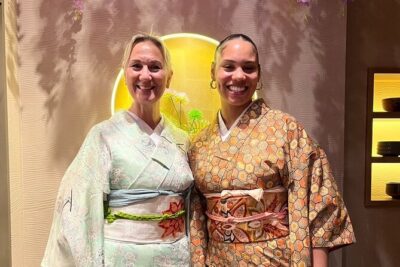 ★ 4.9Tea Ceremony, Calligraphy, and Kimono ExperienceFrom $96130 reviews
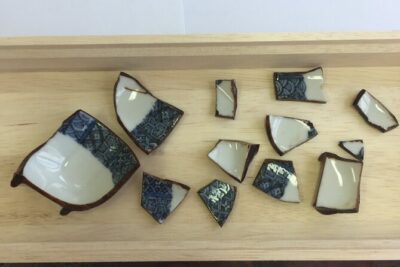 ★ 5.01.5〜2 Hours Traditional Kintsugi Work Shop in Namba OsakaFrom $12575 reviews
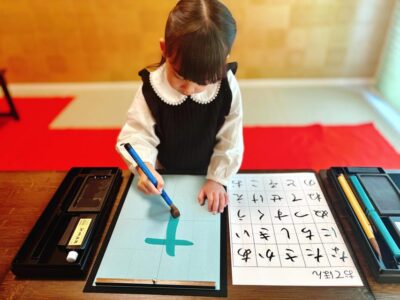 ★ 5.0Private Japanese Calligraphy ExperienceFrom $5166 reviews
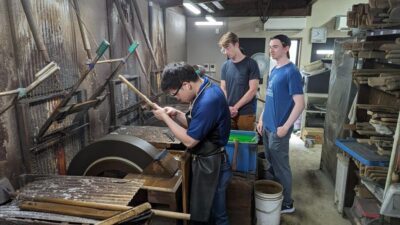 ★ 4.9From Osaka: Sakai Knife Maker or Blacksmith Walking TourFrom $6464 reviews
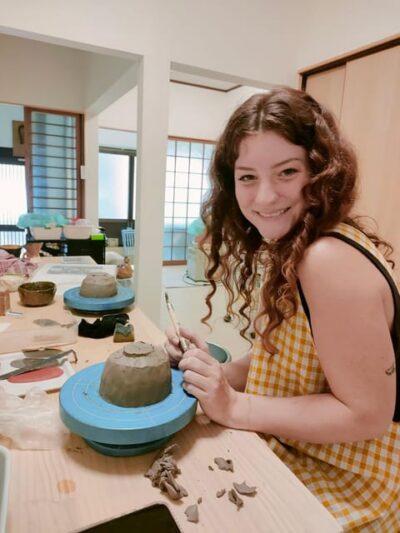 ★ 5.0Traditional Japanese Ceramics Private ExperienceFrom $9657 reviews
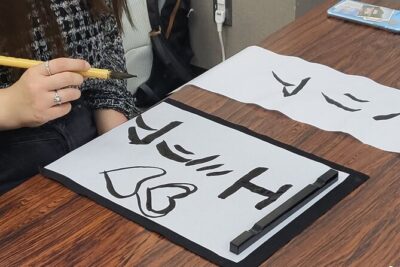 ★ 5.0Calligraphy Workshop in Namba, DotonboriFrom $4957 reviews
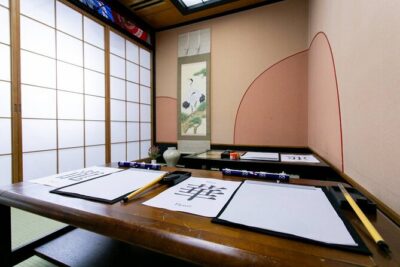 ★ 4.5Learning Zen of Japanese Calligraphy in kimono near Osaka CastleFrom $4353 reviews
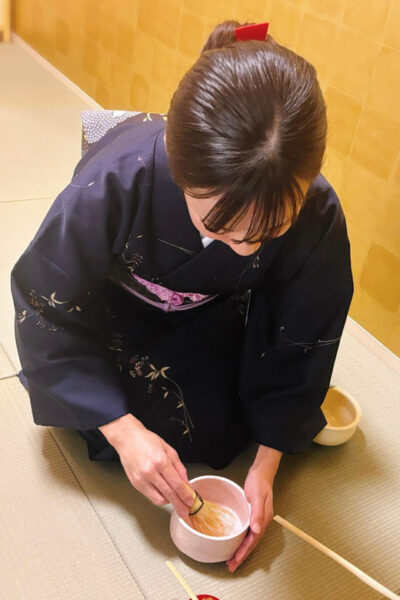 ★ 5.0Private Tea Ceremony and Calligraphy ExperienceFrom $6450 reviews
Browse the lists this tour appears in