
Reviewed · OSAKA CRAFT & CULTURE WORKSHOPS
Sakai – Knife Factory and Craft Walking Tour
Knives get serious in Sakai. This 3 to 4 hour morning walk takes you into a 100+ year knife factory where blades go from raw metal to proper handmade cooking knives, and you finish with a cinnamon mochi stop. I also like that the day includes a real sharpening lesson with a professional. One watch-out: if you request a French-speaking guide for a shared tour, francophonie isn’t guaranteed.
Guides can make or break a specialty tour, and the group has strong track records with people like Scott, Jean-yves, Rémi, and Remy leading discussions. You’re not just looking at tools behind glass; you’re getting explanations that connect Sakai’s craft culture to what happens inside the workshops. You also keep things simple with a small group size (up to 10) and a mobile ticket.
There are also a couple of timing quirks to know before you plan your day in Sakai. From 2026 March 6 to April 6, only the blacksmith is available on Tuesdays, Wednesdays, and Thursdays. And on the 3rd Tuesday of the month, the museum can close without notice, in which case your guide goes straight to the craftsman location.
In This Review
- Key things that make this tour worth your time
- A morning knife walk that feels practical, not museum-y
- Stop 1: 八百源来弘堂本店 and Sakai cinnamon mochi
- Stop 2: the knife factory, sharpening station, and blades from the blacksmith
- What about custom knife ordering?
- Stop 3: Sakai Traditional Crafts Museum and Knife Shop (bicycles included)
- Price and what you really get for $66.05
- The guide experience: Scott, Jean-yves, Rémi, Remy, and what to expect
- Logistics you should know before you set off
- Single travelers
- Timing quirks: blacksmith-only days and the 3rd Tuesday museum issue
- Who should book this tour (and who might not love it)
- Should you book the Sakai Knife Factory and Craft Walking Tour?
- FAQ
- How long is the Sakai Knife Factory and Craft Walking Tour?
- What is the meeting point and start time?
- How much does it cost?
- What’s included in the price?
- Do I get to try mochi?
- Can I buy or order a knife during the tour?
- Is a French-speaking guide guaranteed?
- How big is the group?
- What happens on the 3rd Tuesday of the month?
Key things that make this tour worth your time
- Real access to a working knife workshop with sharpening station time
- Learn traditional sharpening techniques with a professional
- Tasty cinnamon mochi included (one sweet per person)
- Sakai context in a short stop at the Traditional Crafts Museum and Knife Shop
- Small group feel (max 10) for better Q&A
- Chance to order a customizable knife you can watch being made
Osaka block by block, more routes on foot

A morning knife walk that feels practical, not museum-y
Sakai doesn’t do hype well. This tour keeps it grounded: you start in the morning, walk a short loop, and spend the bulk of your time where the craft is actually practiced. Expect a mix of street-level history and workshop time, with the tour designed so you can ask questions while the people who do the work are in front of you.
The best part is that the experience isn’t just viewing. You get a sharpening lesson, and you also see how the blades take shape into cooking knives. If you’ve ever wondered why Japanese knives feel different in hand, this is the kind of day that gives you the details behind that difference.
Small group size matters here. With up to 10 people, you’re more likely to get real answers to your questions instead of being shuffled through like part of a crowd.
Stop 1: 八百源来弘堂本店 and Sakai cinnamon mochi
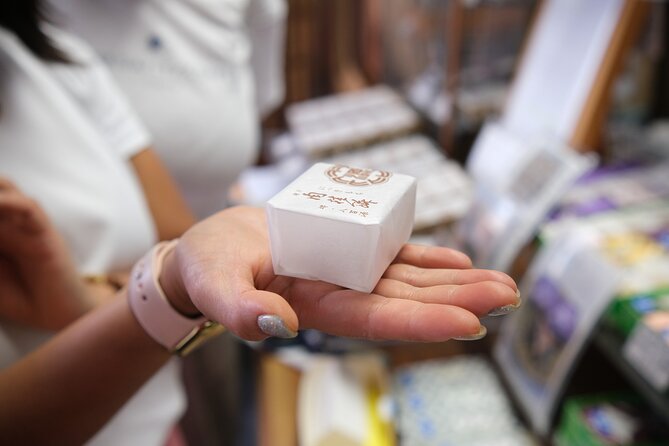
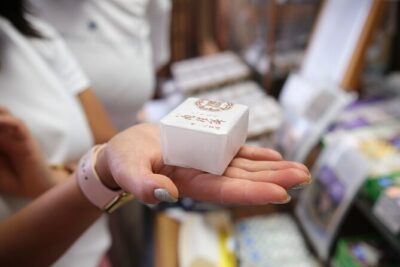
Your first stop is 八百源来弘堂本店, where you get the story behind traditional Japanese cinnamon mochi. The origin angle here is part of the charm: you’re told about a 400 years old origin story, and you’re also given one mochi as a sweet welcome.
This isn’t just a snack break. Eating the mochi early helps you start the morning like a local food errand, not like a tour waiting room. And it’s a nice momentum boost before you head to the factory, because you’re not hunting for breakfast in a new area.
There’s also an option to buy more if you want extras for later. Since the tour includes only one sweet per guest, having the chance to grab a second treat can be handy if you know you’ll want something for the rest of the day.
Stop 2: the knife factory, sharpening station, and blades from the blacksmith
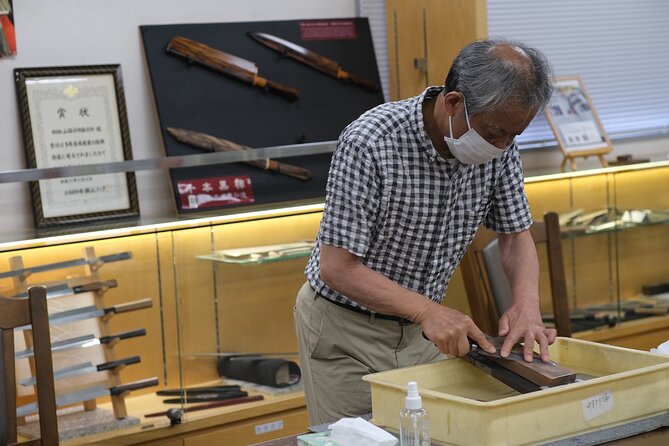
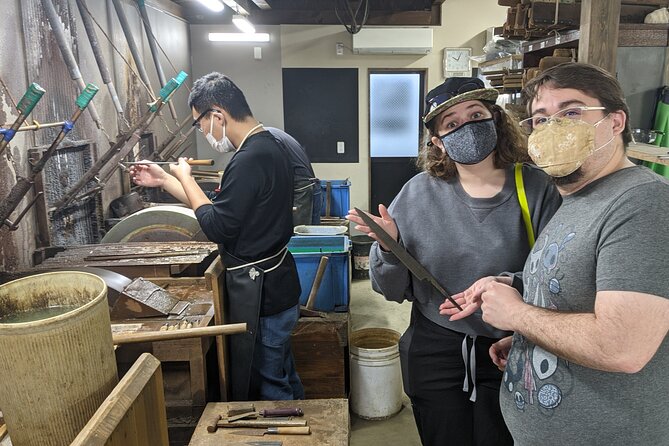
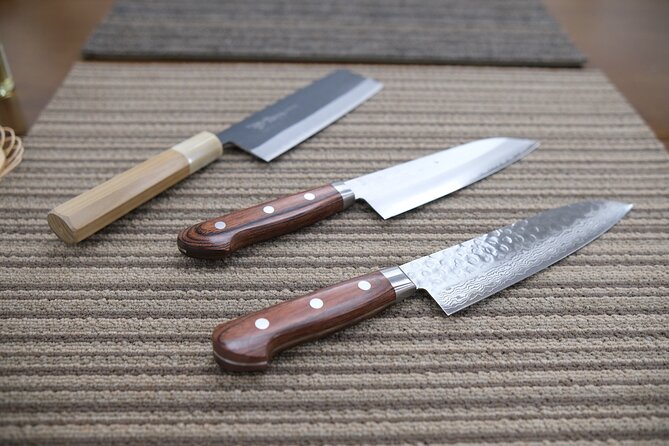
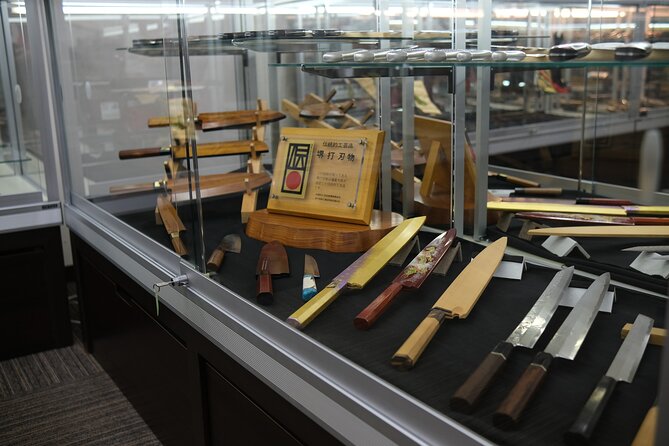
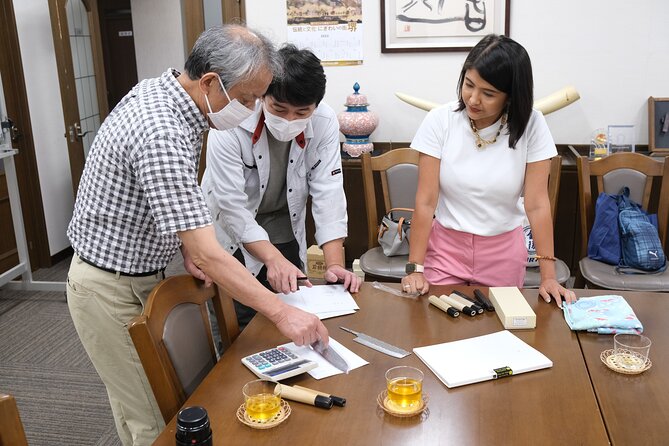
The heart of the tour is a traditional knife factory with family history—over 100 years, according to the tour description. You go inside the sharpening station and watch professional work up close, and you also get to see the process from raw blades to finished handmade cooking knives.
Two details make this stop especially valuable for real-world cooks:
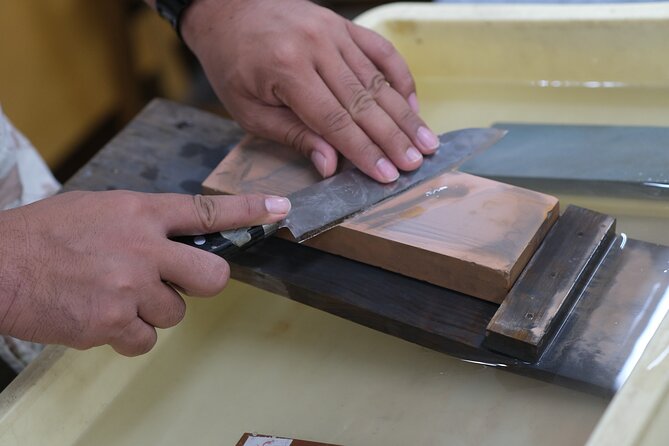
- You get to see the sharpening part, not just the final knife. A sharpening lesson taught by a professional helps you understand the why behind the performance you feel when you use a quality blade.
- You learn the workflow. The tour notes that raw blades arrive directly from the blacksmith, so you’re seeing how roles connect in the supply chain, not just one isolated workshop.
You’ll also have time at the main office and the sharpening station, and you can watch how blades get turned into proper cooking knives. That matters because making a knife is a sequence, not a single moment. Even if you’re not buying, seeing the order of operations is the kind of knowledge that makes the finished product feel earned.


What about custom knife ordering?
This is a big reason people book. The tour description says you have the chance to order a customizable knife that you can watch being made in front of you. In plain terms: you can turn curiosity into ownership.
Do keep your expectations practical. The tour includes time to see the process and the opportunity to place an order, but your final delivery details aren’t specified in the information you provided. If ordering is a goal, ask how long production takes and what options are available on the day you attend.
Stop 3: Sakai Traditional Crafts Museum and Knife Shop (bicycles included)
After the factory, you shift gears to the Sakai Traditional Crafts Museum and Knife Shop, where the focus is on what makes Sakai special beyond knives. The description calls out handmade crafts and bicycles, and it specifically mentions that Shimano was first created in Sakai.
That’s a smart pairing. Many knife tours stop at knives and forget the surrounding culture. Here, you get a quick “big picture” sense of why Sakai developed a reputation for precision craft—mechanical thinking, small production traditions, and local industries that overlap.
The museum stop is shorter than the factory time (about 30 minutes), so treat it like orientation. You’re not going to read every label and study every object, but you’ll leave with clearer context for what you saw earlier—and you’ll have an on-ramp to browsing and shopping if you want it.
And yes, this is also where you can check out the local shop area. The tour doesn’t promise unlimited shopping time, but it gives you a reasonable chance to browse.
Price and what you really get for $66.05
At $66.05 per person for roughly 3 to 4 hours, the price lands in the “worth it if you care about craft” category. Here’s why.
You’re paying for:
- Factory access (the core reason this tour exists)
- A sharpening lesson with a professional
- A guided walking experience that connects mochi, knives, and Sakai’s crafts identity
- One included sweet (one mochi per guest)
- All fees and taxes included
Most walking tours in big cities give you stories while you look at things from the outside. This one gives you workshop time and a lesson. That’s the difference between sightseeing and learning something you can use later when you’re maintaining kitchen tools.
Also, the tour caps at 10 people, which usually makes the explanations feel tighter. And you don’t have to worry about tracking down separate tickets because admission is described as free for the listed stops and fees are included in the price.
The guide experience: Scott, Jean-yves, Rémi, Remy, and what to expect
This type of tour rises and falls on the guide’s ability to explain both culture and technique. The tour information you provided includes examples of guides like Scott (praised for interesting history and great conversation), Jean-yves (praised as knowledgeable and kind), Rémi (praised for friendliness and knowledge), and Remy (praised for Sakai history and craft viewing).
That doesn’t mean every session will feel identical. One lower rating notes that the history framing felt off-putting in a more Western-centered way, and another concern was that a guide didn’t appear very knife-knowledgeable. So here’s my practical advice: if you strongly care about knife technique details, come with questions ready. Things like:
- How to recognize when a knife needs sharpening
- What difference you should notice after sharpening
- What materials or knife styles the factory focuses on
Even on a tour where the style varies, your questions can steer the conversation toward what you actually want.
Logistics you should know before you set off
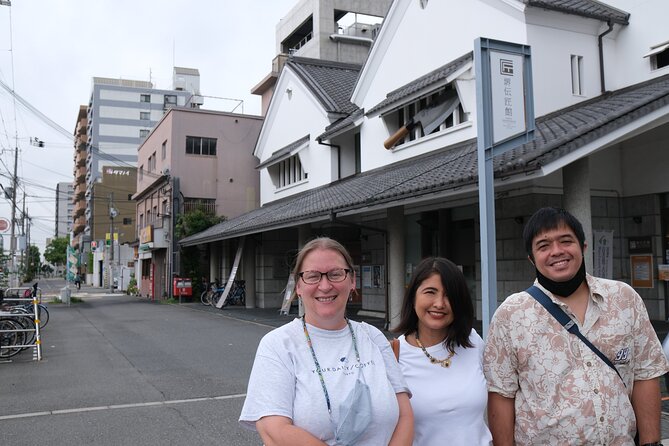
This tour is built for a straightforward morning plan. It starts at 9:00 am at 3-chōme-22 Ebisujimachō, Sakai Ward, Sakai, Osaka 590-0985, Japan, and it ends back at the meeting point.
A few details are worth planning around:
- You’ll need a mobile ticket.
- It’s near public transportation.
- Most people can participate.
- The max group size is 10, so it feels like a guided small walk, not a bus ride.
Single travelers
There’s a rule that the session may be canceled if minimum numbers aren’t met, and you’d be notified with rescheduling or a full refund. If you’re traveling solo, consider booking a date where multiple people are likely to join, or be ready with a flexible plan.
Timing quirks: blacksmith-only days and the 3rd Tuesday museum issue
Two schedule notes can affect what you do that morning.
1) 2026 March 6 to April 6: for Tuesdays, Wednesdays, and Thursdays, only the blacksmith is available.
So during those days, your factory experience may focus more on that part of the process.
2) Every 3rd Tuesday: the museum has an inventory and might close without notice. If that happens, your guide takes you directly to the craftsman location.
Both are the kind of issues you want to know ahead of time, because they can change what you see after the factory. If you’re booking around those windows, keep your schedule flexible and your expectations broad: the tour adjusts so you still get craft access.
Who should book this tour (and who might not love it)
You should book if:
- You’re a home cook who’s curious about why sharpening and steel work matters
- You like Japanese crafts where you can see technique in action
- You want a small-group morning with real workshop time, not just photos
You might not love it if:
- You mainly want casual sightseeing and don’t care about sharpening technique
- You’re extremely sensitive to how history is framed or taught, since style can vary by guide
- You’re expecting a long shopping spree; the emphasis is craft and learning, not retail time
This is also a great pairing tour if you’re already planning to spend time in Osaka. Sakai is close enough to reach, but it feels like a different pace and a more specialized side of the region.
Should you book the Sakai Knife Factory and Craft Walking Tour?
I think it’s an easy yes if you want hands-on craft content in a real setting. The combination of factory access, a sharpening lesson, and Sakai food context (that cinnamon mochi) makes it feel complete for the price. Add in the chance to order a customizable knife you can watch being made, and it becomes more than a one-time look.
The one reason to hesitate is if your plan is very date-specific during the blacksmith-only window, or if you need a guaranteed French-speaking guide on a shared tour. If those two points don’t matter much to you, book with confidence. This is the kind of tour that gives you something you can carry home—not just a souvenir, but a clearer sense of how quality knives are built and maintained.
FAQ
How long is the Sakai Knife Factory and Craft Walking Tour?
The tour lasts about 3 to 4 hours.
What is the meeting point and start time?
It starts at 9:00 am at 3-chōme-22 Ebisujimachō, Sakai Ward, Sakai, Osaka 590-0985, Japan, and it ends back at the meeting point.
How much does it cost?
It costs $66.05 per person.
What’s included in the price?
The tour includes one sweet snack per guest, all fees and taxes, a bilingual guide, a visit to the knife factory, and a knife sharpening lesson.
Do I get to try mochi?
Yes. You’ll learn about a cinnamon mochi origin story and receive one mochi as a present.
Can I buy or order a knife during the tour?
The tour description says you have a chance to order a customizable knife and watch it being made in front of you. Shopping time beyond that isn’t specified, so treat ordering as the main purchase opportunity.
Is a French-speaking guide guaranteed?
For French requests on shared tours, francophonie cannot be guaranteed. The guide is described as bilingual, but the French guarantee is not assured.
How big is the group?
The tour has a maximum of 10 travelers.
What happens on the 3rd Tuesday of the month?
The museum might close without notice due to inventory. If that happens, your guide will take you directly to the craftsman location.
More Tour Reviews in Osaka Prefecture
- Full Day Tour of Kyoto with Private Transportation★ 5.0 · 130 reviews
- Kyoto private tour (Shore excursion available from Osaka or Kobe port)★ 5.0 · 39 reviews
- Private arrival Transfer from Kansai airport to Osaka city★ 4.5 · 36 reviews
- Private Transfer by Sedan from Itami Airport ITM to Kyoto City★ 4.5 · 31 reviews
- Kyoto Full Day Tour from Osaka with Licensed Guide and Vehicle★ 5.0 · 29 reviews
Osaka at Street Level
- Best Private Osaka Walking Tour With A Guide 100% Personalised★ 4.5 · 12 reviews
The Newest Osaka Write-Ups
- Private Day Tour in Osaka and Kyoto with charter car
★ 5.0 · 3 reviews - Shared Arrival Transfer: Osaka Itami Airport to Osaka City
★ 5.0 · 3 reviews - Osaka Sushi Cooking Class
★ 5.0 · 3 reviews - Private Transfer Between Kyoto and Kansai Airport KIX
★ 5.0 · 3 reviews - Osaka : Cycling Tour Private Seaside Ride Near Kansai Airport
★ 5.0 · 3 reviews
Osaka Craft & Culture Workshops, compared.
 ★ 4.9Tea Ceremony, Calligraphy, and Kimono ExperienceFrom $96130 reviews
 ★ 5.01.5〜2 Hours Traditional Kintsugi Work Shop in Namba OsakaFrom $12575 reviews
 ★ 5.0Private Japanese Calligraphy ExperienceFrom $5166 reviews
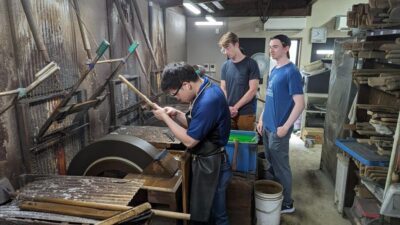 ★ 4.9From Osaka: Sakai Knife Maker or Blacksmith Walking TourFrom $6464 reviews
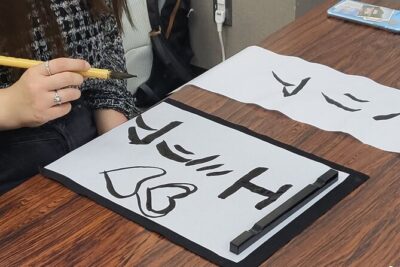 ★ 5.0Calligraphy Workshop in Namba, DotonboriFrom $4957 reviews
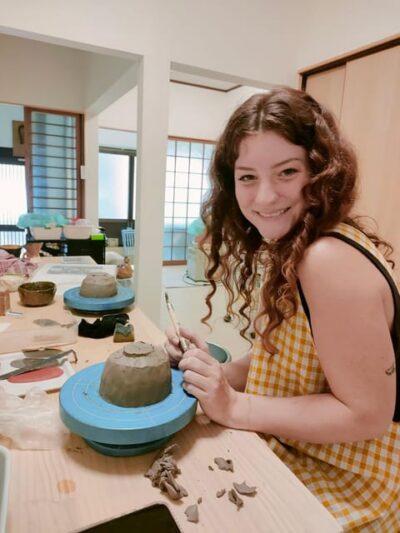 ★ 5.0Traditional Japanese Ceramics Private ExperienceFrom $9657 reviews
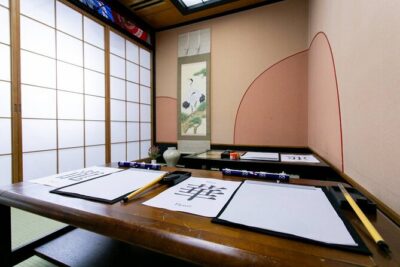 ★ 4.5Learning Zen of Japanese Calligraphy in kimono near Osaka CastleFrom $4353 reviews
 ★ 5.0Private Tea Ceremony and Calligraphy ExperienceFrom $6450 reviews
Browse the lists this tour appears in