
Reviewed · OSAKA COOKING CLASSES
Ramen Craftsman Experience in Osaka
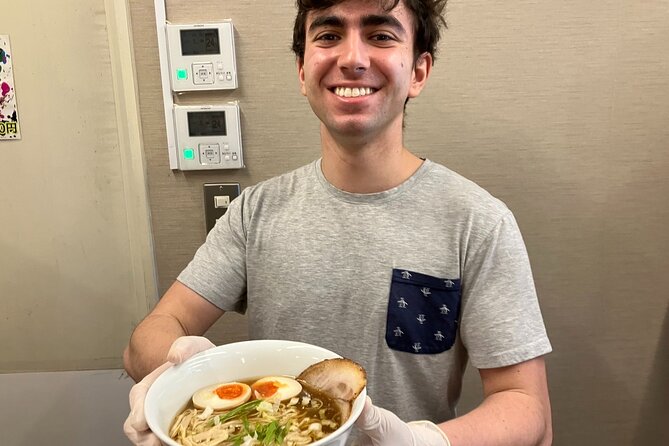
Ramen, made hands-on, not just eaten. This Osaka experience runs inside Menya SHU with a small class (up to four people), so you’re actively cooking, not watching from a distance. I especially like that you get ingredient-by-ingredient guidance before the fun part starts, then you boil the noodles, build your bowl, and eat what you made.
You’ll also notice the class is run like a real order workflow: the chef explains the ramen types and parts, then you follow the steps in the shop kitchen. One drawback to plan around is safety: the cooking uses a gas stove, so infants can’t participate (older kids around age 7 can).
In This Review
- Key Highlights You’ll Care About
- Menya SHU Ramen Craftsman: The Real Point of This Class
- Picking Your Bowl: Four Ramen Options You Can Choose
- How the One-Hour Workflow Actually Runs
- Inside a Working Ramen Shop Kitchen (Not a Classroom)
- What You’ll Do With Your Hands (and What the Chef Handles)
- What you can expect to handle
- What the chef prepares ahead
- Value for $42.94: Why This Price Can Make Sense
- Timing in Osaka: Where This Fits Best
- Family and Age Planning: The Gas Stove Rule
- Getting There: The Meeting Point and Arrival Time
- The People Factor: Shu, Amanda, and a Welcoming Shop
- Should You Book Ramen Craftsman at Menya SHU?
- FAQ
- What is the duration of the Ramen Craftsman Experience?
- How much does it cost?
- Where does the experience take place?
- How many people are in the group?
- What ramen types can I choose from?
- What does the experience include?
- What should I bring?
- Is private transportation included?
- Is it suitable for children?
- What if I’m late for the start time?
Key Highlights You’ll Care About
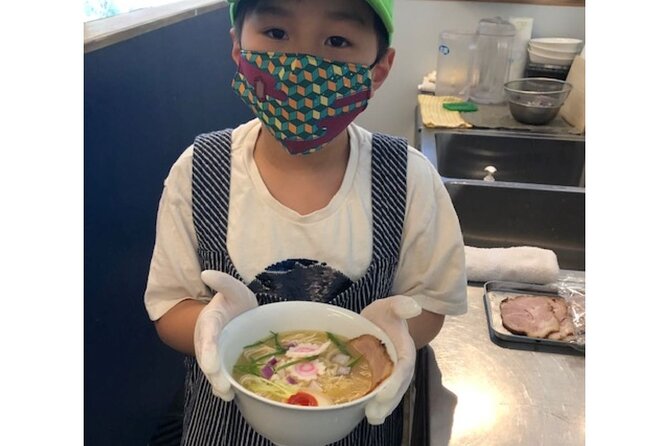
- Up-close ramen-shop kitchen time: it’s in the restaurant kitchen, not a separate demo room.
- Small group (max 4) means tighter coaching and fewer waiting moments.
- Choose from four ramen styles, including chicken white soup, clam broth, soy-sauce Chinese soba, and sea bream dashi salt.
- Everything provided: utensils, aprons, and gloves, so you show up ready to cook.
- Broth story included: you’ll learn why ramen soup takes days and how that affects flavor.
- Hands-on steps: you’ll do real final preparation like assembling and plating your own bowl.
Flour on your hands, more Osaka kitchens to try


Menya SHU Ramen Craftsman: The Real Point of This Class
This isn’t a big-group show. The “craftsman” part matters because the experience is built around how ramen comes together in a working shop: ingredient choices, timing, and the final steps that turn broth + noodles + toppings into a bowl that actually tastes right.
You start by choosing the ramen style you want, plus what you’ll build into your toppings. Then you’re coached through the process in the kitchen run by Shu at Menya SHU (and supported by his team). Reviews consistently stress the same theme: you get explanations, then you get to do the steps yourself. That combo is the difference between a cooking class and a tasting tour.
And the setting is practical. You’re near public transportation, the kitchen is already equipped, and the class is short enough (about one hour) that it fits neatly into a day of Osaka food-hopping.
Picking Your Bowl: Four Ramen Options You Can Choose
Your choice here isn’t vague. You’re selecting a specific ramen direction, each with a distinct base and vibe:
- Chicken white soup ramen
- Seafood chicken white soup ramen (clam broth)
- Chinese soba (soy sauce ramen)
- Sea bream dashi salt ramen
What you gain from choosing a specific option is focus. In a hands-on class, it’s easy for cooking steps to feel generic. Here, the chef can guide you toward the flavors that matter for your bowl, and you’ll taste the result at the end.
If you’re the type who likes to compare styles, this menu makes that easy. Chicken white soup is rich and creamy-leaning. Clam broth swings into seafood depth. Chinese soba leans savory and soy-forward. Sea bream dashi salt ramen is a lighter, clean “stock flavor” experience. Even if you think you already know ramen, picking one of these and cooking it yourself forces you to pay attention to why each broth tastes the way it does.
How the One-Hour Workflow Actually Runs
The class is structured like a fast, controlled run-through of a ramen order. It moves in stages, and that rhythm is one reason people love it.
Here’s what to expect, step by step:
1) Welcome, setup, and your ingredient direction
You’ll begin with explanations of ramen ingredients and the utensils involved. The goal is simple: you should understand what you’re about to cook and why.
2) Noodles and boiling on a gas stove
The experience includes boiling ramen noodles using a gas stove. This is one of the most hands-on moments. It also explains the safety note: infants can’t participate, and younger kids need to be old enough to safely watch and cook around the stove.
3) Soup preparation and final assembly
You’ll experience the ramen preparation process, including the soup work and how the components come together. The chef also prepares the soup in advance because it takes several days to make ramen soup. So you’re learning the workflow and final steps, not trying to reinvent multi-day stock work in an hour.
4) Presentation and eating your bowl
Once your bowl is assembled, you present it and eat. This matters because it turns technique into taste immediately. You’re not leaving still wondering whether you did it right.
Because this is a charter-style experience with a small group, you’re not shuffled. The pace stays personal, and the chef can correct small things in real time.


Inside a Working Ramen Shop Kitchen (Not a Classroom)
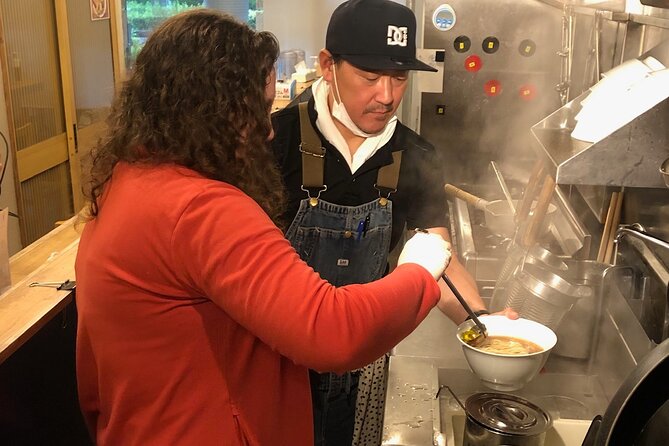
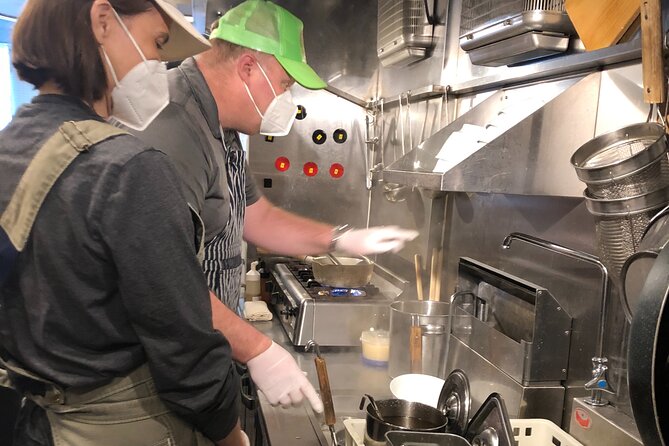
One of the best parts is where it happens. You’re renting out the shop kitchen for your group, and you experience ramen making in the same space where the restaurant operates.
That leads to three practical wins:
- You get the real workflow. Ramen shops are all about timing and consistency. Learning in the same environment helps you understand why steps happen when they do.
- The tools are ready and proper. You don’t have to worry about mismatched knives, odd cookware, or missing gadgets.
- You see what matters. The class focuses on the parts that actually affect the bowl you’ll eat.
You’ll also be wearing an apron and using cooking gloves, and the staff provides the utensils. That reduces the “equipment friction” that often ruins cooking classes while traveling.
Small-kitchen reality check: the space is intimate. That’s part of the charm, but it also means you’ll be close to the action, close to other participants, and close to the stove area. Plan to be comfortable with a compact working kitchen setup.
What You’ll Do With Your Hands (and What the Chef Handles)
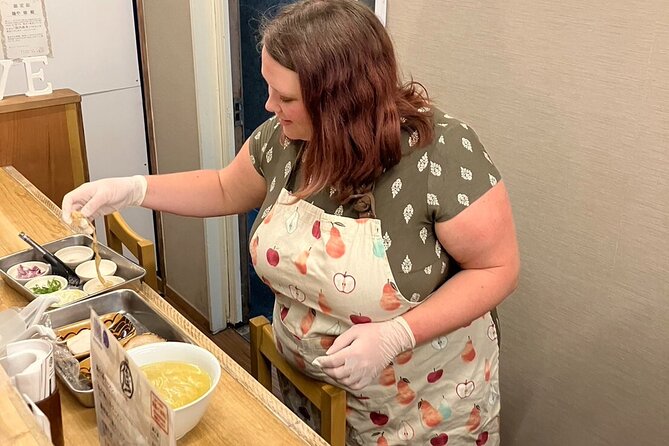
A good ramen class should clarify what’s student work vs chef work. This one does.
What you can expect to handle
You’ll be guided through the hands-on parts, especially the finishing steps and the noodle process. The class includes actually boiling the noodles on the gas stove, plus assembling and presenting your ramen.
What the chef prepares ahead
The soup base is a key point. Ramen soup takes several days to make, so the chef prepares the soup ahead of time. That’s not a cheat. It’s the smart version of ramen education. If the class tried to build full broth from scratch in one hour, the flavors would be flat and the time would be chaotic.
So think of it like this: you’re learning the “craft” of finishing ramen properly—how to work with the base, manage timing, and build a bowl you’d actually order at the counter.
Value for $42.94: Why This Price Can Make Sense
At $42.94 per person, this looks simple at first glance. But the value comes from what’s included and how you learn.
You’re getting:
- Lunch (your ramen, cooked and eaten as part of the experience)
- Cooking utensils, aprons, and gloves (so you’re not paying extra for gear)
- A small-group setup (max four people) that makes coaching practical, not generic
Also, you’re paying for a real shop setting. It’s not a kitchen stocked for tourists only—it’s the operating kitchen of Menya SHU. That affects the authenticity of what you learn and taste.
It’s booked about 10 days in advance on average, which usually signals that people find it hard to snag at convenient times. If you’re traveling around weekends or want a specific meal time, it’s worth booking earlier rather than gambling.
Timing in Osaka: Where This Fits Best
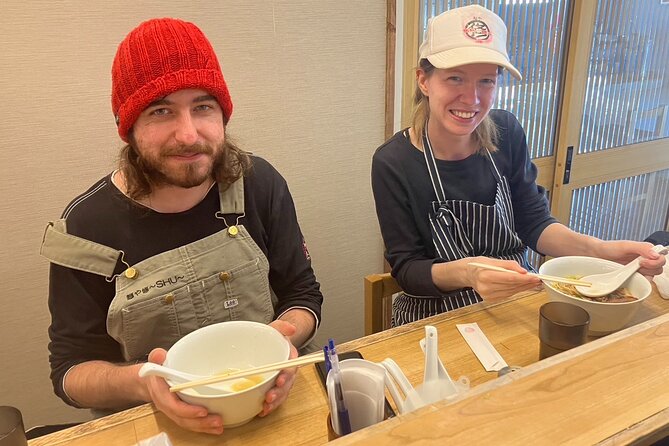
This experience is about one hour long, and it includes lunch.
That makes it great for:
- A half-day food plan where you want something structured and memorable
- Families with kids old enough for the gas stove setup (more on that below)
- Anyone who’s tired of “listen and eat” and wants active cooking time
It’s less ideal if you want a long cooking session or a slow, lingering “sink-in” meal. This is focused. You’ll learn, cook, eat, and move on.
Family and Age Planning: The Gas Stove Rule
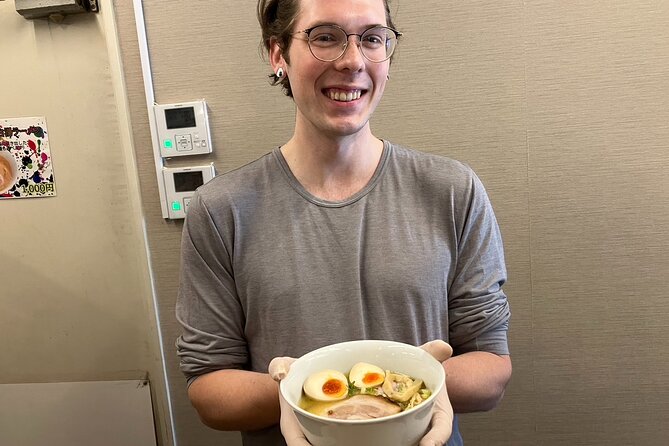
The kitchen uses a gas stove for boiling noodles, and that changes the age suitability.
The experience notes:
- Infants cannot participate.
- Small children can participate starting around age 7.
So if you’re traveling with kids, use that as your main decision filter. The class is also capped at four people at a time, so the teaching style is shaped by safety and space limits in a compact kitchen.
If you’re unsure about whether your child will be comfortable near the stove, it’s better to choose another activity designed for younger ages.
Getting There: The Meeting Point and Arrival Time
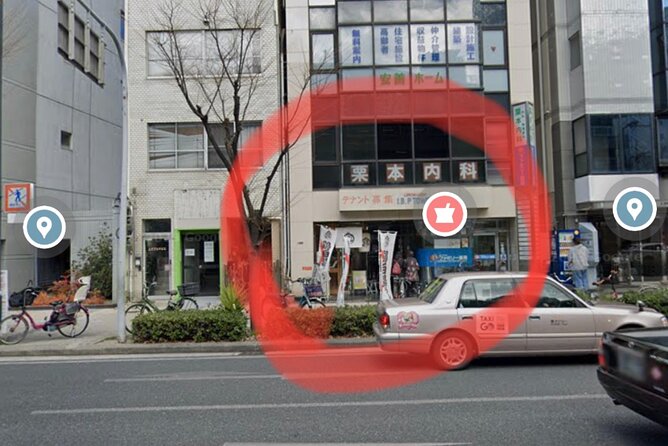
You meet at 麺や修 ~shu~ 11-7 Higashikōzuchō, Tennoji Ward, Osaka, 543-0021, Japan.
Two practical tips:
- Go early enough that you’re not rushing at the start time.
- If you can’t meet within 15 minutes of the reservation start, the booking is canceled, which also affects the kitchen schedule.
Since it’s near public transportation, you should be able to plan around trains and walking without needing private transport.
The People Factor: Shu, Amanda, and a Welcoming Shop
The standout across the overall vibe is how personal the hosting feels. The class is run out of Shu’s restaurant, and people frequently mention Shu’s friendly, energetic teaching style and the warm support from his team, including Amanda.
This matters because small classes can go two ways: either calm and attentive, or chaotic and awkward. Here, the coaching is guided, the pace is handled, and you feel comfortable asking questions about ingredients and technique.
And the best part is that the chef doesn’t just toss out instructions. The class includes explanations of ramen ingredients and the steps you’ll perform. That helps you understand what you’re eating instead of treating it like a one-time show.
Should You Book Ramen Craftsman at Menya SHU?
Book it if you want:
- Hands-on ramen cooking in a real shop kitchen
- A small group experience that keeps the attention on you
- A menu with clear ramen styles to compare through actual cooking
- A one-hour activity that includes lunch and real technique
Skip it if:
- You’re traveling with infants or very young kids who won’t be safe around a gas stove
- You’re looking for a slow, multi-hour class or a full “from broth to bowl” day-long project
- You want private, self-paced cooking with no coaching structure (this is guided, by design)
If you love Japanese food and you’re already in Osaka where ramen is everywhere, this one earns its place by teaching you the craft behind the bowl. You don’t just eat ramen here—you learn how it’s built.
FAQ
What is the duration of the Ramen Craftsman Experience?
The experience lasts about 1 hour.
How much does it cost?
It costs $42.94 per person.
Where does the experience take place?
It takes place at the ramen shop kitchen at 麺や修 ~shu~ 11-7 Higashikōzuchō, Tennoji Ward, Osaka.
How many people are in the group?
The class maximum is four travelers at a time.
What ramen types can I choose from?
You can choose one of these: chicken white soup ramen, seafood chicken white soup ramen (clam broth), Chinese soba (soy sauce ramen), or sea bream dashi salt ramen.
What does the experience include?
Lunch is included. Cooking utensils, aprons, and gloves are also provided.
What should I bring?
You don’t need to bring utensils since the experience provides cooking gear, aprons, and gloves.
Is private transportation included?
No, private transportation is not included.
Is it suitable for children?
Infants cannot participate because the cooking uses a gas stove. Small children around age 7 can participate.
What if I’m late for the start time?
If you can’t meet within 15 minutes of the reservation start time, the experience is canceled.
More Tour Reviews in Osaka
- Osaka Go Karting Tour with Funny Costume★ 5.0 · 2,658 reviews
- Osaka Castle: Museum and Tower Entry Ticket★ 4.5 · 2,380 reviews
- Osaka: Shinsekai Food Tour with 13-15 Dishes at 5 Eateries★ 4.8 · 2,204 reviews
- Osaka Food Tour: 13 Dishes at 5 Local Eateries★ 5.0 · 2,149 reviews
- Hungry Osaka Street Food Tour:15 Tastings & 3 Drinks with a Local★ 5.0 · 1,727 reviews
Cook It Yourself in Osaka
- Sushi Making Osaka Roll and Authentic Japanese Sushi Class★ 5.0 · 1,220 reviews
- Osaka: Five Must-See Highlights Walking Tour & Ramen Lunch★ 4.7 · 411 reviews
- Osaka Sushi Making Experience★ 5.0 · 400 reviews
- Osaka: Ramen and Gyoza Cooking Class in Dotonbori★ 5.0 · 378 reviews
- Osaka: Sumo Stage Show with Bento or Snack + Fight & Photo★ 4.3 · 364 reviews
The Newest Osaka Write-Ups
- Private Photoshoot in Osaka with a Professional Photographer
★ 5.0 · 3 reviews - Osaka Early Morning Osaka Castle Tour Avoid Crowds
★ 5.0 · 3 reviews - Nara Private Tour with Pick and Drop and English Speaking Driver
★ 3.5 · 3 reviews - Osaka: Modern Vegetarian Sushi Cooking Class
★ 5.0 · 3 reviews - Nara Day Trip from Osaka with a Licensed Guide
★ 5.0 · 3 reviews
Osaka Cooking Classes, compared.
 ★ 5.0Sushi Making Osaka Roll and Authentic Japanese Sushi ClassFrom $311,220 reviews
 ★ 4.7Five Must-See Highlights Walking Tour & Ramen LunchFrom $56411 reviews
 ★ 5.0Osaka Sushi Making ExperienceFrom $29400 reviews
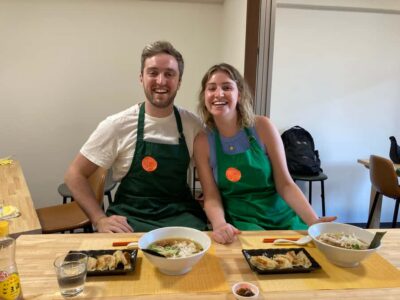 ★ 5.0Ramen and Gyoza Cooking Class in DotonboriFrom $70378 reviews
 ★ 4.3Sumo Stage Show with Bento or Snack + Fight & PhotoFrom $93364 reviews
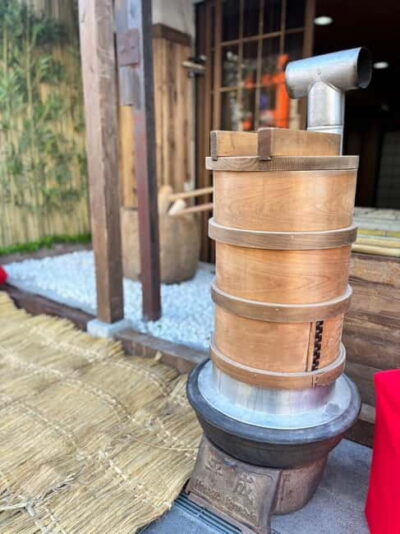 ★ 4.9Traditional Mochi Pounding Experience with TastingFrom $31306 reviews
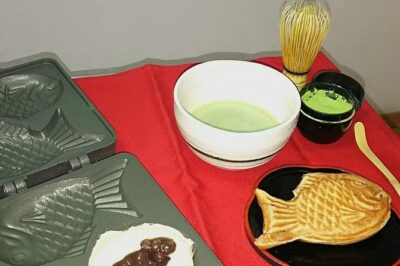 ★ 5.0Osaka Cooking Class: Okonomiyaki &Japanese cuisines experienceFrom $104261 reviews
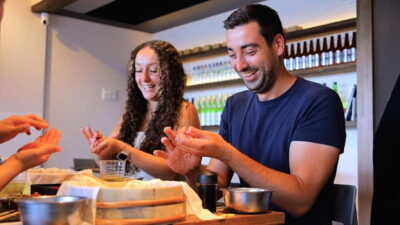 ★ 4.9Roll and Authentic Sushi Making Class in DotonboriFrom $45239 reviews
Browse the lists this tour appears in