
Reviewed · DOTONBORI & NAMBA TOURS
Ramen and Gyoza Cooking Class in Osaka Dotonbori
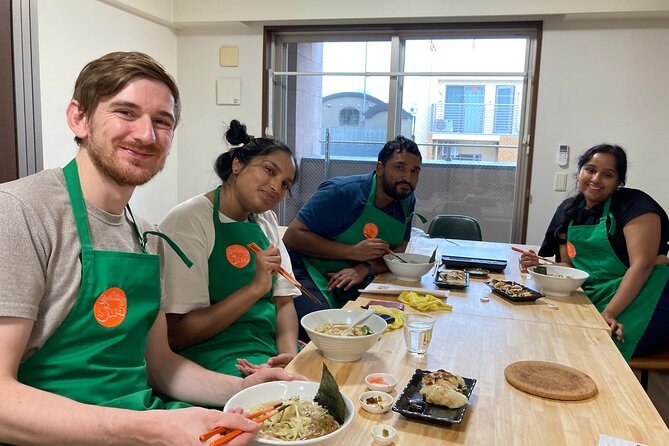
Ramen making is oddly satisfying. In this small-group class in Osaka’s Dotonbori, you’ll learn to make ramen noodles and broth from scratch, then fold and fill gyoza so they come out restaurant-style.
What I like most is how practical the skills are: you knead noodles by hand, craft the soup base, and then personalize toppings and fillings to match your taste. It’s also taught by an English-speaking team, and I love that the lesson focuses on process and the why, not just a checklist.
One key consideration: there’s no gluten-free option, so if gluten is a serious issue, you’ll want to skip this one.
In This Review
- Key Things That Make This Class Worth Your Time
- Where You Cook in Dotonbori (and How Not to Get Stuck)
- From the First Steps to Your Noodle Dough
- Making Ramen Noodles and Broth Like You’d Do It at Home
- Kneading noodles by hand
- Building the broth base
- Gyoza: Filling, Folding, and Customization That Actually Makes Sense
- Restaurant-style folding
- Toppings and Pairings: Making It Yours Without Guesswork
- What You Eat, and the Timing Reality Check
- Instructor Energy: Small-Group Help You Can Actually Use
- Pricing and Value: Is $71.35 a Fair Deal?
- Who Should Book This Class (and Who Should Think Twice)
- FAQ
- How long is the ramen and gyoza cooking class?
- Where do I meet for the class in Osaka?
- What time does the class start?
- How big is the class group?
- What dishes will I make during the class?
- Is there a gluten-free option?
- Can I request vegetarian or pescatarian options?
- Does the price include ingredients and recipes?
- Is there an English-speaking instructor?
- What is the cancellation policy?
- Should You Book This Ramen and Gyoza Class in Dotonbori?
Key Things That Make This Class Worth Your Time
- Handmade ramen noodles: kneading is part of the fun, and you learn the basics you can repeat at home
- Ramen broth from scratch: you work with the base (fish/chicken) and understand how flavor develops
- Gyoza folding practice: you make the filling and fold dumplings so they look right, not just taste good
- Diet notes are possible (with planning): vegetarian/pescatarian/no-fish options can be requested with your booking note
- A small group max of 8: more attention while you cook, not just watching from the side
- Take-home recipes: you leave with printed instructions you can actually follow later
Back under the Glico sign: more Dotonbori runs


Where You Cook in Dotonbori (and How Not to Get Stuck)
This class starts at Cooking Sun in Dotonbori, Osaka. The address is: 542-0082 Osaka, Chuo Ward, Shimanouchi, 2-chōme 9-14, 807号室. You’re given a mobile ticket, and the class ends back at the meeting point.
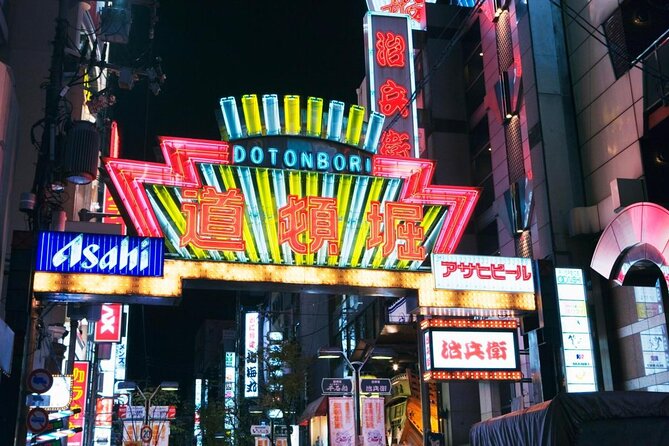
Dotonbori is a smart neighborhood for this kind of experience because it’s where Osaka food culture lives day to day. You’re not commuting across town for a cooking lesson that feels disconnected from the city.
Logistics-wise, there’s one practical tip that matters: the venue is in an apartment-style building. Once you find the building, go up the elevator to the 8th floor and locate the room. Also, if your map app tries to steer you wrong, use the actual address, not the business name, to get to the right spot faster.
From the First Steps to Your Noodle Dough
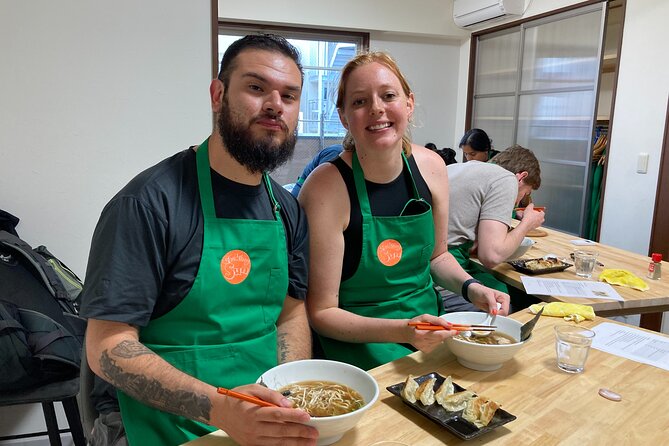
The lesson is designed as a true hands-on cooking session. You’ll cook ramen and gyoza from scratch, including the parts most people usually skip when they cook at home—especially the ramen noodles.
Expect a step-by-step flow where you’re guided through technique and timing. The overall feel from the class structure is calm and controlled, even when you make mistakes. The instructors take you through what to do, when to do it, and why each step matters for texture and flavor.
Since the class is small (max 8), you can usually get closer help. That’s a big deal when the action is physical—kneading dough, shaping dumplings, and managing hot cooking stages without chaos.
Making Ramen Noodles and Broth Like You’d Do It at Home
Ramen in Japan is famous for a reason: the noodles and broth are both the point. Here, you get both.
Flour on your hands, more Osaka kitchens to try
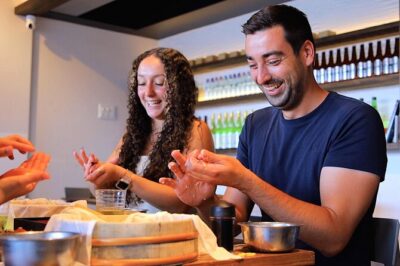

Kneading noodles by hand
You’ll make ramen noodles from scratch, which means you’ll get your hands involved. Kneading isn’t just labor—it’s how you build the right noodle texture. The instructor guidance is meant to help you hit the feel of the dough rather than simply copying a guess-and-check method.
When you finish, you’ll understand why ramen noodles are sensitive. A small change in dough handling affects how the noodles eat.
Building the broth base
Next comes the broth. The class includes making the ramen soup from scratch, using a fish/chicken base. One common positive note from the experience is that even if you’re not a fan of fish, people still found the base worked well. Still, if you’re sensitive to fish flavor, you should use the booking note for a no-fish request.
This is also where you learn food “reasoning,” not just recipes. The teaching includes explanations about ingredients like fish flakes (including mention of bento flakes) and how different sauces and miso types compare. That matters because ramen is taste-driven, and those ingredient differences are what you’ll use later when you cook at home.
Gyoza: Filling, Folding, and Customization That Actually Makes Sense
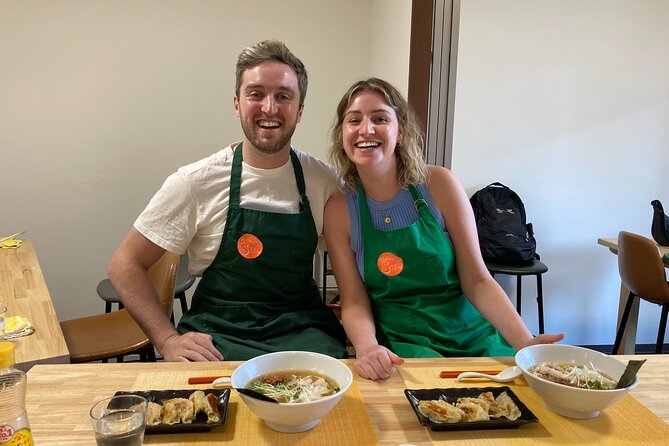
Gyoza is the perfect partner dish for ramen because it’s quick to love and satisfying to learn. In this class you’ll make gyoza from scratch in two parts:
- Make the filling (you chop and mix the ingredients)
- Fold the gyoza (wrappers are provided, and you shape the dumplings)
Even better, you can customize the gyoza filling. That’s not a vague option. You’re actively learning how to adjust flavors so your version matches what you like to eat back home.
Restaurant-style folding
The folding process is where classes usually get either very messy or very memorable. Here, the instruction is paced so you get support while you learn the technique. And the results tend to look and taste like proper gyoza, not lopsided dough blobs.
If you’re bringing family or friends who don’t normally cook, this is also one of the most approachable parts of Japanese cooking. You’ll feel like you made real dumplings, not just “something with soy sauce.”
Toppings and Pairings: Making It Yours Without Guesswork
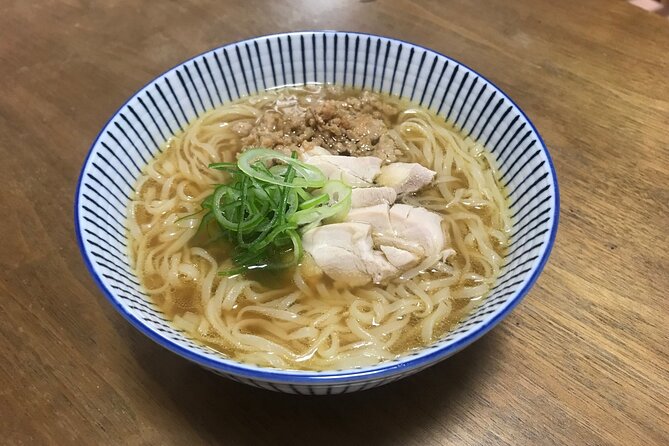
Ramen tastes different depending on toppings, and gyoza can change depending on the filling. This class gives you customization ideas so you’re not stuck recreating one fixed bowl.
You’ll learn to customize ramen toppings and gyoza flavor choices according to your preferences. That means you can build a bowl that fits your appetite, your spice tolerance, or dietary needs you can request in advance.
One more practical win: they give you recipes to take home. That’s important because after a cooking class, the hardest part is remembering the exact sequence and how things should look at each stage. Having the printed recipes makes the experience repeatable, not a one-day memory.
What You Eat, and the Timing Reality Check
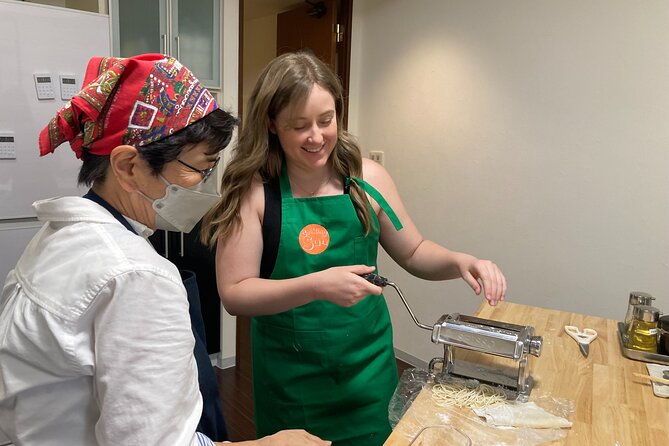
The class runs about 3 hours. Start time is 1:30 pm, and you finish at the meeting point.
The food is part of the experience—you eat what you make at the end. One useful reality check from the experience: you may finish around 3:30, so if you tend to get hungry fast, consider eating a small lunch before you start. You’re cooking continuously, and the goal is to end with a full meal, not a snack.
Portion notes aren’t spelled out in detail, but based on the class structure, you should plan your day so dinner doesn’t replace your appetite. Think of this as an early dinner or late lunch replacement.
Instructor Energy: Small-Group Help You Can Actually Use
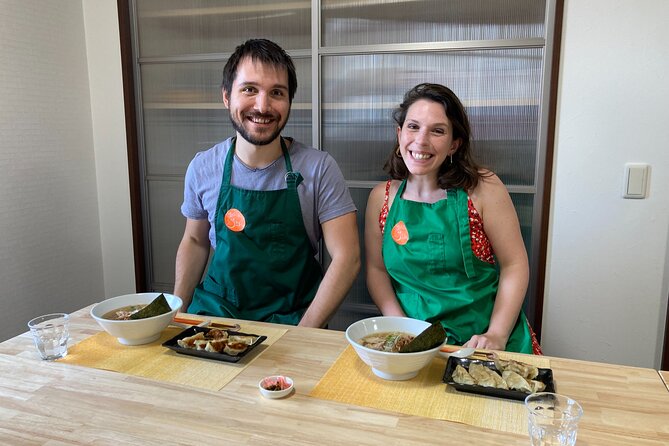
Teaching style comes through in the details. Instructors are patient, step-by-step, and geared toward helping you produce results, even if you’re not a confident cook.
Some classes are taught by instructors such as Miki and Jun, and others include Kassa and Marina. People consistently mention clear English and strong organization, plus the sense that instructors explain customs and the logic behind methods, not just the actions.
That matters because ramen and gyoza aren’t “one-size-fits-all” dishes. If you learn the reasoning, you can adapt ingredients you find at home.
Pricing and Value: Is $71.35 a Fair Deal?
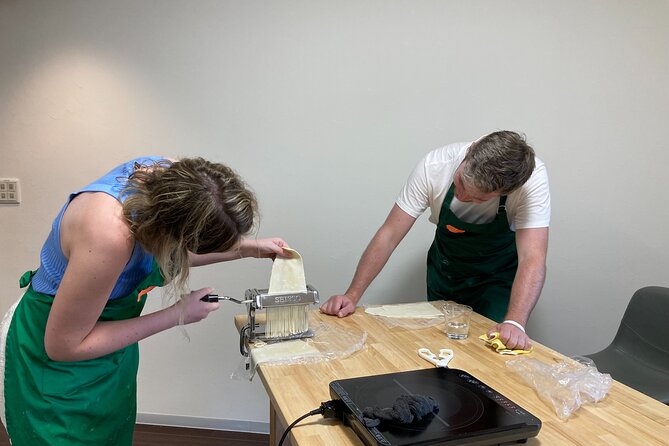
At $71.35 per person, you’re paying for three hours of hands-on cooking plus real meal results. The price includes:
- All ingredients and utensils
- The ramen and gyoza instruction
- An English-speaking instructor
- Recipes you take home
- All fees and taxes
What makes this good value is that you’re not just learning a technique you’ll forget. You’re making full dishes from scratch—ramen noodles, broth, gyoza filling, and gyoza shaping—then eating them.
If you’ve ever priced out ramen ingredients at home, plus the time and tools, you quickly see why cooking classes can be worth it. You’re buying convenience, coaching, and a guaranteed meal at the end.
Who Should Book This Class (and Who Should Think Twice)
This is ideal if you want:
- A hands-on food experience in Osaka’s most famous eating zone
- A small class where you get real attention
- Skills you can repeat at home using the take-home recipes
It’s also a strong choice for mixed groups—people who cook often and people who rarely cook can both benefit. Ramen is a “real project,” but the class breaks it into manageable steps, and gyoza gives you quick momentum.
Think twice if:
- You need gluten-free cooking. There’s no gluten-free option.
- Fish is a problem for you. You can request no-fish, but the class otherwise includes a fish/chicken ramen base. Use the booking note so they can prepare accordingly.
FAQ
How long is the ramen and gyoza cooking class?
The class lasts about 3 hours (approx.).
Where do I meet for the class in Osaka?
You meet at Cooking Sun, 542-0082 Osaka, Chuo Ward, Shimanouchi, 2-chōme 9-14 807号室.
What time does the class start?
The start time is 1:30 pm.
How big is the class group?
The maximum group size is 8 travelers.
What dishes will I make during the class?
You’ll make ramen and gyoza, including ramen noodles and ramen broth from scratch.
Is there a gluten-free option?
No gluten-free option is available. It’s not recommended for travelers with gluten intolerance.
Can I request vegetarian or pescatarian options?
Yes. You can leave a note upon booking for vegetarian, pescatarian, or no-fish options.
Does the price include ingredients and recipes?
Yes. The price includes all ingredients and utensils, the hands-on class, and recipes to take home.
Is there an English-speaking instructor?
Yes, the class includes an English-speaking instructor.
What is the cancellation policy?
You can cancel for a full refund up to 24 hours before the experience’s start time. If you cancel less than 24 hours before, the amount paid is not refunded.
Should You Book This Ramen and Gyoza Class in Dotonbori?
Yes, I’d book it if you want more than a tasting—this is for learning the real work behind ramen and gyoza, with coaching and take-home recipes. The small size and focus on noodle-making and broth-building makes it especially good value for a first-time ramen cook at home.
Skip or choose carefully if gluten-free is required. If fish is an issue, use the booking note early so they can plan around it. If that’s handled, this is one of the more practical food experiences in Osaka: you’ll leave fed, with skills you can actually repeat.
More Tour Reviews in Osaka
- Osaka Go Karting Tour with Funny Costume★ 5.0 · 2,658 reviews
- Osaka Castle: Museum and Tower Entry Ticket★ 4.5 · 2,380 reviews
- Osaka: Shinsekai Food Tour with 13-15 Dishes at 5 Eateries★ 4.8 · 2,204 reviews
- Osaka Food Tour: 13 Dishes at 5 Local Eateries★ 5.0 · 2,149 reviews
- Hungry Osaka Street Food Tour:15 Tastings & 3 Drinks with a Local★ 5.0 · 1,727 reviews
Cook It Yourself in Osaka
- Sushi Making Osaka Roll and Authentic Japanese Sushi Class★ 5.0 · 1,220 reviews
- Osaka: Five Must-See Highlights Walking Tour & Ramen Lunch★ 4.7 · 411 reviews
- Osaka Sushi Making Experience★ 5.0 · 400 reviews
- Osaka: Ramen and Gyoza Cooking Class in Dotonbori★ 5.0 · 378 reviews
- Osaka: Sumo Stage Show with Bento or Snack + Fight & Photo★ 4.3 · 364 reviews
Dotonbori and Namba, Round Two
- Osaka Local Foodie Walking Tour in Dotonbori and Shinsekai★ 5.0 · 985 reviews
- Osaka: Dotonbori District River Cruise with Drink Discount★ 4.2 · 876 reviews
- Ultimate Osaka Walking Tour: Castle, Dotonbori & Hidden Gems★ 5.0 · 862 reviews
- Tea Ceremony Experience in Osaka Doutonbori★ 5.0 · 754 reviews
- Osaka: Namba Pub Bar Crawl with a Local Guide★ 4.9 · 424 reviews
The Newest Osaka Write-Ups
- Private Photoshoot in Osaka with a Professional Photographer
★ 5.0 · 3 reviews - Osaka Early Morning Osaka Castle Tour Avoid Crowds
★ 5.0 · 3 reviews - Nara Private Tour with Pick and Drop and English Speaking Driver
★ 3.5 · 3 reviews - Osaka: Modern Vegetarian Sushi Cooking Class
★ 5.0 · 3 reviews - Nara Day Trip from Osaka with a Licensed Guide
★ 5.0 · 3 reviews
Dotonbori & Namba Tours, compared.
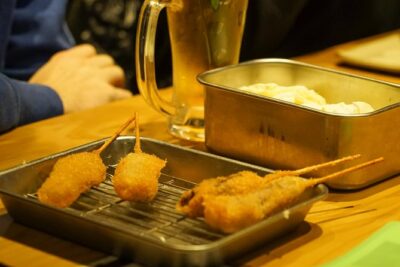 ★ 5.0Osaka Local Foodie Walking Tour in Dotonbori and ShinsekaiFrom $111985 reviews
 ★ 4.2Dotonbori District River Cruise with Drink DiscountFrom $12876 reviews
 ★ 5.0Ultimate Osaka Walking Tour: Castle, Dotonbori & Hidden GemsFrom $73862 reviews
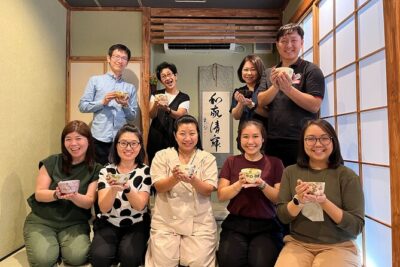 ★ 5.0Tea Ceremony Experience in Osaka DoutonboriFrom $20754 reviews
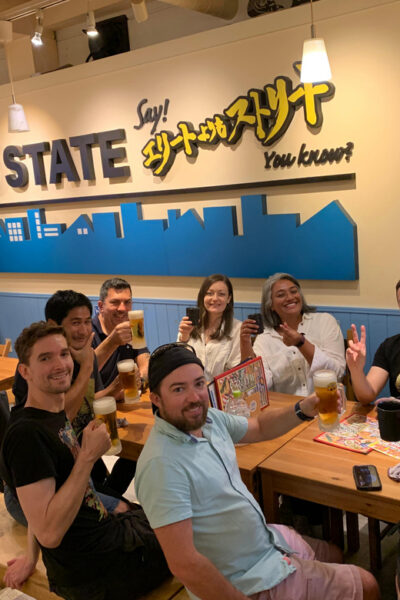 ★ 4.9Namba Pub Bar Crawl with a Local GuideFrom $30424 reviews
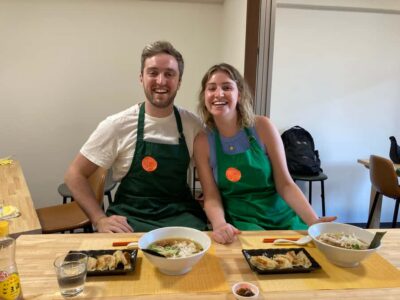 ★ 5.0Ramen and Gyoza Cooking Class in DotonboriFrom $70378 reviews
Dotonbori River Cruise with Glico Sign & Neon ViewsFrom $12376 reviews
★ 5.0Ramen and Gyoza Cooking Class in DotonboriFrom $70378 reviews
Dotonbori River Cruise with Glico Sign & Neon ViewsFrom $12376 reviews
 ★ 3.9Dotonbori’s Bridges 20-Minute CruiseFrom $12303 reviews
Browse the lists this tour appears in