
Reviewed · OSAKA COOKING CLASSES
Osaka Sushi Miso soup Adventure: A Journey of Exotic Flavors
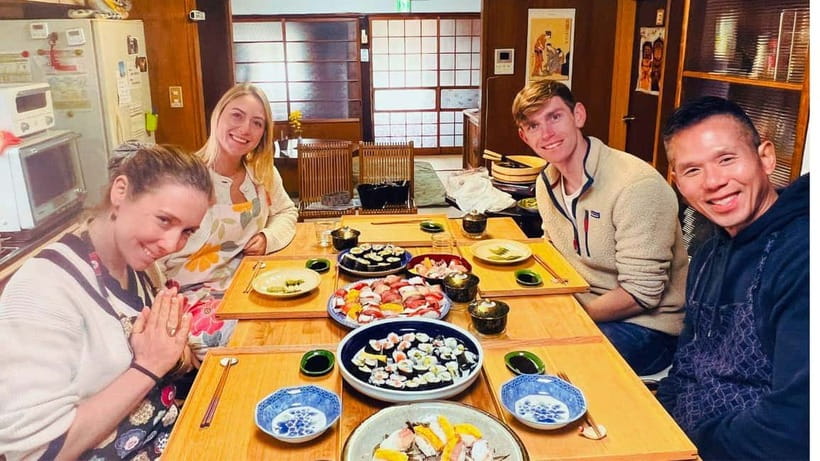
A great sushi meal is nice. A great sushi lesson sticks. This 3-hour class in Osaka with Chef Yuki is hands-on, small-group, and built around techniques you can actually repeat at home, from tuna zuke to homemade miso soup.
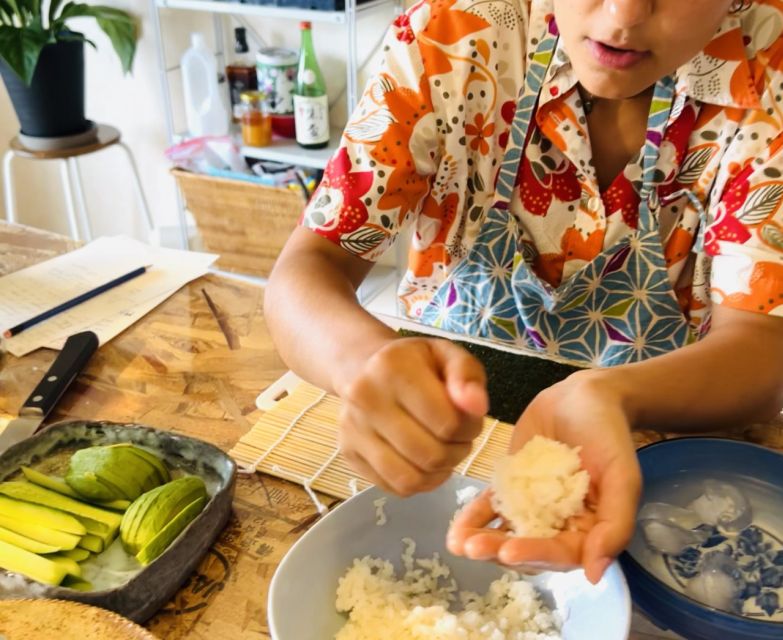
I love how personal it feels even before you start cooking. You work directly on nigiri, hosomaki, and tamagoyaki, not just watch someone else do it. And the teaching style is step-by-step, with practical tips that make the food taste more like what you come to Japan for.
One thing to consider: the class is limited to 6 people, and it’s based around specific ingredients and methods. If you have dietary needs or questions, you’ll want to flag them early so Chef Yuki can guide you comfortably.
In This Review
- Key takeaways before you go
- Why sushi lessons in Osaka beat a sushi meal out
- Meeting at Nukata Station: getting to 4-19 Nukata-cho
- Chef Yuki’s small-group approach (and why it matters)
- What you make: nigiri, tuna zuke, kombu-jime salmon
- Hosomaki and tamagoyaki: the hands-on skills you’ll reuse
- Miso soup and dashi basics that make the whole meal click
- The tuna zuke and kombu-jime plan: practicality meets tradition
- Price and value: is $96 worth 3 hours in Osaka?
- What the class feels like: cozy, personal, and question-friendly
- Who should book this Osaka sushi and miso class
- Should you book it? My honest take
- FAQ
- How long is the sushi and miso soup course in Osaka?
- What does the class cost?
- Where do I meet Chef Yuki?
- How do I get there from Osaka Namba Station?
- Is the class taught in English?
- How many people are in the group?
- What sushi and food will I make?
- What fish techniques are taught?
- Does the course share recipes after class?
- What’s the cancellation and payment flexibility?
Key takeaways before you go
- Small group (up to 6): more time for questions and more hands-on work.
- Chef Yuki’s training: taught by a sushi master with 40+ years’ experience, focused on traditional technique.
- Two smarter fish toppings: learn tuna zuke and kombu-jime salmon using methods that help with freshness for 3–4 days.
- You don’t just roll maki: you make multiple styles, including hosomaki and tamagoyaki with a square pan.
- Finish strong with miso soup: you make miso soup from scratch and learn how the broth contributes to flavor.
Flour on your hands, more Osaka kitchens to try
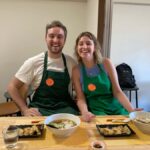
Why sushi lessons in Osaka beat a sushi meal out
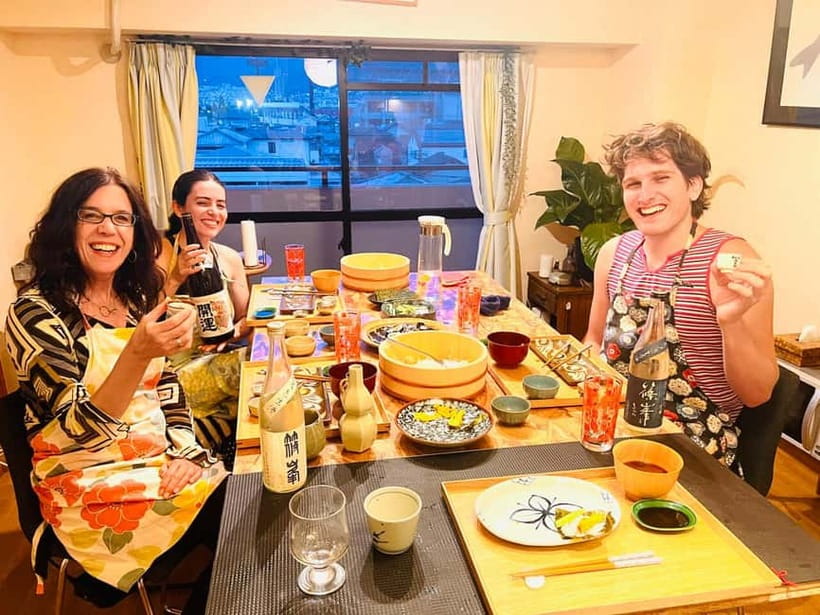
I love a good meal in Japan. But cooking classes have a different superpower: you leave with the method, not just the memory. This course in Osaka focuses on skills that explain why great sushi tastes great. It’s not only about shaping rice and fish. It’s about how the rice is handled, how marinades cure flavor into the fish, and how dashi and miso create a base that supports everything else on the table.
The big win is that your sushi isn’t theoretical. You’re rolling and shaping dishes like nigiri and hosomaki, then you’re pairing them with the kind of soup you’d expect to see on a Japanese dining table. That combination is what makes it feel like a real home-cooking skill, not a tourist craft.
There’s also a confidence factor. When you learn tuna zuke and kombu-jime salmon, you’re learning techniques for flavor and preservation that translate beyond one restaurant meal.
Meeting at Nukata Station: getting to 4-19 Nukata-cho
The meeting point is simple once you’ve got your bearings: 4-19 Nukata-cho, Osaka, near Nukata Station. Plan to arrive about 10 minutes early so the class can start smoothly.
From Osaka Namba, take the Kintetsu Nara Line to Nukata Station. The ride is about 30 minutes and costs ¥430. Then walk about 5 minutes northeast along Route 308 to find the white building at the address.
A practical note: people report meeting Chef Yuki around the station area first (like a nearby convenience store) and then heading to the class space together. So if you’re getting there from Namba and the neighborhood feels a little residential, don’t panic. Just use the meeting directions and plan a little buffer time.
Chef Yuki’s small-group approach (and why it matters)
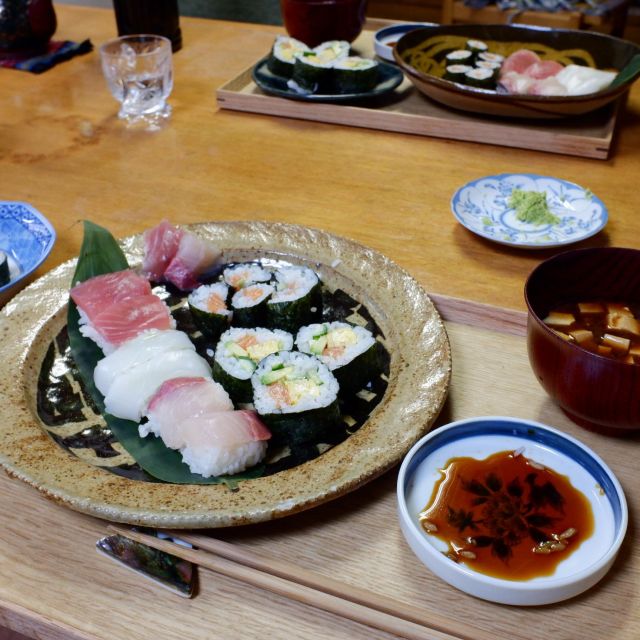
This is an English-taught course with a small group limited to 6 participants. In plain terms, that size is what keeps you from feeling lost. You can ask questions while your hands are working, not after the ingredients are gone.
Chef Yuki teaches in a cozy setting, and you get the feeling this is a real home kitchen workflow rather than a show-cook setup. Several past participants highlight how friendly Yuki is and how clearly she explains steps. That matters because sushi has a handful of details where a tiny adjustment changes the outcome.
From the cooking itself to the side lessons, you also get context about Japanese cooking habits and Osaka local life tips. One person even mentioned Yuki explaining essentials like wasabi paste basics and dashi broth fundamentals, which are small lessons that make the food taste more “connected” instead of like separate dishes.

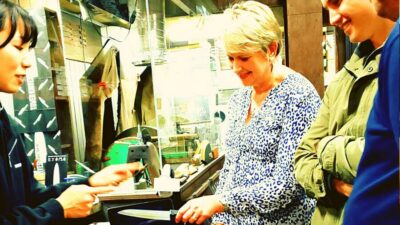
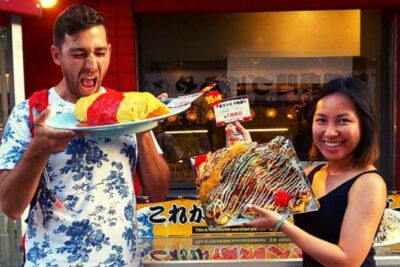
What you make: nigiri, tuna zuke, kombu-jime salmon
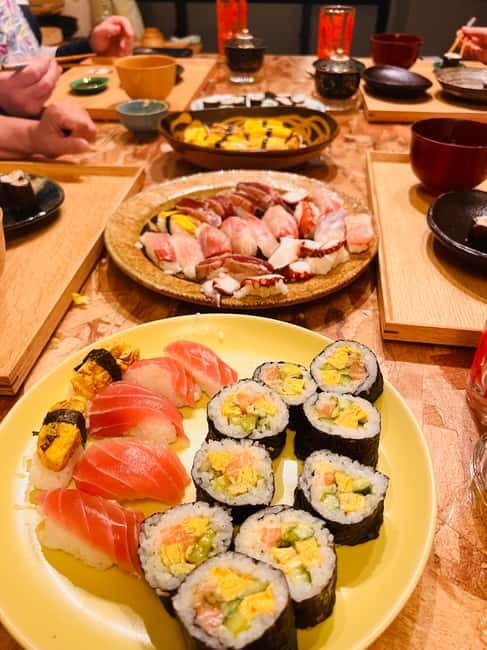
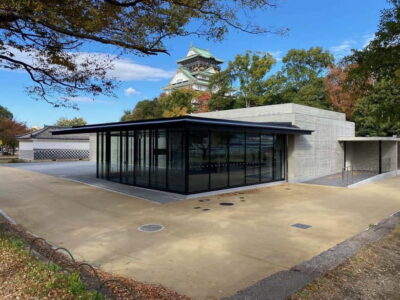
During the 3 hours, you create a set menu built around sushi technique plus supporting flavors. Expect to make:
- Nigiri Sushi: balance seasoned rice with fish so each bite works.
- Tuna Zuke (marinated tuna): soy-based marination to build deep savory flavor.
- Kombu-Jime Salmon (kelp-cured salmon): a traditional curing approach using kelp that helps improve flavor and freshness.
- Hosomaki (thin rolls): delicate rolling with a focused ingredient approach.
- Tamagoyaki (Japanese rolled omelet): made with a square pan to get that classic shape.
- Miso soup: prepared from scratch to round everything out.
The standout focus for me is the fish preparation. You’re not only learning how to assemble sushi. You’re learning how to treat fish so it tastes right and stays usable. The course emphasizes why tuna zuke and kombu-jime salmon are practical: marinated and cured fish can keep for 3–4 days, so you can recreate sushi-style flavors even when fresh sashimi-level fish is harder to source back home.
And because these methods are traditional, they’re not just shortcuts. They’re flavor systems. Marination adds structure; kelp curing changes how the fish tastes and feels. You come away understanding why those toppings work beyond the final bite.
Hosomaki and tamagoyaki: the hands-on skills you’ll reuse
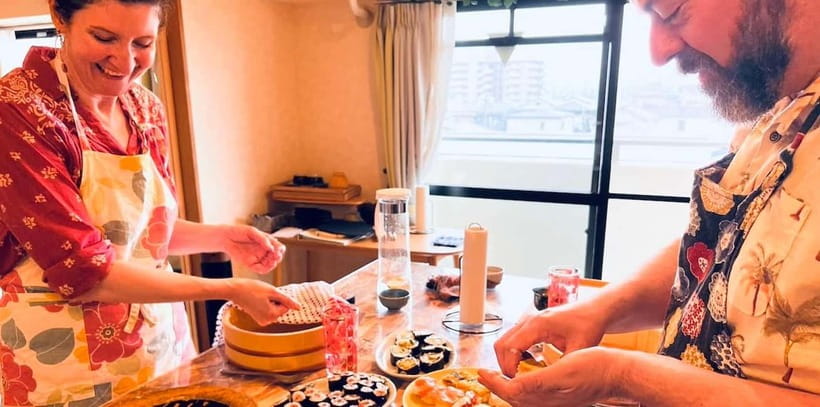
Hosomaki is the “training ground” for many sushi skills because it’s simpler than big rolls, yet unforgiving. Thin rolls demand control: how tightly you roll, how evenly the filling sits, and how you manage rice without making it gluey or messy.
Tamagoyaki brings a different set of skills. It’s a rolled omelet, cooked with a square pan, and it teaches you how Japanese kitchens think about eggs: steady heat, small layers, and technique-driven texture. Even if you’ve eaten tamagoyaki before, making it yourself tends to reveal how much work is hidden behind that clean, neat slice.
What you’re really learning here is repeatability. When you go home, you’re not trying to recreate a single restaurant moment. You’re able to make:
- properly built sushi shapes,
- a thin-roll that doesn’t collapse,
- and a tamagoyaki that looks right and tastes right.
That’s the kind of “I can do this” souvenir I actually use.
Miso soup and dashi basics that make the whole meal click
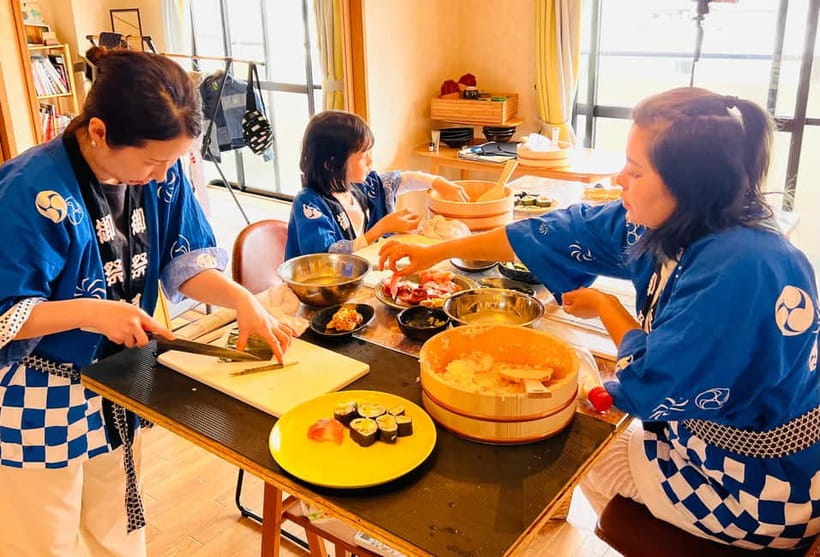
Miso soup can be a throwaway side dish in some places. In a good Japanese meal, it’s the flavor anchor. This course has you make miso soup from scratch, and that’s where the class feels more complete than a typical sushi-only workshop.
You learn about the role of dashi broth, and you’ll also pick up how miso changes taste depending on its balance with broth and heat. Past participants specifically mention learning basics like making dashi broth, and that lines up with the idea that sushi flavor and soup flavor should support each other, not compete.
If you want one reason to choose this class over a shorter or more limited sushi session, it’s this: you get a full taste map. Sushi teaches you rice + seafood balance. Miso soup teaches you how Japanese cooking builds comfort and depth through broth and seasoning.
When you serve both together at home, the meal suddenly feels like a real Japanese dinner instead of a plate of random parts.
The tuna zuke and kombu-jime plan: practicality meets tradition
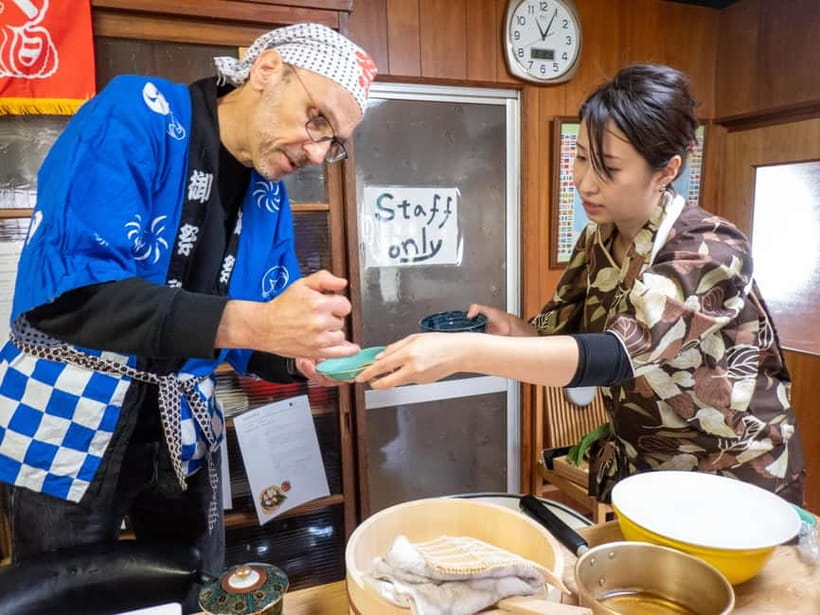
Here’s where the class goes beyond “fun.” The course teaches tuna zuke and kombu-jime salmon with a clear home-use logic: these preparation methods can help keep the fish fresh for 3–4 days.
That matters if you live somewhere where:
- top-grade sushi fish is expensive,
- availability is inconsistent,
- or you’re not confident buying fish meant to be eaten raw.
You’re not learning a vague suggestion. You’re learning a structured technique: marinate with a soy-based approach for tuna, then use kelp curing for salmon. When you follow the method and timing taught in class, you can plan ahead and still make sushi-style dishes at home.
I also like that you’re getting the “why” behind it. You don’t just assemble toppings. You learn how curing changes flavor and freshness. That knowledge makes you a better cook, not only a copier of recipes.
Price and value: is $96 worth 3 hours in Osaka?
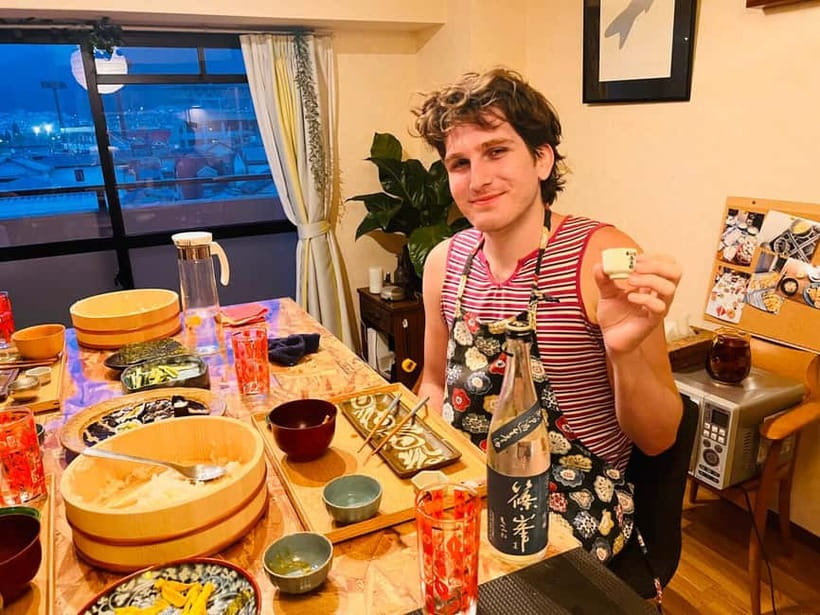
$96 per person for a 3-hour, small-group, hands-on class is not cheap. But I think it’s fair when you price what you’re getting:
- You’re taught by Chef Yuki, who shares technique learned from a sushi master with 40+ years’ experience.
- You make multiple dishes, not one lucky roll.
- You use fresh ingredients and traditional seasonings.
- You practice several sushi types: nigiri, hosomaki, plus the egg-based tamagoyaki.
- You also make miso soup from scratch, including broth fundamentals.
In other words, you’re buying an education plus a meal experience you helped create. If you enjoy cooking, or if you’re the type who wants to take home skills, $96 doesn’t feel like a ticket to eat. It feels like a ticket to learn.
If you’re only interested in having sushi once, and you don’t care about technique, then another food experience might suit you better. But if you want home-cooking ability, this is strong value.
What the class feels like: cozy, personal, and question-friendly
This course has a personal vibe. Participants describe it as cozy and very friendly, with Yuki explaining clearly and helping throughout steps. The hands-on nature seems to be the main reason people rate it so highly.
You should also expect a lot of conversation. Some participants mention Yuki talking about her passion for Japanese cooking and even sharing life insights. That makes the class feel less like a checklist and more like learning from a real person who cares about the details.
One more plus: the class appears to be family-friendly when planned thoughtfully. One participant specifically said they could bring their baby and that Yuki supported them so the experience worked for everyone. If you need something like that, message ahead so Chef Yuki can guide you.
Who should book this Osaka sushi and miso class
I’d point this class toward you if you:
- love sushi and want more than a meal,
- want repeatable skills for home cooking,
- want to learn classic techniques like marination and kelp curing,
- enjoy Japanese food culture beyond just ramen and sushi bars,
- prefer a small group with room to ask questions.
I’d hesitate if you:
- want a passive experience with minimal hands-on work,
- only care about eating versus learning technique,
- have very specific dietary needs and haven’t confirmed how they’ll be handled.
Should you book it? My honest take
Book this if your goal is skill, not just photos. You get practical technique, a smart approach to fish preparation, and a full meal that includes miso soup you can make again. The small group size and Chef Yuki’s friendly, step-by-step teaching make it easy to stay engaged even if your sushi skills start at beginner level.
Don’t book it if you’re only chasing one sushi fix. This class rewards curiosity and practice, not just appetite.
If you want an Osaka experience that actually travels home with you, this one makes sense.
FAQ
How long is the sushi and miso soup course in Osaka?
The course lasts 3 hours.
What does the class cost?
It’s $96 per person.
Where do I meet Chef Yuki?
Meet at 4-19 Nukata-cho, Osaka, near Nukata Station. It’s described as a white building, about a 5-minute walk from the station.
How do I get there from Osaka Namba Station?
Take the Kintetsu Nara Line from Osaka Namba to Nukata Station (about 30 minutes, ¥430), then walk about 5 minutes to Route 308 toward the address.
Is the class taught in English?
Yes. The instructor provides instruction in English.
How many people are in the group?
The group is limited to 6 participants.
What sushi and food will I make?
You’ll make nigiri, hosomaki, and tamagoyaki, plus tuna zuke, kombu-jime salmon, and miso soup from scratch.
What fish techniques are taught?
You learn tuna zuke (a soy-based marinated tuna) and kombu-jime salmon (salmon cured with kelp).
Does the course share recipes after class?
Based on participant reports, Chef Yuki sends recipes/receipts after the course so you can cook at home.
What’s the cancellation and payment flexibility?
You can cancel up to 24 hours in advance for a full refund, and you can reserve now & pay later (pay nothing today).
More Tour Reviews in Osaka
- Osaka Go Karting Tour with Funny Costume★ 5.0 · 2,658 reviews
- Osaka Castle: Museum and Tower Entry Ticket★ 4.5 · 2,380 reviews
- Osaka: Shinsekai Food Tour with 13-15 Dishes at 5 Eateries★ 4.8 · 2,204 reviews
- Osaka Food Tour: 13 Dishes at 5 Local Eateries★ 5.0 · 2,149 reviews
- Hungry Osaka Street Food Tour:15 Tastings & 3 Drinks with a Local★ 5.0 · 1,727 reviews
Cook It Yourself in Osaka
- Sushi Making Osaka Roll and Authentic Japanese Sushi Class★ 5.0 · 1,220 reviews
- Osaka: Five Must-See Highlights Walking Tour & Ramen Lunch★ 4.7 · 411 reviews
- Osaka Sushi Making Experience★ 5.0 · 400 reviews
- Osaka: Ramen and Gyoza Cooking Class in Dotonbori★ 5.0 · 378 reviews
- Osaka: Sumo Stage Show with Bento or Snack + Fight & Photo★ 4.3 · 364 reviews
The Newest Osaka Write-Ups
- Private Photoshoot in Osaka with a Professional Photographer
★ 5.0 · 3 reviews - Osaka Early Morning Osaka Castle Tour Avoid Crowds
★ 5.0 · 3 reviews - Nara Private Tour with Pick and Drop and English Speaking Driver
★ 3.5 · 3 reviews - Osaka: Modern Vegetarian Sushi Cooking Class
★ 5.0 · 3 reviews - Nara Day Trip from Osaka with a Licensed Guide
★ 5.0 · 3 reviews
Osaka Cooking Classes, compared.
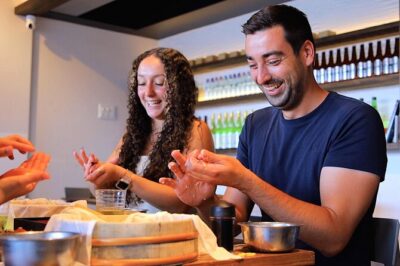 ★ 5.0Sushi Making Osaka Roll and Authentic Japanese Sushi ClassFrom $311,220 reviews
 ★ 4.7Five Must-See Highlights Walking Tour & Ramen LunchFrom $56411 reviews
 ★ 5.0Osaka Sushi Making ExperienceFrom $29400 reviews
 ★ 5.0Ramen and Gyoza Cooking Class in DotonboriFrom $70378 reviews
 ★ 4.3Sumo Stage Show with Bento or Snack + Fight & PhotoFrom $93364 reviews
 ★ 4.9Traditional Mochi Pounding Experience with TastingFrom $31306 reviews
 ★ 5.0Osaka Cooking Class: Okonomiyaki &Japanese cuisines experienceFrom $104261 reviews
 ★ 4.9Roll and Authentic Sushi Making Class in DotonboriFrom $45239 reviews
Browse the lists this tour appears in