
Reviewed · DOTONBORI & NAMBA TOURS
Osaka: Sushi Making Class and Dotonbori Food Tour
The smell of fresh seaweed means food time. This Osaka experience pairs a hands-on sushi-making class with a guided Dotonbori food walk that shows you how people actually eat here. I like that it’s practical, not just watching from the side. I also like the human touch from the guide, with Leo bringing local culture into the story.
One catch: Dotonbori snacks and drinks are at your own expense, so plan a little extra money for the fun part. If you want a fully priced meal package, this one isn’t that.
Key things to know before you go
- 90-minute sushi session with ingredients and a tasting, taught in English
- Meet at Metro Namba Station Exit 24, look for a TripGuru shirt or sign
- You’ll walk Dotonbori with a friendly guide who points out what to try
- Food and drinks are extra once you’re out in the street-food district
- Private group feel, with a local kitchen pace and a Dotonbori strolling pace
- Bring cash and comfortable shoes for the walking portion
In This Review
- Starting at Metro Namba: Easy Access, Real-World Timing
- The Sushi-Making Class: What You Actually Learn
- Ingredients, Rolling, and the “Try It Immediately” Factor
- Dotonbori After Class: Turning What You Made Into What You Eat
- Budget Reality: Food and Drinks Are on Your Wallet
- Logistics That Matter: Shoes, Camera, and a Private-Group Feel
- Price and Value: Is $112 Worth It?
- Who This Osaka Tour Fits Best (and Who Should Skip)
- Where It Ends: Dotonbori, With Time to Keep Exploring
- Should You Book This Sushi Making and Dotonbori Tour?
- FAQ
- Where do I meet for the Osaka sushi making and Dotonbori tour?
- How long is the experience?
- Are food and drinks included in Dotonbori?
- Is the guide available in English?
- What should I bring with me?
- Is there free cancellation or a pay-later option?
Starting at Metro Namba: Easy Access, Real-World Timing
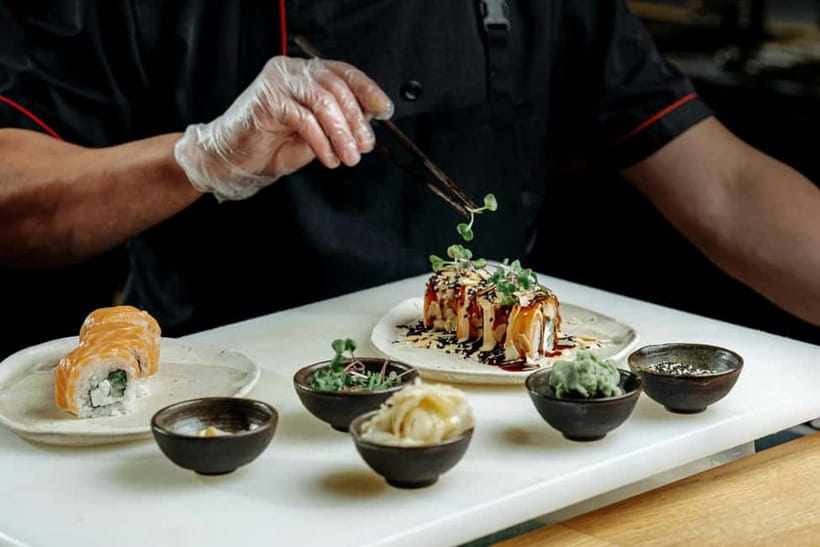
Osaka starts moving fast, and this tour meets you right where the city’s momentum is. You’ll gather at Metro Namba Station, Exit 24, then match up with your guide (TripGuru shirt or a TripGuru sign). It’s a simple setup, and it keeps the whole afternoon practical—no long detours just to get started.
The experience runs 150 minutes total, split into a 90-minute sushi-making class plus a guided walk through Dotonbori afterward. That timing matters. You’re not stuck with hours of theory before tasting. You learn, you make, you eat—then you go straight into the neighborhood where Japanese food culture feels loud and personal.
You should expect a walking component, and the tour is not for every body type or health situation. The experience isn’t suitable for pregnant women, people with mobility impairments, respiratory issues, or high blood pressure. If any of those apply, skip it and look for a different format that’s lighter on movement.
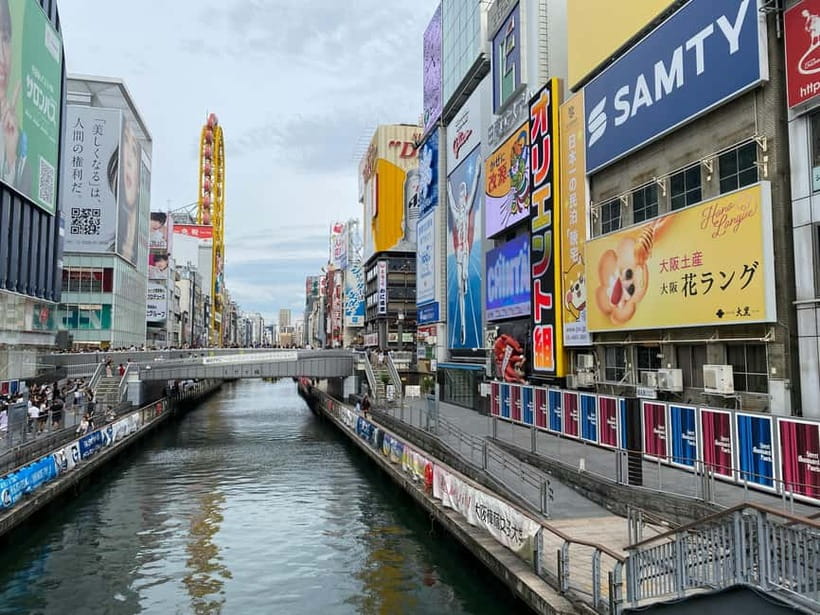
Back under the Glico sign: more Dotonbori runs


The Sushi-Making Class: What You Actually Learn
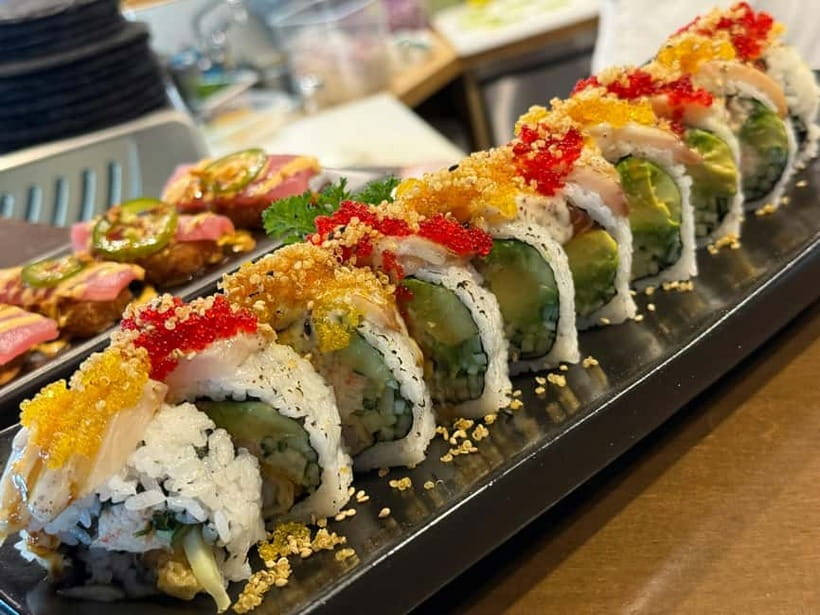
This is not a quick photo-op class. You’ll step into a local kitchen setting and learn how sushi is put together from scratch. The instructor focuses on technique, and you’ll make multiple items rather than doing one roll and calling it done. You’ll also taste what you create, which is a big part of why classes like this feel worth it.
For you, the biggest value is that sushi suddenly becomes understandable. You’ll learn how sushi rice behaves, how fillings change the feel of a roll, and how the rolling itself controls the final bite. Even if you’re a beginner, you’re working with the process, not just eating the finished product.
The guide’s role is key here. In the class, you’re not left to guess. In one booking, Leo stood out for being informative about local culture while still keeping the class fun and friendly. That blend matters. It helps you connect what you’re doing (the hands-on part) with why it’s done that way (the food-culture part).
Ingredients, Rolling, and the “Try It Immediately” Factor
The class includes ingredients and tasting, which changes the whole experience. You’re paying to make sushi, not just to watch someone else plate it. In many cities, you can eat sushi anywhere. What you’re getting here is the method—how the pieces come together.
This kind of practice is also the fastest way to understand how delicate sushi can be. The difference between a roll that holds and one that falls apart isn’t magic. It’s technique, pressure, and timing. Once you’ve tried it, you’ll spot those details later when you eat on your own.
And because you taste what you make, you can adjust your thinking on the spot. If something tastes a little off, you’ll usually learn why and how to fix it next time. That feedback loop is why a class often feels better value than a simple meal.
Dotonbori After Class: Turning What You Made Into What You Eat
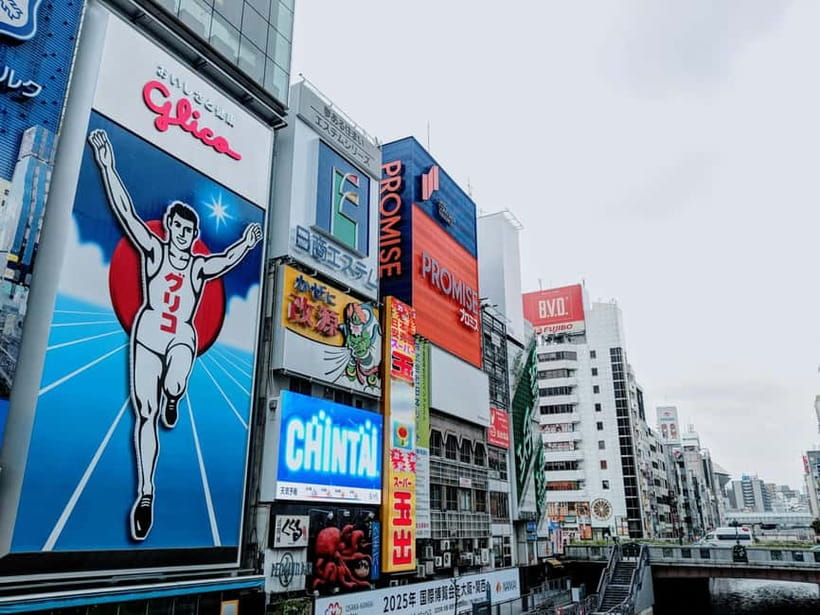
Once the sushi work is done, you head into Dotonbori. This is Osaka’s famous street-food and neon-sign zone, where the food culture shows up in public. The tour keeps this section guided so you don’t have to decode everything alone.
Your guide will walk you through the area and introduce what to sample. You’ll try a few must-try snacks as part of the tour. The exact items aren’t listed here, but the goal is consistent: help you taste local favorites without wasting your time guessing what’s actually good.
I also like that you get a story, not just a list. The guide adds context that helps the neighborhood make sense—why people eat certain things in certain ways, and how the food scene fits into everyday Osaka life. If you had fun in the class with Leo’s friendly teaching style, you’ll likely enjoy this part too.
Come hungry: more eating your way through Osaka
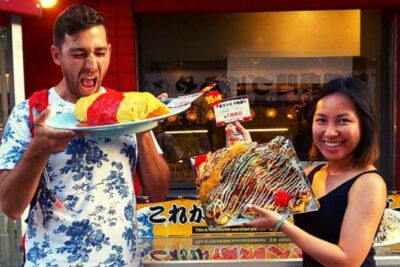
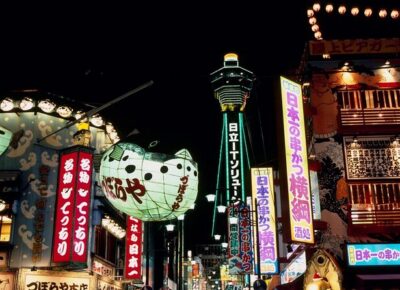

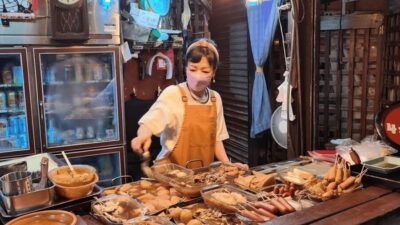
Budget Reality: Food and Drinks Are on Your Wallet
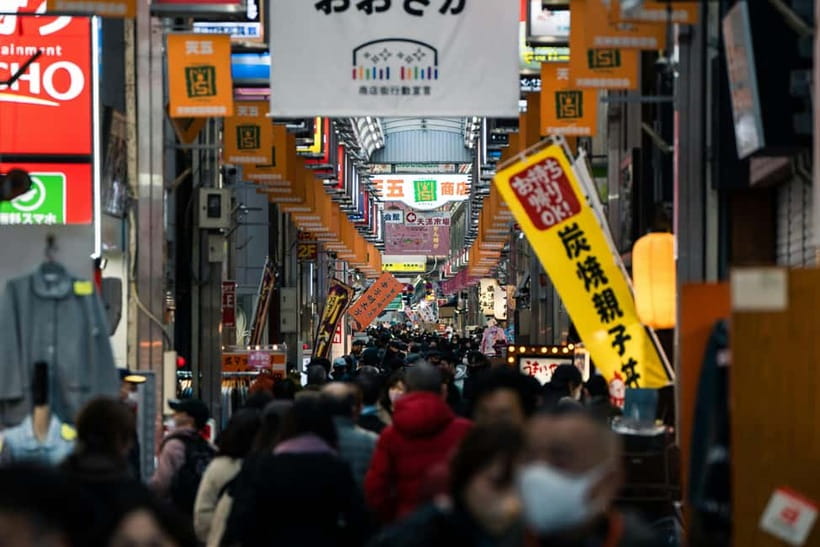
Here’s the main financial note, and it’s worth taking seriously. While the class includes ingredients and tasting, foods and drinks in Dotonbori are at your own expense. That means your total cost can be higher than the headline price.
The upside is control. You can choose what you want. If you prefer savory over sweet, or you want to stick to smaller bites, you can shape your spending instead of paying for a fixed menu you may not love.
So, how should you plan? Bring enough cash so you don’t feel pressured. The tour specifically asks you to bring cash, which suggests you might run into stalls and small vendors where cards aren’t the best bet. Think of this as the flexible payoff: you made sushi in class, then you snack at your own pace in the street-food district.
Logistics That Matter: Shoes, Camera, and a Private-Group Feel
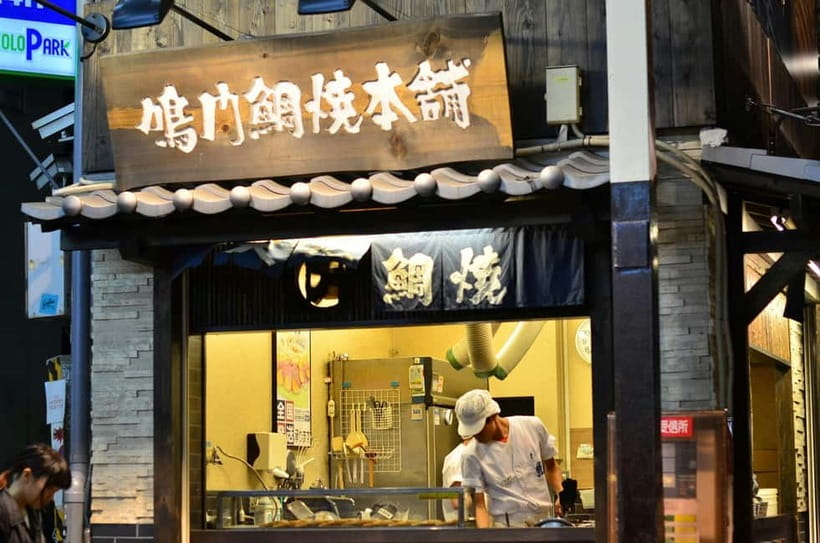
This tour is designed to be straightforward. Wear comfortable shoes because Dotonbori involves walking. Bring a camera if you like photos of food signs and street scenes. And again, bring cash.
The private group format is another subtle advantage. Even though it’s still a short, timed experience, a private group usually feels less hectic. You can ask questions without feeling like you’re fighting for attention. That can be especially helpful in a sushi class, where technique is easier when you can get quick corrections.
Also, the guide is English speaking, so you won’t have to translate your way through the process. That matters for beginners who want to understand what they’re doing instead of copying movements blindly.
Price and Value: Is $112 Worth It?
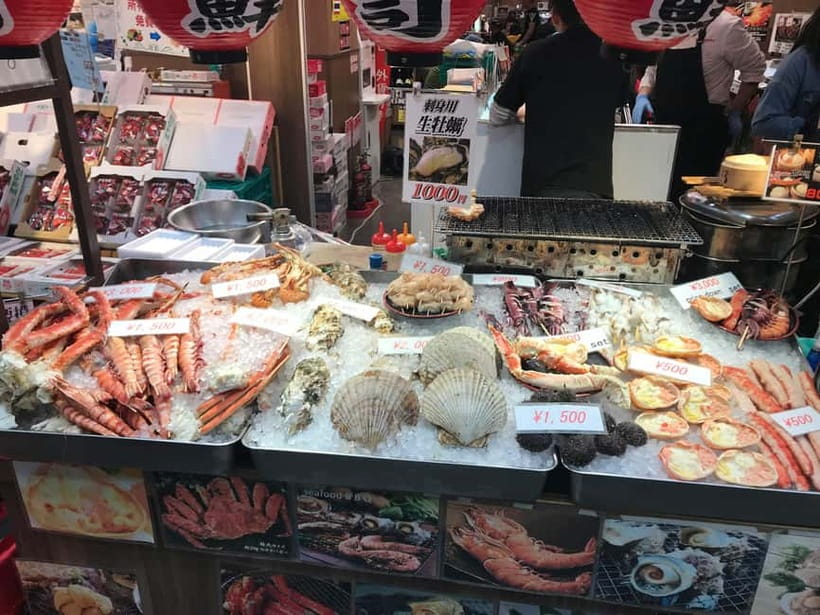
At $112 per person for 150 minutes, this tour sits in the “you’re paying for instruction and a guided food plan” category. It’s not just a stroll with a guide, and it’s not just a cooking class with no neighborhood experience attached.
For the price, you’re getting:
- a 90-minute sushi-making class with ingredients and tasting
- an English speaking guide throughout
- a guided walking tour in Dotonbori, including some sampled snacks
- and the guidance that helps you eat smart once you’re on your own
The value works best if you fall into one of these groups:
1) You want to learn something hands-on in Japan, not just eat and move on.
2) You like the idea of pairing food making with street-food tasting in the same day.
3) You’re a first-timer in Osaka who wants a local to help you navigate Dotonbori without stress.
It’s less ideal if you only want to eat and don’t care about learning. In that case, Dotonbori alone might feel cheaper. But if you want both—skills and snacks—this format makes sense.
Who This Osaka Tour Fits Best (and Who Should Skip)
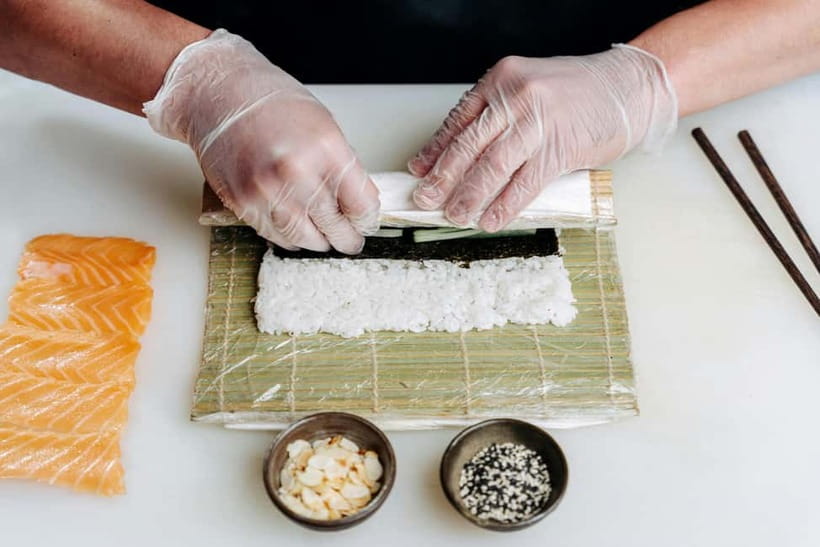
This experience is a good match for food lovers, first-time visitors, and people who learn best by doing. If you like interactive classes, this will feel fun and satisfying because you’ll actually make sushi and taste it.
It also fits travelers who enjoy walking with a guide. Dotonbori is easier when someone points out what’s worth your time. You’ll come away with better instincts for ordering later.
Skip it if you have limitations tied to the tour’s requirements. It’s not suitable for mobility impairments, and it’s also listed as not suitable for pregnant women, people with respiratory issues, or high blood pressure. If you’re unsure, don’t gamble with your comfort—choose a different Osaka food experience that aligns with your health and pace.
Where It Ends: Dotonbori, With Time to Keep Exploring
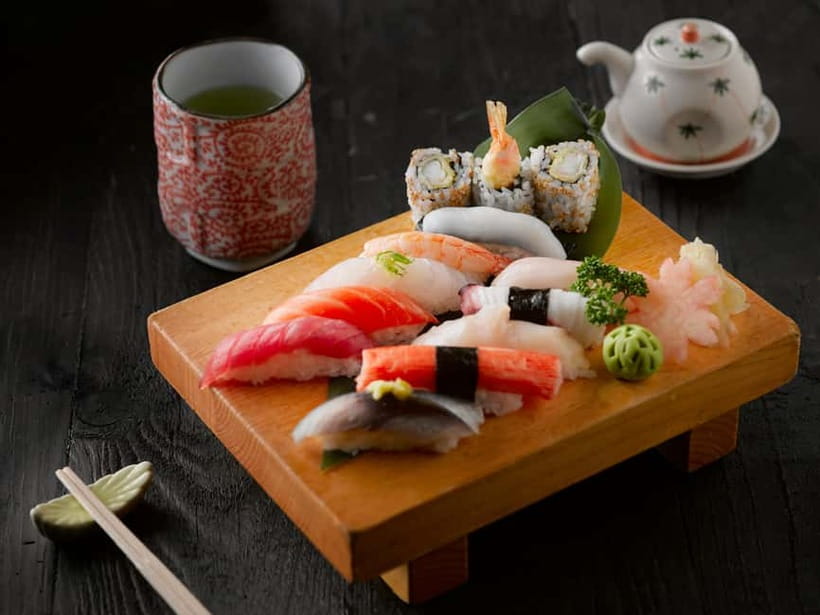
The tour wraps up in Dotonbori, which is convenient. You’re dropped off right in the area where you can keep eating, snapping photos, and wandering at your own speed. That’s a smart design because the neighborhood is the point.
Just plan for the reality that you’ll be on your own for what comes next—so keep that cash handy. Also, wear shoes you’ll be happy in for extra steps, because Dotonbori can keep pulling you forward.
Should You Book This Sushi Making and Dotonbori Tour?
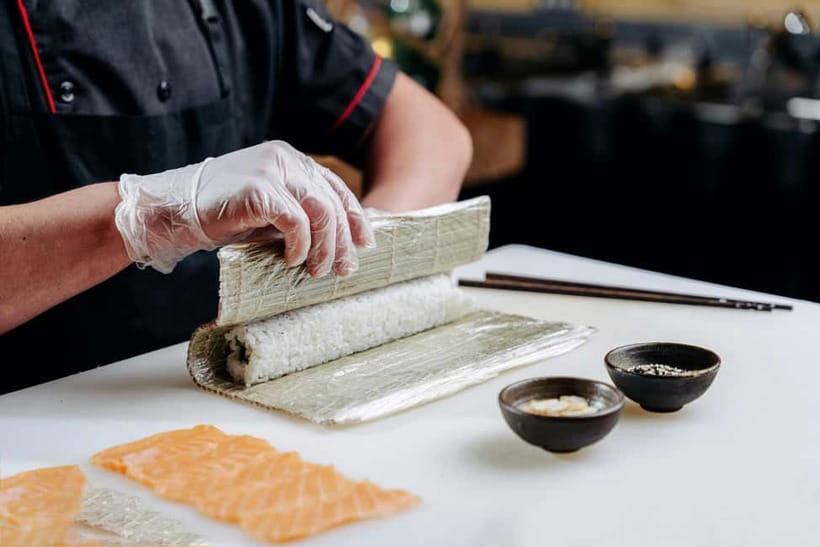
If you want a day that’s part cooking class and part Osaka food-street education, I think this is a strong choice. The biggest selling points are simple: a real sushi-making session taught in English, plus a guided Dotonbori walk that helps you taste the neighborhood without guessing.
I’d book it if you value hands-on learning and you want the guide’s cultural context—especially since Leo has been praised for being great, informative, and friendly while walking you through the area. I’d also book it if you’re okay with paying extra for Dotonbori snacks and drinks, because that freedom is part of the fun.
Don’t book it if you want an all-inclusive meal plan with no extra spending. And if walking, kitchen activity, or your health situation is a concern, look for a different option that’s better suited to you.
FAQ
Where do I meet for the Osaka sushi making and Dotonbori tour?
Meet at Metro Namba Station Exit 24. Look for a guide wearing a TripGuru shirt or holding a TripGuru sign.
How long is the experience?
The total duration is 150 minutes, including a 90-minute sushi-making class and a guided walking tour in Dotonbori.
Are food and drinks included in Dotonbori?
No. Foods and drinks in Dotonbori are at your own expense.
Is the guide available in English?
Yes. The tour includes an English-speaking live tour guide.
What should I bring with me?
Bring cash. It’s also recommended that you wear comfortable shoes for walking and bring a camera.
Is there free cancellation or a pay-later option?
Yes. You can cancel up to 24 hours in advance for a full refund, and there’s a reserve now & pay later option (you can book and pay nothing today).
Cook It Yourself in Osaka
- Sushi Making Osaka Roll and Authentic Japanese Sushi Class★ 5.0 · 1,220 reviews
- Osaka: Five Must-See Highlights Walking Tour & Ramen Lunch★ 4.7 · 411 reviews
- Osaka Sushi Making Experience★ 5.0 · 400 reviews
- Osaka: Ramen and Gyoza Cooking Class in Dotonbori★ 5.0 · 378 reviews
- Osaka: Sumo Stage Show with Bento or Snack + Fight & Photo★ 4.3 · 364 reviews
The Kuidaore List: Eat More of Osaka
- Osaka: Shinsekai Food Tour with 13-15 Dishes at 5 Eateries★ 4.8 · 2,204 reviews
- Osaka Food Tour: 13 Dishes at 5 Local Eateries★ 5.0 · 2,149 reviews
- Hungry Osaka Street Food Tour:15 Tastings & 3 Drinks with a Local★ 5.0 · 1,727 reviews
- Deep Backstreet Osaka Tours (Option to add Dinner)★ 5.0 · 1,290 reviews
- Osaka Local Foodie Walking Tour in Dotonbori and Shinsekai★ 5.0 · 985 reviews
Dotonbori and Namba, Round Two
- Osaka Local Foodie Walking Tour in Dotonbori and Shinsekai★ 5.0 · 985 reviews
- Osaka: Dotonbori District River Cruise with Drink Discount★ 4.2 · 876 reviews
- Ultimate Osaka Walking Tour: Castle, Dotonbori & Hidden Gems★ 5.0 · 862 reviews
- Tea Ceremony Experience in Osaka Doutonbori★ 5.0 · 754 reviews
- Osaka: Namba Pub Bar Crawl with a Local Guide★ 4.9 · 424 reviews
The Newest Osaka Write-Ups
- Private Photoshoot in Osaka with a Professional Photographer
★ 5.0 · 3 reviews - Osaka Early Morning Osaka Castle Tour Avoid Crowds
★ 5.0 · 3 reviews - Nara Private Tour with Pick and Drop and English Speaking Driver
★ 3.5 · 3 reviews - Osaka: Modern Vegetarian Sushi Cooking Class
★ 5.0 · 3 reviews - Nara Day Trip from Osaka with a Licensed Guide
★ 5.0 · 3 reviews
Dotonbori & Namba Tours, compared.
 ★ 5.0Osaka Local Foodie Walking Tour in Dotonbori and ShinsekaiFrom $111985 reviews
 ★ 4.2Dotonbori District River Cruise with Drink DiscountFrom $12876 reviews
 ★ 5.0Ultimate Osaka Walking Tour: Castle, Dotonbori & Hidden GemsFrom $73862 reviews
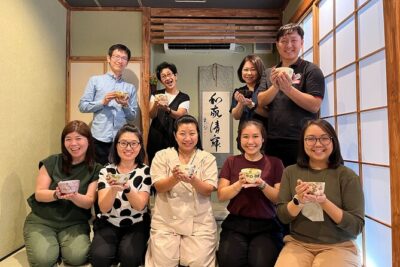 ★ 5.0Tea Ceremony Experience in Osaka DoutonboriFrom $20754 reviews
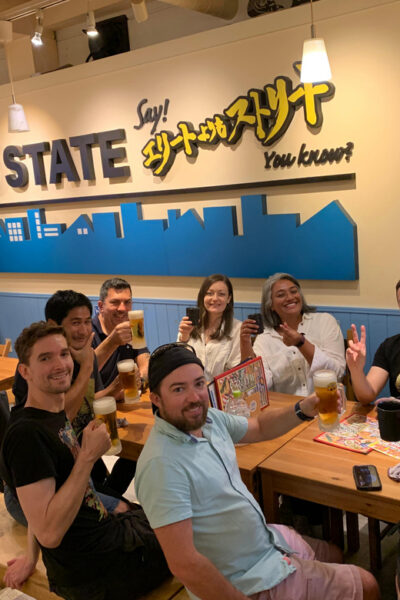 ★ 4.9Namba Pub Bar Crawl with a Local GuideFrom $30424 reviews
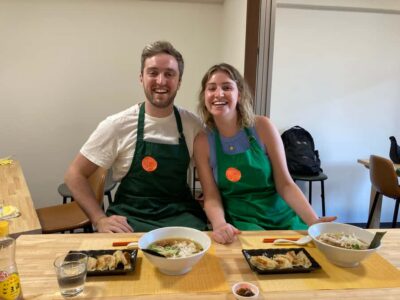 ★ 5.0Ramen and Gyoza Cooking Class in DotonboriFrom $70378 reviews
Dotonbori River Cruise with Glico Sign & Neon ViewsFrom $12376 reviews
★ 5.0Ramen and Gyoza Cooking Class in DotonboriFrom $70378 reviews
Dotonbori River Cruise with Glico Sign & Neon ViewsFrom $12376 reviews
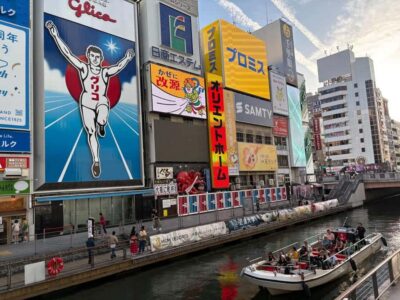 ★ 3.9Dotonbori’s Bridges 20-Minute CruiseFrom $12303 reviews
Browse the lists this tour appears in