
Reviewed · OSAKA COOKING CLASSES
Osaka Okonomiyaki Cooking Experience!
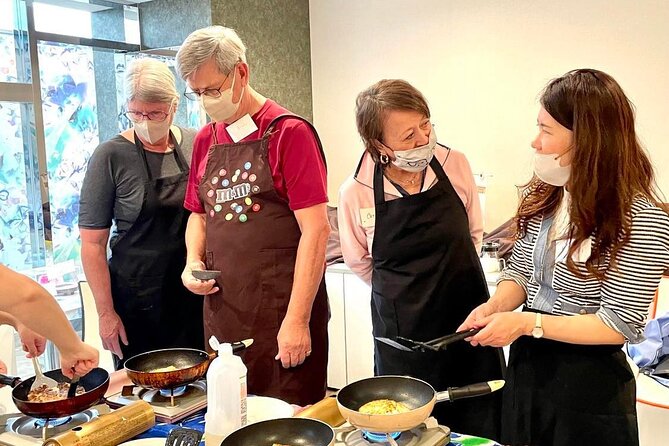
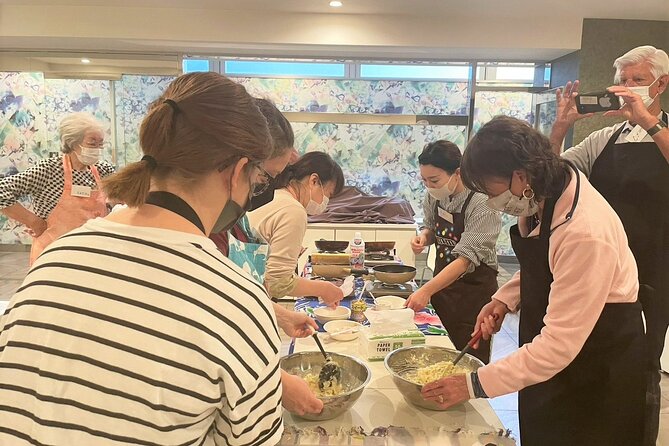
Osaka comfort food, cooked with locals. This small-group okonomiyaki class in a hostel near Nagahoribashi is all about making Osaka-style okonomiyaki and miso soup with guidance from your host and friendly locals. You’re not stuck in a restaurant line or stuck watching from the sidelines.
What I love most is the hands-on pacing and the fact that you cook with a small group (max 6), so questions actually get answered. I also like that it’s practical: you learn the simplest approach so you can recreate the dish later, not just take photos and leave.
The one thing to consider is that it’s a group setting, so if you have strong allergy needs you’ll want to ask first. The host also notes ingredients may contain refined sugar, and there’s a possibility of cross-contamination during group lessons.
In This Review
- Key things that make this class worth your time
- A small-group Osaka hostel class with a homey, local feel
- Finding the meeting point near Nagahoribashi before your 4:00 pm start
- What you cook: miso soup and Osaka-style okonomiyaki step by step
- The cooking flow you can expect
- More than one-style fun: Osaka plus regional context
- Dessert and small extras
- You’ll actually learn to cook it again at home (not just eat it once)
- The local people part: Keiko, Sachiko, and a mom who sews
- Dietary requests, sugar notes, and cross-contamination reality
- Price and value: $49.55 for two hours of guided cooking
- Logistics that actually matter on the day
- Who should book this Osaka okonomiyaki cooking experience
- Should you book this Osaka okonomiyaki class?
- FAQ
- FAQ
- How long is the okonomiyaki cooking experience?
- Where does the class meet in Osaka?
- What time does the class start?
- How big is the class?
- What dishes will I learn to make?
- Can the host accommodate dietary needs?
- Is there a night option?
- Is the ticket mobile?
- Can I get a refund if my plans change?
Key things that make this class worth your time
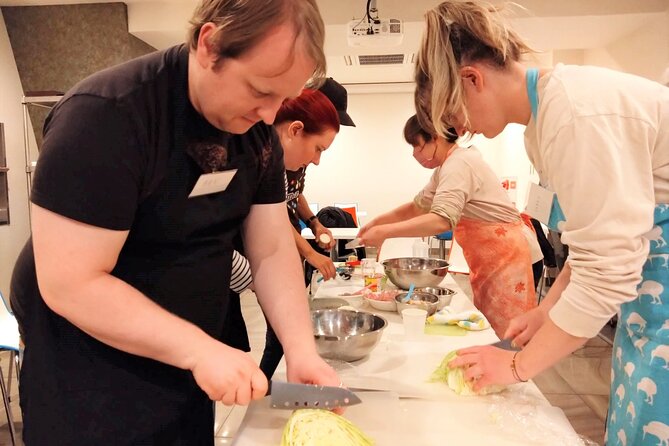
- Max 6 people for real one-on-one help while you cook
- Miso soup + okonomiyaki made by you, not served to you off a tray
- Local conversation built in, with Osaka friends invited by the host
- Dietary flexibility mentioned for vegan, vegetarian, halal, and other requests
- Personal touches like kimono-material aprons and locally made small gifts
- Written instructions after the class are mentioned in participants’ experience
Flour on your hands, more Osaka kitchens to try

A small-group Osaka hostel class with a homey, local feel
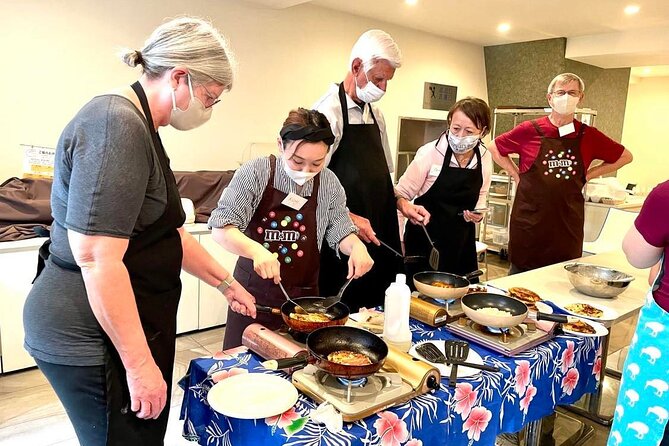
If you want Osaka without the usual tourist-food treadmill, this is a smart move. The setting is a small cooking class in an Osaka hostel, and that matters more than it sounds. Hostel kitchens (and common breakfast-room setups like this one) tend to be relaxed, loud in a good way, and built for interaction, not performance.
The vibe is very “cook together, then sit together.” You’ll be working at the same time as your group, and your host invites city friends into the mix so the cooking doesn’t feel like a scripted show. Reviews consistently point to the same energy: Keiko and her assistant team (including Sachiko in some sessions) make the experience warm and easy, while her mom contributes extra care and local flair.
This is the kind of activity that also helps if you’re solo. A lot of cooking classes can feel socially awkward when you’re new to the table. Here, conversation is part of the plan, so you’re not just waiting for your turn to flip batter.
Finding the meeting point near Nagahoribashi before your 4:00 pm start
This activity starts at 4:00 pm and runs about 2 hours. It ends back at the meeting point, so you’re not left hunting for a new location after the meal.
The meeting address is:
1-chōme-1-3 Higashishinsaibashi, Chuo Ward, Osaka, 542-0083, Japan
The location is described as near public transportation, and that’s a big practical win. If you’re staying around Shinsaibashi or using subway lines in that area, you’ll likely be able to get there without a big detour. Since the class starts in mid-afternoon, it also fits neatly between sightseeing blocks—perfect for a first half of the day market crawl, then a later cultural food stop.
One more timing note: the host says it can also be done at night depending on the days. If you’re trying to make this work around an evening plan, ask what’s possible for your dates.
What you cook: miso soup and Osaka-style okonomiyaki step by step
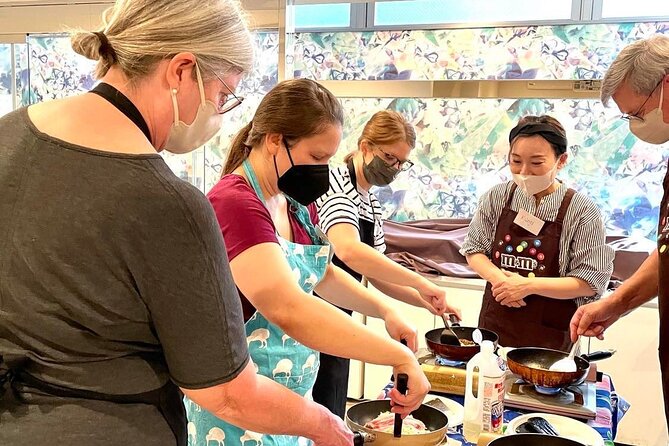
The core of the class is simple, which is exactly why it’s useful. You’ll learn the basics for miso soup and okonomiyaki—Osaka’s savory pancake comfort food. The host teaches the simplest way to cook so you can repeat it at home, even if you don’t have a “Japanese cooking setup” waiting for you in your kitchen.


The cooking flow you can expect
While every session can vary slightly, the structure is consistent:
1) You start with the essentials
You’ll get the basics you need to cook both dishes—what to prep, how to combine ingredients, and how to handle the batter and toppings.
2) You cook at your own station with help nearby
You’re not passively watching. You’ll be making your own okonomiyaki and your host will guide you through timing, shaping, and getting that right texture.
3) You eat your creations together
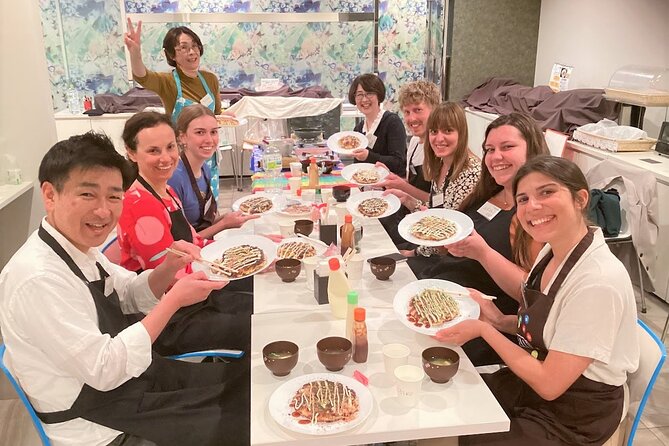
After cooking, the class sits down as a group. Many people mention the meal is part of the fun, not the end of the experience.
More than one-style fun: Osaka plus regional context
One review specifically calls out learning differences between Osaka-style and Hiroshima-style okonomiyaki. Even if you only catch a few details of the regional chat, it’s a real value-add. It turns a recipe class into a small cultural lesson about how the same idea changes from place to place in Japan.
Dessert and small extras
Some participants mention additional items like mochi dessert after the main dishes. Even if dessert isn’t always the same, it’s clear the class tries to finish on a sweet note and keep the whole evening feeling like a shared meal, not a stop-and-go workshop.
You’ll actually learn to cook it again at home (not just eat it once)
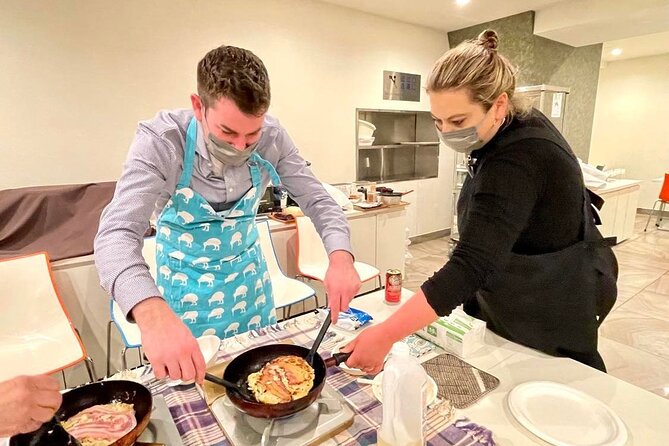
A lot of “food experiences” fail on the usefulness part. This one tries hard to pass the home-test.
The host says the teaching is designed so you can cook okonomiyaki at home. And participants repeat the same idea: instructions are easy to follow, the class is relaxed, and you leave feeling capable. People also mention getting written information after the experience—helpful if you want to recreate the steps later without relying on memory.
Here’s what you should look for mentally while you cook: don’t only think about what you’re making—watch why your host has you do things in a certain order. The goal is understanding the technique so you can swap toppings and adjust to what you can buy locally.
Also, you don’t need fancy gear. One review points out you can cook it anywhere in the world, which matters if you’re worried that okonomiyaki requires a special grill setup. You’ll likely leave with enough confidence to improvise based on your home tools.
The local people part: Keiko, Sachiko, and a mom who sews
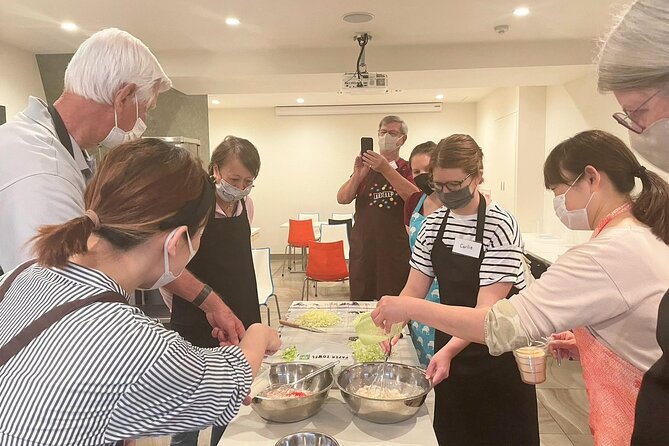
This is where the class earns its reputation. The cooking is fun, but the social ingredient is what turns it into a standout Osaka moment.
Keiko is the main host in the sessions people mention, and her communication style comes up again and again: clear English, patient help, and lots of room for questions. In multiple accounts, Keiko’s mom plays a big role, including making aprons (and the friendly “souvenir” touches). Sachiko is also named as part of the teaching/support team in a few experiences.
Those small details matter because they make you feel you’re invited into someone’s routine, not shuffled through a checklist. Participants describe aprons made from kimono material, small gift bags made from used kimono fabric, and even occasional extra items like a small tote bag.
If you’re even a little curious about how locals live around food—how families talk while cooking, how people adjust ingredients, how regional pride shows up in everyday meals—you’ll get a lot more from this class than the recipe alone.
Dietary requests, sugar notes, and cross-contamination reality
The host says they can accommodate requests including vegan, vegetarian, halal, and other needs. That’s a major plus if you usually struggle to find safe meal options when traveling.
At the same time, you should read the caution carefully. The host notes that ingredients may contain refined sugar, and there’s a possibility of cross-contamination because it’s a group class. In other words: this isn’t a sterile, one-person-only kitchen setup.
So how do you handle this well?
- If you have a dietary preference (vegan/vegetarian/halal), you’re in good shape based on the host’s stated flexibility.
- If you have allergy-level restrictions, send a message in advance and ask directly what ingredients are used and what precautions they can realistically take.
It’s better to over-communicate before class than to gamble in the moment.
Price and value: $49.55 for two hours of guided cooking
At $49.55 per person for about 2 hours, this isn’t a bargain in the “cheap meal” sense. But it also isn’t priced like a high-end private chef. The value comes from several combined factors:
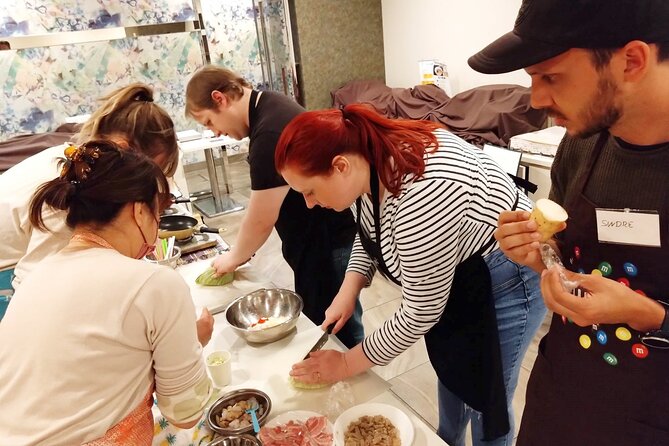
- You cook your own food (okonomiyaki and miso soup) instead of just eating
- You’re in a small group (max 6), which improves your chances of real guidance
- You get cultural interaction with local people invited by the host
- You leave with skills you can reuse at home, plus written guidance mentioned by participants
Think of it like paying for a short local culinary lesson and a social meal at the same time. Compared with solo dining at a restaurant where you might eat quickly and move on, this class gives you something stickier: competence plus conversation.
Also, the tour is often booked about 45 days in advance on average. That tells me demand is steady, so if you’re traveling in peak periods, don’t wait too long.
Logistics that actually matter on the day
A few practical details will help you plan your afternoon:
- Mobile ticket: bring your phone and make sure you can access the ticket at check-in time.
- 2-hour duration: you’ll want to plan around it so you’re not rushing from another far-away attraction.
- Near public transportation: it’s designed for easy arrival, which reduces stress.
- Start time at 4:00 pm: this slot often works well if you’re doing morning shopping and an afternoon walk.
One more useful angle from the reviews: the venue is described as a language center as well. If you’re trying to practice Japanese in a low-pressure setting, the class can be a friendly place to do it—especially if you’re comfortable asking simple questions while you cook.
Who should book this Osaka okonomiyaki cooking experience
This is a great fit if you want any of the following:
- You enjoy hands-on food experiences more than museum-style sightseeing
- You want to meet locals, not just other international tourists
- You’re traveling with a partner or small group and want a shared activity
- You care about learning a dish you’ll actually make again later
It may be less ideal if:
- You’re looking for a fast, no-conversation activity that you can treat like takeout
- You have strict allergy needs and need a totally controlled environment
- You only want to sample a lot of different Osaka foods in one night (this class focuses on two dishes and does them well)
Should you book this Osaka okonomiyaki class?
I’d book it if you want an authentic Osaka food moment that’s more personal than eating out. The combo of hands-on cooking, small group size, and local conversation is the winning mix. If you like learning by doing—and you want to leave with skills plus a delicious meal—you’ll probably feel like you got more than your money’s worth.
Just go in with realistic expectations: it’s a group lesson, ingredients may include refined sugar, and cross-contact is possible. If that works for you (and it sounds like it will for most people), this is the kind of experience that makes Osaka feel human.
FAQ
FAQ
How long is the okonomiyaki cooking experience?
It lasts about 2 hours.
Where does the class meet in Osaka?
You’ll meet at 1-chōme-1-3 Higashishinsaibashi, Chuo Ward, Osaka 542-0083, Japan. The activity ends back at the same meeting point.
What time does the class start?
The start time listed is 4:00 pm.
How big is the class?
The maximum group size is 6 travelers.
What dishes will I learn to make?
You’ll learn simple recipes for miso soup and okonomiyaki (Osaka-style savory pancakes).
Can the host accommodate dietary needs?
The host says they can accommodate requests such as vegan, vegetarian, halal, and more. They also note ingredients may contain refined sugar.
Is there a night option?
Yes, the host says it can be done at night depending on the days.
Is the ticket mobile?
Yes, the experience uses a mobile ticket.
Can I get a refund if my plans change?
Free cancellation is available up to 24 hours in advance for a full refund. If you cancel less than 24 hours before the start time, the amount paid is not refunded.
More Tour Reviews in Osaka
- Osaka Go Karting Tour with Funny Costume★ 5.0 · 2,658 reviews
- Osaka Castle: Museum and Tower Entry Ticket★ 4.5 · 2,380 reviews
- Osaka: Shinsekai Food Tour with 13-15 Dishes at 5 Eateries★ 4.8 · 2,204 reviews
- Osaka Food Tour: 13 Dishes at 5 Local Eateries★ 5.0 · 2,149 reviews
- Hungry Osaka Street Food Tour:15 Tastings & 3 Drinks with a Local★ 5.0 · 1,727 reviews
Cook It Yourself in Osaka
- Sushi Making Osaka Roll and Authentic Japanese Sushi Class★ 5.0 · 1,220 reviews
- Osaka: Five Must-See Highlights Walking Tour & Ramen Lunch★ 4.7 · 411 reviews
- Osaka Sushi Making Experience★ 5.0 · 400 reviews
- Osaka: Ramen and Gyoza Cooking Class in Dotonbori★ 5.0 · 378 reviews
- Osaka: Sumo Stage Show with Bento or Snack + Fight & Photo★ 4.3 · 364 reviews
The Newest Osaka Write-Ups
- Private Photoshoot in Osaka with a Professional Photographer
★ 5.0 · 3 reviews - Osaka Early Morning Osaka Castle Tour Avoid Crowds
★ 5.0 · 3 reviews - Nara Private Tour with Pick and Drop and English Speaking Driver
★ 3.5 · 3 reviews - Osaka: Modern Vegetarian Sushi Cooking Class
★ 5.0 · 3 reviews - Nara Day Trip from Osaka with a Licensed Guide
★ 5.0 · 3 reviews
Osaka Cooking Classes, compared.
 ★ 5.0Sushi Making Osaka Roll and Authentic Japanese Sushi ClassFrom $311,220 reviews
 ★ 4.7Five Must-See Highlights Walking Tour & Ramen LunchFrom $56411 reviews
 ★ 5.0Osaka Sushi Making ExperienceFrom $29400 reviews
 ★ 5.0Ramen and Gyoza Cooking Class in DotonboriFrom $70378 reviews
 ★ 4.3Sumo Stage Show with Bento or Snack + Fight & PhotoFrom $93364 reviews
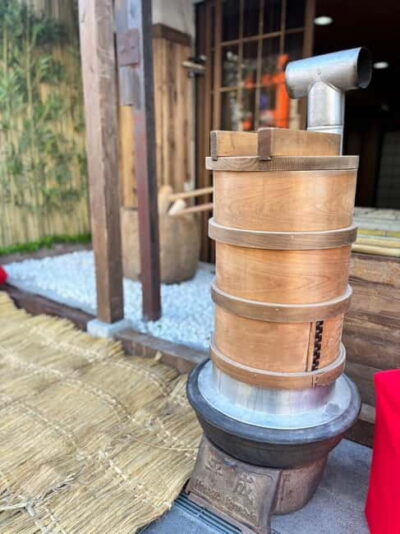 ★ 4.9Traditional Mochi Pounding Experience with TastingFrom $31306 reviews
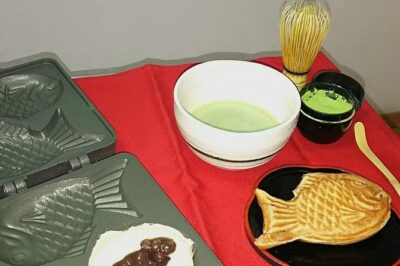 ★ 5.0Osaka Cooking Class: Okonomiyaki &Japanese cuisines experienceFrom $104261 reviews
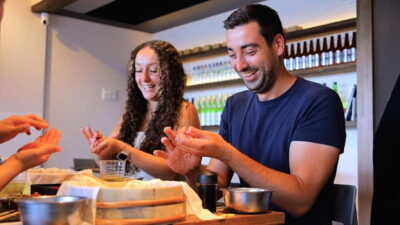 ★ 4.9Roll and Authentic Sushi Making Class in DotonboriFrom $45239 reviews
Browse the lists this tour appears in