
Reviewed · KUROMON MARKET TOURS
Osaka Market Tour & Cooking Class with Local Expert Masato/Shohei
Osaka has a way of turning food into a lesson. This market-and-cooking class pairs a quick ingredient walk with hands-on cooking, so you leave with skills you can actually use. I especially like the chance to shop at Karahori Shotengai with a local guide before you cook.
I also love that the class is run by a real chef, typically Masato or Shohei, and you can ask questions while you work. The sushi option can include tamagoyaki, Wagyu beef, and seasonal vegetables, and you finish by sitting down to enjoy your meal with tea. One key consideration: the sushi class explicitly does not include raw fish, so it is not built for people chasing classic nigiri.
In This Review
- Key Things I’d Plan Around
- Osaka Market Tour Meets a Real Cooking Class
- Finding the Meeting Point: Easy Transit, No Hotel Pickup
- Karahori Shotengai Market Walk: What You Actually Shop For
- Cooking With Masato or Shohei: Three Dishes, Step by Step
- The Menu Choices: Sushi Defaults, Bento or Curry by Request
- Sushi Class Details: Tamagoyaki, Wagyu, and Seasonal Veg (No Raw Fish)
- What You Eat After Cooking (And Why Tea Matters)
- Dietary Needs and Allergy Handling: Built for Real Life
- Group Size and Class Style: Shared, But Not Impersonal
- Value Check: Is $120 Actually Fair?
- Who This Osaka Class Suits Best
- Should You Book This Osaka Market Tour & Cooking Class?
- FAQ
- How long is the Osaka market tour and cooking class?
- Where do we meet for the experience?
- Is the market tour included in every booking?
- What will we cook during the class?
- If I choose sushi, is raw fish included?
- Can the class accommodate allergies or dietary restrictions?
- How big is the group?
- What happens if Masato is unavailable?
- Is free cancellation available?
Key Things I’d Plan Around
- Market time is short on purpose if you choose the Karahori Shotengai option, so you’ll focus on practical ingredients, not a long shopping spree
- You cook three dishes from scratch, guided step-by-step, with time for questions as you go
- Menu choice matters, because if you do not specify, the default class is sushi making
- Sushi ingredients skew local and seasonal, including tamagoyaki, Wagyu beef, and vegetables like lotus root and bamboo shoots
- Dietary needs are taken seriously, with options available on request and allergy notes handled ahead of time
- Small group size (max 13) helps the class feel more personal than many big food tours
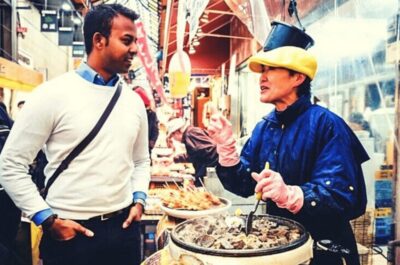
Another lap of the Kuromon stalls

Osaka Market Tour Meets a Real Cooking Class
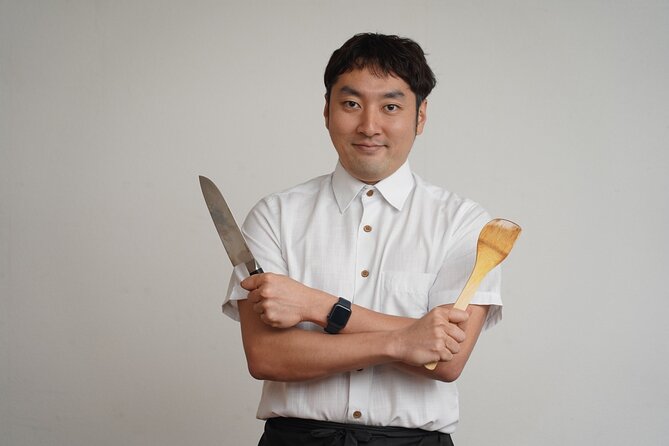
This is the kind of experience that works even if you think you already know Japanese food. A lot of classes are really just demonstrations. Here, you’re expected to cook. That changes everything: you learn why certain ingredients behave the way they do, not just what they are called.
I like the format because it keeps you moving. You start with a guide who points out ingredients and cooking logic, then you go straight into the kitchen to apply it. In other words, you get the what and the why in the same afternoon.
Price-wise, $120 per person is not cheap, but it makes sense for what’s included: a shared class led by a chef, three dishes cooked from scratch, and a meal you eat afterward. You’re also paying for a local expert to guide ingredient shopping—something you can’t easily replicate on your own without guessing what matters.
Finding the Meeting Point: Easy Transit, No Hotel Pickup
You meet at Matsuyamachi Station (2 Chome-6 Andojimachi, Chuo Ward, Osaka, 542-0061). The good news is the meeting point is near public transportation, so you can plan your own route without relying on a pickup.
The not-so-fun part: hotel pickup and drop-off are not included. So if your hotel is far from the station network, you’ll want to factor in a little extra commute time. Also, since the activity ends back at the meeting point, it’s best to keep your evening schedule flexible.
The tour uses a mobile ticket, and you receive confirmation at booking. That’s the kind of setup that makes it simpler once you’re already in Osaka and trying to move fast between neighborhoods.
Karahori Shotengai Market Walk: What You Actually Shop For
If you choose the market option, your chef/host takes you to Karahori Shotengai, a covered shopping street with small stalls for vegetables, fresh food, and condiments. The market portion is about 30 minutes, so think of it as an ingredient orientation rather than a long wander.
What makes this valuable is the focus. Instead of browsing for fun, you learn what to look for and how ingredients fit into Japanese cooking. That short time window also helps you avoid the classic problem with market tours: you spend half the visit overwhelmed by choices and still end up cooking with ingredients you picked at random.
Practical tip: even if you love food markets, come with a little curiosity about flavors and textures. Japanese dishes often hinge on subtle differences—something as simple as a vegetable’s season and preparation can change the final result.
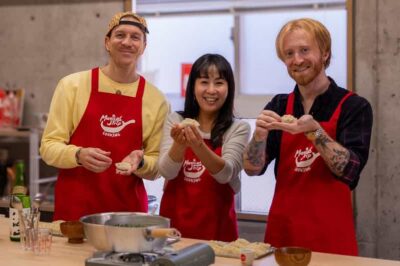
Flour on your hands, more Osaka kitchens to try
Cooking With Masato or Shohei: Three Dishes, Step by Step
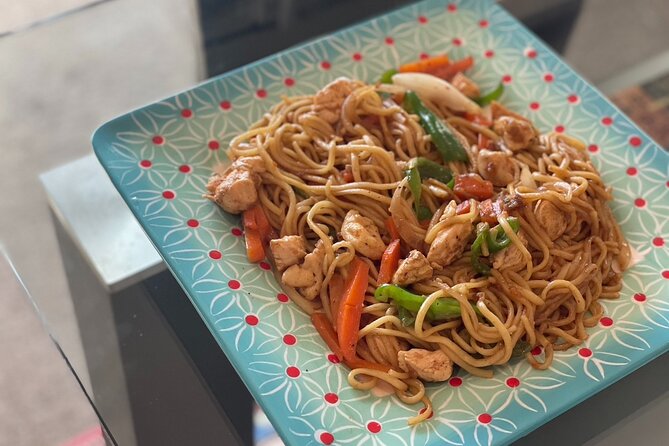
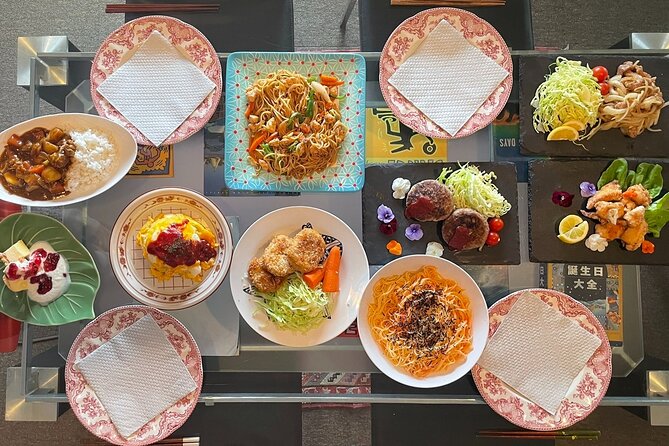
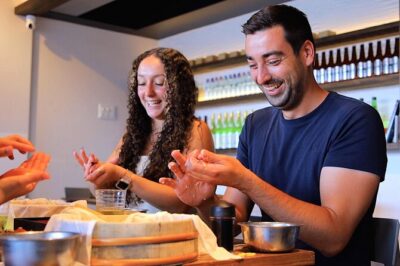
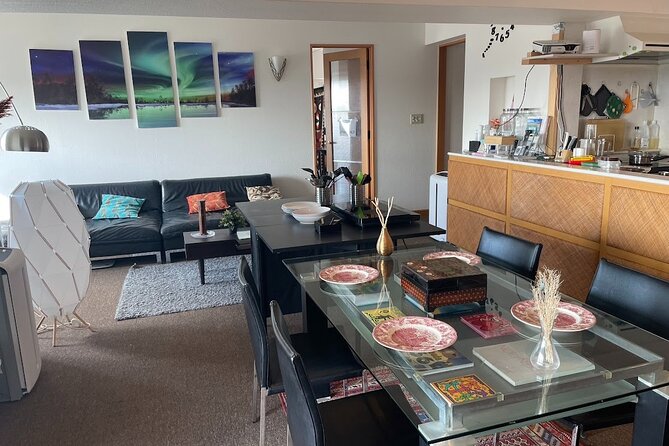
The core of the experience is a shared, hands-on class in a home-kitchen setting. Expect to cook three authentic Japanese dishes from scratch, guided by your host while you learn traditional techniques and cultural context. After cooking, you sit down to enjoy the meal you made.
Because it’s shared and capped at 13 participants, you should feel comfortable asking questions without the pressure of a huge group. In the best classes, the instructor doesn’t just show you what to do—they notice where people get stuck and correct your technique before it affects the whole dish. That’s part of why this one earns consistently strong praise.
You should also know the pace is flexible. The format is designed so you can go at your own speed while still finishing within the set time. That matters if you’re a slower chopper, a careful simmerer, or if you just don’t want to feel rushed when you’re learning something new.
The Menu Choices: Sushi Defaults, Bento or Curry by Request
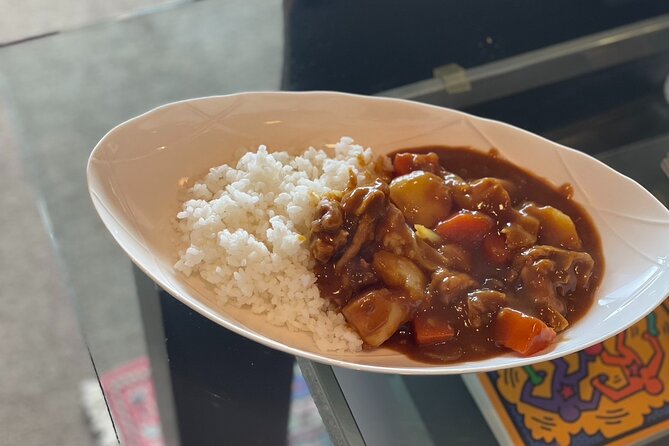
When booking, you’re asked to indicate your menu preference. If you do not specify, the default class is sushi making.
The class structure is built around making three dishes, so your menu preference isn’t just a label—it determines what you’ll practice. The available themes include:
- sushi
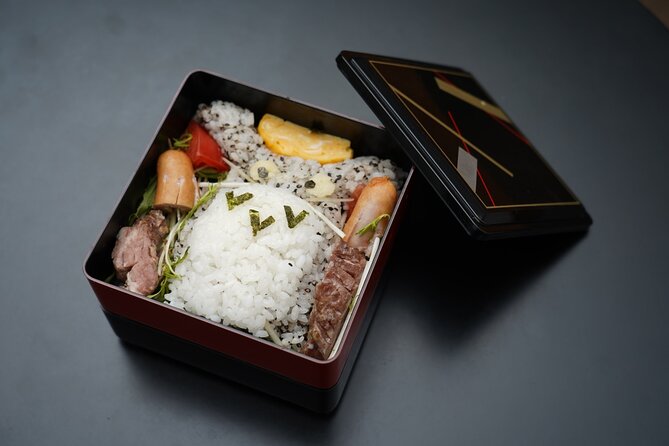
- character bento boxes
- Japanese curry rice
If you’re traveling with people who have different food comfort levels, this is where you can tailor the experience so everyone leaves satisfied. Curry and bento options can feel more approachable if you’re wary of anything fish-related. Sushi can be a great pick if you want to understand Japanese technique at a detailed level.
Sushi Class Details: Tamagoyaki, Wagyu, and Seasonal Veg (No Raw Fish)
If you pick the sushi option, you get a clearly defined ingredient set. The sushi class includes a selection of ingredients such as:
- tamagoyaki (rolled Japanese omelet)
- Wagyu beef
- seasonal vegetables like lotus root, bamboo shoots, and shiitake mushrooms
This is one of the most practical parts of the class for beginners. Traditional sushi can feel intimidating if you imagine raw fish and complicated slicing. Here, the class explicitly notes that raw fish is NOT included. That removes a lot of the anxiety and makes the experience more accessible—especially if you’re not sure you want to handle anything raw.
You’ll also learn how the different components work together. Tamagoyaki isn’t just a garnish; it teaches you about sweetness, texture, and careful rolling. Vegetables like lotus root and shiitake bring earthy flavor, and learning how they’re treated helps you understand why Japanese meals often feel balanced rather than heavy.
One more practical point: sushi in this context is about technique and assembly. It’s not a one-note fish class. It’s training your palate and your hands for how Japanese flavors layer.
What You Eat After Cooking (And Why Tea Matters)
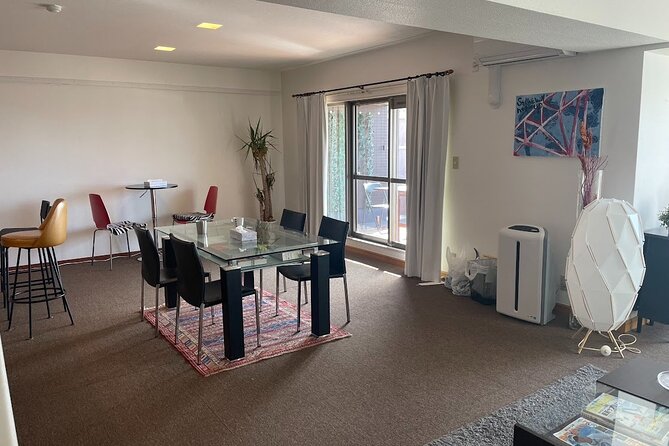
After the work, you sit down to enjoy the homecooked meal. This part matters more than people expect. Cooking classes can turn into an exhausting scramble where you don’t even taste what you made because you’re busy finishing steps.
Here, you get to eat what you made, and the experience ends with tea. That ending is not just tradition for tradition’s sake. Tea helps reset your taste buds after the richer components like Wagyu or omelet. It also gives you a calm moment to ask a final question or get advice for recreating the dishes later.
If you’re the type who wants recipes you can use at home, pay attention during the class and ask about what you can repeat easily. One of the best parts of high-quality cooking teaching is not memorizing every detail—it’s learning what’s worth keeping the same and what you can adjust with what you find at home.
Dietary Needs and Allergy Handling: Built for Real Life
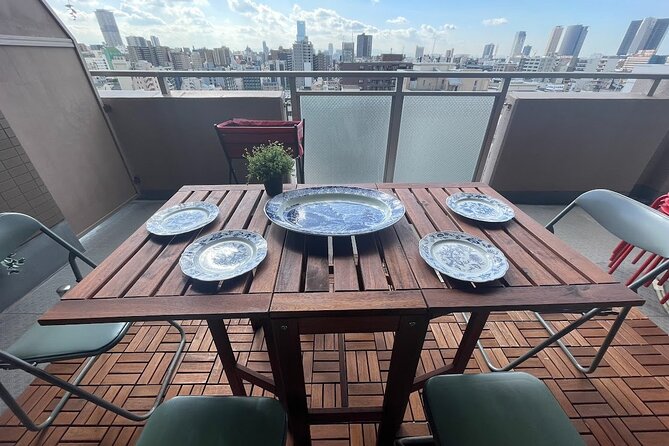
This class asks you to advise dietary restrictions and allergies at booking. It also states that it can accommodate lactose free, gluten free, vegetarian, and vegan diets on request.
That matters because Japanese cooking often relies on soy sauce, mirin, dashi, and other ingredients that can hide dairy or wheat. If you have restrictions, you’ll feel better knowing the host is prompted to handle them ahead of time rather than during the stressful cooking scramble.
If you’re traveling with allergies, do not be vague. Share specifics when you book so the chef can adjust ingredients and avoid cross-contact where possible. The class is designed to take those needs seriously, and the small group size makes it easier for the host to manage.
Group Size and Class Style: Shared, But Not Impersonal
You’re in a shared class with a maximum of 13 travelers. That’s a sweet spot. It’s large enough to feel lively, but small enough that you’re not just watching from the sidelines.
Based on what’s been emphasized by strong feedback, the host’s patience and teaching style are a big part of the experience. A cooking class only feels great when you can ask questions without embarrassment and get real answers tied to the dish you’re making. If you enjoy learning by doing, this setup tends to feel satisfying fast.
Also, the class length is about 2 hours 30 minutes. That’s long enough for real technique, not just a quick appetizer lesson. It’s short enough that you can still enjoy the rest of Osaka afterward without feeling like your whole day is gone.
Value Check: Is $120 Actually Fair?
At $120 per person, you’re paying for more than ingredients. The value equation looks like this:
- A chef-led, hands-on lesson (so you’re not just observing)
- Three dishes made from scratch
- A meal you eat
- Optional guided shopping at Karahori Shotengai
- Access to an instructor who can handle preferences and restrictions on request
If you were to buy ingredients yourself, you’d still need technique guidance. If you were to take a generic food tour, you might get lots of bites but not real skills. This experience sits in the middle: it’s still fun and local, but you leave with practical knowledge.
The one spot where you can protect your value is menu choice. If you care about sushi ingredients, specify it. If raw fish is a dealbreaker for you, sushi here still fits because raw fish is not included. Match the class to your comfort level and your cooking interest.
Who This Osaka Class Suits Best
This is ideal if you:
- want to learn Japanese cooking techniques in a hands-on way
- enjoy markets and want to shop for ingredients with guidance
- like the idea of cooking three dishes, then eating them right away
- need a structured experience with dietary/allergy support on request
It may be less ideal if you:
- want a long market shopping experience (the market walk is about 30 minutes)
- need hotel pickup or a more customized, private format (this is shared and starts at Matsuyamachi Station)
- are specifically chasing raw-fish sushi training (raw fish is not included)
Should You Book This Osaka Market Tour & Cooking Class?
Yes, if you want the fastest path from curiosity to real kitchen skills. The market portion gives you ingredient context, and the chef-led cooking portion gives you technique practice. The best part is that you don’t just watch—you cook, then eat with tea, so the experience feels complete.
Book it especially if sushi sounds good but you want a version that avoids raw fish. If you’re traveling with dietary needs, this is also one of the smarter choices because you can flag restrictions in advance.
If you’re short on time or hate meeting points, double-check your route to Matsuyamachi Station. Once you’re there, though, this is a strong use of an afternoon in Osaka.
FAQ
How long is the Osaka market tour and cooking class?
It runs for about 2 hours 30 minutes.
Where do we meet for the experience?
You meet at Matsuyamachi Station, 2 Chome-6 Andojimachi, Chuo Ward, Osaka, 542-0061, Japan.
Is the market tour included in every booking?
No. The Karahori Shotengai market tour is included only if you select the market tour option.
What will we cook during the class?
You’ll prepare three authentic Japanese dishes from scratch, guided by your host.
If I choose sushi, is raw fish included?
No. Raw fish is NOT included in the sushi class.
Can the class accommodate allergies or dietary restrictions?
Yes. You should advise allergies and restrictions at booking. On request, it can accommodate lactose free, gluten free, vegetarian, and vegan diets.
How big is the group?
The experience has a maximum capacity of 13 travelers.
What happens if Masato is unavailable?
On days when Masato is unavailable, an equally wonderful chef colleague will host you.
Is free cancellation available?
Yes. You can cancel for a full refund up to 24 hours in advance of the experience start time.
More Tour Reviews in Osaka
- Osaka Go Karting Tour with Funny Costume★ 5.0 · 2,658 reviews
- Osaka Castle: Museum and Tower Entry Ticket★ 4.5 · 2,380 reviews
- Osaka: Shinsekai Food Tour with 13-15 Dishes at 5 Eateries★ 4.8 · 2,204 reviews
- Osaka Food Tour: 13 Dishes at 5 Local Eateries★ 5.0 · 2,149 reviews
- Hungry Osaka Street Food Tour:15 Tastings & 3 Drinks with a Local★ 5.0 · 1,727 reviews
Cook It Yourself in Osaka
- Sushi Making Osaka Roll and Authentic Japanese Sushi Class★ 5.0 · 1,220 reviews
- Osaka: Five Must-See Highlights Walking Tour & Ramen Lunch★ 4.7 · 411 reviews
- Osaka Sushi Making Experience★ 5.0 · 400 reviews
- Osaka: Ramen and Gyoza Cooking Class in Dotonbori★ 5.0 · 378 reviews
- Osaka: Sumo Stage Show with Bento or Snack + Fight & Photo★ 4.3 · 364 reviews
Kuromon, Stall by Stall
- Kuromon Market Food Walking Tour in Osaka (6 stops, 6 tastes)★ 5.0 · 550 reviews
- Osaka: Kuromon Market Food Walking Tour (6 stops, 6 tastes)★ 4.6 · 272 reviews
- Kuromon Market Tour: All inclusive 6~8 Dishes & 3~4 samplings★ 5.0 · 103 reviews
- PRIVATE 6hr, Food tour from Osaka Castle, Kuromon, Dotonbori.★ 5.0 · 68 reviews
- All Inclusive Kuromon Markets Tour: Flavors Of Osaka★ 4.7 · 31 reviews
The Newest Osaka Write-Ups
- Private Photoshoot in Osaka with a Professional Photographer
★ 5.0 · 3 reviews - Osaka Early Morning Osaka Castle Tour Avoid Crowds
★ 5.0 · 3 reviews - Nara Private Tour with Pick and Drop and English Speaking Driver
★ 3.5 · 3 reviews - Osaka: Modern Vegetarian Sushi Cooking Class
★ 5.0 · 3 reviews - Nara Day Trip from Osaka with a Licensed Guide
★ 5.0 · 3 reviews
Kuromon Market Tours, compared.
 ★ 5.0Kuromon Market Food Walking Tour in Osaka (6 stops, 6 tastes)From $50550 reviews
 ★ 4.6Kuromon Market Food Walking Tour (6 stops, 6 tastes)From $49272 reviews
 ★ 5.0Kuromon Market Tour: All inclusive 6~8 Dishes & 3~4 samplingsFrom $63103 reviews
 ★ 5.0PRIVATE 6hr, Food tour from Osaka Castle, Kuromon, Dotonbori.From $15568 reviews
 ★ 4.7All Inclusive Kuromon Markets Tour: Flavors Of OsakaFrom $6131 reviews
 ★ 4.8Cooking Class & Sake Tasting with Local Market VisitFrom $9031 reviews
 ★ 3.5Nara, Todaiji Temple & Kuroshio Market Day BUS Tour from OsakaFrom $9918 reviews
 ★ 4.5Food Tour Kuromon Market & Dotonbori with GuideFrom $8415 reviews
Browse the lists this tour appears in