
Reviewed · OSAKA TEA CEREMONY & MATCHA
Osaka; Japanese Tea ceremony experience, Macha and Sencha
Tea is quiet theater on tatami. In Osaka, this 1-hour ceremony brings you up close to matcha and sencha through etiquette, tasting, and plain-English guidance from the tea master. If you like experiences that teach you how people actually live, not just what to photograph, this one fits.
Two things I really like: you get hands-on practice making tea yourself, and you hear the meaning behind the ceremony from an English-speaking tea master (many groups include Yuko, and she’s called out as especially warm and clear). One possible drawback: you’ll be around traditional sweets, so if you have food allergies, this may not be a good match.
In This Review
- Key things to know before you go
- Osaka tea ceremony on tatami: the mood and the welcome
- Making matcha: etiquette you’ll actually use
- Traditional sweets with matcha: a taste check for balance
- The tea master’s story: why the ritual matters
- Switching to sencha: a more everyday kind of green tea
- Your photo moment and the yukata option
- Price and value: why $25 can make sense here
- Who this experience is perfect for
- Who should skip it
- FAQ
- FAQ
- How long is the Osaka matcha and sencha tea ceremony?
- What teas are included?
- Are Japanese sweets included?
- Can I wear a yukata?
- Will the tea master speak English?
- Where is the meeting point?
- Is there an option for a photo?
- What about food allergies?
- Is it wheelchair accessible?
- Should you book this Osaka tea ceremony?
Key things to know before you go
- Tatami room ceremony: you’ll sit and participate in a traditional setup, not just watch from a chair.
- Matcha first, then sencha: the flow helps you compare ceremonial matcha with everyday sencha culture.
- Etiquette with real practice: you learn movements and then do them, instead of only watching.
- History and spirit explained: the tea master connects the rituals to meaning, not just steps.
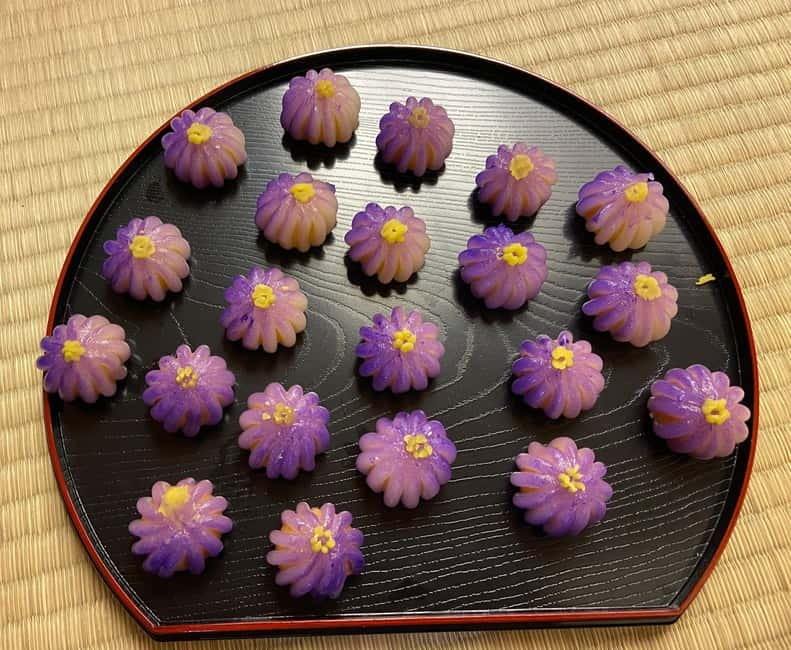
- Sweets are part of the experience: you’ll taste both traditional Japanese sweets and current confectionery.
- Photo and yukata option: you can dress in yukata and get a photo if you choose that add-on.
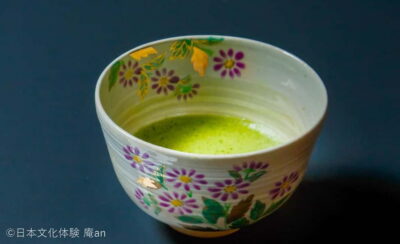
Another bowl whisked slowly in Osaka
Osaka tea ceremony on tatami: the mood and the welcome
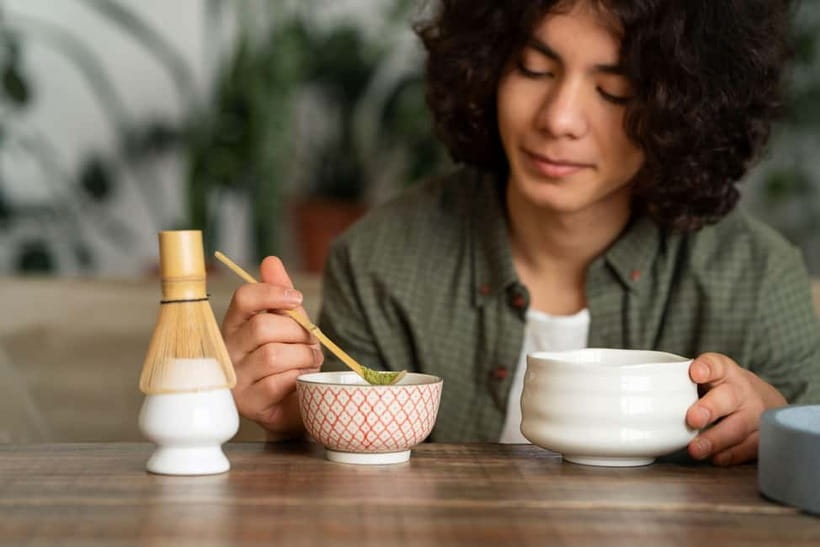
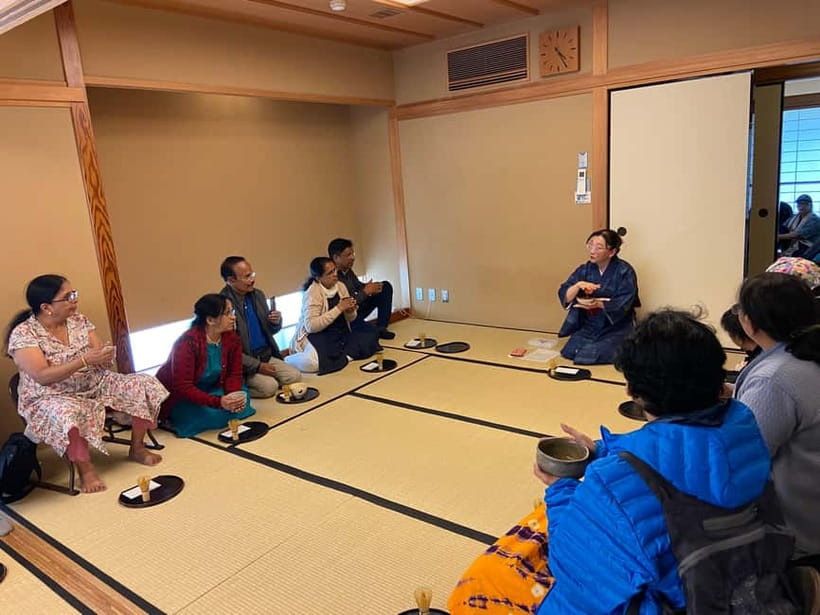
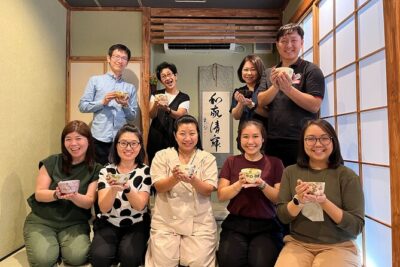
You start in a setting built for calm. The experience takes place in a traditional Japanese tatami room, where you’ll sit close enough to see every motion. The whole point is focus, not performance for strangers, and that makes it feel more personal than a typical “show.”
Meeting is straightforward: you’ll find the group at the Underground Midosuji Line, Exit 3 (ground floor). From there, you’ll be welcomed by an English-speaking tea master who guides you through what’s happening and why.
You may notice the tone right away: the tea master keeps things orderly and respectful, and they expect the same from you. It’s a good fit if you like structure, and a little less ideal if you’re looking for loud, social chaos.
Making matcha: etiquette you’ll actually use
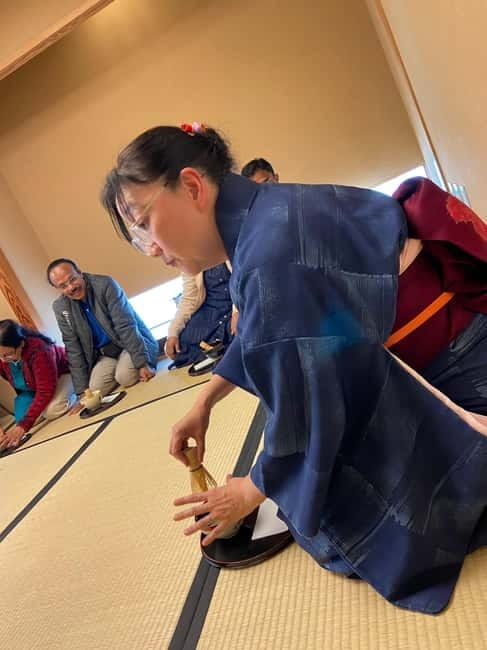
The ceremony begins with matcha, the powdered green tea associated with tea ceremony culture. First you watch the tea master prepare matcha, so you can see the technique before you try it. This matters because matcha isn’t just “stir and drink.” The way it’s whisked changes the texture and the feel in the cup.
Then it’s your turn. You’ll learn how to make tea according to tea ceremony etiquette, step-by-step, with instruction as you go. If you’ve ever wondered why certain movements look slow or precise, this is where it clicks. You’re not trying to impress anyone; you’re building calm rhythm and control.
A key part of the experience is the explanation during the process. The tea master talks about the history and spiritual role of the tea ceremony while you participate. That’s what turns the “how” into something you can remember later, instead of forgetting after a quick photo.
One practical note: because it’s a seated tatami experience, you’ll want to dress comfortably for sitting on the floor and moving carefully when needed. You don’t need special gear; just be ready for a quieter, more traditional pace.
Traditional sweets with matcha: a taste check for balance
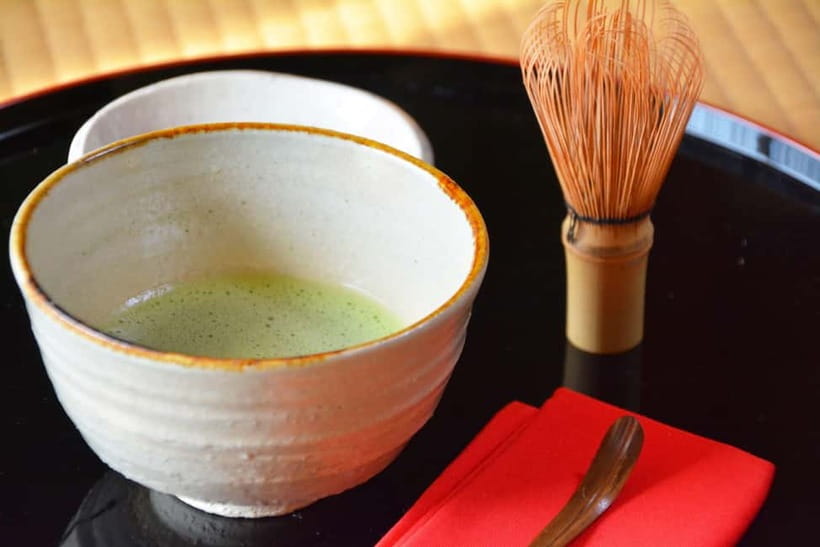
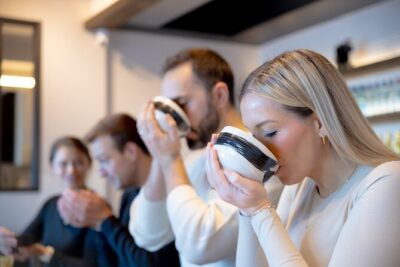
After matcha preparation, you’ll taste traditional Japanese sweets. This isn’t filler. In tea culture, sweets often act as a counterpoint to the tea’s bitterness and grassy flavor.
If you’re sensitive to sweet flavors, start by taking small bites. If you like contrast, pay attention to how the sweetness changes what you think of the matcha. The experience gives you enough time to taste rather than rushing you through.
If you have food allergies, this is the big consideration. The experience explicitly notes that people with food allergies should not eat the sweets and confectionery. That likely means you should skip the experience entirely if you can’t safely manage the sweet component.

The tea master’s story: why the ritual matters
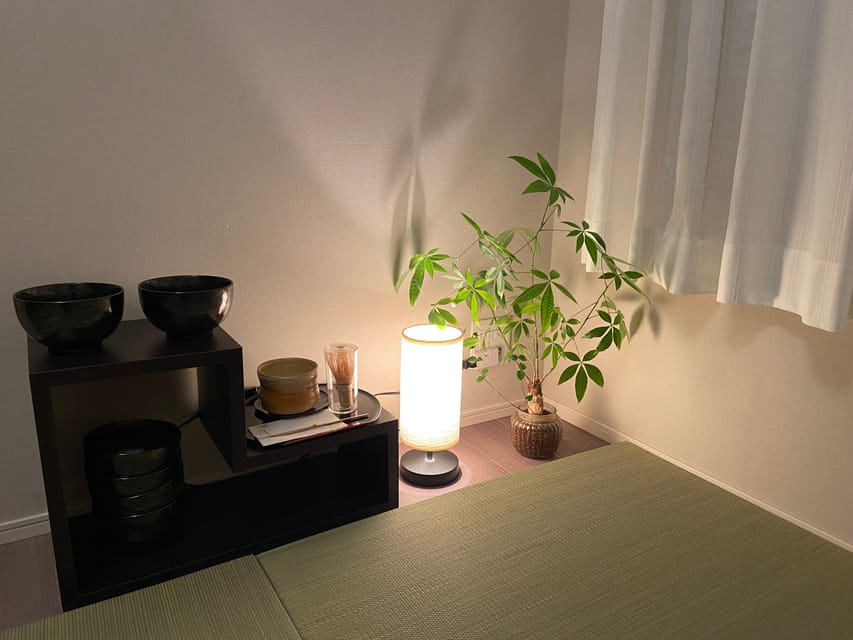
This tour doesn’t stop at instructions. The tea master explains the tea ceremony’s background and spiritual role, tying the steps to meaning. That context is valuable because it helps you understand what you’re seeing—especially if you’ve only experienced tea as a drink, not as a practice.
During the session, you’ll likely hear how the ceremony’s focus on respect, presence, and etiquette became part of Japanese culture over time. Even if you don’t memorize every detail, you’ll leave with the sense that the ritual is designed to slow you down and make you notice.
I also like that the tone is guided rather than preachy. It’s more “here’s what this means and how to do it” than “you must believe this.” That makes it easier to enjoy, even if you’re new to tea.
Switching to sencha: a more everyday kind of green tea
Next comes sencha, a green tea commonly drunk in Japan today. This part is smart because it shows the contrast between ceremonial matcha and everyday Japanese tea culture.
You’ll taste sencha tea and sweets while the instructor explains sencha’s history and other aspects of the tea. This is a nice change of pace from the heavier symbolism of matcha ceremony. Sencha feels more relaxed, but you still get structure in how the instructor talks you through flavor and tradition.
The sencha portion also includes tasting “current Japanese confectionery,” so you get variety in sweetness and texture. If you enjoy sampling Japanese treats, this is where you’ll get extra value because it’s not only one type of sweet.
If you’re the type who likes to leave with practical memory, focus on your comparison: how sencha tastes beside matcha, and how the sweetness pairing feels different. That’s the kind of takeaway that makes tea experiences worth paying for.
Your photo moment and the yukata option
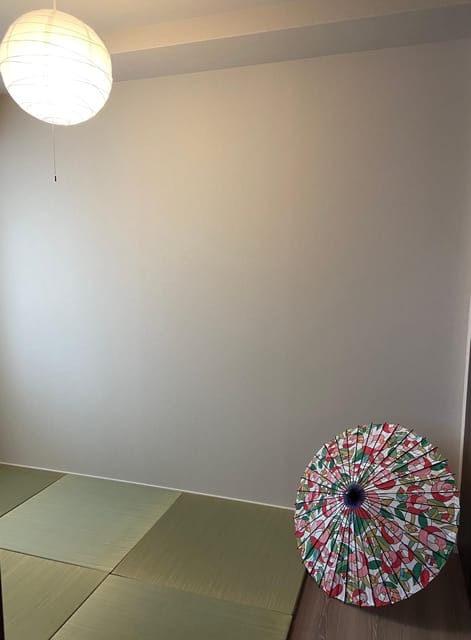
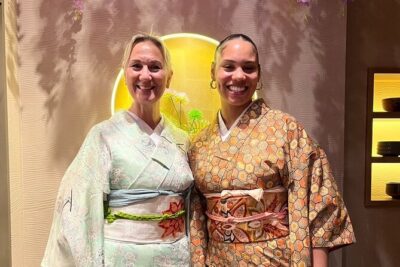
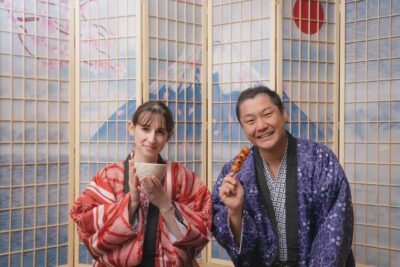
After the tasting and instruction, you’ll have an opportunity to get your photograph taken. If you want the full experience vibe, you can also wear a yukata during the ceremony as an add-on option when booking.
The yukata option is a fun way to lean into the setting. It’s not necessary to enjoy the tea itself, but it can make the experience feel more “complete,” especially if you’re traveling through Japan and want one moment that feels distinctly traditional.
Just keep expectations realistic: the photo is a simple add-on, not a fashion shoot. You’ll get a nice memory, and then you’re on your way.
Price and value: why $25 can make sense here
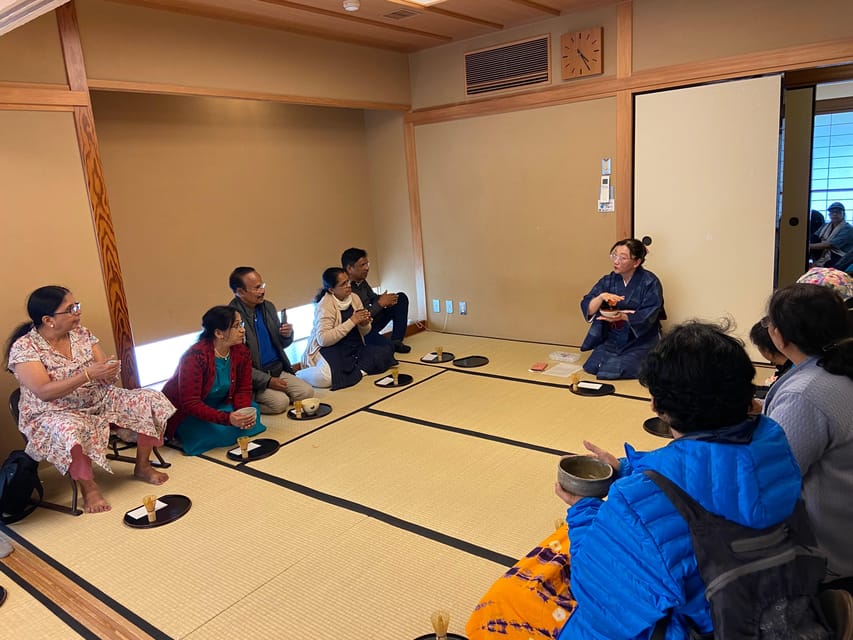
At about $25 per person for a 1-hour experience, this isn’t a cheap ticket, but it also isn’t overpriced for what you’re getting. You’re paying for more than a tasting: you’re paying for guided instruction, hands-on matcha making, and the structured pairing of sweets with two tea styles.
The value comes from three things:
- You’re not just watching. You’re participating in matcha preparation.
- You learn context from the tea master, including the ceremony’s history and spirit.
- You taste both matcha and sencha, plus multiple kinds of sweets.
Also, it’s only an hour. That helps if you’re on a tight schedule in Osaka. You can fit this into a day of sightseeing without losing a whole morning or evening.
Who this experience is perfect for
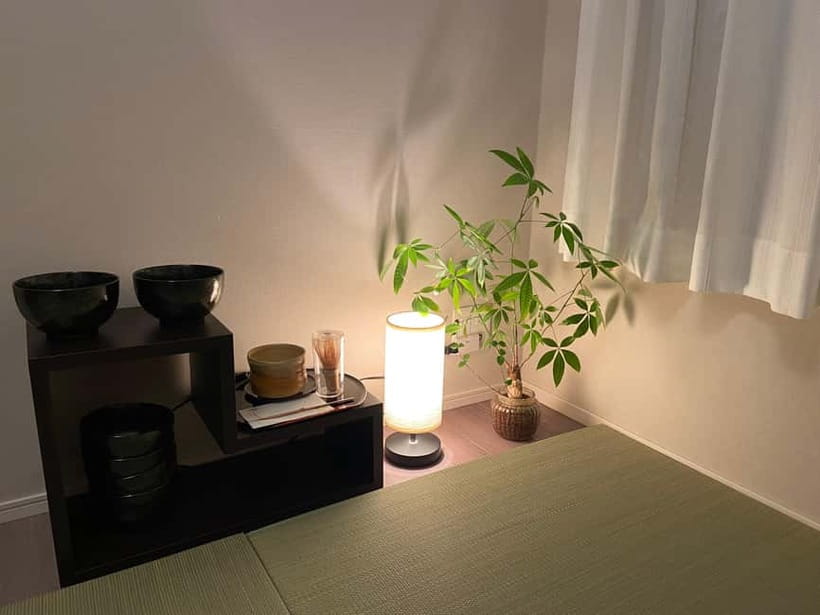
This works best if you want a calm cultural moment with real technique. I’d steer you toward it if you:
- enjoy small, focused experiences where you learn something you can repeat at home
- like tea, but want a clearer understanding of matcha vs sencha
- appreciate etiquette and the meaning behind traditions
- want an easy add-on experience in Osaka that doesn’t require advanced planning
It’s also a good choice if you’ve been sightseeing all day and want to shift gears. Tea ceremony time feels like a reset button: quieter, slower, and surprisingly memorable.
Who should skip it
If any of these apply, you should think twice:
- Food allergies: the sweets are part of the experience, and the tour notes that people with food allergies should not eat the confectionery.
- Wheelchair users: it’s noted as not suitable for wheelchair users, likely because tatami and floor seating can be difficult.
- If you dislike strict etiquette or sitting calmly: this is not a casual walk-up tasting. It’s a guided ritual.
Also, the experience isn’t set up for parties focused on noise or disruptive behavior, and it follows house rules like no smoking and no alcohol/drugs. It’s designed to stay respectful.
FAQ
FAQ
How long is the Osaka matcha and sencha tea ceremony?
The experience lasts about 1 hour.
What teas are included?
You’ll taste matcha green tea and then sencha green tea as part of the session.
Are Japanese sweets included?
Yes. You’ll have traditional Japanese sweets with matcha and current Japanese confectionery with sencha.
Can I wear a yukata?
Yes, a yukata can be rented separately. If you want it, you select the yukata option when booking.
Will the tea master speak English?
Yes. The instructor is listed as English and Japanese.
Where is the meeting point?
You meet at the Underground Midosuji Line, Exit 3 on the ground floor.
Is there an option for a photo?
Yes. After the experience, you’ll have the opportunity to get your photograph taken.
What about food allergies?
The experience notes that persons with food allergies should not eat the Japanese sweets and confectionery, so it may not be suitable if you can’t safely participate.
Is it wheelchair accessible?
No, it’s listed as not suitable for wheelchair users.
Should you book this Osaka tea ceremony?
If you want one hour in Osaka that’s calm, hands-on, and culturally specific, I’d book it. The big reason is the combo of guided matcha technique, a tea master’s explanation, and then a second tasting with sencha so you understand both ceremonial and everyday tea traditions.
Just be honest about the limits: if you have food allergies or you need wheelchair access, it probably won’t work for you. But if you’re flexible, comfortable sitting on tatami, and excited to learn etiquette instead of only watching, this is a strong value at $25.
More Tour Reviews in Osaka
- Osaka Go Karting Tour with Funny Costume★ 5.0 · 2,658 reviews
- Osaka Castle: Museum and Tower Entry Ticket★ 4.5 · 2,380 reviews
- Osaka: Shinsekai Food Tour with 13-15 Dishes at 5 Eateries★ 4.8 · 2,204 reviews
- Osaka Food Tour: 13 Dishes at 5 Local Eateries★ 5.0 · 2,149 reviews
- Hungry Osaka Street Food Tour:15 Tastings & 3 Drinks with a Local★ 5.0 · 1,727 reviews
Matcha, Whisked and Poured
- Osaka: Tea Ceremony Experience★ 4.9 · 1,426 reviews
- Tea Ceremony Experience in Osaka Doutonbori★ 5.0 · 754 reviews
- Matcha Making Class in Osaka with Authentic Japanese Sweets Set★ 5.0 · 509 reviews
- Osaka: Matcha Making Experience with Japanese Sweets★ 5.0 · 146 reviews
- Osaka: Tea Ceremony, Calligraphy, and Kimono Experience★ 4.9 · 130 reviews
The Newest Osaka Write-Ups
- Private Photoshoot in Osaka with a Professional Photographer
★ 5.0 · 3 reviews - Osaka Early Morning Osaka Castle Tour Avoid Crowds
★ 5.0 · 3 reviews - Nara Private Tour with Pick and Drop and English Speaking Driver
★ 3.5 · 3 reviews - Osaka: Modern Vegetarian Sushi Cooking Class
★ 5.0 · 3 reviews - Nara Day Trip from Osaka with a Licensed Guide
★ 5.0 · 3 reviews
Osaka Tea Ceremony & Matcha, compared.
 ★ 4.9Tea Ceremony ExperienceFrom $251,426 reviews
 ★ 5.0Tea Ceremony Experience in Osaka DoutonboriFrom $20754 reviews
 ★ 5.0Matcha Making Class in Osaka with Authentic Japanese Sweets SetFrom $21509 reviews
 ★ 5.0Matcha Making Experience with Japanese SweetsFrom $22146 reviews
 ★ 4.9Tea Ceremony, Calligraphy, and Kimono ExperienceFrom $96130 reviews
 ★ 4.7Japanese Traditional Sweets Making and Tea CeremonyFrom $18118 reviews
 ★ 4.9Osaka Temple Cool Foot Bath & Matcha Experience〈45min〉From $3482 reviews
 ★ 5.0Samurai Show, Tea Ceremony, Japanese Traditional ActivitiesFrom $4456 reviews
Browse the lists this tour appears in