
Reviewed · DOTONBORI & NAMBA TOURS
Osaka Dotonbori: Vegan/Vegetarian Sushi Making Experience
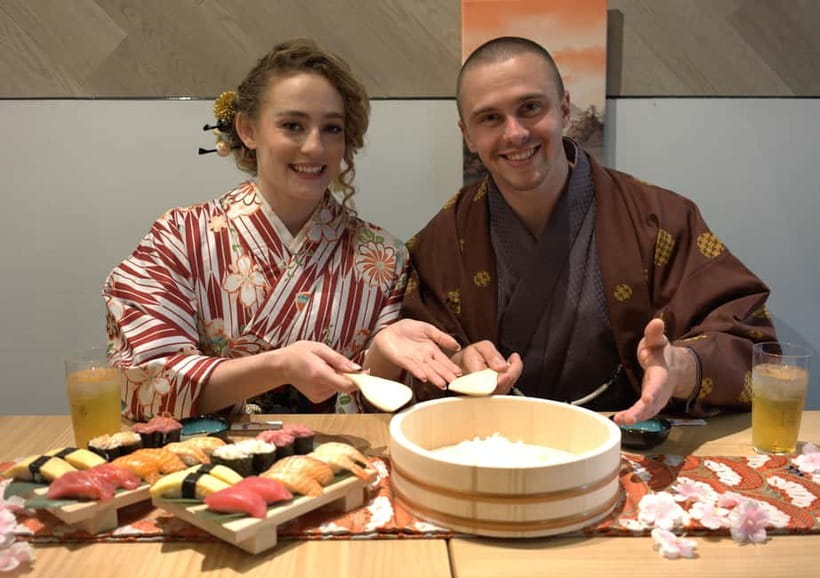
Making vegan sushi in Dotonbori is unexpectedly fun. This hands-on class has you learn the core moves of sushi—shari (vinegared rice), topping (neta), and hand-shaping—then you sit down with what you made, plus Japanese sake. It’s also one of the most popular sushi-making experiences in this area, which matters because you’re joining something that runs smoothly and attracts first-timers.
I especially like the full package for the price: you make 12 pieces and get to eat them with sake, not just watch. The other big win is the personality of the instruction—trainers including Yumiko and Makoto are specifically praised for making it easy to follow while staying upbeat. One possible drawback: the class is only 90 minutes, so you’ll get a great intro, but you won’t walk away feeling like you could take over a sushi shop.
You’ll also see the playful side of Japanese food culture here. There’s sushi cosplay and a photo session, and the experience wraps with a certificate of “sushi master,” so you leave with something more memorable than a full stomach.
In This Review
- Key things to know before you go
- Why Dotonbori sushi feels like more than a cooking class
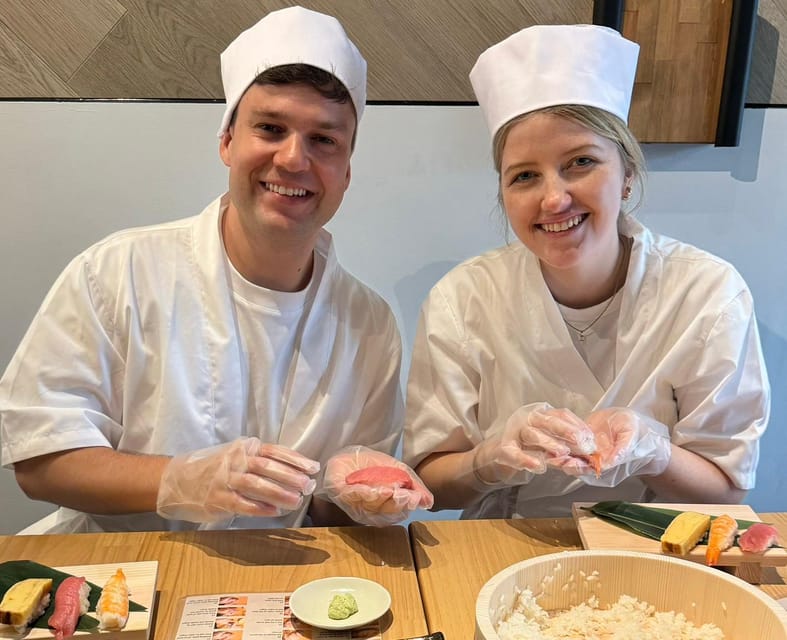
- What you make: a full set of 12 vegan or vegetarian sushi pieces
- Step 1: making shari (vinegared sushi rice) the way sushi requires
- Step 2: shaping the base, then building sushi like a pro
- Step 3 and 4: neta with wasabi, then final hand formation
- Sushi cosplay, photos, and your sushi master certificate
- Sake with what you made: the payoff moment
- Vegan and halal sushi: how the class supports dietary needs
- Is $45 worth it for 90 minutes and a full sushi set?
- Who this sushi class is perfect for
- How to get the best results in your first sushi attempt
- Should you book this Osaka Dotonbori vegan sushi class
- FAQ
- How long is the vegan/vegetarian sushi making experience in Osaka Dotonbori?
- How many sushi pieces do I make?
- Is the class vegan or vegetarian friendly?
- Is halal sushi available?
- Is the instructor available in English?
- What is included besides the sushi making?
- Do I get to eat the sushi I make?
- Is there an option to reserve and pay later?
- Is it possible to cancel for a refund?
- Is the experience wheelchair accessible?
Key things to know before you go
- 12 pieces made by you: you shape your own sushi from start to finish
- Clear step-by-step format: shari vinegar rice, then rice-ball shaping, then neta assembly
- Sushi-cosplay and photos included: you’ll dress up and get picture time
- Vegan and halal sushi available: vegetable ingredients for your set of pieces
- English instruction: you can follow the process comfortably
- Sake with your sushi: a Japanese touch that fits the theme of the class
Back under the Glico sign: more Dotonbori runs


Why Dotonbori sushi feels like more than a cooking class
Dotonbori is famous for neon, street energy, and food on every corner. This experience turns that vibe into something practical: instead of only eating your way through Osaka, you build your own sushi right in the middle of the action. That’s why this class works so well for short trips. It’s compact, structured, and genuinely hands-on.
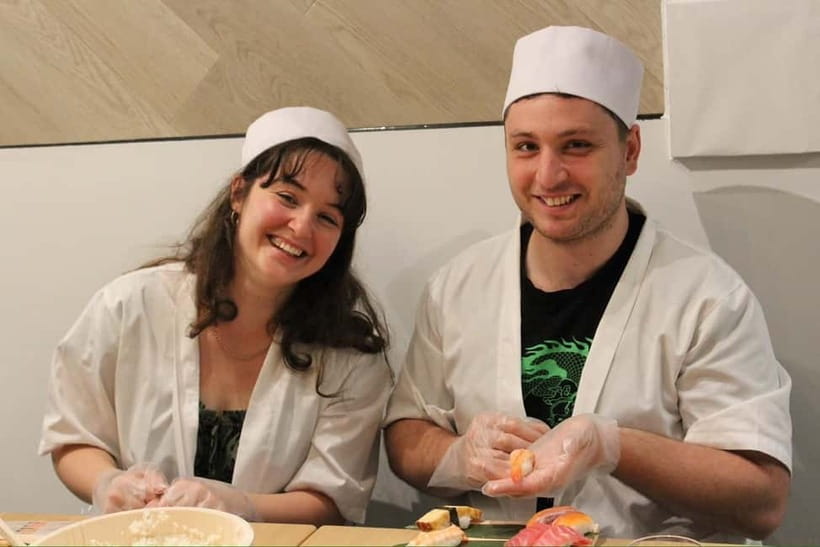
The format also keeps you engaged. You’re not stuck watching someone else do the hard parts. You’re shaping rice, combining toppings, and using your fingers to create the final sushi. Then you get to taste your results immediately. That feedback loop is a big part of why people leave happy and a little proud.
It’s also surprisingly cultural in a simple way. The instructors explain what sushi is, the ingredients, and the method behind making sushi, so you’re not just copying steps—you’re learning the logic of the dish. And yes, the cosplay and photos add a lighthearted twist that makes the whole thing feel like an Osaka activity, not a generic workshop.
What you make: a full set of 12 vegan or vegetarian sushi pieces
The class is built around producing a set of 12 sushi pieces, which is the right number for a 90-minute session. You’re guaranteed a solid amount of food, and you can expect to taste what you made instead of taking a token bite and moving on.
You’ll also be working with vegetable ingredients. The experience states that vegan and halal sushi are available, so if you’re avoiding fish or looking for halal-friendly choices, this is designed for that. In other words, you’re not likely to end up with a sad “modified” option that doesn’t feel like sushi.
You’ll learn the sushi workflow in order. First comes shari, then shaping, then adding the topping, then forming the final pieces. That progression matters because sushi is all about balance—vinegared rice texture, correct topping placement, and a firm-but-not-squashed shape.
Step 1: making shari (vinegared sushi rice) the way sushi requires
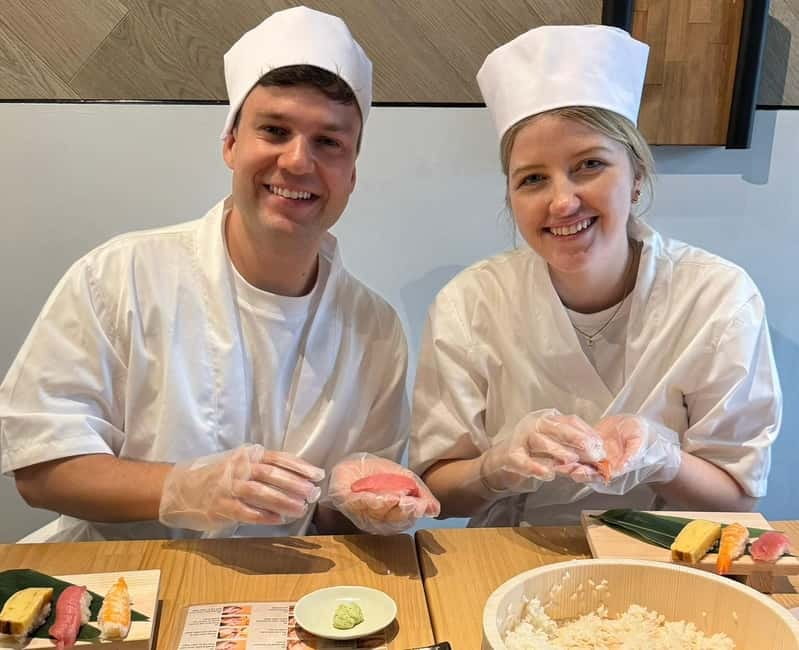
Sushi starts with the rice. In this class, you pour sushi vinegar over the rice and work it into the shari. It sounds simple, but this is where sushi gets its signature feel. The vinegar does more than flavor—it helps create that slightly glossy, seasoned rice texture you want for sushi that holds together.
Then you move to shaping. You’ll make rice balls and shape them into the base for your sushi pieces. This is where many first-timers get nervous, but the class is designed for beginners. The instructors explain what you’re aiming for, and they guide you while you work so you don’t end up with rice that’s either too loose or packed too tight.
If you’ve never made rice-based food with the goal of holding shape, pay attention to the instructor’s pacing and technique. The rice stage is the foundation for everything that follows. Get the shari comfortable in your hands, and the rest feels easier.
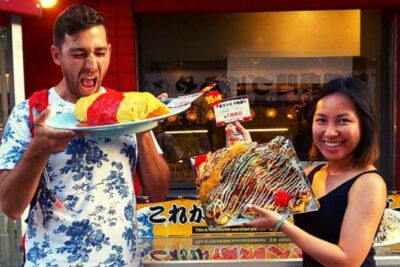
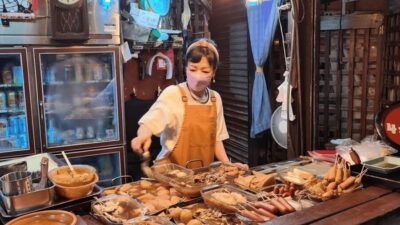
Come hungry: more eating your way through Osaka


Step 2: shaping the base, then building sushi like a pro
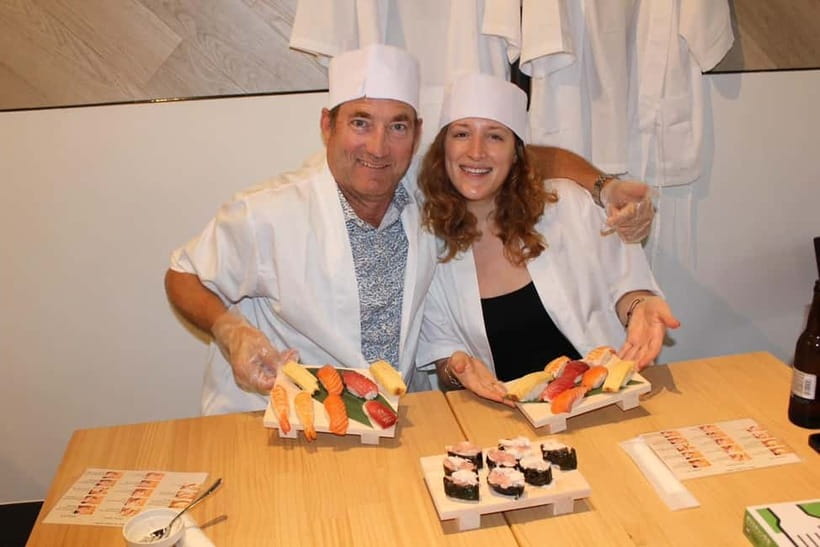
Once your rice base is formed, you’re ready for the next action: bringing toppings into the picture. The class teaches you how to combine your topping setup with the shari so the sushi can be both stable and pleasant to eat.
Here’s the key move: the instructor shows you how to shape and assemble using your fingers. That hand-shaping step is more than theatrics. It’s how sushi traditionally gets formed, and it’s also how you learn control—how much pressure to use, how to align topping and rice, and how to create clean, bite-sized pieces.
This is where the class earns its reputation as beginner-friendly. English instruction means you can follow the method without constantly guessing. And the tone in the room is part of it: trainers like Yumiko and Makoto are repeatedly praised for being fun and supportive, so you don’t feel awkward if you get a step wrong.
Step 3 and 4: neta with wasabi, then final hand formation
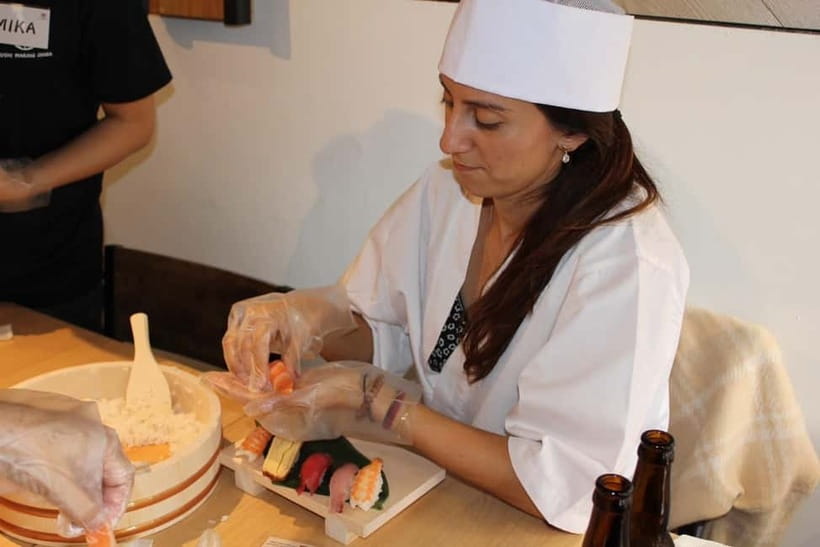
Now comes the toppings, or neta. In the class flow, you put wasabi on the neta and then combine the neta with the shari. That might sound like a small detail, but it changes the whole eating experience—wasabi should be part of the bite, not just an extra side condiment.
After that, you shape the sushi using fingers until each piece looks right and holds together. You’re basically doing the final craft step: rice + topping + form. If you’ve ever wondered why sushi chefs are so particular, it’s this stage. A little too much pressure can make sushi feel dense; too little, and it can fall apart.
Because the class is explicitly teaching the steps, you’re not left to figure it out alone. You’re following an order that mirrors how sushi is assembled, then you adjust by feel as you go.
Sushi cosplay, photos, and your sushi master certificate
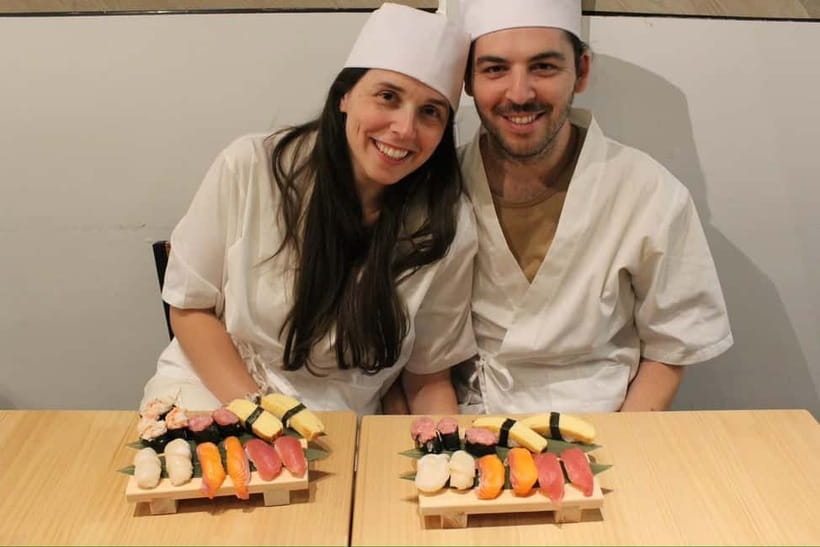
Not every cooking class gives you a chance to dress up. Here, sushi cosplay is included, and there’s also a photo session. That turns your “I made sushi” moment into an actual Osaka memory you can take home.
The photo time matters more than it sounds. When you’re learning a hands-on skill, people often focus so hard they forget to enjoy the moment. Getting dressed and taking pictures gives you permission to stop, smile, and treat it like an experience, not a test.
You’ll also receive a certification of sushi master. It’s a fun souvenir, but it also reinforces what the class is trying to do: make you feel like you learned the fundamentals, not just that you ate something good.
There’s even mention of a special gift. That kind of extra is usually where the experience starts to feel like it was built for travelers, not only locals.
Sake with what you made: the payoff moment
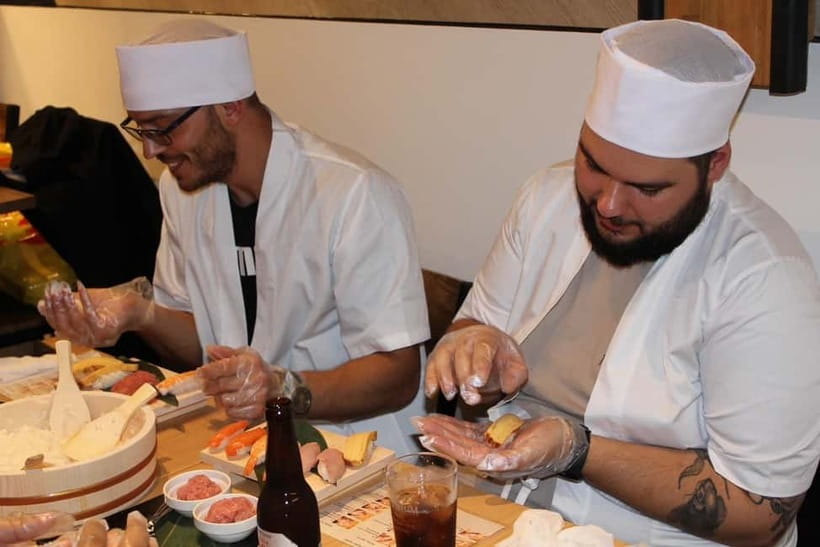
After you finish shaping, the class includes Japanese sake with your sushi pieces. This is a real part of the value, because it turns your work into a meal with a theme, not a snack.
Sake also fits the learning. Sushi has deep ties to Japanese food culture, and pairing it with sake helps you understand why people treat sushi as an event. It’s not only about the ingredients—it’s about the ritual and timing.
One practical note: since you’re making 12 pieces and eating them, pace yourself. You’ll likely want to taste while you’re still in learning mode, but don’t rush through everything just because the sake is there.
Vegan and halal sushi: how the class supports dietary needs
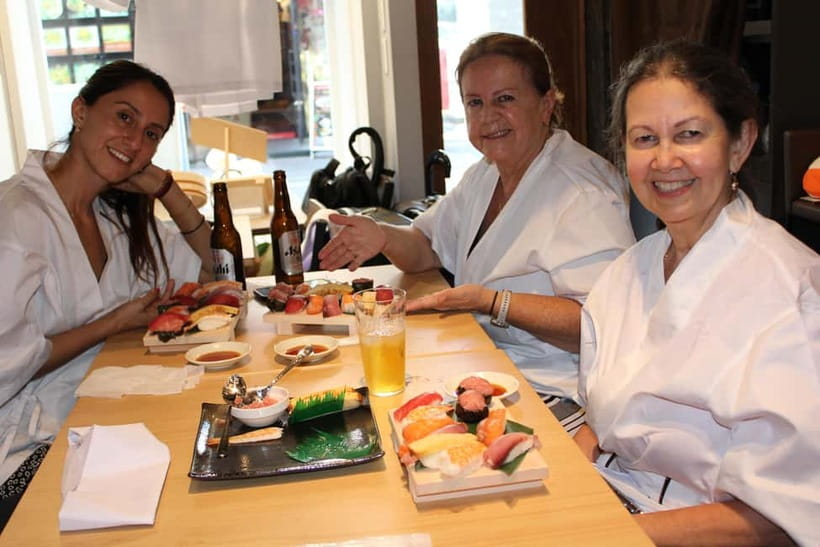
This experience explicitly offers vegan and halal sushi options, and it states it includes vegetable ingredients for 12 pieces. That’s a big deal if you’ve struggled to find sushi that fits your diet while still tasting like real sushi.
I like that it’s not framed as a “maybe” option. The class is set up with dietary restrictions in mind, and the experience is clear about vegan/halal availability. In addition, instructors and staff are described as helpful with dietary variety, including cases where one person was halal and another was vegan in the same group.
If you have a strict dietary need, this is the kind of activity where you can feel confident you’re not improvising your own substitutions. You’re still doing the same sushi steps—rice, toppings, hand shaping—just with ingredient sets designed for your needs.
Is $45 worth it for 90 minutes and a full sushi set?
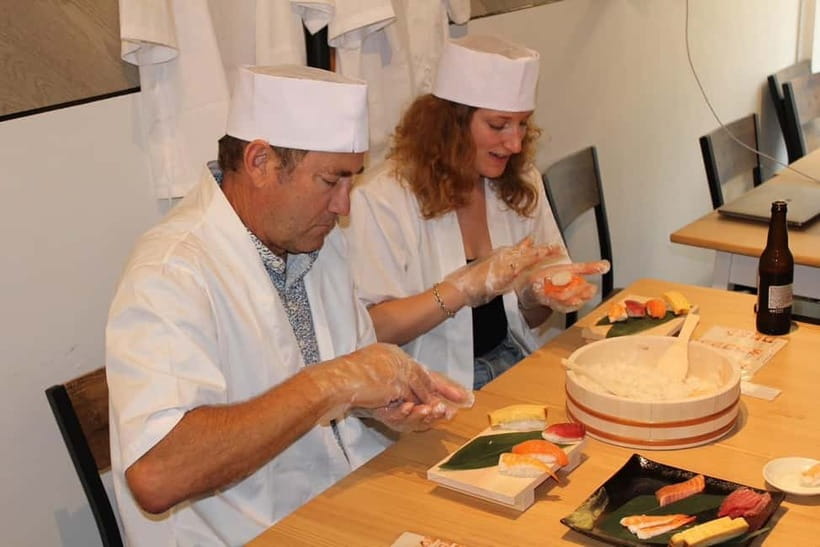
Let’s look at the value plainly. The price is $45 per person for 90 minutes, and you get:
- all vegetable ingredients for 12 pieces of sushi
- sushi cosplay plus a photo session
- Japanese sake
- English instruction
- a sushi master certificate
For many Osaka food activities, you end up paying for something that’s mostly eating or mostly watching. Here, you’re doing both: you make a full set of pieces and you eat them. That’s why the price feels fair instead of inflated.
Also, the “included” extras matter. Cosplay and photos add to the experience cost, and the certification gives you a tangible souvenir. When you add those to sake and instruction, the $45 starts to look like it’s buying you time, guidance, and a story you can bring home.
Who this sushi class is perfect for
This class suits a few clear types of travelers.
First, it’s ideal if you want a hands-on Osaka activity that doesn’t require advanced cooking skills. The steps are taught in order—shari, shaping, neta with wasabi, then final form—so you can follow even if you’ve never touched sushi rice.
Second, it’s a strong pick for people traveling with mixed diets. Vegan and halal sushi availability means you can bring friends or family without splitting the day into separate plans.
Third, it can work for families. The experience mentions it’s great for children, and there’s at least one specific mention of a 2-year-old enjoying the setup. If you’re traveling with kids, this kind of interactive format often beats a sit-and-wait meal.
Finally, it’s a smart choice if you care about English instruction. You can follow the process without barriers, which makes the learning part actually land.
How to get the best results in your first sushi attempt
You don’t need sushi chef instincts. But you can improve your odds of making sushi that looks and tastes right.
I recommend going in with patience during the rice stage. The vinegar-rice step is where technique matters most, and you’ll likely adjust after your first attempt. When the instructor is demonstrating shaping, watch closely, then copy the motion rather than rushing to make your own version.
When you add wasabi to the neta, don’t overthink it. Follow the instructor’s guidance so the flavor lands in the bite the way sushi is meant to. And keep your fingers light during final shaping. You want firm enough to hold, not tight enough to crush.
Also, take advantage of the moment to get photos while you’re still in your cosplay outfit. It’s easier to coordinate that when you’re not tired or hungry.
Should you book this Osaka Dotonbori vegan sushi class
Book it if you want an Osaka experience with real structure: make 12 sushi pieces, eat them with sake, and leave with a sushi master certificate. It’s especially worth your time if you’re vegan, vegetarian, or looking for halal sushi in a class format that still teaches the fundamentals.
Skip it if you’re chasing a long multi-course meal or a deep, professional-level training session. This is an intro workshop that delivers a fun, learn-by-doing outcome within 90 minutes.
If you’re in Dotonbori and you want a memorable activity that’s more than just eating, this one fits the bill.
FAQ
How long is the vegan/vegetarian sushi making experience in Osaka Dotonbori?
The experience lasts 90 minutes.
How many sushi pieces do I make?
You make 12 pieces of sushi.
Is the class vegan or vegetarian friendly?
Yes. Vegan and vegetarian sushi are part of the experience, and it includes vegetable ingredients for the 12 pieces.
Is halal sushi available?
Yes. Halal sushi is available.
Is the instructor available in English?
Yes. The instructor teaches in English.
What is included besides the sushi making?
You also get sushi cosplay, a photo session, Japanese sake, and a certification of sushi master (plus a special gift is mentioned).
Do I get to eat the sushi I make?
Yes. You enjoy the sushi you make during the experience.
Is there an option to reserve and pay later?
Yes. You can reserve now and pay later.
Is it possible to cancel for a refund?
Yes. Free cancellation is available up to 24 hours in advance for a full refund.
Is the experience wheelchair accessible?
Yes, it is wheelchair accessible.
Cook It Yourself in Osaka
- Sushi Making Osaka Roll and Authentic Japanese Sushi Class★ 5.0 · 1,220 reviews
- Osaka: Five Must-See Highlights Walking Tour & Ramen Lunch★ 4.7 · 411 reviews
- Osaka Sushi Making Experience★ 5.0 · 400 reviews
- Osaka: Ramen and Gyoza Cooking Class in Dotonbori★ 5.0 · 378 reviews
- Osaka: Sumo Stage Show with Bento or Snack + Fight & Photo★ 4.3 · 364 reviews
The Kuidaore List: Eat More of Osaka
- Osaka: Shinsekai Food Tour with 13-15 Dishes at 5 Eateries★ 4.8 · 2,204 reviews
- Osaka Food Tour: 13 Dishes at 5 Local Eateries★ 5.0 · 2,149 reviews
- Hungry Osaka Street Food Tour:15 Tastings & 3 Drinks with a Local★ 5.0 · 1,727 reviews
- Deep Backstreet Osaka Tours (Option to add Dinner)★ 5.0 · 1,290 reviews
- Osaka Local Foodie Walking Tour in Dotonbori and Shinsekai★ 5.0 · 985 reviews
Dotonbori and Namba, Round Two
- Osaka Local Foodie Walking Tour in Dotonbori and Shinsekai★ 5.0 · 985 reviews
- Osaka: Dotonbori District River Cruise with Drink Discount★ 4.2 · 876 reviews
- Ultimate Osaka Walking Tour: Castle, Dotonbori & Hidden Gems★ 5.0 · 862 reviews
- Tea Ceremony Experience in Osaka Doutonbori★ 5.0 · 754 reviews
- Osaka: Namba Pub Bar Crawl with a Local Guide★ 4.9 · 424 reviews
The Newest Osaka Write-Ups
- Private Photoshoot in Osaka with a Professional Photographer
★ 5.0 · 3 reviews - Osaka Early Morning Osaka Castle Tour Avoid Crowds
★ 5.0 · 3 reviews - Nara Private Tour with Pick and Drop and English Speaking Driver
★ 3.5 · 3 reviews - Osaka: Modern Vegetarian Sushi Cooking Class
★ 5.0 · 3 reviews - Nara Day Trip from Osaka with a Licensed Guide
★ 5.0 · 3 reviews
Dotonbori & Namba Tours, compared.
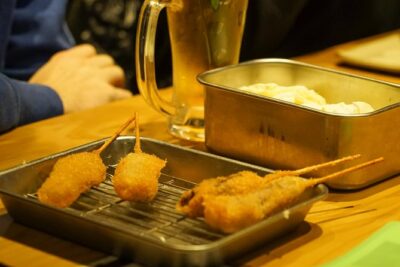 ★ 5.0Osaka Local Foodie Walking Tour in Dotonbori and ShinsekaiFrom $111985 reviews
 ★ 4.2Dotonbori District River Cruise with Drink DiscountFrom $12876 reviews
 ★ 5.0Ultimate Osaka Walking Tour: Castle, Dotonbori & Hidden GemsFrom $73862 reviews
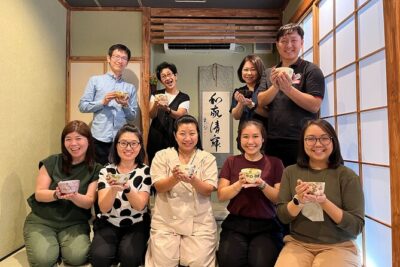 ★ 5.0Tea Ceremony Experience in Osaka DoutonboriFrom $20754 reviews
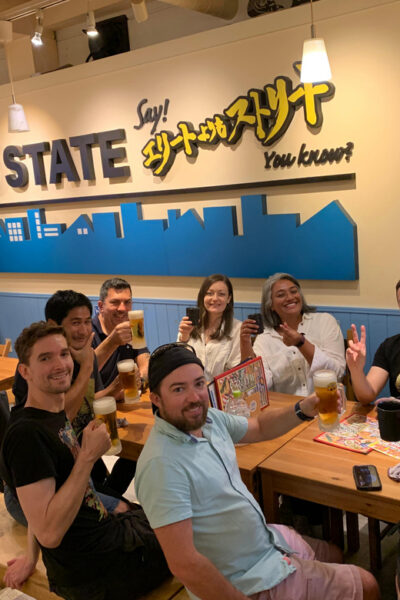 ★ 4.9Namba Pub Bar Crawl with a Local GuideFrom $30424 reviews
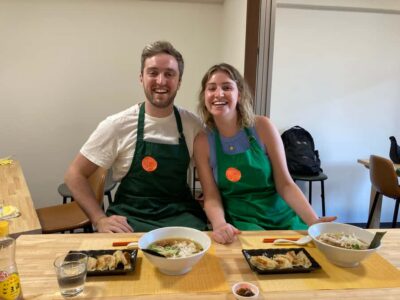 ★ 5.0Ramen and Gyoza Cooking Class in DotonboriFrom $70378 reviews
Dotonbori River Cruise with Glico Sign & Neon ViewsFrom $12376 reviews
★ 5.0Ramen and Gyoza Cooking Class in DotonboriFrom $70378 reviews
Dotonbori River Cruise with Glico Sign & Neon ViewsFrom $12376 reviews
 ★ 3.9Dotonbori’s Bridges 20-Minute CruiseFrom $12303 reviews
Browse the lists this tour appears in