
Reviewed · DOTONBORI & NAMBA TOURS
Osaka Dotonbori: Hand Roll Sushi Experience
Sushi beside Dotonbori’s lights. This hand-roll sushi experience in the heart of Osaka pairs tatami room river views with a guided, hands-on lesson that starts with sushi basics and builds to your own rolls. The star moment is the real wasabi tasting, where you get to experience its aroma and heat the way it’s meant to be.
What I like most is that you’re not just watching. You learn how sushi rice comes together (including how vinegar mixing changes the flavor), and then you actually make your hand rolls with help from the chef and assistant. One thing to consider: you may not be able to choose every fish selection, so if you have strict favorites or dislikes, it’s worth thinking ahead.
In This Review
- Key highlights you’ll care about
- Dotonbori River from a tatami room (and how to find it fast)
- The 2-hour class flow: rice, wasabi, then hand-rolls
- Real wasabi tasting: the aroma and heat lesson you’ll remember
- Sushi rice and vinegar mixing: why the foundation matters
- What you’ll eat during the session (and why it may feel different)
- Price and value: 8,000 yen for a two-hour hands-on workshop
- Atmosphere and service: more guided than chaotic
- What to bring (and how to prep so you enjoy yourself)
- Who should book this hand-roll sushi class
- Should you book Kaisen Monogatari Dotonbori hand-roll sushi?
- FAQ
- What time does the hand-roll sushi experience run?
- Where is the meeting point?
- Is the location easy to find in Dotonbori?
- What’s included in the price?
- Are there meals included?
- Is there language support in English?
- What should I bring?
- Do I need to bring my own sushi supplies?
Key highlights you’ll care about
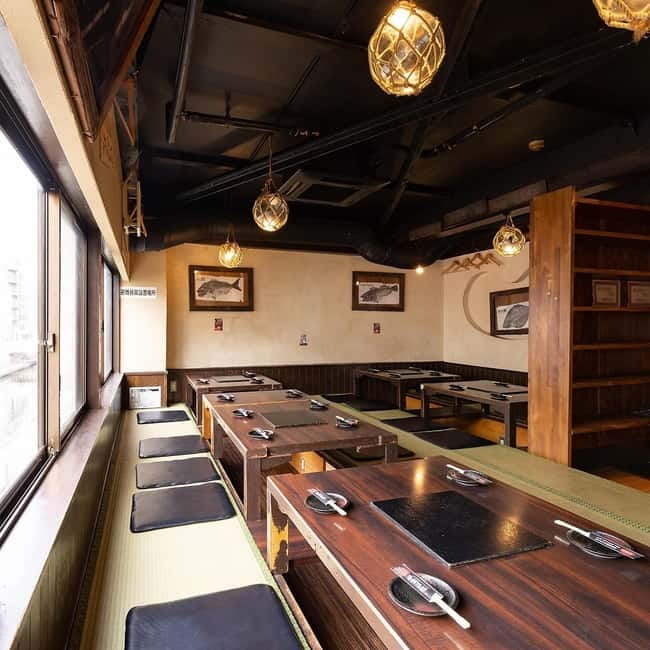
- Dotonbori River views from tatami: a calmer room in a loud, famous neighborhood
- Real wasabi tasting: aroma and spiciness are part of the learning
- Sushi rice technique: vinegar mixing is taught, not guessed
- Hands-on hand-roll building: you do the shaping and assembly
- Friendly English-speaking team: lots of guidance while you work
- Chef touches: you might even get a special homemade soy sauce pairing
Back under the Glico sign: more Dotonbori runs


Dotonbori River from a tatami room (and how to find it fast)
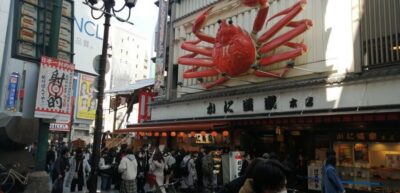
This experience is built around a very Osaka kind of contrast. You’re steps from the energy of Dotonbori, with its neon and river scenes, but you’ll take your seat in a tatami room with a view—the kind of setting that makes the class feel focused even when the street below is busy.
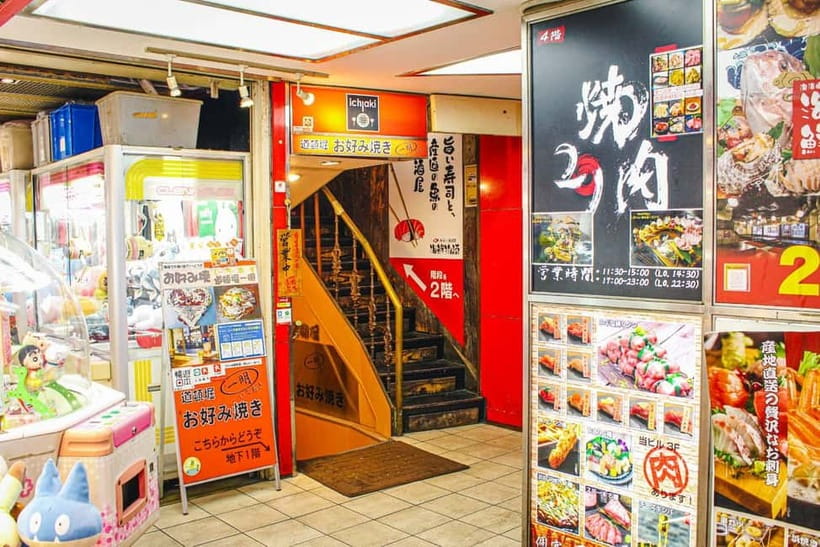
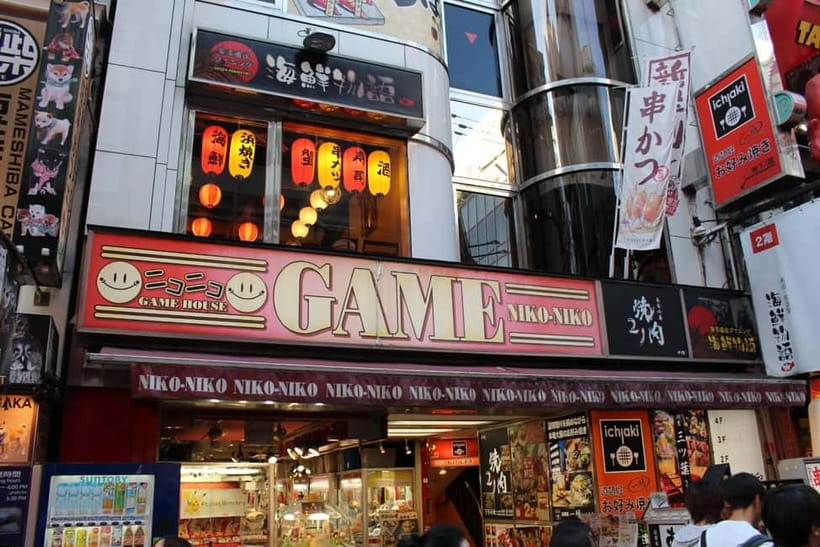
The location is on the 2nd floor of the Nico Building at 1-6-12 Dotonbori, Chuo-ku, Osaka. The entrance is on the main street (so you’re not hunting through back alleys), and there’s a game arcade on the first floor. That’s a small detail, but it helps: you’ll know you’re in the right building when you see that arcade area downstairs.
If you’re arriving a little early, you’ll still have a chance to orient yourself. Dotonbori is easy to get pulled into, so I like the “arrive, find the building, then go upstairs” pace this setup encourages.
The 2-hour class flow: rice, wasabi, then hand-rolls
Sessions run twice a day at 12:00 pm and 2:00 pm, and each one lasts about two hours. That matters because this isn’t a half-day excursion—it’s a tight, practical workshop. You’ll get instruction, but it moves along at the pace of making food, not just learning names.
Here’s the typical rhythm you should expect:
First, you get an intro to sushi. It’s not abstract. You’ll learn what matters—like how rice texture, seasoning, and technique change the final bite.
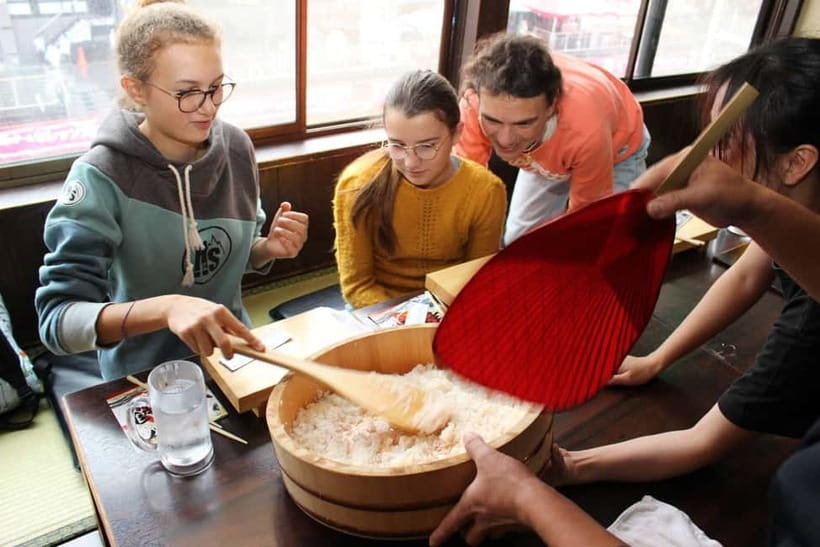
Next comes the sushi rice session. You’ll learn the flavor logic behind Japanese sushi rice, including the art of mixing vinegar. Even if you’ve eaten sushi before, this is the step that helps you understand why your roll tastes different when the rice is right versus when it’s too bland or too heavy.
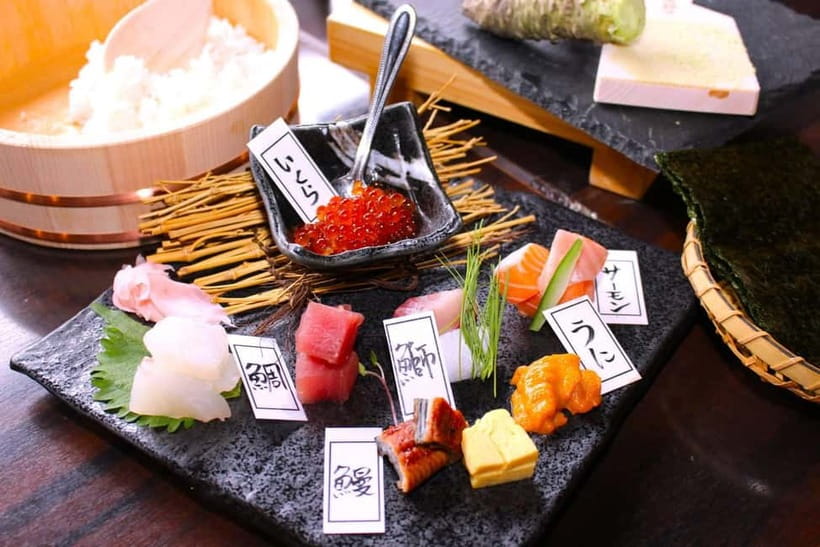
Then it’s time for the part many people talk about: wasabi tasting. You’ll taste real wasabi and pay attention to its aroma and spiciness. This is also a great moment for questions, because the chef can explain what you should notice while you’re eating.
Finally, you do the main event: a hands-on experience making your own hand-rolled sushi. You’ll shape and assemble your rolls with fresh ingredients and guidance, so the class ends with something you actually built yourself—not just watched go by.
Real wasabi tasting: the aroma and heat lesson you’ll remember
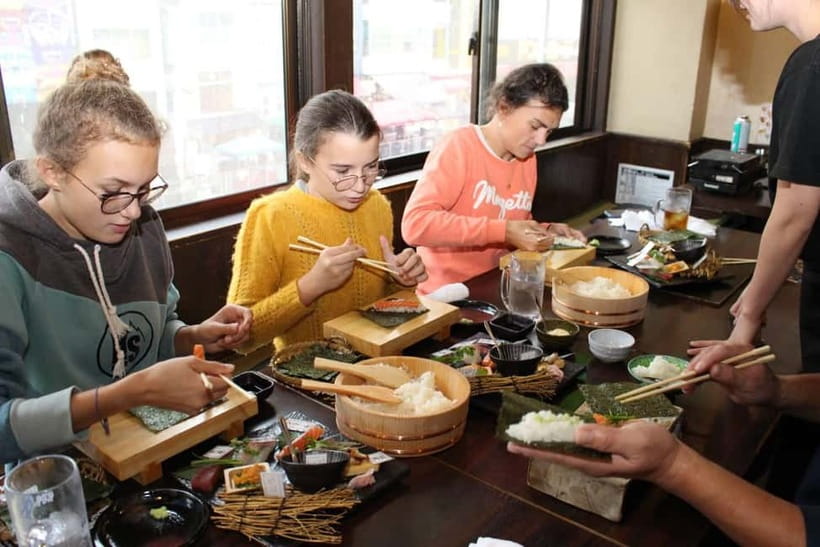
A lot of wasabi you’ve had outside Japan comes to the table already “prepared.” Here, the focus is on the fact that real wasabi has its own personality—especially its smell and its heat.
During the tasting, you’re guided to notice the unique aroma and spiciness. That might sound simple, but it changes how you think about spice in Japanese cooking. Instead of heat being a vague background, it becomes part of the flavor structure: you smell first, then you feel the kick, then the overall taste makes sense with the bite.
This is also a popular part of the experience. If you like tasting food that teaches you something, plan to treat the wasabi step as a mini lesson, not just a sample.
If you’re worried about spice tolerance, keep it honest with your guide. The tasting is part of the menu of learning; you should feel comfortable asking for guidance on how much to use during your roll-building.
Flour on your hands, more Osaka kitchens to try
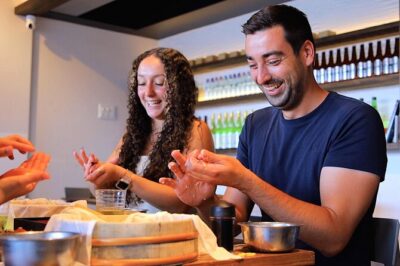
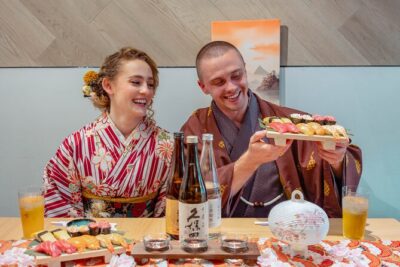
Sushi rice and vinegar mixing: why the foundation matters
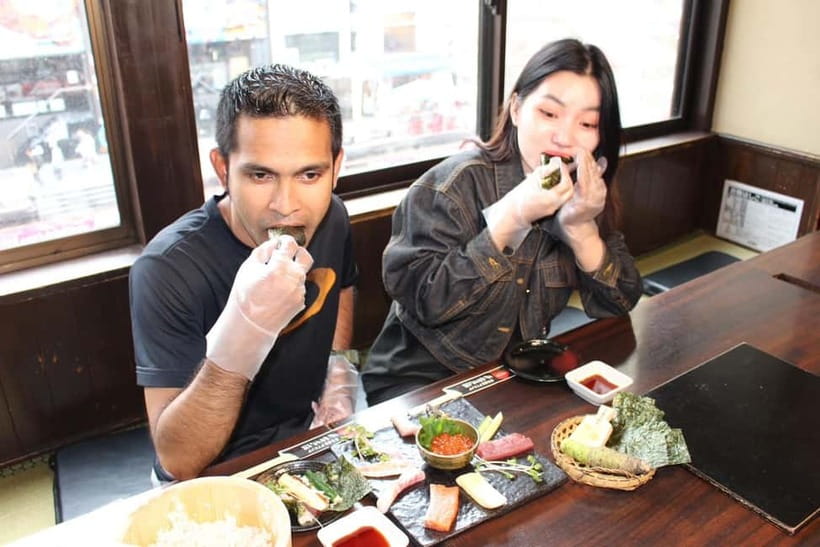
This class doesn’t skip the work that separates good sushi from just “nice rice.” The sushi rice making section is where you learn the flavor mechanics that make hand-roll sushi feel balanced.
You’ll be taught how to mix vinegar into the rice and what that changes. That’s useful even if you never cook sushi at home, because you’ll start tasting the difference between rice that complements toppings and rice that fights them.
Also, rice texture matters for hand rolls. Since you’re rolling by hand, the rice consistency affects how easily it shapes and how cleanly it wraps around the filling. That means this part isn’t just educational—it’s practical.
If you enjoy food technique, this step gives you a real takeaway. It’s one thing to order sushi in Dotonbori and another to understand why the seasoning step can change everything.
What you’ll eat during the session (and why it may feel different)
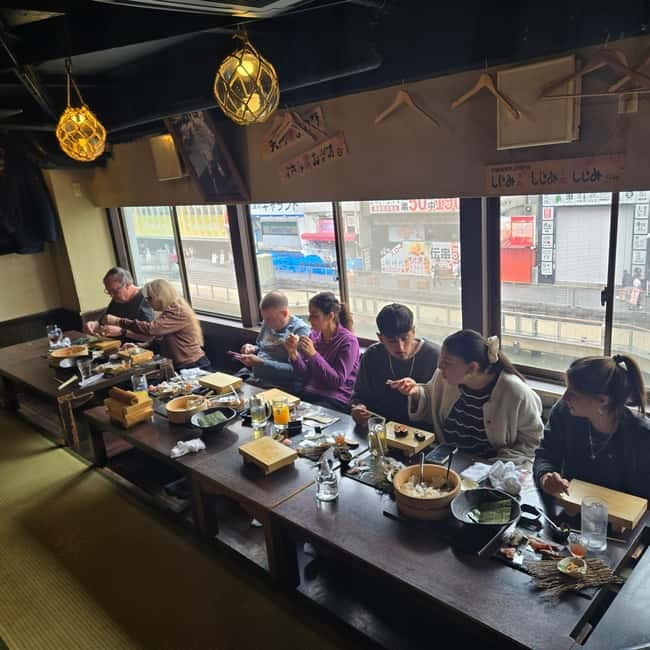
This experience is designed so you learn through doing, and that affects meal timing. In practice, you’ll likely taste and eat as your rolls come together, rather than saving everything for one big plate at the end.
That can be great if you like the “build, taste, adjust” rhythm. One possible drawback is that if you were expecting a single end-of-class platter showing a full spread of your made sushi, you may find the flow more incremental than that.
Also, there’s a factor you should consider if you’re picky. The class provides fish and ingredients, but you may not get to choose every fish item. If you strongly dislike certain types of seafood, you’ll want to weigh that before booking.
On the positive side, the guidance is there to help you make what you’re given well. And many people appreciate that the rolls feel fresh and the experience includes enough food to feel like it’s worth the price.
Price and value: 8,000 yen for a two-hour hands-on workshop
The price is 8,000 yen per person (tax included), which works out to about $54. For two hours, that’s not cheap, but it’s also not just paying for a seat by the river.
You’re paying for multiple things that normally cost you separately in Japan:
- Instruction on sushi rice technique
- A real wasabi tasting
- Tools and materials for hands-on hand-roll making
- A soft drink included with the session
On top of that, you’re in a tatami room with a Dotonbori River view, and you get an English-speaking team focused on getting your hands moving. Reviews also point out that people often feel they get a lot of food and a good experience for the money, and that the staff is friendly and attentive.
The only value question I’d put in your mind is this: you’re paying for a workshop. If what you want most is a long, multi-course sushi meal where you pick every topping, this might not match that style. But if you want the technique and the fun of making it yourself, the price starts to feel fair.
Atmosphere and service: more guided than chaotic
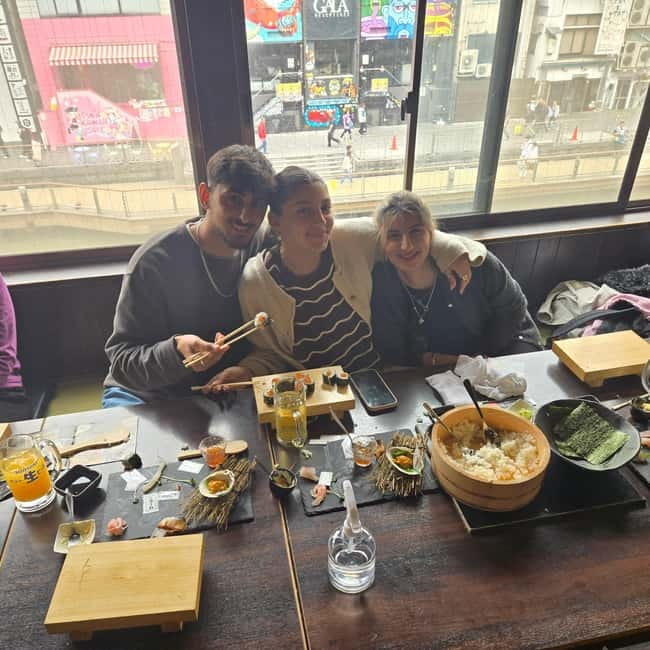
This is an activity that tends to feel cozy and intimate compared to larger food tours. You’re in a dedicated room rather than moving around a crowded street with a snack in hand.
The chef and assistant are central to the experience. They guide you through the steps, help with technique, and answer questions so you don’t feel stuck once your hands start rolling. If you’re traveling as a family, it also works well because the structure is clear: rice first, wasabi next, hand-rolls last.
One small extra detail that can make it more memorable: the chef may share a homemade soy sauce pairing for your rolls. That kind of touch is the difference between a generic class and one that feels tied to local flavor habits.
What to bring (and how to prep so you enjoy yourself)
You don’t need fancy sushi gear. The experience gives you all materials and tools, so your job is just to show up comfortable and ready to get hands-on.
Bring:
- A hat
- Camera
- Water
- Comfortable clothes
I’d add a practical mindset: wear something you can move in. Even if it’s not messy, rolling sushi takes some hand effort, and you’ll be sitting in a tatami room.
Also, take a minute to look at the schedule. Since sessions are at 12 pm and 2 pm, you’ll want to plan your Dotonbori walking around that. If you eat a big lunch right before, you might enjoy the class less. If you arrive hungry, you’ll get more out of every step because you’re tasting as you go.
Who should book this hand-roll sushi class
I’d put this on your list if you want:
- A hands-on food experience rather than a passive meal
- A chance to learn how sushi rice seasoning works
- A fun, structured way to understand Japanese flavors
- An English-speaking class in a classic Osaka location
It’s also a solid option for groups who enjoy food learning together. Families can work well here because the steps are guided, and everyone can participate in rolling.
If you should think twice, it’s mainly about ingredient preferences. Since fish selection may not be fully customizable, people with strong dislikes might prefer to ask questions first.
Should you book Kaisen Monogatari Dotonbori hand-roll sushi?
Book it if you want technique plus atmosphere. The combo of tatami river views, a real-food learning format, and the wasabi tasting makes this more than just a meal stop.
Skip it (or adjust expectations) if your top goal is choosing every ingredient yourself and getting a big, plated sushi feast at the end. This class is about the process—making rice, tasting wasabi, and building hand rolls with guidance.
If you’re unsure, here’s my rule of thumb: if you’d enjoy learning one or two sushi skills you can explain later over dinner, you’ll get your money’s worth.
FAQ
What time does the hand-roll sushi experience run?
It runs twice a day, at 12 pm and 2 pm, and each session lasts about two hours.
Where is the meeting point?
You’ll start at 海鮮物語道頓堀店. The experience ends back at the meeting point.
Is the location easy to find in Dotonbori?
Yes. The entrance is on the main street, and the experience takes place on the 2nd floor of Nico Building (with a game arcade on the first floor).
What’s included in the price?
It includes an introduction to sushi, making sushi rice, a wasabi tasting, and a hands-on hand-roll sushi session, plus all materials and tools and one soft drink.
Are there meals included?
The experience includes what you make and taste during the session, but the details of any full meal beyond what’s specified aren’t laid out.
Is there language support in English?
Yes, the experience is offered in English.
What should I bring?
Bring a hat, camera, water, and comfortable clothes.
Do I need to bring my own sushi supplies?
No. The class provides all materials and tools for the hands-on portion.
More Tour Reviews in Osaka
- Osaka Go Karting Tour with Funny Costume★ 5.0 · 2,658 reviews
- Osaka Castle: Museum and Tower Entry Ticket★ 4.5 · 2,380 reviews
- Osaka: Shinsekai Food Tour with 13-15 Dishes at 5 Eateries★ 4.8 · 2,204 reviews
- Osaka Food Tour: 13 Dishes at 5 Local Eateries★ 5.0 · 2,149 reviews
- Hungry Osaka Street Food Tour:15 Tastings & 3 Drinks with a Local★ 5.0 · 1,727 reviews
Cook It Yourself in Osaka
- Sushi Making Osaka Roll and Authentic Japanese Sushi Class★ 5.0 · 1,220 reviews
- Osaka: Five Must-See Highlights Walking Tour & Ramen Lunch★ 4.7 · 411 reviews
- Osaka Sushi Making Experience★ 5.0 · 400 reviews
- Osaka: Ramen and Gyoza Cooking Class in Dotonbori★ 5.0 · 378 reviews
- Osaka: Sumo Stage Show with Bento or Snack + Fight & Photo★ 4.3 · 364 reviews
Dotonbori and Namba, Round Two
- Osaka Local Foodie Walking Tour in Dotonbori and Shinsekai★ 5.0 · 985 reviews
- Osaka: Dotonbori District River Cruise with Drink Discount★ 4.2 · 876 reviews
- Ultimate Osaka Walking Tour: Castle, Dotonbori & Hidden Gems★ 5.0 · 862 reviews
- Tea Ceremony Experience in Osaka Doutonbori★ 5.0 · 754 reviews
- Osaka: Namba Pub Bar Crawl with a Local Guide★ 4.9 · 424 reviews
The Newest Osaka Write-Ups
- Private Photoshoot in Osaka with a Professional Photographer
★ 5.0 · 3 reviews - Osaka Early Morning Osaka Castle Tour Avoid Crowds
★ 5.0 · 3 reviews - Nara Private Tour with Pick and Drop and English Speaking Driver
★ 3.5 · 3 reviews - Osaka: Modern Vegetarian Sushi Cooking Class
★ 5.0 · 3 reviews - Nara Day Trip from Osaka with a Licensed Guide
★ 5.0 · 3 reviews
Dotonbori & Namba Tours, compared.
 ★ 5.0Osaka Local Foodie Walking Tour in Dotonbori and ShinsekaiFrom $111985 reviews
 ★ 4.2Dotonbori District River Cruise with Drink DiscountFrom $12876 reviews
 ★ 5.0Ultimate Osaka Walking Tour: Castle, Dotonbori & Hidden GemsFrom $73862 reviews
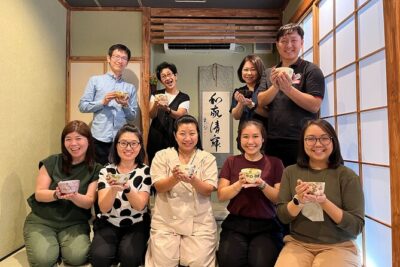 ★ 5.0Tea Ceremony Experience in Osaka DoutonboriFrom $20754 reviews
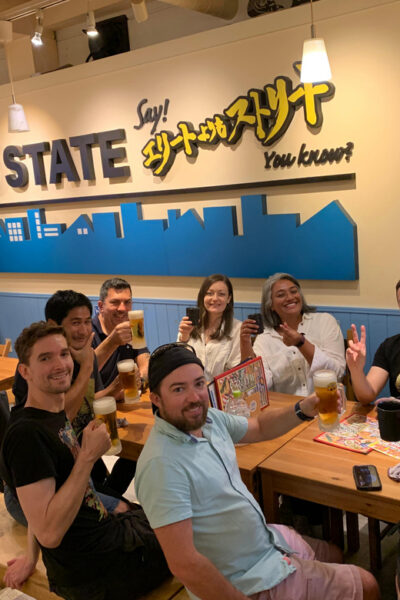 ★ 4.9Namba Pub Bar Crawl with a Local GuideFrom $30424 reviews
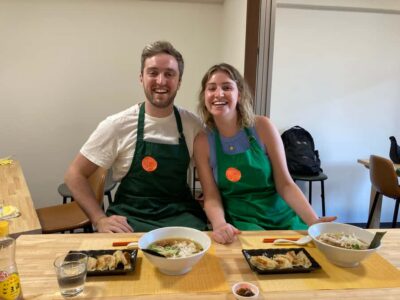 ★ 5.0Ramen and Gyoza Cooking Class in DotonboriFrom $70378 reviews
Dotonbori River Cruise with Glico Sign & Neon ViewsFrom $12376 reviews
★ 5.0Ramen and Gyoza Cooking Class in DotonboriFrom $70378 reviews
Dotonbori River Cruise with Glico Sign & Neon ViewsFrom $12376 reviews
 ★ 3.9Dotonbori’s Bridges 20-Minute CruiseFrom $12303 reviews
Browse the lists this tour appears in