
Reviewed · KUROMON MARKET TOURS
Osaka Food Walking Tour with Market Visit
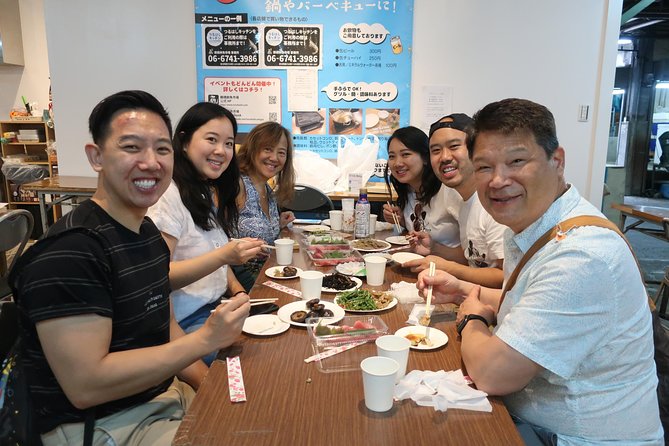
Fish markets and comfort food in one walk. This is a half-day Osaka food tour that starts at Osaka-Kizu Wholesale Market for fresh sashimi and seasonal fruit, then shifts gears to Shinsekai for a traditional lunch featuring classic Osaka comfort food like okonomiyaki cabbage pancakes. One thing to plan for: public transportation is not included (listed as ¥410 per person), since you’ll take the subway between areas.
What makes this feel especially worth it is the pace and the group size—up to six people—so your guide can actually talk, answer questions, and steer you to the good bites without herding everyone along. In at least one group I reviewed, guide Ichiro-san was praised for clear explanations and patience, plus weaving in small bits of local context while you snack. You finish near Ebisu Bridge in Namba/Dotonbori, so you can keep the night going with real-city energy.
In This Review
- Key points at a glance
- Osaka-Kizu Wholesale Market: where you learn what Osaka feeds itself
- The Shinsekai pivot: traditional lunch plus tea and knife culture
- The Ebisu Bridge finish near Dotonbori
- What 4 hours feels like on the ground
- Price and value: what $130.64 buys you in Osaka
- Lunch and comfort food: what you should expect to eat
- Best for: who this tour suits (and who might want a different plan)
- Should you book Osaka’s food walk with a market visit?
- FAQ
- How long is the Osaka Food Walking Tour with Market Visit?
- Where does the tour start and where does it end?
- Is the tour a small group?
- What food is included?
- Does the price include public transportation?
- Are alcoholic beverages included?
- What is the cancellation policy?
Key points at a glance
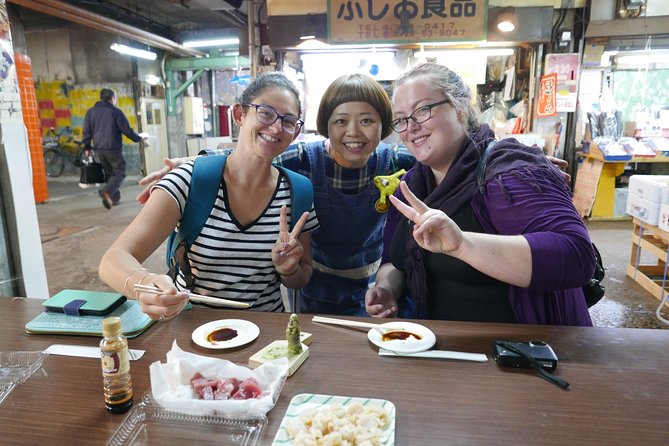
- Kizu Wholesale Market tastings: you sample fresh sashimi, seafood, and seasonal Japanese fruit with a local guide
- Shinsekai lunch that tastes like Osaka: a traditional meal plus comfort-food favorites like okonomiyaki cabbage pancakes
- Tea shop stop: you compare different types of Japanese tea as part of the experience
- Kitchen knife shop visit: a quick stop that adds flavor to the neighborhood’s food culture
- Small group cap (six max): easier conversation, better pacing, less standing around
- End near Dotonbori: the tour drops you right into Osaka’s shop-and-street-food zone
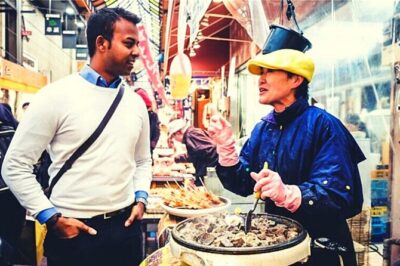
Another lap of the Kuromon stalls
Osaka-Kizu Wholesale Market: where you learn what Osaka feeds itself
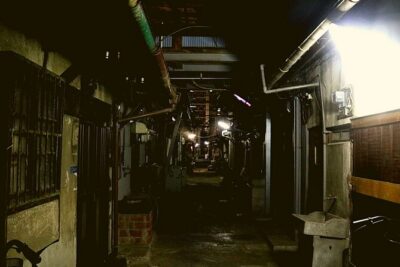
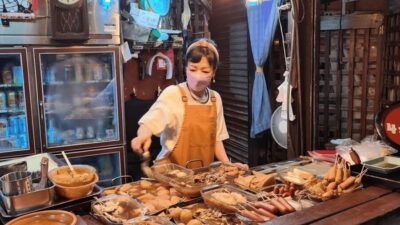
The tour starts at Daikokucho Station and heads into the Osaka-Kizu Wholesale Market area, where the whole point is simple: eat like a city that runs on fish. You’ll explore with your guide and get tastings—especially fresh sashimi plus seafood and seasonal Japanese fruit. This is the kind of stop that helps you understand why Osaka gets called the kitchen of Japan, because the food isn’t presented like a museum piece. It’s presented like work—fresh, practical, and made for people who need reliable ingredients every day.
I like tours that don’t just point at food but explain the logic behind it, and this one leans that way. You get to try samples, then you can connect what you’re tasting to what you’re seeing in the market itself. One practical upside: starting here makes the rest of the day easier. You’re not sprinting between “highlights” on an empty stomach.
What to watch for at the market: it’s a wholesale environment, so it can feel fast-moving. Wear comfortable shoes and expect you’ll be walking and standing more than you would on a typical sightseeing route.
The Shinsekai pivot: traditional lunch plus tea and knife culture
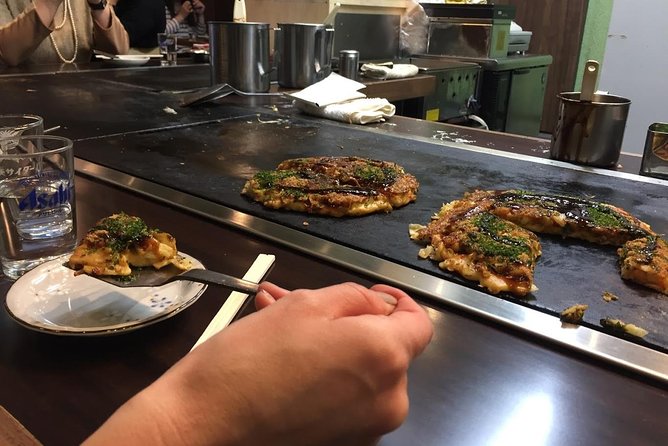
After the market, you travel to Shinsekai by subway. That shift matters. Markets make you hungry, but Shinsekai is where you learn how Osaka actually eats for fun—loud, casual, and focused on comfort. Here, the tour includes a restaurant stop for a traditional lunch with local favorites. One specific highlight you should look forward to is the okonomiyaki cabbage pancakes, a classic Osaka comfort food that’s easy to spot on menus once you’ve had it explained in context.
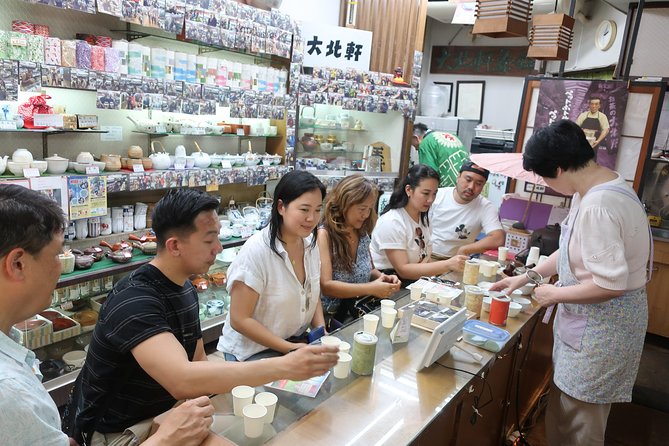
What I find smart is that lunch isn’t the only Shinsekai element. The guide also takes you to a tea shop where you can compare different types of Japanese tea. That’s a small addition, but it changes how you experience the meal. Tea tasting gives you a little framework for flavor—how different teas can play with richness, saltiness, and warm savory dishes.
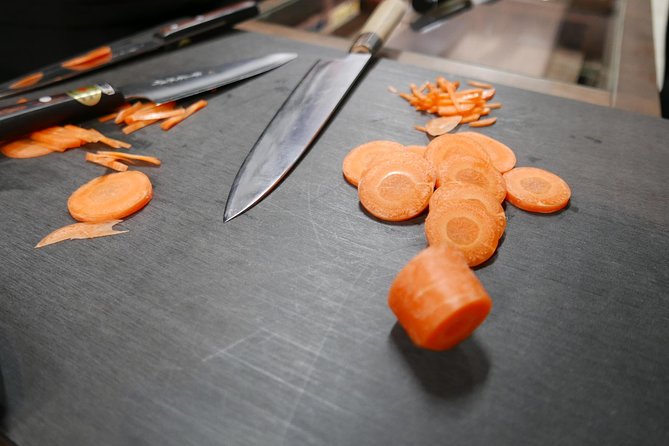
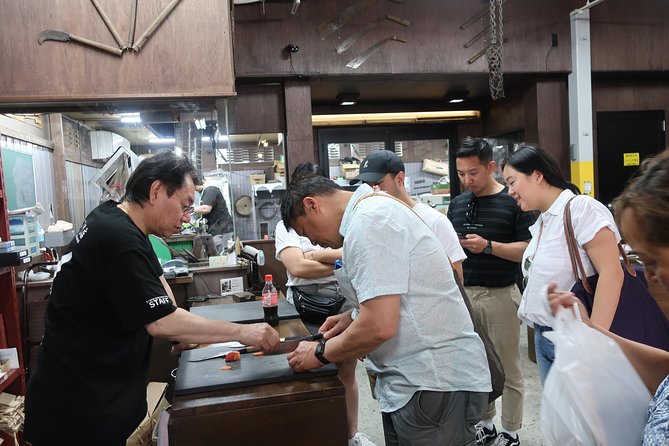
Then there’s the quick kitchen knife shop stop. This is the kind of detail that often gets skipped on generic food tours, but it fits Osaka: food culture isn’t just recipes. It’s tools, habits, and the practical stuff that helps cooks do their jobs well.
Possible drawback to consider: if you’re only interested in eating and not much into side stops, the tea shop and knife shop may feel like extra time. Still, they’re short, and they help connect Shinsekai’s food scene to the broader Osaka mindset.
The Ebisu Bridge finish near Dotonbori
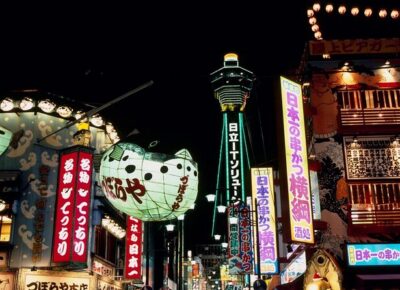
The itinerary includes a final stretch at Ebisu Bridge, with the option for the tour to end near Osaka’s Times Square in Dotonbori. It’s a clever landing point. You’re not left miles away from the action—you get dropped into a lively downtown area known for shops, restaurants, and people-watching.
Think of this as your “continue the night” moment. Lunch is handled, tastings are done, and now you can choose your own direction: more street snacks, dessert, or just wandering with a full belly and the confidence that you already understood a couple real food neighborhoods.
Practical note: the last part is brief (listed as about 10 minutes), so if you want extra time in Dotonbori, plan to stay on after the tour ends.
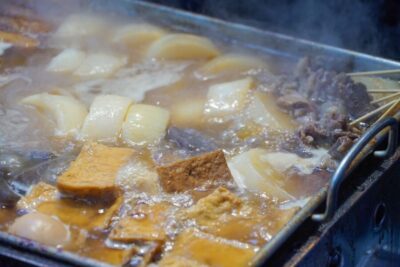
Come hungry: more eating your way through Osaka
What 4 hours feels like on the ground
This is a half-day tour running about 4 hours, starting at 9:00 am. That timing is a sweet spot. A morning market visit gives you energy and focus, and you still get a big chunk of the afternoon or early evening to explore.
It’s also designed around a small group size: up to six people per booking. That’s not just a feel-good detail. In food tours, it’s the difference between “everyone waits for everyone” and “the group keeps moving while you talk.” With a small group, you can ask questions without feeling like you’re slowing the line.
You should also know what’s included and what isn’t, because it affects how you plan your day:
- Included: lunch, food samples for lunch, and snacks
- Not included: alcoholic beverages, public transportation (¥410 per person), and insurance
So, budget a little extra for the subway portion, especially if you’re already tracking transit costs. The good news: you’re not paying for museum tickets or entry fees along the way, since listed admissions are free.
Price and value: what $130.64 buys you in Osaka
At $130.64 per person, this isn’t a cheap “wander and snack” option. The value comes from three specific things you don’t usually get together:
- A guided market experience with tastings
- A sit-down lunch in Shinsekai (not just street bites)
- Additional cultural stops like the tea shop and kitchen knife shop, plus snacks during the day
If you try to recreate this on your own, you’ll spend time figuring out where to eat, which stands to trust, and how to navigate the market without missing what matters. Here, your guide handles the sequencing. That’s especially valuable at a wholesale market where the “best sample spots” aren’t always obvious from the outside.
Also, your group size cap helps the experience feel less like a checklist. If you care about eating well and understanding what you’re eating, the price starts to make more sense. If your priority is only maximum quantity of street food at the lowest cost, you may find cheaper options.
Lunch and comfort food: what you should expect to eat
The tour explicitly includes a few food anchors:
- Fresh sashimi and seafood at the market
- Seasonal Japanese fruit at the market
- A traditional lunch in Shinsekai
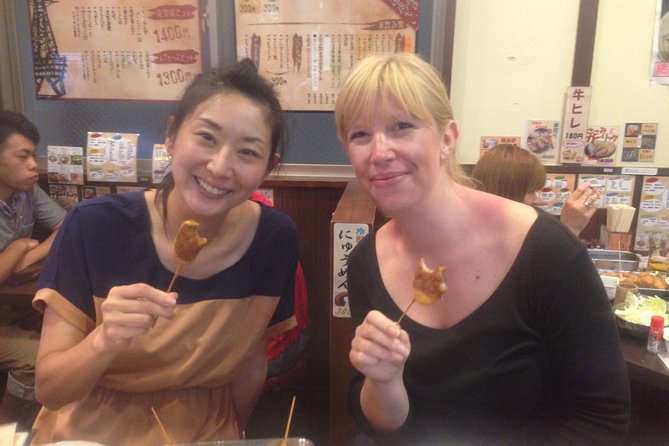
- Okonomiyaki cabbage pancakes as an Osaka comfort-food try
That combination is a nice balance. You get seafood freshness up front, then you move to a warm savory dish for lunch. It’s the kind of pairing that works even if you don’t normally love seafood—because you’re not only eating raw fish the whole time.
How to handle it: wear clothes you can move in and a mindset that this is a “tasting + meal” format. You’ll likely finish lunch feeling satisfied, so plan your next food stop lightly.
Best for: who this tour suits (and who might want a different plan)
This tour is a strong match if you want:
- A real food neighborhood experience instead of just photos
- A guided visit to a working market where tastings are part of the deal
- A small-group pace with room for questions (up to six)
- A taste of Shinsekai beyond just its streets—tea and even a knife shop stop
It may be less ideal if:
- You hate public transportation transitions (the subway ride is part of the route)
- You’re extremely time-crunched and want the “shortest possible” food plan
- You only want seafood and nothing else, or you only want street food and no sit-down meal (the tour includes a set lunch)
The good compromise is that you still control what you do after the finish near Dotonbori.
Should you book Osaka’s food walk with a market visit?
I’d book this if you want Osaka food in the “grown-up” way: start with ingredients, then eat the comfort classics, then walk out into Dotonbori with a better sense of what you just tasted. The market tastings plus lunch in Shinsekai is the core value, and the six-person maximum helps it feel personal instead of chaotic.
Before you choose it, do one quick check: are you comfortable with paying the listed ¥410 subway cost and spending a few extra minutes on tea and knife shop stops? If that’s fine, this is a smart way to spend a half-day with real Osaka flavor, not just a string of random snacks.
FAQ
How long is the Osaka Food Walking Tour with Market Visit?
The tour lasts about 4 hours.
Where does the tour start and where does it end?
It starts at Daikokucho Station and ends near Ebisu Bridge in the Dotonbori (Namba) area.
Is the tour a small group?
Yes. It’s a small-group experience with a maximum of six people per group, and it’s listed as private activity for your group.
What food is included?
You get food samples for lunch, lunch, and snacks. The tour includes tastings like fresh sashimi, seafood, seasonal Japanese fruit, and it also includes Osaka comfort food such as okonomiyaki cabbage pancakes.
Does the price include public transportation?
No. Public transportation is listed as ¥410 per person and is not included.
Are alcoholic beverages included?
No. Alcoholic beverages are not included.
What is the cancellation policy?
You can cancel for a full refund up to 24 hours before the experience’s start time, and the tour offers free cancellation.
Osaka at Street Level
- Osaka Local Foodie Walking Tour in Dotonbori and Shinsekai★ 5.0 · 985 reviews
- Osaka: Deep Backstreets Walking Tour with Dinner Option★ 4.9 · 902 reviews
- Ultimate Osaka Walking Tour: Castle, Dotonbori & Hidden Gems★ 5.0 · 862 reviews
- Osaka: Main Sights and Hidden Spots Guided Walking Tour★ 4.9 · 702 reviews
- Private Osaka Walking Tour: Highlights & Hidden Gems★ 5.0 · 569 reviews
The Kuidaore List: Eat More of Osaka
- Osaka: Shinsekai Food Tour with 13-15 Dishes at 5 Eateries★ 4.8 · 2,204 reviews
- Osaka Food Tour: 13 Dishes at 5 Local Eateries★ 5.0 · 2,149 reviews
- Hungry Osaka Street Food Tour:15 Tastings & 3 Drinks with a Local★ 5.0 · 1,727 reviews
- Deep Backstreet Osaka Tours (Option to add Dinner)★ 5.0 · 1,290 reviews
- Osaka Local Foodie Walking Tour in Dotonbori and Shinsekai★ 5.0 · 985 reviews
Kuromon, Stall by Stall
- Kuromon Market Food Walking Tour in Osaka (6 stops, 6 tastes)★ 5.0 · 550 reviews
- Osaka: Kuromon Market Food Walking Tour (6 stops, 6 tastes)★ 4.6 · 272 reviews
- Kuromon Market Tour: All inclusive 6~8 Dishes & 3~4 samplings★ 5.0 · 103 reviews
- PRIVATE 6hr, Food tour from Osaka Castle, Kuromon, Dotonbori.★ 5.0 · 68 reviews
- All Inclusive Kuromon Markets Tour: Flavors Of Osaka★ 4.7 · 31 reviews
The Newest Osaka Write-Ups
- Private Photoshoot in Osaka with a Professional Photographer
★ 5.0 · 3 reviews - Osaka Early Morning Osaka Castle Tour Avoid Crowds
★ 5.0 · 3 reviews - Nara Private Tour with Pick and Drop and English Speaking Driver
★ 3.5 · 3 reviews - Osaka: Modern Vegetarian Sushi Cooking Class
★ 5.0 · 3 reviews - Nara Day Trip from Osaka with a Licensed Guide
★ 5.0 · 3 reviews
Kuromon Market Tours, compared.
 ★ 5.0Kuromon Market Food Walking Tour in Osaka (6 stops, 6 tastes)From $50550 reviews
 ★ 4.6Kuromon Market Food Walking Tour (6 stops, 6 tastes)From $49272 reviews
 ★ 5.0Kuromon Market Tour: All inclusive 6~8 Dishes & 3~4 samplingsFrom $63103 reviews
 ★ 5.0PRIVATE 6hr, Food tour from Osaka Castle, Kuromon, Dotonbori.From $15568 reviews
 ★ 4.7All Inclusive Kuromon Markets Tour: Flavors Of OsakaFrom $6131 reviews
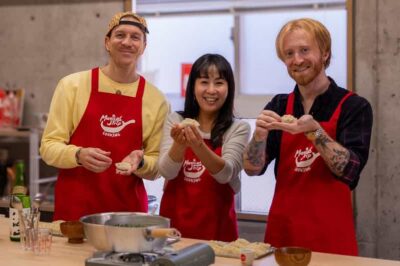 ★ 4.8Cooking Class & Sake Tasting with Local Market VisitFrom $9031 reviews
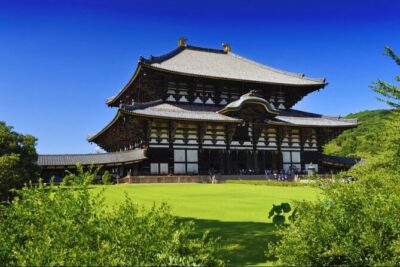 ★ 3.5Nara, Todaiji Temple & Kuroshio Market Day BUS Tour from OsakaFrom $9918 reviews
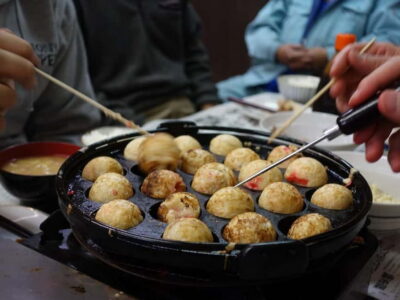 ★ 4.5Food Tour Kuromon Market & Dotonbori with GuideFrom $8415 reviews
Browse the lists this tour appears in