
Reviewed · DOTONBORI & NAMBA TOURS
Osaka: Cooking Class Ramen & Gyoza Course in Nanba
A noodle lesson can beat a sightseeing day. In this Osaka ramen & gyoza class near Namba, you’ll get hands-on cooking help in an apartment-style kitchen, then sit down to eat what you make. I especially like the practical way you learn from instructors (not just watch), and I like that you leave with recipe cards so you can repeat it at home. One possible drawback: because it’s a small group and hands-on, you’ll need to arrive ready to cook and follow directions in English or Japanese.
The format is simple and friendly: a 30-minute orientation and prep session, 1.5 hours of cooking, then a 1-hour tasting with drinks like sake and beer. Reviews also point to warm, English-friendly teaching and a “cooking with friends” vibe, with instructors such as Nana and Yuriko, and hosts like Ryota, Keiichi, and Mimi showing up in the same style of patient guidance. If you prefer a quiet, sit-and-stare experience, this may feel a bit active.
In This Review
- Key things to know before you book
- Osaka ramen & gyoza cooking class: what this experience is really like
- Where it happens (and why the location matters)
- The group size sweet spot
- The schedule: 30 minutes of prep, 1.5 hours of cooking, 1 hour of tasting
- 30-minute orientation and preparation
- 1.5 hours of hands-on cooking
- 1-hour tasting with drinks
- What you learn: ramen technique and gyoza folding skills
- Ramen: making noodles and understanding the steps
- Gyoza: the fold, the filling, and the confidence boost
- Price and value: is $70 worth it in Osaka?
- Drinks and dietary notes you should care about
- Logistics you’ll want to plan around
- Who this class is best for (and who might not love it)
- You’ll likely love it if you…
- You might want to skip or consider another option if…
- Should you book Osaka ramen & gyoza in Nanba?
- FAQ
- What dishes do I learn to make?
- How long is the class?
- Where is the meeting point?
- What’s the price?
- Is hotel pickup included?
- Are ingredients and tools provided?
- What drinks are included with the meal?
- What languages are used for instruction?
- How big is the group?
- Do I need to book in advance?
Key things to know before you book
- You make ramen noodles and gyoza from scratch instead of learning theory only.
- Small group size (up to 8) helps you get attention when questions pop up.
- Drinks are part of the tasting (sake, beer, and soft drinks) along with the meal you cook.
- Recipes are included so you can recreate the flavors after your trip.
- You can cook with language support in English and Japanese, led by Washoku professionals.
Back under the Glico sign: more Dotonbori runs


Osaka ramen & gyoza cooking class: what this experience is really like
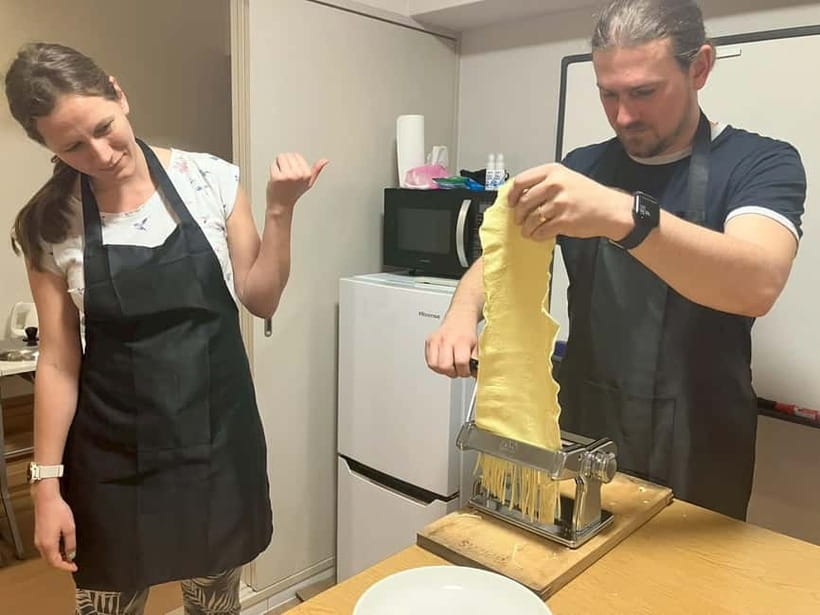
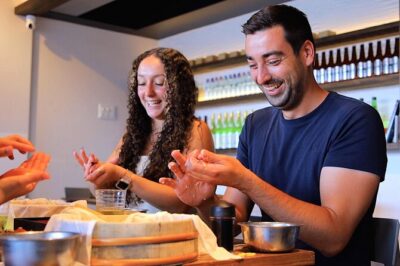
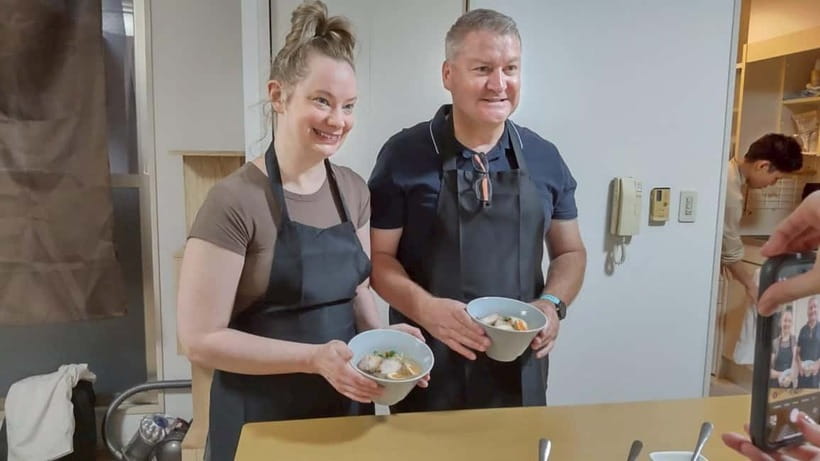
Think of this as a real dinner plan, not a performance. You’ll be in a compact, working kitchen where you prep ingredients, handle dough, and learn the small techniques that separate average homemade ramen from the good stuff. The dishes are classic: ramen (noodle soup) and gyoza (dumplings). And the timing is set up so you’re not stuck waiting around.
You’ll also notice the overall tone from the instructor team. Names like Nana and Yuriko come up alongside others such as Ryota, Keiichi, Mimi, and Yuma, and the common thread is clear: lots of hands-on direction, lots of patience, and lots of chances to actually do the work yourself. One review described the experience as fun and interactive from chopping vegetables to kneading/mixing for ramen, and then getting coached through gyoza folding details. That’s the point: you learn technique, not just recipes.
Where it happens (and why the location matters)
The meeting point is in Chuo Ward at Dear Court Semba 303 (4-chōme-3-1 Bakurōmachi, Chuo Ward, Osaka 541-0059). This isn’t a big restaurant. It’s an apartment-building setup, which can feel a little mysterious the first time you visit.
If you’re the type who likes to arrive early and avoid stress, do it here. One attendee even noted the class location can be a short walk tucked behind a block near a Ferrari dealership, past a stairway to a gym, and by an outdoor lounge area with couches. That’s not the kind of landmark you get on every map, so building in extra buffer time helps you settle in before the doorbell steps and the stairs/elevator to Room 303.
The group size sweet spot
The class is limited to 8 participants, which is a big deal for cooking lessons. With a group this size, instructors can correct your gyoza fold before it turns into a sad dumpling pancake. They can also step in if your noodle dough or filling prep isn’t behaving like it should. If you’ve ever taken a class where everyone watches the instructor and hopes for enough time for one question, this format is built to avoid that.
Flour on your hands, more Osaka kitchens to try

The schedule: 30 minutes of prep, 1.5 hours of cooking, 1 hour of tasting
This experience runs for about 2 hours total, and the pacing makes sense for beginners. Here’s how the time is structured and what you’ll get from each piece.
30-minute orientation and preparation
You start with a 30-minute orientation and preparation session. Expect it to be mostly practical: what you’re making, how the kitchen setup works, and which stations handle what. Then you begin prep. Based on what people describe, this is where you start chopping vegetables, getting ingredients ready, and learning the basic rhythm of the class.
This part matters more than it sounds. When someone explains the “why” behind the step—like how specific textures work for gyoza filling or why ramen dough behaves in certain ways—it makes the rest of the cooking time much less chaotic. If you’ve never made dumplings before, the prep phase is where you’ll feel confident moving into the hands-on part.
1.5 hours of hands-on cooking
Next comes the main work: 1.5 hours of hands-on cooking. This is where you’ll make both dishes, and you’ll do key tasks yourself rather than just helping with one small step.
From descriptions of the class, you can expect:
- ramen noodle work (including making the flour/noodle component from scratch)
- vegetable chopping and prep linked to both ramen and gyoza
- mixing or preparing gyoza filling ingredients
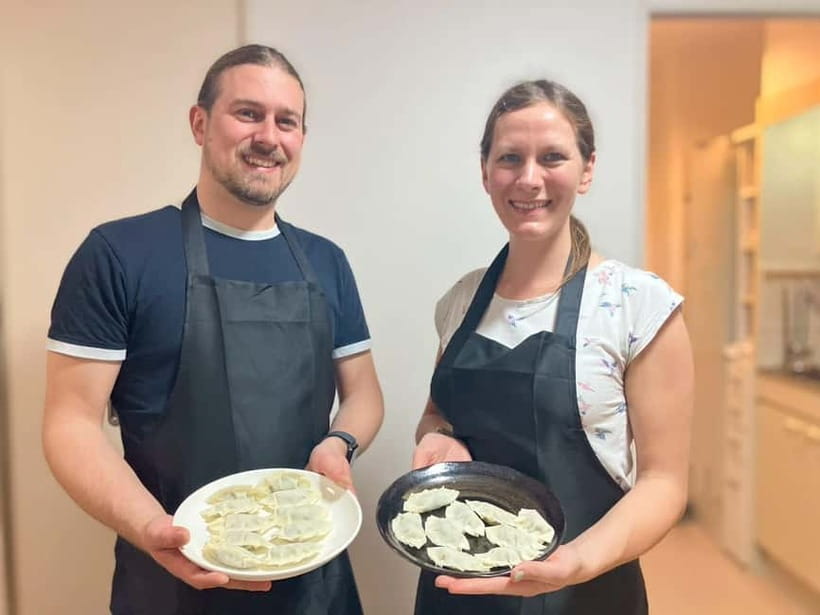
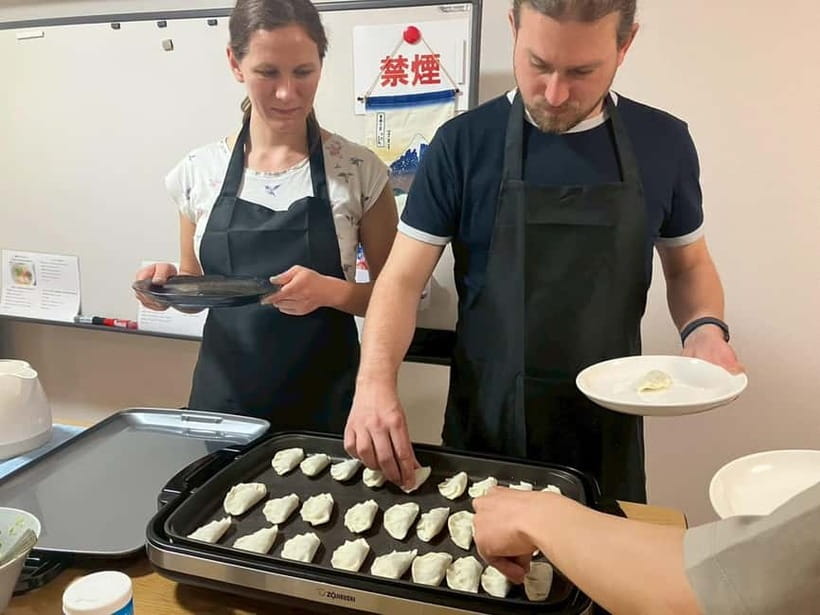
- gyoza assembly and folding, with instructors focusing on technique
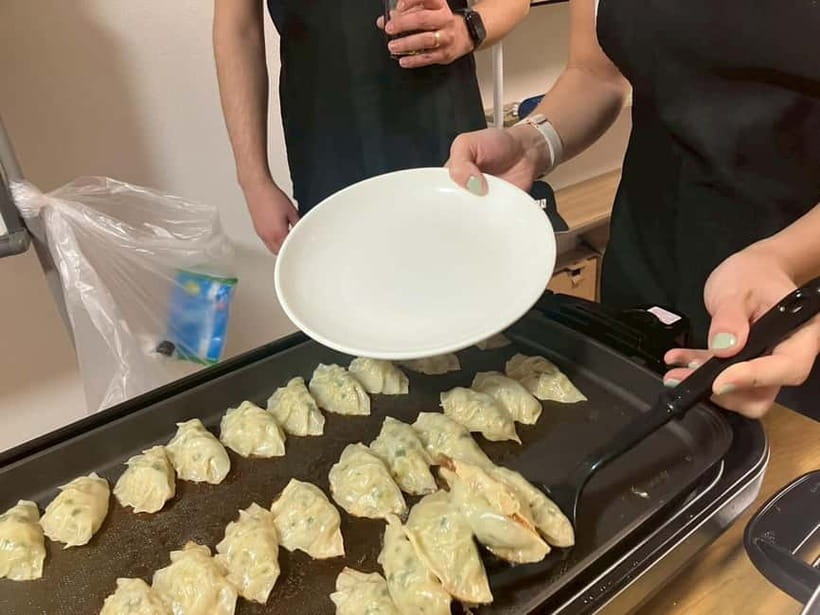
The gyoza portion is often the skill that people remember. Multiple reviews call out the “intricate detail” of folding and the instructors coaching correction and timing. If you’ve eaten gyoza at Japanese restaurants, you know the best ones look neat and brown in the right spots. Here, you learn how to get close to that result by mastering the fold.
1-hour tasting with drinks
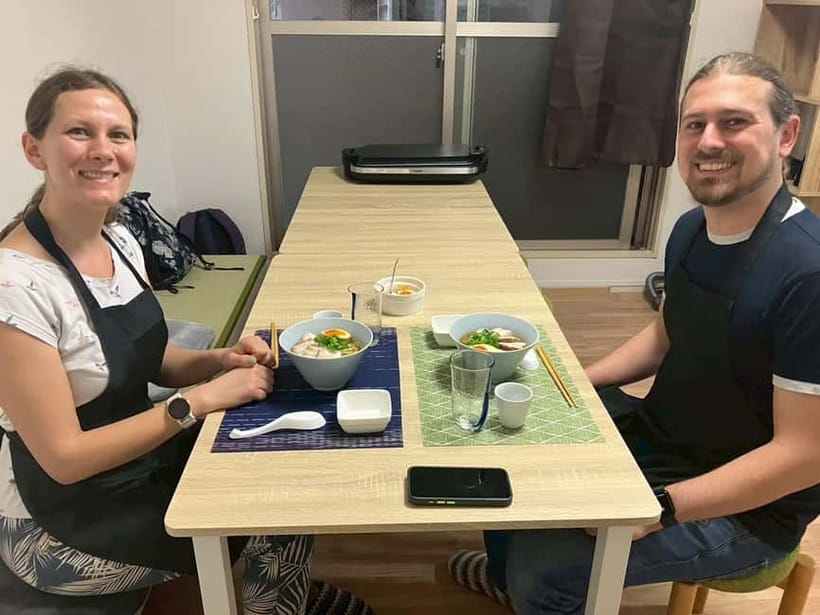
After you cook, you get to eat. The class includes a 1-hour tasting session with your ramen and gyoza, plus drinks: sake, beer, and soft drinks.
This isn’t just a quick bite. It’s a real sit-down moment after you’ve done the labor. And because you’ll have already learned what each step contributes to flavor, you can taste the difference rather than just consuming the end product. One attendee even mentioned their ramen ended up being the best they’d had, which matches the idea that learning the process helps you appreciate the bowl you’re holding.
What you learn: ramen technique and gyoza folding skills
This is an “eat what you make” class, but the learning targets are specific. You’re not only making a meal; you’re learning two Japanese staples that share a lot of flavor logic: balance, texture, and timing.
Ramen: making noodles and understanding the steps
You’ll learn to make ramen noodles as part of the class process, including flour/noodle work. People describe it as a highlight because it isn’t something you can easily guess your way through at home. When you start with dry ingredients and then get guided into how the dough should feel and how it should behave, the final result makes more sense.
Also, ramen isn’t just noodles. The class centers on getting you the true flavor experience of Japanese ramen, which is why the prep and cooking steps are structured. Even if you end up being slow at first, instructors can adjust pace so you still finish and taste.
Gyoza: the fold, the filling, and the confidence boost
Gyoza is where the technique becomes visible. Folding dumplings isn’t just about sealing. It’s about shaping and consistency. Multiple people mention learning intricate gyoza details and learning the “correct” fold by doing it with instructor guidance.
One of the biggest takeaways for future you is confidence. The class includes recipes to take home, so you can repeat what you learned. Even if your first batch at home isn’t restaurant-perfect, you’ll understand what to improve: fold style, filling balance, and cooking approach.
Price and value: is $70 worth it in Osaka?
At $70 per person for a total of about 2 hours, the price can feel high if you’re comparing it to eating ramen off a street corner. But you’re not paying only for food.
You’re paying for:
- hands-on instruction from Washoku professionals
- all ingredients and tools
- guided time for both ramen and gyoza creation
- a 1-hour tasting meal plus drinks (sake, beer, soft drinks)
- recipe cards to take home
When you break it down, it’s closer to paying for an instructor-led culinary workshop with dinner included. If you were already planning to spend money on a guided food experience and a meal, this class often looks like a better deal than doing ramen tasting alone. And because you leave with recipes, you’re buying something you can use again, not only a one-night event.
Drinks and dietary notes you should care about
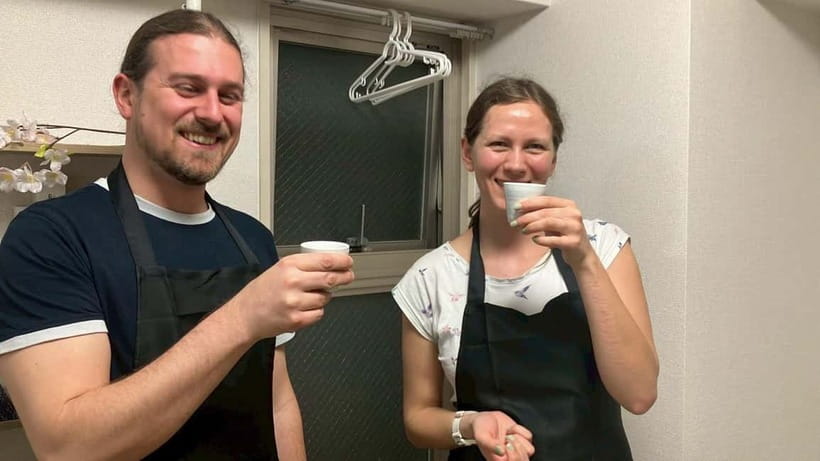
The included tasting includes sake, beer, and soft drinks. If you drink, this is a nice bonus, and it also helps explain the “why” of the class being social and relaxed after cooking.
Dietary accommodations can be important for some people. One review specifically mentions they accommodated a vegan requirement, and also noted vegan can be possible. The safest approach is to message ahead with your dietary needs, since the class materials here only confirm what you’ll be making and what’s included, not every possible customization.
Logistics you’ll want to plan around
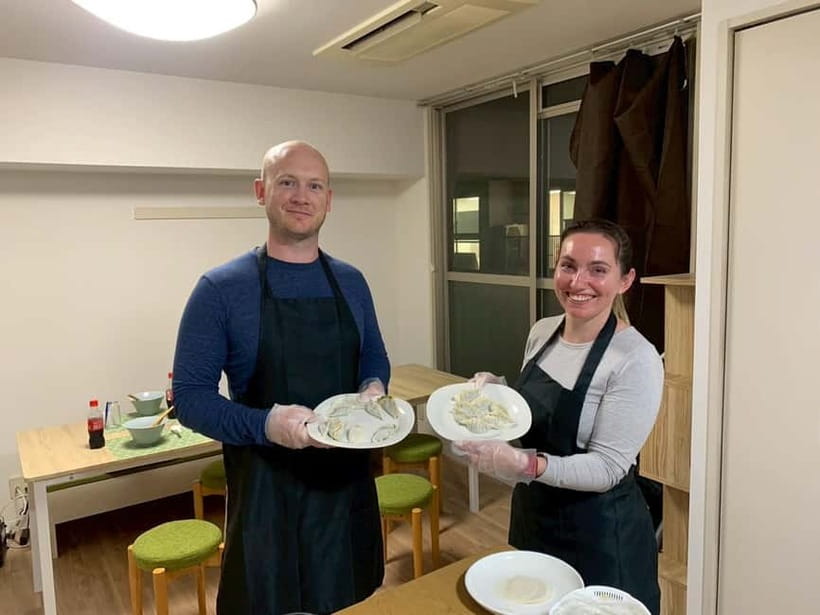
This is not hotel pickup and drop-off. You’ll make your own way to the meeting point, then follow the access steps.
The entry instructions are straightforward:
- find the doorbell panel at the building entrance
- press 303, then the call button labeled 呼
- go to Room 303 via stairs or elevator
That’s it, but don’t treat it like a “walk in and figure it out” situation. The address is an apartment setting, so arriving a bit early is smart.
Also note that the class asks you to book at least one day in advance, and booking is essential. The class is limited to small-group size, so there’s no guarantee a last-minute spot appears.
Who this class is best for (and who might not love it)
You’ll likely love it if you…
- want hands-on cooking in Osaka, not just eating
- like step-by-step instruction, especially for technique like gyoza folding
- enjoy tasting what you cook with a relaxed drink included
- want a meal you can repeat later using the take-home recipes
You might want to skip or consider another option if…
- you hate group cooking settings or being actively involved
- you strongly prefer restaurant-style dining without prep work
- you want a longer, more leisurely meal format than the structured 2-hour experience
Should you book Osaka ramen & gyoza in Nanba?
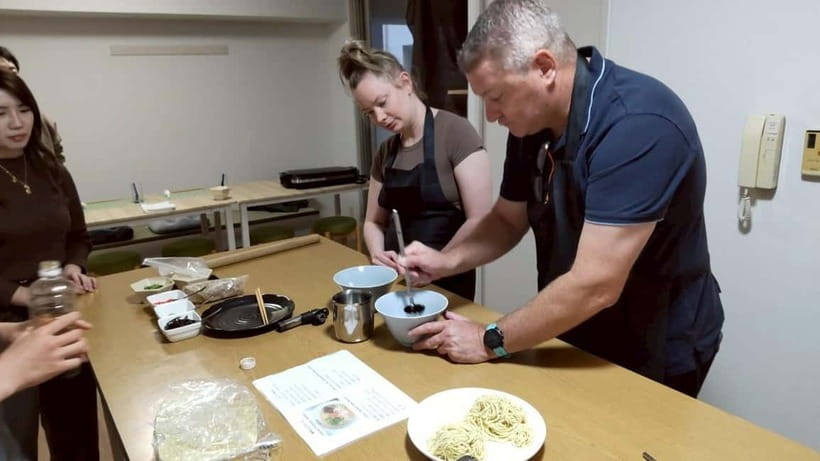
Yes, if your goal is a practical Osaka food memory you can recreate. This class hits a rare combination: traditional dishes, real technique practice, and an included dinner with drinks.
I’d book it especially if you want more than a “here’s what Japan tastes like” meal. This is closer to learning how the flavor happens. And with a small group capped at 8, plus instructors who coach actively (names like Nana, Yuriko, Ryota, Keiichi, Mimi, and Yuma show up in the teaching style), you’re likely to leave with both recipes and confidence.
If you’re trying to decide between ramen tasting and cooking, cooking usually wins. You’ll still get to eat a great bowl afterward, and the skills you pick up tend to stick.
FAQ
What dishes do I learn to make?
You’ll learn to make ramen (Japanese noodle soup) and gyoza (Japanese dumplings with vegetables and pork).
How long is the class?
The experience runs for about 2 hours total, including prep, cooking, and tasting.
Where is the meeting point?
You meet at Dear Court Semba 303, 4-chōme-3-1 Bakurōmachi, Chuo Ward, Osaka 541-0059, Japan.
What’s the price?
The price is $70 per person.
Is hotel pickup included?
No. Hotel pickup and drop-off are not included, so you’ll need to get there on your own.
Are ingredients and tools provided?
Yes. The class includes all ingredients and tools for cooking.
What drinks are included with the meal?
During the 1-hour tasting session, the class includes drinks such as sake, beer, and soft drinks.
What languages are used for instruction?
Instruction is available in English and Japanese.
How big is the group?
It’s a small group, limited to 8 participants.
Do I need to book in advance?
Yes. Booking is essential and you’re advised to book at least one day in advance.
More Tour Reviews in Osaka
- Osaka Go Karting Tour with Funny Costume★ 5.0 · 2,658 reviews
- Osaka Castle: Museum and Tower Entry Ticket★ 4.5 · 2,380 reviews
- Osaka: Shinsekai Food Tour with 13-15 Dishes at 5 Eateries★ 4.8 · 2,204 reviews
- Osaka Food Tour: 13 Dishes at 5 Local Eateries★ 5.0 · 2,149 reviews
- Hungry Osaka Street Food Tour:15 Tastings & 3 Drinks with a Local★ 5.0 · 1,727 reviews
Cook It Yourself in Osaka
- Sushi Making Osaka Roll and Authentic Japanese Sushi Class★ 5.0 · 1,220 reviews
- Osaka: Five Must-See Highlights Walking Tour & Ramen Lunch★ 4.7 · 411 reviews
- Osaka Sushi Making Experience★ 5.0 · 400 reviews
- Osaka: Ramen and Gyoza Cooking Class in Dotonbori★ 5.0 · 378 reviews
- Osaka: Sumo Stage Show with Bento or Snack + Fight & Photo★ 4.3 · 364 reviews
Dotonbori and Namba, Round Two
- Osaka Local Foodie Walking Tour in Dotonbori and Shinsekai★ 5.0 · 985 reviews
- Osaka: Dotonbori District River Cruise with Drink Discount★ 4.2 · 876 reviews
- Ultimate Osaka Walking Tour: Castle, Dotonbori & Hidden Gems★ 5.0 · 862 reviews
- Tea Ceremony Experience in Osaka Doutonbori★ 5.0 · 754 reviews
- Osaka: Namba Pub Bar Crawl with a Local Guide★ 4.9 · 424 reviews
The Newest Osaka Write-Ups
- Private Photoshoot in Osaka with a Professional Photographer
★ 5.0 · 3 reviews - Osaka Early Morning Osaka Castle Tour Avoid Crowds
★ 5.0 · 3 reviews - Nara Private Tour with Pick and Drop and English Speaking Driver
★ 3.5 · 3 reviews - Osaka: Modern Vegetarian Sushi Cooking Class
★ 5.0 · 3 reviews - Nara Day Trip from Osaka with a Licensed Guide
★ 5.0 · 3 reviews
Dotonbori & Namba Tours, compared.
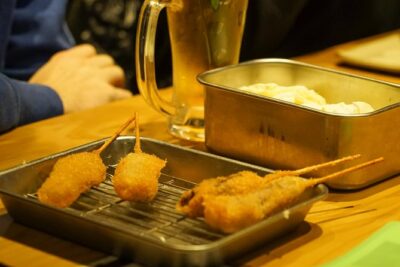 ★ 5.0Osaka Local Foodie Walking Tour in Dotonbori and ShinsekaiFrom $111985 reviews
 ★ 4.2Dotonbori District River Cruise with Drink DiscountFrom $12876 reviews
 ★ 5.0Ultimate Osaka Walking Tour: Castle, Dotonbori & Hidden GemsFrom $73862 reviews
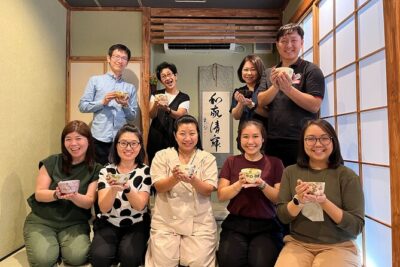 ★ 5.0Tea Ceremony Experience in Osaka DoutonboriFrom $20754 reviews
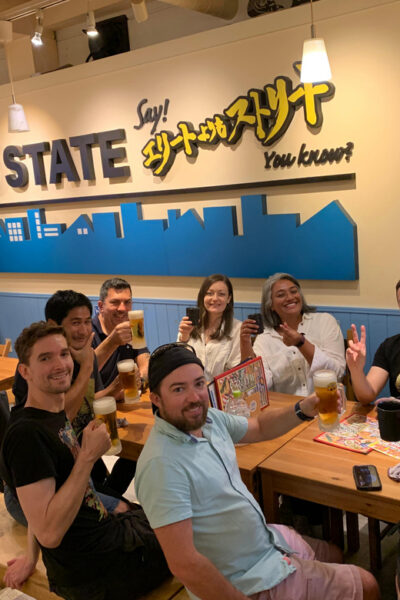 ★ 4.9Namba Pub Bar Crawl with a Local GuideFrom $30424 reviews
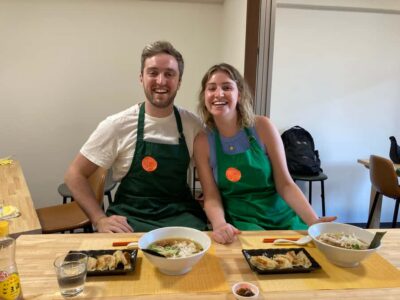 ★ 5.0Ramen and Gyoza Cooking Class in DotonboriFrom $70378 reviews
Dotonbori River Cruise with Glico Sign & Neon ViewsFrom $12376 reviews
★ 5.0Ramen and Gyoza Cooking Class in DotonboriFrom $70378 reviews
Dotonbori River Cruise with Glico Sign & Neon ViewsFrom $12376 reviews
 ★ 3.9Dotonbori’s Bridges 20-Minute CruiseFrom $12303 reviews
Browse the lists this tour appears in