
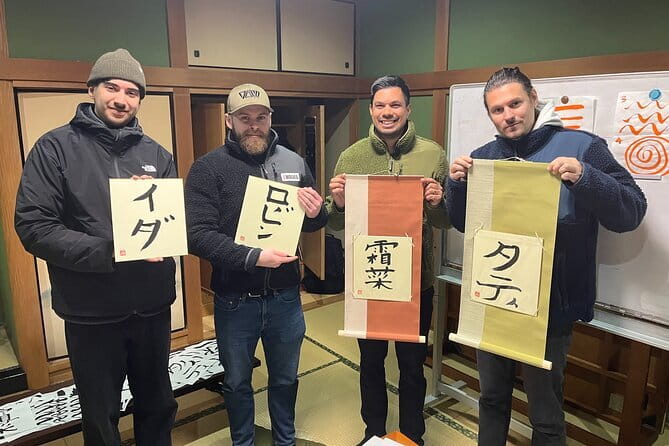
Reviewed · OSAKA CRAFT & CULTURE WORKSHOPS
Osaka Calligraphy Experience
Your name becomes art in two hours. I like how the lesson stays practical, starting with easy character practice before you attempt your own name. I also like the small class size approach, which keeps the instruction close and friendly. One consideration: you’ll be working with ink and brush pressure, so if you hate mess or need very dry, spotless materials, plan accordingly.
This Osaka calligraphy experience is built for beginners and also rewarding for people who already know a bit of Japanese writing. The tone is patient and culture-focused, and you’ll hear the meaning behind strokes as you practice. If you want a memorable souvenir that looks authentic (not like a generic craft), this style of workshop is a smart pick.
In This Review
- Key Highlights You’ll Notice Fast
- Osaka Calligraphy: More Than a Souvenir for Your Shelf
- The 2-Hour Flow: From Tools to Your Name in Japanese
- What You’ll Actually Make: Characters, Name, and a Keepsake
- Masato-sensei’s Teaching Style: Clear, Patient, and Fun
- Price and Value in Osaka: What $66 Buys Here
- Where It Starts: Nishishinsaibashi Meeting Point and Getting Ready
- What to bring
- Group size: small by design
- Who Should Book This Osaka Shodo Workshop
- Quick Tips to Get Better Results in Your 2 Hours
- Should You Book This Osaka Calligraphy Experience?
- FAQ
- How long is the Osaka calligraphy experience?
- What time does it start?
- Where is the meeting point?
- How much does it cost?
- Do I need prior calligraphy experience?
- What will I create during the workshop?
- Is there a limit on group size?
- Will I get a ticket on my phone?
- What is the cancellation window?
Key Highlights You’ll Notice Fast
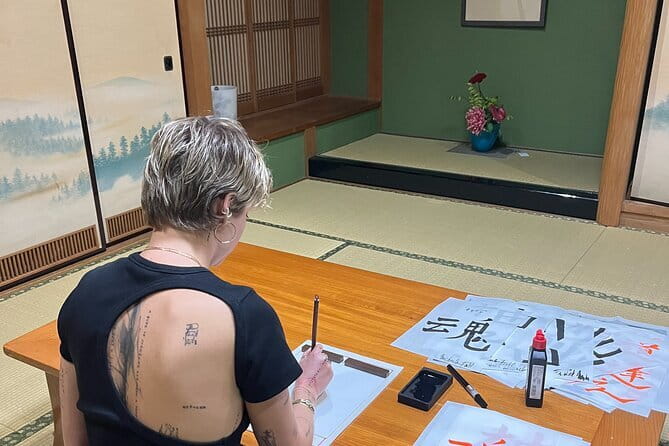
- You write your name in Japanese as the session’s main goal, with step-by-step guidance.
- Small group limits distractions, so you get real correction on brush movement and pressure.
- You start with simple kanji or hiragana, then build confidence through repeated practice.
- You take home your completed piece, so your work is a keepsake, not just a trial.
- A single instructor teaching approach helps keep pacing smooth for different skill levels.
Make the souvenir yourself at more workshops

Osaka Calligraphy: More Than a Souvenir for Your Shelf
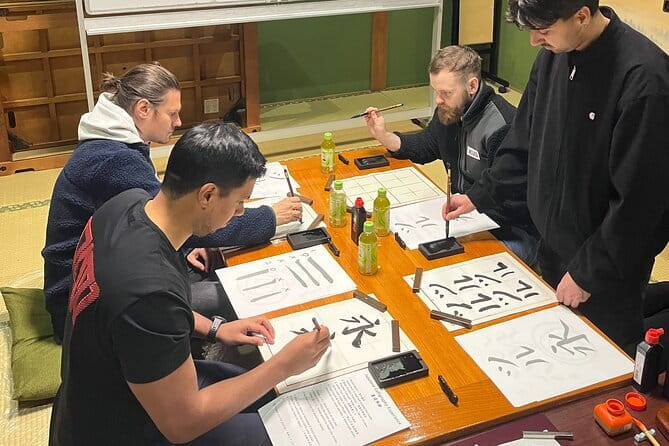
Osaka is great for food and street life, but a calligraphy class adds something quieter and more personal. The trick is that shodo is not just about copying shapes. It’s about controlling motion—how you enter the brush, how you press, how you release, and how long you hold a stroke. That makes the experience feel like skill-building, not watching someone perform.
I like that the workshop frames calligraphy as a living part of Japanese culture. You don’t just get a technique drill. You also get a short introduction to the history and the purpose behind the tools. When you understand why the brush behaves the way it does, your results improve faster, even if you start from zero.
The other big win is momentum. By the end, you have a finished artwork that reflects your own name, not just a practice sheet. That’s what makes the session feel worth your time and money.
The 2-Hour Flow: From Tools to Your Name in Japanese
The session runs about two hours, and the structure matters. You’re not thrown straight into your name without support. You’re guided through stages that match what your hand needs to learn.
1) Welcome and a calligraphy overview
You begin with an introduction to calligraphy’s background and how it’s connected to Japanese writing. You also learn about the tools—especially how brush behavior links to the final stroke.
Why it’s valuable: it takes the mystery out. Instead of thinking, I can’t do this, you start thinking, I need to adjust pressure here and timing there.
2) Demonstration: proper brush and paper technique
Next comes a demonstration of how to hold the brush and how to work on paper. This is where you learn the basics of stroke balance—how to avoid a stroke that looks thick in the wrong place or too faint to read.
Possible drawback: if you expect a purely casual, no-correction experience, you might find the instructor actively shaping your technique. That’s good for results, but it’s not a hands-off activity.
3) Practice with simple characters (kanji or hiragana)
You start with easy kanji or hiragana. The goal is confidence. You learn what a correct stroke feels like, not just what it looks like.
Why this step works: calligraphy improves through repetition. Practicing smaller targets first helps your brain and hand coordinate before you commit to your name.
4) The highlight: write your name in Japanese
Then you move to the main project: transforming your name into a calligraphy piece. You get step-by-step instruction, with personalized guidance on brush movement and ink control. This is where small details matter—speed, pressure, and how the stroke finishes.
5) Take home your finished keepsake
When you finish, you take the completed calligraphy piece with you. That’s the moment the class clicks into souvenir mode in a satisfying way: you’re leaving with something you made yourself.
What You’ll Actually Make: Characters, Name, and a Keepsake
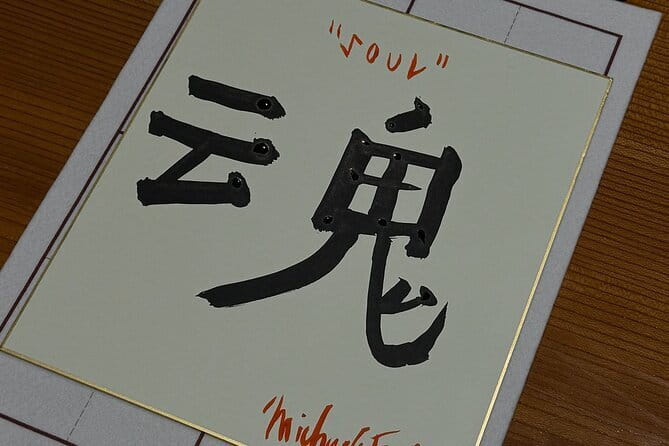
The workshop’s focus is specific: you write your name in Japanese calligraphy. That sounds simple until you realize Japanese names can be represented in different scripts depending on the approach, and the class helps you land the one you’ll use in your final piece.
Here’s what you should expect your final outcome to feel like:
- A finished calligraphy sheet with your name (the highlight).
- Practice work and technique drills that build the muscle memory behind the final piece.
- A clear sense of how your strokes map to your hand choices, especially pressure and timing.
If you’re buying something to bring home, you’ll appreciate the difference between a store-made craft and something you created with real instruction. You can frame or display it later, and it feels more meaningful because it’s personal.
Also, writing your name in Japanese isn’t just cute. It gives you a tiny tool you can use when you’re traveling—like when filling out forms, signing a guest book, or checking how your name looks in a script you’re learning to read.



Masato-sensei’s Teaching Style: Clear, Patient, and Fun
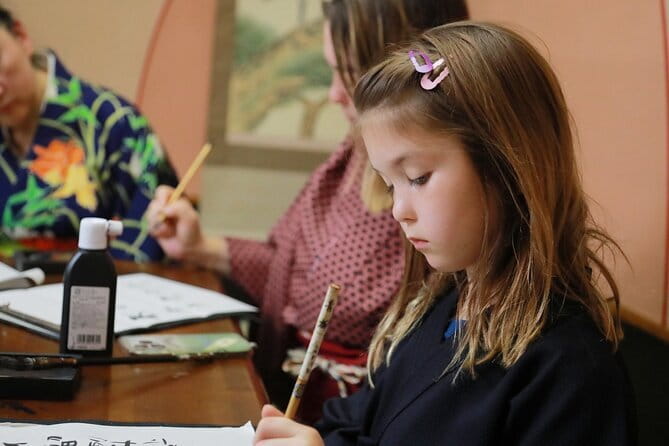
A great class depends less on the materials and more on the teacher’s pacing. This one stands out because the instruction is easy to follow and the teacher is patient with different levels.
In particular, the approach you’ll likely notice includes:
- Clear explanations of technique, so you understand what to change.
- Patient correction when your stroke needs adjustment.
- A conversational tone that makes the workshop feel comfortable, even if you’re traveling solo.
- A mix of technique and culture, so the class doesn’t turn into mindless copying.
One review-style theme that matters in a real way: the teaching doesn’t just aim for an okay result. It aims for you to genuinely improve your stroke control. That’s why people walk away feeling like they learned shodo, not only participated in a class.
If you’re someone who worries about being bad at arts, this is a good match. The class is designed to work for beginners, and it still gives advanced students a structured way to refine fundamentals like pressure control and stroke balance.
Price and Value in Osaka: What $66 Buys Here
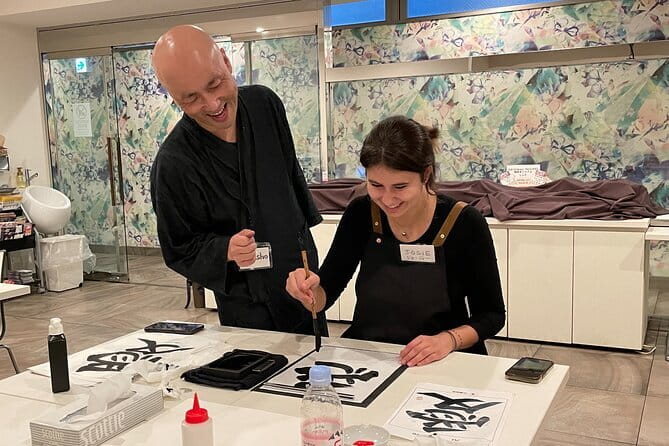
$66 for about two hours is not the cheapest activity in Osaka, but it’s not overpriced for what you’re getting. You’re paying for two things that usually cost more than people expect:
1) Personalized guidance
Even with a small group capped at 4 travelers, you’re not just watching a demo. You get support tailored to your brush movement and ink control. That kind of feedback is hard to replicate in self-guided lessons.
2) A finished work to take home
This isn’t a class where you leave with only memories. You take the completed calligraphy piece with you, which is a big part of the value. If you like souvenirs that feel personal and skill-based, this pays off quickly.
My value check for you: if you want a workshop that produces something you’ll actually keep, and you like guided instruction over trial-and-error, this price makes sense. If your budget is tight and you mainly want something quick and low-cost, you might compare options. But for a high-touch cultural skill class, it’s solid.
Where It Starts: Nishishinsaibashi Meeting Point and Getting Ready
The meeting point is in Osaka’s Chuo Ward, in the Nishishinsaibashi area. You’ll go to レンタルスペース Lien(リアン)Japan, listed at 2-chōme-4-9, 3F. It starts at 2:00 pm, and it ends back at the meeting point.
Because it’s near public transportation, you won’t need a taxi plan. Still, Osaka can be a maze, so I’d treat this like any other meeting-based activity: arrive a little early so you can find the building and floor without stress.
What to bring
The workshop description doesn’t spell out a lot of extra requirements, so the safest approach is simple:
- wear clothing you’re comfortable getting a little ink on (even if spills are unlikely)
- bring a calm, patient mindset—calligraphy rewards focus
- bring your name (in the script you plan to use, or at least the exact spelling you want written)
Group size: small by design
With a maximum of 4 travelers, you’re not squeezed into a noisy room with no chance to ask questions. You also get quicker corrections, because the teacher can watch how each person’s brush moves in real time.
Who Should Book This Osaka Shodo Workshop
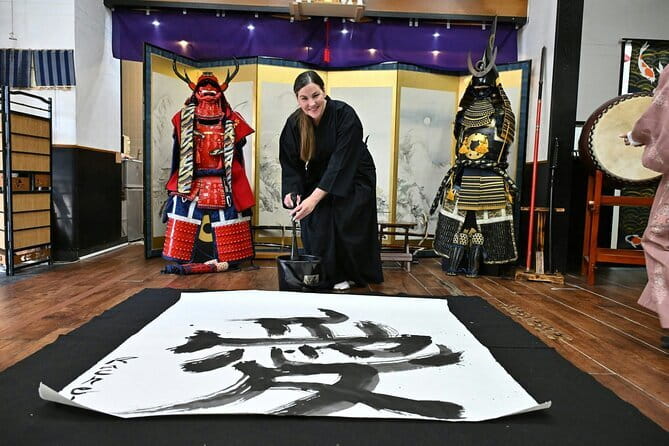
This experience is a good fit if you want one of these outcomes:
- You’re a beginner and want structured guidance that starts with simple characters.
- You’re intermediate or advanced and still want feedback on pressure and stroke balance.
- You want a personal souvenir that looks like real calligraphy work, not a generic craft.
- You like hands-on culture where the skill is the memory.
It’s also a nice option if you’re traveling solo and want a friendly, relaxed environment. The instruction style is described as patient and conversational, which helps when you’re not traveling with a group of friends who can share the pressure.
If you hate slow focus or you want an activity that’s mostly sightseeing, this might feel too quiet. But if you want your brain to learn something and your hands to create something, you’ll likely enjoy it.
Quick Tips to Get Better Results in Your 2 Hours
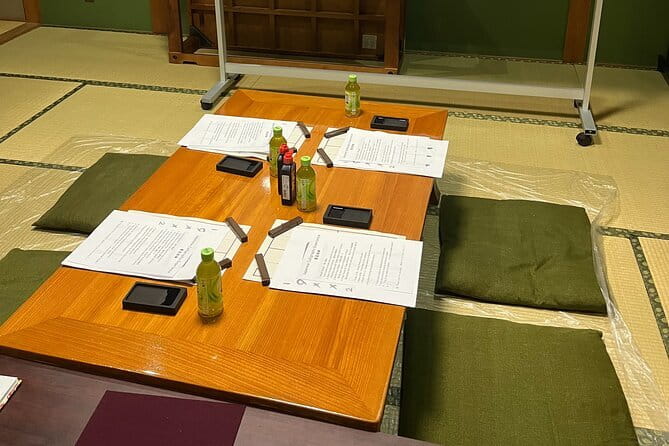
Even with instruction, calligraphy success comes down to a few repeatable habits. You don’t need to overthink. Just aim for these:
- Watch the demo closely before your first stroke. The stroke shape comes from motion.
- Prioritize pressure control over speed. Speed often ruins the look.
- Let strokes finish cleanly. How you lift or release the brush matters.
- Ask when something looks off. That’s the whole point of personalized guidance.
If you do those basics, you’ll feel progress faster, and your final name piece will look more like you meant it.
Should You Book This Osaka Calligraphy Experience?
If you want a guided shodo class where you end with your own calligraphy piece, I’d book it. The value is in the small group limit, the personalized feedback, and the fact that the main goal is concrete: write your name in Japanese and take home the finished artwork.
I’d think twice only if you’re extremely sensitive to any ink-related mess or if you’re looking for a fast, low-effort activity. Otherwise, this is exactly the kind of cultural workshop that turns a trip memory into a keepable object.
FAQ
How long is the Osaka calligraphy experience?
It’s about 2 hours.
What time does it start?
The start time is 2:00 pm.
Where is the meeting point?
You meet at レンタルスペース Lien(リアン)Japan, 2-chōme-4-9 3F, Nishishinsaibashi, Chuo Ward, Osaka (〒542-0086).
How much does it cost?
The price is $66.
Do I need prior calligraphy experience?
No. Most travelers can participate, and the class starts you with simple kanji or hiragana.
What will I create during the workshop?
You’ll practice calligraphy techniques and create a final piece based on writing your name in Japanese, which you take home.
Is there a limit on group size?
Yes. The class has a maximum of 4 travelers.
Will I get a ticket on my phone?
Yes. The tour uses a mobile ticket.
What is the cancellation window?
Free cancellation is available up to 24 hours in advance for a full refund. Canceling within 24 hours of the start time does not include a refund.
More Tour Reviews in Osaka
- Osaka Go Karting Tour with Funny Costume★ 5.0 · 2,658 reviews
- Osaka Castle: Museum and Tower Entry Ticket★ 4.5 · 2,380 reviews
- Osaka: Shinsekai Food Tour with 13-15 Dishes at 5 Eateries★ 4.8 · 2,204 reviews
- Osaka Food Tour: 13 Dishes at 5 Local Eateries★ 5.0 · 2,149 reviews
- Hungry Osaka Street Food Tour:15 Tastings & 3 Drinks with a Local★ 5.0 · 1,727 reviews
Made in Osaka, by You
- Osaka: Tea Ceremony, Calligraphy, and Kimono Experience★ 4.9 · 130 reviews
- 1.5〜2 Hours Traditional Kintsugi Work Shop in Namba Osaka★ 5.0 · 75 reviews
- Osaka: Private Japanese Calligraphy Experience★ 5.0 · 66 reviews
- From Osaka: Sakai Knife Maker or Blacksmith Walking Tour★ 4.9 · 64 reviews
- Osaka: Traditional Japanese Ceramics Private Experience★ 5.0 · 57 reviews
The Newest Osaka Write-Ups
- Private Photoshoot in Osaka with a Professional Photographer
★ 5.0 · 3 reviews - Osaka Early Morning Osaka Castle Tour Avoid Crowds
★ 5.0 · 3 reviews - Nara Private Tour with Pick and Drop and English Speaking Driver
★ 3.5 · 3 reviews - Osaka: Modern Vegetarian Sushi Cooking Class
★ 5.0 · 3 reviews - Nara Day Trip from Osaka with a Licensed Guide
★ 5.0 · 3 reviews
Osaka Craft & Culture Workshops, compared.
 ★ 4.9Tea Ceremony, Calligraphy, and Kimono ExperienceFrom $96130 reviews
 ★ 5.01.5〜2 Hours Traditional Kintsugi Work Shop in Namba OsakaFrom $12575 reviews
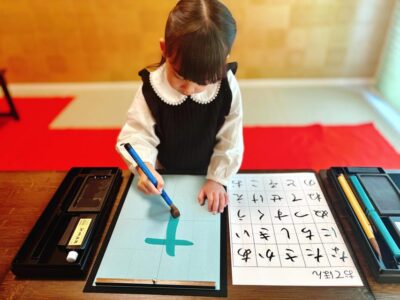 ★ 5.0Private Japanese Calligraphy ExperienceFrom $5166 reviews
 ★ 4.9From Osaka: Sakai Knife Maker or Blacksmith Walking TourFrom $6464 reviews
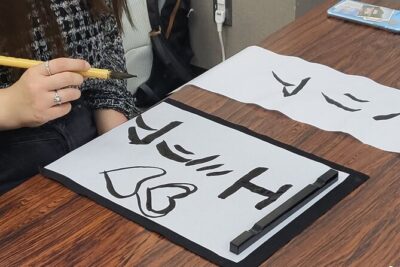 ★ 5.0Calligraphy Workshop in Namba, DotonboriFrom $4957 reviews
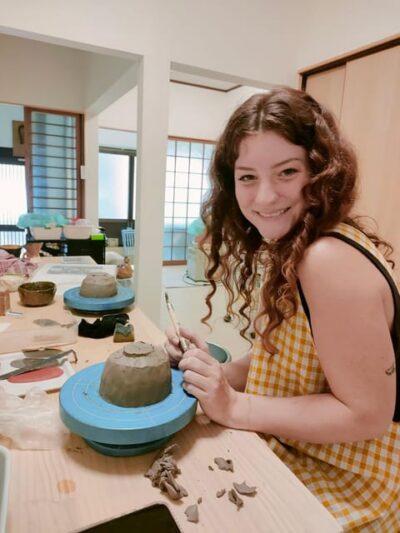 ★ 5.0Traditional Japanese Ceramics Private ExperienceFrom $9657 reviews
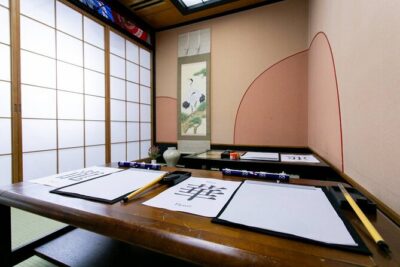 ★ 4.5Learning Zen of Japanese Calligraphy in kimono near Osaka CastleFrom $4353 reviews
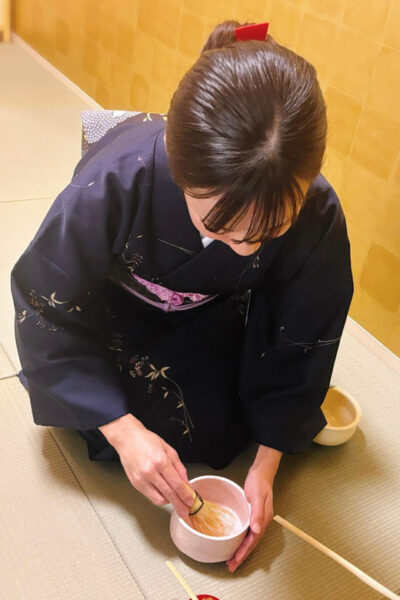 ★ 5.0Private Tea Ceremony and Calligraphy ExperienceFrom $6450 reviews
Browse the lists this tour appears in