
Reviewed · OSAKA TEA CEREMONY & MATCHA
Matcha Tea Bowl Experience in Osaka
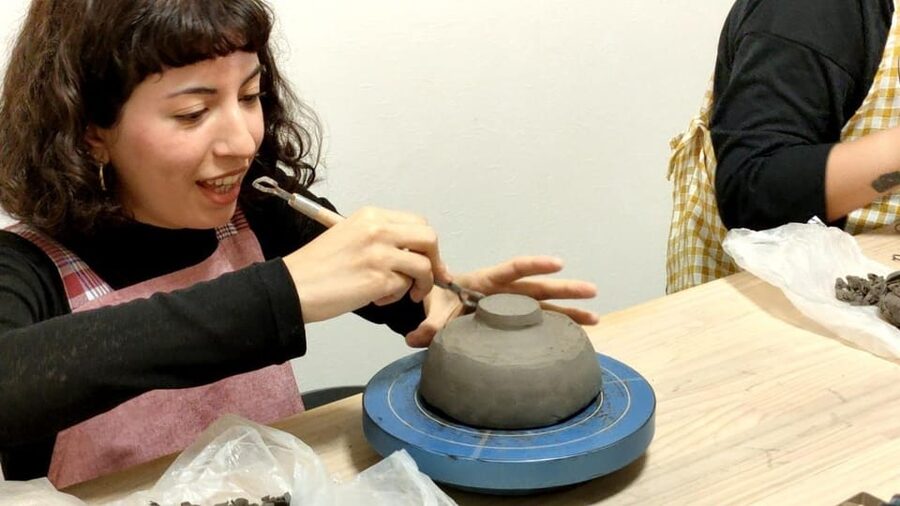
A bowl you carve becomes your Osaka souvenir. This matcha tea bowl experience teaches you the kurinuki carving technique, so your finished chawan carries that relaxed, imperfect wabi-sabi feel. I love that it’s hands-on from the first minute, and I like that you learn how the bowl fits into the tea ceremony, not just how to decorate clay.
You’ll do the workshop as a private group, and it runs in English or Spanish (with Catalan and Japanese also available). Anna, the ceramist leading the session, guides you step by step in a traditional setting, then helps you enjoy your drink at the end.
One consideration: you won’t carry the fired bowl home right away. Your bowl gets made and processed, then shipped to your address about two months later, and shipping costs are extra.
In This Review
- Key things to know before you go
- Why a matcha tea bowl you make in Osaka beats buying one
- Where you meet and how the workshop actually starts
- Kurinuki carving: the core of your one-of-a-kind chawan
- Tea ceremony context: learning how the bowl fits the ritual
- The finish: colors, a drink, and your ceramic gift
- The take-home reality: shipping your bowl about two months later
- Optional upgrade: add tea ceremony basics with Kiyomi and Masako
- Price and value: what you’re really paying for (and why it’s not just a craft)
- Who this is for—and who should skip it
- Should you book this Osaka matcha tea bowl experience?
- FAQ
- Where is the meeting point?
- How long does the workshop take?
- What languages is the workshop offered in?
- Is it possible to ship the bowl after the workshop?
- What’s included in the price?
- Is this experience suitable for everyone?
Key things to know before you go
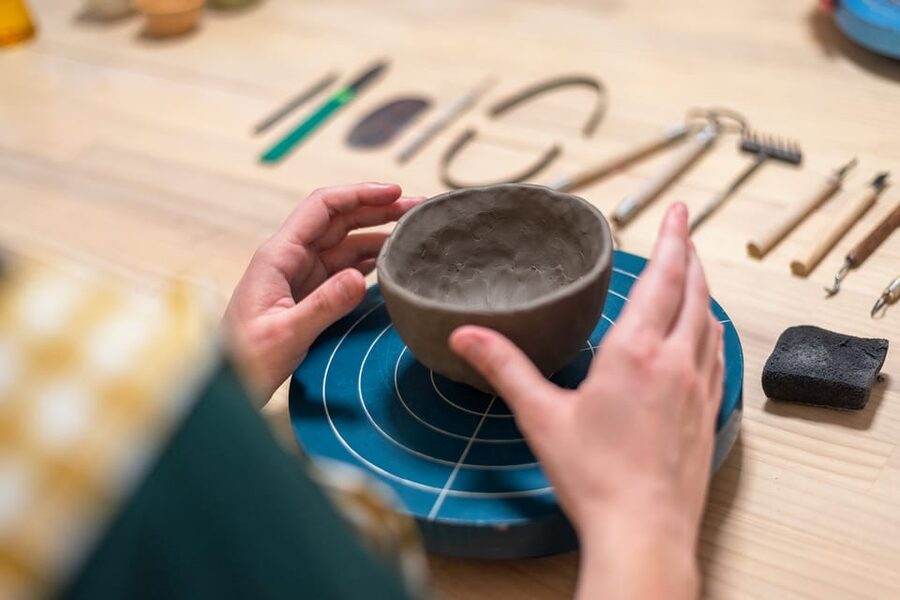
- Kurinuki carving: you carve your clay with tools to create a truly individual design.
- Tea-ceremony meaning: you learn why the chawan matters and how it’s used in the ritual.
- Personal touches: you choose bowl colors and sign your bowl in Japanese characters.
- Small, focused experience: private group format keeps it calm and personal, even if you’re a first-timer.
- Take-home outcome takes time: you’ll receive the fired/finished piece by shipping later (with costs not included).
Another bowl whisked slowly in Osaka

Why a matcha tea bowl you make in Osaka beats buying one
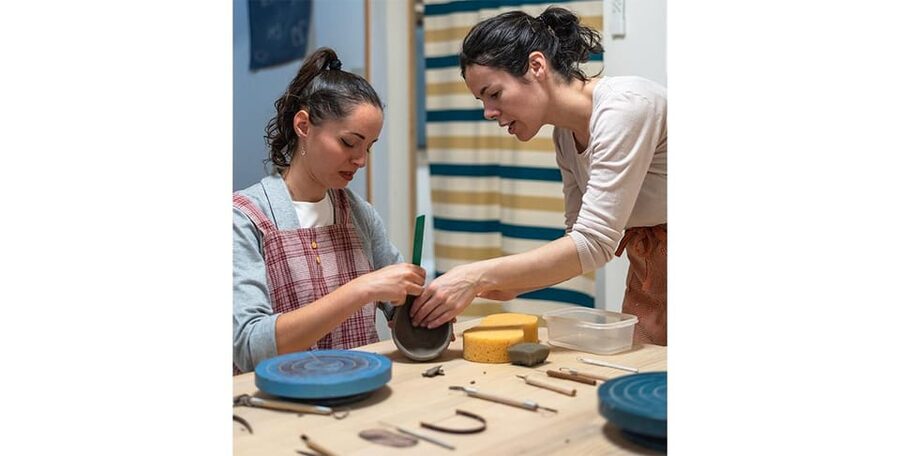
Buying pottery in Osaka is easy. Learning the thinking behind it is the difference. A matcha tea bowl (a chawan) isn’t just a pretty container. In tea culture, it’s shaped for how tea is whisked and how the host shares a moment—so the form, texture, and even the asymmetry matter.
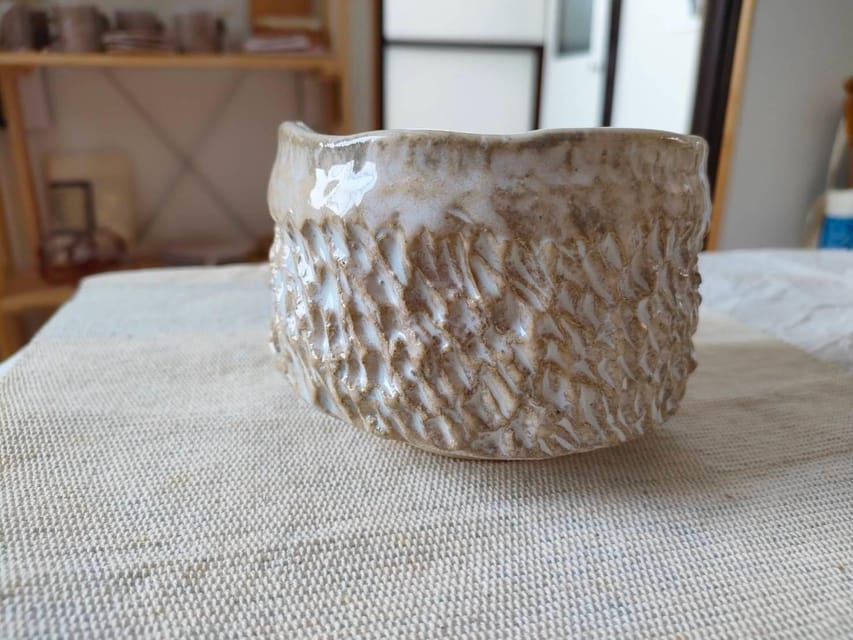
This workshop connects you to that idea through craft. You’re using a traditional carving method called kurinuki, which creates the look and feel of a piece made with patience. That style is valued in Japan because it naturally leans into wabi-sabi: beauty that looks human, lived-in, and slightly imperfect. You’re not chasing a “perfect” product; you’re making something personal that fits the philosophy.
I also like that you end with a drink and sweets. It’s a good reality check: you’re not just practicing technique in a vacuum. You taste and see what the bowl is for, which makes the souvenir feel more meaningful.
Where you meet and how the workshop actually starts
You meet at JR Teradacho Station, north exit. You’ll spot the host because they carry a sign that says Ceramics Tocoton.
The experience includes a station pick-up service, which matters in Osaka where walking time can sneak up on you—especially if you’re trying to line up this workshop with other sights. Expect the session to feel grounded and un-rushed once you arrive in the workshop space.
Also note the language setup. The workshop is offered in English or Spanish, and the instructor also supports Catalan and Japanese. If you’re choosing your tour language, go with what you’re most comfortable using for questions about the tea ceremony and the craft steps.
Kurinuki carving: the core of your one-of-a-kind chawan
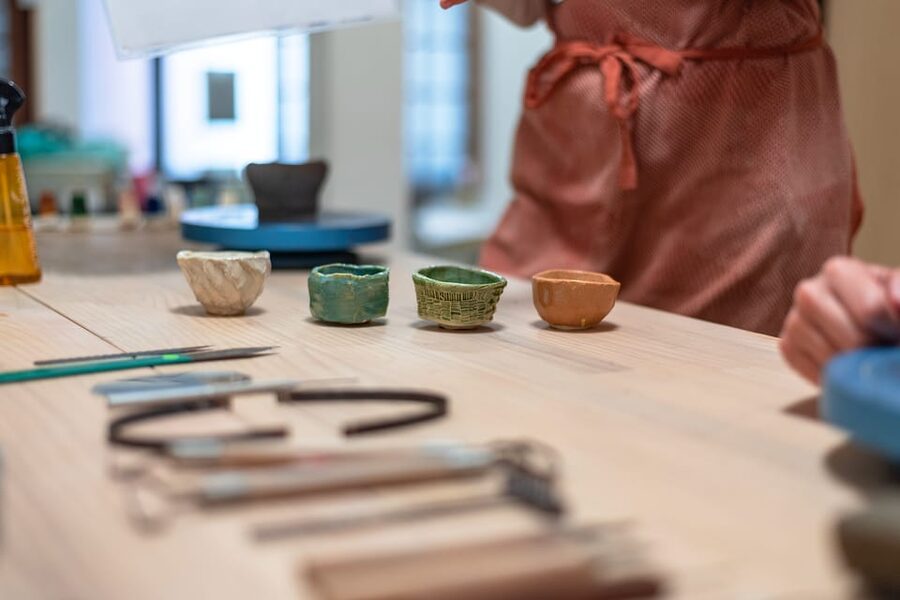
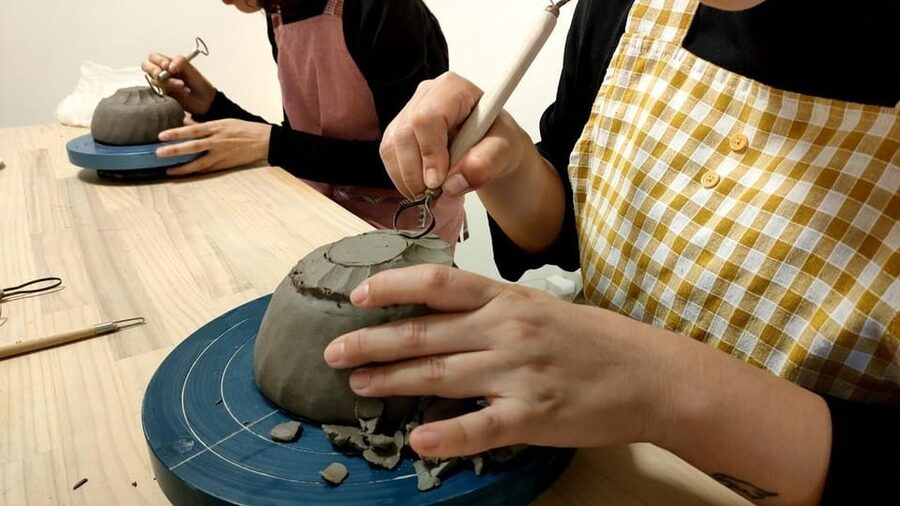
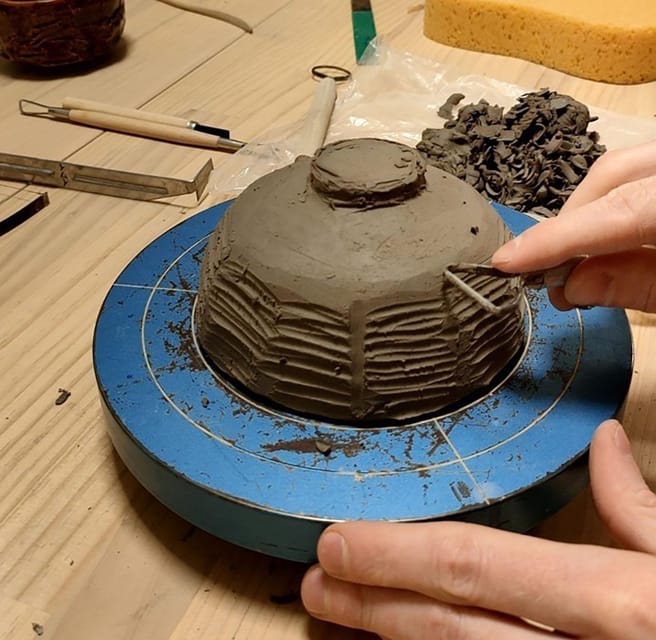
The main action is decorating your matcha tea bowl using the traditional kurinuki technique. This method involves carving clay with different tools to produce a design that’s completely your own.
The practical win here is that you don’t need prior pottery experience. The workshop is designed for beginners, and the instructor guides you through the entire process. In real terms, that means you’re not stuck guessing how hard to press or how to plan carving depth. You’ll be able to focus on creating something you recognize as yours.
You’ll also sign your bowl in Japanese characters. That’s a small detail, but it’s a big one for souvenir value. A signed piece becomes a memory you can read at a glance.
When you’re done, you get to choose the color for your bowl. That choice helps you steer your final aesthetic while staying within traditional methods, so you don’t end up with a decoration that feels like it came from a store shelf.


Tea ceremony context: learning how the bowl fits the ritual
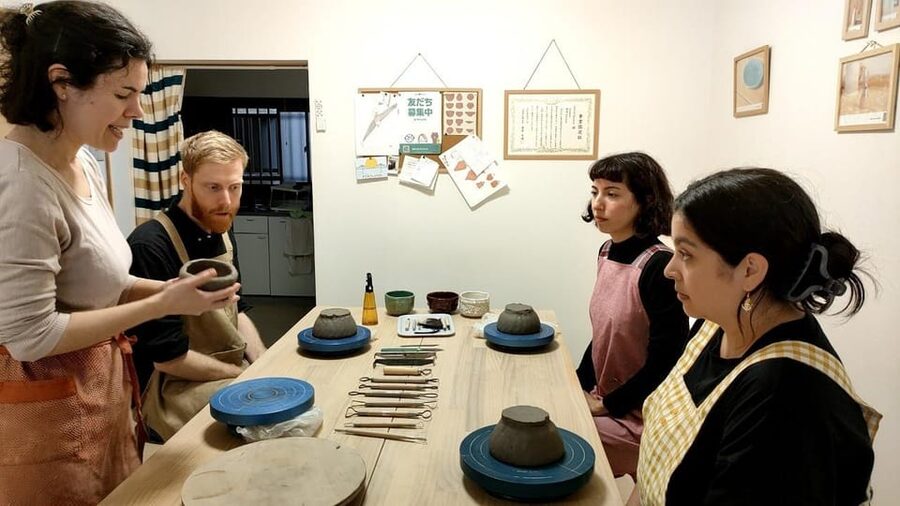
This isn’t a clay class that happens to mention matcha. The workshop includes cultural explanations about using a matcha tea bowl in the tea ceremony and other elements of Japanese culture.
Why that matters: if you only learn the craft, your bowl may become a decorative object. If you understand the role of the chawan, you’re more likely to actually use it (or at least display it with a story attached). You’ll also learn the mindset behind tea: a focus on comfort, attention, and shared respect between host and guest.
You prepare matcha tea and Japanese sweets to accompany it. That pairing is useful because it lets you experience the full “tea moment,” not just the beverage. And because the bowl design was part of that moment, the experience sticks.
The finish: colors, a drink, and your ceramic gift
Near the end of the session, you select the bowl color and then enjoy your drink. This is the part that turns the workshop from hands-on making into something closer to a small ritual.
You’ll also receive a ceramic gift made of ceramics. Even if you don’t think you’ll need extra pottery at home, that gift is worth paying attention to. It’s often the “extra” that helps you remember the workshop after the main bowl has already been shipped.
There’s also time to browse a small pottery shop on-site. One person noted it had handmade pottery at reasonable prices. Even if you don’t buy anything, it’s a nice way to see what Japanese ceramics look like when you’re surrounded by the real stuff.
The take-home reality: shipping your bowl about two months later
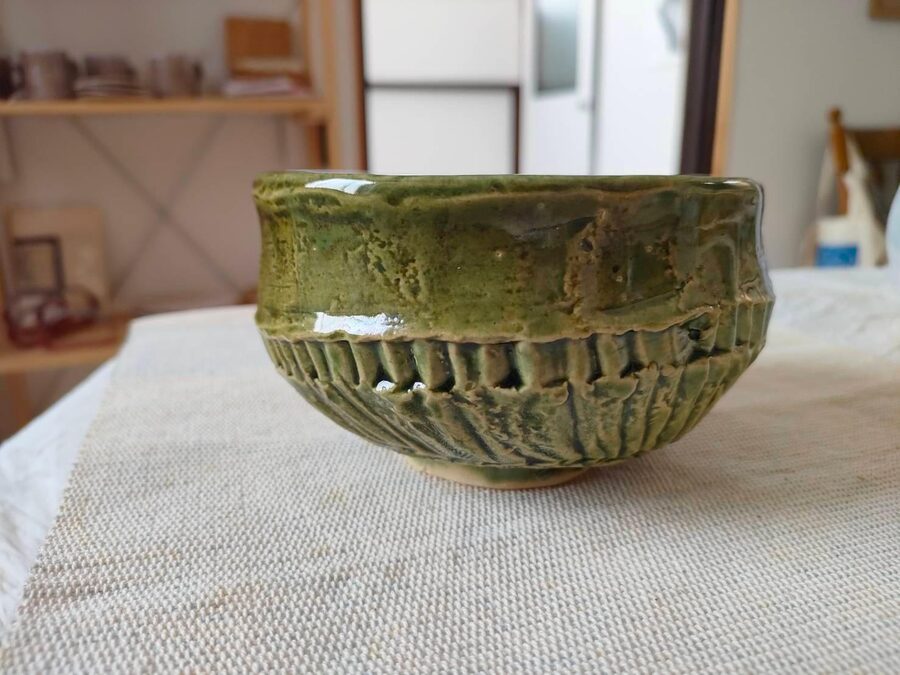
Here’s the practical timeline: your bowl will be shipped to the address you provide in about two months. Shipping costs aren’t included, and you’ll need to contact the provider for an approximate cost, which depends on your country and the number of people.
This waiting period changes how you should plan. Treat it as a souvenir you’ll receive later, not something you can pack the same day. If you’re traveling light and hate dealing with bulky items, that can be a plus. If you want immediate gratification, plan around the shipping delay.
At the same time, shipping can feel like a hassle. The upside is that you’re giving the bowl over to professionals who handle firing and glazing properly, which is one of the most important steps in making ceramics last.
Optional upgrade: add tea ceremony basics with Kiyomi and Masako
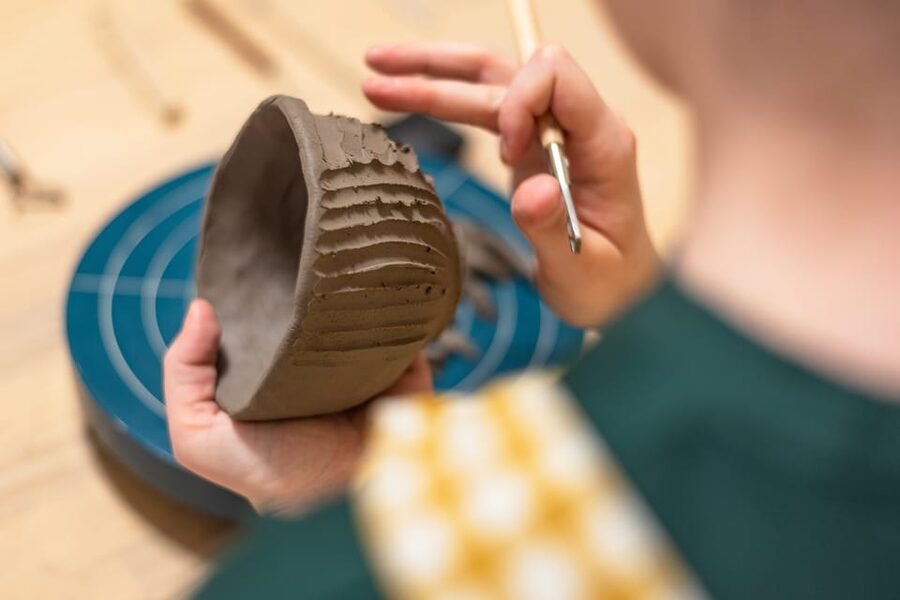
If you want more than just bowl-making, there’s an optional combined workshop. It adds basic tea ceremony learning and matcha preparation before you carve your bowl.
In this combo, you’ll prepare tea with tea ceremony masters Kiyomi and Masako, then move on to the pottery portion with Anna. It’s a two-part experience: tea culture first, then the craft that supports it.
Afterward, you’ll enjoy matcha tea with Japanese sweets, and then shape and decorate your matcha tea bowl using traditional pottery techniques. The added value is that you get to connect the bowl you’re making with how tea is actually prepared and served.
This option also includes exploring the local area of Ikuno Ward in Osaka after the workshop. The data doesn’t spell out exactly what you’ll see, so think of it as time built into the plan to wander nearby rather than a full guided city tour.
Price and value: what you’re really paying for (and why it’s not just a craft)
At $83 per person, you’re paying for more than clay and tools. You’re paying for:
- guided instruction in a traditional carving method
- cultural explanations about tea ceremony use
- materials and equipment during the session
- matcha tea and Japanese sweets
- a ceramic gift
- station pick-up service
- and the fact that your bowl gets fired/glazed and shipped later
If you compare this to DIY workshops you might find elsewhere, the value is in the combination. You’re getting a skill (kurinuki carving), context (tea ceremony meaning), and an outcome that becomes a real, useable ceramic piece after processing.
The one extra cost to understand is shipping. Since shipping depends on country and group size, you won’t know the final total until you request it. Still, the idea is clear: you’re not paying for travel hassle and packing stress—you’re trading it for a later delivery.
Who this is for—and who should skip it
This is a great fit if you want a hands-on Osaka experience that feels traditional and personal. It’s also a strong choice if you like learning through making, and you want a practical souvenir tied to Japanese culture.
It’s not suitable for children under 6 years old. It also isn’t adapted for wheelchair users. If accessibility is a concern for your group, you’ll want to double-check whether the space and movement requirements work for your needs before you book.
You’ll also get the best experience if you’re willing to slow down. Carving clay takes patience. The result is worth it, but this isn’t the kind of activity you rush through between train stops.
Should you book this Osaka matcha tea bowl experience?
Book it if you want an authentic, craft-based souvenir with tea ceremony meaning, and you’re happy to receive your finished bowl later by shipping. The private group format plus step-by-step guidance makes it approachable, even if you’ve never touched clay.
Skip it if you need a finished ceramic item immediately, or if your schedule can’t handle a two-month wait. Also be mindful of accessibility limits and the fact that shipping costs are extra.
If you’re building an Osaka itinerary around hands-on culture, this is one of the better ways to bring the city home with you—because your design isn’t copied. It’s carved by you, shaped around tradition, then finished into something you can use.
FAQ
Where is the meeting point?
You meet at JR Teradacho Station (north exit). The team will be holding a sign that says Ceramics Tocoton.
How long does the workshop take?
Plan for about 90 minutes to 2 hours.
What languages is the workshop offered in?
The workshop runs in English or Spanish. Catalan and Japanese are also supported by the instructor.
Is it possible to ship the bowl after the workshop?
Yes. Your bowl is shipped to the address you provide about two months after the session. Shipping costs are not included, so you’ll need to contact the provider for an approximate cost.
What’s included in the price?
Included are station pick-up service, all materials and equipment, drinks, a ceramic gift, and technical and cultural explanations.
Is this experience suitable for everyone?
It isn’t suitable for children under 6 years old and it’s not adapted for wheelchair users. If you expect to arrive late, contact the provider—being more than 15 minutes late is considered a no-show.
More Tour Reviews in Osaka
- Osaka Go Karting Tour with Funny Costume★ 5.0 · 2,658 reviews
- Osaka Castle: Museum and Tower Entry Ticket★ 4.5 · 2,380 reviews
- Osaka: Shinsekai Food Tour with 13-15 Dishes at 5 Eateries★ 4.8 · 2,204 reviews
- Osaka Food Tour: 13 Dishes at 5 Local Eateries★ 5.0 · 2,149 reviews
- Hungry Osaka Street Food Tour:15 Tastings & 3 Drinks with a Local★ 5.0 · 1,727 reviews
Matcha, Whisked and Poured
- Osaka: Tea Ceremony Experience★ 4.9 · 1,426 reviews
- Tea Ceremony Experience in Osaka Doutonbori★ 5.0 · 754 reviews
- Matcha Making Class in Osaka with Authentic Japanese Sweets Set★ 5.0 · 509 reviews
- Osaka: Matcha Making Experience with Japanese Sweets★ 5.0 · 146 reviews
- Osaka: Tea Ceremony, Calligraphy, and Kimono Experience★ 4.9 · 130 reviews
The Newest Osaka Write-Ups
- Private Photoshoot in Osaka with a Professional Photographer
★ 5.0 · 3 reviews - Osaka Early Morning Osaka Castle Tour Avoid Crowds
★ 5.0 · 3 reviews - Nara Private Tour with Pick and Drop and English Speaking Driver
★ 3.5 · 3 reviews - Osaka: Modern Vegetarian Sushi Cooking Class
★ 5.0 · 3 reviews - Nara Day Trip from Osaka with a Licensed Guide
★ 5.0 · 3 reviews
Osaka Tea Ceremony & Matcha, compared.
 ★ 4.9Tea Ceremony ExperienceFrom $251,426 reviews
 ★ 5.0Tea Ceremony Experience in Osaka DoutonboriFrom $20754 reviews
 ★ 5.0Matcha Making Class in Osaka with Authentic Japanese Sweets SetFrom $21509 reviews
 ★ 5.0Matcha Making Experience with Japanese SweetsFrom $22146 reviews
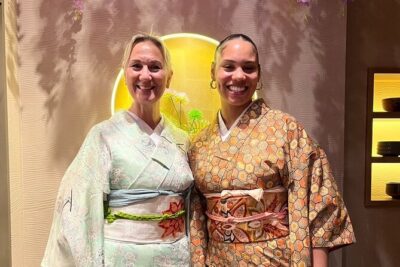 ★ 4.9Tea Ceremony, Calligraphy, and Kimono ExperienceFrom $96130 reviews
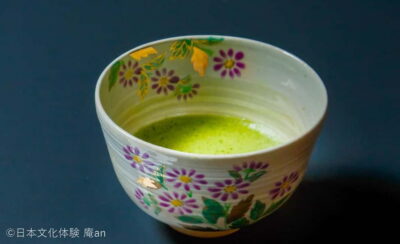 ★ 4.7Japanese Traditional Sweets Making and Tea CeremonyFrom $18118 reviews
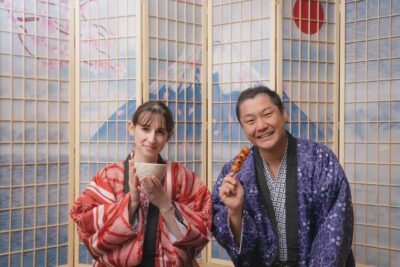 ★ 4.9Osaka Temple Cool Foot Bath & Matcha Experience〈45min〉From $3482 reviews
 ★ 5.0Samurai Show, Tea Ceremony, Japanese Traditional ActivitiesFrom $4456 reviews
Browse the lists this tour appears in