
Reviewed · OSAKA COOKING CLASSES
Master Washoku: 5 Core Techniques for Authentic Cooking
Five Japanese snacks, three hours, and a plan.
This Osaka cooking class with Yuki and a Michelin-trained chef turns washoku into practical skills, not just food photos. You’ll work with classic flavors like soy sauce, mirin, and sake, learning grilling, simmering, marinating, and pickling as you cook your way through the menu.
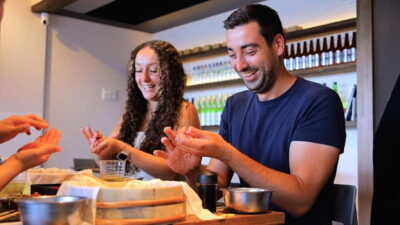
I really like two things about this experience. First, it’s truly hands-on: you prepare all five snacks yourself, from wasabi garlic potato salad to mixed rice onigiri. Second, the teaching style is relaxed and personal, with plenty of tips and tricks so you understand what to do and why, not just copy steps.
One drawback to consider: this is a short class focused on snack-sized dishes, not a long restaurant meal. If you’re coming in with serious hunger expectations, you’ll likely want a solid plan for dinner after.
In This Review
- Quick hits before you go
- Master Washoku in Osaka: what you’re really learning in 3 hours
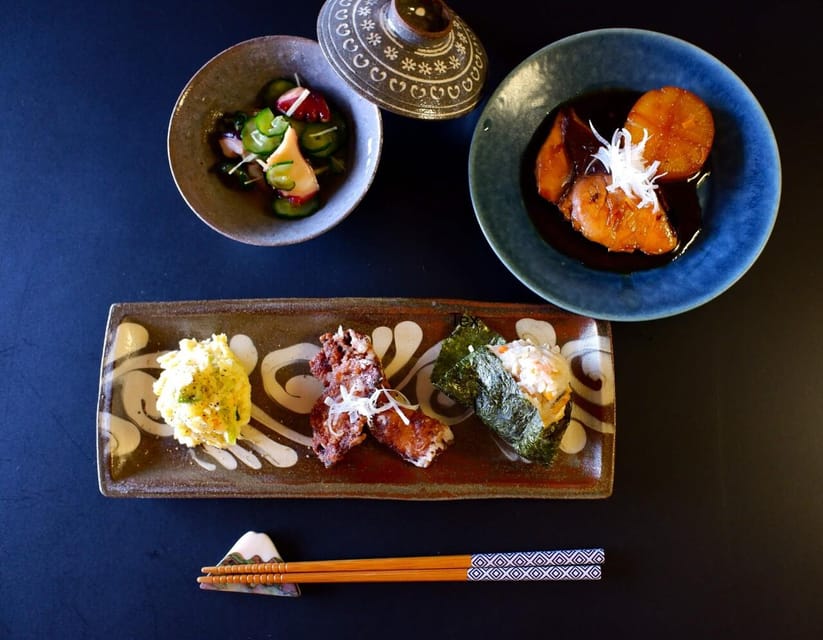
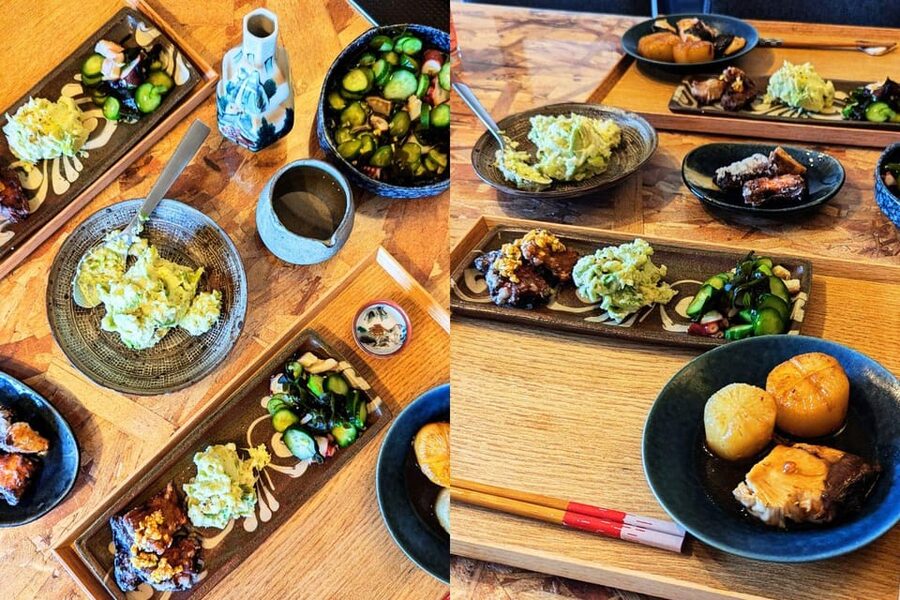
- The five snack menu and the technique behind each bite
- Wasabi garlic potato salad: learning heat and balance
- Octopus and cucumber vinegar salad: mastering a clean tang
- Fish Tatsuta-age with scallion sauce: marinating that actually shows up
- Simmered yellowtail with daikon: tender texture through simmering
- Mixed rice onigiri: making comfort food with a technique twist
- The core washoku methods you’ll practice (not just hear about)
- Japanese pantry staples: soy sauce, mirin, and sake in real use
- Optional premium sake tasting: chilled vs warm, and why it matters
- Chef-led teaching in a small group: how you get answers fast
- Price and value: is $109 worth it in Osaka?
- Where you meet and how the apartment setup works
- Who should book this class (and who should skip it)
- Should you book Master Washoku?
- FAQ
- How long is the Master Washoku class in Osaka?
- What is the price per person?
- How many people are in the group?
- Where does the class take place?
- Who teaches the class?
- What dishes do you cook during the class?
- Is the premium sake tasting included?
- Are ingredients and equipment provided?
- Do I need to bring anything or arrange my own transportation?
- What if I have food allergies?
Quick hits before you go
- Small group of 4 means more personal attention while you cook
- Michelin-trained chef instruction keeps the techniques grounded and credible
- Five snack dishes cover core methods like marinating and simmering
- Optional premium sake tasting includes two chilled sakes plus one warm
- Apartment in central Osaka setup with aprons, tea, and water included
- Digital photos help you remember what you made (and how it looked)
Flour on your hands, more Osaka kitchens to try


Master Washoku in Osaka: what you’re really learning in 3 hours
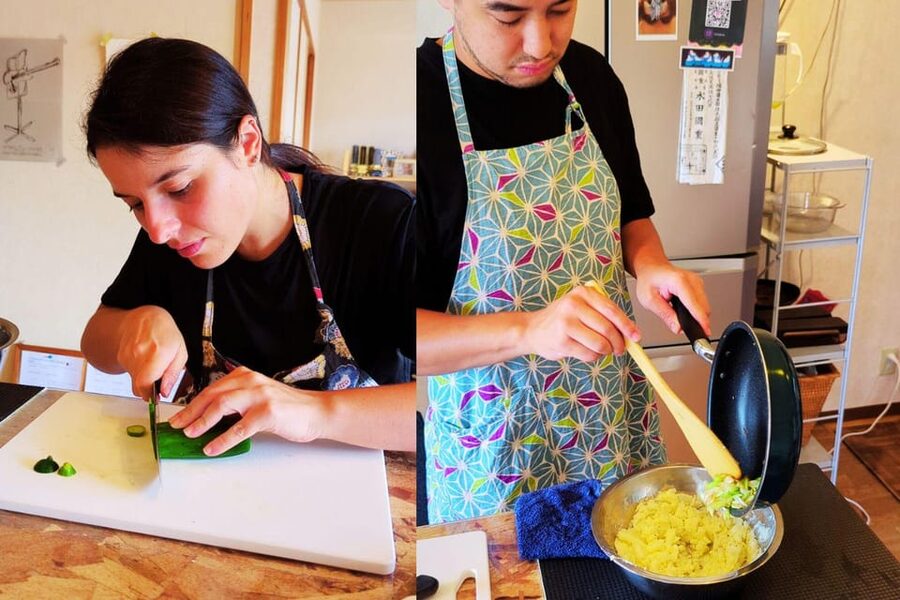
In three hours, you’re not trying to learn Japanese cooking as a concept. You’re learning it as repeatable technique. That’s a big deal when you’re traveling, because you want something you can carry home—at least a few core moves that make your next kitchen meal better.
I like that the class is built around washoku fundamentals beyond the usual sushi and tempura story. The focus stays on balancing flavors and using traditional ingredients the way Japanese home cooks do. You’ll work with everyday staples like soy sauce, mirin, and sake, and that’s where a lot of the magic lives.
The other thing that matters is the pacing. With a small group and hands-on instruction, you get time to ask questions and adjust while you cook. The environment stays relaxed, so you’re not rushing through five dishes like it’s a factory line.
The five snack menu and the technique behind each bite
This is a “make and taste” format. The menu is designed like a skills checklist, where each dish teaches a specific flavor approach and cooking method.
Wasabi garlic potato salad: learning heat and balance
You start with wasabi garlic potato salad, an izakaya favorite with a spicy kick. This dish is a good opener because potato salad teaches you how Japanese seasoning can be bold without being sloppy.
Here’s what you should pay attention to: how the wasabi flavor shows up alongside garlic and other seasoning. You’re learning that Japanese heat can be sharp and clean, not just hot. If you’ve only had mild “mayonnaise-type” potato salads, this one shifts the direction fast.



Octopus and cucumber vinegar salad: mastering a clean tang
Next comes octopus and cucumber vinegar salad. This is the classic Japanese vinegar-salad pattern: cool cucumber, a lively vinegar dressing, and seafood that feels bright rather than heavy.
This one earned particular praise, and it makes sense. When a vinegar salad works, it tastes crisp and balanced, with acidity that lifts everything instead of taking over. You’ll learn how to build that balance as you prepare the components and dressing.
If you want a souvenir flavor, this is it. It’s the kind of salad you can recreate at home with small tweaks to suit your taste.
Fish Tatsuta-age with scallion sauce: marinating that actually shows up
Then you move to fish tatsuta-age with scallion sauce. The dish is described as crispy and marinated, so the key lesson is that flavor isn’t just in the sauce at the end. It’s worked into the fish first.
The scallion sauce matters too. It gives you a fresh, aromatic counterpoint to the savory fish flavor. I like that you’re not only learning technique here—you’re learning pairing, which is half of cooking success.
Simmered yellowtail with daikon: tender texture through simmering
The simmered yellowtail with daikon is where you practice patience. Daikon needs time to soften and become tender, and yellowtail should stay delicate rather than overcooked.
This dish is essentially a lesson in gentle control. You’ll see how simmering changes ingredients, turning something sturdy like daikon into something silky. You also get to taste the difference between just cooking and cooking with the right tempo.
Mixed rice onigiri: making comfort food with a technique twist
You finish with mixed rice onigiri. This is comforting food, but the lesson is technique: you’re learning to make seasoned mixed rice and shape it into onigiri.
The menu notes a unique twist to the rice, so expect it to be more than plain white rice. If you’ve ever made onigiri from a packet and wondered why yours didn’t taste like restaurant-level, this kind of instruction is exactly what closes that gap.
Shaping is also where you’ll feel the class as a real experience. It’s hands-on, tactile, and satisfying. Even if you’re not a confident kitchen person, you can get it right with guidance.
The core washoku methods you’ll practice (not just hear about)
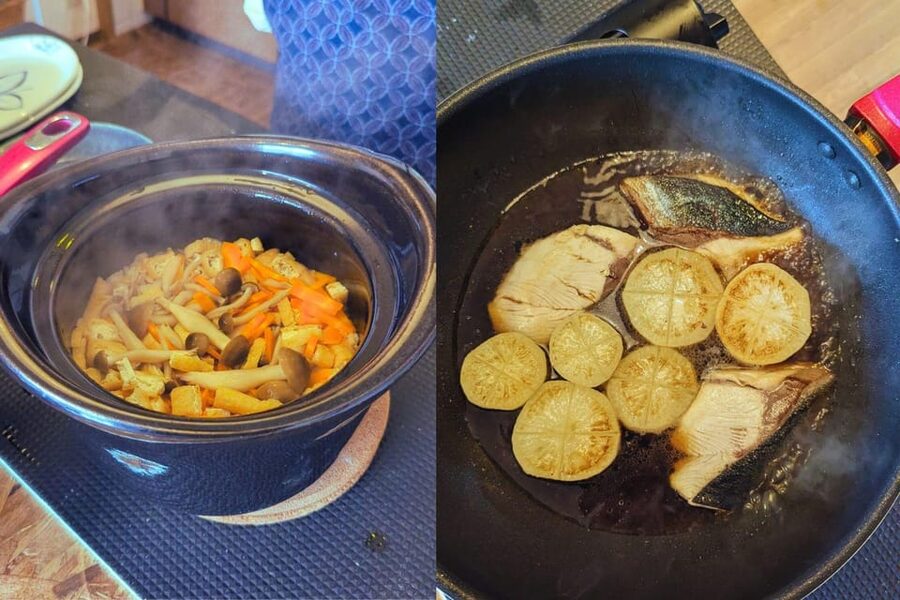
The class explicitly teaches multiple techniques: grilling, simmering, marinating, and pickling. You might not use every method in a single dish, but the way the menu is built helps you connect the method to the flavor result.
That connection is what makes washoku click. You stop seeing Japanese food as mysterious and start seeing it as logic: acidity for lift, simmering for tenderness, marinating for flavor depth, and careful seasoning for balance.
Along the way, you’ll also get cultural insights and cooking technique explanations tied to the dishes. That matters because many people learn recipes from the internet and miss the intent behind them. Here, you learn what the ingredient is supposed to do—so you can adjust when you don’t have the exact same pantry at home.
Japanese pantry staples: soy sauce, mirin, and sake in real use
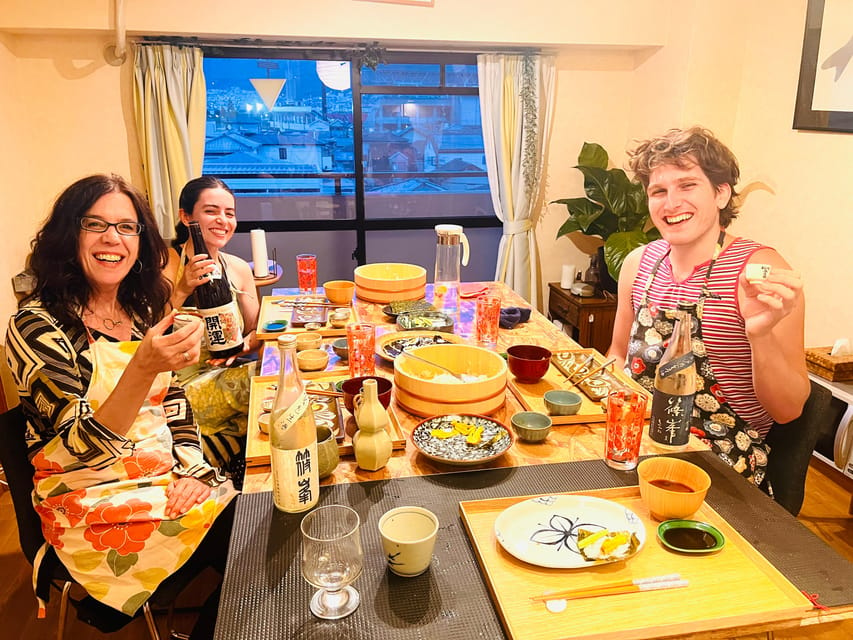
If you’ve eaten Japanese food and wondered why it tastes so layered, the answer often comes back to the pantry basics: soy sauce, mirin, and sake.
In this class, you don’t just read about them. You use them as working ingredients while preparing your snacks. That’s where the learning sticks. You start to notice how these ingredients change food at different stages, like when they’re used for seasoning versus building a sauce.
Also, the class is aimed at giving you confidence. If you’re new, you’ll get a clear path through the steps. If you cook already, you’ll still appreciate the guidance on flavor balance, because “more salt” isn’t the solution in washoku. The solution is usually proportion and timing.
Optional premium sake tasting: chilled vs warm, and why it matters
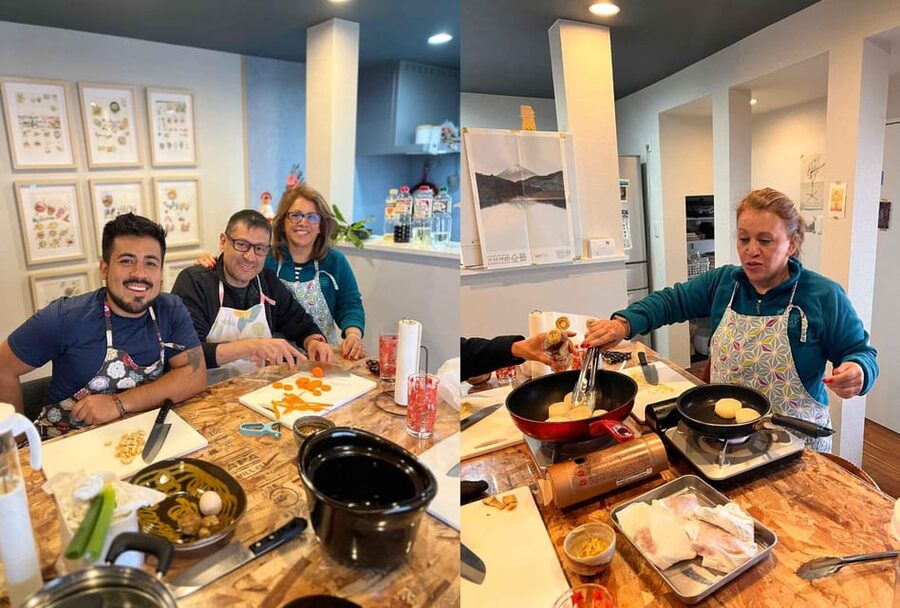
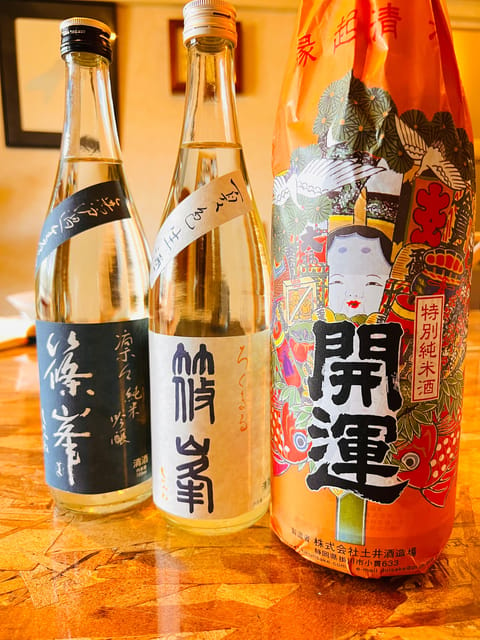
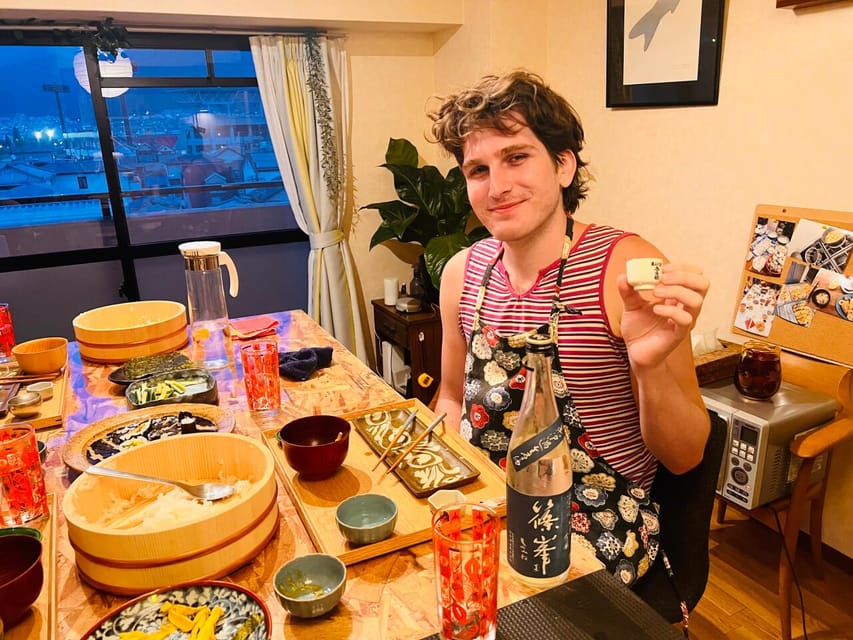
If you choose the premium sake tasting, you’ll sample three types. The set includes two chilled sakes and one warm sake.
The two chilled examples are a Junmai and a Junmai Ginjo from the same brand, which is clever. It’s a controlled way to compare style changes without the brand acting like a confounding variable. Then you’ll taste one warm sake to experience how temperature changes the flavor profile.
This isn’t about sounding fancy. It’s about training your palate. When you taste chilled versus warm, the aroma and texture can feel different, even when the base product is the same. You get a practical lesson in serving and how to think about what you’re drinking.
And since it’s guided, you’ll have someone pointing out what to look for while you taste.
Chef-led teaching in a small group: how you get answers fast
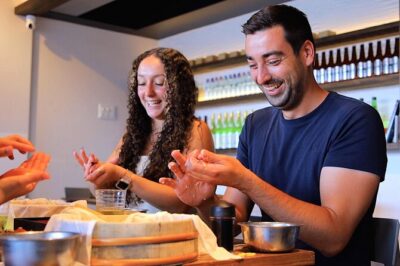
This class is limited to 4 participants, which is a huge advantage if you’ve ever taken a larger cooking class where you’re basically watching from behind someone else’s shoulder.
Here, the instruction stays personal. The teaching is described as attentive and focused, with the chef and host staying engaged throughout. That kind of attention is what helps you fix small mistakes early, before they ruin the dish.
I also like the tone. The class doesn’t feel stiff. The environment is described as relaxed, and Yuki is attentive with lots of tips and tricks. That combination—calm vibe plus real guidance—is exactly what you want if you’re cooking for the first time (or cooking in a new style).
Add in complimentary water and tea during the class, plus aprons and all the ingredients and equipment, and you can show up without needing to prepare like a professional.
Price and value: is $109 worth it in Osaka?
At $109 per person for a 3-hour class, you’re paying for more than a meal. You’re paying for instruction, ingredients, equipment, and a small-group setup that keeps you actively cooking.
Here’s what makes it feel like solid value:
- You cook five dishes, not just one or two
- You take home technique you can repeat, especially around soy/mirin/sake flavor building
- You get included extras like aprons, photos, and drinks (water and tea)
- The group stays small, so you’re not crowding and waiting around
Could you spend less on snacks in Osaka? Sure. But you wouldn’t come home with the ability to reproduce washoku flavors. This class is closer to paying for a skill session plus dinner, which usually makes it a better deal for food-focused travelers.
If you care about learning and not just eating, this pricing makes sense.
Where you meet and how the apartment setup works
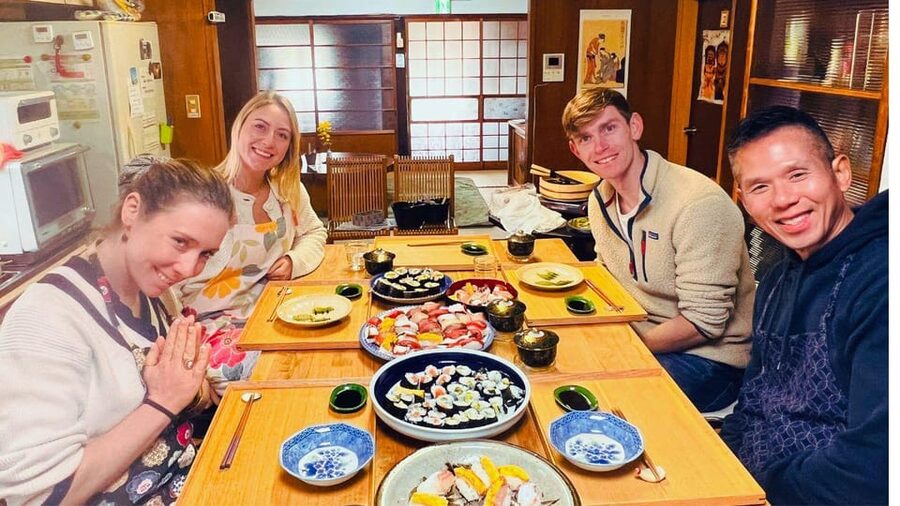
You’ll meet at a location that can vary depending on the option booked, and it’s in an apartment setting near central Osaka. The venue is described as comfortable and accessible, and you’re given a straightforward, walk-in style experience rather than a complicated tour route.
Transportation to the venue is not included, so plan to get there on your own. If you’re relying on transit, give yourself a little extra time to find the correct meeting spot since it can vary.
What you don’t have to worry about is gear and supplies. Aprons are provided, all necessary ingredients and equipment are covered, and you’re getting water and tea during the session. That reduces the usual friction of cooking classes.
Who should book this class (and who should skip it)
You’ll likely love this if:
- You want authentic washoku technique, not just a tasting tour
- You like hands-on learning and want repeatable skills at home
- You appreciate small-group attention
- You’re curious about how sake changes by temperature
You might want to reconsider if:
- You expect a full sit-down restaurant meal with multiple courses
- You’re not interested in cooking at all and just want to watch
- You’re looking for a long timeline of sightseeing, since this is focused on cooking
Also, if you have food allergies, tell the team in advance. They say they’ll adjust your preferences as much as possible.
Should you book Master Washoku?
Book it if you’re the type of traveler who wants a kitchen win before you leave Japan. With a small group, Michelin-trained instruction, and a menu built around real methods, this is the kind of class that turns into future meals at home.
Don’t book it if you’re primarily chasing a passive food experience or you only want sushi-related content. This is washoku practice: seasoning, technique, and snacks you can actually make again.
If you’re deciding between multiple food tours, this one is a strong pick when you want to learn the engine behind the flavor.
FAQ
How long is the Master Washoku class in Osaka?
The class runs for 3 hours.
What is the price per person?
The price is $109 per person.
How many people are in the group?
The group is limited to 4 participants.
Where does the class take place?
It’s in Honshu, Japan, with the cooking class hosted in an apartment near central Osaka.
Who teaches the class?
You get expert instruction from a Michelin-trained chef, and the instructor speaks English and Japanese.
What dishes do you cook during the class?
You’ll cook five dishes: wasabi garlic potato salad, octopus and cucumber vinegar salad, fish tatsuta-age with scallion sauce, simmered yellowtail with daikon, and mixed rice onigiri.
Is the premium sake tasting included?
A premium sake tasting is optional. If you choose it, you’ll taste three premium sakes: two chilled (Junmai and Junmai Ginjo from the same brand) and one warm.
Are ingredients and equipment provided?
Yes. All necessary cooking ingredients and equipment are included.
Do I need to bring anything or arrange my own transportation?
You can handle transportation to the venue on your own since it’s not included. Aprons and refreshments like water and tea are provided during the class.
What if I have food allergies?
If you have any food allergies, you should let them know in advance so they can adjust your preferences as much as possible.
More Tour Reviews in Osaka
- Osaka Go Karting Tour with Funny Costume★ 5.0 · 2,658 reviews
- Osaka Castle: Museum and Tower Entry Ticket★ 4.5 · 2,380 reviews
- Osaka: Shinsekai Food Tour with 13-15 Dishes at 5 Eateries★ 4.8 · 2,204 reviews
- Osaka Food Tour: 13 Dishes at 5 Local Eateries★ 5.0 · 2,149 reviews
- Hungry Osaka Street Food Tour:15 Tastings & 3 Drinks with a Local★ 5.0 · 1,727 reviews
Cook It Yourself in Osaka
- Sushi Making Osaka Roll and Authentic Japanese Sushi Class★ 5.0 · 1,220 reviews
- Osaka: Five Must-See Highlights Walking Tour & Ramen Lunch★ 4.7 · 411 reviews
- Osaka Sushi Making Experience★ 5.0 · 400 reviews
- Osaka: Ramen and Gyoza Cooking Class in Dotonbori★ 5.0 · 378 reviews
- Osaka: Sumo Stage Show with Bento or Snack + Fight & Photo★ 4.3 · 364 reviews
The Newest Osaka Write-Ups
- Private Photoshoot in Osaka with a Professional Photographer
★ 5.0 · 3 reviews - Osaka Early Morning Osaka Castle Tour Avoid Crowds
★ 5.0 · 3 reviews - Nara Private Tour with Pick and Drop and English Speaking Driver
★ 3.5 · 3 reviews - Osaka: Modern Vegetarian Sushi Cooking Class
★ 5.0 · 3 reviews - Nara Day Trip from Osaka with a Licensed Guide
★ 5.0 · 3 reviews
Osaka Cooking Classes, compared.
 ★ 5.0Sushi Making Osaka Roll and Authentic Japanese Sushi ClassFrom $311,220 reviews
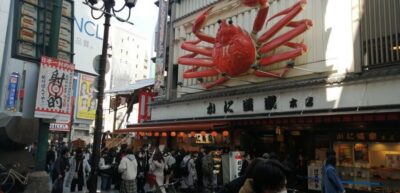 ★ 4.7Five Must-See Highlights Walking Tour & Ramen LunchFrom $56411 reviews
 ★ 5.0Osaka Sushi Making ExperienceFrom $29400 reviews
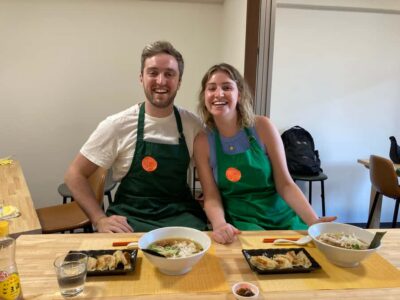 ★ 5.0Ramen and Gyoza Cooking Class in DotonboriFrom $70378 reviews
 ★ 4.3Sumo Stage Show with Bento or Snack + Fight & PhotoFrom $93364 reviews
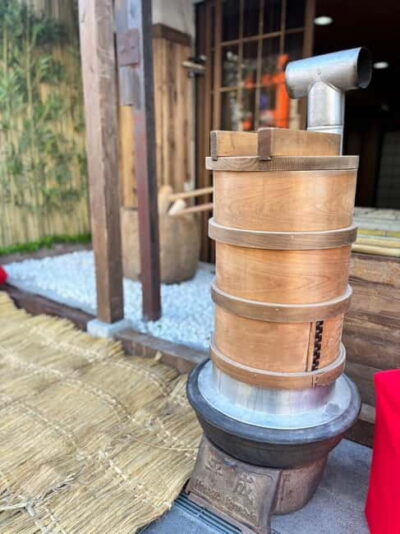 ★ 4.9Traditional Mochi Pounding Experience with TastingFrom $31306 reviews
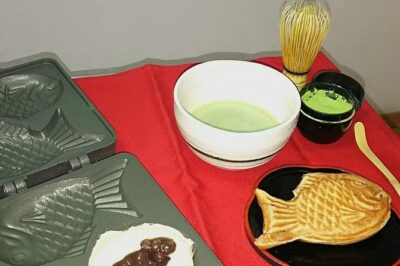 ★ 5.0Osaka Cooking Class: Okonomiyaki &Japanese cuisines experienceFrom $104261 reviews
 ★ 4.9Roll and Authentic Sushi Making Class in DotonboriFrom $45239 reviews
Browse the lists this tour appears in