
Reviewed · OSAKA COOKING CLASSES
Make Ramen and Gyoza with Homemade Secret Recipe
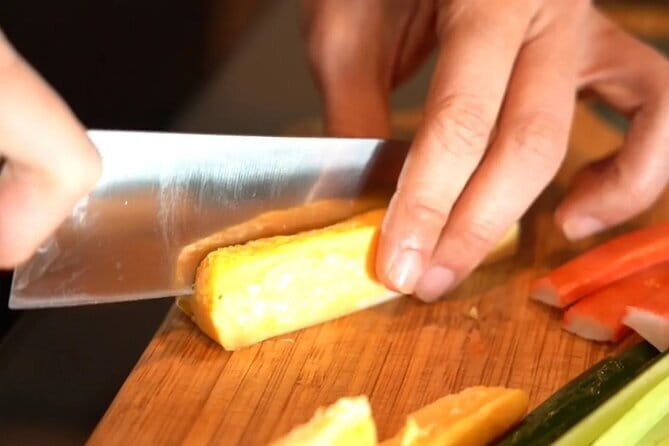
A good meal starts at the cutting board. This Osaka class turns ramen and gyoza into a hands-on lesson, led by chef Shohei and often supported by Marie. You’ll make your own noodles, pick your soup base (soy sauce, miso, or salt), and learn the gyoza game from filling to pan-fry.
Two things I really like for real-life travelers: you get a short walk from Matsuyamachi Station to the studio, and the session ends with you eating what you made, plus photos and take-home recipes. One consideration: drinks and alcohol are not included, so if you want to pair your meal with something, budget a little extra.
In This Review
- Key Highlights You’ll Actually Care About
- Why This Osaka Ramen and Gyoza Class Feels Like Real Cooking
- Getting Oriented at Matsuyamachi Station (and What That Short Walk Means)
- Choosing Your Ramen Base: Soy Sauce, Miso, or Salt
- Making Gyoza the Right Way: Filling to Pan-Frying
- The Half-Rice Ramen Assembly: How You’ll Plate Your Meal
- Tasting, Photos, and the Social Part Without the Crowd
- What You Take Home: Recipes, Souvenirs, and Cooking Chopsticks
- Price and Value: Is $84.70 Worth It in Osaka?
- Best Fit: Who Should Book This Ramen and Gyoza Lesson
- One Small Caution: Fixed Schedule and Extra Costs
- Should You Book This Osaka Ramen and Gyoza Class?
- FAQ
- Where is the meeting point for the Osaka ramen and gyoza class?
- How long does the cooking experience last?
- What do I make during the class?
- Can I choose the flavor of the ramen soup?
- Is the class suitable for vegetarian diets or allergies?
- What do I take home at the end?
- What is included in the price, and what is not?
- Is there a refund if I cancel?
Key Highlights You’ll Actually Care About
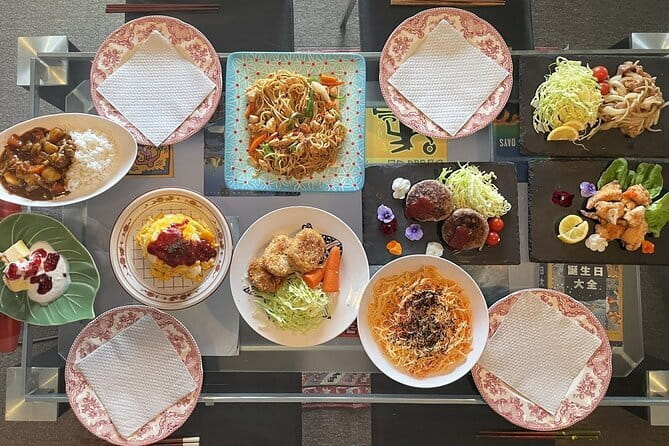
- Soup base choices: soy sauce, miso, or salt, so your ramen feels personal
- Noodle-making practice: you’ll use a noodle-making machine to shape your own noodles
- Gyoza from filling to frying: guided step-by-step, not just a watch-and-cheer demo
- Half-rice ramen format: you’ll prepare rice, then assemble your plate your way
- Small class feel: capped at 15 people, which usually means more attention
- Take-home value: recipes and a souvenir set, plus cooking chopsticks
Flour on your hands, more Osaka kitchens to try


Why This Osaka Ramen and Gyoza Class Feels Like Real Cooking
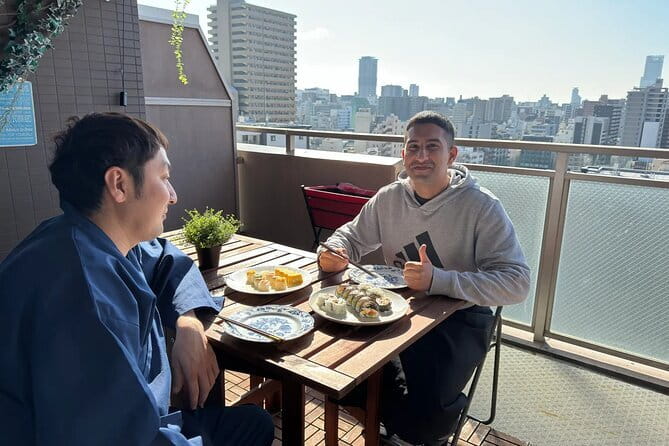
Osaka is famous for food, but this is not a typical eat-and-move-on stop. The point here is technique. You’ll learn how ramen starts with the soup base decision, and how gyoza depends on small, repeatable steps.
I like that it’s practical. You aren’t just tasting flavors; you’re learning the mechanics—how to prep, portion, and cook so you can repeat it later at home. And since the class is built around making your own original ramen/gyoza, you’ll leave with something more useful than a photo: a plan for how to do it again.
There’s also a cultural angle that doesn’t feel forced. The teaching approach is friendly and conversation-based, including how Japanese people think about food timing, home cooking, and getting things done efficiently—especially around lunch.
Getting Oriented at Matsuyamachi Station (and What That Short Walk Means)
The meet-up is at Matsuyamachi Station (Osaka, Chuo Ward). From there, you’ll walk about five minutes to the studio. That sounds small, but it matters. It keeps the start easy, especially if you’re still getting your bearings in the city.
The activity runs in several time slots:
- 7:30–10:00
- 11:00–13:30
- 14:30–17:00
- 18:00–20:30
This is great for planning. If you’re doing a busy Osaka day, you can pair the class with shopping and sights without feeling like you need a full day locked up.
Also, the “mobile ticket” feature is handy if you like having everything ready in your phone. And the group size cap (15 people) helps keep it from turning into a factory line.
Choosing Your Ramen Base: Soy Sauce, Miso, or Salt
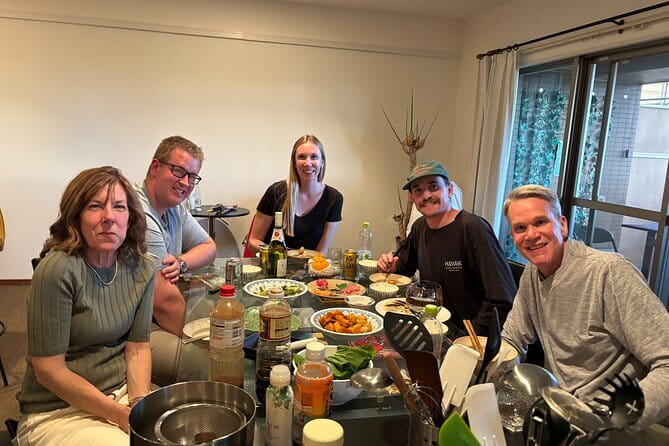
Once you’re in the studio, you’ll start with the ramen foundation. You pick the soup base: soy sauce, miso, or salt. That choice is the difference between a ramen you merely ate and one you remember.
From a value perspective, the base choice matters because it affects your flavor profile immediately. You’re not waiting until the end to find out if you like the dish. You help shape it from the start.
You’ll also work with a ramen-making machine to create noodles. This is a smart setup for home cooks later. Even if you don’t have the exact same machine back in your kitchen, you’ll understand what the noodle should feel like and how it’s handled in the process.
You’ll likely hear practical guidance about consistency—things like how to handle dough, portioning, and timing. That’s the kind of know-how that turns ramen from a restaurant mystery into something you can attempt.


Making Gyoza the Right Way: Filling to Pan-Frying
Gyoza is where this class gets serious—in the best way. You’re not only making dumplings; you’re learning the full chain of steps.
The process runs from:
- preparing the filling (bean paste is specifically mentioned)
- assembling the dumplings
- pan-frying them with guidance
Pan-frying is where lots of home versions go wrong. You might get the shape, but the texture and cooking rhythm matter. Here, you’ll get shown what you’re aiming for while the chef guides your hands.
Two details I think are especially useful:
1) You learn by doing, not watching.
2) The instruction is paced to help you correct mistakes early, rather than after the gyoza are already overcooked.
If you have dietary needs, this matters too. During booking, you can (and should) tell them about allergies or vegetarian requirements. In recent instruction, the team was able to make vegetarian gyoza when requested—so the lesson is not automatically limited to one default version.
The Half-Rice Ramen Assembly: How You’ll Plate Your Meal
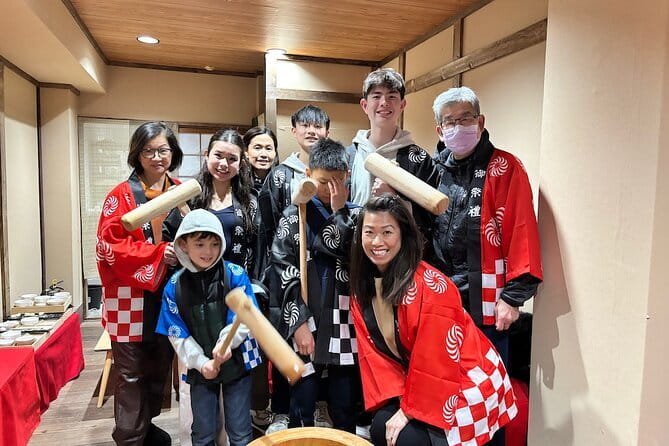
Here’s one reason this class feels different from a simple cooking demo. You’ll get to make a “half-rice ramen with gyoza.”
What that means in practice:
- you’ll prepare rice (the class description notes rice prep is part of the flow)
- then you assemble your meal around both ramen and gyoza
This is a fun format because it breaks the idea of ramen as only noodles in a bowl. It also helps beginners. If you’re not sure how everything should fit together, the class gives you a clear structure for plating and tasting.
And yes, you’ll then eat what you cooked. That ending is more important than it sounds. It lets you evaluate your seasoning choices, your noodle texture, and the gyoza doneness while it’s still fresh in your mind. Then you can adjust what you’d do at home next time.
Tasting, Photos, and the Social Part Without the Crowd
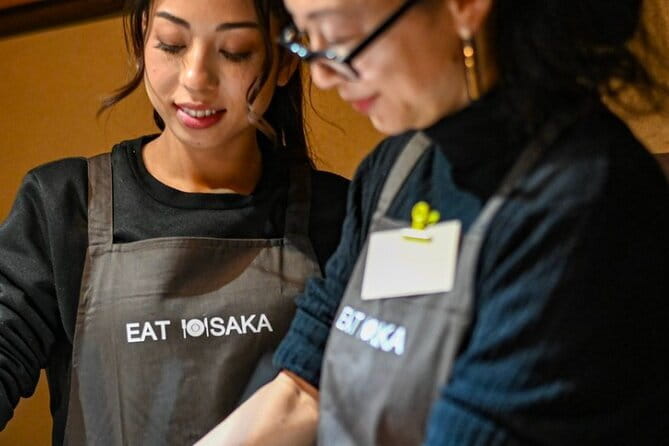
After cooking, you’ll taste what you made and take photos. That’s the payoff: you get to see your finished ramen and gyoza up close, not just hear about how it should be.
The class atmosphere is described as intimate. With a maximum of 15 people, you should feel like part of the group, not one more face in the room. In some cases, the class can be very small, which often translates into more one-on-one help.
It’s also a good indoor option if the weather turns. A rainy day can make street food plans harder, and an indoor cooking class keeps your itinerary moving with less stress.
If you care about language, you’ll be in good hands. One recent note highlighted that English was strong in the class support, including guidance from Marie. You still might want to speak slowly and point when needed, but you shouldn’t feel lost.
What You Take Home: Recipes, Souvenirs, and Cooking Chopsticks
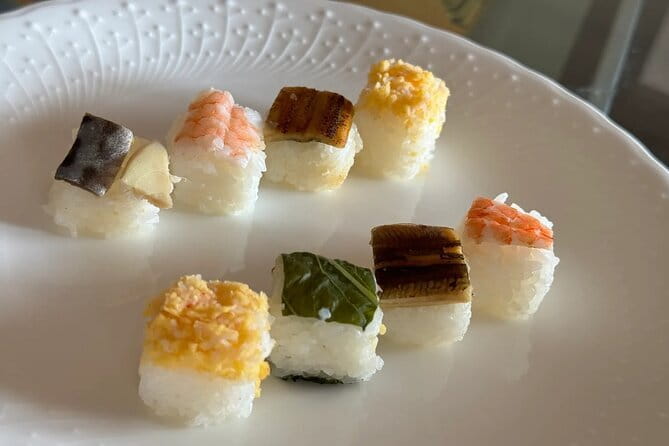
This is one of the most practical parts of the value equation. At the end, you don’t just get a full stomach. You also receive:
- recipes you learned in the course
- souvenirs based on those recipes
- a take-home gift: cooking chopsticks
Recipes are what turn a fun afternoon into future meals. If you’ve ever cooked from memory and wondered why it never matches, this solves that problem. You’ll have a written reference for your ramen base and the gyoza process.
The cooking chopsticks are a small touch, but for most people they’re the “I can do this again” reminder. And since tableware and equipment rental are included, you won’t be scrambling for tools during the class.
Price and Value: Is $84.70 Worth It in Osaka?

At $84.70 per person, this isn’t the cheapest activity. But it is priced like a guided, hands-on food class, and the included items help justify it.
Included costs cover:
- material cost
- cooking lesson fee
- venue fee (cooking/drinking)
- souvenir fee
- tableware and cooking equipment rental
What’s not included:
- personal expenses, including drinks and alcohol
- transportation to the meeting point
So your real cost is the class fee plus whatever you add for drinks. If you stick to water or skip alcohol, you’re mostly paying for instruction, ingredients, and a structured meal outcome.
I also think about group size when judging value. With a cap of 15, you’re not just buying food. You’re buying time and correction. If you’re traveling as a couple, solo, or with a small group, that attention can make the class feel worth it fast.
Best Fit: Who Should Book This Ramen and Gyoza Lesson
You’ll probably love this if you:
- want a hands-on Osaka experience that’s not just sightseeing
- like cooking and want a repeatable ramen/gyoza framework
- enjoy learning food culture through daily practice, not lectures
- want an indoor plan that still feels engaging
It’s also family friendly in at least one recent experience, which suggests it’s approachable for mixed ages. Still, you’ll want to consider that cooking involves hands-on work and stovetop timing.
If you hate following steps and need total spontaneity, a structured class might feel a bit limiting. But for most people, the structure is the point. It removes guesswork and gets you to a successful plate.
One Small Caution: Fixed Schedule and Extra Costs
Your time slot is set, so pick a session that fits your day. The class runs about 2 hours 30 minutes, and it’s designed as a full flow from meet-up to cooking to tasting and photos.
Also, remember drinks are not included. If you plan to add beer or other alcohol, that will raise the total. It’s not a deal-breaker, just a budget detail you should know before you go in hungry.
Should You Book This Osaka Ramen and Gyoza Class?
Book it if you want a real cooking lesson with a satisfying result. This is one of those activities where your hands learn what a guide can’t explain in a sentence: noodle texture, soup-base flavor logic, and gyoza doneness.
Skip it if you only want to eat and move on, with no interest in cooking technique. Also reconsider if you’re allergic or vegetarian and you haven’t told the operator at booking. The good news is that they ask you to communicate needs ahead of time, and they’ve shown flexibility for vegetarian gyoza when requested.
If you’re planning an Osaka trip and want one experience that’s both delicious and educational, this ramen and gyoza class is a strong bet.
FAQ
Where is the meeting point for the Osaka ramen and gyoza class?
You meet at Matsuyamachi Station (2 Chome-6 Andojimachi, Chuo Ward, Osaka, 542-0061, Japan). The activity ends back at the meeting point.
How long does the cooking experience last?
The duration is about 2 hours 30 minutes.
What do I make during the class?
You make your own ramen (including noodles and choosing a soup base) and gyoza (from preparing the filling to pan-frying).
Can I choose the flavor of the ramen soup?
Yes. You choose one soup base from soy sauce, miso, or salt.
Is the class suitable for vegetarian diets or allergies?
You should inform the operator at booking about allergies or vegetarian requirements. The class specifically asks you to share these needs in advance.
What do I take home at the end?
You receive recipes from the course and souvenirs based on what you learned. You also get cooking chopsticks as a take-home gift.
What is included in the price, and what is not?
Included: material costs, the cooking lesson fee, venue fee, souvenir fee, and tableware/cooking equipment rental. Not included: personal expenses like drinks and alcohol, and transportation to the meeting point.
Is there a refund if I cancel?
This experience is non-refundable and cannot be changed for any reason. If you cancel or request an amendment, the amount paid will not be refunded.
More Tour Reviews in Osaka
- Osaka Go Karting Tour with Funny Costume★ 5.0 · 2,658 reviews
- Osaka Castle: Museum and Tower Entry Ticket★ 4.5 · 2,380 reviews
- Osaka: Shinsekai Food Tour with 13-15 Dishes at 5 Eateries★ 4.8 · 2,204 reviews
- Osaka Food Tour: 13 Dishes at 5 Local Eateries★ 5.0 · 2,149 reviews
- Hungry Osaka Street Food Tour:15 Tastings & 3 Drinks with a Local★ 5.0 · 1,727 reviews
Cook It Yourself in Osaka
- Sushi Making Osaka Roll and Authentic Japanese Sushi Class★ 5.0 · 1,220 reviews
- Osaka: Five Must-See Highlights Walking Tour & Ramen Lunch★ 4.7 · 411 reviews
- Osaka Sushi Making Experience★ 5.0 · 400 reviews
- Osaka: Ramen and Gyoza Cooking Class in Dotonbori★ 5.0 · 378 reviews
- Osaka: Sumo Stage Show with Bento or Snack + Fight & Photo★ 4.3 · 364 reviews
The Newest Osaka Write-Ups
- Private Photoshoot in Osaka with a Professional Photographer
★ 5.0 · 3 reviews - Osaka Early Morning Osaka Castle Tour Avoid Crowds
★ 5.0 · 3 reviews - Nara Private Tour with Pick and Drop and English Speaking Driver
★ 3.5 · 3 reviews - Osaka: Modern Vegetarian Sushi Cooking Class
★ 5.0 · 3 reviews - Nara Day Trip from Osaka with a Licensed Guide
★ 5.0 · 3 reviews
Osaka Cooking Classes, compared.
 ★ 5.0Sushi Making Osaka Roll and Authentic Japanese Sushi ClassFrom $311,220 reviews
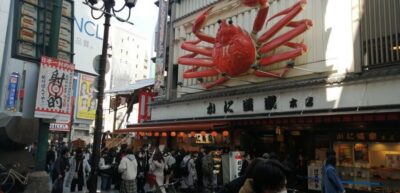 ★ 4.7Five Must-See Highlights Walking Tour & Ramen LunchFrom $56411 reviews
 ★ 5.0Osaka Sushi Making ExperienceFrom $29400 reviews
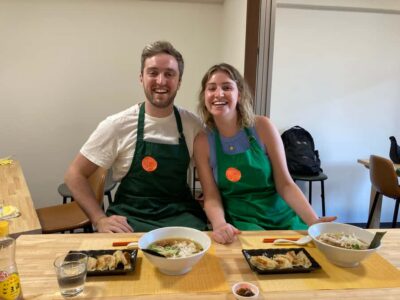 ★ 5.0Ramen and Gyoza Cooking Class in DotonboriFrom $70378 reviews
 ★ 4.3Sumo Stage Show with Bento or Snack + Fight & PhotoFrom $93364 reviews
 ★ 4.9Traditional Mochi Pounding Experience with TastingFrom $31306 reviews
 ★ 5.0Osaka Cooking Class: Okonomiyaki &Japanese cuisines experienceFrom $104261 reviews
 ★ 4.9Roll and Authentic Sushi Making Class in DotonboriFrom $45239 reviews
Browse the lists this tour appears in