
Reviewed · OSAKA COOKING CLASSES
Learning Sushi from a Professional Sushi Chef in Osaka
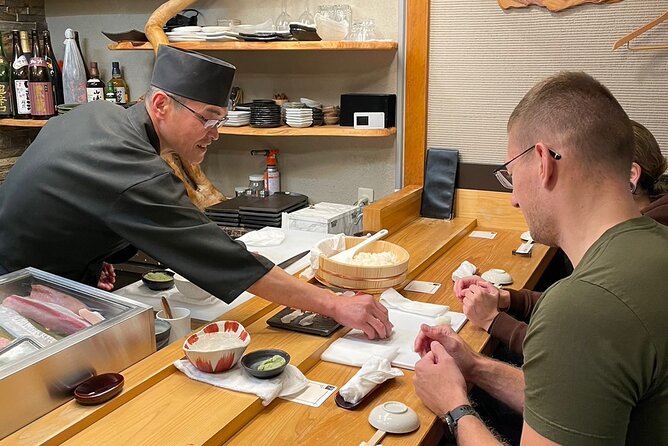
Sushi lessons at a live counter.
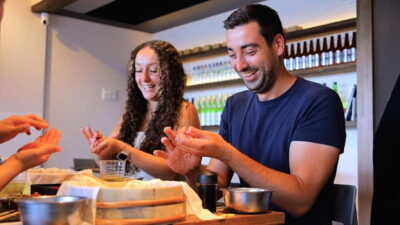
What makes this class fun is that you work right there at the counter, not in some distant demo room. I also like the way you get hands-on learning about ingredients plus Japanese table manner as you go. The one thing to consider is the experience is small and focused—if you are very picky about fish or you want a fully quiet, hands-off class, this may feel a bit intense.
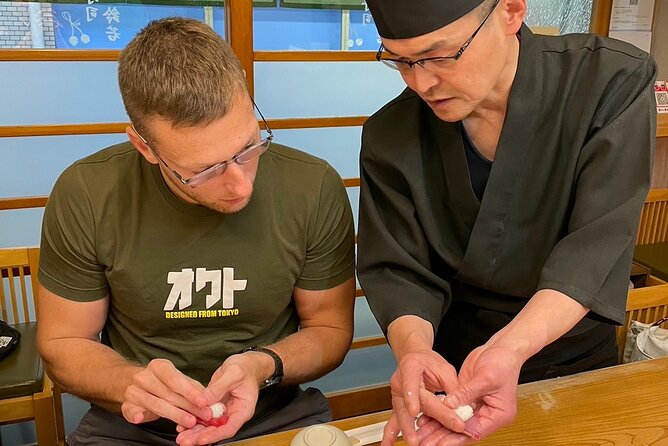
You’ll be guided by Chef Suzuki, who has 30+ years of experience, and the format is designed for real watching and real doing. You’ll start with a quick drink on the house, get ingredient and food-culture talk, then move into making sushi yourself—10 different types of nigiri plus three sushi rolls—before tasting what you made.
At about two hours and priced at $114 (lunch included), it’s not the cheapest lunch option in Osaka, but it is strong value for a professional, small-group cooking session. Private transport isn’t included, and you’ll start at 12:00 pm, so plan your morning/late morning around that.
In This Review
- Key things you’ll notice right away
- Sushi lesson energy: modern Osaka, but up close
- Meeting Chef Suzuki and starting with a drink on the house
- Watching fresh fish prep and learning ingredients by touch
- The main event: making 10 nigiri and three sushi rolls
- Tasting what you made: lunch that feels earned
- Price and value: what $114 buys you (and what it doesn’t)
- Who should book this sushi class in Osaka
- Getting there: the 12:00 pm meeting point in Abeno Ward
- Should you book this class?
- FAQ
- How long is the sushi lesson?
- What time does the class start?
- Where is the meeting point?
- Is lunch included?
- Do I need to arrange transportation?
- What will I make during the class?
- Is there a drink included?
- How big is the group?
- What if I book as a single person or a couple?
- Is the class suitable for vegetarians?
- Is the booking refundable or changeable?
Key things you’ll notice right away
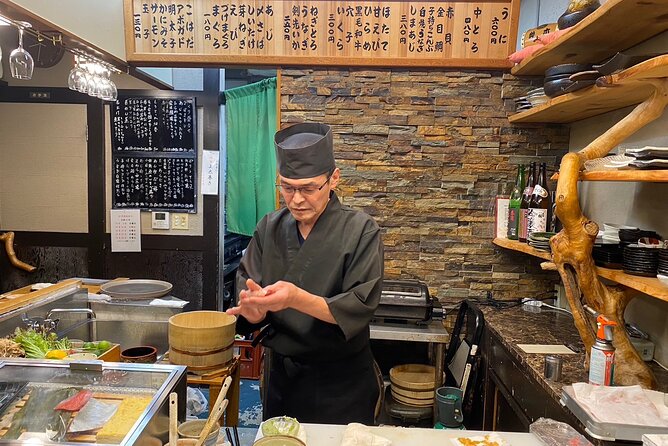
- You work at the counter in a modern Japanese setting with direct chef attention
- Chef Suzuki’s prep is live including fresh fish cutting you can see up close
- You learn ingredient basics by seeing, touching, and getting context on food culture
- Hands-on output matters: 10 kinds of sushi plus three roll types made by you
- Small group pace (max 8) makes it feel personal and practical
Flour on your hands, more Osaka kitchens to try

Sushi lesson energy: modern Osaka, but up close
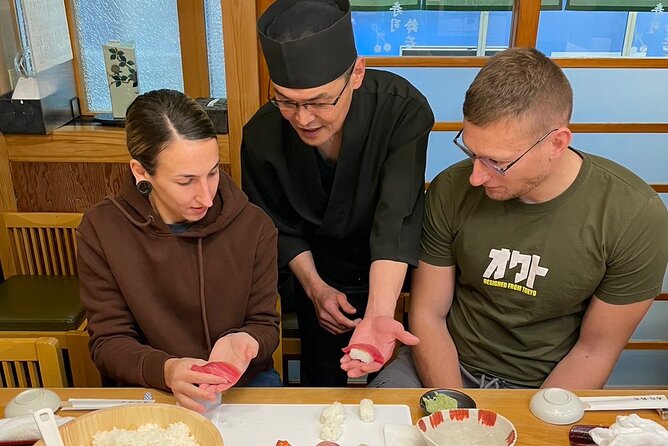
This is the kind of class where the room layout does the heavy lifting. You’re seated right at the counter, close enough to ask questions without having to wait for a translator wall or a formal lecture setup. The atmosphere is modern Japanese, clean, and calm, so the focus stays on the food rather than the machinery of a big tour.
The most practical part is the counter setup itself. When you’re learning sushi, the “how” is in the small actions: timing, handling, and the order of steps. A counter lesson keeps your attention where it should be. You’re also able to see what the chef is doing while he explains ingredients and culture, then immediately try your turn.
Group size plays a role too. With a maximum of 8 people, the chef can help as you’re making sushi, instead of watching you struggle from the back. If you like learning by doing (and not just collecting photos), you’ll probably feel right at home.
One more reality check: this is a lunch-time class starting at 12:00 pm, and it runs about two hours. That means you should show up hungry for both food and learning, not tired or rushed.
Meeting Chef Suzuki and starting with a drink on the house
The experience begins simply, which I appreciate for something food-focused. You’ll be served a drink on the house right away, so you’re not waiting around before the lesson starts.
Then the chef explains what matters. You’ll hear about ingredients and also some food culture—plus table manner basics. This part isn’t filler. In sushi, the restaurant etiquette isn’t just theater. It affects how you handle the food and how you eat it once it’s in front of you.
Chef Suzuki’s background also changes the tone. Based on what’s been said about him, he brings a clear sense of method and pacing. That matters in a two-hour class, because you want the steps to click quickly.
If you’re the type who enjoys learning why things are done a certain way, you’ll likely enjoy this opening. If you just want to make sushi immediately, the culture and ingredient talk will still be short and practical enough to keep you moving toward the counter work.
Watching fresh fish prep and learning ingredients by touch
One of the strongest highlights is how much is visible. You don’t just hear that fish is fresh—you can see it. The cutting happens in front of you, and some of the fish may be unfamiliar even to people who think they know sushi.
That visibility is huge for value. A cooking class can be hands-on, but if ingredients are hidden behind a kitchen door, you lose a lot of the learning. Here, you can see, touch, and learn about ingredients as part of the process. That kind of sensory learning helps you understand what you’re actually making—not just how to copy the final shape.
This ingredient-focused approach also helps you later when you’re ordering in Osaka. You’ll have a clearer idea of what different components are supposed to contribute: texture, freshness, and how they work together with rice and seasonings.
One small consideration: because fish is prepared in front of you, the smell and sensory experience are part of the class. If you’re sensitive to that, plan accordingly.


The main event: making 10 nigiri and three sushi rolls
After the chef demonstrates, you’ll move to the counter and make sushi yourself. This is where the class earns its reputation as a hands-on experience.
Here’s what the workload looks like:
- You’ll make 10 different kinds of sushi
- You’ll also make three kind of sushi roll
Even without needing to know each specific variety ahead of time, you can feel the structure: demonstration first, then your turn to work through multiple pieces. That makes the class feel like a real session rather than a single “one roll, then done” workshop.
The counter experience is also designed for help. You’re not left alone with your rice and expectations. The chef will be happy to help any time you need assistance, and because the group is small, support is realistic rather than scripted.
A practical tip for your own sanity: go in with a learning mindset, not a perfect-sushi mindset. You’re learning technique and decision-making in a short window. The goal is not restaurant-level perfection—it’s to understand what the steps mean, then taste how your work comes together.
Also, note that the class includes both nigiri and rolls. That’s a good mix for most visitors. Nigiri teaches you rice and topping balance. Rolls add a different set of handling and assembly skills. Doing both types helps you connect what you taste to how it was made.
Tasting what you made: lunch that feels earned
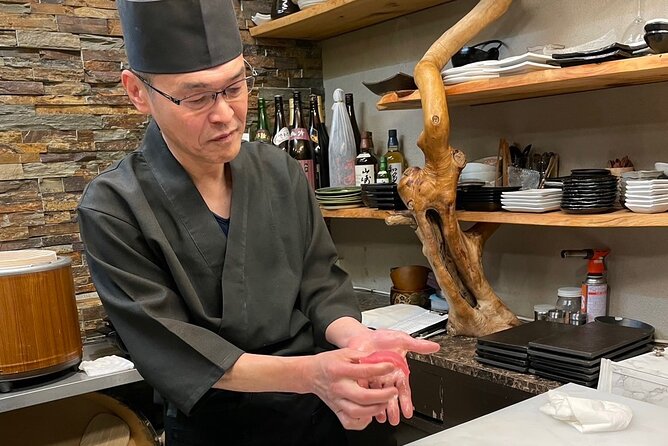
At the end, you’ll taste the sushi you made. This sounds obvious, but it’s actually the part that makes the lesson click. You’re not just watching or eating a pre-made meal—you’re experiencing the result of your own work.
Since lunch is included, your time is doing double duty: you learn technique and you get a satisfying meal. In a city where food is often the main event, this format gives you an extra layer of understanding.
If you’re choosing between a sushi tasting and a sushi-making lesson, this is the deciding factor. Tasting is great. Making is better when you want to learn how sushi comes together and why it’s treated with care.
Price and value: what $114 buys you (and what it doesn’t)
$114 for about two hours in a small class is not a bargain price, but it’s also not out of line for a professional sushi lesson that includes lunch and real hands-on instruction.
Here’s what you’re paying for:
- Instruction from a professional sushi chef (30+ years experience is part of the appeal)
- A small group size (max 8), which affects how much help you’ll get
- Live ingredient learning, including fresh fish cutting in front of you
- Making multiple pieces yourself (10 nigiri plus three rolls)
- Lunch and the included tasting of what you make
What it doesn’t include: private transportation. So if you’re staying far from the meeting point, build in time and transit cost.
When value is calculated this way—ingredients, time, chef attention, and the number of items you make—the class becomes easier to justify. For many visitors, this is one of the most memorable “food experience” types because you leave with both a meal and skills you can use later.
Who should book this sushi class in Osaka
This class is a great fit if you:
- Want a hands-on food experience rather than a passive meal
- Like learning ingredient details and food culture, not just recipes
- Prefer small-group teaching (max 8) with chef help at the counter
- Plan to eat sushi in Osaka anyway and want better context for what you’re ordering
You should consider carefully if:
- You are vegetarian. You can still book, but you need to tell the provider in advance so the class can account for that.
- You don’t like being around live fish prep. The cutting happens in front of you as part of the experience.
- You’re hoping for a private, flexible schedule. This is a set class format with a fixed start time.
Also keep group minimums in mind. There’s a minimum number of travelers required for the class to run, so if your booking is for one or two people, you may be contacted if they can’t reach the minimum.
Getting there: the 12:00 pm meeting point in Abeno Ward
The class starts at 12:00 pm and ends back at the meeting point. The start location is:
アーバン不動産株式会社2-chōme-1-1 122 Asahimachi, Abeno Ward, Osaka, 545-0051, Japan
It’s near public transportation, which helps a lot for a lunch-time experience. Since you’ll be done in about two hours, you can usually fit this into a simple half-day plan.
Because the end point is the same as the start point, you won’t need to scramble for pickup or directions afterward. Just plan your next activity with the knowledge that you’ll finish around the early afternoon.
Should you book this class?
If you want a sushi experience where you actually make the food, this one makes a lot of sense. The biggest wins are the counter setting, the chance to learn by seeing and touching ingredients, and the fact you’ll produce a meaningful amount of sushi yourself—10 kinds plus rolls—then taste your results.
Book it if you’re curious about sushi culture and you like structured learning with a pro chef. If you’re vegetarian, message the provider before you go. If you hate fish smells or want a quiet, observational tour only, you might prefer a different sushi experience style.
FAQ
How long is the sushi lesson?
The class runs for about 2 hours.
What time does the class start?
It starts at 12:00 pm.
Where is the meeting point?
アーバン不動産株式会社2-chōme-1-1 122 Asahimachi, Abeno Ward, Osaka, 545-0051, Japan.
Is lunch included?
Yes. Lunch is included.
Do I need to arrange transportation?
Private transportation is not included.
What will I make during the class?
You’ll make 10 different kinds of sushi and three kinds of sushi roll.
Is there a drink included?
Yes. You’ll be served a drink on the house.
How big is the group?
The class has a maximum of 8 travelers, and it’s a small group.
What if I book as a single person or a couple?
There is a minimum number of travelers required (3). If your booking is one or two people, it is okay, but the provider might contact you if they don’t get enough other bookings.
Is the class suitable for vegetarians?
If you are vegetarian, you should let the provider know.
Is the booking refundable or changeable?
This experience is non-refundable and cannot be changed for any reason.
More Tour Reviews in Osaka
- Osaka Go Karting Tour with Funny Costume★ 5.0 · 2,658 reviews
- Osaka Castle: Museum and Tower Entry Ticket★ 4.5 · 2,380 reviews
- Osaka: Shinsekai Food Tour with 13-15 Dishes at 5 Eateries★ 4.8 · 2,204 reviews
- Osaka Food Tour: 13 Dishes at 5 Local Eateries★ 5.0 · 2,149 reviews
- Hungry Osaka Street Food Tour:15 Tastings & 3 Drinks with a Local★ 5.0 · 1,727 reviews
Cook It Yourself in Osaka
- Sushi Making Osaka Roll and Authentic Japanese Sushi Class★ 5.0 · 1,220 reviews
- Osaka: Five Must-See Highlights Walking Tour & Ramen Lunch★ 4.7 · 411 reviews
- Osaka Sushi Making Experience★ 5.0 · 400 reviews
- Osaka: Ramen and Gyoza Cooking Class in Dotonbori★ 5.0 · 378 reviews
- Osaka: Sumo Stage Show with Bento or Snack + Fight & Photo★ 4.3 · 364 reviews
The Newest Osaka Write-Ups
- Private Photoshoot in Osaka with a Professional Photographer
★ 5.0 · 3 reviews - Osaka Early Morning Osaka Castle Tour Avoid Crowds
★ 5.0 · 3 reviews - Nara Private Tour with Pick and Drop and English Speaking Driver
★ 3.5 · 3 reviews - Osaka: Modern Vegetarian Sushi Cooking Class
★ 5.0 · 3 reviews - Nara Day Trip from Osaka with a Licensed Guide
★ 5.0 · 3 reviews
Osaka Cooking Classes, compared.
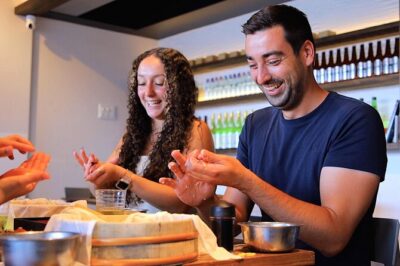 ★ 5.0Sushi Making Osaka Roll and Authentic Japanese Sushi ClassFrom $311,220 reviews
 ★ 4.7Five Must-See Highlights Walking Tour & Ramen LunchFrom $56411 reviews
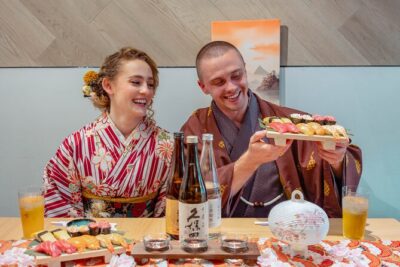 ★ 5.0Osaka Sushi Making ExperienceFrom $29400 reviews
 ★ 5.0Ramen and Gyoza Cooking Class in DotonboriFrom $70378 reviews
 ★ 4.3Sumo Stage Show with Bento or Snack + Fight & PhotoFrom $93364 reviews
 ★ 4.9Traditional Mochi Pounding Experience with TastingFrom $31306 reviews
 ★ 5.0Osaka Cooking Class: Okonomiyaki &Japanese cuisines experienceFrom $104261 reviews
 ★ 4.9Roll and Authentic Sushi Making Class in DotonboriFrom $45239 reviews
Browse the lists this tour appears in