
Reviewed · OSAKA CRAFT & CULTURE WORKSHOPS
Japanese miniature kimono made with origami in Osaka
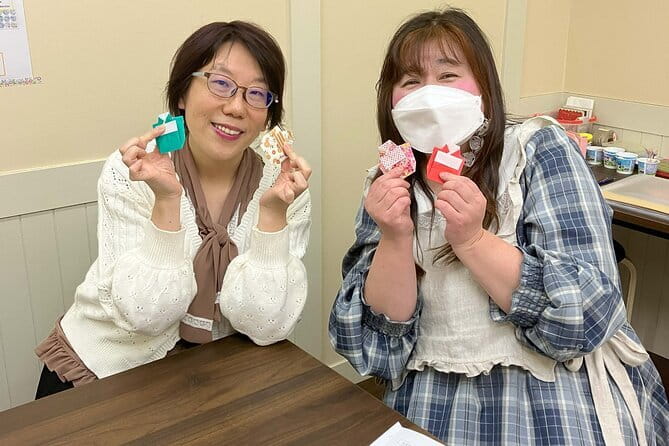
Origami kimonos are not something you see every day. This Osaka class turns paper into a miniature kimono with instructor-made charm, right near Abeno Station. I love that the lesson starts with easy practice folds, then moves into a real pattern you can actually finish, and I also love the take-home QR code video so your souvenir doesn’t become a one-time mystery.
One thing to consider: you’re working with small, crisp folds, so if you hate precise, “hands-on” tasks, you might feel a little slow at first. The good news is the instructor teaches step by step.
In This Review
- Key things I’d bet on before you go
- Finding the Class Near Abeno Station Exit 7
- What Happens at Your Table (Practice, Then the Real Kimono)
- Miniature Kimono Details: Cute, Functional, and Gift-Friendly
- Picking from Traditional Designs (If You Have Extra Time)
- The QR Video and Folding Diagram: Your Souvenir’s Second Life
- Price, Duration, and Value at $65.32
- Who This Origami Kimono Class Suits Best
- Should You Book This Mini Origami Kimono Class in Osaka?
- FAQ
- Where do we meet for the origami kimono class?
- How long does the experience take?
- Is pickup available?
- What’s included in the price?
- What if I’m a beginner or traveling with kids?
- What do I take home?
- Can I cancel for a full refund?
Key things I’d bet on before you go
- Meet at Abeno Station Exit 7 and get walked to the classroom so you’re not hunting.
- Practice fold first, then a real patterned kimono so you gain confidence quickly.
- Instructor patience (Dr. Hiroko comes up again and again in reviews) makes even awkward starts feel manageable.
- Optional extra designs from traditional work sets if you have more time.
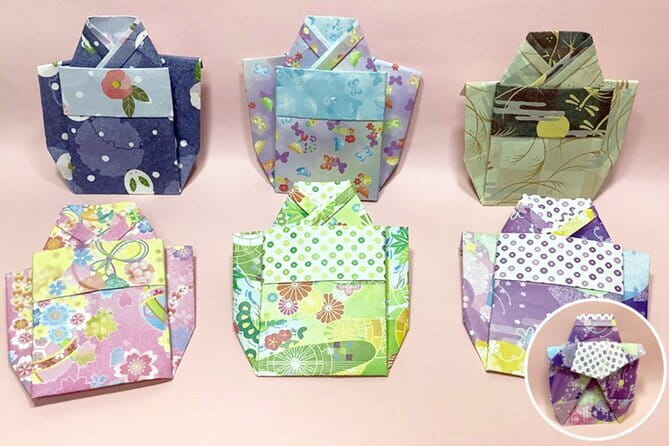
- Cute details like pockets and a “back figure” finish are part of the magic, not an afterthought.
- QR video plus folding diagram means you can repeat it later at home.
Dressed for old Osaka a while longer



Finding the Class Near Abeno Station Exit 7

You’ll meet at the bottom of the stairs at Abeno Station, Exit 7. That’s a relief in a big city: you’re not guessing which side of which street. Once everyone groups up, you’ll head to the classroom together.
The location also helps you plan your day. Abeno is handy for Osaka basics: you’re close to Abeno Harukas, Tsutenkaku Tower, and Tennoji Zoo. So if you’re doing a same-day sightseeing loop, this class fits without needing a full detour.
Also note the format: this is a private class for your group, so you won’t be squeezed into someone else’s schedule. Pickup is listed as offered too, and you’ll get a mobile ticket, which makes arrival smoother.
What Happens at Your Table (Practice, Then the Real Kimono)
The flow is simple, and that matters when you’re holding tiny paper in two hands.
You’ll be guided with origami talk and then brought into the classroom. From there, you’ll pick your table and choose the origami paper. Then the instructor typically does the lesson in three stages:
First, you fold once for practice. This isn’t busywork; it’s how you learn the “feel” of the paper and the kind of creases you’ll need. Second, you familiarize yourself with the steps. Third, you fold a real piece of origami into a kimono with a beautiful pattern.
In reviews, people repeatedly point out that the instruction is clear, and questions are easy to ask. That’s exactly what you want in origami classes. If you get stuck, you need someone who can point out where the paper is going wrong, not just tell you to start over.
And here’s a small detail that can make or break your experience: the instruction is designed for beginners and even small children to do alongside adults. That usually means the pace is supportive rather than “fastest hands wins.”
Miniature Kimono Details: Cute, Functional, and Gift-Friendly
The souvenir isn’t just decorative. The miniature kimono design includes playful features that make it feel more like a tiny craft object than a flat folded square.
In particular, reviews mention pockets and designs intended to hold things. That’s a big deal if you like practical craft outcomes. You’re not only learning how to fold; you’re also making something you can use or display with intention.
People also mention the “back figure” being very cute. In other words, the finishing isn’t one lonely front view. The kimono looks better from multiple angles, which makes your photos nicer and your desk display more interesting.
Then there’s the gifting side. The class describes making them as gifts with items like picks, coins, or otegami placed into/alongside the kimono. If you want a handmade Osaka memory for someone back home, this is one of the rare activities where the result feels gift-ready instead of “a craft you made.”
Make the souvenir yourself at more workshops
Picking from Traditional Designs (If You Have Extra Time)

The lesson includes a standard kimono pattern, but there’s also an option that makes the class feel flexible.
If you have more time, you can choose your favorite piece from 20 traditional works. That matters for repeat visitors and for anyone who gets excited when they’re good at something halfway through.
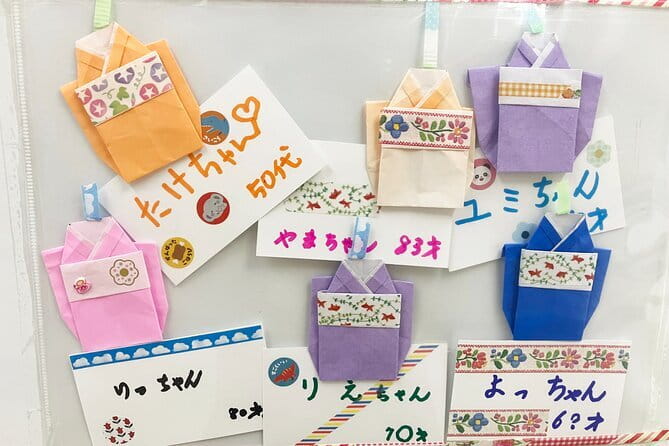
In reviews, there are mentions of finishing multiple miniature kimonos and being able to make more than one. That doesn’t always mean every session runs long, but it suggests the teaching style supports steady progress. When the instructor is patient and methodical, you tend to produce more than you expected.
So if your goal is to leave with several finished pieces (for friends, coworkers, or just a fuller craft stash), this extra-choice element is one of the best parts of the experience.
The QR Video and Folding Diagram: Your Souvenir’s Second Life

One of the smartest parts of this class is the take-home support. You’re provided a video QR code and a folding diagram.
That’s not just convenience. Origami can be frustrating after you leave because it lives in your hands at the moment you learn it. With a QR video and a diagram, you don’t have to rely on memory or hope your first creases teach you everything.
Think of it like this: your kimono becomes both a souvenir and a repeatable skill. Even if your next attempt isn’t perfect, you’ll improve faster when you can watch the steps again.
If you’ve ever brought home a craft project and then stared at it like it’s speaking another language, this QR backup is the fix.
Price, Duration, and Value at $65.32
At $65.32 per person, you’re paying for more than paper folding. You’re paying for guided coaching, the materials, and an instructor-driven original design approach.
Here’s what you’re getting that supports the price:
- Tools and materials are included.
- The class lasts about 1 hour 30 minutes.
- You receive QR video instructions and a folding diagram for later.
- The kimono design is described as the instructor’s original work, which gives the class a sense of authorship (and not just a generic tutorial).
Also, the experience includes group discounts and offers pickup, so the value can improve if you’re pairing up with friends. The listing notes you’ll also have a private class just for your group, which can feel more comfortable than a crowded shared workshop.
The main “cost” to you isn’t money. It’s attention. You’ll want enough mental room to focus on small folds. If you’re tired, hungry, or rushing through Osaka, build in a calm margin before you arrive.
Who This Origami Kimono Class Suits Best

This is a great pick if you want something hands-on but not intimidating.
You’ll likely love it if:
- You’re a beginner who wants a clear path from “I can’t do this” to “I finished.”
- You enjoy small, detailed crafts and want a souvenir with real charm.
- You want a unique Osaka activity that’s still doable in a short window.
- You’re traveling with family members and want a shared skill, since the experience is designed for beginners and small children together.
In reviews, the instructor’s teaching style is repeatedly praised as patient and easy to understand. Dr. Hiroko is specifically named in at least one account, and that lines up with the overall theme: calm explanations, clear steps, and the ability to ask questions without feeling rushed.
If you’re the kind of traveler who only likes “big sight” experiences, this won’t scratch that itch. But if you want a memorable Osaka craft that’s small, personal, and take-home, this hits the mark.
Should You Book This Mini Origami Kimono Class in Osaka?
Yes—if you want a short Osaka activity with a real payoff. The combination of step-by-step instruction, a kimono-shaped result, and the QR video makes it one of those experiences where you don’t just leave with a picture. You leave with something you can keep practicing.
I’d skip it only if you hate precision craft work, or if you have zero patience for careful folding. Also, keep in mind the meeting point is specific (Abeno Station Exit 7), so give yourself enough time to get there before the class starts.
If you’re on the fence, book it. Your future self will thank you when you scan the QR code at home and try again.
FAQ
Where do we meet for the origami kimono class?
You meet at the bottom of the stairs of Abeno Station, Exit 7.
How long does the experience take?
The class runs for about 1 hour 30 minutes.
Is pickup available?
Pickup offered is listed, and you’ll also use a mobile ticket.
What’s included in the price?
The price includes tools and materials needed for the activity.
What if I’m a beginner or traveling with kids?
Beginners and small children can also enjoy the experience together, and most travelers can participate.
What do I take home?
You can take home the finished origami kimono as a souvenir, and you’ll receive a QR code video and a folding diagram to help you fold later.
Can I cancel for a full refund?
Yes. Free cancellation is available up to 24 hours before the experience. Canceling less than 24 hours before the start time doesn’t provide a refund.
More Tour Reviews in Osaka
- Osaka Go Karting Tour with Funny Costume★ 5.0 · 2,658 reviews
- Osaka Castle: Museum and Tower Entry Ticket★ 4.5 · 2,380 reviews
- Osaka: Shinsekai Food Tour with 13-15 Dishes at 5 Eateries★ 4.8 · 2,204 reviews
- Osaka Food Tour: 13 Dishes at 5 Local Eateries★ 5.0 · 2,149 reviews
- Hungry Osaka Street Food Tour:15 Tastings & 3 Drinks with a Local★ 5.0 · 1,727 reviews
Made in Osaka, by You
- Osaka: Tea Ceremony, Calligraphy, and Kimono Experience★ 4.9 · 130 reviews
- 1.5〜2 Hours Traditional Kintsugi Work Shop in Namba Osaka★ 5.0 · 75 reviews
- Osaka: Private Japanese Calligraphy Experience★ 5.0 · 66 reviews
- From Osaka: Sakai Knife Maker or Blacksmith Walking Tour★ 4.9 · 64 reviews
- Osaka: Traditional Japanese Ceramics Private Experience★ 5.0 · 57 reviews
In Kimono Around Osaka
- Osaka: Sumo Show & Experience w/ Optional Kimono & Hot Pot★ 4.5 · 609 reviews
- Osaka: Tea Ceremony, Calligraphy, and Kimono Experience★ 4.9 · 130 reviews
- Learning Zen of Japanese Calligraphy in kimono near Osaka Castle★ 4.5 · 53 reviews
- Osaka: Kimono or Yukata Rental &Photos Service Options★ 4.9 · 25 reviews
- Kimono photoshoot-Includes 100 photo data★ 5.0 · 21 reviews
The Newest Osaka Write-Ups
- Private Photoshoot in Osaka with a Professional Photographer
★ 5.0 · 3 reviews - Osaka Early Morning Osaka Castle Tour Avoid Crowds
★ 5.0 · 3 reviews - Nara Private Tour with Pick and Drop and English Speaking Driver
★ 3.5 · 3 reviews - Osaka: Modern Vegetarian Sushi Cooking Class
★ 5.0 · 3 reviews - Nara Day Trip from Osaka with a Licensed Guide
★ 5.0 · 3 reviews
Osaka Craft & Culture Workshops, compared.
 ★ 4.9Tea Ceremony, Calligraphy, and Kimono ExperienceFrom $96130 reviews
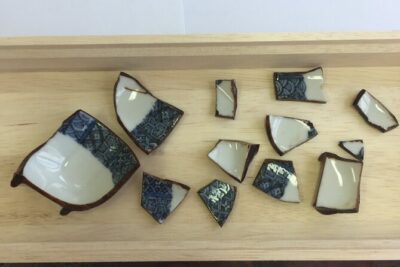 ★ 5.01.5〜2 Hours Traditional Kintsugi Work Shop in Namba OsakaFrom $12575 reviews
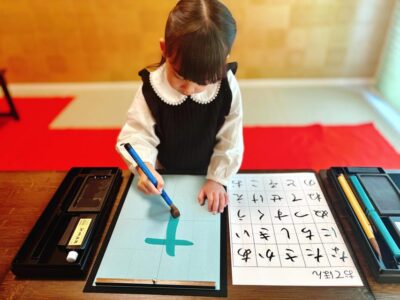 ★ 5.0Private Japanese Calligraphy ExperienceFrom $5166 reviews
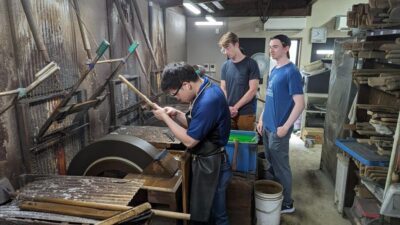 ★ 4.9From Osaka: Sakai Knife Maker or Blacksmith Walking TourFrom $6464 reviews
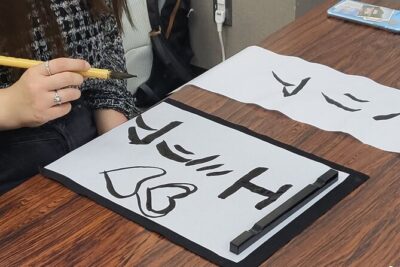 ★ 5.0Calligraphy Workshop in Namba, DotonboriFrom $4957 reviews
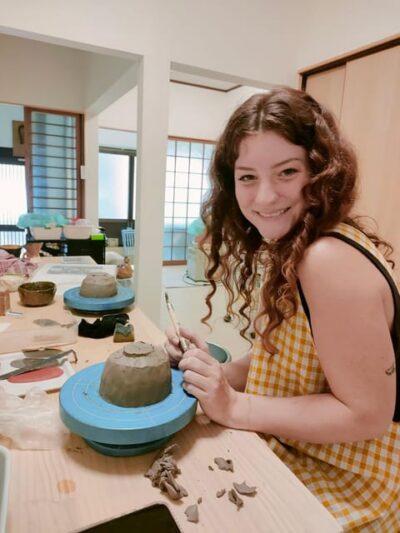 ★ 5.0Traditional Japanese Ceramics Private ExperienceFrom $9657 reviews
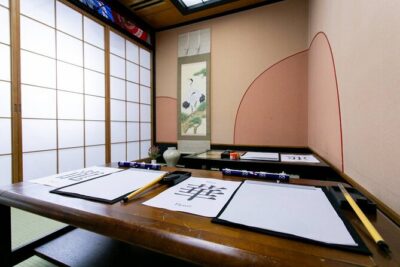 ★ 4.5Learning Zen of Japanese Calligraphy in kimono near Osaka CastleFrom $4353 reviews
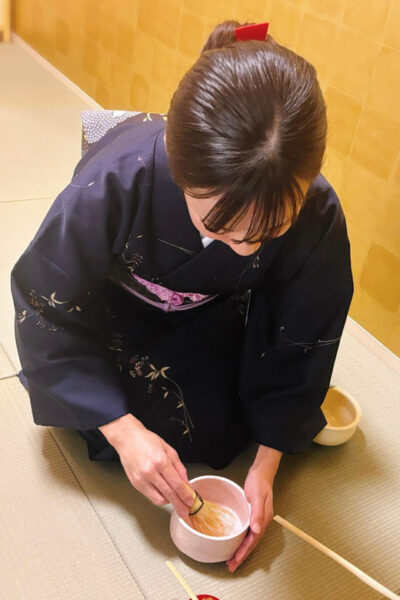 ★ 5.0Private Tea Ceremony and Calligraphy ExperienceFrom $6450 reviews
Browse the lists this tour appears in