
Reviewed · OSAKA SAMURAI & NINJA EXPERIENCES
Experience Samurai and traditional Culture to the fullest
Armor, tea, and katana in three hours. I like this because you start with kimono and Japanese arts you can actually use (calligraphy and tea manners), then you finish by trying sword cutting and dressing as a samurai for photos near Osaka Castle. You’ll get hands-on instruction throughout, not just watching. The only downside to note: the focus is performance practice, so if you want a long, quiet, museum-style explanation of samurai history, this may feel too active for your taste.
This runs as a private group experience with an English-speaking staff member (and other languages are sometimes available). I also appreciate the practical touch of a dedicated photographer taking your picture during the armor/battle moments, with your image data sent by email.
In This Review
- Key highlights you’ll care about
- How the Samurai Honor experience flows in 3 hours
- Kimono change and tea-ceremony etiquette you can copy at home
- Calligraphy practice: strokes, kanji choice, and resignation words
- Samurai sword trial cutting: focus on responsibility, not bravado
- Armor on Osaka Castle grounds: role-play photos with real atmosphere
- Optional seppuku/harakiri segment: consider your comfort before adding it
- Price and value: is $168 per person worth it?
- Location, meeting point, and what to bring (so you start smoothly)
- Who should book this samurai culture experience—and who might skip it
- Should you book it? My straight recommendation
- FAQ
- How long is the experience?
- Is it a private group?
- What languages are available?
- What’s included in the price?
- Do I get photos?
- Do I need to bring anything?
- Is transportation or hotel pick-up included?
- Is the sword trial cutting part included?
- Is the seppuku/harakiri segment included?
Key highlights you’ll care about
- Kimono change first so the rest of the manners lessons feel real, not like a costume add-on
- Calligraphy basics like tome, hane, and harai, then one kanji you practice step-by-step
- Tea ceremony etiquette taught as Bushido-style hospitality and gesture basics
- Sword trial cutting with guidance that treats the blade as something serious and responsible
- Osaka Castle armor photos set during an Osaka Summer Battle reenactment scene
- Photo delivery by email so you don’t have to chase files the next day
Pick the sword back up with these sessions


How the Samurai Honor experience flows in 3 hours
Think of this as one tight package where each part feeds the next. You begin with traditional form—kimono, calligraphy strokes, and tea ceremony manners. Then the program shifts gears toward the samurai side: sword technique and armored battle role-play for photographs.
Because the whole thing is only about three hours, you’re not meant to “watch” Japanese culture from a distance. You practice. You hold tools. You make gestures. You learn how to carry yourself—literally—while wearing armor and handling a sword for a trial cutting moment.
Also, it’s built for comfort and clarity: you arrive early (about 30 minutes before your time slot) to change and get instructions, and you’ll have English-speaking staff available. The program notes that if you need a non-English interpreter, you should ask about schedule availability first.
Finally, you’re in a private group setting, so you’re not squeezed into a crowd where you can’t ask questions when something feels awkward—like grip, posture, or the order of calligraphy strokes.
Kimono change and tea-ceremony etiquette you can copy at home
You’ll start by changing into a kimono, which sounds simple but actually matters. In a lot of culture experiences, people stay in regular clothes and wonder why the movements feel stiff. Here, the outfit cues your body to slow down and pay attention—how you sit, how you hold yourself, and how your hands move.
From there, the tea ceremony portion isn’t presented as a vague “smell the tea” moment. The instruction is centered on etiquette, manners, beautiful gestures, and the spirit of hospitality. The program specifically connects this idea to Bushido values—especially the emphasis on honor and respectful conduct.
What you’re likely to take away is basic, usable behavior: the way you approach the serving moment, how you treat the space and objects with care, and how the ceremony becomes a form of communication. Even if you never host a tea gathering, you’ll still learn the body language that makes Japanese hospitality feel respectful rather than performative.
Time-wise, this tea portion is about 30 minutes, so it’s long enough to feel like instruction, not a quick demo. The staff also take the tone of “learn the steps, then practice the gestures,” which is exactly how you want etiquette taught.
Calligraphy practice: strokes, kanji choice, and resignation words
Calligraphy here has two layers: technique and meaning.
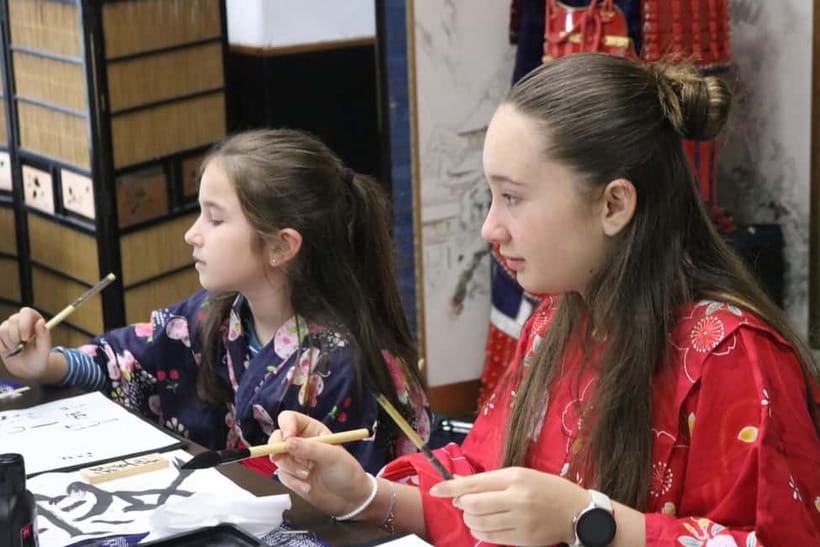
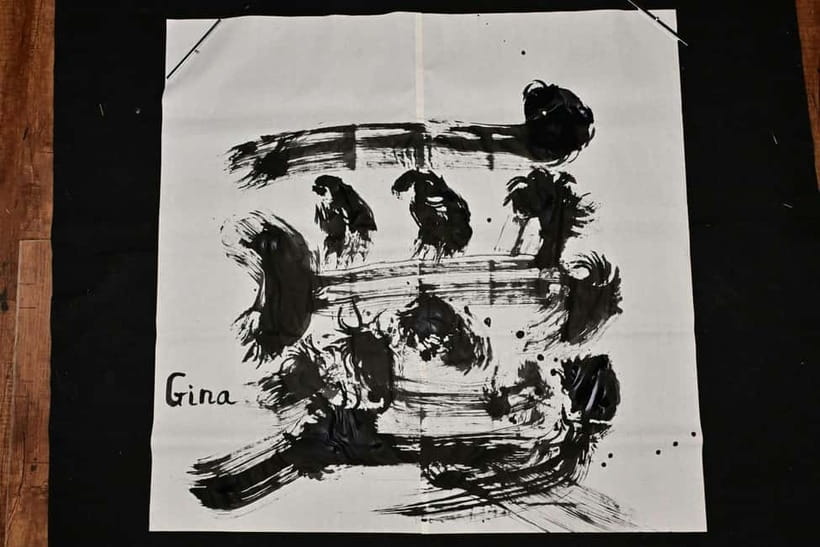
First you learn how to prepare for calligraphy and how to hold the brush and tools. Then you practice basic brush strokes such as tome (a stopping stroke feel), hane (a springing bounce), and harai (a sweeping motion). This kind of drill is useful because it trains your hand for control, not just copying an example.
Next comes the creative part: you choose a kanji character, and you follow the stroke order to practice it correctly. That stroke-order focus is one of the best ways to avoid the common beginner mistake of writing the shape, but not the structure.
Then you move into a special samurai-themed calligraphy segment: Samurai Calligraphy (Words of resignation). The program frames this as last words—literal resignation from the world as he prepares to die. Participants write the kanji they chose with attention to the technique.
Two things make this section compelling:
- You get a real skill baseline (brush control and stroke order), not just a one-time product.
- The meaning prompt pushes you to slow down and write with intention, because the theme asks for seriousness.
This portion is split into roughly 20 minutes for the practice foundation and 10 minutes for the samurai calligraphy writing.



Samurai sword trial cutting: focus on responsibility, not bravado
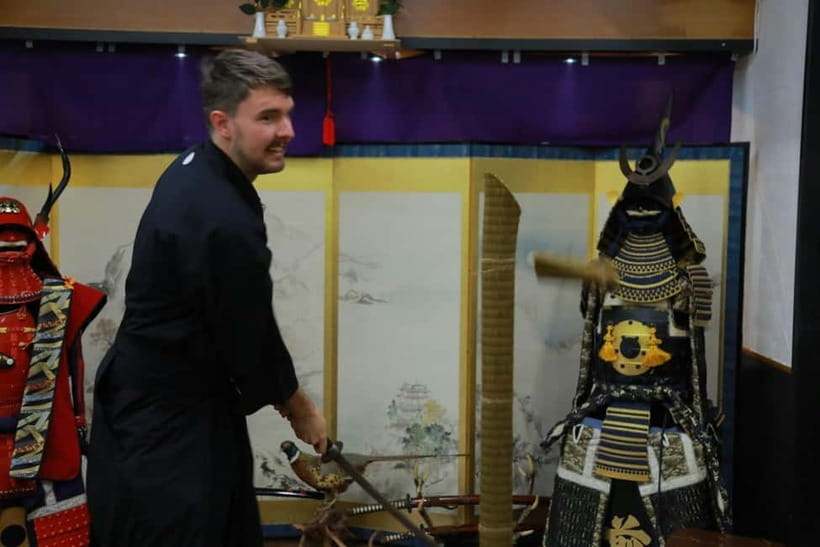
Now for the part many people book for: katana practice.
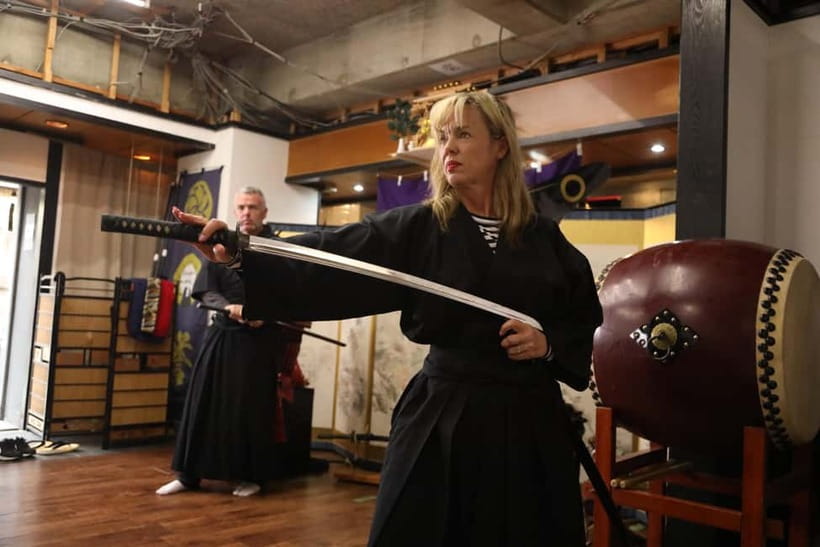
You learn how to use a sword and you also learn the mindset behind it. The program explicitly points out self-respect and the responsibility of carrying a deadly weapon. That matters. If sword practice is treated like a stunt, you miss the cultural lesson. Here, the messaging is: this isn’t just action; it’s discipline.
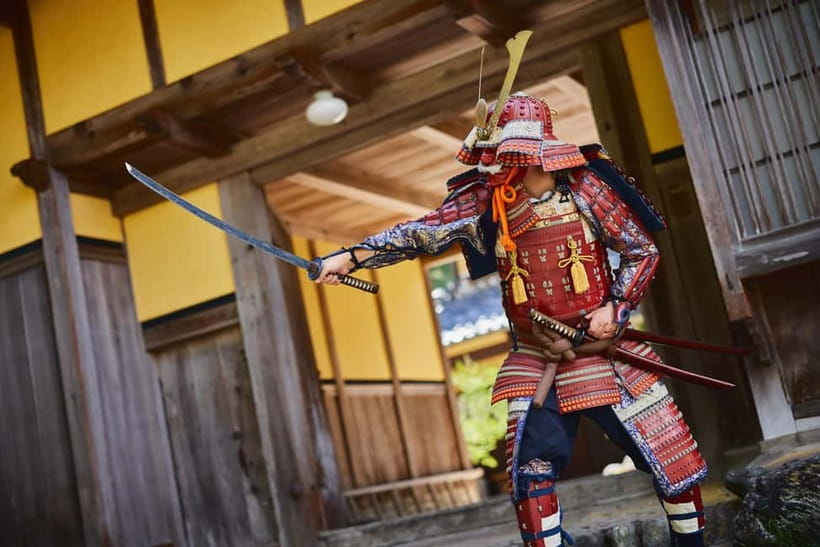
You’re allowed to wear a serious sword, then you practice sword cutting with a samurai sword. The time for the sword trial is about 30 minutes, which is just enough to feel what grips, stance, and swing path do to your results—without turning it into a full training camp.
One practical tip: if your shoulders tense up when you hold the sword, it’s going to mess with your cutting motion. I’d treat it like a controlled movement lesson. Breathe, keep your elbows from creeping up, and aim to be steady rather than fast.
This is also where the program’s teaching style matters. The experience is designed around instruction and technique guidance, and the overall staff approach is patient and geared toward answering questions as you practice.
If you’re not comfortable with weapons practice at all, this is the “nope” section. If you’re curious but cautious, still okay—just be honest with your instructor about what you’re comfortable doing.
Armor on Osaka Castle grounds: role-play photos with real atmosphere
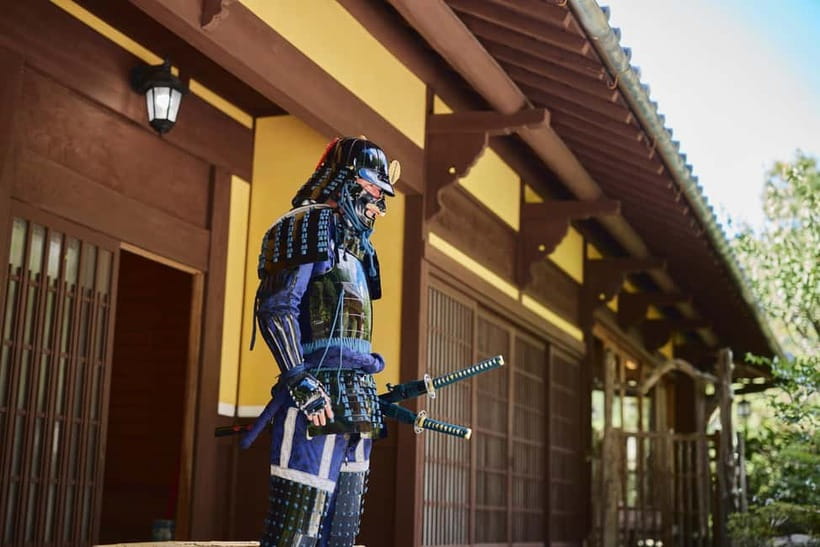
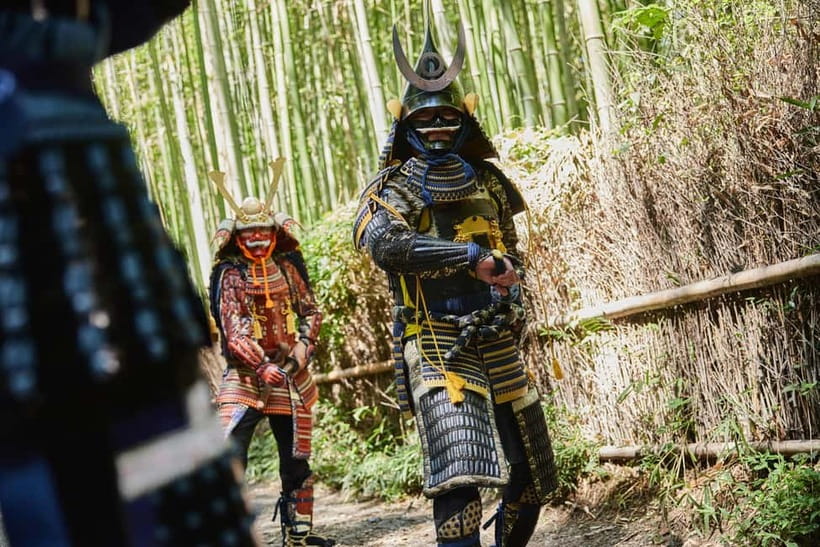
Wearing samurai armor is the moment most people remember, because you stop being a spectator and start playing the part. The program includes a battle reenactment photo moment set during April 1615, tied to the Osaka Summer Battle theme.
Here’s how it’s structured: you wear armor and participate in the battle scene, and you get photographed on the grounds of Osaka Castle. The program frames your role as a member of the Toyotomi side, and the photos are timed like a staged “best soldier” moment.
This doesn’t happen as one quick snap. There are two parts that both revolve around armor and photo taking—one tied directly to the battle of Osaka and another photo segment described as a symbol of samurai history and warfare power. In practice, that likely means you’ll have more than one photo set, so you get variations instead of one awkward angle.
What makes this section valuable:
- It’s close to Osaka Castle imagery, and the experience positions itself as the only nearby place where you can actually experience being a samurai.
- You get photo coverage while you’re in costume and in action mode, so your pictures aren’t just “standing with armor.”
After the photo session, the program notes that your photo shooting data is sent to a designated email address. That’s a small detail that saves a lot of time later—no waiting around for printing shops or re-checking payment counters.
Optional seppuku/harakiri segment: consider your comfort before adding it
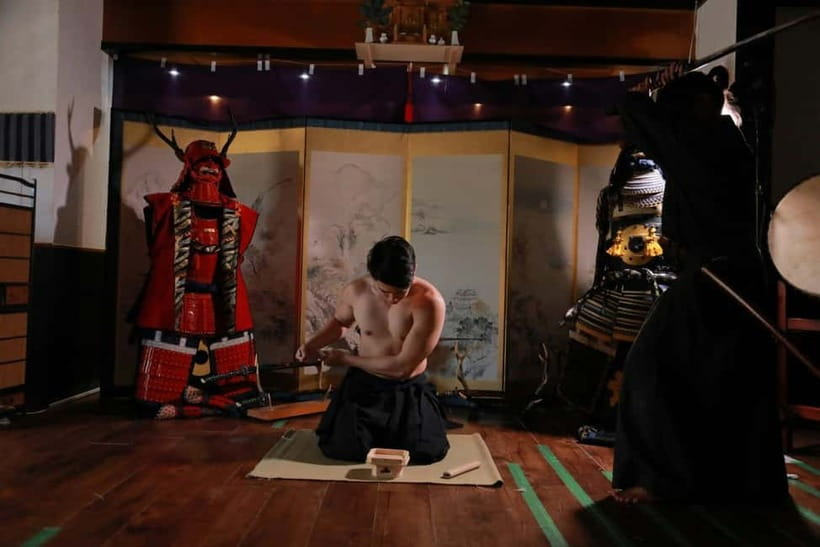
There’s an optional additional activity described as Seppuku × Harakiri.
The program describes it as a samurai prepared to die for his lord, framed around righteousness and Bushido’s pursuit of a beautiful death, including the idea of choosing to die in pain if death in battle wasn’t possible. It’s presented as a “how to die beautifully” paradox theme, with a time estimate of about 30 minutes.
Important practical note: this is a heavy topic. Even if you’re interested in samurai culture broadly, this segment may feel uncomfortable depending on your personal boundaries and how you handle death themes in person.
If you’re unsure, I’d treat this like a decision point. Ask the staff what the activity involves (at least at a high level) before you commit, and choose what fits your comfort level.
Price and value: is $168 per person worth it?
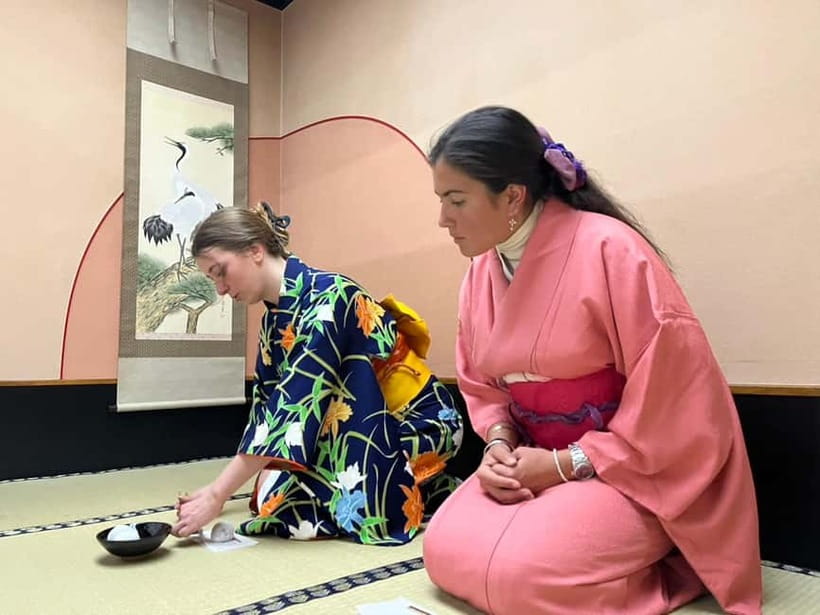
At $168 per person for a three-hour experience, you’re paying for a lot of “included” components that usually cost money when booked separately: kimono clothing, calligraphy practice, samurai calligraphy, a tea ceremony, sword trial cutting, armor, and photo shooting with delivered data.
You’re also paying for instruction and staff time. The program notes certified professional instructor and English-speaking staff, plus they handle the flow of changing clothes and moving through the parts in sequence.
Where this price tends to make sense is when:
- You want one organized block that mixes multiple arts instead of picking just one.
- You care about the “do it yourself” practice parts (brush control, tea etiquette gestures, sword trial movements).
- You value having photos taken during the armor/battle reenactment rather than arranging your own shots.
Where it might not be ideal is if you’re only chasing one element—like sword practice only. The program also doesn’t include transportation or pick-up/drop-off at your hotel or station, so you’ll add transit time and cost on your end.
That said, for a compact, high-activity cultural package near Osaka Castle, $168 can feel fair—especially because the day includes both traditional arts (calligraphy and tea) and the signature samurai armor/photo moment.
Location, meeting point, and what to bring (so you start smoothly)
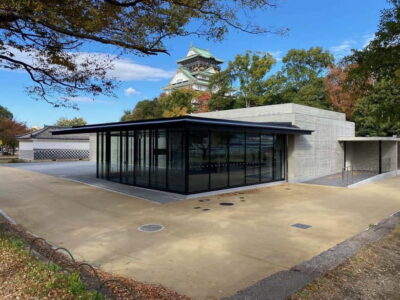
You’ll meet at a landmark described as a wooden sign that reads Honor of the Samurai. It’s a rack with Samurai Honor activity pamphlets in front of the store, and you may also notice kimonos and hakama hanging out to dry nearby—another strong visual clue.
Plan to arrive 30 minutes before your reserved time. This is for instructions and changing clothes, and it keeps the experience from feeling rushed. If you arrive late, you’ll likely eat into your practice time.
Bring a T-shirt. The program specifically says that’s what to bring, so don’t overthink it.
Also, be aware of the rules: no pets, no baby strollers, and no alcohol or drugs. The program mentions armor is worn indoors for the experience, so you should expect a bit of dressing and standing around between segments. That means wearing clothes you can move in easily before the kimono step.
If you’re trying to schedule around the rest of your day, note that the program duration is three hours, but your total “time block” will feel longer because you’ll likely need that early arrival buffer.
Who should book this samurai culture experience—and who might skip it
This experience is a good fit for you if you:
- Want hands-on Japanese culture, not just a sit-and-watch show
- Enjoy learning practical manners through tea and gesture practice
- Like doing skill-building activities, like calligraphy strokes and controlled sword trial cutting
- Want photos that actually look like a “samurai moment” near Osaka Castle
It may be a poor fit if:
- You want a quiet, classroom-style lecture without physical activity
- You prefer to avoid sword/weapon experiences entirely
- You’re sensitive to the heavier optional themes like the seppuku/harakiri segment (if you consider adding it)
There are also clear age limits: it’s not suitable for children under 10, and it lists people over 95 years as not suitable. If you’re traveling with kids close to the minimum age, plan for a serious, structured activity rather than a playground atmosphere.
Language-wise, English is the default. Other languages are listed (Spanish, Italian, French, Chinese, Thai, Indonesian), but you should ask about interpreter availability for your date/time.
Should you book it? My straight recommendation
Book this if you want a single, well-instructed afternoon that combines kimono culture, calligraphy technique, tea etiquette, and a genuine samurai armor + sword trial experience tied to Osaka Castle imagery. The best part isn’t just the costume—it’s that the program teaches you how to move, write, and handle the moment with care.
Skip it if you mainly want history reading time, or if the sword practice or optional death-themed segment isn’t your thing. This experience is built for doing, not just learning.
If you’re on the fence, I’d decide based on your comfort with active practice and weapons training, because that’s where the experience is most “real.”
FAQ
How long is the experience?
It lasts about 3 hours, and you should arrive around 30 minutes early for instructions and changing.
Is it a private group?
Yes, the experience is listed as a private group.
What languages are available?
English is the default. Other languages listed include Spanish, Italian, French, Chinese, Thai, and Indonesian, but you should ask about interpreter schedule availability.
What’s included in the price?
Included are kimono clothing, practicing calligraphy, samurai calligraphy, tea ceremony, samurai sword trial cutting, wearing armor, and photo shooting (with photo data sent to an email address), plus English-speaking staff and a certified professional instructor.
Do I get photos?
Yes. A photographer covers the photo shooting and your photo data is sent to a designated email address.
Do I need to bring anything?
Bring a T-shirt. The rest of the clothing and equipment for the activities is included.
Is transportation or hotel pick-up included?
No. Pick-up/drop-off at a train station or hotel and transportation are not included.
Is the sword trial cutting part included?
Yes. Samurai sword trial cutting is included as part of the experience.
Is the seppuku/harakiri segment included?
It’s listed as an option, not as a standard included activity.
More Tour Reviews in Osaka
- Osaka Go Karting Tour with Funny Costume★ 5.0 · 2,658 reviews
- Osaka Castle: Museum and Tower Entry Ticket★ 4.5 · 2,380 reviews
- Osaka: Shinsekai Food Tour with 13-15 Dishes at 5 Eateries★ 4.8 · 2,204 reviews
- Osaka Food Tour: 13 Dishes at 5 Local Eateries★ 5.0 · 2,149 reviews
- Hungry Osaka Street Food Tour:15 Tastings & 3 Drinks with a Local★ 5.0 · 1,727 reviews
Blades Out: More Samurai Sessions
- Samurai Training Experience KENDO in Osaka★ 5.0 · 515 reviews
- OSAKA NIGHT FUSION Japanese Taiko Kabuki Samurai Dance Show★ 4.8 · 155 reviews
- Osaka: Samurai Training Experience KENDO in Osaka★ 5.0 · 111 reviews
- Osaka: A Modern Samurai, Kabuki, Taiko, & Dance Show★ 4.5 · 66 reviews
- Osaka 2-Hour Genuine Kendo / Samurai Experience In Japan★ 5.0 · 65 reviews
The Newest Osaka Write-Ups
- Private Photoshoot in Osaka with a Professional Photographer
★ 5.0 · 3 reviews - Osaka Early Morning Osaka Castle Tour Avoid Crowds
★ 5.0 · 3 reviews - Nara Private Tour with Pick and Drop and English Speaking Driver
★ 3.5 · 3 reviews - Osaka: Modern Vegetarian Sushi Cooking Class
★ 5.0 · 3 reviews - Nara Day Trip from Osaka with a Licensed Guide
★ 5.0 · 3 reviews
Osaka Samurai & Ninja Experiences, compared.
 ★ 5.0Samurai Training Experience KENDO in OsakaFrom $131515 reviews
 ★ 4.8OSAKA NIGHT FUSION Japanese Taiko Kabuki Samurai Dance ShowFrom $40155 reviews
 ★ 5.0Samurai Training Experience KENDO in OsakaFrom $127111 reviews
 ★ 4.5A Modern Samurai, Kabuki, Taiko, & Dance ShowFrom $1966 reviews
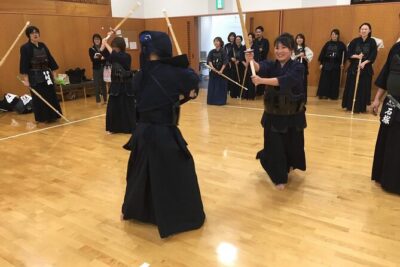 ★ 5.0Osaka 2-Hour Genuine Kendo / Samurai Experience In JapanFrom $11865 reviews
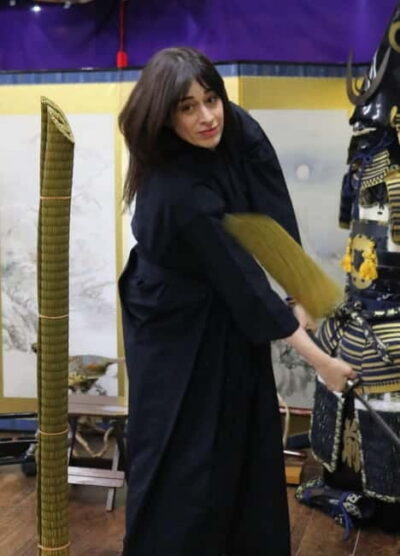 ★ 4.9Learn Bushido – Trial Slashing with Samurai SwordFrom $9259 reviews
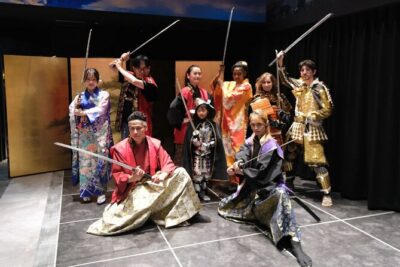 ★ 5.0Samurai Show, Tea Ceremony, Japanese Traditional ActivitiesFrom $4456 reviews
 ★ 5.0Private Samurai Experience – Train with Sword MasterFrom $15836 reviews
Browse the lists this tour appears in