
Reviewed · OSAKA COOKING CLASSES
Experience Cooking Takoyaki in its Birthplace, Osaka
Takoyaki in Osaka feels like a shortcut to the city. You’re not just buying street food; you’re making the snack that locals pass around at home. The experience is led by hands-on instructors like Zen and Lisa (and other sessions have listed Masa and Risa) who teach the technique patiently.
I love that you’ll use a rotating takoyaki machine to get the classic crisp outside and tender inside, and you’ll do it in about 20 minutes of cooking. I also like that the class is flexible: you can skip octopus and build your own fillings, with options like cheese and crab sticks.
One thing to plan around: this activity needs good weather, so if the schedule shifts because of conditions, have a little buffer in your Osaka days.
In This Review
- Key Highlights You’ll Feel Immediately
- Osaka Takoyaki, Made Where It Started
- Inside 369 Kitchen Studio: Your 2-Hour Flow
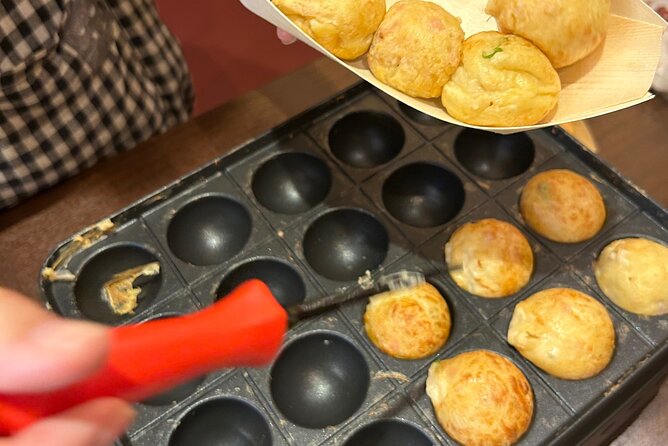
- The Rotating Takoyaki Machine and the Texture Goal
- Fillings: Skip the Octopus and Make It Yours
- Eating Like a Local: Toothpicks, Fresh Heat, and Ramune
- What $42.35 Really Buys You in Osaka
- Who This Class Fits Best (and Who Might Want Something Else)
- Quick Tips to Make Your Takoyaki Session Smoother
- Should You Book This Osaka Takoyaki Class?
- FAQ
- How much does the takoyaki cooking experience cost?
- How long is the experience?
- What size group is this class?
- What is the meeting point address?
- Do I have to use octopus in the takoyaki?
- Is Ramune included?
- When should I book?
- What if the weather is bad?
Key Highlights You’ll Feel Immediately
- Rotating takoyaki machine: the tool does part of the work for that signature shape and texture
- Custom fillings: not everyone has to choose octopus—cheese and crab sticks are available
- Ramune included: the bottle with the glass ball makes it feel like a mini ritual
- Small group size: up to 12 people, so you get real attention while you cook
- Beginner-friendly tips: clear instruction and hands-on guidance help first-timers succeed fast
Flour on your hands, more Osaka kitchens to try


Osaka Takoyaki, Made Where It Started
Takoyaki is one of those foods that tells you something about a place right away. Osaka treats it like everyday comfort—quick, shareable, and perfect for hanging out. In this class, you’re learning the process in the city where it’s from, not trying to reverse-engineer a snack you once ate in passing.
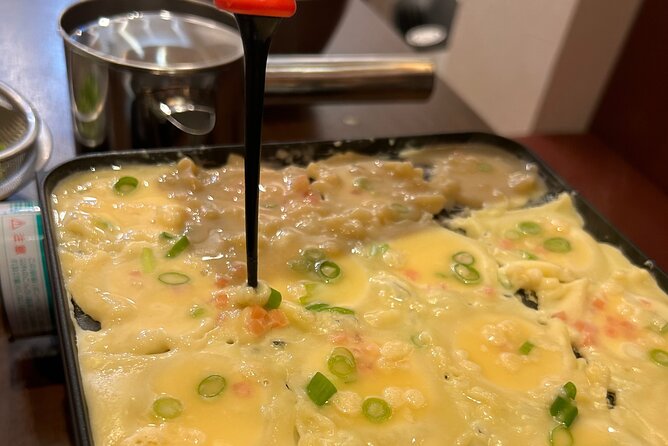
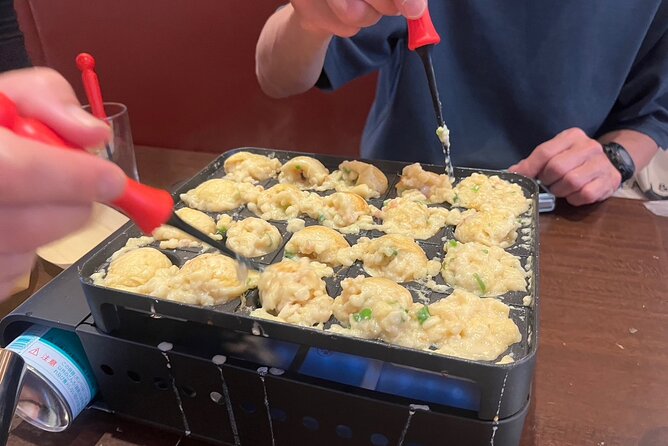
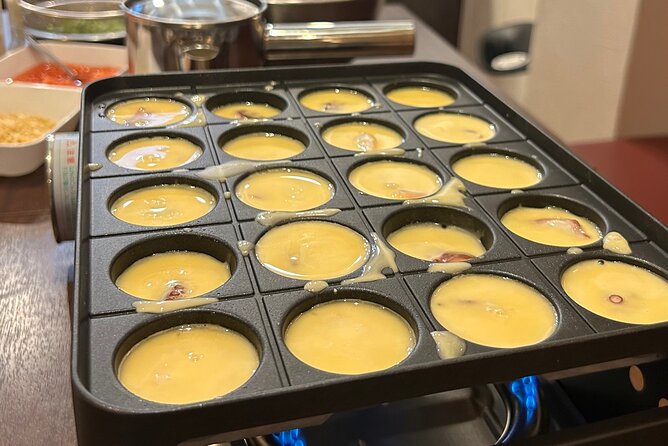
What makes it more than a gimmick is the focus on technique. You’ll cook the batter in a special takoyaki machine where the wells help set the shape, and the rotation supports even cooking. That means you’re chasing the texture Osaka is known for: crispy on the outside, soft inside, straight from the machine.
And yes, you’ll eat what you make while it’s hot. That matters. Takoyaki changes fast as it cools, and learning it without tasting fresh would be like learning to ride a bike in a classroom.
Inside 369 Kitchen Studio: Your 2-Hour Flow
This is a tight, clear 2-hour class that stays focused on doing. You’ll start back at the same meeting point, at 巽住宅 梅田ビル (Sonezakishinchi, Kita Ward) in Osaka. It’s near public transportation, so you’re not spending your whole day coordinating trains just to cook dinner.
Once you’re in, expect a straightforward rhythm:
- you’ll get shown how the takoyaki machine works
- you’ll learn how to portion the batter and manage the turning
- you’ll cook multiple batches and build your own filling combinations
- you’ll finish by eating your takoyaki and pairing it with Ramune
The small-group size (max 12) is a practical win. With fewer people, you’re less likely to stand around waiting for a turn. And if you’re traveling with kids, the class is set up so children can enjoy it safely, which is a big deal if you want a hands-on Osaka activity that doesn’t turn into a full-day headache.
The Rotating Takoyaki Machine and the Texture Goal
Here’s the heart of the experience: you’re using a takoyaki machine that rotates, and that rotation helps with the cooking. In other words, you’re not wrestling a pan like you’re on TV cooking chaos. The machine helps you get consistent results.
The class is built around producing the classic contrast:
- the outside sets into a crisp layer
- the inside stays tender and steam-soft
In the reviews and descriptions, the instructors are praised for being very practical—showing the process step by step and giving tips to improve your technique. That’s important because takoyaki looks easy until you try it. The difference between okay and great often comes down to timing and how thoroughly you turn each ball at the right moment.
Also, you’ll be making enough so it’s not just one token snack. The goal is a real takoyaki experience, not a single bite and a souvenir photo.


Fillings: Skip the Octopus and Make It Yours
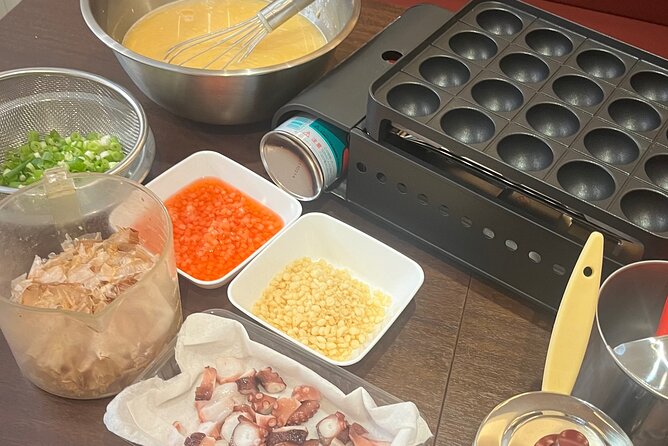
Osaka takoyaki is famous for octopus, but this class makes it clear that it’s not required. You can choose fillings based on what you like, and you can mix it up so you taste different versions during the meal.
Available filling options mentioned include:
- octopus (optional)
- cheese
- crab sticks
That flexibility is great if you’re traveling with picky eaters, if you’re vegetarian, or if you simply want to experiment. One of the reviews specifically called out that the instructors were accommodating for vegetarian participants, which tells you this isn’t a one-size-fits-all class.
Pro tip from the overall teaching style: think of the filling as something that should stay tucked into the ball while it cooks. If you overdo it, you can end up with filling that leaks or doesn’t set the way you want. The class instruction is designed to prevent that kind of frustration—so you come away with technique, not just a full stomach.
Eating Like a Local: Toothpicks, Fresh Heat, and Ramune
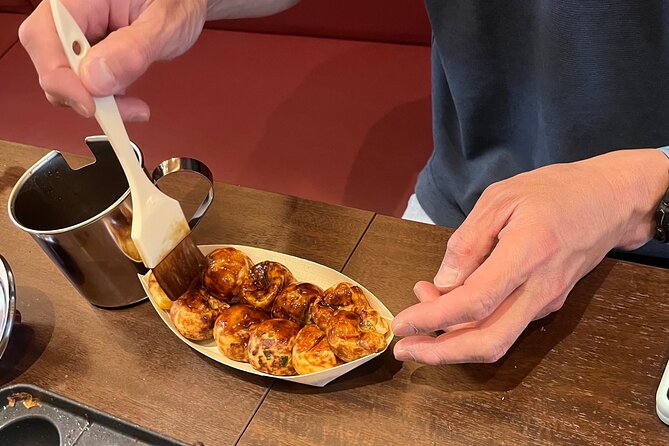
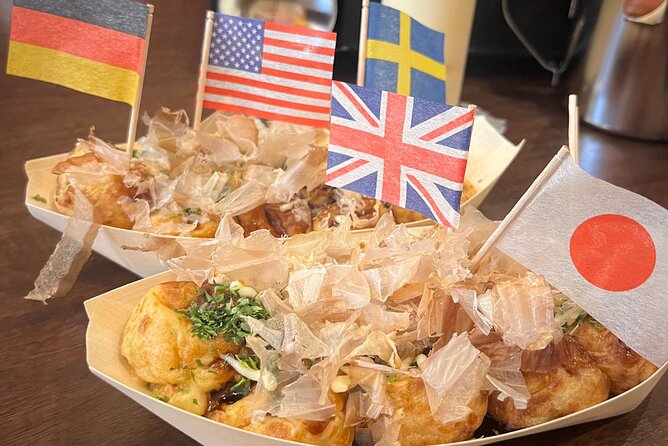
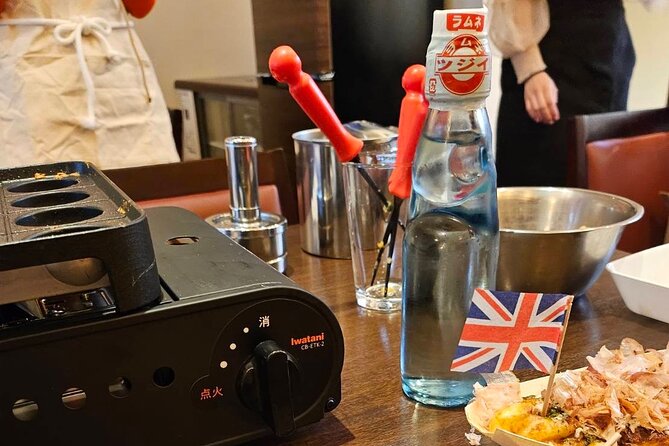
After cooking, you’ll get to eat your takoyaki fresh and hot. You’ll use a toothpick to eat it the Osaka way, which is simple but oddly satisfying once you’re doing it yourself. It’s finger-food style without the mess.
And then there’s the drink: Ramune. It’s a traditional Japanese carbonated drink, and what makes it feel special is the bottle with a glass ball inside. Even if you’ve had soda before, Ramune has this built-in little theater, and it pairs nicely with warm, savory takoyaki.
This part of the experience matters because it connects the cooking to the social habit behind it. Takoyaki is built for sharing—family and friends gather, make a batch, talk while they eat, and keep going. The class recreates that vibe in a compact, beginner-friendly format.
What $42.35 Really Buys You in Osaka
At $42.35 per person, this isn’t the cheapest thing you can do in Osaka. But it also isn’t just an admission ticket to a photo op. You’re paying for:
- a hands-on cooking setup (that rotating takoyaki machine isn’t something you can casually improvise)
- instruction that helps first-timers get it right
- multiple takoyaki you cook yourself, not just watch happen
- Ramune included, so you’re not budgeting extra for drinks
For many travelers, the best value comparison is this: you’d easily spend a similar amount on food and drinks over a couple of hours—but you wouldn’t leave with a real skill you can repeat at home. Here, you’re learning a process you can recreate, even if you won’t have the exact machine. Technique transfers.
Also, you can book this ahead of time. On average, it’s booked about 15 days in advance, so if your Osaka dates are fixed, lock in early.
Who This Class Fits Best (and Who Might Want Something Else)
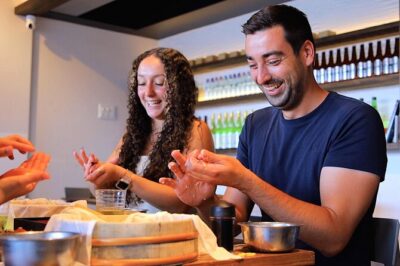
This is a great fit if you want an authentic Osaka experience that’s hands-on, not just observational. It also works well for families because the class is designed so children can enjoy it safely.
You’ll likely enjoy it most if:
- you’re interested in food culture you can actually practice
- you like cooking but don’t want the mess of doing it alone
- you want a guided activity that still gives you creative control with fillings
If you’re the type who wants a broad sightseeing day with lots of walking, this might feel more like a focused pocket experience than a full tour of the city. But as a half-day anchor in Osaka, it’s a strong choice.
Quick Tips to Make Your Takoyaki Session Smoother
A few practical things will help you enjoy it more:
- Wear something comfortable. You’ll be standing and working close to the cooking setup for a while.
- Go in hungry, but don’t assume you can multitask. The turning technique benefits from attention.
- Think about your filling mix before you start cooking. Choose one or two favorites so you’re not constantly deciding mid-batch.
- If you’re traveling with kids or anyone with dietary preferences, remember the class is flexible with fillings, and instructors have shown vegetarian accommodation.
And since it requires good weather, plan your Osaka schedule with at least one flexible slot nearby. If weather disrupts your class time, you’ll want alternatives ready.
Should You Book This Osaka Takoyaki Class?
I’d book it if you want a real Osaka skill, not just a bite of takoyaki. The rotating takoyaki machine, the focus on getting the right texture, and the included Ramune turn a common food into an actual experience you’ll remember. Add in the small group size (max 12) and beginner-friendly teaching, and it’s a smart value for anyone who likes learning by doing.
Skip it only if you’re mainly chasing big-ticket sightseeing or you already feel fully “takoyaki satisfied” from eating it around town. This class wins for people who want to cook, taste, and understand the snack—not just sample it.
FAQ
How much does the takoyaki cooking experience cost?
It costs $42.35 per person.
How long is the experience?
The duration is about 2 hours.
What size group is this class?
The class has a maximum of 12 travelers.
What is the meeting point address?
You meet at 巽住宅 梅田ビル, 2-chōme−1−13 Sonezakishinchi, Kita Ward, Osaka 530-0002, Japan.
Do I have to use octopus in the takoyaki?
No. The filling does not have to be octopus. You can use other options such as cheese or crab sticks.
Is Ramune included?
Yes. You’ll enjoy Ramune with your takoyaki.
When should I book?
On average, it’s booked about 15 days in advance, so booking ahead is a good idea.
What if the weather is bad?
This experience requires good weather. If it’s canceled due to poor weather, you’ll be offered a different date or a full refund.
More Tour Reviews in Osaka
- Osaka Go Karting Tour with Funny Costume★ 5.0 · 2,658 reviews
- Osaka Castle: Museum and Tower Entry Ticket★ 4.5 · 2,380 reviews
- Osaka: Shinsekai Food Tour with 13-15 Dishes at 5 Eateries★ 4.8 · 2,204 reviews
- Osaka Food Tour: 13 Dishes at 5 Local Eateries★ 5.0 · 2,149 reviews
- Hungry Osaka Street Food Tour:15 Tastings & 3 Drinks with a Local★ 5.0 · 1,727 reviews
Cook It Yourself in Osaka
- Sushi Making Osaka Roll and Authentic Japanese Sushi Class★ 5.0 · 1,220 reviews
- Osaka: Five Must-See Highlights Walking Tour & Ramen Lunch★ 4.7 · 411 reviews
- Osaka Sushi Making Experience★ 5.0 · 400 reviews
- Osaka: Ramen and Gyoza Cooking Class in Dotonbori★ 5.0 · 378 reviews
- Osaka: Sumo Stage Show with Bento or Snack + Fight & Photo★ 4.3 · 364 reviews
The Newest Osaka Write-Ups
- Private Photoshoot in Osaka with a Professional Photographer
★ 5.0 · 3 reviews - Osaka Early Morning Osaka Castle Tour Avoid Crowds
★ 5.0 · 3 reviews - Nara Private Tour with Pick and Drop and English Speaking Driver
★ 3.5 · 3 reviews - Osaka: Modern Vegetarian Sushi Cooking Class
★ 5.0 · 3 reviews - Nara Day Trip from Osaka with a Licensed Guide
★ 5.0 · 3 reviews
Osaka Cooking Classes, compared.
 ★ 5.0Sushi Making Osaka Roll and Authentic Japanese Sushi ClassFrom $311,220 reviews
 ★ 4.7Five Must-See Highlights Walking Tour & Ramen LunchFrom $56411 reviews
 ★ 5.0Osaka Sushi Making ExperienceFrom $29400 reviews
 ★ 5.0Ramen and Gyoza Cooking Class in DotonboriFrom $70378 reviews
 ★ 4.3Sumo Stage Show with Bento or Snack + Fight & PhotoFrom $93364 reviews
 ★ 4.9Traditional Mochi Pounding Experience with TastingFrom $31306 reviews
 ★ 5.0Osaka Cooking Class: Okonomiyaki &Japanese cuisines experienceFrom $104261 reviews
 ★ 4.9Roll and Authentic Sushi Making Class in DotonboriFrom $45239 reviews
Browse the lists this tour appears in