
Reviewed · OSAKA TEA CEREMONY & MATCHA
Discover Japanese Tea Blending Techniques in Osaka
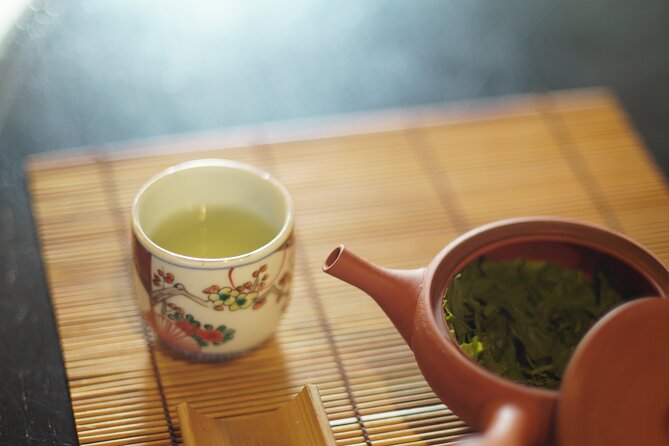
Tea in Japan gets treated like a daily habit, not a museum piece. This Osaka workshop turns that idea into a hands-on lesson on brewing and tea cocktails, with a calm tea-house setting away from the biggest tourist crush. You’ll learn the practical why behind temperature, tools, and technique, then put it into action with drink-making and tasting.
Two things I really like are the mix of traditional tea rituals and modern-style drinks, and how the class stays small, with a maximum of 3 people. One possible drawback is that it’s built for people who want to participate, not just watch, so if you prefer a mostly passive experience, you may feel a little too hands-on.
In This Review
- Key points to know before you go
- A calm tea-house workshop in Osaka, not a tourist factory
- Where the lesson starts: tools, temperature, and how to hold the teapot
- Brewing five Japanese teas like a pro (or at least like you mean it)
- Sencha: the clean starting point
- Wakocha: the shift toward depth
- Oolong: the middle ground with flexible character
- Hojicha: the roasted comfort tea
- Matcha: the technique you feel in your cup
- Tea culture philosophy, explained in plain terms
- Tea blending, then tea cocktails: tradition meets mixing
- Japanese sweets pairing: the snack that teaches balance
- What you take home: samples, recipes, and repeatable skills
- Price and value: $54.46 for a full tea-to-cocktail skill set
- Logistics that make the class easy to plan
- Who this workshop is perfect for
- Should you book the Japanese tea blending workshop in Osaka?
- FAQ
- What types of Japanese tea will I learn to brew?
- How long is the workshop in Osaka?
- Is this a small group?
- Do I make tea cocktails, or only sample them?
- Will I get recipes and tea to take home?
- Where does the workshop meet?
- What time does it start?
- Is there free cancellation?
Key points to know before you go

- Small group feel (max 3 travelers), which makes it easier to ask questions while you brew.
- Hands-on brewing for multiple tea styles: sencha, wakocha, oolong, hojicha, and matcha.
- Tea cocktail mixing using natural ingredients and alcohol, so you get a fun modern angle.
- Local, organic tea leaves are part of the experience, not just generic tea packets.
- Take-home samples and recipes so you can recreate your favorites back home.
Another bowl whisked slowly in Osaka
A calm tea-house workshop in Osaka, not a tourist factory
Osaka has plenty of energy, but this class is set up for a quieter kind of discovery. Your starting point is near Namba Yasaka Jinja (Motomachi), and the vibe changes once you walk toward the tea-house space: you get a more local feel, with a slower pace than the main tourist lanes.
The host, Ko, is a big reason this works so well. From what you’re told and what you experience, he teaches like someone who loves tea and wants you to understand it, not just copy steps. That matters because tea can feel mysterious until someone makes the logic clear.
The workshop is also timed for an afternoon plan, starting at 3:00 pm and running about 2 hours. If you like activities that don’t swallow your whole day, this fits nicely between sightseeing blocks.
Where the lesson starts: tools, temperature, and how to hold the teapot
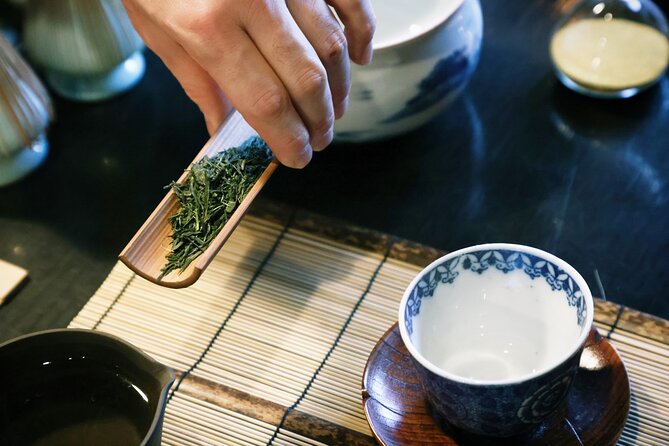
A lot of tea classes skip the basics. This one doesn’t. You’ll get the practical fundamentals first: how to handle brewing tools, and why small physical habits affect taste and flow.
Ko walks you through brewing with basic guidance such as brewing temperature, technique, and correct handling of utensils. That’s the difference between making tea once and being able to repeat it later. If you’ve ever made tea at home and wondered why it tastes weak, bitter, or flat, this part helps you troubleshoot in real time.
And yes, the session is hands-on. You’re not just receiving facts. You’ll likely be doing the pouring and adjusting as you go, which makes the learning stick.
Brewing five Japanese teas like a pro (or at least like you mean it)
The core of the workshop is learning to brew several tea types properly, then seeing how they differ in aroma, color, and flavor. Instead of one tea, you get a full tasting lineup that shows how wide Japanese tea culture can be.
Here’s what you can expect to work with:
- Sencha (Japanese green tea)
- Wakocha (Japanese black tea)
- Oolong tea
- Hojicha (roasted tea)
- Matcha
Ko also ties each tea back to its history and the philosophy behind how Japanese tea is used. That might sound like extra talk, but it helps you understand why one tea invites a different tempo of brewing than another. It’s not just instructions; it’s context for your senses.


Sencha: the clean starting point
Sencha is usually the first tea people notice because it can taste grassy, fresh, and clear when done right. In a class like this, the big value is learning what “right” means, especially around temperature and how you approach the first brew.
Wakocha: the shift toward depth
Japanese black tea (wakocha) brings a darker, rounder flavor path. This is where technique matters for avoiding harshness. If you’ve only had black tea in bags, you’ll likely understand why loose leaf can feel completely different.
Oolong: the middle ground with flexible character
Oolong often feels like a bridge between green and black profiles. You’ll learn how to brew it properly and notice how aromatics change with small adjustments. It’s a great tea to practice patience with, since you’re training your palate to notice subtle shifts.
Hojicha: the roasted comfort tea
Hojicha tends to be loved for its warmth and ease. In the workshop’s hands-on setting, you get a useful comparison: this is what roasted tea tastes like when treated with care, not when it’s overheated or brewed too aggressively.
Matcha: the technique you feel in your cup
Matcha is matcha, but it can still taste wildly different depending on handling. The point here isn’t just making it drinkable. You’re learning how it fits into the rituals of Japanese tea culture, and then you’ll use that knowledge later in cocktail form.
Tea culture philosophy, explained in plain terms
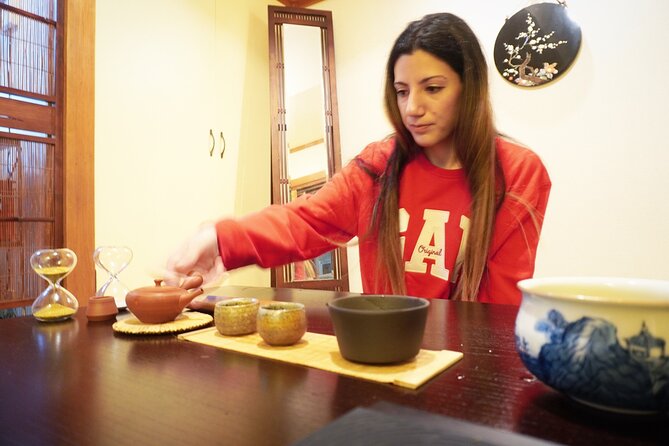
One of the easiest ways to ruin a tea experience is to treat it like trivia. This class doesn’t. Ko explains tea’s historical significance and the philosophy of Japanese tea culture, but in a way that ties directly back to what you’re brewing.
You’ll hear how tea rituals shaped Japanese life and how modern tea habits still borrow the discipline of older methods. That’s why this doesn’t feel like a random tasting flight. It’s more like learning a set of rules that also happen to be enjoyable.
And if you’re thinking, I just want to drink tea, don’t worry. You get the tasting and the hands-on brew time. The philosophy gives structure so the flavors make sense.
Tea blending, then tea cocktails: tradition meets mixing
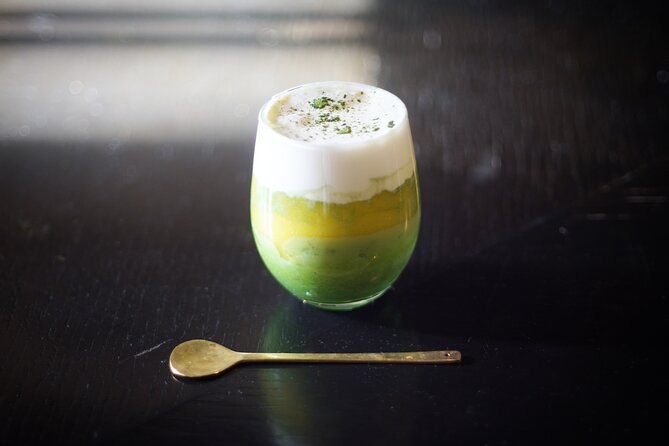
After the brewing lessons, the workshop shifts into something more playful: using new techniques with traditional foundations. This is where the class stops being purely ceremonial and becomes culinary.
You’ll learn the process for making tea drinks using natural ingredients such as fruit, and you’ll infuse with alcohol as part of the cocktail-style activity. The goal isn’t turning tea into a gimmick. It’s showing how tea aromas work with sweetness, fruit notes, and spirit-based balance.
This is also where you can choose your preferences. One of the highlights is personalization based on your tastes. That matters because matcha and hojicha can land very differently depending on how sweet you like things and whether you prefer bold roasted notes or fresher profiles.
You’ll also sample a tea cocktail during the workshop. From the way the class is described, you’ll likely receive recipes as well, which is a big deal if you want to repeat the drinks later rather than just remember the taste.
Japanese sweets pairing: the snack that teaches balance
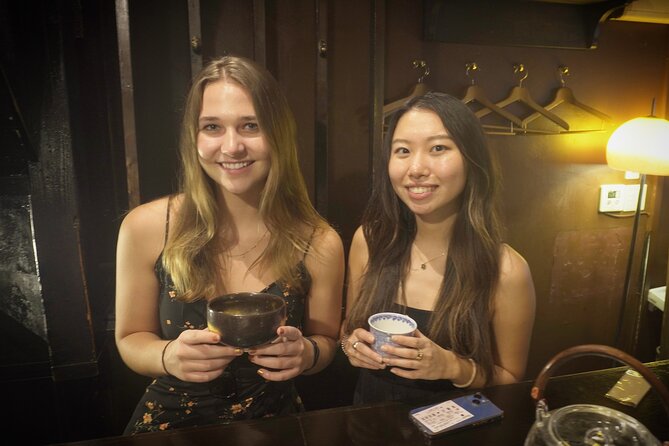
Tea in Japan often comes with small sweets, and this experience includes traditional Japanese sweets as part of the tasting. The practical value is simple: you train your palate to notice how sweetness and texture change how tea feels.
If you drink matcha with something lightly sweet, it can feel softer and rounder. If you pair roasted hojicha with the right sweetness, it can feel more comforting rather than smoky. Even when you don’t consciously analyze it, your brain learns these match-up rules fast.
What you take home: samples, recipes, and repeatable skills
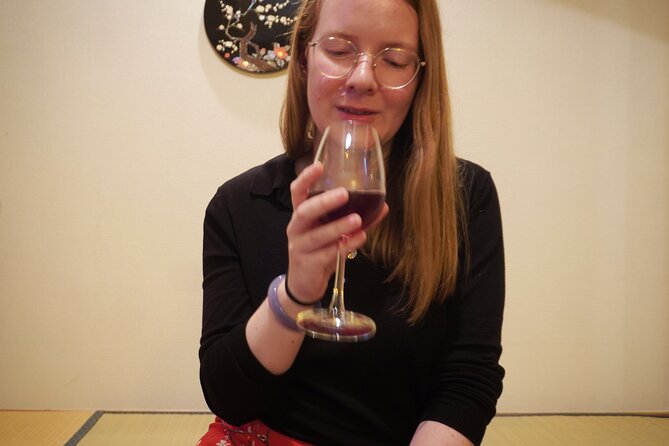
The best souvenirs aren’t things you can only look at. This workshop gives you tea samples and recipe material so you can recreate your favorites later.
You’ll leave with small samples of tea to share back home. That’s a thoughtful touch if you travel with family or friends and want something more personal than a postcard. You also get take-home recipes for beverage drinks you learn to make, which is useful if your goal is to bring a piece of Osaka tea culture into your kitchen routine.
If you’re nervous about brewing at home, that’s exactly why the class teaches tools, technique, and temperature upfront. You’re not just chasing a one-time flavor. You’re building confidence.
Price and value: $54.46 for a full tea-to-cocktail skill set
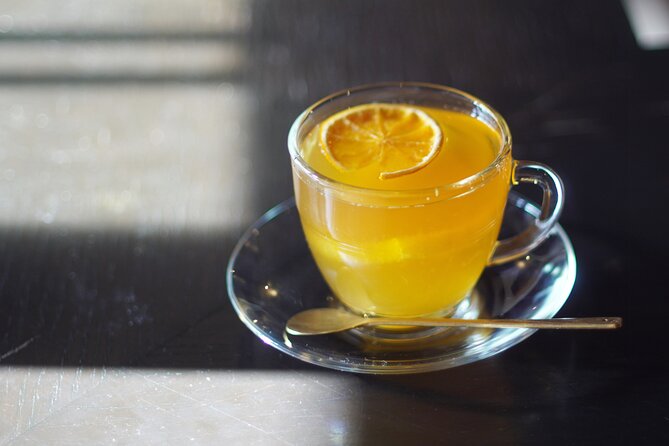
At $54.46 per person for roughly 2 hours, the value depends on what you want from the experience.
If you expect a quick tasting, it might feel like a lot. But if you want hands-on brewing practice with multiple tea styles, plus cocktail-making with recipes and samples, it’s a fair deal. You’re paying for instruction, ingredients, tasting time, and the ability to leave with something you can actually use.
Another value marker is the group size. With a maximum of 3 travelers, you’re more likely to get attention and corrections while you brew. For many people, that’s the difference between a fun outing and a true skill-building session.
Logistics that make the class easy to plan
This workshop uses a mobile ticket, which is helpful if you don’t want to manage paper. Confirmation is received at booking, and it’s near public transportation, so you’re not stuck planning a complicated route.
Start time is 3:00 pm, and the experience ends back at the meeting point. That makes it easier to plan your evening meal without a lot of backtracking.
Who this workshop is perfect for
This is a strong fit if you:
- Like hands-on learning more than passive sightseeing
- Want a mix of Japanese tea and a modern twist with tea cocktails
- Enjoy small, calm experiences away from heavy tourist traffic
- Want take-home recipes and tea samples you’ll actually use
It’s also a great choice for couples, since many people want an activity they can do together without competing for attention. And because the class is small, it works well for travelers who like asking questions.
If you hate structured activities or prefer only to watch, you might find the participation requirement less comfortable. But if you’re curious and ready to pour, this is exactly the kind of class that makes tea feel personal.
Should you book the Japanese tea blending workshop in Osaka?
Yes, if your goal is to leave with more than memories. This experience is built around learning brewing technique, tasting several tea styles (sencha, wakocha, oolong, hojicha, matcha), and then turning that knowledge into tea cocktail making with recipes you can take home.
Book it especially if you like small-group, teacher-led experiences and want a quieter Osaka moment near Namba Yasaka Jinja rather than another crowded checklist stop. If you’re primarily looking for a fast drink sampler and not interested in technique, you might be happier with a simpler tasting. But for most tea lovers, this hits the sweet spot: skill, flavor, and fun in one afternoon.
FAQ
What types of Japanese tea will I learn to brew?
The workshop covers green tea (sencha), Japanese black tea (wakocha), oolong tea, hojicha (roasted tea), and matcha.
How long is the workshop in Osaka?
It lasts about 2 hours.
Is this a small group?
Yes. The maximum group size is 3 travelers.
Do I make tea cocktails, or only sample them?
You’ll do hands-on making of tea drinks, including a tea cocktail sampling during the experience. You’ll also work with ingredients like fruit and infuse with alcohol as part of the activity.
Will I get recipes and tea to take home?
Yes. You can take home recipes and small samples of the teas and beverages you learn to make.
Where does the workshop meet?
The meeting point is Namba Yasaka Jinja2-chōme-9-19 Motomachi, Naniwa Ward, Osaka, 556-0016, Japan.
What time does it start?
The start time is 3:00 pm.
Is there free cancellation?
Yes. You can cancel for a full refund up to 24 hours before the experience’s start time.
More Tour Reviews in Osaka
- Osaka Go Karting Tour with Funny Costume★ 5.0 · 2,658 reviews
- Osaka Castle: Museum and Tower Entry Ticket★ 4.5 · 2,380 reviews
- Osaka: Shinsekai Food Tour with 13-15 Dishes at 5 Eateries★ 4.8 · 2,204 reviews
- Osaka Food Tour: 13 Dishes at 5 Local Eateries★ 5.0 · 2,149 reviews
- Hungry Osaka Street Food Tour:15 Tastings & 3 Drinks with a Local★ 5.0 · 1,727 reviews
Matcha, Whisked and Poured
- Osaka: Tea Ceremony Experience★ 4.9 · 1,426 reviews
- Tea Ceremony Experience in Osaka Doutonbori★ 5.0 · 754 reviews
- Matcha Making Class in Osaka with Authentic Japanese Sweets Set★ 5.0 · 509 reviews
- Osaka: Matcha Making Experience with Japanese Sweets★ 5.0 · 146 reviews
- Osaka: Tea Ceremony, Calligraphy, and Kimono Experience★ 4.9 · 130 reviews
The Newest Osaka Write-Ups
- Private Photoshoot in Osaka with a Professional Photographer
★ 5.0 · 3 reviews - Osaka Early Morning Osaka Castle Tour Avoid Crowds
★ 5.0 · 3 reviews - Nara Private Tour with Pick and Drop and English Speaking Driver
★ 3.5 · 3 reviews - Osaka: Modern Vegetarian Sushi Cooking Class
★ 5.0 · 3 reviews - Nara Day Trip from Osaka with a Licensed Guide
★ 5.0 · 3 reviews
Osaka Tea Ceremony & Matcha, compared.
 ★ 4.9Tea Ceremony ExperienceFrom $251,426 reviews
 ★ 5.0Tea Ceremony Experience in Osaka DoutonboriFrom $20754 reviews
 ★ 5.0Matcha Making Class in Osaka with Authentic Japanese Sweets SetFrom $21509 reviews
 ★ 5.0Matcha Making Experience with Japanese SweetsFrom $22146 reviews
 ★ 4.9Tea Ceremony, Calligraphy, and Kimono ExperienceFrom $96130 reviews
 ★ 4.7Japanese Traditional Sweets Making and Tea CeremonyFrom $18118 reviews
 ★ 4.9Osaka Temple Cool Foot Bath & Matcha Experience〈45min〉From $3482 reviews
 ★ 5.0Samurai Show, Tea Ceremony, Japanese Traditional ActivitiesFrom $4456 reviews
Browse the lists this tour appears in