
Reviewed · OSAKA COOKING CLASSES
90 min Shared Handmade Udon Experience
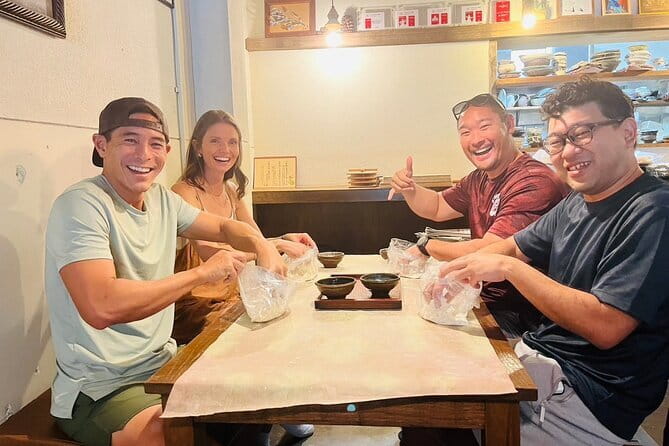
Feet-kneaded udon in Osaka feels wonderfully hands-on. This Sanuki udon class at Udonzin Beat turns a Michelin-featured kitchen into your classroom, and you’ll learn how the dough texture affects every bite. I especially like that the noodles are cooked for you, then served with a broth built from kombu, shiitake, and katsuobushi.
Two things that really sell this experience for me: you get a clear, step-by-step guide you can actually use later, and you leave with a written recipe (plus the instructor takes photos during class). With hosts like Keiko and teachers like Nozomi mentioned in guides, the tone stays warm and practical, not stiff or lecture-y.
One key consideration: this experience is not recommended for travelers with a wheat allergy. If that’s your situation, you’ll want to skip this and look for an udon-free Japanese cooking class instead.
In This Review
- Key Highlights You Should Know Before Booking
- Osaka’s Udon Lesson That Actually Changes How You Cook
- Where You Meet: Finding Udonzin Beat in Shinmachi
- The Lesson Flow: From Dough to Your Bowl of Udon
- Welcome and what you’re learning
- Sanuki-style kneading: the feet-in-the-game part
- Shaping and preparation (chef handles the cooking)
- Important timing note
- The Broth and Tasting: Hot or Cold, Made from Real Ingredients
- Optional Sake or Beer, Plus Side Dishes If You Want to Eat More
- What You Take Home: Recipe, Photos, and the Real Value of This Class
- Price and Value: Is $52.85 a Good Deal?
- Dietary Fit: Vegetarian Option and the Wheat Allergy Warning
- Who This Osaka Udon Class Is Perfect For
- Should You Book This Osaka Udon-Making Experience?
- FAQ
- FAQ
- How long is the 90 min shared handmade udon experience?
- What’s included in the $52.85 price?
- Are sake or beer included?
- Is there a vegetarian option?
- Is this experience suitable for someone with a wheat allergy?
- Do I need to bring anything or wear specific clothes?
- Will I get photos from the class?
- Can I join alone?
- Where do I meet for the class?
Key Highlights You Should Know Before Booking
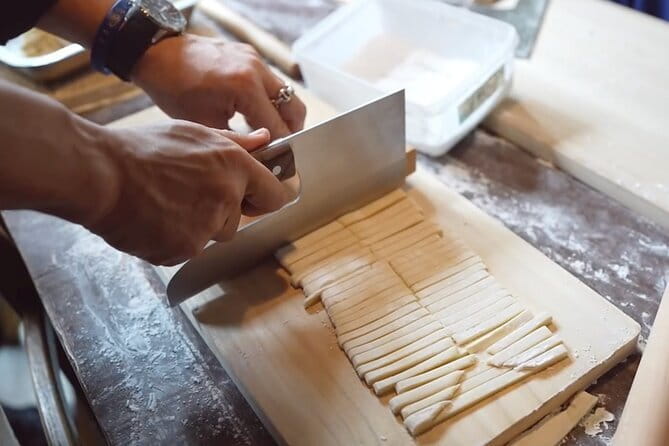
- Sanuki udon kneaded with your feet for a springy, firm-soft texture you won’t get from standard shop noodles
- Michelin Guide featured restaurant (2018 to 2023), so the setting feels legit and the food takes itself seriously
- Hot or cold udon tasting included right after your class so you taste the results immediately
- Chef cooks your noodles and serves a special broth made from kombu, shiitake mushrooms, and katsuobushi
- Free instructor photos plus a home-cooking recipe so the class keeps paying off
- Small-group feel (max 20), with you possibly mixed with other participants for a social vibe
Flour on your hands, more Osaka kitchens to try


Osaka’s Udon Lesson That Actually Changes How You Cook
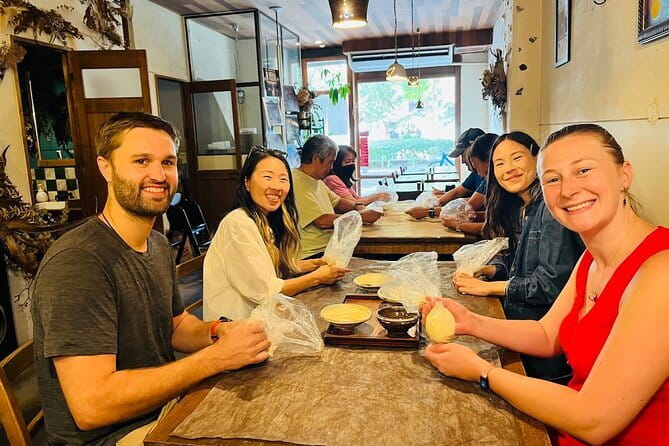
Osaka is famous for food that rewards curiosity, and this class gives you something more useful than a souvenir. You’re not just watching noodles get made. You’re learning the hands-on method behind Sanuki udon, where the dough’s texture matters as much as the sauce.
I like that the class stays grounded in what you can repeat at home. The format is practical: you make noodles, learn the process, then eat your udon right after in a proper bowl with a broth that has depth.
The session runs about 1 hour 30 minutes, and you’ll see how they keep it moving without rushing you. Your chef handles the cooking steps in the restaurant kitchen, which helps the class stay smooth even if you’ve never cooked before.
Where You Meet: Finding Udonzin Beat in Shinmachi
The meeting point is at UDONZIN美糸 1-chōme-16-17 Shinmachi, Nishi Ward, Osaka. It’s listed as near public transportation, so you’re not signing up for a hike through the backstreets.
This matters because udon classes work best when you arrive early and focused. They note that you should arrive on time since regular customers follow after your session, so plan to buffer a few extra minutes.
The restaurant itself is small and cozy, which is part of the charm. Expect a close, personal cooking-room feel rather than a big studio where you disappear into the crowd.
The Lesson Flow: From Dough to Your Bowl of Udon
This isn’t a long lecture. It’s a structured sequence that keeps your feet, hands, and taste buds all in the game.


Welcome and what you’re learning
You’ll get detailed guidance on how to recreate udon at home, and you’ll also get a bit of the why behind the technique. That background is useful, because it helps you understand what changes when dough is kneaded and rested properly.
From the teaching style described, instructors like Keiko focus on clear direction, history and culture of udon, and making the class feel welcoming for kids and adults.
Sanuki-style kneading: the feet-in-the-game part
The signature here is Sanuki udon, where the dough is kneaded with your feet. It sounds unusual until you realize it’s a clever way to apply steady pressure and create a specific texture.
I like this method because it makes the lesson memorable. You’re learning muscle memory, not just steps on a card, and that’s the kind of skill that sticks.
Also, it’s genuinely fun for first-timers. The class is designed so people with no cooking experience can still do well, and kids often take to the motion quickly.
Shaping and preparation (chef handles the cooking)
You make your own noodles during the class, and then the chef cooks them. This is a smart setup: you get the learning and the experience, while the kitchen ensures the final result hits the standard you came for.
For you, that means the tasting part is more reliable. You’re less likely to end up with undercooked noodles, and you get to judge the technique based on a finished bowl, not guesses.
Important timing note
They also mention that classes need a minimum of two participants. If you’re traveling solo, you’ll want to contact them in advance to find a suitable session, since you can’t always count on a one-person slot.
The Broth and Tasting: Hot or Cold, Made from Real Ingredients
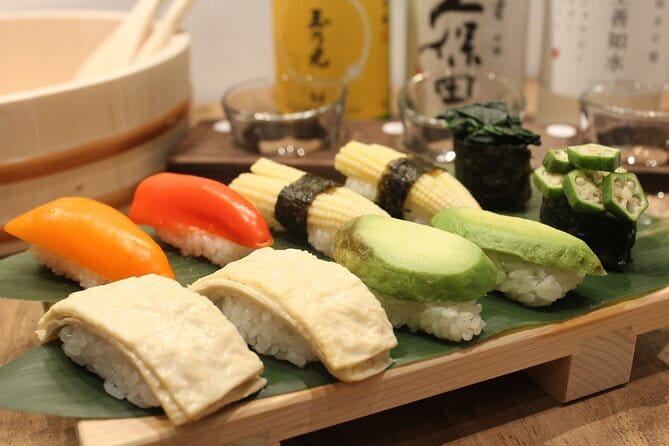
Your udon tasting is included, and you can choose hot or cold. That choice is practical in Osaka, because the weather swings and everyone’s preferences differ.
The broth is made from all-natural, additive-free ingredients, using kombu, shiitake mushrooms, and katsuobushi. In plain terms, that combination is what gives the soup its rounded flavor and gentle umami depth.
This is where the class earns its meal value. Instead of tasting a plain bowl, you taste a finished version that reflects the restaurant’s standard, served in beautiful bowls.
And since the chef cooks the noodles, the tasting becomes a real reference point. When you try the recipe at home later, you can compare your results to what you experienced here.
Optional Sake or Beer, Plus Side Dishes If You Want to Eat More
If you want, you can sip Japanese sake or beer while you make udon. Drinks aren’t included in the class fee, so treat alcohol as an add-on rather than part of the main package.
You can also order side dishes like tempura or extra udon, but those extras aren’t included either. That’s actually a good deal-logic choice: you can keep the session focused if you’re not hungry, or build a fuller meal if you’re turning the class into dinner.
If you’re traveling with kids, this flexibility helps. Parents can choose to do just the tasting and keep it light, while others can add sides without changing the class structure.
What You Take Home: Recipe, Photos, and the Real Value of This Class
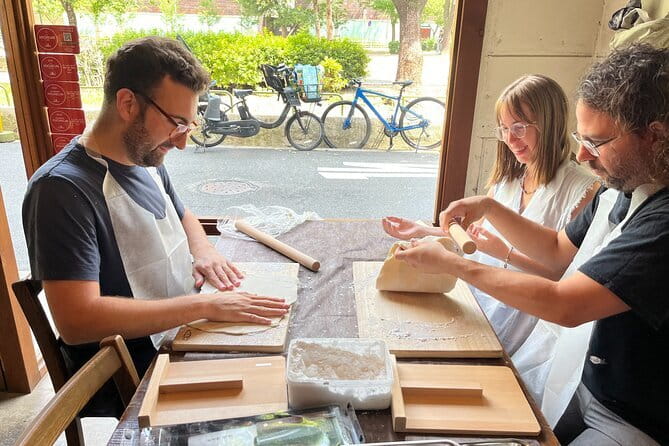
You get a recipe for making udon at home. That’s a big part of why this class feels worth the money, because it turns a one-time activity into something you can use again.
You also get free photos. The instructor takes your picture during class, so you’re not stuck asking strangers to capture your feet-in-the-dough moment.
I like that the photos plus recipe are included. A cooking class is fun in the moment, but the best ones help you recreate the experience later. Here, you leave with both the visuals and the practical guide.
And because the instruction is focused on recreating udon at home, the skills transfer. Even if you can’t duplicate every ingredient perfectly, you’ll understand the process and why it matters.
Price and Value: Is $52.85 a Good Deal?

At $52.85 per person, this class sits in the “you’re paying for a real meal experience and skill practice” category. The value comes from what’s included:
- Handmade udon lesson
- Udon tasting (hot or cold)
- Recipe for making udon at home
- Free instructor photos
- Local taxes
You’re not paying just for watching noodles. You’re paying for hands-on learning plus a plated tasting in a Michelin-featured restaurant environment.
Alcohol is extra, and side dishes are extra, but that’s common and easy to control. If you keep it to the included tasting, you’ll likely feel like you got a full experience rather than a snack-sized class.
Also, max group size is 20, which supports the intimate vibe. Smaller feels matter with hands-on cooking because you get more attention and a better chance to follow along.
Dietary Fit: Vegetarian Option and the Wheat Allergy Warning
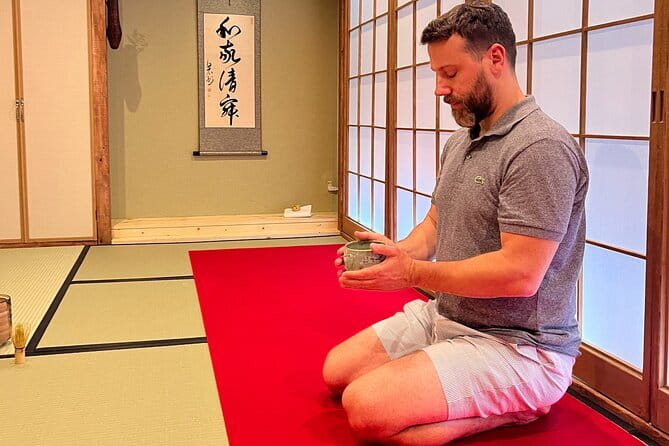
Vegetarians are welcome, and they ask you to let them know in advance about dietary restrictions. That’s important because broth and ingredients can vary, and the class is built around tasting the results.
The one hard stop is a wheat allergy. The class is not recommended for travelers with a wheat allergy. Since udon dough is wheat-based, you’d be taking a serious risk if you tried to treat it as a substitute.
If you’re vegetarian (or just managing a specific restriction), contact them early. That way, you’re more likely to get a proper option rather than a last-minute workaround.
Who This Osaka Udon Class Is Perfect For
This is ideal if you want a break from typical Osaka food stops and prefer a hands-on activity that still ends with a real meal.
I’d especially recommend it for:
- Families looking for a fun activity that kids can join without feeling lost
- Food lovers who want technique, not just tasting
- Groups of friends who like shared experiences and don’t mind a small-group setting
It’s also a strong option if you want a more intimate local setting. The restaurant atmosphere is described as cozy and well run, with a clean bathroom and decor that matches the vibe.
They also note you might be grouped with other participants. If you like meeting new people, it adds energy. If you prefer total privacy, go in knowing it’s not a one-family private session every time.
Should You Book This Osaka Udon-Making Experience?
Book it if you want a compact, hands-on class that ends in a satisfying bowl, with enough structure to take the skills home. The Sanuki foot-kneading method is the kind of detail you won’t get from most casual cooking demos, and the included tasting plus recipe makes it practical, not just performative.
Skip it if a wheat allergy affects you, or if you’re seeking a fully private session with zero mixing. Also, if you dislike food activities that require messy clothes, plan for that reality. They specifically recommend wearing clothes you don’t mind getting messy.
If you’re the type who likes learning one focused skill in a real local restaurant, this one fits Osaka well.
FAQ
FAQ
How long is the 90 min shared handmade udon experience?
The class duration is listed as about 1 hour 30 minutes.
What’s included in the $52.85 price?
It includes the handmade udon lesson, udon tasting (hot or cold), a recipe for making udon at home, free photos taken by the instructor, and local taxes.
Are sake or beer included?
No. Alcoholic beverages are not included in the fee.
Is there a vegetarian option?
Yes, vegetarians are welcome. You should let them know in advance about any dietary restrictions.
Is this experience suitable for someone with a wheat allergy?
No. It is not recommended for travelers with a wheat allergy.
Do I need to bring anything or wear specific clothes?
Wear clothes you don’t mind getting messy.
Will I get photos from the class?
Yes. Free photos are included, and the instructor takes your picture during class.
Can I join alone?
Classes require a minimum of two participants. If you want to join alone, you should contact them in advance to find a suitable session.
Where do I meet for the class?
You meet at UDONZIN美糸 1-chōme-16-17 Shinmachi, Nishi Ward, Osaka, 550-0013, Japan. The activity ends back at the meeting point.
More Tour Reviews in Osaka
- Osaka Go Karting Tour with Funny Costume★ 5.0 · 2,658 reviews
- Osaka Castle: Museum and Tower Entry Ticket★ 4.5 · 2,380 reviews
- Osaka: Shinsekai Food Tour with 13-15 Dishes at 5 Eateries★ 4.8 · 2,204 reviews
- Osaka Food Tour: 13 Dishes at 5 Local Eateries★ 5.0 · 2,149 reviews
- Hungry Osaka Street Food Tour:15 Tastings & 3 Drinks with a Local★ 5.0 · 1,727 reviews
Cook It Yourself in Osaka
- Sushi Making Osaka Roll and Authentic Japanese Sushi Class★ 5.0 · 1,220 reviews
- Osaka: Five Must-See Highlights Walking Tour & Ramen Lunch★ 4.7 · 411 reviews
- Osaka Sushi Making Experience★ 5.0 · 400 reviews
- Osaka: Ramen and Gyoza Cooking Class in Dotonbori★ 5.0 · 378 reviews
- Osaka: Sumo Stage Show with Bento or Snack + Fight & Photo★ 4.3 · 364 reviews
The Newest Osaka Write-Ups
- Private Photoshoot in Osaka with a Professional Photographer
★ 5.0 · 3 reviews - Osaka Early Morning Osaka Castle Tour Avoid Crowds
★ 5.0 · 3 reviews - Nara Private Tour with Pick and Drop and English Speaking Driver
★ 3.5 · 3 reviews - Osaka: Modern Vegetarian Sushi Cooking Class
★ 5.0 · 3 reviews - Nara Day Trip from Osaka with a Licensed Guide
★ 5.0 · 3 reviews
Osaka Cooking Classes, compared.
 ★ 5.0Sushi Making Osaka Roll and Authentic Japanese Sushi ClassFrom $311,220 reviews
 ★ 4.7Five Must-See Highlights Walking Tour & Ramen LunchFrom $56411 reviews
 ★ 5.0Osaka Sushi Making ExperienceFrom $29400 reviews
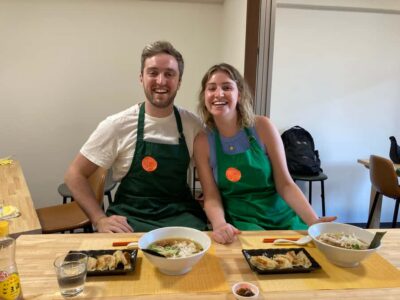 ★ 5.0Ramen and Gyoza Cooking Class in DotonboriFrom $70378 reviews
 ★ 4.3Sumo Stage Show with Bento or Snack + Fight & PhotoFrom $93364 reviews
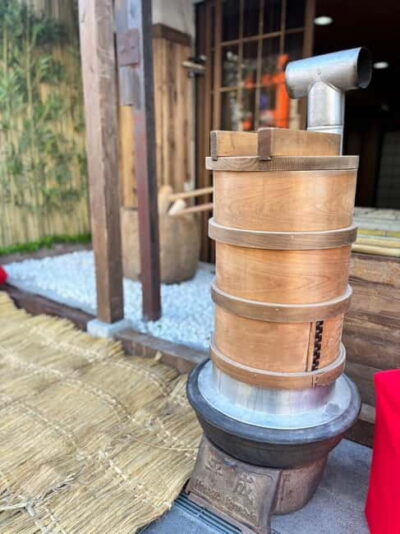 ★ 4.9Traditional Mochi Pounding Experience with TastingFrom $31306 reviews
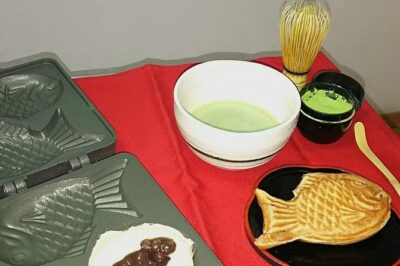 ★ 5.0Osaka Cooking Class: Okonomiyaki &Japanese cuisines experienceFrom $104261 reviews
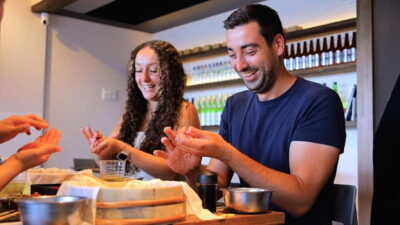 ★ 4.9Roll and Authentic Sushi Making Class in DotonboriFrom $45239 reviews
Browse the lists this tour appears in