
Reviewed · OSAKA COOKING CLASSES
【Family Friendly】Traditional Mochi Pounding Experience
Mochi starts with teamwork, not magic. In Dotonbori, you pound steamed glutinous rice with traditional tools in a hands-on lesson, then eat it warm with classic toppings and tea. It is family friendly, kept to a small group, and taught patiently in English (with Chinese support).
My only real caution is texture. The mochi is sticky and chewy, so it takes some practice to handle, and older participants should take small bites as advised for choking risk.
In This Review
- Key Highlights You’ll Care About
- Why This Family-Friendly Mochi Pounding in Dotonbori Works
- The 10-Minute History Talk That Actually Helps
- Steaming the Glutinous Rice: Where the Texture Starts
- Pounding With Mortar and Pestle: The Main Event
- Tasting Your Fresh Mochi: Kinako, Nori, Sweet Soy, and Tea
- Osaka Location and Timing: Finding Oh Mochi in Dotonbori
- Price and Value: Is $32.29 Worth It?
- Who Should Book This Mochi Pounding Experience in Osaka?
- Should You Book This Mochi Pounding Experience?
- FAQ
- How long is the mochi pounding experience?
- Is this experience family friendly?
- What languages are available?
- What happens during the activity?
- What toppings come with the mochi?
- Is this experience suitable for vegans or vegetarians?
- Where does the experience start?
- Is the activity affected by weather?
Key Highlights You’ll Care About
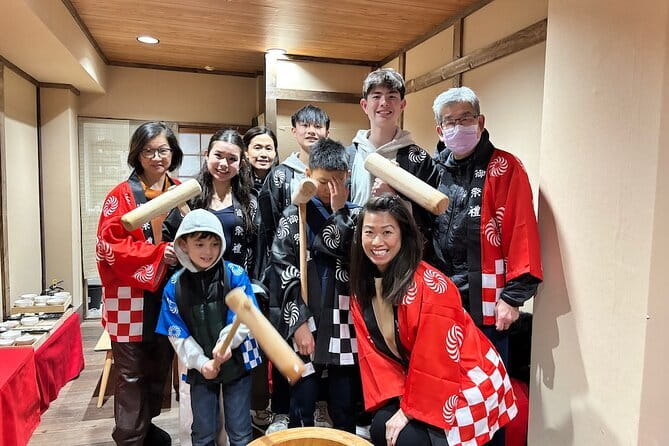
- Traditional tools, real mochi pounding with mortar and pestle for that classic mochitsuki feel
- A short history talk (about 10 minutes) so you understand what you are doing while you do it
- Steaming to pounding step by step, not just watching from the sidelines
- Yo shoi style pounding moment that makes the activity feel like a proper Japanese tradition
- Tasting with multiple seasonings like kinako, sweet red bean paste, nori, and sweet soy sauce, plus tea
- Small group size (max 10) for smoother instruction and a calmer experience with kids
Flour on your hands, more Osaka kitchens to try


Why This Family-Friendly Mochi Pounding in Dotonbori Works
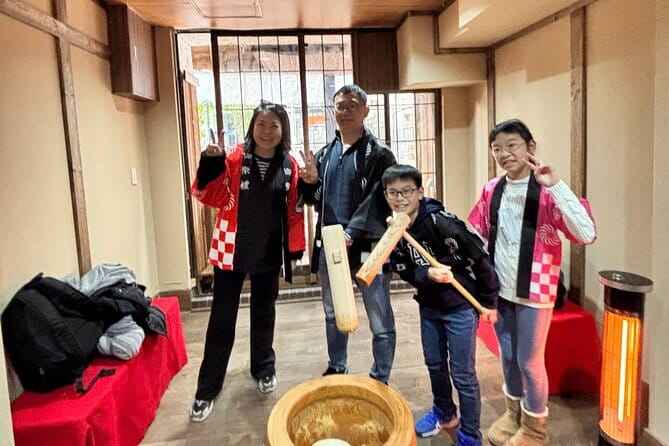
If you are looking for an Osaka activity that feels more like doing than sightseeing, this mochitsuki style class delivers. You get the whole arc: a quick setup with context, hands-on pounding with traditional gear, then a reward that you actually made. It is the kind of experience that gives you a story you can tell later, because you physically shaped the mochi with your own hands.
I like that the format stays simple and teachable. In a lot of food experiences, you either watch or you guess. Here, the pace is built for beginners, including kids under 13. The instructors keep things clear and steady, and the group size is capped at 10, which matters more than you might think with sticky dough.
One more thing: the tasting is not an afterthought. You are served mochi you pounded, in plain form, then with a lineup of toppings and tea. That turns the whole experience into something practical: you learn how it is made, and you eat it while it is fresh.
The 10-Minute History Talk That Actually Helps
The session starts with about a 10-minute talk on the history and cultural significance of mochi pounding. It is short on purpose. You do not get stuck in a lecture, and you do not need any background knowledge to follow along.
Why I think this part is valuable: it gives your hands-on work meaning. When you learn that mochi pounding has a long place in Japanese food culture, the pounding itself stops being just a cute activity and becomes part of a living tradition. The lesson also helps you understand why the process is done the way it is, especially the timing and texture of the rice dough.
Language support is built in as well. The experience is offered in English and Chinese, with Chinese handled through slides or interpretation by chat-based support. Even if you do not speak either language, the hands-on steps do most of the communicating, but it helps a lot for kids and families when they can understand the “why.”
Steaming the Glutinous Rice: Where the Texture Starts
After the intro, you move into the production steps. First comes steaming the glutinous rice. This is the stage that sets everything else up: once the rice is steamed correctly, it becomes soft enough to transform into mochi during pounding.
Even if you have never cooked with glutinous rice before, the process is straightforward because you are not doing it alone. You are in a guided setting with instructors coaching the group. If you have kids, this is also a good stage to keep them engaged. They can watch, wait their turn, and learn what changes when heat and time do their work.
This is also where you start to see why mochi pounding is its own thing in Japan. Many desserts are made once the ingredients are ready. Mochi is about a transformation happening right in front of you, with tools and muscle memory.



Pounding With Mortar and Pestle: The Main Event
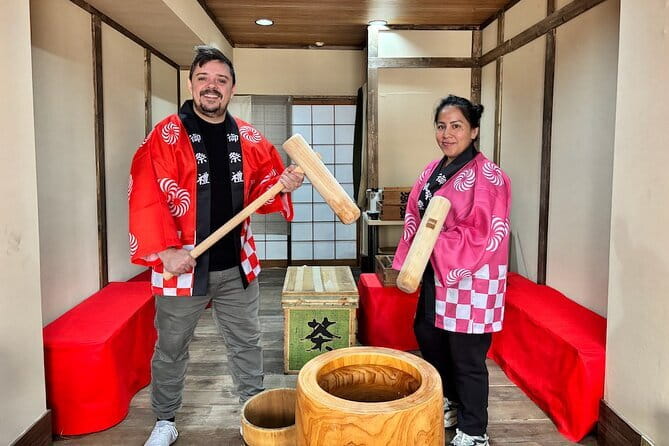
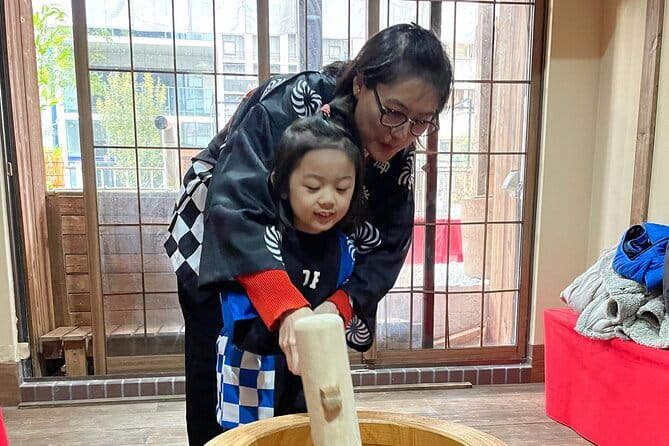
Now comes the part most people are waiting for: using traditional mortar and pestle to pound and shape the steamed rice into mochi.
Pounding is physical. It is not heavy in a “gym” way, but it is definitely active. You will feel the dough change as you work it. That is the payoff. You are not just mixing ingredients; you are shaping a texture that is hard to fake.
One fun detail from the experience format: you are encouraged to pound with a call-and-response style moment, including a shout of yo shoi. That makes it feel lively and communal, and it gives families a clear “moment” to remember and laugh about later.
Because mochi dough can be sticky, instructors usually set expectations early. You should plan to get a little dough on your hands and clothing over the course of the activity. Sticking is part of the charm, but I still recommend wearing something you are okay with getting a bit messy.
Tasting Your Fresh Mochi: Kinako, Nori, Sweet Soy, and Tea
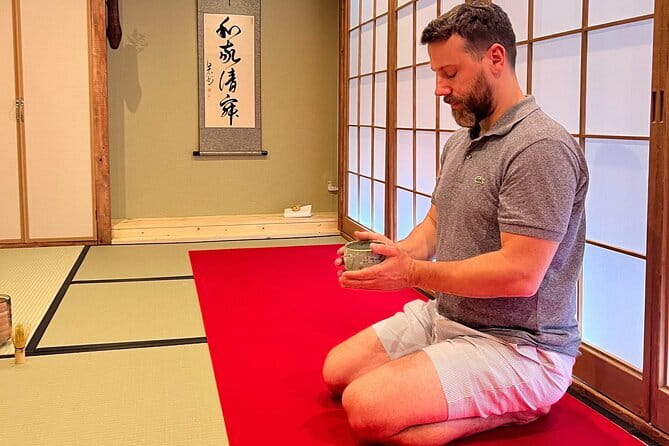
Then you get the best part: eating. Your mochi is served freshly pounded, and you can enjoy it plain or with classic accompaniments.
The toppings you can expect include:
- Kinako (roasted soybean powder)
- sweet red bean paste
- nori (seaweed)
- sweet soy sauce
You also get a cup of tea with the tasting. That combo matters. Warm tea helps cut the sweetness and makes the chewy mochi easier to enjoy bite after bite.
About the number of topping options: the experience describes five beloved seasonings/ingredients, and in practice you may see a slightly larger variety of tasting options (some sessions report up to around eight choices). Either way, the idea is the same: you get to try several flavors, not just one.
Food note for families and older diners: mochi is chewy. The experience specifically advises that elderly participants should eat rice cakes in small portions because they may choke. If you are traveling with seniors, plan on slower pacing and smaller bites.
Osaka Location and Timing: Finding Oh Mochi in Dotonbori

The meeting point is Mochi Pounding Experience Osaka Oh Mochi at 2-chōme-4-11 Dōtonbori, Chuo Ward, Osaka, 542-0071. The good news is that it is near public transportation, so you are not stuck on the outskirts of the city.
Timing is also friendly. The session runs about 1 hour (approx.). Some groups report finishing closer to 45 minutes, so treat an hour as a safe estimate rather than a hard stop.
It ends back at the meeting point. That is convenient, especially if you want to roll right into exploring Dotonbori afterward. You will already be in the right neighborhood, so your “where do we go next?” question is easy to answer.
Mobile tickets are used too. That matters because Osaka is busy, and anything that reduces paperwork is welcome.
Price and Value: Is $32.29 Worth It?

At $32.29 per person, this is not a budget snack. But it is also not just a tasting event. You are paying for:
- instruction and a short history talk
- a guided process including steaming and pounding
- access to traditional tools
- freshly pounded mochi served with multiple toppings
- tea
The value is strongest if you care about participation. If you want to try mochi and just buy it somewhere, you can do that for less. But if you want the full craft experience—hands-on pounding plus learning what drives the texture—this price is easier to justify.
Also, the small group size (max 10) supports better coaching. In food classes, that can be the difference between everyone doing something and only a few people getting turns. With kids, especially, that coaching time becomes even more valuable.
Who Should Book This Mochi Pounding Experience in Osaka?
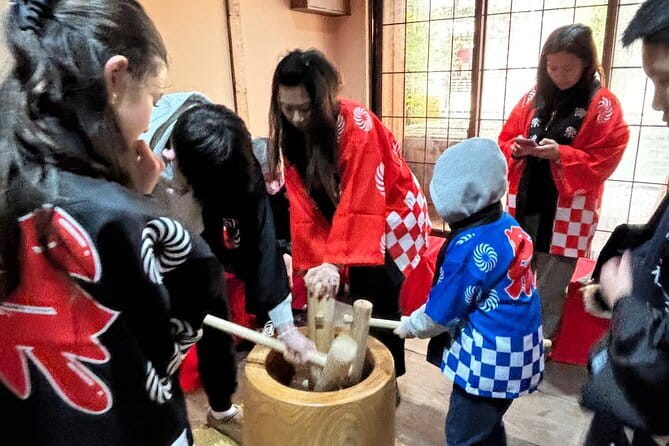
This experience is built for a wide range of people, and the format supports that.
Best fit:
- Mochi lovers who want freshly made mochi, not packaged or pre-made
- families with kids, because it is specifically available for children under 13
- anyone looking for a unique Osaka food activity that feels hands-on
- vegans and vegetarians, since dietary preferences are accommodated
A practical thought for families: mochi pounding is fun, but it is not instant. Kids may need time to get comfortable with the sticky dough and the rhythm of pounding. If your child likes repeating tasks and making something tangible, they will likely have a great time.
If you are traveling with very young kids, you might find it more challenging because the activity is hands-on and paced as a group. Still, the overall structure is family friendly and designed to include children under 13.
If you are traveling with seniors, plan for small bites and slower eating. The chewing texture is part of the charm, but it needs respect.
Should You Book This Mochi Pounding Experience?
Book it if you want an Osaka food experience where you actively make something and then eat it right away. The combination of a short teaching segment, guided steaming and pounding, and a full tasting with multiple toppings and tea is a strong match for families, first-timers, and mochi fans.
Skip it or consider alternatives if:
- you want a purely educational experience without getting your hands sticky
- you are worried about chewy textures for older diners who may struggle with small bites
- you hate any kind of mess during food activities
Also, note that the experience requires good weather. If conditions are poor, you should expect it to be rescheduled or refunded.
FAQ
How long is the mochi pounding experience?
It runs for about 1 hour (approx.). Some sessions may finish closer to 45 minutes, but plan on roughly an hour in your schedule.
Is this experience family friendly?
Yes. Children under 13 can join, and the experience is designed for families.
What languages are available?
English is available, and Chinese is also supported through slides or interpretation by chat-based support.
What happens during the activity?
You get a short history talk, then participate in steaming glutinous rice, pounding it with traditional mortar and pestle to form mochi, and finally tasting freshly made mochi with toppings and tea.
What toppings come with the mochi?
You can enjoy mochi plain or with seasonings such as kinako, sweet red bean paste, nori, and sweet soy sauce.
Is this experience suitable for vegans or vegetarians?
Yes. Dietary preferences are accommodated, including for vegans and vegetarians.
Where does the experience start?
It starts at Mochi Pounding Experience Osaka Oh Mochi, 2-chōme-4-11 Dōtonbori, Chuo Ward, Osaka, 542-0071, Japan.
Is the activity affected by weather?
Yes. It requires good weather, and if it is canceled due to poor weather, you will be offered a different date or a full refund.
More Tour Reviews in Osaka
- Osaka Go Karting Tour with Funny Costume★ 5.0 · 2,658 reviews
- Osaka Castle: Museum and Tower Entry Ticket★ 4.5 · 2,380 reviews
- Osaka: Shinsekai Food Tour with 13-15 Dishes at 5 Eateries★ 4.8 · 2,204 reviews
- Osaka Food Tour: 13 Dishes at 5 Local Eateries★ 5.0 · 2,149 reviews
- Hungry Osaka Street Food Tour:15 Tastings & 3 Drinks with a Local★ 5.0 · 1,727 reviews
Cook It Yourself in Osaka
- Sushi Making Osaka Roll and Authentic Japanese Sushi Class★ 5.0 · 1,220 reviews
- Osaka: Five Must-See Highlights Walking Tour & Ramen Lunch★ 4.7 · 411 reviews
- Osaka Sushi Making Experience★ 5.0 · 400 reviews
- Osaka: Ramen and Gyoza Cooking Class in Dotonbori★ 5.0 · 378 reviews
- Osaka: Sumo Stage Show with Bento or Snack + Fight & Photo★ 4.3 · 364 reviews
The Newest Osaka Write-Ups
- Private Photoshoot in Osaka with a Professional Photographer
★ 5.0 · 3 reviews - Osaka Early Morning Osaka Castle Tour Avoid Crowds
★ 5.0 · 3 reviews - Nara Private Tour with Pick and Drop and English Speaking Driver
★ 3.5 · 3 reviews - Osaka: Modern Vegetarian Sushi Cooking Class
★ 5.0 · 3 reviews - Nara Day Trip from Osaka with a Licensed Guide
★ 5.0 · 3 reviews
Osaka Cooking Classes, compared.
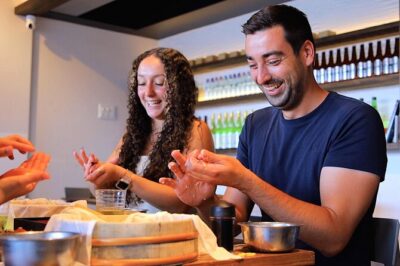 ★ 5.0Sushi Making Osaka Roll and Authentic Japanese Sushi ClassFrom $311,220 reviews
 ★ 4.7Five Must-See Highlights Walking Tour & Ramen LunchFrom $56411 reviews
 ★ 5.0Osaka Sushi Making ExperienceFrom $29400 reviews
 ★ 5.0Ramen and Gyoza Cooking Class in DotonboriFrom $70378 reviews
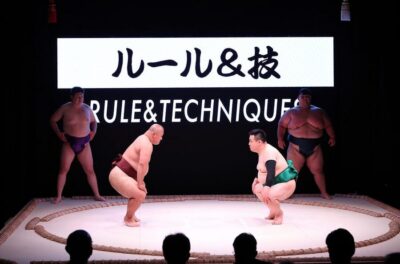 ★ 4.3Sumo Stage Show with Bento or Snack + Fight & PhotoFrom $93364 reviews
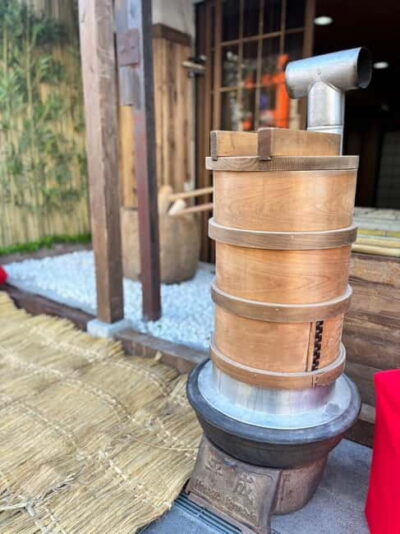 ★ 4.9Traditional Mochi Pounding Experience with TastingFrom $31306 reviews
 ★ 5.0Osaka Cooking Class: Okonomiyaki &Japanese cuisines experienceFrom $104261 reviews
 ★ 4.9Roll and Authentic Sushi Making Class in DotonboriFrom $45239 reviews
Browse the lists this tour appears in