
Reviewed · OSAKA FOOD & TASTING TOURS
Osaka Sake Tasting with Takoyaki Cooking
Skillet food and sake education in two hours. This Osaka class pairs DIY takoyaki with a guide who’s a sake sommelier and former brewer, Momo, plus multiple pours of Japanese sake. You’ll learn how sake is made and how to taste it, not just what it tastes like. One heads-up: it’s built around drinking, so if you only want a light taste, pace yourself and use the soft drinks too.
I like that it’s small and conversation-friendly: the group caps at 6, so you’re not stuck waiting your turn while other people ask questions. And the Namba area makes it a simple add-on to a normal Osaka day instead of a whole production.
You’ll cook your own personalized takoyaki using ingredients like wagyu beef and cheese, then sit down to eat what you made alongside sake picked from a seasonal menu. Come hungry, because the pace assumes you’ll snack, cook, taste, and finish full.
In This Review
- Quick hits before you go
- Where MOMO to SAKE fits into your Osaka plans
- Meet Momo: the sommelier behind the class
- Your takoyaki station: wagyu, cheese, and a DIY skillet moment
- Sake tasting that teaches you how to choose, not just what to drink
- How many sakes will you taste in 2 hours?
- Pairing takoyaki and sake like a pro (without pretending)
- Price and value: what $70 buys you here
- Logistics that matter: meeting point and timing
- Who this class is best for (and who should think twice)
- After the class: using what you learned in Osaka
- Should you book this tour or skip it?
- FAQ
- How long is Osaka Sake Tasting with Takoyaki Cooking?
- Where is the meeting point?
- What is the group size?
- Is there an English-speaking guide?
- What will I cook?
- How many types of sake are available to taste?
- Are soft drinks included?
- Can the experience handle dietary needs?
- Is there free cancellation?
- Can I reserve without paying right away?
Quick hits before you go
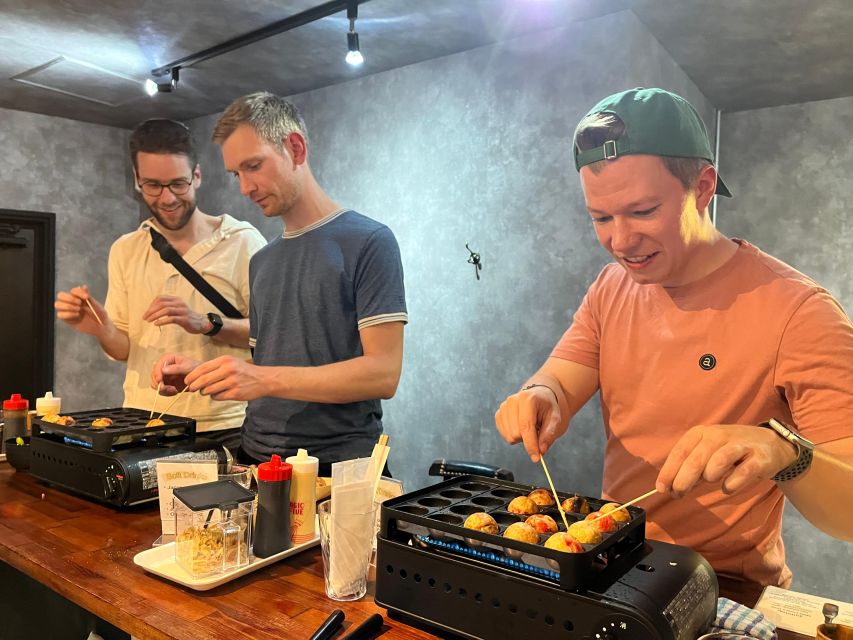
- Hands-on takoyaki: you cook your own Osaka street-food balls, with variations like wagyu beef and cheese.
- Sake theory you can use: history, culture, brewing basics, and practical tasting tips.
- A menu of 10+ sakes: you sample multiple styles, often around 7–8 types during the session.
- Small group (max 6): more time with Momo, fewer awkward silences.
- Dietary flexibility has happened: at least one booking notes adaptations for coeliac and swaps away from octopus.
- Easy Namba access: built for travelers who want something local without extra transit stress.
Come hungry: more eating your way through Osaka

Where MOMO to SAKE fits into your Osaka plans
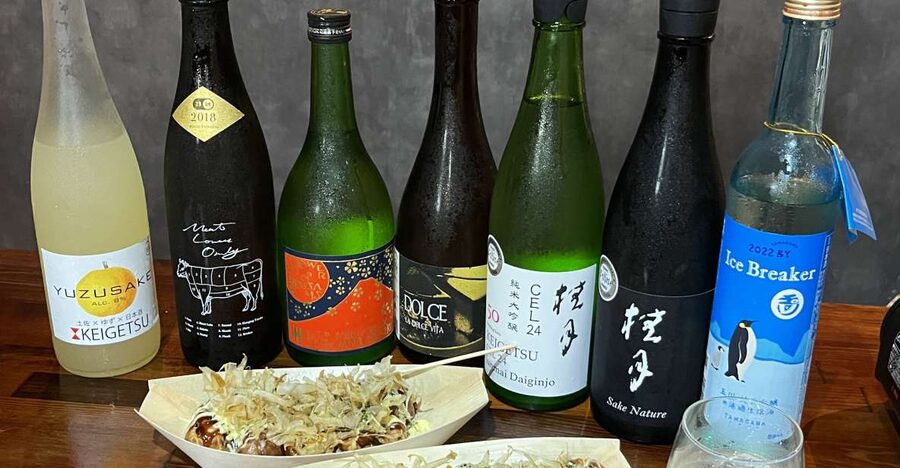
If your Osaka trip list includes takoyaki, you’re already halfway there. This experience is designed to turn that craving into an actual skill and a cultural lesson. You start with food you’ll understand instantly because it’s Osaka’s comfort-street style, then you add sake in a way that makes the drink feel less mysterious.
The location matters more than people think. Being in the main area around Namba keeps this from feeling like a remote add-on. You can pair it with the usual Osaka evenings—shopping, walking, casual bar-hopping—without burning half the day getting there and back.
Time-wise, you’re looking at 2 hours. That’s a sweet spot for a meal-adjacent activity: long enough for cooking and multiple tastes, short enough that you still have room afterward for whatever you planned (or whatever Momo suggests). If you like experiences that teach you something while you’re actively doing it, this format fits.
Meet Momo: the sommelier behind the class
What makes this tour work is the person teaching it. Momo isn’t positioned as a performer giving trivia. She’s a sake sommelier and a former brewer, which changes the tone fast. You can feel it in how the explanations land: sake isn’t treated like a badge of sophistication. It’s treated like a craft, and that craft becomes something you can talk about—and choose—when you’re standing in front of a menu later.
In plain terms, expect her to walk you through the basics: where sake fits in Japanese culture, how it’s produced, and what to pay attention to when you taste. The goal isn’t to make you memorize labels. It’s to help you build a simple tasting method so ordering becomes easier and less stressful.
The small-group size also helps. With up to 6 participants, you’re more likely to get your questions answered in real time. Several past participants mention the experience is interactive and relaxed, so you’re not stuck passively watching while other people get all the attention.
Your takoyaki station: wagyu, cheese, and a DIY skillet moment
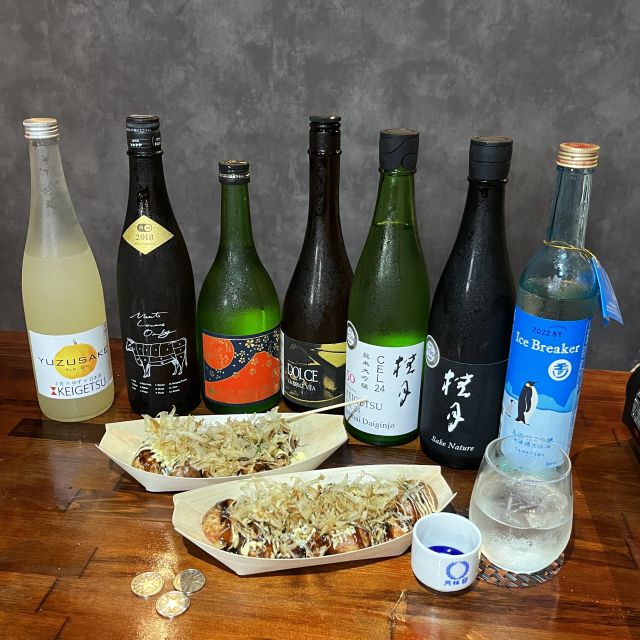
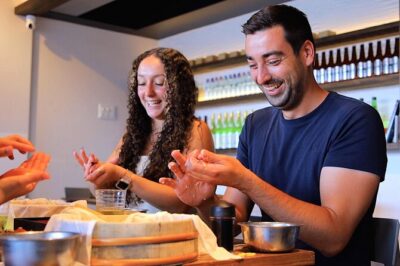
Takoyaki looks easy from the sidewalk. The moment you start cooking it, you learn why Osaka street food has that perfect balance of crispy outside and tender inside. In this class, you don’t just sample takoyaki—you make yours from scratch with guidance.
Here’s what’s special: your takoyaki is personalized. The ingredients aren’t limited to one version. You’ll work with add-ins that can include wagyu beef and cheese, and you may see other mix-ins offered during the session. That flexibility is part of the fun, because you get to taste how different choices change the final bite.
Momo also adapts when needed. One review specifically calls out accommodations for a coeliac participant, and another mentions that avoiding octopus wasn’t a problem. That tells you the kitchen isn’t rigid. If you have dietary limits, it’s smart to ask ahead. Still, the pattern here is clear: the host can often adjust so you don’t feel like you’re out of luck.
The cooking itself tends to be part science, part hands-on practice. You’ll get step-by-step instruction, and you’ll feel the rhythm build as you turn and fill the takoyaki molds. Expect some good-natured chaos—then a satisfying result. Many participants describe the takoyaki they make as the best they’ve had in Japan, which is a big claim, but it lines up with the simple idea that fresh, handmade takoyaki tastes different.
Flour on your hands, more Osaka kitchens to try
Sake tasting that teaches you how to choose, not just what to drink
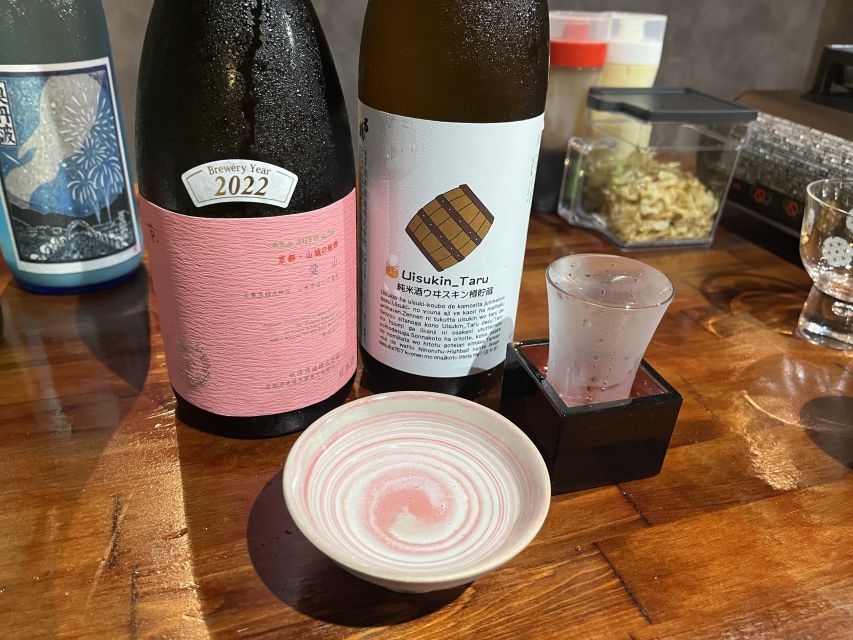
This is not a random tasting flight. The point is to give you a framework for tasting and ordering. You learn the basics of sake—history, culture, and the brewing process—then you use that knowledge immediately while you taste.
Momo’s approach is practical. You’ll get tips on how to choose sake based on your preferences. That’s valuable because sake menus can look confusing if you don’t know what to look for. Once you’ve tasted multiple styles, the labels start to make more sense, and you can ask better questions (or pick a bottle with confidence instead of guesswork).
You’ll also be guided through tasting in a way that encourages you to pay attention to differences. Participants describe learning how to break down styles and flavors, then using that skill later. Think of it as training your palate for sake rather than just sampling drinks.
And yes, you’ll drink. Past bookings mention generous pours and multiple bottles/styles (with some noting around 7 tastings and others around 8). So if you’re the type who wants to sip only, make sure you pace yourself and take the soft drinks option seriously.
How many sakes will you taste in 2 hours?
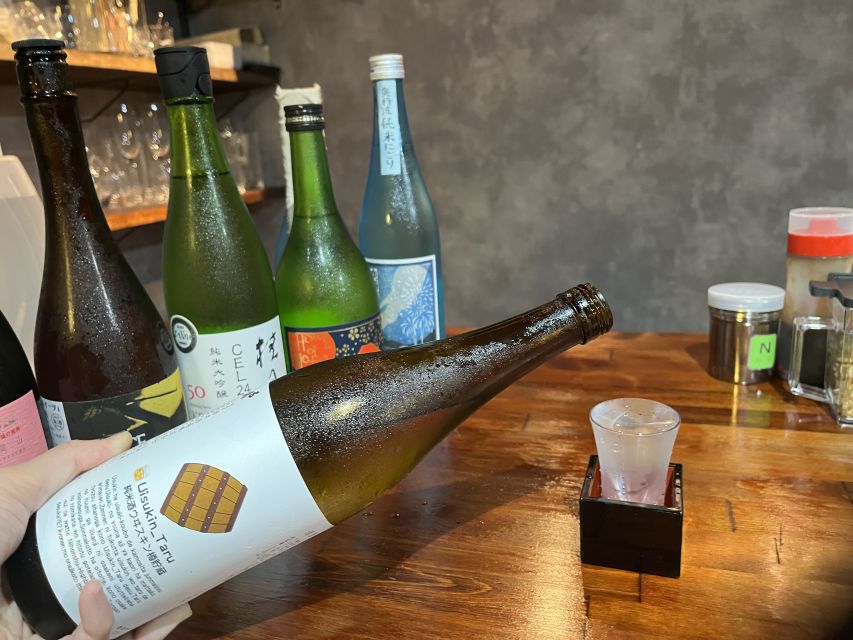
The experience offers access to more than 10 types of Japanese sake, but you’re not tasting all of them. In practice, you taste several styles during the session—reviews mention totals like 7 per person and 8 different types in some groups—so you get a meaningful range without turning it into an all-night drinking session.
The useful takeaway for you: plan to focus on learning the differences, not on collecting tiny samples like a museum tasting. If you actually want to leave with something you can use, pay attention to which styles feel dry vs. rounded, light vs. fuller, and how they pair with food.
Also, remember this is a guided tasting. You’re not stuck figuring it out alone. Momo helps you choose what to pour and taste next from the seasonal menu, so your time stays productive.
Pairing takoyaki and sake like a pro (without pretending)
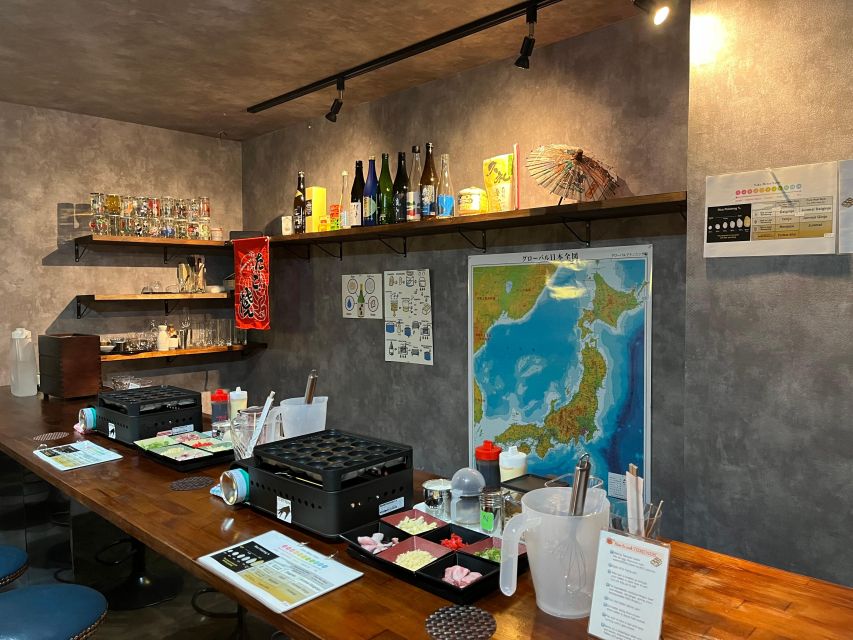
Your takoyaki is the anchor of the evening. Once you’ve cooked and eaten something warm and savory, the sake becomes easier to understand. Sake often changes character depending on the bite you just had—especially with rich add-ins like cheese and beef.
That pairing matters for two reasons:
- You’ll get quicker clarity on what you like. If one style feels too sharp or too heavy on its own, you’ll notice whether it works better next to your food.
- It gives you a practical rule you can use later in Osaka. When you order at a small izakaya or bar, you’ll remember which sake style you enjoyed with a salty, crispy, snack-sized dish.
If you’re new to sake, this pairing-first structure is a smart way to learn. Instead of tasting in a vacuum, you’re tasting with real context.
Price and value: what $70 buys you here
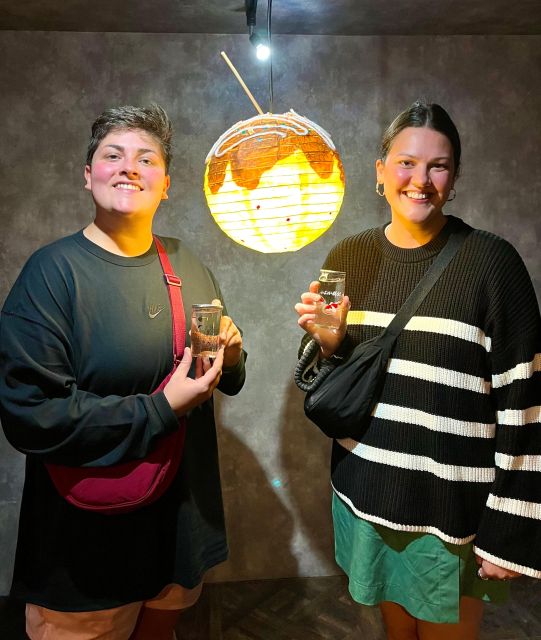
At $70 per person for 2 hours, it’s not a bargain snack. But it also isn’t just a drink class. You’re paying for a bundle:
- Ingredients for your hands-on takoyaki cooking
- Instructions and guidance while you cook
- Multiple sake tastings plus soft drinks
- An English-speaking host who can explain sake and help you choose
- A small-group setup (max 6 participants), which usually means more personal time
Value is strongest if you care about both parts: the food and the drink. If you’re only after one, you could spend money elsewhere and feel slightly disappointed. But if you’re the kind of traveler who likes to go beyond eating a dish and actually learn something you can repeat at home, this is a fair spend.
In other words, you’re paying for experience design, not just access. And when you leave with a takoyaki skill, a short list of sake styles you genuinely prefer, and a better sense of how to order, that’s tangible value.
Logistics that matter: meeting point and timing
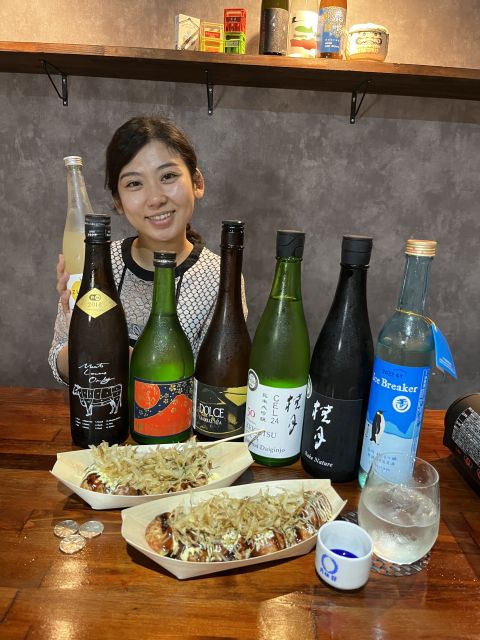
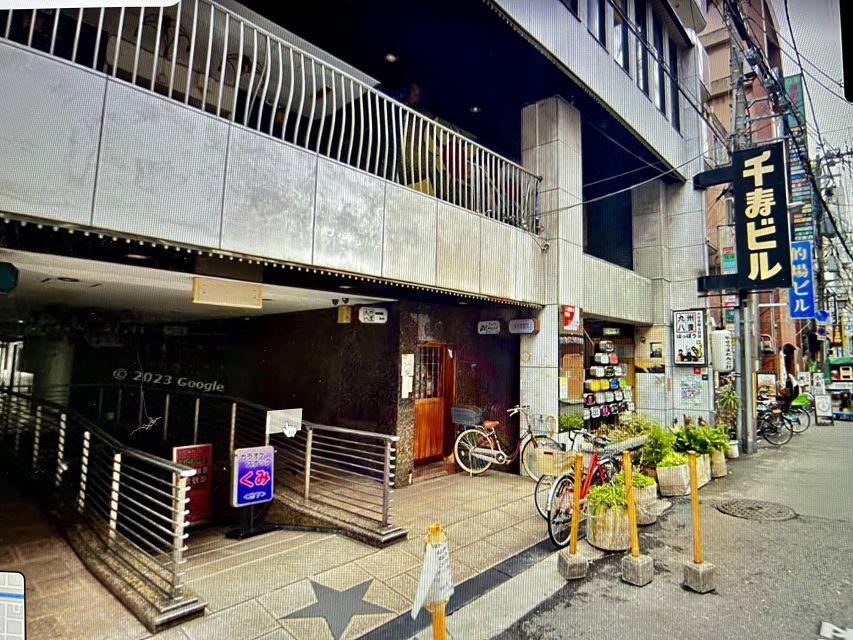
You meet at the store MOMO to SAKE, on the second floor of the building. That detail sounds small, but it helps you avoid stress. When you arrive, give yourself a few minutes so you can find the entrance and settle before the cooking starts.
Since the whole flow depends on eating and tasting during the allotted time, arriving close to the start time helps. If you wander in late, you’ll miss part of the instruction and tasting rhythm.
Also, because you’re in the Namba area, it’s easy to combine with other plans. You don’t need a special day. You just need a gap in your evening.
Who this class is best for (and who should think twice)
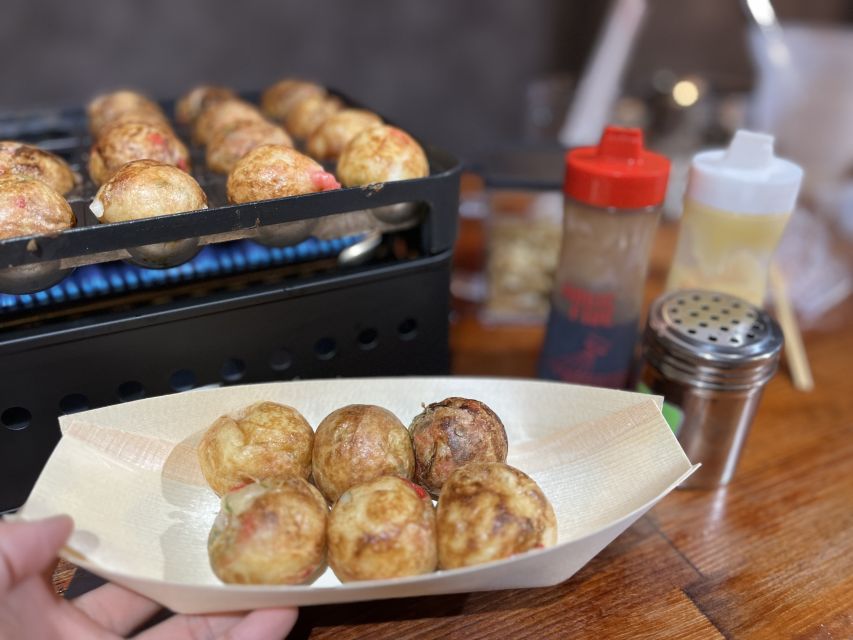
This is ideal if you fit any of these profiles:
- You like street food experiences where you do more than just eat
- You’re curious about sake and want an orderable, practical understanding
- You’d rather learn from a person than a guidebook
- You enjoy small-group settings where conversations actually happen
It might be less ideal if you strongly avoid alcohol. The experience includes soft drinks, but the tasting component is central. If you’re planning to avoid sake entirely, you could still have fun with the cooking, but the overall structure is built for tasting.
If you have dietary restrictions, you should ask. The data includes examples of accommodations for coeliac needs and swapping away from octopus, which suggests flexibility. Still, confirm details directly so you can feel relaxed going in.
After the class: using what you learned in Osaka
One of the best outcomes here is confidence. After learning how sake works and tasting multiple styles with guidance, ordering later becomes less intimidating. You’ll know how to describe what you like in a way that helps a server point you toward a good bottle.
You might also get recommendations on where to go next for sake. At least one participant mentions Momo suggesting bars that only locals tend to know. Even if you don’t follow those exact picks, having a better sense of what to ask for makes any bar-hopping plan go smoother.
If you’re the kind of traveler who wants to build a mini “sake plan” for the rest of your trip, this is a strong first step.
Should you book this tour or skip it?
Book it if you want a real Osaka evening: cook takoyaki with a guide, then learn sake in a way that helps you choose later. The small group size, the hands-on cooking, and the explanation style (from a sommelier with brewing experience) are the combo that makes it more than a tourist tasting.
Skip it if you only want sightseeing time, or if you don’t drink and don’t want the tasting-focused structure. Also skip if you want a purely casual snack with no instruction. This experience is active and designed for learning, not just hanging out.
FAQ
How long is Osaka Sake Tasting with Takoyaki Cooking?
The experience lasts 2 hours.
Where is the meeting point?
You meet at MOMO to SAKE, which is the second floor of the building.
What is the group size?
It’s a small group limited to up to 6 participants.
Is there an English-speaking guide?
Yes. The instructor is listed as English and Japanese, and it includes an English-speaking local sake expert.
What will I cook?
You’ll cook takoyaki, the grilled octopus balls, using a local guide’s recipe plus additional ingredients such as wagyu beef and cheese.
How many types of sake are available to taste?
There are more than 10 types of Japanese sake available. During the session, you taste multiple types selected for you.
Are soft drinks included?
Yes. Soft drinks are included along with the sake tastings.
Can the experience handle dietary needs?
There is at least one mention of accommodations for a coeliac participant and the ability to make variations instead of octopus. If you have specific needs, it’s smart to ask ahead.
Is there free cancellation?
Yes. You can cancel up to 24 hours in advance for a full refund.
Can I reserve without paying right away?
Yes. It offers Reserve now & pay later, so you can book your spot and pay later.
Kanpai: More Osaka Tastings
- Osaka Sake Tasting & Takoyaki Cooking Experience★ 5.0 · 149 reviews
- Osaka Cooking Class and Sake Tasting with Local Supermarket Visit★ 5.0 · 79 reviews
- Osaka: Cooking Class & Sake Tasting with Local Market Visit★ 4.8 · 31 reviews
- 3.5h Osaka Night guided Local Bar Hopping, Sake & Karaoke★ 5.0 · 27 reviews
- Osaka Winery Tour with Wine Tasting & Vineyard Walk★ 4.9 · 12 reviews
Cook It Yourself in Osaka
- Sushi Making Osaka Roll and Authentic Japanese Sushi Class★ 5.0 · 1,220 reviews
- Osaka: Five Must-See Highlights Walking Tour & Ramen Lunch★ 4.7 · 411 reviews
- Osaka Sushi Making Experience★ 5.0 · 400 reviews
- Osaka: Ramen and Gyoza Cooking Class in Dotonbori★ 5.0 · 378 reviews
- Osaka: Sumo Stage Show with Bento or Snack + Fight & Photo★ 4.3 · 364 reviews
The Kuidaore List: Eat More of Osaka
- Osaka: Shinsekai Food Tour with 13-15 Dishes at 5 Eateries★ 4.8 · 2,204 reviews
- Osaka Food Tour: 13 Dishes at 5 Local Eateries★ 5.0 · 2,149 reviews
- Hungry Osaka Street Food Tour:15 Tastings & 3 Drinks with a Local★ 5.0 · 1,727 reviews
- Deep Backstreet Osaka Tours (Option to add Dinner)★ 5.0 · 1,290 reviews
- Osaka Local Foodie Walking Tour in Dotonbori and Shinsekai★ 5.0 · 985 reviews
The Newest Osaka Write-Ups
- Private Photoshoot in Osaka with a Professional Photographer
★ 5.0 · 3 reviews - Osaka Early Morning Osaka Castle Tour Avoid Crowds
★ 5.0 · 3 reviews - Nara Private Tour with Pick and Drop and English Speaking Driver
★ 3.5 · 3 reviews - Osaka: Modern Vegetarian Sushi Cooking Class
★ 5.0 · 3 reviews - Nara Day Trip from Osaka with a Licensed Guide
★ 5.0 · 3 reviews
Osaka Food & Tasting Tours, compared.
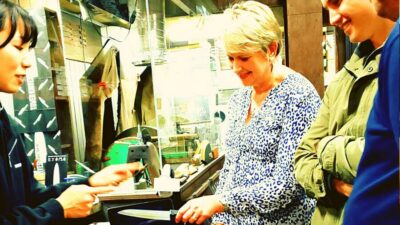 ★ 4.8Shinsekai Food Tour with 13-15 Dishes at 5 EateriesFrom $532,204 reviews
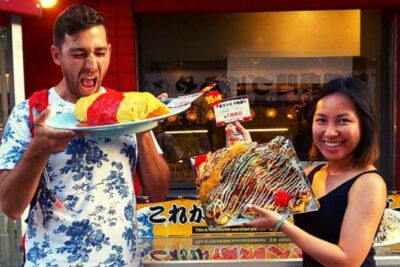 ★ 5.0Osaka Food Tour: 13 Dishes at 5 Local EateriesFrom $732,149 reviews
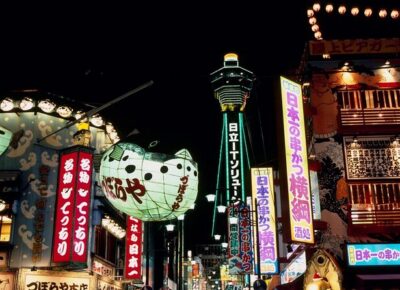 ★ 5.0Hungry Osaka Street Food Tour:15 Tastings & 3 Drinks with a LocalFrom $731,727 reviews
 ★ 5.0Deep Backstreet Osaka Tours (Option to add Dinner)From $531,290 reviews
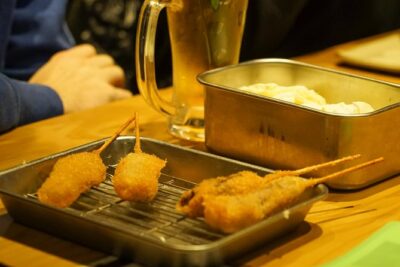 ★ 5.0Osaka Local Foodie Walking Tour in Dotonbori and ShinsekaiFrom $111985 reviews
 ★ 4.9Deep Backstreets Walking Tour with Dinner OptionFrom $40902 reviews
 ★ 4.9Hungry Osaka Street Food Tour: 15 Dishes & 3 DrinksFrom $79694 reviews
 ★ 5.0Kuromon Market Food Walking Tour in Osaka (6 stops, 6 tastes)From $50550 reviews
Browse the lists this tour appears in