
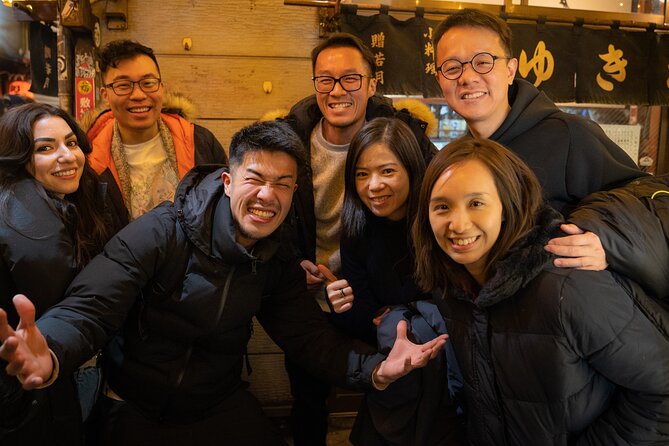
Reviewed · DOTONBORI & NAMBA TOURS
Osaka Local Bar Crawl in Dotombori & Uranamba Area
Osaka at night is a lesson in rhythm. This bar crawl strings together Dotonbori history (including the Glico sign) and a calm stop at Hozenji Temple, then moves you into local izakayas around Ura Namba and Namba for classic Osaka bites like yakitori, karaage, gyoza, and sashimi. I love how the walking route connects food with stories you can actually remember, and I love that the guides aim you at places that feel at home in the neighborhood. One drawback: alcoholic drinks are not included, so if you order like you’re on vacation roulette, the total can jump fast.
A big part of the appeal is that you’re not just eating—you’re learning how Osaka drinks and snacks fit together. You’ll also see side streets and alleyway energy that you’d be less likely to stumble into on your own, plus you get tips about visiting temples in Japan while still being near the neon.
Plan on about 3 hours with a local guide, a small group (up to 15), and a mobile ticket. You start and end back at the Dotonbori Humanity Song Monument, so you don’t need extra logistics to get home.
In This Review
- Key things I think you’ll like
- Entering Dotonbori at the Humanity Song Monument
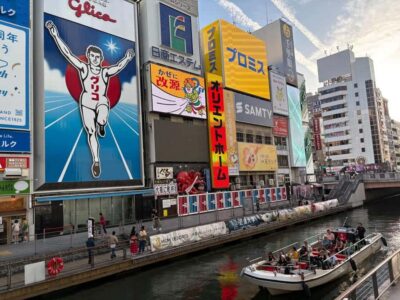
- The Glico Sign History Stop That Makes Photos Mean Something
- Hozenji Temple: Neon Outside, Calm Inside
- Ura Namba Izakaya Stop: Where the Local Drinking Talk Happens
- Namba Izakaya Stop: Gyoza, Sashimi, and the Real Osaka Noise
- How the Crawl Can Include Hands-On Osaka Snacks and Extra Bar Stops
- What You’re Actually Paying For: Guide Time and Admission
- Avoiding the Pricy Surprise: Order With a Plan
- Group Size, Pacing, and Why It Works for First-Night Osaka
- Practical Tips Before You Go
- Who This Osaka Bar Crawl Is Best For
- Should You Book This Osaka Local Bar Crawl?
- FAQ
- Where does the tour start and end?
- How long is the Osaka Local Bar Crawl?
- How much does it cost?
- Is the ticket mobile?
- What is included in the tour price?
- Are alcohol beverages included?
- Is dinner included?
- How many people are in the group?
- Is the tour cancelable?
- Is confirmation provided at booking?
- Is it near public transportation?
Key things I think you’ll like
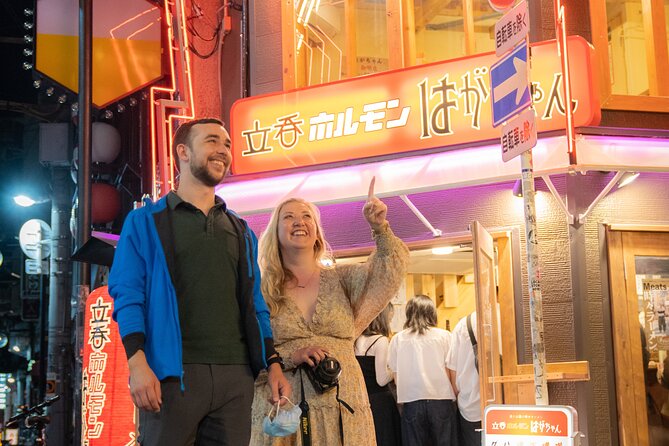
- Glico sign context right at the start, so Dotonbori means something beyond photos
- Hozenji Temple tips that help you read the place instead of just passing it
- Ura Namba izakaya atmosphere focused on what locals drink and snack on
- Classic Osaka pairings such as yakitori with sake and fried bites with beer (as the guide explains)
- A short, walkable route that fits a first-night schedule
- Small group energy that makes it easier to ask questions and keep the pace social
Back under the Glico sign: more Dotonbori runs

Entering Dotonbori at the Humanity Song Monument
The tour kicks off at the Dotonbori Humanity Song Monument, right where Osaka’s night energy is already doing its thing. The guide uses this spot to set the tone and give you the big-picture context for the area—especially why certain visuals (like the famous Glico sign nearby) became part of Osaka’s identity.
What I like about starting here is simple: you get your bearings fast. Instead of wandering, you’re guided into the patterns locals recognize—busy corridors, side entrances, and the way lighting and signage pull you from one pocket of the district to another.
If you’re jet-lagged or new to the city, this first stop helps you understand the layout in a way a map can’t. After that, the rest of the walk feels less random.
The Glico Sign History Stop That Makes Photos Mean Something
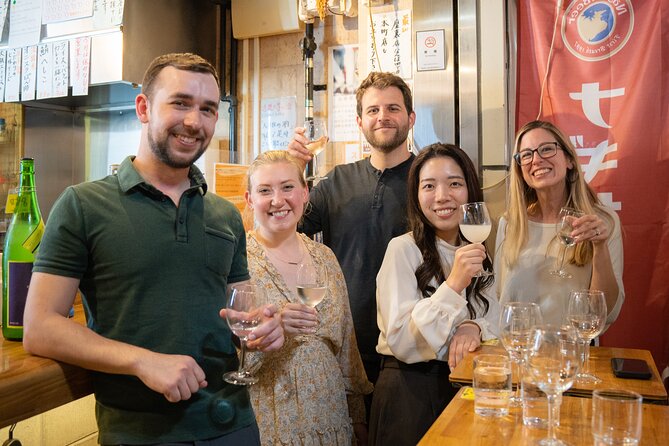
Soon after you begin, you’ll learn about the history of the Glico sign. This is one of those stories that turns a landmark into a cultural clue: not just what you’re looking at, but why it matters in Osaka’s public life.
Practical tip: look at the sign once early, then again later as you move through the district. That’s when the story lands. You’ll start noticing how Dotonbori branding works—graphic, bold, and built to be read quickly while you’re walking.
Some people only come to Dotonbori for the picture. This stop nudges you toward seeing it as a living part of the city, not just a backdrop.
Hozenji Temple: Neon Outside, Calm Inside
Then comes Hozenji Temple in Dotonbori. It’s a smart pivot: you’re still in the same area, but the vibe changes fast. The guide explains tips about visiting temples in Japan and why people come here, including what to notice when you’re there.
In my opinion, this stop is more than a quick photo moment. It slows the night down just enough to reset your brain between meals. When you’re heading into multiple eating-and-drinking stops, that breathing room helps.
You may also notice the temple setting feels a bit similar to Kyoto in the sense that it offers that old-meets-new contrast. You’re still in Osaka, but you’re reminded that cities aren’t only their entertainment zones.
The night runs long in Namba, more crawls
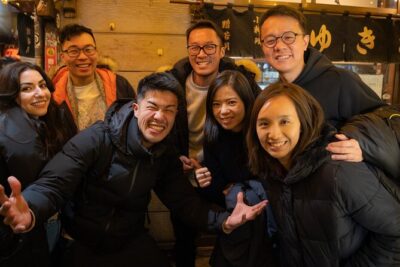
Ura Namba Izakaya Stop: Where the Local Drinking Talk Happens
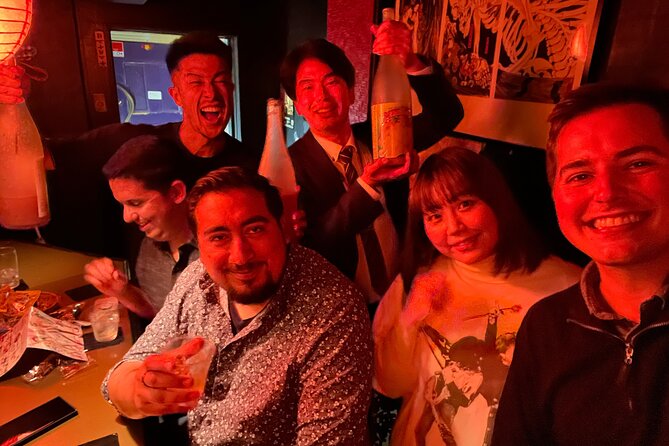
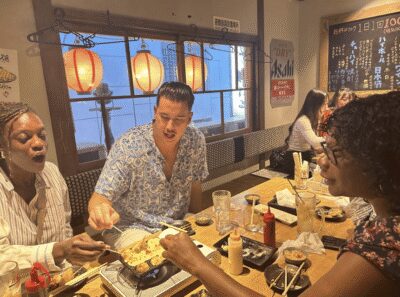
Next, you head to a local izakaya at Ura Namba. The tour frames Uranamba/Ura Namba as a place locals enjoy drinking—less showy than the major tourist lanes, but lively in a more everyday way.
This is your first food-and-drink phase where you can expect a classic lineup such as yakitori and karaage, plus sake as part of the tasting approach the guide explains. The idea is to connect what you’re eating with what people drink alongside it, so it feels like a plan instead of random orders.
Timing matters here: you’ll spend around 40 minutes at this first izakaya stop. That’s enough time to settle in, eat a solid amount, and still keep the night moving without feeling rushed.
What to watch for: because alcohol is not listed as included, you should decide early if you want to focus on tastings or if you plan to run the full menu. If you’re trying a few things, ask the guide what pairs well rather than picking whatever looks most dramatic.
Namba Izakaya Stop: Gyoza, Sashimi, and the Real Osaka Noise
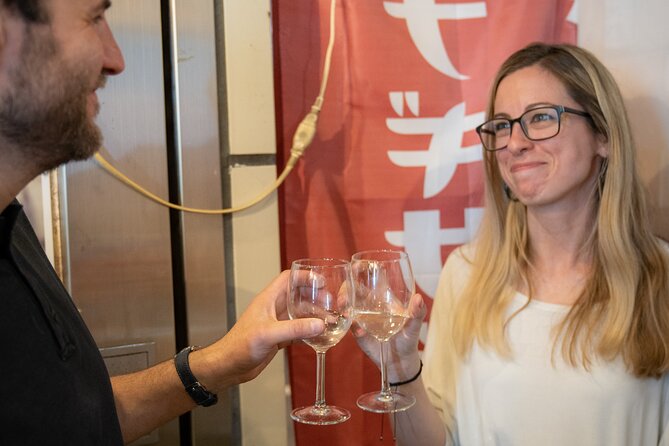
After Ura Namba, you shift to another izakaya stop in Namba. Here, the atmosphere turns into something you can feel immediately: more local Japanese, more street bustle outside, and more everyday energy inside.
This stop runs longer—about 1 hour 20 minutes—so it’s built for proper hanging out. Food you can expect includes gyoza and sashimi, plus more drinks depending on what you choose.
This is also the moment where you’ll likely start feeling the rhythm of the crawl. You’re not doing a formal “meal,” but you are building a night meal out of multiple parts. That’s why the guide’s job matters: the pacing helps you avoid the common mistake of over-ordering at the first place and then getting tired too early.
If you’re the kind of person who likes learning how locals eat—small plates, shared dishes, and drinks that change with the mood—this section is where you’ll probably relax and enjoy yourself the most.
How the Crawl Can Include Hands-On Osaka Snacks and Extra Bar Stops
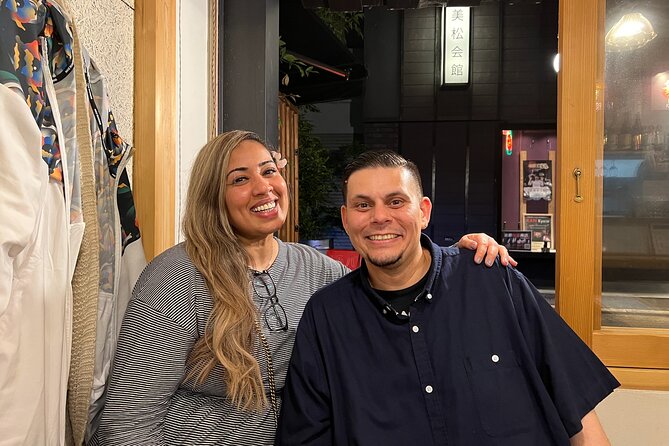
The core plan is two izakaya stops plus walking between landmarks. But the broader concept is a bar crawl with multiple venues. In the wild, these tours often lean into interactive Osaka food moments—like table-side cooking for takoyaki—and then continue the night with more drink-focused bars such as sake or small-format whiskey places.
You might also hear the guide point out where to go after the scheduled stops, especially if the last venue is the kind of place where you can keep exploring. The best part about this style of night is that the guide helps you avoid dead ends: places you’d walk past without knowing they’re worth it.
Just keep expectations clear: anything beyond the included tastings can add cost. So if the tour offers a choice of drinks, treat it like ordering for the evening, not like buying one harmless souvenir pour.
What You’re Actually Paying For: Guide Time and Admission
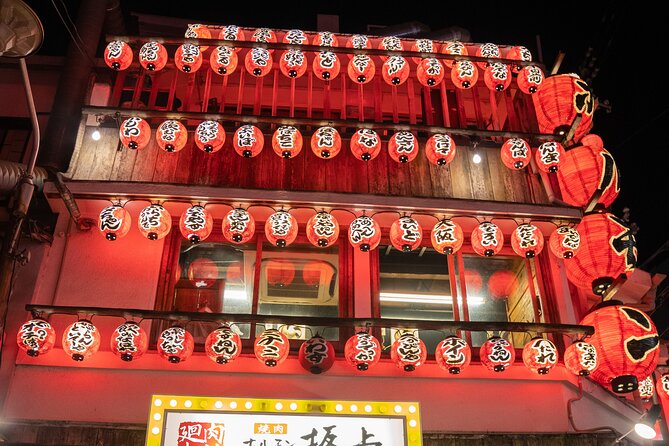
The price listed for the Osaka Local Bar Crawl is $26.53 per person, and it runs about 3 hours. You also get a mobile ticket, and admission fees are marked as free.
Here’s the value math that helps you decide:
- You’re paying for a local guide and their walking plan, which includes culture stops (Glico sign history and Hozenji Temple tips) and access to the specific izakaya atmosphere they chose.
- You’re not paying for alcohol as part of the tour price, and dinner is also marked as not included.
That doesn’t mean you eat nothing. The tour description emphasizes food as a key part of the experience, and the stops are structured around classic Osaka dishes. But it does mean you should plan for the fact that your total night cost depends on what you order in each bar.
In practical terms, think of the tour price as the cover charge for direction and cultural context, then budget extra for drinks.
Avoiding the Pricy Surprise: Order With a Plan
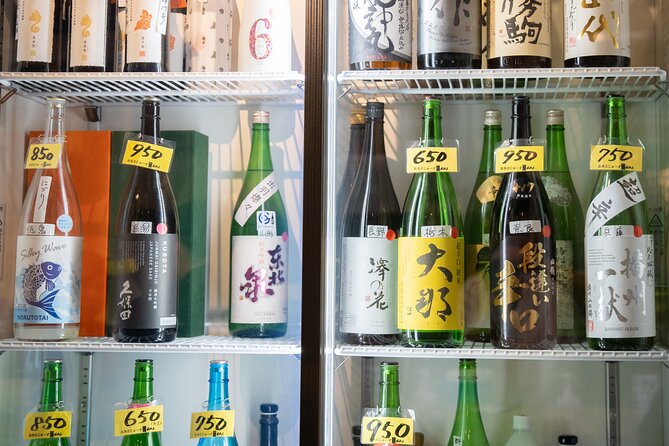
One thing you should take seriously is cost control. Some people end up disappointed when venue choices and drink portions don’t match their expectations, especially if prices for drinks are much higher than what they assumed.
You can prevent that with two simple moves:
- Before you commit, check the drink prices and portion sizes. If something is unclear, ask the guide.
- Don’t buy the whole bar menu in one go. Pick one signature drink to match the food, then decide if you want a second.
A good crawl night is about variety, not speed. If you’re strategic—one or two drinks per stop plus the included food—this kind of tour can feel like a smart way to do Osaka nightlife without wandering hungry.
If you love high-end cocktails or specialty pours, you might end up spending more. That’s not wrong, but it’s on you to budget.
Group Size, Pacing, and Why It Works for First-Night Osaka
This tour maxes out at 15 people. That’s a sweet spot: small enough to feel guided, big enough to keep energy social. The walking route stays in the Dotonbori and Namba orbit, so you’re not bouncing around the city.
For pacing, you’re looking at roughly:
- short landmark moments (start area and temple stop)
- two izakaya durations (40 minutes, then 1 hour 20 minutes)
- walking between them as part of the experience
That structure works well if it’s your first night. You learn the neighborhood style quickly, and you get enough food to avoid the common problem of going out “for drinks” but ending up too hungry to enjoy anything.
It can also work if you’re traveling solo or want conversation. A smaller group makes it easier to chat, and guides typically keep you comfortable while you navigate unfamiliar menus and ordering styles.
Practical Tips Before You Go
A few small choices can make this crawl smoother:
- Come hungry. The tour is built around eating at multiple stops.
- Wear comfortable shoes. You’ll be walking between points in neon districts.
- If you don’t drink alcohol, you can still enjoy the food and the story parts. Just be clear with the guide about what you want to focus on.
- Keep your phone charged. You’ll use a mobile ticket, and you may want quick directions if you continue afterward.
Also, if you have dietary restrictions, ask the guide on arrival. The tour data doesn’t list specific dietary options, so it’s best to handle this directly.
Who This Osaka Bar Crawl Is Best For
This is best for you if:
- You want an easy first-night plan in Osaka without overthinking logistics
- You like izakaya culture—small plates, shared vibe, lots of conversation
- You care about local context (Glico sign history and Hozenji Temple tips)
- You want to discover places you might not find on your own in Dotonbori and Uranamba
It’s not the best fit if:
- You hate walking in busy nightlife areas
- You prefer restaurant-style fixed meals only
- You want a guaranteed set of alcohol included in the total price
In that case, you may be happier booking a food-focused tour that clearly includes everything you’ll eat and drink.
Should You Book This Osaka Local Bar Crawl?
I’d book it if you want a guided way to understand Dotonbori after dark—history at the start, a temple reset, then two izakaya stops in Namba and Ura Namba with classic Osaka dishes and pairing tips.
But book with eyes open. The tour price covers the guide experience and admission is free; your final night spend will depend on what you order in the bars. If you keep drink choices controlled, this can be a smart, fun introduction to Osaka nightlife.
If you’re careful with costs and you like learning as you eat, this is the kind of evening that makes the rest of your Osaka trip easier.
FAQ
Where does the tour start and end?
It starts at the Dotonbori Humanity Song Monument (1 Chome-10 Dotonbori, Chuo Ward, Osaka) and ends back at the meeting point.
How long is the Osaka Local Bar Crawl?
The experience lasts about 3 hours.
How much does it cost?
The price is $26.53 per person.
Is the ticket mobile?
Yes, you receive a mobile ticket.
What is included in the tour price?
You get 3 hours with a local guide, and admission fees are free.
Are alcohol beverages included?
Alcoholic beverages are listed as not included.
Is dinner included?
Dinner is listed as not included.
How many people are in the group?
The tour has a maximum of 15 travelers.
Is the tour cancelable?
Yes, you can cancel for a full refund up to 24 hours before the experience start time.
Is confirmation provided at booking?
Yes, confirmation is received at the time of booking.
Is it near public transportation?
Yes, it is near public transportation, and service animals are allowed.
More Tour Reviews in Osaka
- Osaka Go Karting Tour with Funny Costume★ 5.0 · 2,658 reviews
- Osaka Castle: Museum and Tower Entry Ticket★ 4.5 · 2,380 reviews
- Osaka: Shinsekai Food Tour with 13-15 Dishes at 5 Eateries★ 4.8 · 2,204 reviews
- Osaka Food Tour: 13 Dishes at 5 Local Eateries★ 5.0 · 2,149 reviews
- Hungry Osaka Street Food Tour:15 Tastings & 3 Drinks with a Local★ 5.0 · 1,727 reviews
Last Orders Come Late in Osaka
- Osaka: Namba Pub Bar Crawl with a Local Guide★ 4.9 · 424 reviews
- Osaka: Izakaya Bars Guided Walking Tour★ 4.9 · 385 reviews
- Osaka Pub Crawl and Nightlife Tour★ 5.0 · 293 reviews
- Meet Osaka local Friend & Fun Chat All We Can Drink Party Ticket★ 5.0 · 201 reviews
- Osaka: 2-Hour Nightlife District Walking & Local Food Culture★ 5.0 · 199 reviews
Dotonbori and Namba, Round Two
- Osaka Local Foodie Walking Tour in Dotonbori and Shinsekai★ 5.0 · 985 reviews
- Osaka: Dotonbori District River Cruise with Drink Discount★ 4.2 · 876 reviews
- Ultimate Osaka Walking Tour: Castle, Dotonbori & Hidden Gems★ 5.0 · 862 reviews
- Tea Ceremony Experience in Osaka Doutonbori★ 5.0 · 754 reviews
- Osaka: Namba Pub Bar Crawl with a Local Guide★ 4.9 · 424 reviews
The Newest Osaka Write-Ups
- Private Photoshoot in Osaka with a Professional Photographer
★ 5.0 · 3 reviews - Osaka Early Morning Osaka Castle Tour Avoid Crowds
★ 5.0 · 3 reviews - Nara Private Tour with Pick and Drop and English Speaking Driver
★ 3.5 · 3 reviews - Osaka: Modern Vegetarian Sushi Cooking Class
★ 5.0 · 3 reviews - Nara Day Trip from Osaka with a Licensed Guide
★ 5.0 · 3 reviews
Dotonbori & Namba Tours, compared.
 ★ 5.0Osaka Local Foodie Walking Tour in Dotonbori and ShinsekaiFrom $111985 reviews
 ★ 4.2Dotonbori District River Cruise with Drink DiscountFrom $12876 reviews
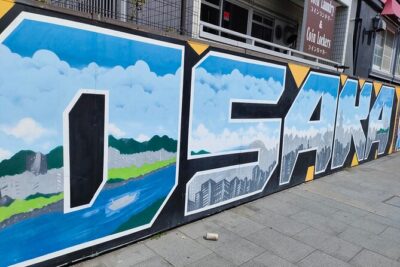 ★ 5.0Ultimate Osaka Walking Tour: Castle, Dotonbori & Hidden GemsFrom $73862 reviews
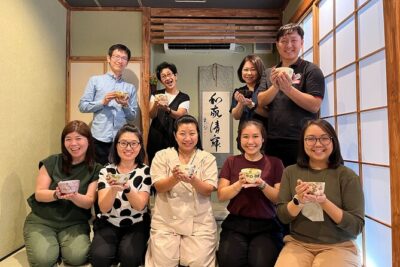 ★ 5.0Tea Ceremony Experience in Osaka DoutonboriFrom $20754 reviews
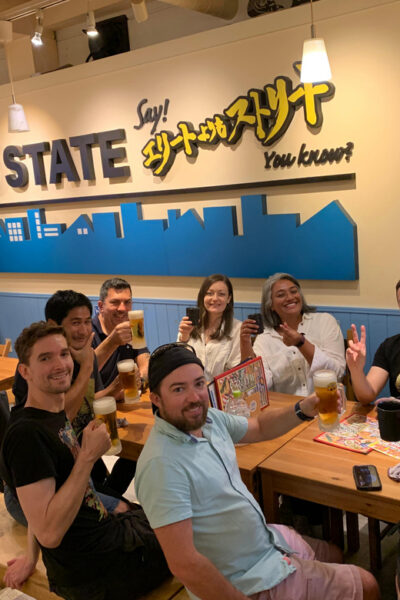 ★ 4.9Namba Pub Bar Crawl with a Local GuideFrom $30424 reviews
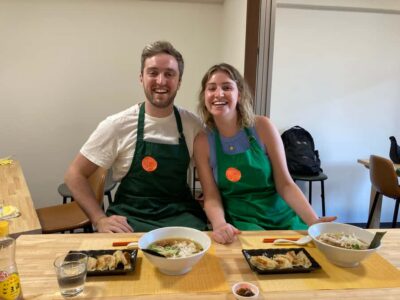 ★ 5.0Ramen and Gyoza Cooking Class in DotonboriFrom $70378 reviews
Dotonbori River Cruise with Glico Sign & Neon ViewsFrom $12376 reviews
★ 5.0Ramen and Gyoza Cooking Class in DotonboriFrom $70378 reviews
Dotonbori River Cruise with Glico Sign & Neon ViewsFrom $12376 reviews
 ★ 3.9Dotonbori’s Bridges 20-Minute CruiseFrom $12303 reviews
Browse the lists this tour appears in