
Reviewed · OSAKA PRIVATE TOURS
The Ultimate Osaka Shopping Experience: Private And Personalized
Shopping in Osaka can feel like a maze. This private, personalized experience turns that chaos into a plan, with a host matched to your interests and a four-hour shopping route designed around what you want to buy. You’ll walk through key neighborhoods without wasting time guessing which streets to hit.
There’s one catch to think about: because your itinerary is personalized, the exact shops may differ from what you were hoping to see. That’s usually a win for people who want the best fit, but if you have a must-visit store, tell your guide early.
In This Review
- Key reasons this Osaka shopping experience works
- Why a private shopping host beats wandering in Osaka
- Finding your start: Starbucks Tsutaya Ebisubashi and a quick game plan
- Stop 1: Umeda for shopping momentum without the wrong turns
- Stop 2: Namba’s mix of small stores and practical guidance
- Stop 3: Shinsaibashi for stores you might not find elsewhere
- Stop 4: Den Den Town for Japanese gadgets and traditional finds
- Stop 5: Amerikamura for street style and impulse-friendly browsing
- How the personalized route really plays out
- Price and value: what $147.14 buys in Osaka
- What to budget during the four-hour shopping walk
- Practical tips to get the most out of your host
- Should you book this private Osaka shopping experience?
- FAQ
- How long is the Osaka shopping experience?
- Is this a private tour or a group tour?
- What does the price include?
- Where does the tour start and end?
- Do I need to pay for food during the tour?
- Are transportation costs included?
- Will I definitely visit every district mentioned?
- What shopping areas might we visit?
- Is there any ticketing or attraction entry included?
- Is there free cancellation?
- Is this experience easy for most people to join?
- When should I book if I want a good chance at availability?
Key reasons this Osaka shopping experience works
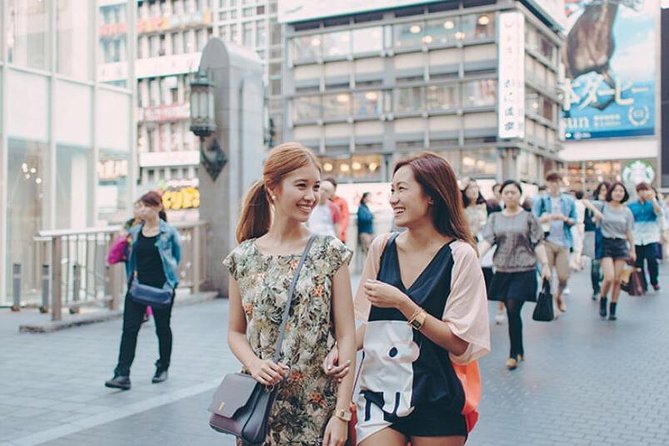
- Matched to your shopping style after a quick questionnaire, so you’re not stuck with generic shopping stops
- Four hours of one-on-one time that’s actually useful for finding the right items
- Walking-first route through classic shopping districts, with options like public transport or taxi if needed
- Local know-how from guides like Fumiko and Mayura—including help that can go beyond shopping
- District variety in one outing, from fashion and streetwear areas to Den Den Town gadgets
A guide to yourselves, more private days out
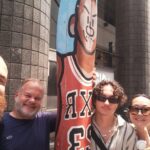
Why a private shopping host beats wandering in Osaka
Osaka shopping isn’t small. Even if you’re a confident browser, the city’s neighborhoods can feel like they run on different rules—different crowds, different store types, and different vibes. A private host gives you structure fast, so you can spend energy on buying instead of figuring out where to go next.
What makes this worth it is the personalization. You answer a brief questionnaire, then your guide builds a route around your goals—say you’re hunting for vintage luxury purses, cooking and housewares, or unique Japanese gadgets. That’s a big deal, because the difference between a fun shopping hour and a frustrating one is often just timing and guidance.
And yes, you do get the practical bonus of a guided walk through several famous districts. Instead of doing one area and calling it a day, you’re likely to cover more of what Osaka is good at—on foot.
Finding your start: Starbucks Tsutaya Ebisubashi and a quick game plan
Your meeting point is Starbucks Coffee – Tsutaya Ebisubashi in Dōtonbori. It’s easy to locate, and it’s a sensible place to regroup before you head out on your route.
This is also where you can set the tone. If you want a certain category (vintage bags, kitchen goods, gadgets, traditional items), say it clearly. If you have a budget, mention it. The guide can then steer your walk toward stores that match your price range and taste, instead of dragging you through places that don’t fit.
Stop 1: Umeda for shopping momentum without the wrong turns
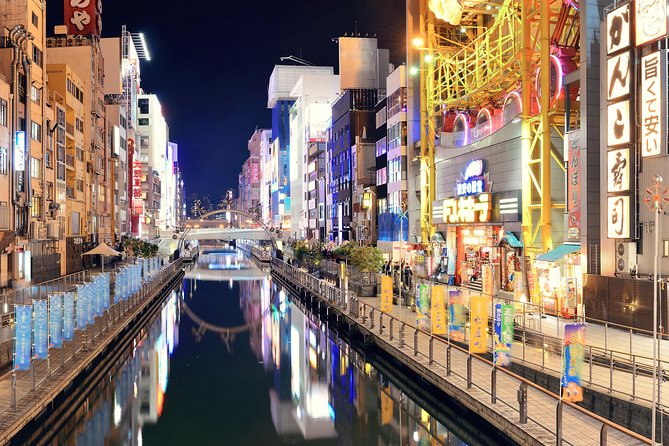
Your route may include Umeda, and for a good reason. Umeda is one of Osaka’s major shopping hubs, and it’s the kind of place where you can easily lose track of time if you wander without a plan. With a host, you get a sequence—what to see first, what to skip, and where to focus for the best odds of finding what you want.
This stop is where you can get your momentum early. If you’re trying to compare styles, price points, or brands, starting strong makes the rest of the walk easier. And because you’re on a schedule—about four hours total—your guide will help you use that time well.
A downside to keep in mind: since it’s personalized, you may not hit every planned district in exactly the same way every day. But the goal stays the same—help you shop efficiently.
More shotengai arcades to wander
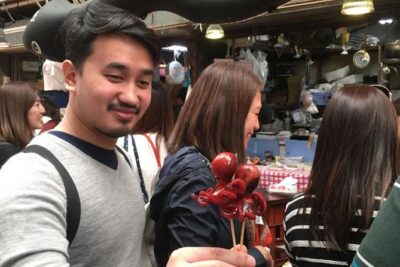
Stop 2: Namba’s mix of small stores and practical guidance
Next, your host may lead you through Namba, which is known for layered shopping streets and plenty of eye-level discovery. This is where having someone who knows how neighborhoods connect is useful. Osaka’s districts aren’t just “one big mall”—they’re networks of streets, passageways, and storefront clusters.
In a personalized shopping walk, Namba works because the guide can adjust on the fly. If a certain store is closed when you arrive, you don’t have to waste time rethinking your whole strategy. Your host can pivot to the closest match for your interests.
I also like Namba for shoppers who want variety. You can go from one type of item to another without feeling like you’re doing the same thing over and over. Your host can help keep it coherent, so the time feels like a “route” instead of random wandering.
Stop 3: Shinsaibashi for stores you might not find elsewhere
Your itinerary may include Shinsaibashi, often a highlight for people who want more than standard souvenirs. This is the part of the outing where you’ll likely spend time slowing down, looking closely, and asking questions—because Shinsaibashi is the type of area where stores can vary a lot from block to block.
One thing I’d plan for here: you might find items that are easy to miss if you’re just speed-walking through. A host slows you down in the right way—pointing out stores that fit your target category and helping you navigate what to ask for (especially if you’re hunting for specific brands, sizes, or styles).
A real plus from the experience: guides such as Fumiko have helped shoppers connect with the luxury vintage purse scene. That matters because finding the right piece often takes more than great luck—it takes knowing which shops actually carry what you want.
Stop 4: Den Den Town for Japanese gadgets and traditional finds
If you like technology, tools, character goods, or Japan-only odds and ends, you’ll probably love Den Den Town. This stop is built for “take-home” shopping—items that feel more specific to Japan than the typical mass-market souvenirs.
It’s also a good district when you want variety within a single theme. Den Den Town can be the place you find traditional Japanese items alongside unique gadgets. Even if you’re not sure exactly what you want yet, the guide can help you narrow it down quickly once you see what’s available.
Practical reality check: gadget browsing can eat time. That’s not a bad thing in a place like Den Den Town, but it’s another reason a private guide matters. Your host can help you decide what’s worth buying now versus what you might skip so you still have time for the next district.
Stop 5: Amerikamura for street style and impulse-friendly browsing
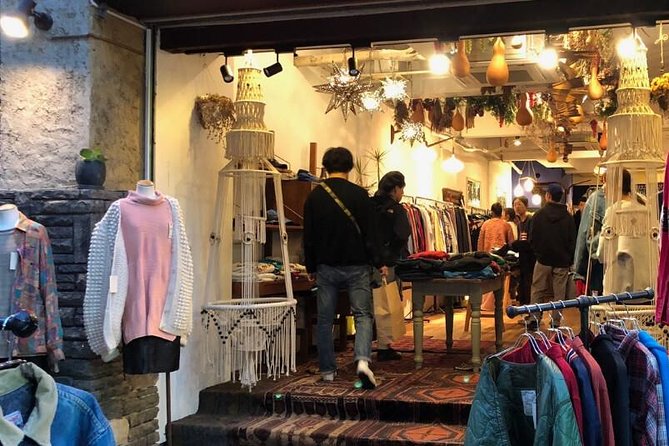
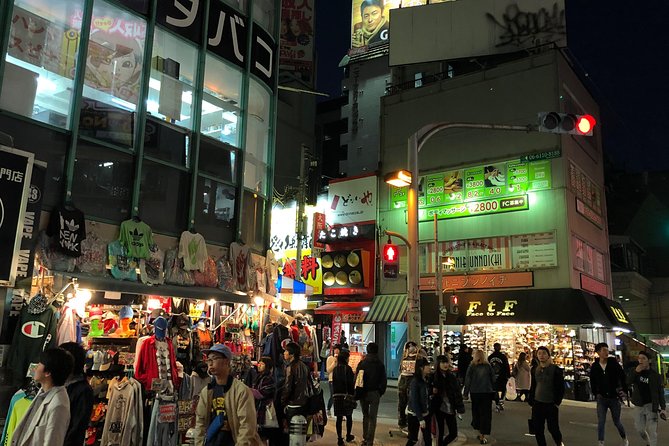
Your route may end with Amerikamura, a district where street style and independent storefronts tend to dominate the scene. This part of the walk is great for shoppers who want that slightly playful Osaka energy—places where you can pop in and out of shops without it feeling like a chore.
Amerikamura is also a good “final district” because it’s where impulse buys happen. If you’ve already done your careful shopping earlier, this is where you can top off your bags with fun items you’ll actually use or wear.
If you’re the type who likes to compare styles, Amerikamura works because you can see different takes on the same general category. Your host can steer you to the shops that match your taste, so you’re not stuck in a loop of browsing the wrong style for an hour.
How the personalized route really plays out
Your experience is private and personalized, so your host can choose stops based on your interests and preferences. That flexibility is the whole point, but it affects how you should plan mentally.
Here’s the way I’d think about it: you’re booking a shopping “strategy,” not a fixed checklist. If you show up with clear goals—vintage luxury purses, cooking and housewares, unique gadgets, traditional items—you’ll likely get a route that matches.
And if you’re hoping to meet a specific vibe, guides can help you find it. One guide, Mayura, has been described as a friendly shopping buddy and translator, including for shoppers who were focused on cooking and housewares. That kind of support can make the difference between buying something you like and buying something you truly love.
Also, because the route is guided on foot, your guide will keep things moving. The goal isn’t just “see shops.” It’s “shop smart.”
Price and value: what $147.14 buys in Osaka
At $147.14 per person for about four hours, you’re paying for time, flexibility, and local decision-making. You’re not paying for access to an attraction. You’re paying for a guide to replace your guesswork with a plan.
So how do you judge value? Compare it to the cost of time and transport if you were doing this yourself. Osaka is compact in some ways, but the effort of hopping between districts—finding the right streets, figuring out which shops carry what you want, and keeping track of where you are—adds up quickly.
This experience also includes a hotel meet-up option for central accommodation (available on request) and keeps you on a walk with a host. If you’d otherwise spend part of your day figuring things out, the private structure can feel like money well spent.
What’s not included matters too. Food and drinks are on your own, and transportation costs like public transit or taxis are extra if your guide suggests them. Also, gratuities are optional. If you budget for those, the pricing makes more sense.
What to budget during the four-hour shopping walk
You’ll be shopping, so your real budget is the “shopping budget” part. But there are a few other costs to plan for:
- If you use public transport or taxi because of distance or fatigue, those are additional
- You’ll likely want some snacks or drinks, since they aren’t included
- If you want to buy items across multiple categories, your budget should match that variety
- You should expect shopping to take some time for comparing, asking questions, and choosing sizes or styles
One tip: decide ahead of time whether you want “one great purchase” or “several medium wins.” Your guide can help either way, but the pacing changes based on what you want to walk away with.
Practical tips to get the most out of your host
You’ll have the best experience if you show up ready to shop with direction. Here’s how I’d do it:
First, come with 2–3 categories you care about. Even better, add 1 sentence on what “good” looks like for you—style, materials, function, or a price range.
Second, be clear about whether you’re aiming for specific items or open browsing. The itinerary can shift because it’s personalized, and your guide will work best when they know how strict your wishlist is.
Third, wear shoes you can handle. This is a walking experience, and Osaka stores are often arranged so you’ll be moving through streets and between storefront clusters. If you need a break, tell your guide early. They can suggest public transport or taxi options.
Finally, don’t forget the human part. This is private, so it isn’t just logistics. It’s a chance to have a friendly shopping buddy who can help you interpret what you’re looking at. If you get that extra language support (as some guides provide), you’ll likely shop with more confidence.
Should you book this private Osaka shopping experience?
I’d book this if you want shopping that feels organized, friendly, and tailored. It’s especially good when Osaka overwhelms you—too many streets, too many options, not enough time to find the right stores. With a host, you get a route that matches your goals and saves you from the usual trial-and-error.
I’d think twice if you have extremely specific shop targets and you’re unwilling to adapt. Because the route is personalized, you might not land exactly where you expected. But if you tell your guide what you want, that flexibility can actually help you find better matches.
If you’re the kind of traveler who enjoys practical, real shopping—not just window browsing—this is a strong value way to spend a half day in Osaka.
FAQ
How long is the Osaka shopping experience?
It lasts about 4 hours.
Is this a private tour or a group tour?
It’s a private experience. Only your group participates.
What does the price include?
You get a private and personalized experience with 4 hours in the city with a host, plus the walking experience. A hotel meet-up is available on request for central locations.
Where does the tour start and end?
It starts at Starbucks Coffee – Tsutaya Ebisubashi (Dōtonbori area) and ends back at the same meeting point.
Do I need to pay for food during the tour?
No. Food and drinks are not included.
Are transportation costs included?
No. Transportation costs (public transportation and taxis) are not included, though your host can suggest options on the day for extra cost.
Will I definitely visit every district mentioned?
Not necessarily. Because it’s personalized, the places you visit may differ based on your interests and preferences.
What shopping areas might we visit?
Your route may include Umeda, Namba, Shinsaibashi, Den Den Town, and Amerikamura.
Is there any ticketing or attraction entry included?
Tickets to attractions are not included.
Is there free cancellation?
Yes. You can cancel up to 24 hours in advance for a full refund.
Is this experience easy for most people to join?
Most travelers can participate, and service animals are allowed.
When should I book if I want a good chance at availability?
On average, it’s booked about 70 days in advance.
Arcades and Department Floors
- Kuromon Market Food Walking Tour in Osaka (6 stops, 6 tastes)★ 5.0 · 550 reviews
- Osaka: Kuromon Market Food Walking Tour (6 stops, 6 tastes)★ 4.6 · 272 reviews
- Cooking Ramen&Gyoza/KatsuCurry/Bento/Okonomiyaki+Store Tour@Osaka★ 5.0 · 138 reviews
- Kuromon Market Tour: All inclusive 6~8 Dishes & 3~4 samplings★ 5.0 · 103 reviews
- Osaka: Cooking Class & Sake Tasting with Local Market Visit★ 4.8 · 31 reviews
More Tour Reviews in Osaka
- Osaka Go Karting Tour with Funny Costume★ 5.0 · 2,658 reviews
- Osaka Castle: Museum and Tower Entry Ticket★ 4.5 · 2,380 reviews
- Osaka: Shinsekai Food Tour with 13-15 Dishes at 5 Eateries★ 4.8 · 2,204 reviews
- Osaka Food Tour: 13 Dishes at 5 Local Eateries★ 5.0 · 2,149 reviews
- Hungry Osaka Street Food Tour:15 Tastings & 3 Drinks with a Local★ 5.0 · 1,727 reviews
Your Osaka, at Your Pace
- Private Osaka Walking Tour: Highlights & Hidden Gems★ 5.0 · 569 reviews
- Osaka 4hr Private Tour with Government-Licensed Guide★ 5.0 · 314 reviews
- 3/4/5 Hours Private Tour in Osaka with Local Guide★ 5.0 · 189 reviews
- Osaka’s Best and Brightest: Private Full-Day Tour by Vehicle★ 5.0 · 147 reviews
- Kyoto & Nara Private customized tour with English speaking Guide★ 4.5 · 99 reviews
The Newest Osaka Write-Ups
- Private Photoshoot in Osaka with a Professional Photographer
★ 5.0 · 3 reviews - Osaka Early Morning Osaka Castle Tour Avoid Crowds
★ 5.0 · 3 reviews - Nara Private Tour with Pick and Drop and English Speaking Driver
★ 3.5 · 3 reviews - Osaka: Modern Vegetarian Sushi Cooking Class
★ 5.0 · 3 reviews - Nara Day Trip from Osaka with a Licensed Guide
★ 5.0 · 3 reviews
Osaka Private Tours, compared.
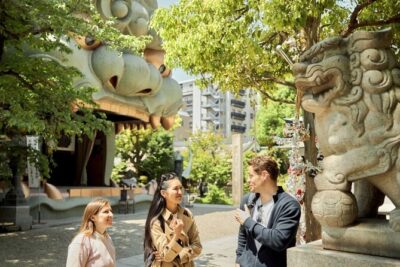 ★ 5.0Private Osaka Walking Tour: Highlights & Hidden GemsFrom $81569 reviews
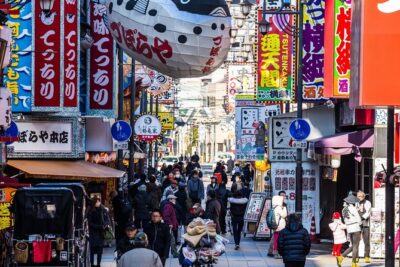 ★ 5.0Osaka 4hr Private Tour with Government-Licensed GuideFrom $105314 reviews
 ★ 5.03/4/5 Hours Private Tour in Osaka with Local GuideFrom $95189 reviews
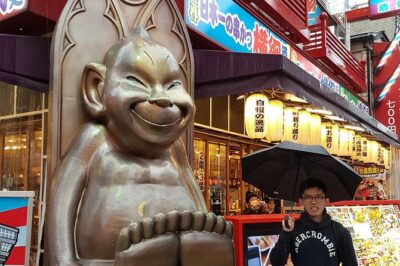 ★ 5.0Osaka’s Best and Brightest: Private Full-Day Tour by VehicleFrom $600147 reviews
 ★ 5.0Full Day Tour of Kyoto with Private TransportationFrom $247130 reviews
 ★ 4.5Kyoto & Nara Private customized tour with English speaking GuideFrom $54999 reviews
 ★ 4.6Private Custom Walking Tour with a Local GuideFrom $6297 reviews
 ★ 4.93/4/5 Hours Private Tour With Local GuideFrom $11686 reviews
Browse the lists this tour appears in