
Reviewed · OSAKA FOOD & TASTING TOURS
Private Japanese Cooking Class in Osaka with Culinary Expert Yoko
Shoes off, knives on in Osaka. This private Japanese cooking class with culinary expert Yoko turns a tourist area into real home cooking, with lessons on key ingredients and live technique demos. I especially love the hands-on teaching style as you cut and cook, not just watch, and I also love the full sit-down meal that wraps everything together with sake tasting. The main catch: there’s no hotel pickup, so you need to get yourself to Minami-Morimachi Station.
You’ll meet Yoko near Osaka Castle, step into a clean apartment in the neighborhood, and follow the simple ritual of wearing slippers once you enter. The menu can change by season, and that means the exact dishes may not match your wish list—but you’ll still get a structured set of classic Japanese skills and a satisfying final meal.
In This Review
- Key Highlights You Should Care About
- Meeting Yoko in Osaka: A Neighborhood Welcome, Not a Studio Show
- First Taste of Japanese Cooking: Techniques, Tools, and the Why Behind the Ingredients
- The Cooking Class Format: Live Demo Plus Hands-On Cutting and Cooking
- What You’ll Cook: Classic Dishes and Ingredient Skills You Can Reuse
- Sake Tasting at Home: A Simple Bonus That Fits the Meal
- Eating Together: The Meal Becomes the Final Lesson
- What Makes Yoko’s Teaching Different: Tips You’ll Actually Use
- Value and Price: When $182 Makes Sense
- Who Should Book This Cooking Class in Osaka?
- Before You Go: Small Details That Make the Night Easier
- Should You Book This Osaka Cooking Class?
- FAQ
- How long is the Japanese cooking class in Osaka?
- Where do I meet Yoko, and is pickup included?
- What dishes are included in the class?
- Is the experience private?
- Can I request a vegetarian or vegan menu?
- Is sake tasting included?
Key Highlights You Should Care About
- Private home setting near Osaka Castle with slippers on arrival and a real local-feeling apartment setup
- Five-course-style learning focus on quintessential Japanese flavors, with demos plus hands-on cooking
- Sake tasting included as part of the meal experience, not as an add-on
- You cook 3 dishes from scratch during the active portion, while other components are prepared as part of the flow
- Ingredient lessons that make recipes make sense, including seaweed and dried fish
- Vegetarian/vegan option available if you request it when booking
Come hungry: more eating your way through Osaka



Meeting Yoko in Osaka: A Neighborhood Welcome, Not a Studio Show
This experience starts the right way: at Minami-Morimachi Station. Pickup from the station is included, so once you arrive, you won’t be left playing phone-tag. Yoko meets you after you connect to the subway, then guides you around her neighborhood for a short orientation.
What I like about this approach is that it lowers the pressure. You’re not just finding a cooking school. You’re arriving in a real part of Osaka, and the lesson feels grounded in daily life—especially since Yoko lives near Osaka Castle, a major landmark that many people only pass through.
Then comes the moment that tells you this is Japan-style home cooking. You’ll take your shoes off and put on slippers. It’s a small thing, but it instantly changes the vibe from tourist mode to guest mode.
Practical note: since there’s no hotel pickup, it helps to plan your day around getting to the station smoothly. If you’re tight on time or tired from hopping around Osaka, this is the one detail that can make the whole evening feel harder than it should.
First Taste of Japanese Cooking: Techniques, Tools, and the Why Behind the Ingredients
Before you cook, Yoko explains Japanese cooking approaches and what you’ll be learning. You’ll also see the key ingredients you’ll use across the dishes—examples include seaweed and dried fish. This part matters more than it sounds. A lot of cooking classes teach recipes. Fewer classes teach what ingredients are doing in the flavor system.
In Japan, dried and fermented ingredients often provide the backbone: umami, depth, and that signature savory feeling that doesn’t taste like one single thing. When you understand that role, you can adjust at home later—even if you can’t buy the exact same product.
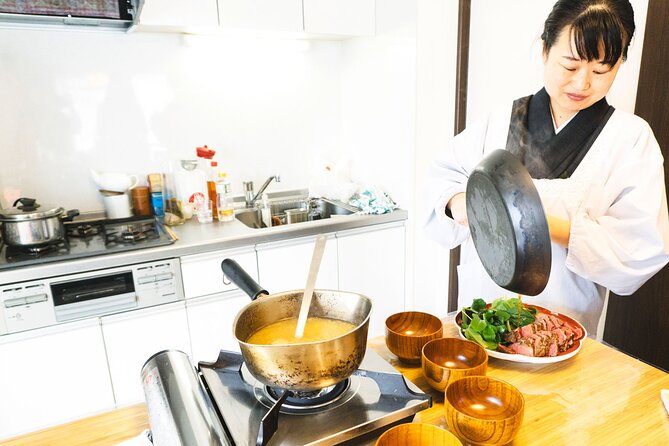
You’ll get a guided feel for how the dishes fit together, and then you move from talking to doing. You’ll put on your apron, roll up your sleeves, and jump into the kitchen work.
The Cooking Class Format: Live Demo Plus Hands-On Cutting and Cooking
The class runs about 3 hours total, with roughly 1.5 hours of active cooking time. It’s not a sit-and-watch show. The structure is part demonstration, part hands-on.
Here’s the balance that makes this feel efficient:
- Yoko preps some components so the kitchen rhythm stays smooth.
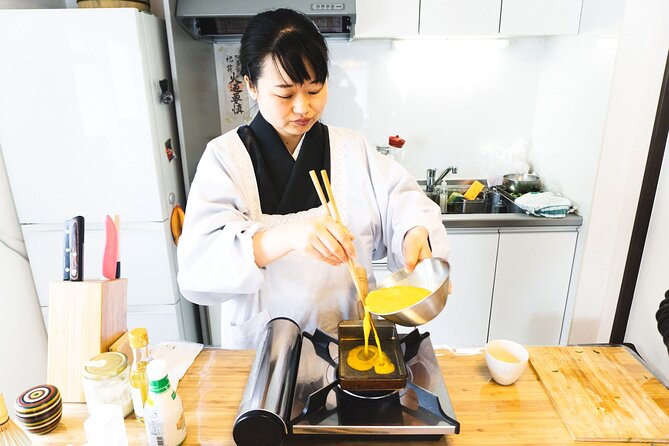
- You participate in the cutting and cooking steps for multiple dishes.
- You end up with enough personal involvement that the meal doesn’t feel like you’re just being served.
A key detail to understand: the overall lesson centers on five different Japanese specialties, but during the hands-on cooking portion you’ll make 3 dishes from scratch. The other elements are part of the class flow, so you still learn the overall lineup even if not every single item starts with you from scratch.
That’s a good trade for most people. You get the skill-building payoff without spending the entire time doing prep that can drag on in a small apartment kitchen.
Flour on your hands, more Osaka kitchens to try
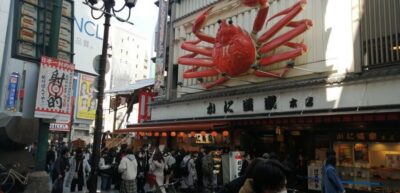


What You’ll Cook: Classic Dishes and Ingredient Skills You Can Reuse
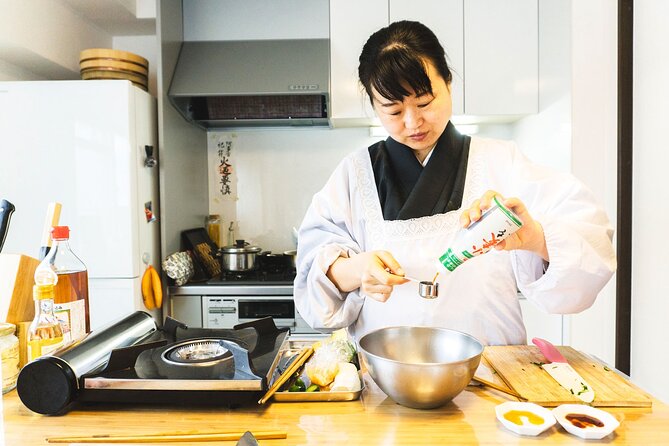
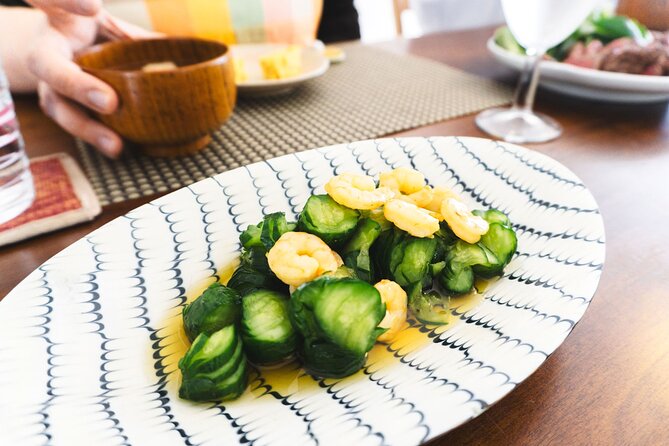
Menu varies depending on the season, so don’t lock in expectations for one exact dish. Still, the experience is designed around classic Japanese cooking markers.
Based on what you might encounter, the menu could include:
- Sushi elements
- Japanese pancakes
- Japanese fried chicken
- A sweet finish like green tea ice cream
Even when the dish names change, the real value is the technique set. You’ll practice how Japanese flavors come together through ingredient choices and timing. You’ll also hear Yoko’s tips on how to adapt what you learn when you’re back home with more limited access to Japanese products. That kind of guidance is gold, because ingredient availability is the real challenge after the trip.
If you’re vegetarian or vegan, you can request a modified menu at booking. That’s the smart move if you have dietary needs, because it gives Yoko time to plan how to keep flavors and textures on track.
Sake Tasting at Home: A Simple Bonus That Fits the Meal
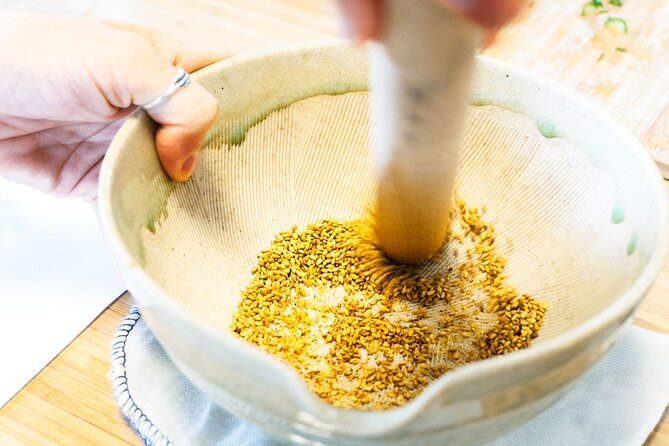
One of the included perks is a sake tasting. The practical upside here is timing and context. You’re tasting as part of the meal, which makes the pairing feel natural instead of like a separate activity.
Also, the home setting changes how tasting usually feels. There’s no big production line—just a relaxed moment tied to the flavors you just cooked.
If you don’t drink, you should still consider whether you’d be comfortable with alcohol being part of the experience. The data you shared doesn’t say how substitutions are handled, so if that matters to you, it’s worth sending a question when you book.
Eating Together: The Meal Becomes the Final Lesson
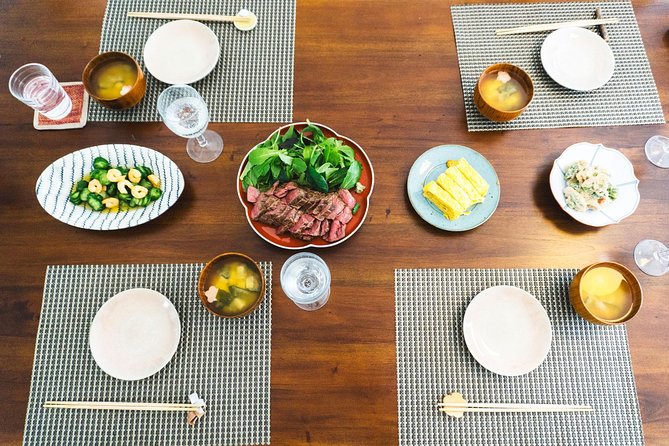
After cooking, you sit down and eat what you made. This is where everything clicks, because you taste the dishes right after learning the method.
This meal can include sushi, pancake, or Japanese fried chicken, plus the dessert finish of green tea ice cream. It’s also home-style, so portions and plating may feel more casual than what you’d expect at a fancy restaurant. The payoff is that it feels earned.
I also like that the class includes the experience of sharing the table with Yoko. It turns the meal from just food into conversation—especially if you’re curious about cooking choices, ingredient swaps, and everyday Japanese life.
What Makes Yoko’s Teaching Different: Tips You’ll Actually Use
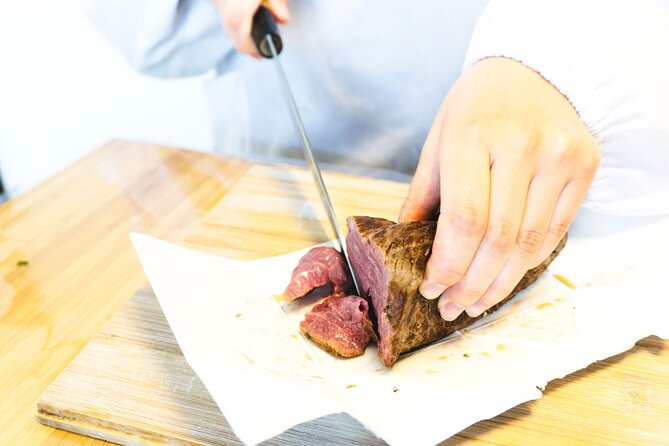
One of the strongest themes in the experience is Yoko’s teaching style. You’re not just handed steps. You’re guided through choices, and you get permission to ask questions while you cook.
The best part is the practical side of her advice—especially tips for adapting recipes later. Many people can find a recipe online, but few lessons help you translate flavors when you don’t have the same stores back home. If you’re the type who likes cooking after travel, this class is designed for you.
Also, the experience is positioned as visiting a local home rather than a commercial class. That shows up in the pacing. It feels personal, not scripted.
And yes, there’s value in the fact that she has a published book, and it may be part of the materials you can order and read afterward. That’s a nice bridge between the cooking session and your home practice.
Value and Price: When $182 Makes Sense
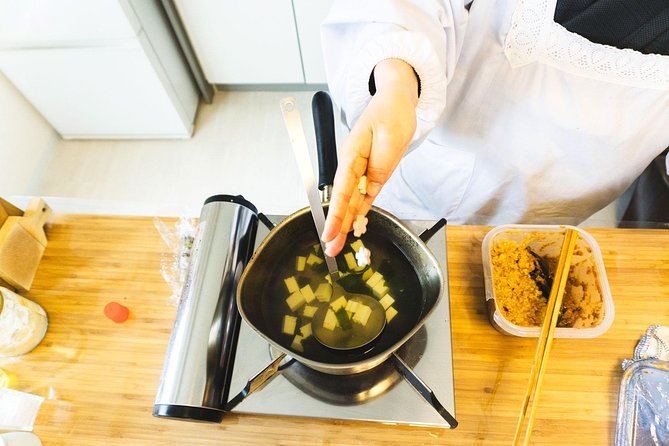
At $182 per person, this is not a bargain-class. But it also isn’t trying to be. The value is in three areas:
- Private experience in a real home: You’re not competing with a schedule full of strangers in a commercial kitchen.
- Instructor-led skill building: You cook 3 dishes from scratch, and learn how ingredients like seaweed and dried fish function in Japanese cooking.
- Meal + sake tasting included: You’re getting an evening of food, instruction, and tasting, not just a cooking lesson.
If you want a hands-on night with a chef and a meal you can recreate, the price can feel fair. If your priority is sampling many different street foods across Osaka, then this won’t replace that kind of day. It’s a focused experience.
Who Should Book This Cooking Class in Osaka?
This experience fits best if you:
- Want a hands-on cooking session, not just watching
- Enjoy learning how ingredients work, not only copying recipes
- Like Japanese food and want a structured way to cook classic dishes
- Prefer a private setting where you can ask questions
- Have dietary needs and want a plan (vegetarian and vegan options are available)
It may be less ideal if you:
- Don’t want to travel by subway to a meeting point
- Prefer restaurant-style food over home-style cooking
- Want a strict list of dishes guaranteed regardless of season
Before You Go: Small Details That Make the Night Easier
Here are a few practical moves that help you enjoy the evening more:
- Plan to arrive near the station on time. The class starts at Minami-Morimachi Station.
- Bring your appetite. You’ll cook and then eat a full meal with dessert.
- Think about dietary needs early. If you’re vegetarian or vegan, request it at booking.
- Expect seasonal menu changes. If there are dishes you care about most, ask what’s likely during your season before you go. The data says menu may vary, so flexibility is part of the deal.
And because this is a home setting, keep in mind it’s typically a smaller space than a restaurant kitchen. The goal is comfort and learning, not speed.
Should You Book This Osaka Cooking Class?
If you want an evening that feels like Japanese home cooking with a real culinary expert, this is an easy yes. The standout strengths are the private home format, the hands-on cooking time, and the way Yoko teaches so you can use the techniques later.
Book it if you’re excited to cook classic flavors and you’d love a meal that you actually made. Pass if you need hotel pickup, or if you only want a fixed menu with zero seasonal variation.
For most people who come to Osaka chasing food that goes beyond street snacks, this is one of the more satisfying ways to spend a few hours: you leave with both dinner in your stomach and cooking know-how in your head.
FAQ
How long is the Japanese cooking class in Osaka?
The class lasts about 3 hours (approximately).
Where do I meet Yoko, and is pickup included?
You meet at Minami-Morimachi Station (start point listed as 2 Chome-1 Minamimorimachi, Kita Ward, Osaka, Japan). Pickup from Minami-Morimachi station is included, and the tour ends back at the meeting point. Hotel pickup and drop-off are not included.
What dishes are included in the class?
You’ll learn classic Japanese dishes and prepare five different specialties. The exact menu may vary by season, but examples of what it may include are sushi, Japanese pancakes, or Japanese fried chicken, plus green tea ice cream.
Is the experience private?
Yes. It’s a private, personalized experience, and only your group will participate.
Can I request a vegetarian or vegan menu?
Yes. Vegetarian and vegan options are available. You should advise your dietary requirements at the time of booking.
Is sake tasting included?
Yes. Sake tasting is included with the experience.
Your Osaka, at Your Pace
- Private Osaka Walking Tour: Highlights & Hidden Gems★ 5.0 · 569 reviews
- Osaka 4hr Private Tour with Government-Licensed Guide★ 5.0 · 314 reviews
- 3/4/5 Hours Private Tour in Osaka with Local Guide★ 5.0 · 189 reviews
- Osaka’s Best and Brightest: Private Full-Day Tour by Vehicle★ 5.0 · 147 reviews
- Kyoto & Nara Private customized tour with English speaking Guide★ 4.5 · 99 reviews
Cook It Yourself in Osaka
- Sushi Making Osaka Roll and Authentic Japanese Sushi Class★ 5.0 · 1,220 reviews
- Osaka: Five Must-See Highlights Walking Tour & Ramen Lunch★ 4.7 · 411 reviews
- Osaka Sushi Making Experience★ 5.0 · 400 reviews
- Osaka: Ramen and Gyoza Cooking Class in Dotonbori★ 5.0 · 378 reviews
- Osaka: Sumo Stage Show with Bento or Snack + Fight & Photo★ 4.3 · 364 reviews
The Kuidaore List: Eat More of Osaka
- Osaka: Shinsekai Food Tour with 13-15 Dishes at 5 Eateries★ 4.8 · 2,204 reviews
- Osaka Food Tour: 13 Dishes at 5 Local Eateries★ 5.0 · 2,149 reviews
- Hungry Osaka Street Food Tour:15 Tastings & 3 Drinks with a Local★ 5.0 · 1,727 reviews
- Deep Backstreet Osaka Tours (Option to add Dinner)★ 5.0 · 1,290 reviews
- Osaka Local Foodie Walking Tour in Dotonbori and Shinsekai★ 5.0 · 985 reviews
The Newest Osaka Write-Ups
- Private Photoshoot in Osaka with a Professional Photographer
★ 5.0 · 3 reviews - Osaka Early Morning Osaka Castle Tour Avoid Crowds
★ 5.0 · 3 reviews - Nara Private Tour with Pick and Drop and English Speaking Driver
★ 3.5 · 3 reviews - Osaka: Modern Vegetarian Sushi Cooking Class
★ 5.0 · 3 reviews - Nara Day Trip from Osaka with a Licensed Guide
★ 5.0 · 3 reviews
Osaka Food & Tasting Tours, compared.
 ★ 4.8Shinsekai Food Tour with 13-15 Dishes at 5 EateriesFrom $532,204 reviews
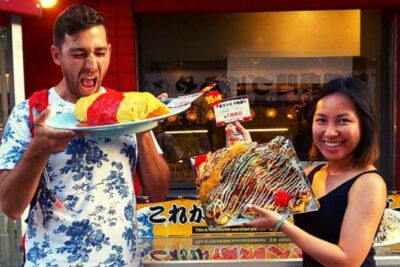 ★ 5.0Osaka Food Tour: 13 Dishes at 5 Local EateriesFrom $732,149 reviews
 ★ 5.0Hungry Osaka Street Food Tour:15 Tastings & 3 Drinks with a LocalFrom $731,727 reviews
 ★ 5.0Deep Backstreet Osaka Tours (Option to add Dinner)From $531,290 reviews
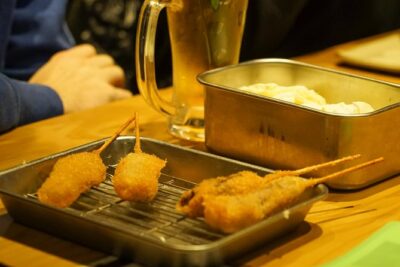 ★ 5.0Osaka Local Foodie Walking Tour in Dotonbori and ShinsekaiFrom $111985 reviews
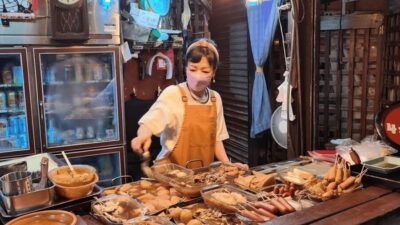 ★ 4.9Deep Backstreets Walking Tour with Dinner OptionFrom $40902 reviews
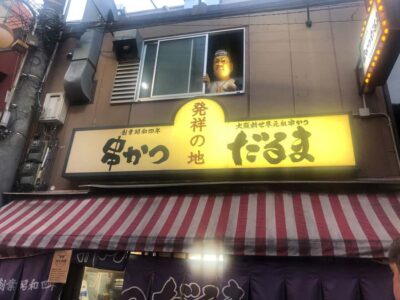 ★ 4.9Hungry Osaka Street Food Tour: 15 Dishes & 3 DrinksFrom $79694 reviews
 ★ 5.0Kuromon Market Food Walking Tour in Osaka (6 stops, 6 tastes)From $50550 reviews
Browse the lists this tour appears in