
Chill out with Zen, matcha, and incense. This 1-hour evening Zen session at a quiet Osaka temple gives you a calm, hands-on look at Japanese mindfulness, with lantern light, incense scent, and guided meditation. I like how the program is both practical and sensory: you do a real worship and incense ritual, then slow down with a special meditation using kneaded incense.
My other favorite part is the ending: chilled matcha tea, matcha ice cream, and traditional sweets served in a relaxed tea moment, capped with a simple yukata and a smartphone photo. The one consideration: you’ll sit for two 10-minute zazen rounds, so wear comfortable clothes and be ready for stillness.
In This Review
- Key Points You Should Know Before You Go
- Lantern-Lit Zen in Osaka: Why This Feels Different
- Temple Entry: Incense Worship With Real Meaning
- The Special Kneaded Incense Meditation Moment
- Zazen Practice: Two 10-Minute Rounds of Guided Stillness
- Matcha, Sweets, and a Cooler-Serving Tea Ceremony
- Yukata, Smartphone Photos, and the Calm That Comes From Small Groups
- Price and Time: Is $64 Worth 75 Minutes?
- What the Instructor Language Setup Means for You
- Best Moment to Go: Dusk, or a Slightly Earlier Evening
- Finding the Meeting Spot Without Getting Lost
- Should You Book This Osaka Temple Zen Chill Experience?
- FAQ
- How long is the experience?
- How many people are in the group?
- What languages are offered?
- What’s included in the Zen experience?
- Do you do zazen during the session?
- Is there a tea ceremony as part of the tour?
- Is the meditation guided?
- What should I wear?
- Where should I set the meeting point in Google Maps?
- Can I cancel?
Key Points You Should Know Before You Go
- Maximum 3 people means the pace stays gentle and the guidance feels personal
- Worship + incense offering comes with explanations, so you’re not just observing
- Kneaded incense meditation is a distinctive twist that’s meant to refresh your mind and body
- Two guided zazen sessions (10 minutes each) cover posture and breathing in plain terms
- Chilled matcha and matcha ice cream make the tea experience feel modern but rooted in tradition
- Yukata + smartphone photo turns the calm evening into a keepable memory
Quieter corners: more Osaka temples and shrines
Lantern-Lit Zen in Osaka: Why This Feels Different
This is the kind of Osaka experience that doesn’t try to pack in sight-seeing. Instead, it gives you a quiet block of time at a temple in Honshu, Japan, timed for dusk when lanterns glow and the setting feels softer around the edges.
You’ll hear Japanese music, smell incense, and settle into a slow rhythm. That matters because Zen isn’t only the posture. It’s the whole atmosphere, including what your senses notice while your mind gets quieter.
Temple Entry: Incense Worship With Real Meaning
The session begins with a sacred Buddhist worship and incense offering. You’re not left guessing what you’re doing. You get explanations of the history and significance behind the ritual, so the gestures make sense instead of feeling random.
You’ll also learn what the incense is meant to represent in the practice. In plain terms, it’s a way to shift your attention. The scent becomes an anchor, so you can focus on the present instead of planning the next thing to do in Osaka.
The Special Kneaded Incense Meditation Moment
Next comes a special meditation using kneaded incense. This is one of the most distinctive parts of the experience, and it’s built around the idea of clearing and refreshing your mind and body.
Even if you’ve never meditated before, the guidance is designed to make the technique approachable. You’ll be guided through what to do and what to notice, so you can focus on staying with the process rather than trying to “do it perfectly.”
Osaka once the neon takes over


Zazen Practice: Two 10-Minute Rounds of Guided Stillness
After that incense meditation, you’ll do two rounds of zazen. Each session is 10 minutes, and both are expertly guided with insights into origins, meaning, posture, and breathing techniques.
Here’s why this format works. Short rounds keep your attention from drifting, and you get a second chance to reset and improve your focus. You’re likely to notice your body settling in the second round, especially when you’re paying attention to breathing instead of forcing calm.
Posture matters in zazen, and you’ll be coached on what to do and how to hold yourself. If you’re the type of person who always wants to know the “why,” you’ll appreciate that the guide ties technique to meaning, not just instructions.
Matcha, Sweets, and a Cooler-Serving Tea Ceremony
The finish line is a refined tea experience built around chilled matcha tea and matcha ice cream, plus original Japanese sweets. It’s one of those endings that doesn’t feel like a random snack break. It feels like part of the same mindset shift.
Chilled matcha is a great detail for an evening session because it helps you stay present. Warm tea can make you sleepy; cool tea can keep you alert while still relaxed. You also learn about the deep spirit behind the tea ceremony—why it’s done slowly and how it connects to mindfulness.
If you care about taste as well as culture, this is a big win. The sweetness of matcha ice cream and the accompanying sweets give you a gentle reward without turning the session into a food tour.
Yukata, Smartphone Photos, and the Calm That Comes From Small Groups
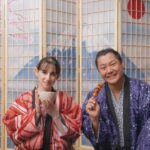
You’ll wear a simple yukata during the experience. It’s not just for photos. Putting on the yukata helps you shift modes from ordinary street pacing into “temple time,” where you behave a little more quietly without anyone needing to tell you.
You also get a photo taken with your smartphone. That’s a practical touch because you don’t have to worry about handing your phone to strangers or trying to frame yourself in lantern light. Your guide handles it, and you go on feeling relaxed instead of stressed.
With a small group limited to 3 participants, you also avoid that awkward feeling of being herded. People who want space to ask questions and take notes about what they’re learning tend to like this setup a lot.
Price and Time: Is $64 Worth 75 Minutes?
At $64 per person for about 75 minutes total, the key question is value: what are you actually buying?
You’re paying for more than a seat and a bowl of matcha. You’re getting a structured sequence: worship and incense offering with explanations, kneaded incense meditation, two guided zazen rounds, and a tea experience with chilled matcha, matcha ice cream, and sweets. You also get the yukata and the smartphone photo.
That’s why the price can make sense. Similar experiences sometimes only cover one piece—either meditation or tea. Here, you get the full chain: ritual, technique, then taste as closure. And because it’s capped at 3 participants, the guidance doesn’t feel like it’s written for a crowd.
One practical note about timing: the total duration is listed as 75 minutes, while the experience time itself is 60 minutes. Plan on the full 75 minutes as the smoother window so you’re not rushing before or after.
What the Instructor Language Setup Means for You
The instructor is Japanese and English. That matters if you want to understand the “why” behind each action, not just copy movements.
The session is structured so you can follow along in a way that fits your comfort level. You’ll get explanations during the worship and meditation parts, plus context around posture and breathing in zazen. If you’re at an intermediate level, you’ll still find it helpful; if you’re brand-new, it keeps the experience grounded instead of mystical in a vague way.
Best Moment to Go: Dusk, or a Slightly Earlier Evening
This experience is designed for an evening temple atmosphere, with lantern light at dusk. That’s part of the appeal: the setting helps you slow down fast.
Still, timing is personal. One strong piece of advice from the experience history is that afternoon can also work well, especially if you prefer to avoid the feeling of late-evening chill. If you’re flexible, choose the time that keeps you comfortable enough to sit still without thinking about your body the whole time.
Finding the Meeting Spot Without Getting Lost
Do yourself a favor and use the exact Google Maps hint. When setting your pin, enter Japanese Massage -the one&only-. If you use the temple’s name, you may end up at the back entrance and get turned around.
If you still can’t find it, search for the restaurant Tossa de coracao . The meeting point is right next to it. It’s a small detail, but it can save you a stressful scramble before you’re supposed to be calm.
Should You Book This Osaka Temple Zen Chill Experience?
You should book if you want a genuine pause in Osaka, with guided mindfulness that includes the meaning behind each step. This is a good choice when you like structured calm: worship and incense, then clear meditation guidance, then matcha and sweets as a quiet landing.
You might skip it if you’re expecting a long sightseeing-style temple visit or if you prefer very active experiences. This is about stillness and taste, not walking and photo stops every two minutes.
If you like experiences with a high bar for attention to detail, this one has strong momentum: it’s rated 4.9 from 10 reviews. The repeated themes are care, no-rush guidance, an intimate tea ceremony, and leaving feeling mentally focused again.
FAQ
How long is the experience?
The total duration is about 75 minutes, with the experience time listed as 60 minutes.
How many people are in the group?
The group is small, limited to 3 participants.
What languages are offered?
The instructor speaks Japanese and English.
What’s included in the Zen experience?
Included items are worship and incense burning, Zen meditation, matcha experience, original Japanese sweets, a simple yukata, and a photo taken with your smartphone.
Do you do zazen during the session?
Yes. You’ll do two 10-minute zazen (seated meditation) sessions with guidance.
Is there a tea ceremony as part of the tour?
Yes. You’ll have a refined tea experience with chilled matcha tea and matcha ice cream, plus Japanese sweets.
Is the meditation guided?
Yes. The zazen sessions are expertly guided, and you’ll also be guided through the special meditation using kneaded incense.
What should I wear?
Wear comfortable clothes. You’ll be provided a simple yukata as part of the experience.
Where should I set the meeting point in Google Maps?
Use the search term Japanese Massage -the one&only-. If needed, search for the restaurant Tossa de coracao, since the meeting spot is right next to it.
Can I cancel?
Yes. Free cancellation is available up to 24 hours in advance for a full refund.
More Tour Reviews in Osaka
- Osaka Go Karting Tour with Funny Costume★ 5.0 · 2,658 reviews
- Osaka Castle: Museum and Tower Entry Ticket★ 4.5 · 2,380 reviews
- Osaka: Shinsekai Food Tour with 13-15 Dishes at 5 Eateries★ 4.8 · 2,204 reviews
- Osaka Food Tour: 13 Dishes at 5 Local Eateries★ 5.0 · 2,149 reviews
- Hungry Osaka Street Food Tour:15 Tastings & 3 Drinks with a Local★ 5.0 · 1,727 reviews
Osaka Under Neon
- Osaka Nighttime tour★ 5.0 · 270 reviews
- Osaka After Dark: Small-Group Night Food Tour (Max 6)★ 4.5 · 245 reviews
- OSAKA NIGHT FUSION Japanese Taiko Kabuki Samurai Dance Show★ 4.8 · 155 reviews
- Osaka: Bar-Hopping Night Tour in Namba★ 4.7 · 117 reviews
- Osaka: Dark Side of Osaka Night Walking Tour★ 4.9 · 89 reviews
Temple Gates and Shrine Paths
- Osaka: Minoh, Katsuoji Temple, & Minoh Falls Full-day Tour★ 4.9 · 172 reviews
- Full Day Kyoto Tour : Bamboo Forest, Golden Temple, Fushimi Inari★ 5.0 · 84 reviews
- Osaka Temple Cool Foot Bath & Matcha Experience〈45min〉★ 4.9 · 82 reviews
- Osaka: Mind & Spirit Balance Temple Reiki Healing★ 5.0 · 41 reviews
- Katsuo-ji Temple, Arashiyama Forest, & Nara Park★ 4.0 · 37 reviews
The Newest Osaka Write-Ups
- Private Photoshoot in Osaka with a Professional Photographer
★ 5.0 · 3 reviews - Osaka Early Morning Osaka Castle Tour Avoid Crowds
★ 5.0 · 3 reviews - Nara Private Tour with Pick and Drop and English Speaking Driver
★ 3.5 · 3 reviews - Osaka: Modern Vegetarian Sushi Cooking Class
★ 5.0 · 3 reviews - Nara Day Trip from Osaka with a Licensed Guide
★ 5.0 · 3 reviews
Osaka Temples & Shrines, compared.
 ★ 4.9Minoh, Katsuoji Temple, & Minoh Falls Full-day TourFrom $135172 reviews
Full Day Kyoto Tour : Bamboo Forest, Golden Temple, Fushimi InariFrom $10584 reviews
★ 4.9Minoh, Katsuoji Temple, & Minoh Falls Full-day TourFrom $135172 reviews
Full Day Kyoto Tour : Bamboo Forest, Golden Temple, Fushimi InariFrom $10584 reviews
 ★ 4.9Osaka Temple Cool Foot Bath & Matcha Experience〈45min〉From $3482 reviews
 ★ 5.0Mind & Spirit Balance Temple Reiki HealingFrom $16141 reviews
 ★ 4.0Katsuo-ji Temple, Arashiyama Forest, & Nara ParkFrom $9137 reviews
 ★ 4.7Minoh Waterfall & Katsuo-ji Temple Half-Day TourFrom $4727 reviews
 ★ 5.0Osaka Half-day E-bike Adventure: Minoh Falls & Katsuoji TempleFrom $3425 reviews
 ★ 4.9Temple Tour and Traditional Calligraphy LessonFrom $2024 reviews
Browse the lists this tour appears in