
Reviewed · DOTONBORI & NAMBA TOURS
Nostalgic Osaka walk, totally different from Dotonbori
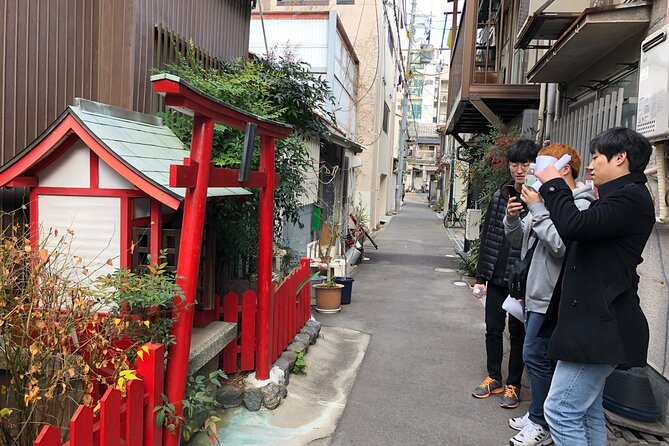
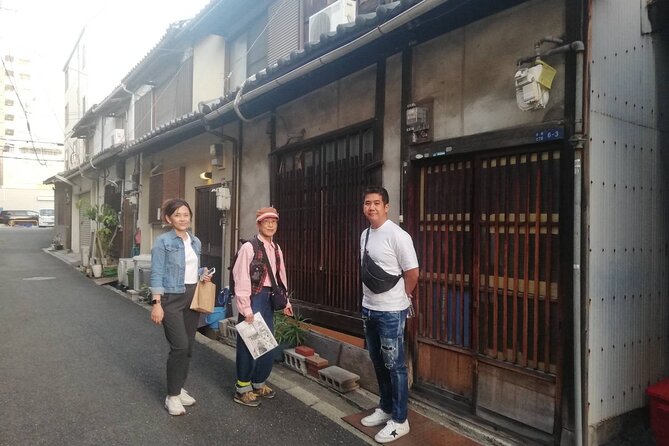
Quiet streets change how you see Osaka. This 2-hour small-group walk takes you through Karahori, a calm, older side of the city that feels a world away from Dotonbori’s neon crowds. I love how the stops are practical and hands-on, especially the tatami lesson at Inoue Seijosho. I also love that Chieko-san doesn’t just point at sights; she explains daily life and local shop culture while keeping the pace friendly. The main drawback to plan for is the walking—expect narrow lanes, a bit of uphill/downhill, and some time in alleyways.
You’ll come away understanding Osaka in a more human way: not just what to photograph, but how people actually live, shop, and socialize in a neighborhood that still has residents behind the scenes. If you’re expecting a big-ticket temple run, you might feel like you want more landmarks. But if you want older streets, crafts, and shopfront culture, this tour is a strong fit.
In This Review
- Key highlights at a glance
- Why Karahori Feels Nothing Like Dotonbori
- Price and Value for a Neighborhood Walk with Real Stops
- Start Point, Timing, and Walking Comfort
- Stop-by-Stop: Tatami, Machiya Lanes, Bonito, and Chocolate
- Stop 1: Inoue Seijosho for tatami materials and a making setup
- Stop 2: Karahori Shopping Street for local daily-life browsing
- Stop 3: A renovated old-house café moment
- Stop 4: Maruyo-shoten, a bonito shop with history
- Stop 5: chocolatier Ek Chuah in Karahori (Kura main shop)
- Stop 6: Len – Karahori Residence, a renovated commercial complex
- Final side-street detail: a hidden café beside an original moat wall
- How Chieko-san Makes It Feel Personal
- What You’ll Actually Want to Buy (and Eat) After This Walk
- Who This Tour Fits Best
- Should You Book This Nostalgic Osaka Walk?
- FAQ
- How long is the tour?
- What does the tour cost?
- Where is the meeting point?
- Is this a small group?
- What is included in the price?
- Are meals included?
- Are the stop entries free?
- What if I arrive late?
- Is it okay if the weather is bad?
Key highlights at a glance
- Karahori, not Dotonbori: a quieter neighborhood with older machiya houses and local rhythm
- Hands-on craft stop: see tatami making and materials up close at Inoue Seijosho
- Shop-street time: walk Karahori Shopping Street for real daily-life shopping vibes
- Old-house cafes and alley walking: a renovated hideaway café and side-street pauses
- Long-running food traditions: visit a long-established bonito shop dating to 1765 and a standout chocolate shop
Back under the Glico sign: more Dotonbori runs



Why Karahori Feels Nothing Like Dotonbori
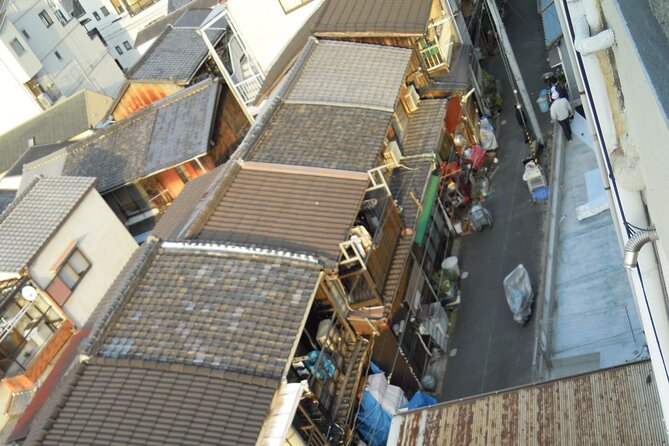
Osaka is famous for loud, fast, and in-your-face. Dotonbori delivers that in a big way. This walk does the opposite. You shift from headline Osaka to everyday Osaka by spending your time in Karahori, where older houses, narrow lanes, and neighborhood-scale shops do most of the talking.
The difference is more than just scenery. In Karahori, the goal is to help you notice details: how streets bend around old properties, what kinds of storefronts still survive, and how craft businesses and long-running food shops keep operating. That changes your Osaka “map” in your head. Instead of thinking only about where tourists go, you start seeing how locals might spend a morning: buying ingredients, chatting with shop owners, and popping into a café in an older building.
Chieko-san’s approach also matters. She’s warm, and she’s the kind of guide who seems to care about keeping good relationships with the people who actually live there. In practice, that means you’re guided through hidden paths with care—so you’re not turning someone’s quiet neighborhood into a spectacle.
Price and Value for a Neighborhood Walk with Real Stops
At $36.13 per person for about 2 hours, this isn’t a “rides and highlights” style tour. You’re paying for something more specific: direction, context, and a carefully chosen set of small, local stops that are hard to string together on your own.
Here’s why that matters for value. If you try to self-guide Karahori, you’ll probably miss the same kinds of places that make this tour work: the tatami materials and making setup, the older shopping streets, the renovated old-house café, and the specialty food shops. You might also spend more time figuring out where to go next than actually learning why these places are here.
The good news is that the tour keeps costs reasonable at the stop level. The featured stops list admission as free, and you’re provided bottled water. Meals and coffee/tea aren’t included, so you can choose what fits you. That flexibility lets you snack like a local without forcing you into a set menu.
And with a maximum group size of 6, the walk stays conversational instead of feeling like a headcount exercise. If you like asking questions—about culture, everyday life, or even small practical things like how neighborhoods work—you’ll get room to do that.
Start Point, Timing, and Walking Comfort
This tour starts and ends back at 6-chōme-2-24 Tanimachi, Chuo Ward, Osaka (542-0012). It runs in the morning or afternoon, depending on what schedule you pick. You’ll get a mobile ticket, and you’ll walk the full route back-to-back with the group.
Now for the practical part: this is walking-first. One review note that stuck with me is that it can feel like a lot of walking, sometimes with slight uphill or downhill. That doesn’t mean it’s strenuous, but it does mean you should wear shoes you’d happily walk in for a couple of hours on uneven, older streets.
Also, be on time. If you’re late by more than 15 minutes, you can’t join. That rule is there to respect the time of the other guests and keep the route smooth.
The tour is best when the weather is cooperative. It needs good weather, and if conditions are poor, you’ll be offered a different date or a full refund.
Osaka block by block, more routes on foot

Stop-by-Stop: Tatami, Machiya Lanes, Bonito, and Chocolate
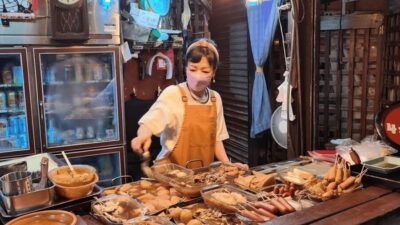
The route is built like a “slow day in old Osaka.” You start with craft, move to everyday street shopping, then shift into food and souvenir stops that give you a sense of what locals choose when they’re buying gifts (or just stocking up).
Stop 1: Inoue Seijosho for tatami materials and a making setup
Your first stop is Inoue Seijosho, where you can see how tatami mats are made and learn about the traditional materials. Even if you already know tatami exists, seeing the setup and materials up close helps the concept click into something physical and real.
Why I like this as a first stop: it gives you a theme for the whole walk. Tatami is tied to old Japanese interiors and traditional spaces. Once you understand that, the older neighborhood architecture starts to make more sense as you move through Karahori.
This stop is short (around 10 minutes) and listed as free admission, so it doesn’t eat up your time. It feels like a focused intro before you move into the more “lived-in” streets.
Stop 2: Karahori Shopping Street for local daily-life browsing
Next comes Karahori Shopping Street (about 1 hour). This is where the neighborhood vibe really shows up. You’re not just passing by shops; you’re walking through a local daily-life shopping street where regular routines seem to continue right under your feet.
What makes this segment special is the mix of commerce and atmosphere. You get to see older houses and machiya-style homes that can be over 100 years old in this area. As you walk, it becomes easier to understand how neighborhoods survive: not by freezing in time, but by staying functional.
A practical tip: take your time here. The best shopping street moments aren’t the ones where you rush to the next stop. They’re the ones where you slow down enough to notice details—signs, storefront styles, and the small differences between one shop and the next.
Stop 3: A renovated old-house café moment
About 15 minutes into the route, you’ll visit a café in a renovated old house. This is a nice break from the “walk, look, move” rhythm and a chance to reset in an older space.
It’s also a reminder that Osaka neighborhoods aren’t just for retail. People actually take time here. And because it’s tucked away, it feels more like a local find than a tourist pit stop.
If you like buying small food souvenirs, this is one of the stops that can give you ideas beyond standard airport snacks.
Stop 4: Maruyo-shoten, a bonito shop with history
Then you hit Maruyo-shoten, a bonito shop established in 1765 (over 250 years). A stop like this is more than a fun story. It’s a chance to understand how long-running specialty food shops fit into Japanese daily life: stable, trusted, and passed through generations.
You’ll get to know what’s considered authentic bonito. Even if you don’t buy anything, listening and comparing what you learn against what you’re used to at home helps you make sense of flavors you might see later in Japanese cooking.
This one is short (around 5 minutes), but it’s a memorable “food culture” checkpoint.
Stop 5: chocolatier Ek Chuah in Karahori (Kura main shop)
Next is Ek Chuah’s Karahori Kura main shop. This is a chocolate stop, and the tone here is different from the bonito. Instead of talking primarily about tradition in ingredients and craft, you’re guided toward a shop experience that’s tied to local preference and gifting culture.
One thing that stood out from the reviews is that people really liked the idea of buying items here that you’re less likely to find at airport souvenir stores. That matches my thinking: if you’re spending money on a small food gift, it should feel like you brought it from the place where it belongs.
Stop 6: Len – Karahori Residence, a renovated commercial complex
Len – Karahori Residence is a traditional house refurbished into a commercial complex. This is the “how old becomes useful” stop. You see how heritage spaces can be repurposed without losing their identity.
If you enjoy browsing for unique souvenirs (not the obvious mass-market stuff), this is where you can slow down and look without feeling like you’re on a scavenger hunt.
Final side-street detail: a hidden café beside an original moat wall
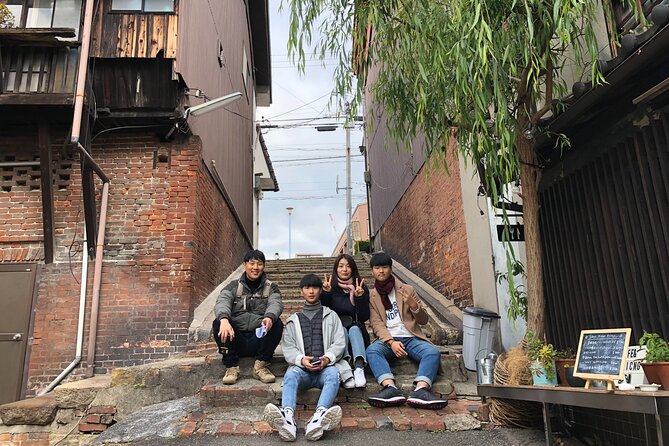
The last segment is an alley-style café that pairs with a striking neighborhood feature: an original moat wall from the 15th century, still remaining beside the café area.
This is the kind of detail that makes a neighborhood walk worth it. You’re not learning the moat wall from a brochure panel. You’re seeing it in context—next to daily life, in the space where people still move around.
It’s a small ending, but it gives your brain a last “aha”: Osaka’s older layers are literally part of what’s around you, not sealed away behind ticketed attractions.
How Chieko-san Makes It Feel Personal
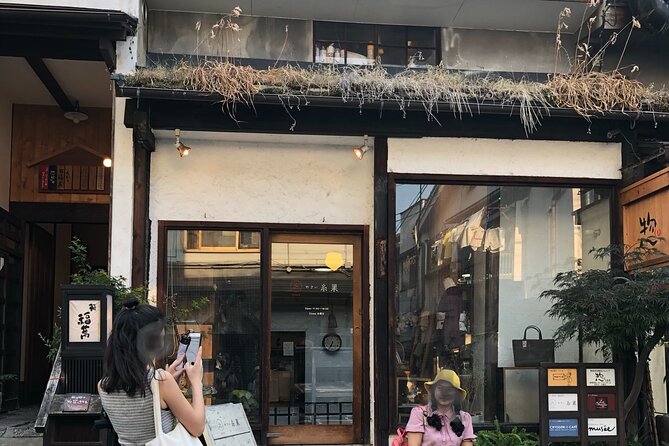
A good walking tour can be accurate and still feel generic. The big strength here is that Chieko-san’s guidance feels tailored without becoming chaotic.
From the review notes, one theme pops up: she gives warm commentary, answers questions about everyday life and history, and also adjusts when people show interest (including extra focus on cats for guests who care about that). She also stays respectful about where you walk, emphasizing not disturbing residents during the hidden-path parts of the route.
That respect has a practical outcome for you. It means the tour stays smooth in narrow lanes. You’re not being pushed through at full speed, and you’re not creating pressure on residents. The group also stays small enough (max 6) for questions and small conversation to happen naturally.
What You’ll Actually Want to Buy (and Eat) After This Walk
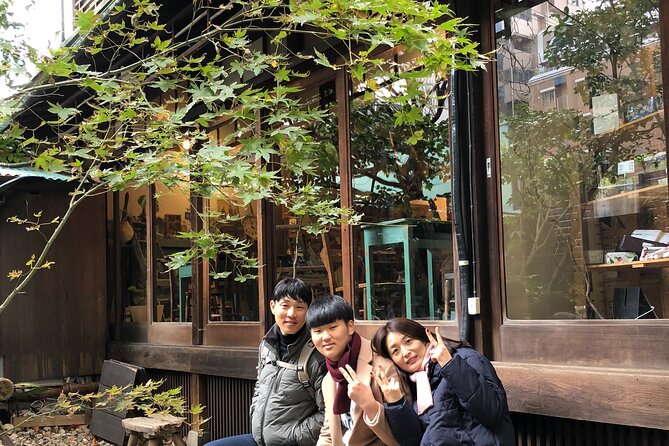
This tour leans into small-shop buying—smart gifts, snacks, and crafts that feel like they came from a real neighborhood.
Here’s the pattern that helps you shop well on a guided route:
- Start with food traditions (bonito at Maruyo-shoten).
- Add a treat you’ll actually eat (Ek Chuah chocolate).
- Look for something tactile or decorative (tatami craft context and renovated-houses shopping).
- Finish with shop ideas in a place that makes sense for souvenirs (Len – Karahori Residence and the café stops).
Meals aren’t included, but that’s not a downside. It gives you freedom to decide whether you want a full meal after the tour or just a snack right from one of the local spots you pass. Coffee and tea are also on your own dime, so you can choose based on what your group feels like doing at the time.
And because the tour is built around places that aren’t designed mainly for package-tour shopping, it’s a good way to avoid the feeling of coming home with souvenirs that look nice but don’t taste or feel like the place you visited.
Who This Tour Fits Best
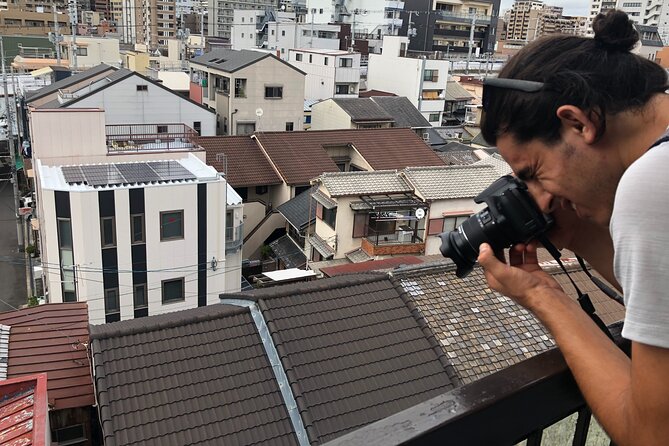
If you fit any of the following, you’ll likely love this:
- You’ve already done the big Osaka hits and want a quieter angle
- You like neighborhoods where you can see how older houses still function
- You want shop culture and everyday life, not just photo stops
- You enjoy craft topics like tatami and want to understand what makes things traditional
- You’re comfortable walking for about 2 hours, including some slight slope and alley paths
If you hate walking, need lots of wide open spaces, or are short on time for one tight route, you might find it less satisfying than a more transport-based tour. But if you can handle steady walking and you enjoy small discoveries, this is one of the more memorable ways to experience Osaka beyond the obvious.
Should You Book This Nostalgic Osaka Walk?
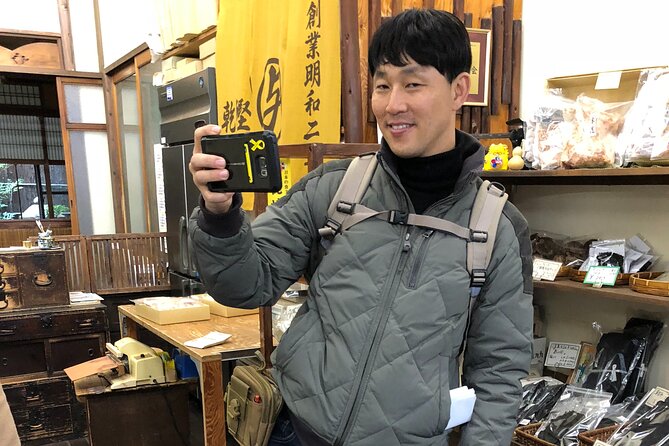
Yes—if your goal is to see Osaka as a lived-in city, not a highlight reel.
Book it when you want local rhythm, short stops with real meaning (tatami, bonito, chocolate), and a guide who keeps the neighborhood respectful and understandable. It’s also a great use of time if you’re already tired of Dotonbori energy but still want to get a strong sense of the city’s older layers.
Skip it only if you’re expecting major monuments, minimal walking, or a meal-included food tour. For a focused, small-group neighborhood experience that gives you details you can’t easily piece together alone, this one’s a solid choice.
FAQ
How long is the tour?
It lasts about 2 hours.
What does the tour cost?
The price is $36.13 per person.
Where is the meeting point?
The tour meets at 6-chōme-2-24 Tanimachi, Chuo Ward, Osaka, 542-0012, Japan.
Is this a small group?
Yes. The group size is limited to a maximum of 6 travelers.
What is included in the price?
Bottled water is included.
Are meals included?
No. Meals are not included, and you’ll need to buy anything you want to eat or drink on your own.
Are the stop entries free?
The listed stops are marked as free admission in the tour schedule.
What if I arrive late?
If you are late by more than 15 minutes, you cannot join the trip so the schedule stays respectful for the rest of the group.
Is it okay if the weather is bad?
The tour requires good weather. If it’s canceled due to poor weather, you’ll be offered a different date or a full refund.
More Tour Reviews in Osaka
- Osaka Go Karting Tour with Funny Costume★ 5.0 · 2,658 reviews
- Osaka Castle: Museum and Tower Entry Ticket★ 4.5 · 2,380 reviews
- Osaka: Shinsekai Food Tour with 13-15 Dishes at 5 Eateries★ 4.8 · 2,204 reviews
- Osaka Food Tour: 13 Dishes at 5 Local Eateries★ 5.0 · 2,149 reviews
- Hungry Osaka Street Food Tour:15 Tastings & 3 Drinks with a Local★ 5.0 · 1,727 reviews
Osaka at Street Level
- Osaka Local Foodie Walking Tour in Dotonbori and Shinsekai★ 5.0 · 985 reviews
- Osaka: Deep Backstreets Walking Tour with Dinner Option★ 4.9 · 902 reviews
- Ultimate Osaka Walking Tour: Castle, Dotonbori & Hidden Gems★ 5.0 · 862 reviews
- Osaka: Main Sights and Hidden Spots Guided Walking Tour★ 4.9 · 702 reviews
- Private Osaka Walking Tour: Highlights & Hidden Gems★ 5.0 · 569 reviews
Dotonbori and Namba, Round Two
- Osaka Local Foodie Walking Tour in Dotonbori and Shinsekai★ 5.0 · 985 reviews
- Osaka: Dotonbori District River Cruise with Drink Discount★ 4.2 · 876 reviews
- Ultimate Osaka Walking Tour: Castle, Dotonbori & Hidden Gems★ 5.0 · 862 reviews
- Tea Ceremony Experience in Osaka Doutonbori★ 5.0 · 754 reviews
- Osaka: Namba Pub Bar Crawl with a Local Guide★ 4.9 · 424 reviews
The Newest Osaka Write-Ups
- Private Photoshoot in Osaka with a Professional Photographer
★ 5.0 · 3 reviews - Osaka Early Morning Osaka Castle Tour Avoid Crowds
★ 5.0 · 3 reviews - Nara Private Tour with Pick and Drop and English Speaking Driver
★ 3.5 · 3 reviews - Osaka: Modern Vegetarian Sushi Cooking Class
★ 5.0 · 3 reviews - Nara Day Trip from Osaka with a Licensed Guide
★ 5.0 · 3 reviews
Dotonbori & Namba Tours, compared.
 ★ 5.0Osaka Local Foodie Walking Tour in Dotonbori and ShinsekaiFrom $111985 reviews
 ★ 4.2Dotonbori District River Cruise with Drink DiscountFrom $12876 reviews
 ★ 5.0Ultimate Osaka Walking Tour: Castle, Dotonbori & Hidden GemsFrom $73862 reviews
 ★ 5.0Tea Ceremony Experience in Osaka DoutonboriFrom $20754 reviews
 ★ 4.9Namba Pub Bar Crawl with a Local GuideFrom $30424 reviews
 ★ 5.0Ramen and Gyoza Cooking Class in DotonboriFrom $70378 reviews
Dotonbori River Cruise with Glico Sign & Neon ViewsFrom $12376 reviews
★ 5.0Ramen and Gyoza Cooking Class in DotonboriFrom $70378 reviews
Dotonbori River Cruise with Glico Sign & Neon ViewsFrom $12376 reviews
 ★ 3.9Dotonbori’s Bridges 20-Minute CruiseFrom $12303 reviews
Browse the lists this tour appears in