
Reviewed · OSAKA BY NIGHT
Osaka Night Photography Workshop
Osaka at night turns on fast.
This workshop is interesting because you’re not just aiming a camera at neon. You get step-by-step coaching for manual settings and practical shooting methods with a guide who adjusts to your level, including pacing that works for first-timers. A real consideration: expect a lot of walking, and if you shoot hard, your battery may run down.
I especially like how the focus stays on skills you can use again tomorrow: the exposure triangle, composition, timing, and light-trail technique. Another strong point is the guide flexibility—Irven Lewis has a reputation for being willing to take you to photo spots beyond the usual track when you ask.
The main drawback isn’t the instruction. It’s stamina. Three hours after dark in busy areas adds up, so comfortable shoes matter.
In This Review
- Key things you’ll notice before you book
- What a 3-Hour Osaka Night Photo Workshop Changes for Your Photos
- Manual Settings, Tripods, and the Exposure Triangle at Night
- Dotonbori, Nipponbashi, Shinsekai, and Tennōji After Dark
- How Light Trails and Timing Fit In (Optional Evening Session)
- Photo Review and Feedback That Helps You Improve Fast
- A Guide Who Matches Your Level and Your Style
- Gear Options: DSLR, Mirrorless, and Smartphone-Friendly Guidance
- Walking, Battery Life, and How to Finish With Photos You Like
- Price and Value: Is $200 Worth a Private 3-Hour Workshop?
- Should You Book This Osaka Night Photography Workshop?
- FAQ
- How long is the Osaka Night Photography Workshop?
- What does the workshop cost?
- What kinds of cameras does the guide support?
- Is the tour good for beginners?
- What shooting skills will we work on?
- Do we use a tripod?
- Where will we go to photograph?
- Is there an optional session for night effects?
- What should I bring?
- Is food included?
- FAQ
- Is this workshop private?
- What language is the guide?
- What’s the cancellation policy?
- Is reserve now and pay later available?
- Is the tour wheelchair accessible?
Key things you’ll notice before you book
- Real coaching, not just a stroll: You practice manual control and get feedback on your shots.
- Night photography fundamentals: Exposure triangle basics are taught with the lighting conditions you actually face at night.
- A focused Osaka route: You start in Dotonbori, move through Nipponbashi and Shinsekai, then train to Tennōji.
- Light trails are part of the plan: You can add an optional session for illuminated scenes and timing-based effects.
- All camera types welcome: DSLR, mirrorless, and even smartphones can fit the instruction approach.
- Private group feel: You get more individual attention than you’d get in a large group tour.
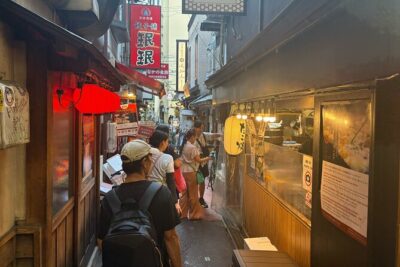
Osaka once the neon takes over

What a 3-Hour Osaka Night Photo Workshop Changes for Your Photos
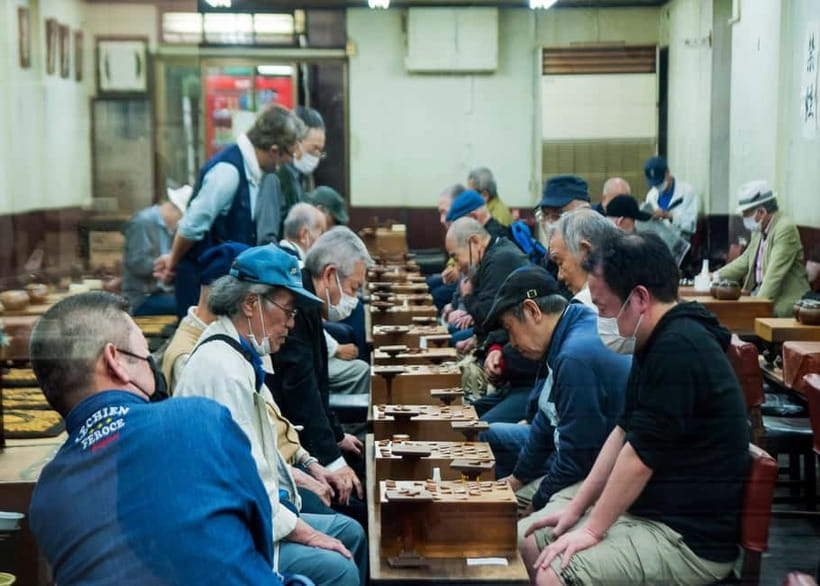
Night photography can feel like a black box: your camera sees bright neon, but your photos come out flat, blurry, or both. This workshop is built to fix that with hands-on instruction in a tight time window. At $200 per person for three hours, you’re paying for coaching and time with a guide who can steer your settings and your subject choices while the city is still lit.
I like the clarity of the promise: it’s for absolute beginners learning camera basics, and also for more advanced shooters who want a guide to point out strong photo spots. In practice, that means you should expect direct guidance on what to change, not just where to stand.
A private group format helps here. Even if you’re going alone, the pace is kept in check so you can actually try what you’re being taught rather than rushing to the next stop.
Manual Settings, Tripods, and the Exposure Triangle at Night
The heart of the workshop is technical, but it’s taught in a practical way for real street scenes. You work on the exposure triangle—aperture, ISO, and shutter speed—with an emphasis on how each one affects your results after dark.
You’ll also learn how to work with a tripod. That matters because nighttime light is trickier: if your shutter speed is too slow, you get motion blur; if it’s too fast, you may lose the glow and trails that make night photos special. With tripod technique and manual control, you can slow things down on purpose and keep frames sharp.
Composition and framing get specific attention too. Night scenes can tempt you to photograph everything, but the workshop encourages you to build a shot that has a clear subject and a strong arrangement of lights and lines. You practice subjects, angles, and framing choices so your photos look intentional, not accidental.
And yes—timing is part of the skill set. You’re taught how to work with changing light, movement, and crowds so you can capture the energy without losing focus on your subject.
Dotonbori, Nipponbashi, Shinsekai, and Tennōji After Dark
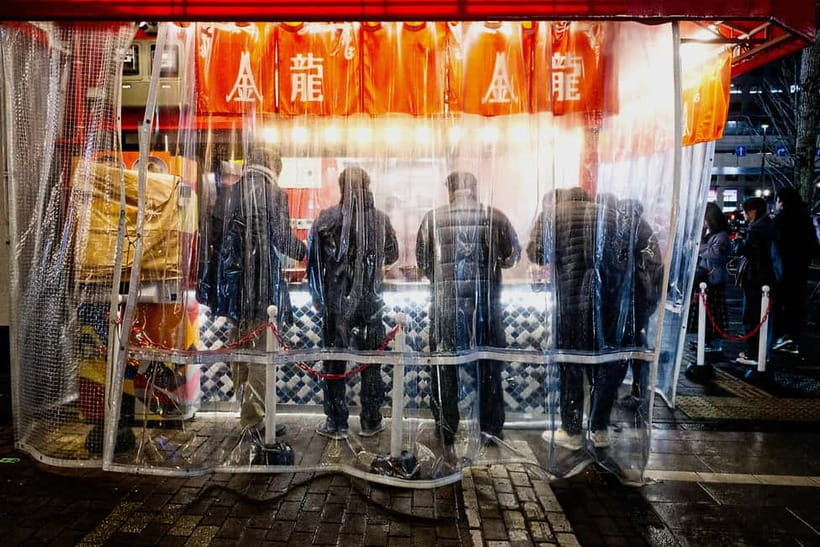
The route is designed around neighborhoods that photograph well at night, not just places that look good in daytime. It starts in Dotonbori, moves to Nipponbashi, then heads to the nostalgic streets of Shinsekai before taking a train to Tennōji.
Here’s why that sequence works for photography:
Dotonbori
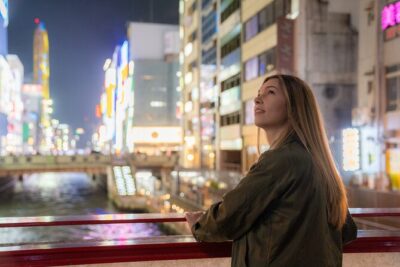
This is where you get neon density—signs, reflections, and street-level energy. It’s a great starting point because it gives you lots of subject options quickly. If you’re learning manual mode, it also gives you contrast: bright signs next to darker pavement, so you can see how exposure settings change the mood of the same street.
Nipponbashi
This area tends to feel more layered than a simple nightlife strip. You can look for tighter compositions, busy corners, and frames where the background details help tell the story of the place.
Shinsekai
The nostalgic feel here is useful for night photography because the scene itself supports mood. You’re not only chasing brightness—you’re composing with character. This is where your composition practice can pay off fast: the stronger you frame, the more your photo reads like Osaka rather than just a collection of lights.
Train onward to Tennōji
Tennōji is a smart finish because it adds more photo opportunities after you’ve already built your confidence in the first neighborhoods. By the time you get there, you’ll have tried different settings and should be quicker about adjusting for what the light is doing.
A note on variety: the included photo list also mentions famous stops in Kyoto, like Kiyomizu-dera Temple, Yasaka Pagoda, Fushimi Inari Taisha, Gion alleys, and Shirakawa Canal. The route is described as flexible and customizable, so you should expect the guide may adapt your stop list based on what you want and your pace.
More Osaka shoots to step in front of
How Light Trails and Timing Fit In (Optional Evening Session)
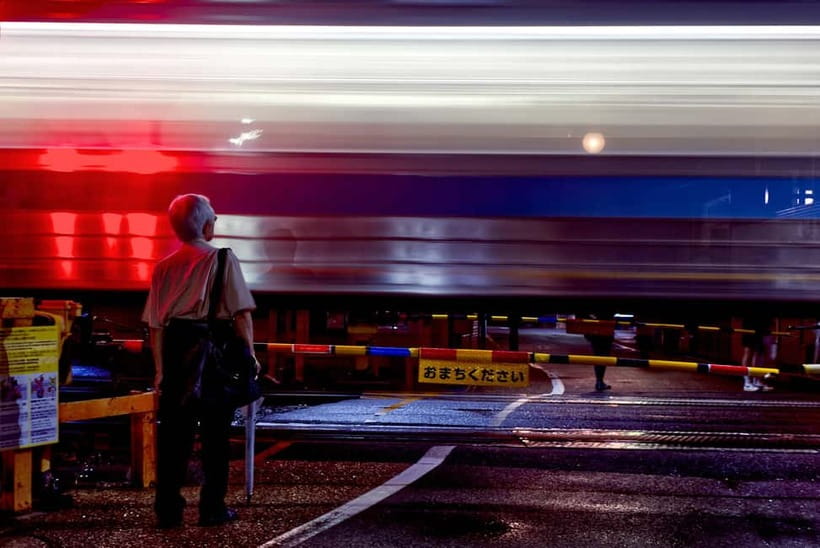
Night photography rewards patience, but it also rewards smart planning. The workshop offers an optional evening session aimed at light trails and illuminated scenes.
That’s a big deal because light trails are not just about longer shutter speeds. They require the right direction of movement, the right placement in the frame, and timing that keeps you there long enough to get the effect you want. You’ll be coached on approach, then you can apply what you learned about shutter speed control and composition.
If you’re on the fence about the optional add-on, think about your goal. If you want photos that look like artful motion rather than only sharp street portraits, it’s worth considering.
Photo Review and Feedback That Helps You Improve Fast
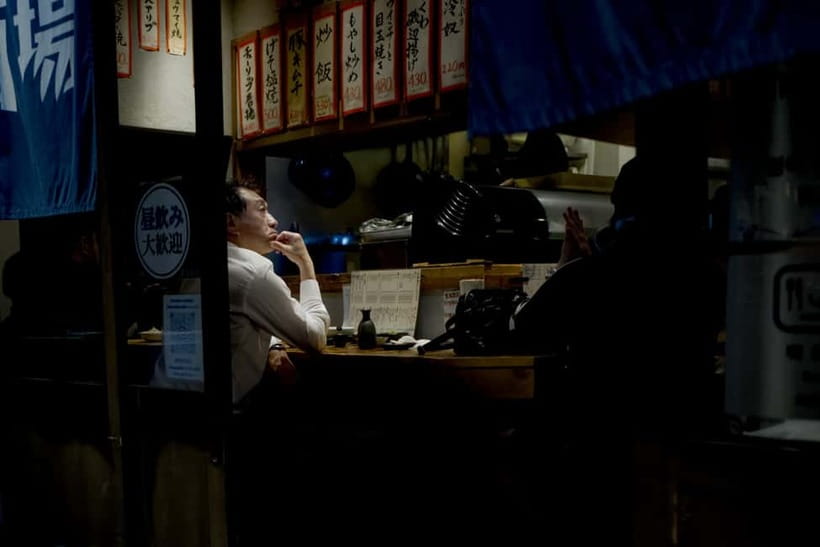
One reason this type of workshop is valuable is that you don’t have to guess why a photo didn’t work. The workshop includes photo review & feedback, which is where beginners often make the biggest jumps.
This is the part you’ll likely feel most once you leave. After you’ve practiced manual exposure and tried a few compositions, feedback helps you connect cause and effect:
- If images are too bright or too dark, you learn which part of the exposure triangle to adjust first.
- If frames are soft, you get pointed toward settings and technique that affect sharpness.
- If the photo lacks impact, you get guidance on framing and subject choice rather than random shooting.
A lot of tours walk you past great scenes. This one trains you to see scenes in a way that leads to better shots.
A Guide Who Matches Your Level and Your Style
This workshop is English-language and led by a live guide. The big advantage is that instruction is tailored to your level, so you’re not stuck with one-size-fits-all advice.
The tone matters too. In feedback from people who booked, the guide approach stood out for being flexible about what you want to shoot. Some participants asked for spots they normally wouldn’t include, and the guide stayed game. That’s exactly what you want when you’ve got a specific photo goal, like street scenes, portraits in motion, or a more creative light-trail look.
Pacing is another practical point. If you’re a beginner, you need time to try settings and ask questions. If you’re more advanced, you need time to experiment without feeling rushed. The workshop is designed to match that.
Gear Options: DSLR, Mirrorless, and Smartphone-Friendly Guidance
You don’t need a specific camera model to benefit. The workshop supports DSLR, mirrorless, and smartphone users.
That doesn’t mean all devices are treated identically. What it means is the guide can work with what you have and still teach the underlying concepts that drive night photography. With smartphones, you’ll likely focus more on composition, exposure control concepts, and practical technique. With interchangeable-lens cameras, you can go deeper into manual settings, tripod work, and more precise control.
If you’re the type who wants to understand what your camera is doing, the manual-mode emphasis will help immediately. And if you’re using a smartphone, you’ll still get guidance that makes your shots more intentional instead of trial-and-error.
Walking, Battery Life, and How to Finish With Photos You Like
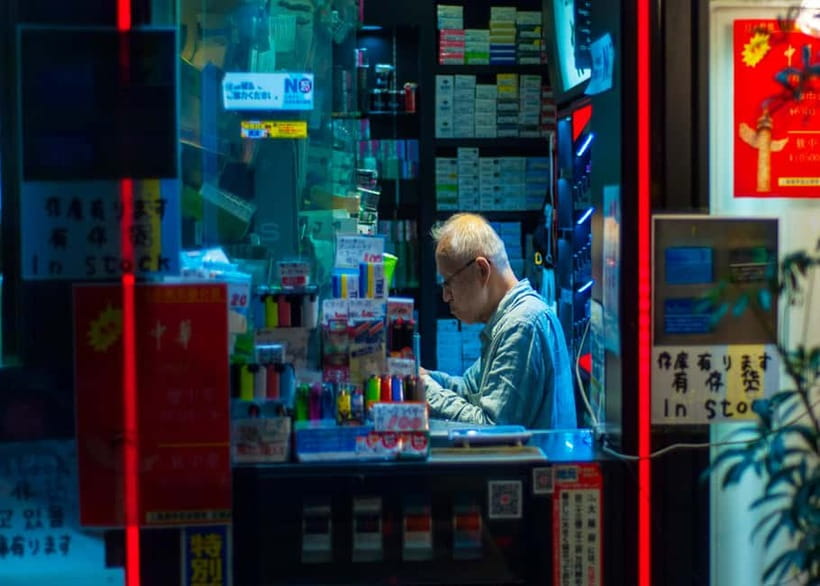
Three hours at night in central Osaka is not a sit-and-shoot session. There’s enough walking that comfort matters, and there’s enough shooting time that your battery can drop faster than you expect—especially if you’re trying multiple exposures, reviewing constantly, and experimenting with shutter speed for trails.
Here’s how to make it easier on yourself without skipping the fun:
- Wear comfortable shoes. You’ll appreciate this more than you think.
- Be strategic with review. Quick checks are good; long judging sessions drain power.
- Focus on learning one or two things per location. For example: one stop for shutter speed experiments, one stop for composition and framing practice.
The pace matching mentioned in feedback is a good sign. If you need slower progress to practice, you can ask for it.
Price and Value: Is $200 Worth a Private 3-Hour Workshop?
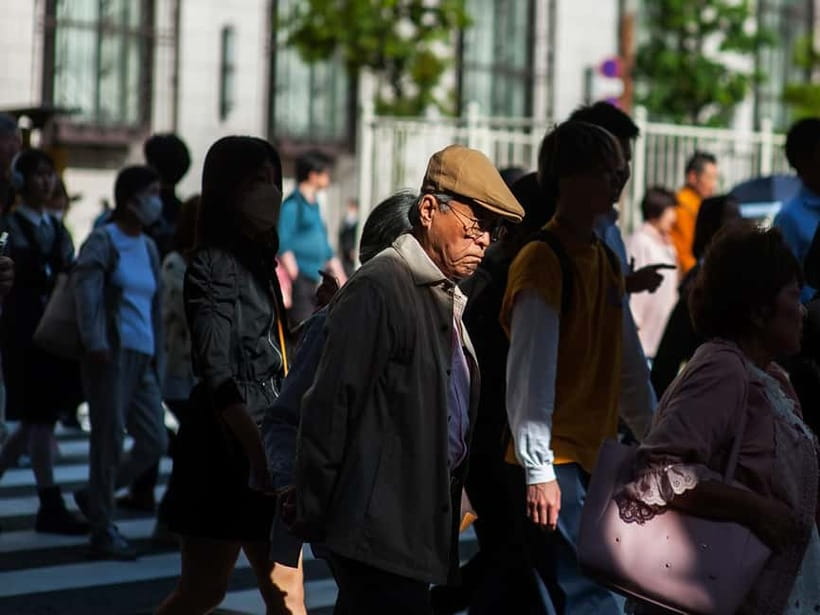
At $200 per person for three hours, you’re paying for three things: a local guide, structured coaching, and time at high-value photo areas at night.
If you normally travel with a camera but struggle to translate manual settings into better results, the value is strong. You’re not just getting access to cool neighborhoods—you’re getting help turning those neighborhoods into photos you’re proud to show friends (or keep for yourself).
If you’re already an advanced night shooter with a full grasp of exposure triangle control and long-exposure technique, the coaching might feel more like spot-hunting plus feedback. In that case, you’ll likely want to ask for a route that matches your interests so you get the most out of the limited time.
My practical take: this price makes sense when you want improvement, not just an easy guided walk.
Food isn’t included, so plan for the logistics of eating before or after. The focus is the photos, not the meal schedule.
Should You Book This Osaka Night Photography Workshop?
Book it if you fit one of these situations:
- You’re new to your camera and want a clear path through manual settings and night exposure basics.
- You shoot street scenes and want a guide to help you choose subjects and frame shots better.
- You want structured practice plus feedback, and you like learning in real-world conditions rather than at a desk.
Skip it only if you prefer to roam totally independently and don’t want instruction. If your main goal is to see the city through photos but you don’t care about learning how to control results, you may find this format too structured.
Also consider adding the optional evening session if you specifically want light-trail images. That’s the workshop’s most “technique-meets-art” option.
If you want night photos that look deliberate, this workshop is a solid bet.
FAQ
How long is the Osaka Night Photography Workshop?
It lasts 3 hours.
What does the workshop cost?
The price is $200 per person.
What kinds of cameras does the guide support?
The workshop supports DSLR, mirrorless, and smartphone users.
Is the tour good for beginners?
Yes. It’s described as perfect for absolute beginners who want to learn camera basics, while also working for professionals who want guidance to strong photo spots.
What shooting skills will we work on?
You’ll practice manual mode, control of aperture, ISO, and shutter speed, and work on composition, framing, light trails, and timing.
Do we use a tripod?
You’ll learn how to work with a tripod during the workshop.
Where will we go to photograph?
The Osaka-focused route starts in Dotonbori, then goes to Nipponbashi, continues to Shinsekai, and finishes with a train to Tennōji. The included stop list can also include places such as Kiyomizu-dera Temple, Yasaka Pagoda, Fushimi Inari Taisha, Gion alleys, and Shirakawa Canal, with route options that can be customized.
Is there an optional session for night effects?
Yes. There’s an optional evening session for capturing light trails and illuminated scenes.
What should I bring?
Bring comfortable shoes.
Is food included?
No. Food is not included.
FAQ
Is this workshop private?
Yes, it’s listed as a private group.
What language is the guide?
The tour guide speaks English.
What’s the cancellation policy?
You can cancel up to 24 hours in advance for a full refund.
Is reserve now and pay later available?
Yes. It offers reserve now & pay later, so you can book and pay nothing today.
Is the tour wheelchair accessible?
Yes, it’s listed as wheelchair accessible.
More Tour Reviews in Osaka
- Osaka Go Karting Tour with Funny Costume★ 5.0 · 2,658 reviews
- Osaka Castle: Museum and Tower Entry Ticket★ 4.5 · 2,380 reviews
- Osaka: Shinsekai Food Tour with 13-15 Dishes at 5 Eateries★ 4.8 · 2,204 reviews
- Osaka Food Tour: 13 Dishes at 5 Local Eateries★ 5.0 · 2,149 reviews
- Hungry Osaka Street Food Tour:15 Tastings & 3 Drinks with a Local★ 5.0 · 1,727 reviews
Camera-Ready in Osaka
- Osaka: Private Vibrant Nighttime Photoshoot (Dotonbori)★ 4.9 · 80 reviews
- Osaka: Kimono or Yukata Rental &Photos Service Options★ 4.9 · 25 reviews
- Kimono photoshoot-Includes 100 photo data★ 5.0 · 21 reviews
- Guided Photography Tour in Osaka: Capturing Memories★ 4.5 · 20 reviews
- Osaka Dotonbori Night Photoshoot – Private | Pro Photographer★ 5.0 · 19 reviews
Osaka Under Neon
- Osaka Nighttime tour★ 5.0 · 270 reviews
- Osaka After Dark: Small-Group Night Food Tour (Max 6)★ 4.5 · 245 reviews
- OSAKA NIGHT FUSION Japanese Taiko Kabuki Samurai Dance Show★ 4.8 · 155 reviews
- Osaka: Bar-Hopping Night Tour in Namba★ 4.7 · 117 reviews
- Osaka: Dark Side of Osaka Night Walking Tour★ 4.9 · 89 reviews
The Newest Osaka Write-Ups
- Private Photoshoot in Osaka with a Professional Photographer
★ 5.0 · 3 reviews - Osaka Early Morning Osaka Castle Tour Avoid Crowds
★ 5.0 · 3 reviews - Nara Private Tour with Pick and Drop and English Speaking Driver
★ 3.5 · 3 reviews - Osaka: Modern Vegetarian Sushi Cooking Class
★ 5.0 · 3 reviews - Nara Day Trip from Osaka with a Licensed Guide
★ 5.0 · 3 reviews
Osaka by Night, compared.
 ★ 5.0Osaka Nighttime tourFrom $198270 reviews
 ★ 4.5Osaka After Dark: Small-Group Night Food Tour (Max 6)From $116245 reviews
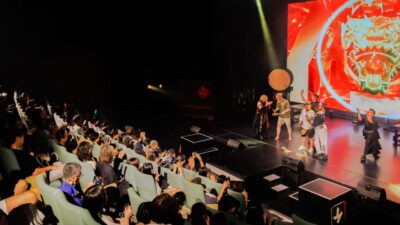 ★ 4.8OSAKA NIGHT FUSION Japanese Taiko Kabuki Samurai Dance ShowFrom $40155 reviews
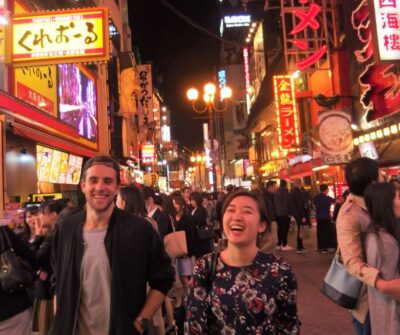 ★ 4.7Bar-Hopping Night Tour in NambaFrom $112117 reviews
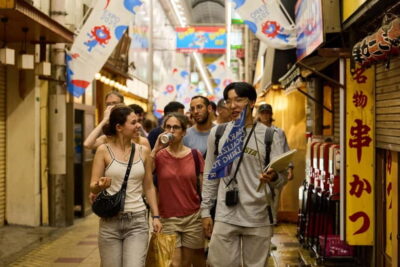 ★ 4.9Dark Side of Osaka Night Walking TourFrom $2589 reviews
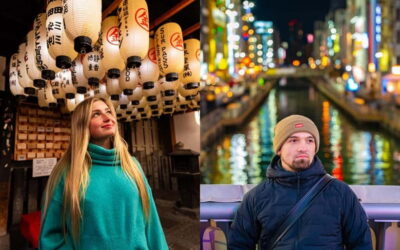 ★ 4.9Private Vibrant Nighttime Photoshoot (Dotonbori)From $10980 reviews
 ★ 5.0Osaka Night Walk : Discover Umeda Food and PubFrom $11234 reviews
 ★ 5.0Hidden Gems and Bustling Districts of Osaka Night TourFrom $8833 reviews
Browse the lists this tour appears in