
Reviewed · OSAKA PHOTO & VIDEO SHOOTS
Guided Photography Tour in Osaka: Capturing Memories
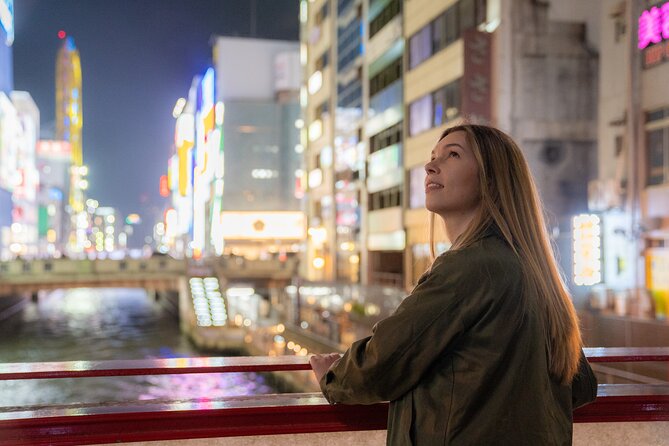
Osaka night lights, but for your camera. This guided photo walk turns famous streets into a real shoot, starting at the Dotonbori Glico Sign and weaving through temple lantern glow and less-frequent corners. You pick a morning or evening session, so the look matches your energy and your schedule.
I really like two things here: you get professionally edited digital photos, not just raw shots, and you also get direct posing coaching from a professional photographer (people have praised Mina for being friendly and personable). That combo means you’re not guessing angles or hoping your phone nails it.
The main thing to consider is photo follow-through. One set of feedback mentioned missing follow-up photos and trouble reaching out afterward, so I’d make a point to confirm you receive the final files after the shoot.
In This Review
- Key Things You Should Know Before You Go
- Why This Osaka Photo Walk Beats a Random Selfie Plan
- Price, Time, and Group Size: What $85.39 Actually Covers
- Morning vs Evening in Dotonbori: Pick the Mood That Fits You
- Stop-by-Stop: From Glico Sign to America Mura
- Stop 1: Dotonbori Glico Sign (15 minutes, free)
- Stop 2: Hozen-ji Temple (15 minutes, free)
- Stop 3: Dotonbori river walk (20 minutes, free)
- Stop 4: Mitsudera Kaikan area (10 minutes, free)
- Stop 5: America Mura (10 minutes, free)
- The Photographer’s Role: Posing Help That Actually Makes Photos Better
- The Photos: What Professionally Edited Digital Means for You
- Logistics That Affect Your Experience (Without Making It Complicated)
- Who Should Book This, and Who Might Skip It
- Should You Book This Guided Photography Tour in Osaka?
- FAQ
- How long is the guided photography tour in Osaka?
- What’s included in the tour?
- Do I need to pay admission fees at the stops?
- How big is the group?
- Where do I meet for the tour?
- Can I cancel for a full refund?
Key Things You Should Know Before You Go
- Small group (up to 6 people) means more attention and less time waiting.
- Morning or evening tours let you choose the mood of Dotonbori and the temple lighting.
- Stop lineup is intentional: Glico Sign, Hozen-ji lanterns, river-walk angles, then America Mura.
- You’ll learn posing basics so your photos look natural, not stiff.
- Professionally edited digital photos are part of the deal, which makes the experience feel more than a casual walk.
More Osaka shoots to step in front of

Why This Osaka Photo Walk Beats a Random Selfie Plan
Osaka can be a hard city to photograph well if you’re relying on luck. The streets are busy, the light changes fast, and the famous spots tempt you to shoot from the same angles everyone else uses. This tour solves the main problem: it gives you a path, a plan, and a coach.
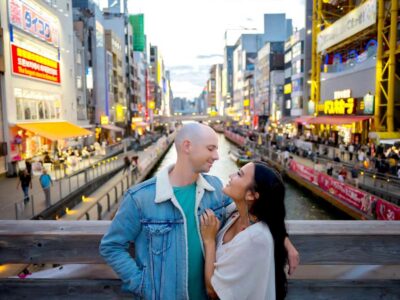
You’re not just “at landmarks.” You’re using them. The tour starts where it’s instantly recognizable (the Dotonbori Glico Sign) and then moves into nearby atmosphere that many people skip (like Hozen-ji Temple). That lets you cover multiple Osaka moods in only about 90 minutes.
I also like that the focus stays practical. You get posing direction, and you’re guided to different views of the same area—especially around Dotonbori—so you come home with variety. Instead of 20 similar selfies, you end up with photo sets that feel like a story: neon first, lantern calm next, river-walk “I’m actually here” shots after.
Price, Time, and Group Size: What $85.39 Actually Covers
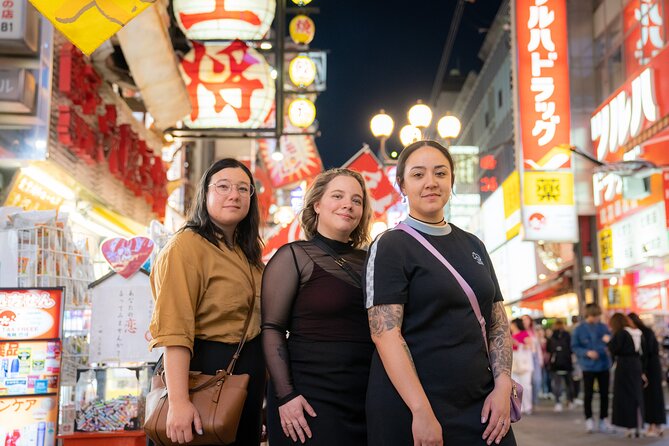
The price is $85.39 per person for roughly 1 hour 30 minutes, and the tour runs as a small group of max 6. That matters more than it sounds. With a tiny group, the photographer can slow down when needed and give you individual corrections, instead of rushing everyone through one pose and moving on.
The value is not just that someone holds a camera. You’re paying for three things:
- a planned route through specific photo locations
- posing tips so your body and face look right in photos
- professionally edited digital photos afterward
There’s also a budget-friendly angle: the scheduled stops list free admission tickets, so you’re not hit with entrance fees for the key moments. And you use a mobile ticket, which is one less thing to manage while you’re walking.
One more reality check: this is typically booked around 45 days in advance. If you’re aiming for a specific time slot (especially evenings), I’d reserve early so you’re not negotiating with your plans.
Morning vs Evening in Dotonbori: Pick the Mood That Fits You
You can choose a morning or evening session, and that choice changes everything about Osaka photos. Evening tends to amplify the Dotonbori lighting—the neon signs, the brighter street reflections, and the overall “city lights” feel. Morning can be calmer and may give you easier pacing and less crowd pressure near the most photographed corners.
Here’s how I’d decide:
- If you want photos that feel cinematic and neon-heavy, lean evening.
- If you prefer softer light and a less frantic pace, lean morning.
Either way, the route is designed so you don’t just chase one aesthetic. You’ll hit lantern atmosphere at Hozen-ji, then move through different parts of Dotonbori again, then shift into neighborhood textures later with America Mura and the less-touristy building area by Mitsudera Kaikan.



Stop-by-Stop: From Glico Sign to America Mura
This tour is structured like a mini photo session with sightseeing built in. Each stop has a purpose, and the time windows are tight enough that you stay focused.
Stop 1: Dotonbori Glico Sign (15 minutes, free)
You begin at the Glico Sign, one of Osaka’s most recognizable landmarks. This is the “anchor shot” moment. The photographer can set your starting look and get you comfortable with posing direction right away.
In Dotonbori, the point is the energy around the signs and restaurants. If you’ve only seen this area in photos, you’ll notice how much detail there is—bright textures, signage shapes, and layered backgrounds. A phone shot alone often flattens that. With guidance, you’ll learn how to stand so the background supports you instead of stealing attention.
Possible drawback: this is a famous area. Even with a plan, you may share the space with other people. The tight timing helps you avoid lingering in crowds.
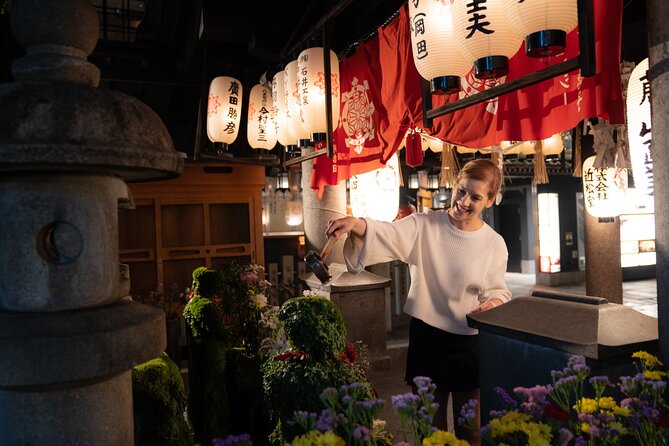
Stop 2: Hozen-ji Temple (15 minutes, free)
A short hop from Dotonbori takes you to Hozen-ji Temple, where the vibe changes fast. Here, you’re trading neon signage for lantern lighting and a calmer atmosphere. The tour specifically calls out taking photos with the lanterns, and it makes sense: lanterns add warmth and soften faces in a way street lights often don’t.
You also get a bit of contrast in your album. Starting with a recognizable modern landmark and then switching to a traditional temple look gives your photos range, not just repetition.
Possible drawback: temples involve respectful behavior and some rules about where you stand. The tour keeps it brief, so you’ll want to listen quickly and move as directed.
Stop 3: Dotonbori river walk (20 minutes, free)
Back to Dotonbori for a different perspective. This part is about variety: you get to see different views by moving locations along the river area. The tour also emphasizes natural photos—shots that feel like you’re walking rather than posing in one fixed spot.
This is where you often see the biggest improvement in your results. People who are nervous in front of a camera tend to stiffen at the start. But after you’ve had posing coaching once or twice, you can relax into movement. The river backdrop also adds depth to photos—lights and reflections make the background do some work for you.
Possible drawback: if rain hits, reflections and wet pavement can change the look. That can be good, but it can also make the walk slower. The tour is short, so weather might affect how much ground you cover.
Stop 4: Mitsudera Kaikan area (10 minutes, free)
This stop is about a less-touristy Osaka feel. Mitsudera Kaikan is described as a place with hidden buildings where many bars gather, and it’s framed as an area not known even for locals.
Photo-wise, this is interesting because your background isn’t only neon signs. You’re dealing with building edges, small light sources, and an interior/exterior atmosphere that feels more “real city life” than a postcard corner.
Possible drawback: it’s short (10 minutes). If you want longer exploration to soak in the bars and side streets, this tour is designed more for photos than wandering.
Stop 5: America Mura (10 minutes, free)
Then you shift to America Mura, a fashion and music district with a lot of youth energy. The tour notes many chain restaurants too, but the key for photos is the mix of street style, signage, and the way local younger people gather here.
The photographer also mentions teaching local Osaka posing. This matters because fashion districts can easily tempt you into awkward “trend pose” habits. Instead, you’re getting practical coaching that helps you look like you belong in the scene, not like you’re copying someone else’s shot.
Possible drawback: if you’re expecting quiet streets and minimal people, this is the stop most likely to feel lively.
The Photographer’s Role: Posing Help That Actually Makes Photos Better
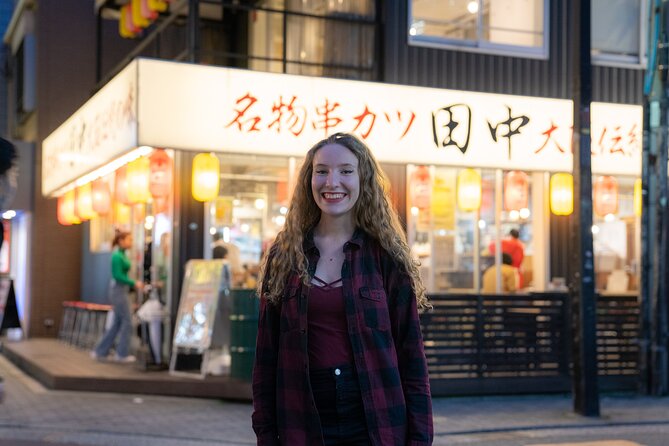
A lot of photo tours give you a checklist and then hope you can figure it out. This one is built around coaching, and the strongest praise you’ll see is about the photographer’s personality and direction. Mina, in particular, has been called outstanding—friendly, personable, and focused on getting people good results.
Here’s what you should expect from that kind of guidance:
- You’ll get told how to stand and where to place your body.
- You’ll get corrections fast, before you lose confidence.
- You’ll learn how to look natural during motion, especially around the river walk.
That’s the real value. Osaka is photogenic, yes. But without direction, photos often come out with the same problem: your face looks unsure and your body blocks the composition. Posing tips fix both.
Also, because it’s a small group, the photographer can notice how you’re holding yourself and adjust for your comfort level. That’s a big deal if you’re solo, not used to cameras, or you just want quick feedback instead of long explanations.
The Photos: What Professionally Edited Digital Means for You
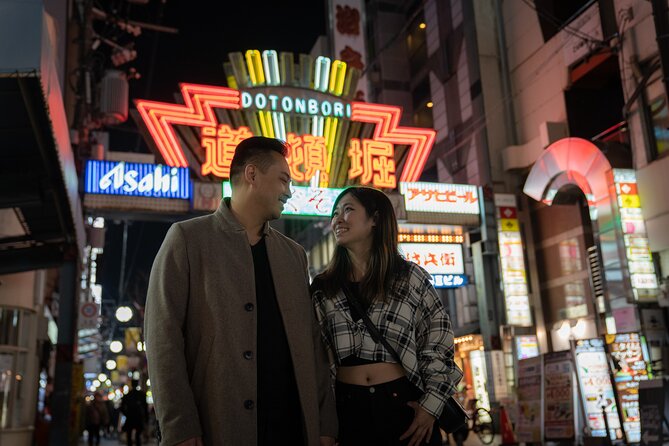
You’re taking home professionally edited digital photos. In plain terms, that means your images aren’t stuck with blurry night light, messy exposure, or awkward color casts that phone cameras struggle with in neon areas.
This matters most in Osaka because lighting is a trickster. Dotonbori’s signs can blow highlights, and temple lanterns can shift skin tones if the camera is guessing. Editing smooths that out so the final set looks intentional.
That said, one caution from feedback: a person reported missing follow-up photos and slow/no response after emailing the provider. You can’t control every system delay, but you can protect yourself:
- Make sure you have the correct email attached to your booking.
- After the tour, watch your inbox and spam folder for delivery or download instructions.
- If anything seems off, contact the provider promptly and keep your messages together.
I wouldn’t skip the experience over this, but I would treat photo delivery like part of the trip, not an afterthought.
Logistics That Affect Your Experience (Without Making It Complicated)
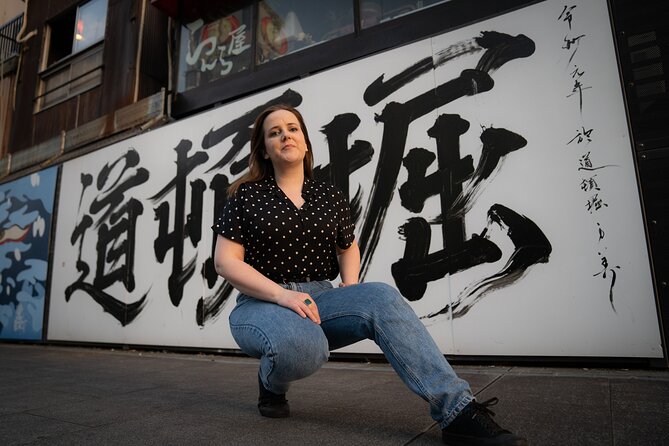
The meeting point is specific: Dotonbori Humanity Song Monument, 1 Chome-10 Dotonbori, Chuo Ward, Osaka, 542-0071, Japan. The tour ends back at the meeting point, which keeps your day simpler if you’re already mapping other sights.
The tour is labeled as near public transportation, and a mobile ticket is used. That’s helpful if you’re juggling train schedules, walking time, and luggage. Most people can participate, and service animals are allowed.
Group size (max 6) is the silent logistics win. You move at a pace that feels like a guided walk, not a sprint, and the photographer can work with individuals without turning it into a production line.
Who Should Book This, and Who Might Skip It
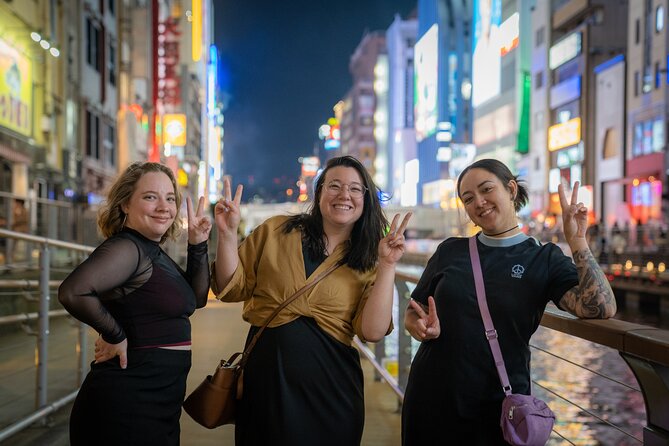
This tour is a strong fit if you want:
- photos with variety (neon + lanterns + river walk + fashion district)
- posing help so you feel comfortable in pictures
- an efficient way to cover multiple areas in about 90 minutes
It’s also a good option if you’re solo. One of the most positive comments focuses on solo traveler experience, and the guide’s friendliness is clearly part of the appeal.
You might consider skipping if:
- you’re only interested in one or two spots and would rather roam freely
- you hate the idea of following a set route and sticking to tight time boxes
- you’re the type who wants long, slow wandering and deep stops beyond photo moments
In short: if you want a guided camera-focused “greatest hits + coaching” experience, this works.
Should You Book This Guided Photography Tour in Osaka?
Yes, if you want high-quality edited photos plus hands-on posing coaching in a compact route. The small group size and the stop selection give you photo range without requiring you to be a professional or a natural poser.
I’d especially book it if you’re planning an Osaka day that includes Dotonbori anyway. Starting at the Glico Sign and adding a quick lantern temple stop is a smart way to get more out of the area than a casual walk.
If you’re worried about post-tour delivery, don’t let that scare you off entirely. Just stay organized: confirm your booking details, keep an eye out for the photo delivery message, and contact the provider quickly if something is missing.
Bottom line: for the money, you’re buying guidance and polish. In a city full of great photo spots, that’s often the difference between a phone album and real keepsakes.
FAQ
How long is the guided photography tour in Osaka?
It runs about 1 hour 30 minutes (approx.).
What’s included in the tour?
You’ll combine sightseeing with a photo session, receive professionally-edited digital photos, and get posing tips from a professional photographer.
Do I need to pay admission fees at the stops?
The itinerary lists free admission tickets for each stop.
How big is the group?
The tour has a maximum of 6 travelers.
Where do I meet for the tour?
You meet at Dotonbori Humanity Song Monument, 1 Chome-10 Dotonbori, Chuo Ward, Osaka, 542-0071, Japan. The tour ends back at the meeting point.
Can I cancel for a full refund?
Yes. You can cancel up to 24 hours in advance for a full refund.
More Tour Reviews in Osaka
- Osaka Go Karting Tour with Funny Costume★ 5.0 · 2,658 reviews
- Osaka Castle: Museum and Tower Entry Ticket★ 4.5 · 2,380 reviews
- Osaka: Shinsekai Food Tour with 13-15 Dishes at 5 Eateries★ 4.8 · 2,204 reviews
- Osaka Food Tour: 13 Dishes at 5 Local Eateries★ 5.0 · 2,149 reviews
- Hungry Osaka Street Food Tour:15 Tastings & 3 Drinks with a Local★ 5.0 · 1,727 reviews
Camera-Ready in Osaka
- Osaka: Private Vibrant Nighttime Photoshoot (Dotonbori)★ 4.9 · 80 reviews
- Osaka: Kimono or Yukata Rental &Photos Service Options★ 4.9 · 25 reviews
- Kimono photoshoot-Includes 100 photo data★ 5.0 · 21 reviews
- Osaka Dotonbori Night Photoshoot – Private | Pro Photographer★ 5.0 · 19 reviews
- Private Vibrant Night Photoshoot Experience in Osaka (Dotonbori)★ 5.0 · 15 reviews
The Newest Osaka Write-Ups
- Private Photoshoot in Osaka with a Professional Photographer
★ 5.0 · 3 reviews - Osaka Early Morning Osaka Castle Tour Avoid Crowds
★ 5.0 · 3 reviews - Nara Private Tour with Pick and Drop and English Speaking Driver
★ 3.5 · 3 reviews - Osaka: Modern Vegetarian Sushi Cooking Class
★ 5.0 · 3 reviews - Nara Day Trip from Osaka with a Licensed Guide
★ 5.0 · 3 reviews
Osaka Photo & Video Shoots, compared.
 ★ 4.9Private Vibrant Nighttime Photoshoot (Dotonbori)From $10980 reviews
 ★ 4.9Kimono or Yukata Rental &Photos Service OptionsFrom $1825 reviews
 ★ 5.0Kimono photoshoot-Includes 100 photo dataFrom $9621 reviews
 ★ 5.0Osaka Dotonbori Night Photoshoot – Private | Pro PhotographerFrom $16419 reviews
 ★ 5.0Private Vibrant Night Photoshoot Experience in Osaka (Dotonbori)From $13015 reviews
 ★ 5.0Osaka Kimono Experience – Quick Traditional Dress & PhotosFrom $4711 reviews
 ★ 5.0Cinematic Video shoot in OsakaFrom $40010 reviews
 ★ 5.0Kimono experience and Photo Session in OsakaFrom $1369 reviews
Browse the lists this tour appears in