
Reviewed · OSAKA TEMPLES & SHRINES
Osaka/Kyoto: Arashiyama, Nara Park, Fushimi Shrine Tour
Morning bamboo, wild deer, red torii. This one-day Osaka/Kyoto trip stitches three headline sights into a smooth bus day. I like that Arashiyama starts early with fresh air and fewer crowds, and that you get real time inside Nara Deer Park with its legend-to-life deer energy.
The trade-off is time management. You’re on your own for much of the walking at each stop, and the tour runs on a tight schedule where being on time really matters.
In This Review
- Key Points Worth Noticing Before You Go
- A Quick Reality Check: 10 Hours and Three Big Stops
- Meeting Points in Osaka or Kyoto: Finding the EASY GO Staff
- Morning in Arashiyama: Togetsukyo Bridge and Bamboo Trails Before Crowds
- Nara Deer Park and Kasuga Taisha Area: Managing 1,000 Plus Deer
- Fushimi Inari Taisha’s Torii Gates: How to Use 1.5 Hours Wisely
- Price and Logistics: What $51 Buys You (and What It Doesn’t)
- Language and Guide Style: Mostly Chinese, With Some Options
- Logistics and Timing: Why the Bus Order Can Feel Like a Lot of Riding
- Who Should Book This Tour (and Who Should Skip It)
- Should You Book This One-Day Osaka/Kyoto Loop?
- FAQ
- What is the duration of the Osaka/Kyoto Arashiyama, Nara, and Fushimi Inari tour?
- Where does the tour start from?
- Which attractions are included in the day?
- How much time is given at each stop?
- Is the tour guide available in English?
- Are meals included in the price?
- Is food allowed in the bus or vehicle?
- What’s included in the tour price?
- Can I cancel for a full refund?
Key Points Worth Noticing Before You Go
- Early Arashiyama timing can help you enjoy the bamboo area with less morning chaos
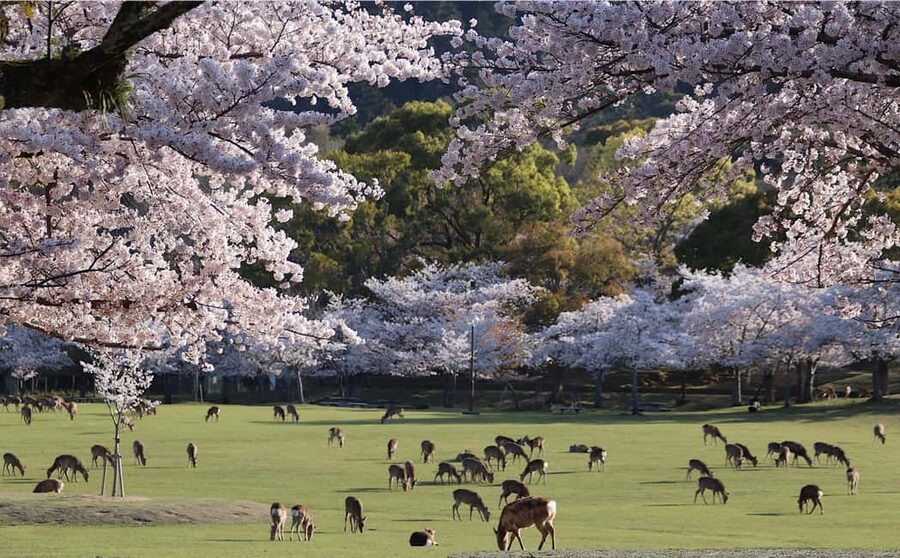
- Nara Deer Park is the main deer moment, with over 1,000 freely roaming deer right by Kasuga Taisha Shrine
- Fushimi Inari Taisha gives you time to experience the 10,000 red torii gates and sacred Inariyama walk
- Transport + tolls/parking are handled, so you don’t have to plan the between-city logistics
- Language is mainly Chinese, with English/Korean support not guaranteed unless arranged
- A lot of the day is travel between Osaka, Kyoto, and the sites, so you want patience for bus time
Quieter corners: more Osaka temples and shrines

A Quick Reality Check: 10 Hours and Three Big Stops
This is a fast hit of Kyoto and Nara in one day. Expect a full schedule with multiple self-guided blocks, not a slow, lecture-style tour.
The upside is clear: you don’t have to coordinate trains or bus connections across three major attractions. The downside is equally real: you’re trading depth for coverage.
At $51 per person for a 10-hour day, the value comes from the included transport and costs like tolls, parking, and fuel. Still, you’ll likely spend extra on snacks and meals since those aren’t included.
Meeting Points in Osaka or Kyoto: Finding the EASY GO Staff
You’ll choose one of two start options. Depending on your booking, you meet at:
- Kyoto Station Hachijo-guchi bus stop area (八条口 観光バス乗降場)
- Dotonbori area (1-chōme-1-3 Dōtonbori)
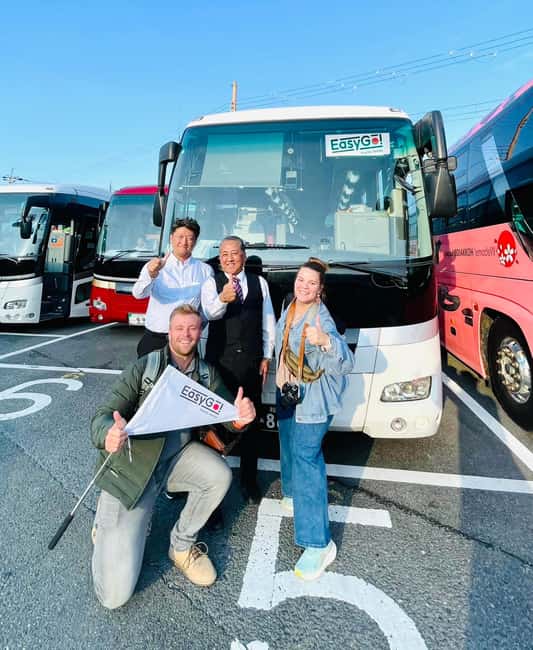
Check in at the meeting point and look for staff wearing an EASY GO vest or flag. The guide won’t contact you in advance, so don’t count on a pickup-style handoff.
One practical note: the tour can include shared transportation with other international visitors, so arrive with the mindset that you’re joining a group flow, not stepping into a private van.
Morning in Arashiyama: Togetsukyo Bridge and Bamboo Trails Before Crowds
Arashiyama is where the day starts, timed so you get the morning vibe. The air is fresh, and the plan is to reach the area around 10:00, with about 2 hours of free time for you to explore.
From the classic Togetsukyo Bridge, you get the signature Arashiyama views that change with the seasons. If you’ve only seen photos, this is a good moment to connect the look with the real scale of the river scenery.
Then you’ll spend your time on the bamboo forest trails in the Arashiyama area. The tour highlights the greenery-focused walking trails, so wear shoes you can move in easily. Bamboo areas are usually where you’ll want to stop for photos, but the main win is simply walking there when the day is still early.
Your best move: decide early whether you want more time for the bridge views or more time for the bamboo trails. With only 2 hours, your feet will do the deciding.
Kyoto sits thirty minutes away, more ways there
Nara Deer Park and Kasuga Taisha Area: Managing 1,000 Plus Deer
After Arashiyama, the tour heads to Nara and arrives around 13:15, with about 80 minutes at Nara Deer Park.
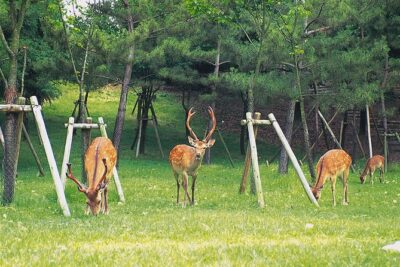
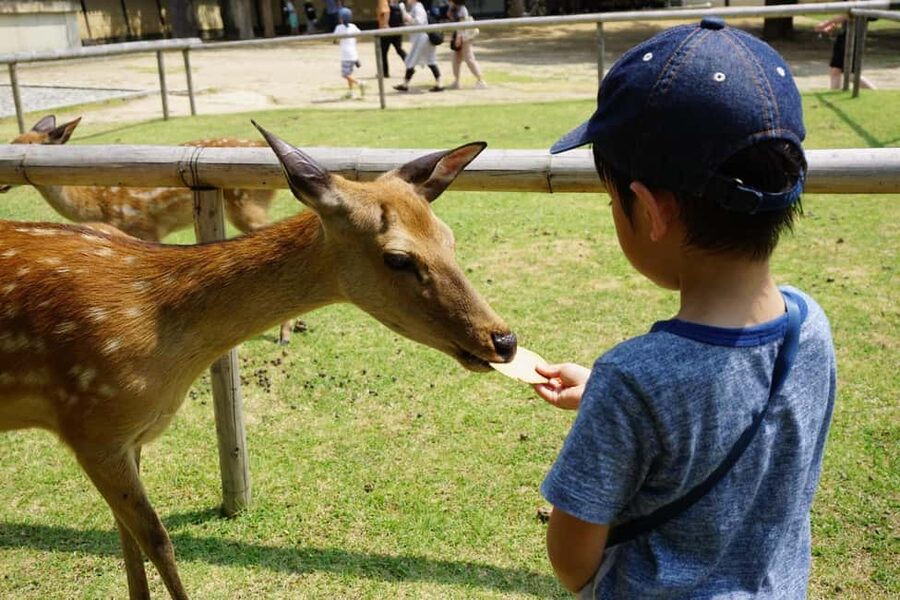
This is not a distant souvenir stop. The tour is built around Nara Deer Park’s close encounter with over 1,000 freely roaming deer. The setting is a wide green space adjacent to Kasuga Taisha Shrine, and the deer are traditionally regarded as messengers of the gods. They’re also described as having a history over 1,300 years, and being listed as a national natural monument.
What that means for you in practice: you’ll feel like the park is shared space. You’re walking through a living attraction, not just viewing it from a safe distance.
How to handle the deer moment: keep your pace calm, watch where you step, and stay aware of deer near paths. If you’re traveling with kids, it’s worth setting expectations before you enter: deer are part of the environment here.
Fushimi Inari Taisha’s Torii Gates: How to Use 1.5 Hours Wisely
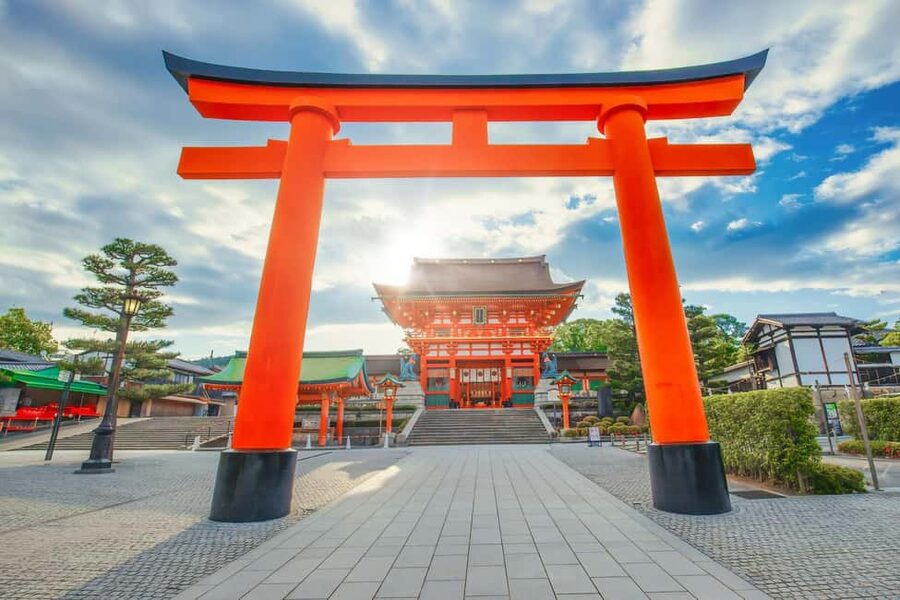
The climax of the day is Fushimi Inari Taisha. You’ll arrive around 15:20, with roughly 1.5 hours of free time.
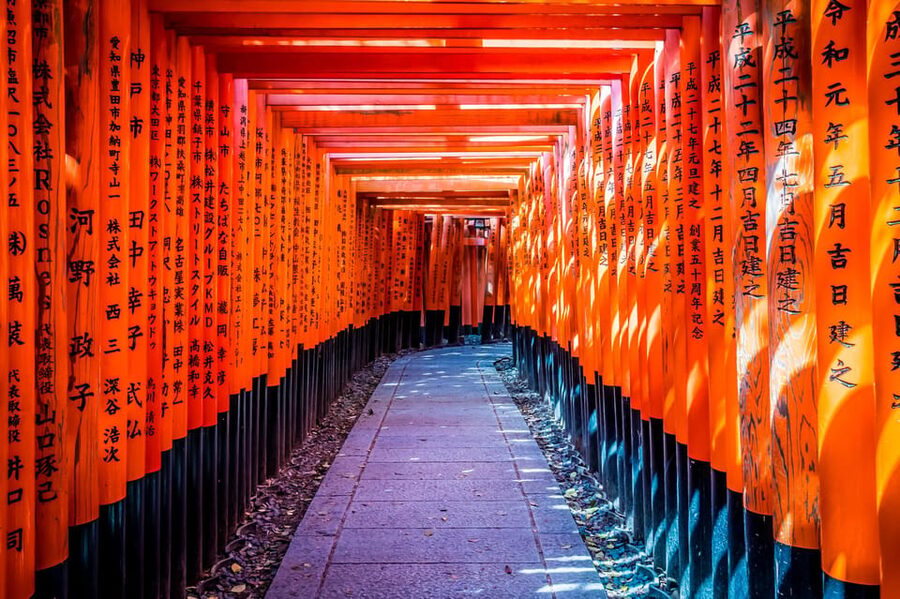
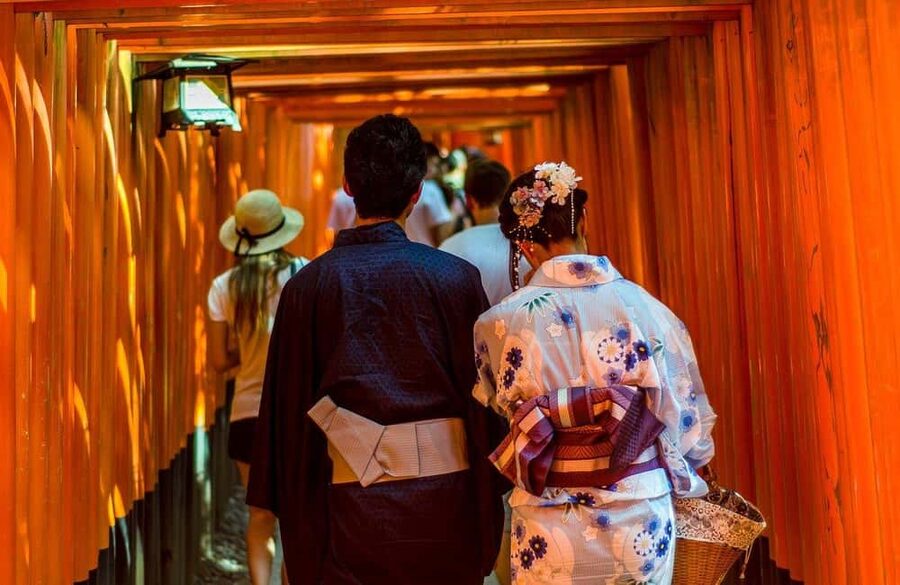
This is the place famous for passing through the spectacular 10,000 red torii gates. It’s also the headquarters of about 30,000 Inari shrines across Japan, and the shrine is described as founded in 711 AD. Inariyama is treated as a sacred area, and the tour frames walking through it as stepping into another world.
With 1.5 hours, you can do this two ways:
- If you want classic torii-gate photos, you’ll focus on the early gate sections and the main walking lanes.
- If you want the feeling of the climb and tunnel-like passages, you’ll push farther into the torii paths and accept fewer stops for photos.
Bring water and comfortable shoes. You’ll be walking a lot, and the torii paths can feel endless once you’re inside the flow.
Also note the tour timing is subject to traffic and crowd patterns, so your best plan is to start strong the moment you arrive. Don’t wait for perfect lighting—work with what you get.
Price and Logistics: What $51 Buys You (and What It Doesn’t)
At $51 per person for a 10-hour loop, you’re paying for logistics more than for a museum-style guided narrative. Included items are:
- A guide who speaks Chinese/English/Korean/Japanese
- Transport (bus/coach), plus toll fees, parking fees, and fuel fees
Not included:
- Meals and beverages
- Personal expenses
Also, food isn’t allowed in the vehicle, so plan to eat outside at the stops. That affects your budgeting. In this kind of day, I like to assume I’ll spend on at least one meal or snack, even if I’m not planning a full sit-down lunch.
One more value reality: this is a “get a lot done” format, and that can be worth it for first-timers. If you already know how you like to travel in Japan, you might prefer doing this by public transport on your own. The trade is flexibility vs. having the ride and costs handled for you.
Language and Guide Style: Mostly Chinese, With Some Options
This tour is mainly conducted in Chinese. English and Korean-speaking staff may be available if you request it at booking time, but it’s not guaranteed.
In small groups, the driver may also provide basic onboard commentary. That’s a big reason you should carry a simple plan for each stop: you’ll rely more on your own observation during free time.
Guide quality can swing the experience. In the feedback tied to this tour, I saw examples of guides named Levi, CC, and HuaHua being praised for helpful, kind guidance. I also saw a serious negative situation involving a guide named Eric where a departure timing mismatch left a family stranded at the start point.
So here’s the practical lesson: assume the schedule is strict. Be early. Be ready to move when the group moves.
Logistics and Timing: Why the Bus Order Can Feel Like a Lot of Riding
The day is structured around efficient movement between Osaka, Kyoto, Arashiyama, Nara, and Fushimi Inari. Based on the schedule provided, you can expect departures like:
- Depart Osaka around 8:00 (or later depending on your start option)
- Depart Kyoto around 9:20
- Arrive Arashiyama around 10:00
- Arrive Nara around 13:15
- Arrive Fushimi Inari around 15:20
- Return toward Kyoto around 17:00, with Osaka arrival about 18:00
Traffic congestion or poor weather can adjust the route and timing. The tour may also arrive early at a stop or finish earlier if facilities close or visiting hours are limited.
This is why I call it a “bus-day tour.” Even when it runs smoothly, you’re trading comfort of independent planning for the convenience of door-to-sightseeing rhythm.
If you dislike rides and crave spontaneity, you may feel like the day is more transport-heavy than sightseeing-heavy. A previous traveler described it as a day with a lot of bus travel, including the general idea of Osaka–Kyoto–Nara–Kyoto–Osaka.
Who Should Book This Tour (and Who Should Skip It)
I think this works best if:
- You want a first-timer sweep of Arashiyama + Nara + Fushimi Inari in one day
- You prefer the comfort of transport and pre-planned routing
- You’re fine doing self-guided wandering once you arrive at each site
- You like being at iconic places early and then using the rest of your time freely
I’d skip it if:
- You need lots of guided explanation at every stop
- You’re sensitive to strict departure times
- You’d rather control pacing and spend more time at just one place instead of hitting three
Also, it’s listed as wheelchair accessible, which is a plus for travelers who need that. Just remember the day still involves walking at each attraction.
Should You Book This One-Day Osaka/Kyoto Loop?
If your goal is maximum sightseeing value and you’re okay with a schedule that rewards punctuality, this tour can be a good deal. The ticket price makes sense for the included bus transport plus the fact you’re covering three of Japan’s most recognizable stops in a single 10-hour outing.
I’d book with confidence if you can do two things: arrive early for check-in and accept that much of the day is on your own feet. If that sounds like your travel style, you’ll likely love the classic trio payoff—bamboo in Arashiyama, deer in Nara, and torii gates at Fushimi Inari.
If you want more flexibility, slower pacing, and detailed commentary throughout, you might do better planning the stops yourself.
FAQ
What is the duration of the Osaka/Kyoto Arashiyama, Nara, and Fushimi Inari tour?
The tour lasts 10 hours.
Where does the tour start from?
You can start from one of two meeting locations: Kyoto Station Hachijo-guchi bus stop area or the Dotonbori (1-chōme-1-3 Dōtonbori) area, depending on the option booked.
Which attractions are included in the day?
You’ll visit Arashiyama, Nara Deer Park, and Fushimi Inari Taisha.
How much time is given at each stop?
The schedule provides about 2 hours for Arashiyama, about 80 minutes for Nara Deer Park, and about 1.5 hours for Fushimi Inari Taisha.
Is the tour guide available in English?
The tour is mainly conducted in Chinese, and English and Korean-speaking staff may be available upon request at booking time (availability isn’t guaranteed).
Are meals included in the price?
No. Meals and beverages are not included.
Is food allowed in the bus or vehicle?
No. Food in the vehicle is not allowed.
What’s included in the tour price?
Included items are a multilingual guide (Chinese/English/Korean/Japanese), transport, toll fees, parking fees, and fuel fees.
Can I cancel for a full refund?
Yes. It offers free cancellation up to 24 hours in advance for a full refund.
A Day Among the Nara Deer
- Ancient Capital Tour: Kyoto and Nara Highlights from Kyoto/Osaka★ 4.5 · 332 reviews
- Kyoto and Nara Day Trip from Osaka★ 4.0 · 175 reviews
- Full Day Guided Tour to Kyoto and Nara from Osaka by Van★ 5.0 · 144 reviews
- Discover Himeji, Kobe and Nara from Osaka★ 5.0 · 101 reviews
- Kyoto & Nara Private customized tour with English speaking Guide★ 4.5 · 99 reviews
Kyoto, Just Up the Line
- Osaka/Kyoto: Hiroshima Miyajima Bus Tour & Shinkansen Ticket★ 4.7 · 919 reviews
- From Kyoto/Osaka: Kyoto Top Highlights 1-Day Guided Bus Tour★ 4.5 · 714 reviews
- Ancient Capital Tour: Kyoto and Nara Highlights from Kyoto/Osaka★ 4.5 · 332 reviews
- Osaka/Kyoto: Amanohashidate & Miyama Tour with Boat & Lunch★ 4.6 · 207 reviews
- Kyoto and Nara Day Trip from Osaka★ 4.0 · 175 reviews
Temple Gates and Shrine Paths
- Osaka: Minoh, Katsuoji Temple, & Minoh Falls Full-day Tour★ 4.9 · 172 reviews
- Full Day Kyoto Tour : Bamboo Forest, Golden Temple, Fushimi Inari★ 5.0 · 84 reviews
- Osaka Temple Cool Foot Bath & Matcha Experience〈45min〉★ 4.9 · 82 reviews
- Osaka: Mind & Spirit Balance Temple Reiki Healing★ 5.0 · 41 reviews
- Katsuo-ji Temple, Arashiyama Forest, & Nara Park★ 4.0 · 37 reviews
The Newest Osaka Write-Ups
- Private Photoshoot in Osaka with a Professional Photographer
★ 5.0 · 3 reviews - Osaka Early Morning Osaka Castle Tour Avoid Crowds
★ 5.0 · 3 reviews - Nara Private Tour with Pick and Drop and English Speaking Driver
★ 3.5 · 3 reviews - Osaka: Modern Vegetarian Sushi Cooking Class
★ 5.0 · 3 reviews - Nara Day Trip from Osaka with a Licensed Guide
★ 5.0 · 3 reviews
Osaka Temples & Shrines, compared.
 ★ 4.9Minoh, Katsuoji Temple, & Minoh Falls Full-day TourFrom $135172 reviews
Full Day Kyoto Tour : Bamboo Forest, Golden Temple, Fushimi InariFrom $10584 reviews
★ 4.9Minoh, Katsuoji Temple, & Minoh Falls Full-day TourFrom $135172 reviews
Full Day Kyoto Tour : Bamboo Forest, Golden Temple, Fushimi InariFrom $10584 reviews
 ★ 4.9Osaka Temple Cool Foot Bath & Matcha Experience〈45min〉From $3482 reviews
 ★ 5.0Mind & Spirit Balance Temple Reiki HealingFrom $16141 reviews
 ★ 4.0Katsuo-ji Temple, Arashiyama Forest, & Nara ParkFrom $9137 reviews
 ★ 4.7Minoh Waterfall & Katsuo-ji Temple Half-Day TourFrom $4727 reviews
 ★ 5.0Osaka Half-day E-bike Adventure: Minoh Falls & Katsuoji TempleFrom $3425 reviews
 ★ 4.9Temple Tour and Traditional Calligraphy LessonFrom $2024 reviews
Browse the lists this tour appears in