
Reviewed · DOTONBORI & NAMBA TOURS
Osaka Early Morning Tour with English-Speaking Guide Dotonbori
Four hours can change how you read Osaka. This early morning route links Osaka Castle grounds, Kuromon Market, and Dotonbori’s iconic canal sights, guided in English. With a maximum of 8 people, you get real conversation time, and guides such as Hikaru and Shizuka often bring the spots to life with stories and practical tips.
I especially like the included street-food taste at Kuromon Market and the way your guide helps you plan what to eat and where to wander next. One thing to consider: you’re not automatically buying attraction entry tickets, so Osaka Castle admission (if you want to go in) is on you, plus you’ll pay the local transit fare (¥430 per person).
In This Review
- Key takeaways before you go
- Why an early Osaka walk beats a half-day scramble
- Meeting at Osaka Castle Park and finishing at the Glico Sign
- Osaka Castle grounds: what you’ll see and what you should budget
- Shinsekai: the old-meets-new neighborhood break
- Kuromon Market: your Osaka Kitchen moment
- Nipponbashi Denden Town: anime, gaming, and tech shopping
- Sennichimae Doguyasuji: kitchenware for serious cooks
- Hozen-ji Temple: moss-covered serenity in the middle of town
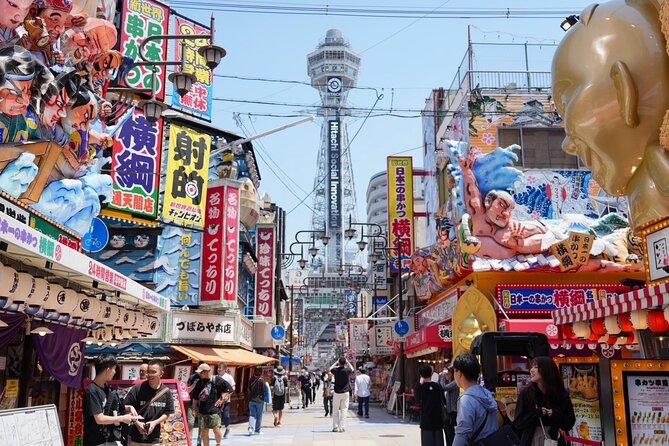
- Dotonbori Tsuribori and Ebisu Bridge: the iconic ending
- Price and logistics: what $60.78 really covers
- Transit tip that can save you hassle
- Pacing and group size: how the morning stays enjoyable
- Who should book this tour (and who might skip it)
- Should you book the Osaka Early Morning Tour with an English-speaking guide?
- FAQ
- What time does the tour start?
- Where do I meet for the tour?
- Where does the tour end?
- How long is the tour?
- What’s included in the price?
- Are entrance tickets included for Osaka Castle or other attractions?
- How much is the public transportation fare?
- Is there a maximum group size?
- Is cancellation free?
Key takeaways before you go
- Small group size (up to 8) means faster answers and less crowd-wrangling on the sidewalks
- One street-food item + one drink gives you a true Osaka taste early, before you go exploring on your own
- Osaka Castle is about the grounds, not a guarantee of going inside, so decide what you want your time to cover
- Kuromon Market is your foodie anchor, with lots of options to buy extra after the included bite
- Nipponbashi Denden Town and Doguyasuji fit anime, games, and cooking-tool shoppers in the same morning
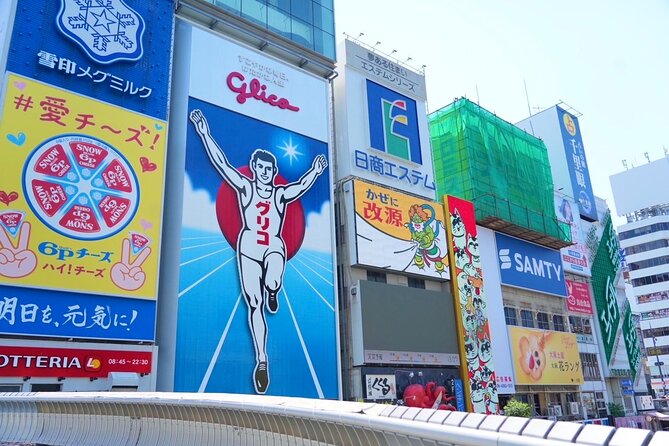
- End point at the Glico Sign drops you right where most people want to keep the night going
Back under the Glico sign: more Dotonbori runs

Why an early Osaka walk beats a half-day scramble
Osaka rewards momentum. Starting at 9:30 am helps you see major areas while the city still feels fresh, and it keeps your afternoon open for repeat visits—shopping streets you loved, or food stalls you want to try twice.
This tour works because it doesn’t treat Osaka like a checklist. You get a guided loop that mixes history-heavy stops (Osaka Castle grounds, Hozen-ji Temple) with street-level life (markets and shopping arcades) and then lands at Dotonbori when you can actually feel the energy.
Also, the group size matters more than people expect. When your tour is small, your English-speaking guide can slow down for questions, help you compare what you’re seeing, and nudge you toward the smartest photo angles and snack choices.
Meeting at Osaka Castle Park and finishing at the Glico Sign
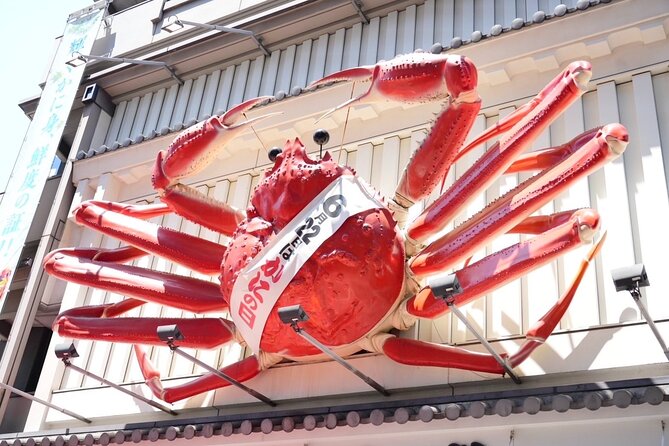
You meet at a very clear place: Starbucks Coffee – Osaka Castle Park (Japan, 540-0002, Chuo Ward, Ōsakajō, 31 JO-TERRACE OSAKA). It’s an easy “start line” for people coming from different hotels, and it reduces the common stress of finding a vague corner near a landmark.
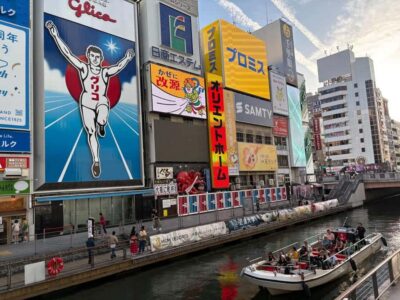
You end at Dotonbori, right in front of the Glico running man sign. That finish is not just pretty; it’s practical. You walk off the tour with a direct landing zone for dinner, drinks, and a second round through Dotonbori Canal views.
If you need transit help after the tour, the guide can assist with getting you to Namba Station. That’s handy because Dotonbori is a magnet—fun, but a little chaotic if you’re trying to move quickly.
Osaka Castle grounds: what you’ll see and what you should budget
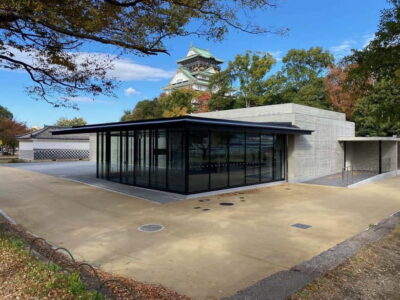
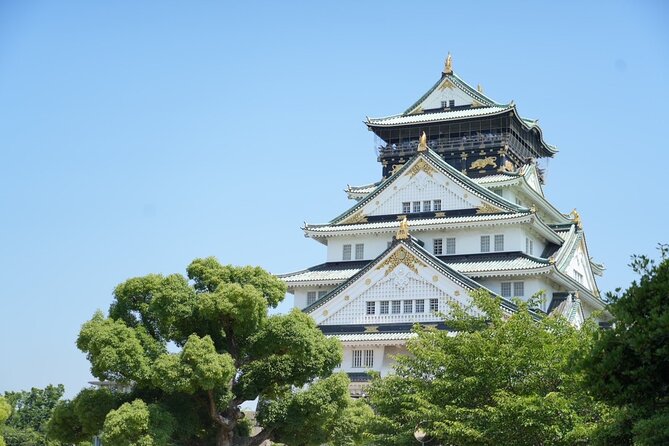
Osaka Castle is the historical centerpiece of the morning. Built in the late 16th century and tied to Japan’s unification period, it’s the kind of place where the setting tells part of the story before you even read a sign.
Plan on about an hour here. The focus is on the fortress architecture and the gardens/paths around it—not a guaranteed “go inside and roam” experience. Reviews from past groups also point out that you walk the grounds rather than being taken into the castle interior as part of the core tour.
What this means for you:
- If you’re happy with views and outside structure, you’ll get plenty out of this stop.
- If you’re the type who wants museum-level detail inside, set aside extra time and money, because entrance tickets aren’t included.
One more practical tip: Osaka Castle can be a popular photo stop, even early. If you want your favorite angle without rushing, take advantage of your guide’s pacing—some guides, like Yusuke and Hiraku, are praised for letting the group experience the area without sprinting.


Shinsekai: the old-meets-new neighborhood break
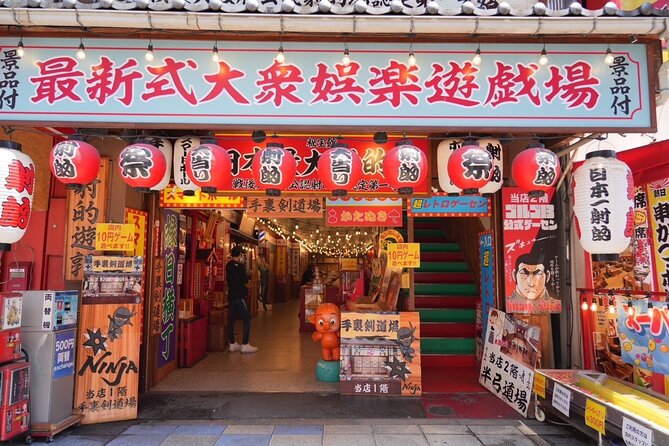
After the castle, the tour shifts toward neighborhood texture with Shinsekai (about 30 minutes). This is where Osaka leans into nostalgia: older street patterns, local shops, and a sense of “this is where people come to hang out.”
It’s a nice contrast stop. You’re not just absorbing monuments; you’re moving through streets that feel more like daily life than sightseeing corridors.
You’ll be walking, but the timing is short. Think of Shinsekai as a breathing moment in the tour, not a long detour—enough to capture the vibe and grab a few photos before the food-focused segments.
Kuromon Market: your Osaka Kitchen moment
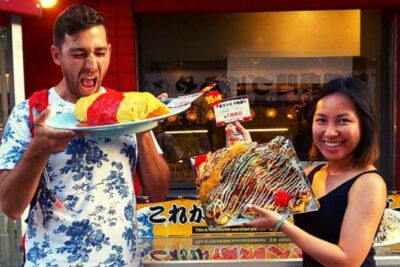
Then comes the big food stop: Kuromon Market (about 30 minutes). It’s famously nicknamed Osaka’s Kitchen, and for good reason—fresh ingredients, seafood, produce, and snack stalls all concentrated in one area.
You get one included street-food item here, plus one included drink (alcoholic or non-alcoholic). That’s a smart structure. It means you’ll taste something local with less decision fatigue, while still having the option to spend extra on things that catch your eye.
A key value of this stop is your guide’s guidance. This tour is set up for sampling and learning, not just walking past stalls. Guides have a way of pointing out what’s worth it in a market crowded with choices.
What to do if you’re hungry (but want to stay in control):
- Eat your included item, then treat the rest as a menu for later.
- If you spot something you really want, take note of where it is so you can return after the tour with a clear plan.
Also, remember you’re paying attention to timing. When the market is the “anchor,” you’re more likely to buy what you actually want rather than grabbing something random just to satisfy hunger.
Nipponbashi Denden Town: anime, gaming, and tech shopping
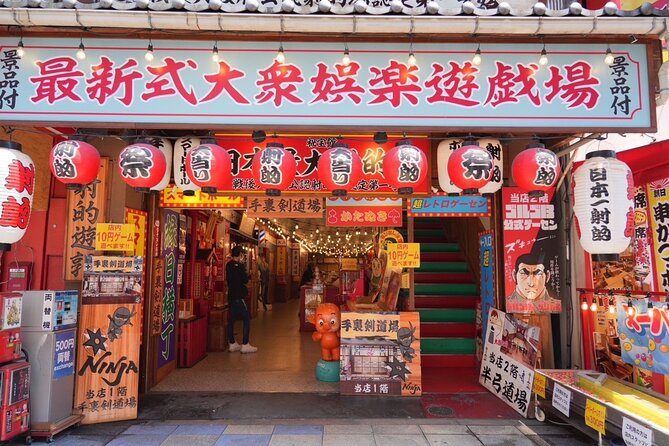
Next up is Nipponbashi Denden Town (about 20 minutes). This is Osaka’s electronics and pop-culture corridor—anime merchandise, games, and tech stores packed into walkable pockets.
This stop is short on purpose. It gives you a snapshot without eating the whole morning, which keeps the tour balanced for people who want food, history, and pop culture all in one arc.
If you’re a fan of consoles, figures, gadgets, or themed items, this is one of the most fun places to roam on foot. You’ll see shops you might not find elsewhere in Japan, and it’s easy to stop for photos and browse even after the tour ends.
One consideration: shops can change fast, and stock varies by store. So treat this as exploration time, not a guaranteed “buy the one exact thing” mission.
Sennichimae Doguyasuji: kitchenware for serious cooks
For food-tool shoppers, Sennichimae Doguyasuji Shopping Street is a highlight (about 15 minutes). The vibe is practical: kitchenware, professional chef tools, and cooking gadgets—plus the kind of niche items you only find when a street is built around a theme.
Even if you’re not buying anything, it’s an entertaining stop. It helps you understand how Osaka culture includes food as a craft, not just a habit.
If you do want to purchase something, keep an eye on carrying weight. A lot of the best tools can be bulky, and you’ll still have time walking through Dotonbori afterward.
Hozen-ji Temple: moss-covered serenity in the middle of town
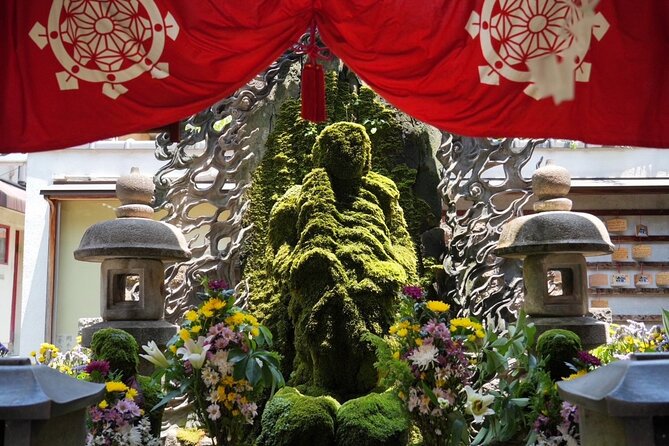
Right after shopping streets, you get a calm reset at Hozen-ji Temple (about 15 minutes). This is known for the moss-covered statue of Fudo Myo-o and the traditional cobblestone lanes around it.
It’s a quick stop, but it’s memorable. Temples like this work as a sensory contrast: stone, quiet pathways, and a slower feel after louder market areas.
If you like photos, this is one of the best “pause” points. You’re not only looking at a building—you’re walking into an older style of street layout where the surroundings feel intentional and preserved.
Dotonbori Tsuribori and Ebisu Bridge: the iconic ending
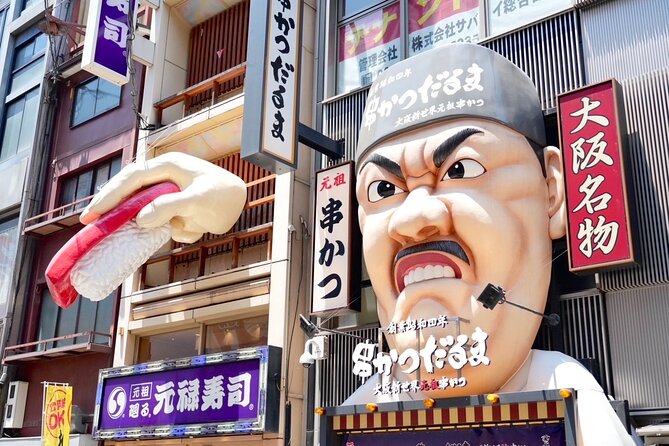
The finale is Dotonbori Tsuribori, centered on Ebisu Bridge and the Glico running man sign (about 30 minutes). This is one of Osaka’s most famous visual icons, and it’s the right place to end your tour because you can immediately keep exploring after the group finishes.
From here, you get views of the Dotonbori Canal. That canal perspective is the difference between seeing a sign and actually understanding why the area feels so alive at night.
You’ll also have a clearer sense of where you are. Once you’ve walked through the earlier stops, Dotonbori stops feeling like random neon and starts feeling like a connected story—markets to shopping to entertainment in one compact morning.
Price and logistics: what $60.78 really covers
The tour price is $60.78 per person for a 4-hour walk (approx.). For that, you get:
- an English-speaking guide
- one street-food item
- one drink (alcoholic or non-alcoholic)
What’s not included:
- public transportation fare: ¥430 per person
- entrance tickets for any attractions
This pricing makes sense if you factor in how often a good guide can save you time. You’re not only paying for translations; you’re paying for someone to connect the dots—what you’re seeing, why it matters, and what to do next.
Transit tip that can save you hassle
The route uses a mix of walking and short rides. So if you’re using transit repeatedly across your day, having an IC card or a train pass (a SUICA-type card is commonly used) can make your movement smoother.
And since the end point is in Dotonbori near Namba areas, you can keep your day going without feeling stuck.
Pacing and group size: how the morning stays enjoyable
A max group size of 8 people is the quiet superpower here. It’s large enough to feel like a real group, but small enough that you’re not swallowed by crowd noise.
In practice, guides are described as friendly and flexible. You’ll likely get explanations paced to your group, with enough time to look around and ask questions, not just follow like a human metronome.
That flexibility can matter most at Osaka Castle grounds and Kuromon Market. These are places where people want extra minutes—photos, curiosity, and food decisions. Guides such as Susan, Satsuki, and Yusuke have been praised for managing that balance.
If you’re the type who hates tight schedules, pay attention to the wording around pacing and “without rushing.” This tour is structured so the morning doesn’t feel like a sprint.
Who should book this tour (and who might skip it)
This is a great fit if you:
- want a first-pass overview of Osaka in just a morning
- like food + neighborhoods rather than only museums
- enjoy pop culture stops like Nipponbashi Denden Town
- prefer a small group and clear English guidance
You might consider skipping or swapping to a different format if you:
- specifically want to go inside Osaka Castle as a main goal (because the core experience is the grounds)
- can’t walk much or don’t want a tour that moves between multiple areas
- already plan a full day dedicated to markets and shopping and prefer to roam without timing
Should you book the Osaka Early Morning Tour with an English-speaking guide?
If your priority is to get oriented fast—and eat your way through Osaka’s key zones—this tour is a strong pick. The best part is the mix: castle setting, Kuromon Market sampling, shopping streets with personality, and a Dotonbori finish that puts you in the right place for dinner.
It’s also good value because the included food and drink help you avoid decision fatigue early. You’ll still want extra spending for anything beyond the one included bite, and you’ll pay transit, but you’re buying a guided route that’s designed to hit multiple “must-see” areas in one go.
One practical note for your plan: start time is 9:30 am, so make sure you’re ready to meet on time at the Castle Park Starbucks. And if you care a lot about going inside Osaka Castle, budget for entrance tickets and consider timing for queues.
FAQ
What time does the tour start?
The tour starts at 9:30 am.
Where do I meet for the tour?
You meet at Starbucks Coffee – Osaka Castle Park, located at JO-TERRACE OSAKA (Osakajō area).
Where does the tour end?
The tour ends in Dotonbori, in front of the Glico Sign.
How long is the tour?
The duration is about 4 hours.
What’s included in the price?
The tour includes an English-speaking guide, one Osaka street food item, and one drink (alcoholic or non-alcoholic).
Are entrance tickets included for Osaka Castle or other attractions?
No. Entrance tickets are not included. The Osaka Castle stop is noted as having admission ticket not included.
How much is the public transportation fare?
The public transportation fare is listed as ¥430 per person and is not included.
Is there a maximum group size?
Yes. The tour has a maximum of 8 travelers.
Is cancellation free?
Yes, you can cancel for a full refund up to 24 hours before the experience’s start time.
More Tour Reviews in Osaka
- Osaka Go Karting Tour with Funny Costume★ 5.0 · 2,658 reviews
- Osaka Castle: Museum and Tower Entry Ticket★ 4.5 · 2,380 reviews
- Osaka: Shinsekai Food Tour with 13-15 Dishes at 5 Eateries★ 4.8 · 2,204 reviews
- Osaka Food Tour: 13 Dishes at 5 Local Eateries★ 5.0 · 2,149 reviews
- Hungry Osaka Street Food Tour:15 Tastings & 3 Drinks with a Local★ 5.0 · 1,727 reviews
Dotonbori and Namba, Round Two
- Osaka Local Foodie Walking Tour in Dotonbori and Shinsekai★ 5.0 · 985 reviews
- Osaka: Dotonbori District River Cruise with Drink Discount★ 4.2 · 876 reviews
- Ultimate Osaka Walking Tour: Castle, Dotonbori & Hidden Gems★ 5.0 · 862 reviews
- Tea Ceremony Experience in Osaka Doutonbori★ 5.0 · 754 reviews
- Osaka: Namba Pub Bar Crawl with a Local Guide★ 4.9 · 424 reviews
The Newest Osaka Write-Ups
- Private Photoshoot in Osaka with a Professional Photographer
★ 5.0 · 3 reviews - Osaka Early Morning Osaka Castle Tour Avoid Crowds
★ 5.0 · 3 reviews - Nara Private Tour with Pick and Drop and English Speaking Driver
★ 3.5 · 3 reviews - Osaka: Modern Vegetarian Sushi Cooking Class
★ 5.0 · 3 reviews - Nara Day Trip from Osaka with a Licensed Guide
★ 5.0 · 3 reviews
Dotonbori & Namba Tours, compared.
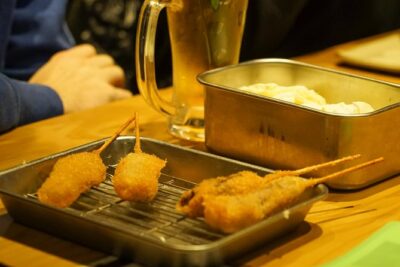 ★ 5.0Osaka Local Foodie Walking Tour in Dotonbori and ShinsekaiFrom $111985 reviews
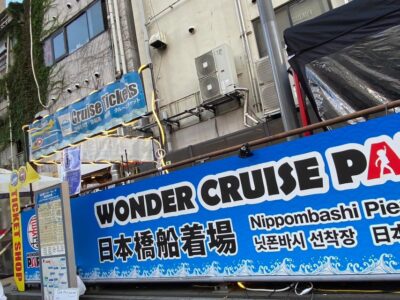 ★ 4.2Dotonbori District River Cruise with Drink DiscountFrom $12876 reviews
 ★ 5.0Ultimate Osaka Walking Tour: Castle, Dotonbori & Hidden GemsFrom $73862 reviews
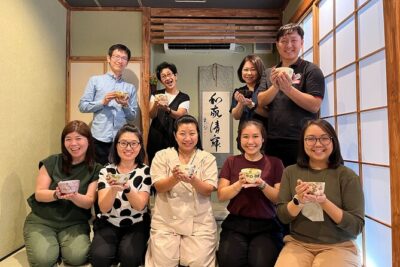 ★ 5.0Tea Ceremony Experience in Osaka DoutonboriFrom $20754 reviews
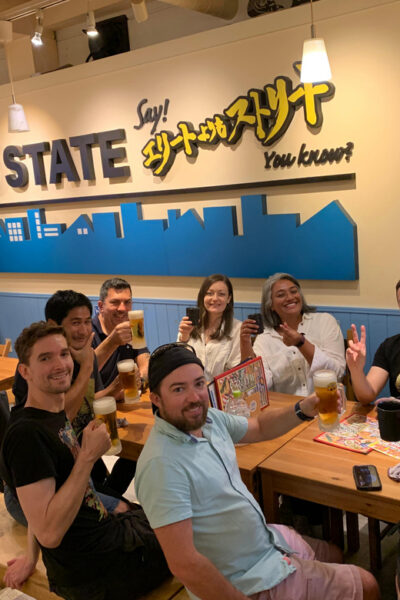 ★ 4.9Namba Pub Bar Crawl with a Local GuideFrom $30424 reviews
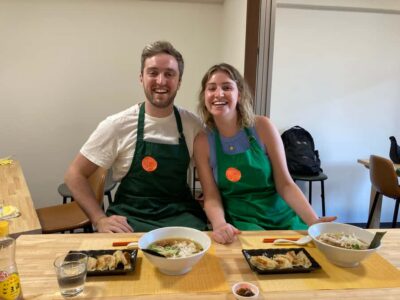 ★ 5.0Ramen and Gyoza Cooking Class in DotonboriFrom $70378 reviews
Dotonbori River Cruise with Glico Sign & Neon ViewsFrom $12376 reviews
★ 5.0Ramen and Gyoza Cooking Class in DotonboriFrom $70378 reviews
Dotonbori River Cruise with Glico Sign & Neon ViewsFrom $12376 reviews
 ★ 3.9Dotonbori’s Bridges 20-Minute CruiseFrom $12303 reviews
Browse the lists this tour appears in