
Reviewed · OSAKA CASTLE TOURS & TICKETS
Osaka: Castle History Walking Tour / Castle Tower Admission
Osaka Castle is way more than a pretty tower. This walking tour focuses on how the fortress was built to slow, trap, and outthink attackers, then tops it off with the tower view and clear explanations you can actually use while you explore. I like that the guides ground the walk in real design details, and I’ve seen standout examples from Saya and Mao in the way they keep the pace friendly and the facts easy to follow.
Two things I especially like: you get a skip-the-line route to the castle tower, and you also learn what to look for outside, from triple moats to gate traps like masugata. It’s the difference between seeing stones and understanding why they were placed that way.
One possible drawback: this is still a guided walk through outdoor castle grounds and uphill steps. If you’re not into lots of walking (or weather is rough), bring comfortable shoes and plan for slower movement.
In This Review
- Key Highlights You’ll Care About
- Osaka Castle’s Military Logic: What This Tour Teaches You to Notice
- Where You Meet and How You Don’t Waste Time
- The First Walking Stage: Outer Moats and Defense Layers
- Hokoku Shrine Stop: A Quiet Pause Inside the Military Story
- Osaka Castle Tower: How It Functioned as the Last Defense
- The Largest Stone and the Transport Problem Everyone Forgets
- The Gates, Entrances, and Wall Angles: Seeing the Castle Like a Strategist
- How the Fortress Fell in 1614–1615
- Guided Time, Photo Stops, and What You Still Do Yourself
- Price Versus Value: Why About $33 Can Make Sense Here
- Which Type of Visitor Should Book
- Should You Book This Osaka Castle Walking Tour?
- FAQ
- How long is the tour?
- Where does the tour start?
- Is the tour in English?
- Does the ticket include admission to Osaka Castle tower?
- Is there a skip-the-line entrance?
- What stops are included during the experience?
- Is the entire castle museum guided floor-by-floor?
- What should I wear or bring?
- What’s the cancellation policy?
- Can I reserve now and pay later?
Key Highlights You’ll Care About
- Skip-the-line access to the Osaka Castle tower saves time when lines form
- City views from the top make the climb feel worth it
- Masugata and gate design show how attackers were funneled and delayed
- The castle’s transport and stonework stories explain big logistics behind the stone defenses
- A clear 1614–1615 fall narrative ties the fortress to the Toyotomi and Tokugawa power struggle
More ways into Osaka Castle and its keep
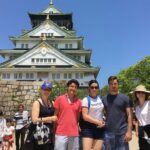
Osaka Castle’s Military Logic: What This Tour Teaches You to Notice
Osaka Castle can feel like a single landmark when you first arrive. This tour changes your lens fast. Instead of treating the grounds as scenery, you’ll see them as a system.
You’ll walk through layers meant to control movement: moats, outer defense lines, and gate areas designed to disrupt an attacker’s momentum. That matters because castles weren’t only about walls. They were about forcing people to move in predictable, uncomfortable ways under pressure. The route you follow is modeled on the kind of zigzagging approach enemies would have faced.
The best part is that the guide doesn’t just name features. They explain the job each feature was built to do. You’ll start pointing out details to each other, like wall angles that make climbing harder and stonework positioned to reduce easy leverage. Guides such as Spike, Kaz, and Ken are repeatedly praised for turning ordinary-looking stone and shapes into something you can read.
Where You Meet and How You Don’t Waste Time

Your meeting point is in front of Lawson S Otemae Rest House Store. There are multiple Lawson locations nearby, so check Google Maps so you’re standing in the right spot. Look for the Local Guide Stars sign.
This might sound small, but it affects the whole day. Osaka Castle grounds can get crowded, and a smooth start helps you enjoy the tour instead of sprinting to catch up. Also, the tour includes a separate entrance for the skip-the-line tower entry, so arriving on time helps you avoid losing that advantage.
If you’re traveling solo, you’ll likely appreciate the structure. If you’re with family, you’ll appreciate that the guide keeps the stops paced so you’re not constantly on the move.
The First Walking Stage: Outer Moats and Defense Layers
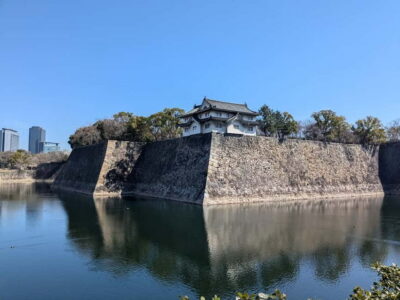
The walk begins by setting up the castle’s purpose: delaying and dividing attackers. You’ll explore outer moats and multiple defense layers, with a big focus on how movement was controlled.
Here’s what you’ll pay attention to as you walk:
- Triple moats and how they force slower approaches
- Multi-layered gates that create bottlenecks
- Masugata entrances, which are essentially trap-style gate setups that interrupt an attacker’s line of sight and direction
The tour also describes how the route would have looked to an invading force. You’ll walk through areas where attackers would have had to change direction under fire. That’s one of the most useful takeaways: once you understand the zigzag logic, you can look at the layout and instantly grasp why it was designed that way.
A practical note: this part is outdoors. Wear comfortable shoes. The castle is not an even flat stroll, and you’ll want traction if it’s wet or cold.
Osaka block by block, more routes on foot



Hokoku Shrine Stop: A Quiet Pause Inside the Military Story
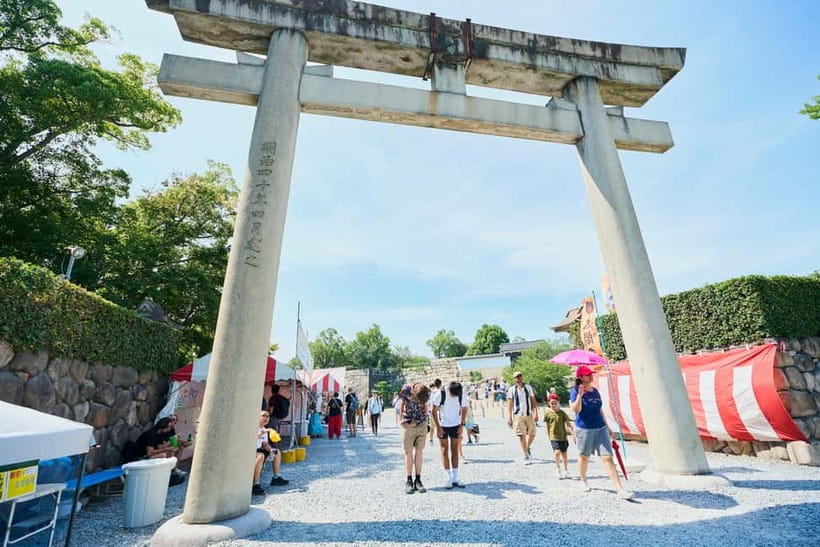
About 20 minutes are set aside for a visit to Hokoku Shrine. This stop is short, but it works as a reset from the defensive mechanics you’ve been hearing.
You’ll likely appreciate this if you’re the kind of visitor who wants history to include more than war. Japan’s castle sites often overlap with religious and cultural layers, and a shrine stop adds a human dimension to the fortress narrative.
This is also a smart pacing tool. You get intense design explanations for the walking portion, then you get a brief break before the tower climb and final picture stops.
Osaka Castle Tower: How It Functioned as the Last Defense
The tower is the payoff, and the tour sets it up well.
You’ll learn how the castle tower served as a command post and last line of defense. The guide connects architecture to function, pointing out:
- Arrow slits and other openings for attack and surveillance
- Gun ports, showing that the design wasn’t built for one era of weaponry
- Gold used for psychological warfare, a detail that shifts how you think about defense. This wasn’t only about protection. It was also about projecting power
Then comes the reward: the city view from the top. Even if you’ve seen Osaka from other places, this angle feels different because it’s tied directly to the castle’s role in controlling the city’s space.
One thing I really like about this structure is timing. Instead of dumping you into the museum and hoping you can self-navigate, the tour helps you read what you’re seeing up top. Several guides are praised for making sure the climb is paced comfortably and that the group stays safe, including for older guests.
The Largest Stone and the Transport Problem Everyone Forgets
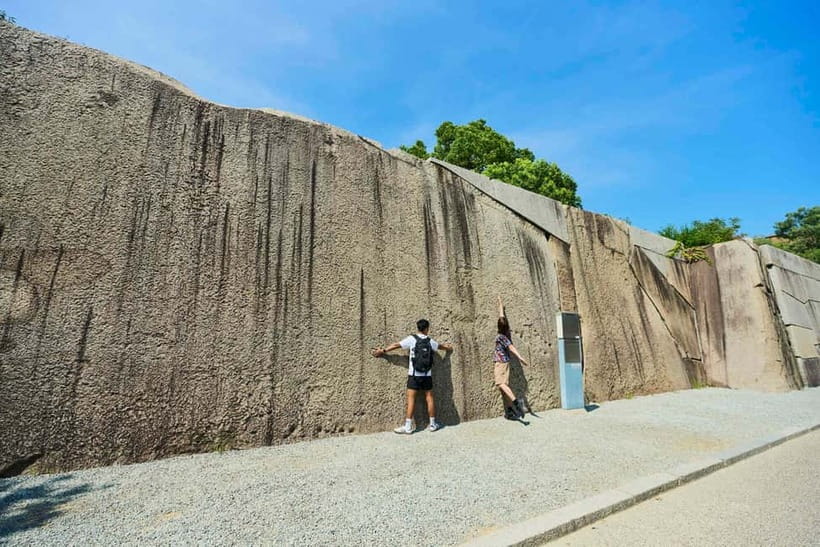
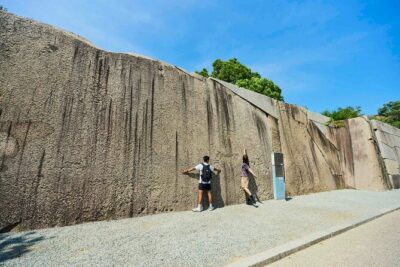
One of the standout teaching moments on this tour is the story of the castle’s largest stone.
Most people see walls and assume the big stones just arrived somehow. This tour zooms in on the 16th-century transport methods used to move massive stone materials to the site. You’ll also hear about hidden stone marks from master craftsmen, which are the kind of details you normally miss unless someone points them out.
Why this matters for you: it turns the castle from a static monument into a logistics and engineering puzzle. When you understand transport and placement, you understand why certain design choices made sense. The stone wasn’t just decoration. It was part of a long chain of decisions.
You also get explanations about wall angles and the stonework technique that made the walls harder to climb. That’s the kind of takeaway you can remember when you’re taking photos, because it changes what you look for: less “pretty rocks,” more “structural strategy.”
The Gates, Entrances, and Wall Angles: Seeing the Castle Like a Strategist
This is where the tour earns its value.
You’ll hear about defenses that were built to trap invaders—especially through the design of gates and entrances like masugata. You’ll also understand that walls weren’t uniform. Stonework patterns and angles were part of what made the structure more difficult to attack.
As you walk, the guide points out the kinds of features that are easy to overlook:
- how multi-layered gate setups force delays
- how zigzag approaches reduce attacking efficiency
- how wall geometry affects climbing attempts
The practical benefit is that your self-guided time later will feel more intentional. Even if you only do basic exploring beyond the tour, you’ll be seeing the castle with a new set of questions: Why is this where it is? Why does the route bend here? Why does this opening exist?
How the Fortress Fell in 1614–1615
The tour doesn’t stop at architecture. It ends with a historical arc explaining how Osaka Castle was considered invincible and then still fell in 1614–1615.
You’ll connect that outcome to the rivalry between Toyotomi Hideyoshi’s legacy and Tokugawa Ieyasu’s ambition. That context matters because it reframes the castle’s role. It wasn’t just a symbol of military strength. It was a political object in a changing power landscape.
This kind of closing works because you’ve already learned the physical logic. When the story shifts to why the fortress ultimately couldn’t hold, you’re ready to understand defeat as more than bad luck. It’s timing, power, and conflict.
Guided Time, Photo Stops, and What You Still Do Yourself
The experience is structured around a guided walkthrough plus time to take it in yourself.
You get:
- Guided tour of the castle grounds (around 75 minutes)
- Hokoku Shrine guided stop (about 20 minutes)
- Photo stop, visit, then time to explore (about 25 minutes combined, including self-guided time)
This balance is smart. You’re not locked into an unbroken lecture, and you’re not left on your own trying to decode everything from scratch. The skip-the-line tower entry also means your “tour time” isn’t eaten by waiting, so you can actually see more of what you paid for.
Also, the guides are repeatedly praised for photo opportunities. If you want pictures with better angles and context, this helps because you’ll know when to pause and what details are worth capturing.
Price Versus Value: Why About $33 Can Make Sense Here
At around $33 per person for a 90-minute experience, the value depends on one thing: how much you’ll get from the context.
Osaka Castle is popular, and lines can eat your day. The included tower admission ticket plus the skip-the-line entrance is a real advantage, especially if you arrive when it’s busy. Also, you’re not paying only for entry. You’re paying for a guided reading of the grounds—moats, gate traps, and stonework strategy—that you would otherwise miss or misinterpret.
Another value point: professional English-speaking guides are included, and multiple guides are noted for making safety and comfort part of the experience. That’s not just politeness. It can change how much you enjoy a climb and how confidently you move through the site.
Is it worth it if you’re a casual visitor? If you just want quick photos and don’t care about the design logic, you could choose to explore on your own. But if you want the castle to make sense as a defensive machine and historical symbol, this price feels fair.
Which Type of Visitor Should Book
This is a strong match if:
- You like history that explains why things were built a certain way
- You’re interested in military architecture and defensive design
- You want a guided path that helps you spot the details fast
- You’re traveling with someone who might enjoy a story-driven experience, even if they’re not a total history buff
It may feel less ideal if:
- You dislike walking outdoors in any weather
- You want a long museum-style tour covering every floor in depth
- You’re expecting a fully guided tour of each museum floor (the guided tour of each floor isn’t included)
Should You Book This Osaka Castle Walking Tour?
I think you should book this tour if you want your visit to Osaka Castle to feel understandable, not just impressive. The combination of skip-the-line tower admission, a design-focused route through the moats and gates, and an ending that explains the 1614–1615 fall gives you more than a sightseeing checklist.
If you’re short on time, the skip-the-line value matters. If you want better photos, the guide-led photo moments help. And if you care about learning what those stones and wall angles were designed to do, the guided explanations are exactly the kind of context that turns a landmark into a story you can see.
In short: if your goal is to walk away thinking I get how this fortress worked, this tour delivers.
FAQ
How long is the tour?
It runs for about 90 minutes total, with a guided portion of around 75 minutes at Osaka Castle plus additional time for the Hokoku Shrine stop and photo/visit/self-guided time.
Where does the tour start?
Meet in front of Lawson S Otemae Rest House Store. Since there are multiple Lawson stores nearby, confirm the exact one on Google Maps and look for the Local Guide Stars sign.
Is the tour in English?
Yes. It includes a live English-speaking guide.
Does the ticket include admission to Osaka Castle tower?
Yes. The Osaka Castle Tower Admission Ticket is included.
Is there a skip-the-line entrance?
Yes. The tower entry is handled through a separate entrance to skip the main line.
What stops are included during the experience?
You’ll visit Osaka Castle (including the tower), plus a guided stop at Hokoku Shrine, along with photo and exploration time at Osaka Castle.
Is the entire castle museum guided floor-by-floor?
No. Guided tour of each floor in the Osaka castle museum is not included.
What should I wear or bring?
Bring comfortable shoes and dress for the weather. The experience involves walking historical sites, including outdoor areas.
What’s the cancellation policy?
Free cancellation is available up to 24 hours in advance for a full refund.
Can I reserve now and pay later?
Yes. You can reserve now and pay later to keep plans flexible.
More Tour Reviews in Osaka
- Osaka Go Karting Tour with Funny Costume★ 5.0 · 2,658 reviews
- Osaka Castle: Museum and Tower Entry Ticket★ 4.5 · 2,380 reviews
- Osaka: Shinsekai Food Tour with 13-15 Dishes at 5 Eateries★ 4.8 · 2,204 reviews
- Osaka Food Tour: 13 Dishes at 5 Local Eateries★ 5.0 · 2,149 reviews
- Hungry Osaka Street Food Tour:15 Tastings & 3 Drinks with a Local★ 5.0 · 1,727 reviews
Osaka at Street Level
- Osaka Local Foodie Walking Tour in Dotonbori and Shinsekai★ 5.0 · 985 reviews
- Osaka: Deep Backstreets Walking Tour with Dinner Option★ 4.9 · 902 reviews
- Ultimate Osaka Walking Tour: Castle, Dotonbori & Hidden Gems★ 5.0 · 862 reviews
- Osaka: Main Sights and Hidden Spots Guided Walking Tour★ 4.9 · 702 reviews
- Private Osaka Walking Tour: Highlights & Hidden Gems★ 5.0 · 569 reviews
Osaka Castle, Seen Properly
- Osaka Castle: Museum and Tower Entry Ticket★ 4.5 · 2,380 reviews
- Osaka Castle Walking Tour and Castle Tower Admission★ 5.0 · 561 reviews
- 5-Hour Osaka Bike Tour to the Neighborhood of Osaka Castle★ 5.0 · 319 reviews
- Osaka Castle Guided Tour★ 4.7 · 249 reviews
- Osaka: Osaka Castle Guided Tour with Local Guide★ 4.7 · 78 reviews
The Newest Osaka Write-Ups
- Private Photoshoot in Osaka with a Professional Photographer
★ 5.0 · 3 reviews - Osaka Early Morning Osaka Castle Tour Avoid Crowds
★ 5.0 · 3 reviews - Nara Private Tour with Pick and Drop and English Speaking Driver
★ 3.5 · 3 reviews - Osaka: Modern Vegetarian Sushi Cooking Class
★ 5.0 · 3 reviews - Nara Day Trip from Osaka with a Licensed Guide
★ 5.0 · 3 reviews
Osaka Castle Tours & Tickets, compared.
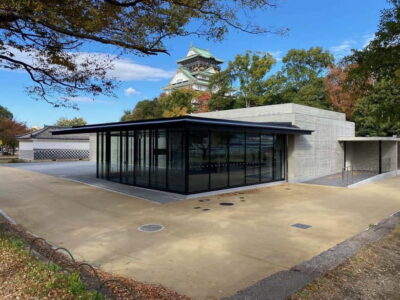 ★ 4.5Osaka Castle: Museum and Tower Entry TicketFrom $72,380 reviews
 ★ 5.0Osaka Castle Walking Tour and Castle Tower AdmissionFrom $23561 reviews
 ★ 5.05-Hour Osaka Bike Tour to the Neighborhood of Osaka CastleFrom $87319 reviews
 ★ 4.7Osaka Castle Guided TourFrom $43249 reviews
 ★ 4.7Osaka Castle Guided Tour with Local GuideFrom $4878 reviews
 ★ 5.0PRIVATE 6hr, Food tour from Osaka Castle, Kuromon, Dotonbori.From $15568 reviews
 ★ 4.5A Tour to Explore the Symbol of Osaka: Osaka CastleFrom $8356 reviews
 ★ 4.5Learning Zen of Japanese Calligraphy in kimono near Osaka CastleFrom $4353 reviews
Browse the lists this tour appears in