
Reviewed · OSAKA KIMONO & YUKATA EXPERIENCES
Exiting Rickshaw ride and Kimono experience
Osaka hits different when you’re rolling up in a kimono. This experience pairs that classic look with a short rickshaw ride and a handy photo stop under Tsutenkaku, then you get time to wander Shinsekai on your own.
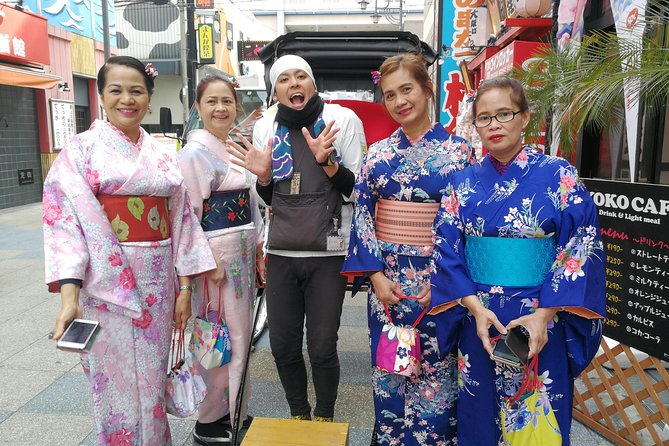
I especially like two parts: the huge kimono selection plus the careful dressing help (and yes, hair gets fixed too). And I like that your driver points out sights around Shinsekai and takes photos so you’re not stuck playing the camera-in-a-street-selfie game.
One thing to plan around: the rickshaw portion is intentionally short, and the whole experience depends on good weather, so you’ll want a flexible mindset.
In This Review
- Key highlights you’ll actually feel
- Choosing a kimono in Osaka: where the fun really starts
- Rickshaw ride to Shinsekai: short, sweet, and surprisingly photo-friendly
- Tsutenkaku stop: the photo landmark that makes it click
- Wandering Shinsekai in your kimono: how to make free time count
- What the price covers and why it can be good value
- Timing and logistics: when to go, what to bring, and how to stay sane
- Who this fits best (and who should skip it)
- Should you book the rickshaw + kimono combo?
- FAQ
- How long does the experience take?
- What’s included in the kimono part?
- How long is the rickshaw ride?
- Where do I get off during the tour?
- Is this activity private?
- What’s the meeting point and where does it end?
- What happens if the weather is bad?
Key highlights you’ll actually feel
- 100+ kimono choices so you can pick something that matches your look, not just whatever fits
- Private group only, so the pace feels personal instead of rushed
- Rickshaw ride with photo help to capture the Osaka moment without juggling your camera
- Tsutenkaku drop-off gives you a clear place to start your Shinsekai walk
- Return on foot keeps the logistics simple and lets you keep exploring
Dressed for old Osaka a while longer

Choosing a kimono in Osaka: where the fun really starts
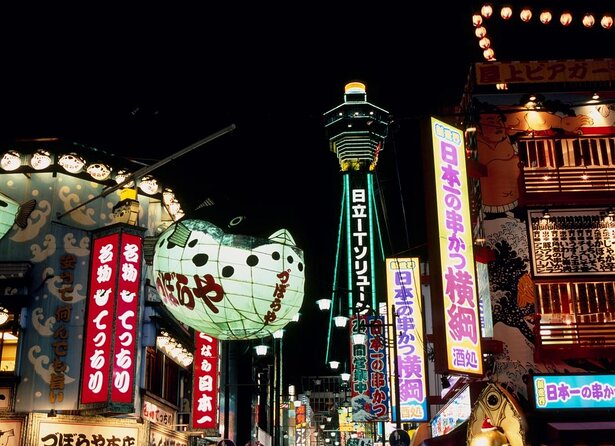
Right when you meet up, the vibe turns into a quick fashion reset. You’ll choose a kimono from a big collection—more than 100 options—then get dressed on the spot. This is the part that makes the day feel special, because you’re not just sightseeing in nice clothes. You’re stepping into the outfit first, and everything else follows.
Here’s the practical upside: when you’re dressed by someone else, you avoid the usual kimono frustration of figuring out what goes where. Several guests specifically praised how patient the dressing help was. One person even called out the kindness of Mayumi, who not only helped choose a very nice kimono but also fixed hair so the look stayed camera-ready.
What to wear (so you’re comfortable): wear simple clothes you can slide out of quickly. Plan to bring socks or footwear that won’t fight you during the change. You won’t be doing long-distance walking in your own shoes, so comfort matters, but the day still feels light and fun because your outfit is handled.
Also, think about color and pattern choices as part of your photo plan. Shinsekai is all about signage, neon energy, and contrast. A kimono with stronger color will photograph better against the street tones, and it will also make the rickshaw photos pop when you’re looking back later.
Rickshaw ride to Shinsekai: short, sweet, and surprisingly photo-friendly
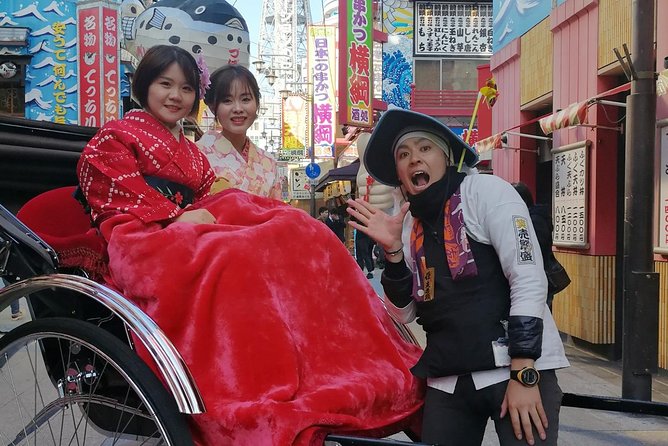
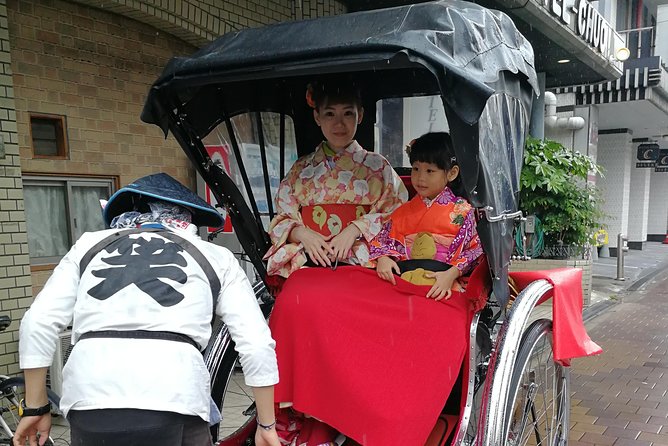
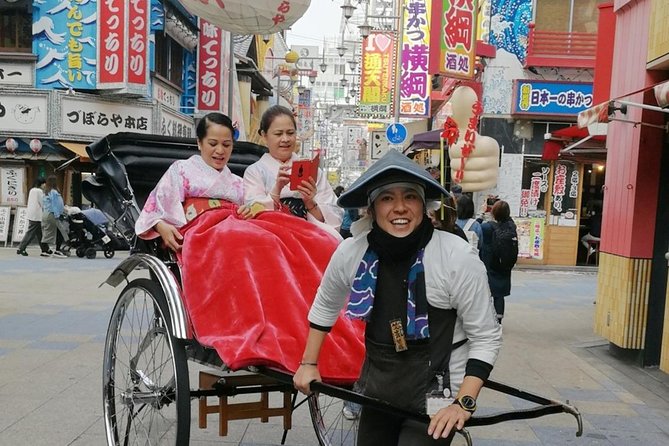
Then comes the rickshaw. You’ll climb in when the driver arrives and get a about 20 minutes ride through the Shinsekai area. This is not a long, slow “tour all day by carriage” moment. It’s timed, focused, and designed to get you the big Osaka visuals without eating up your entire schedule.
You’ll get a driver who shows you interesting places around Shinsekai, and you’ll also get photos. That might sound like a small detail, but it’s big for real life. When you’re traveling, the hardest thing is being in the photo. Here, you can relax and just ride, while someone else helps with the camera moment.
A quick reality check: one guest noted the ride feels fun but a bit short. That’s not necessarily a problem. It just means you should treat the rickshaw as the highlight you can’t easily DIY—then enjoy the longer part of your day by exploring on foot afterward.
If you’re worried about feeling rushed, remember you do get free time after you hop out. The ride is the bridge that gets you into the neighborhood vibe. Then you take over.
Tsutenkaku stop: the photo landmark that makes it click
The rickshaw ends with you getting off under Tsutenkaku Tower. This is a smart move. Tsutenkaku is one of Osaka’s most recognizable photo anchors, and you’re delivered right where people want to stand and frame the shot.
Why this is valuable: you don’t have to figure out the “where exactly do I go” part while wearing a kimono and trying not to stress. Being dropped at the tower area means you can immediately orient yourself, take pictures, and start exploring without the usual confusion spiral.
What to do at the stop: take a moment to look at your surroundings before you start walking deeper into Shinsekai. You’ll get better photos if you choose one “main” view first (with the tower in it), then branch out. Shinsekai streets can look similar at first glance, but the details change fast—signs, alleys, shop fronts, and local rhythm.
Also, you’re in kimono now. That changes your pace. Use that to your advantage. Slow down a little. Your outfit invites the neighborhood. And you’ll probably get more friendly looks and photo requests than you expect—so be ready to smile and enjoy it.

Wandering Shinsekai in your kimono: how to make free time count
After Tsutenkaku, you have free time to walk around Shinsekai by yourself in your kimono. This is where the experience becomes more than a “ride plus outfit.” Shinsekai is one of Osaka’s most well-known entertainment neighborhoods, and it’s the kind of place where just walking makes you feel like you’re in a living scene.
Because you’ll be on foot, think like a local for a bit:
- Choose a few streets to follow rather than trying to cover everything.
- Stop whenever something catches your eye on a sign, food counter, or side street.
- Take short breaks when your feet feel it. Kimono days can be tiring, even when you’re not walking far.
You’ll also want to keep an eye on where you started. Your plan is simple: return to the meeting point on foot at the end. That means you can wander freely, but you shouldn’t drift too far without checking direction. A good approach is to set a loose turnaround time in your head once you’re in Shinsekai so you don’t feel rushed later.
Two practical tips for kimono comfort:
1) Move carefully at first. Even if the shoes are fine, the outfit changes how your stride feels.
2) Keep water handy if you can. Nothing ruins a fun walking plan like realizing you forgot to drink.
What the price covers and why it can be good value
The price is $71.54 per person for about 1 hour 30 minutes total. On paper, that might sound like a lot for a short ride. But the value is in the combination: kimono selection and dressing plus the rickshaw experience and photo support.
If you only cared about the rickshaw ride, it might feel expensive for how brief it is. But the kimono part is usually the biggest “all-in-one” benefit. You’re paying for someone to help you choose from a large collection and get you dressed properly. That’s hard to replicate on your own without planning for rental logistics and figuring out how to wear it correctly.
You’ll also get a mobile ticket, and group discounts may apply. Another small but real value point: it’s a private activity, meaning it’s just your group. That usually translates to less waiting and a better flow, especially when dressing time matters.
A final timing note: the average booking window is around 32 days in advance. That’s a hint this is a popular “do it early” type of plan. If you have specific dates in mind, I’d book sooner rather than later so you’re not stuck hoping for availability.
Timing and logistics: when to go, what to bring, and how to stay sane
The whole experience runs about 1 hour 30 minutes. That makes it a good fit for a day with other Osaka plans. You’re not committing to a half-day tour. Instead, you get a concentrated highlight and then plenty of time to keep exploring after.
The meeting point is at 3-chōme-6-19 Nipponbashihigashi, Naniwa Ward, Osaka, 556-0006, Japan, and the activity ends back at the same place. It also says it’s near public transportation, which matters because kimono days can make you less willing to do long, sweaty walks from transit.
Here’s what I’d bring:
- A small bag for essentials, since your hands might be free during photos but you’ll want something for water and phone charging.
- Any hair ties or basics if you have long hair (even with help, it’s nice to have control over your comfort).
- Comfortable socks or whatever foot setup you’re using under the kimono footwear.
Weather matters too. The experience requires good weather, and if poor weather cancels it, you’ll be offered a different date or a full refund. I’d check the forecast like you would for an outdoor museum day. If rain threatens, having backup plans for that day helps.
Who this fits best (and who should skip it)
This is ideal if you want:
- a kimono experience without figuring out rentals and dressing yourself,
- a fun, iconic Osaka photo setup at Tsutenkaku,
- an easy “start-to-finish” plan with private group attention.
It’s also a great match for couples and parent-child trips who want something memorable that still stays relatively short. One review called it a memorable day with a daughter, and that makes sense here: kimono dressing can be exciting, and rickshaw riding feels special in a way kids usually notice fast.
Consider skipping or adjusting expectations if:
- you’re looking for a long ride or deep historical walking tour,
- you hate being weather-dependent,
- you want a fully self-guided experience from beginning to end.
Because it’s private, it won’t feel like a factory tour. But it’s still a structured experience, with the rickshaw ride being intentionally limited.
Should you book the rickshaw + kimono combo?
Yes, if you want the Osaka “wow” factor with low hassle. The kimono dressing help and the photo-friendly setup around Tsutenkaku are the core reasons this works. You get a big visual payoff in a short time, and then you’re free to enjoy Shinsekai at your own pace.
I’d book if:
- you have a date in mind and can plan ahead (the average booking is about a month),
- you like photos and want someone to help with the camera moment,
- you’re okay with a short rickshaw ride and a longer self-walk afterward.
I’d think twice if:
- your heart is set on an all-day carriage tour,
- the weather forecast is unstable for your chosen date and you dislike contingency plans.
If your goal is a fun, stylish, no-stress way to hit the Shinsekai area while dressed up properly, this is a strong choice.
FAQ
How long does the experience take?
It runs for about 1 hour 30 minutes.
What’s included in the kimono part?
You choose a kimono from more than 100 options, and you’re dressed in the kimono by the staff.
How long is the rickshaw ride?
The rickshaw ride is about 20 minutes.
Where do I get off during the tour?
You get off the rickshaw under Tsutenkaku Tower, then you have free time to walk around Shinsekai.
Is this activity private?
Yes. It’s private, so only your group participates.
What’s the meeting point and where does it end?
The start is 3-chōme-6-19 Nipponbashihigashi, Naniwa Ward, Osaka, 556-0006, Japan. The activity ends back at the meeting point.
What happens if the weather is bad?
The experience requires good weather. If it’s canceled due to poor weather, you’ll be offered a different date or a full refund.
More Tour Reviews in Osaka
- Osaka Go Karting Tour with Funny Costume★ 5.0 · 2,658 reviews
- Osaka Castle: Museum and Tower Entry Ticket★ 4.5 · 2,380 reviews
- Osaka: Shinsekai Food Tour with 13-15 Dishes at 5 Eateries★ 4.8 · 2,204 reviews
- Osaka Food Tour: 13 Dishes at 5 Local Eateries★ 5.0 · 2,149 reviews
- Hungry Osaka Street Food Tour:15 Tastings & 3 Drinks with a Local★ 5.0 · 1,727 reviews
In Kimono Around Osaka
- Osaka: Sumo Show & Experience w/ Optional Kimono & Hot Pot★ 4.5 · 609 reviews
- Osaka: Tea Ceremony, Calligraphy, and Kimono Experience★ 4.9 · 130 reviews
- Learning Zen of Japanese Calligraphy in kimono near Osaka Castle★ 4.5 · 53 reviews
- Osaka: Kimono or Yukata Rental &Photos Service Options★ 4.9 · 25 reviews
- Kimono photoshoot-Includes 100 photo data★ 5.0 · 21 reviews
The Newest Osaka Write-Ups
- Private Photoshoot in Osaka with a Professional Photographer
★ 5.0 · 3 reviews - Osaka Early Morning Osaka Castle Tour Avoid Crowds
★ 5.0 · 3 reviews - Nara Private Tour with Pick and Drop and English Speaking Driver
★ 3.5 · 3 reviews - Osaka: Modern Vegetarian Sushi Cooking Class
★ 5.0 · 3 reviews - Nara Day Trip from Osaka with a Licensed Guide
★ 5.0 · 3 reviews
Osaka Kimono & Yukata Experiences, compared.
 ★ 4.5Sumo Show & Experience w/ Optional Kimono & Hot PotFrom $77609 reviews
 ★ 4.9Tea Ceremony, Calligraphy, and Kimono ExperienceFrom $96130 reviews
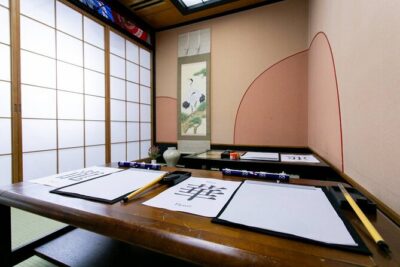 ★ 4.5Learning Zen of Japanese Calligraphy in kimono near Osaka CastleFrom $4353 reviews
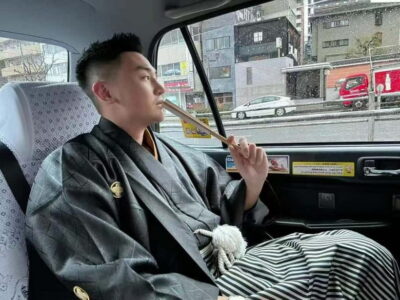 ★ 4.9Kimono or Yukata Rental &Photos Service OptionsFrom $1825 reviews
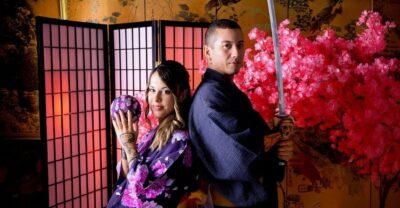 ★ 5.0Kimono photoshoot-Includes 100 photo dataFrom $9621 reviews
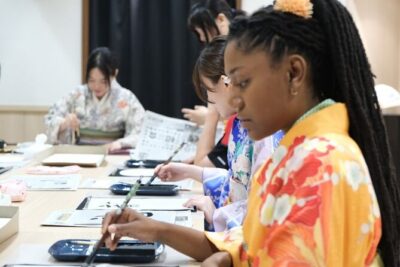 ★ 5.0Premium Kimono Dressing, Tea Ceremony, Calligraphy, Samurai showFrom $12318 reviews
 ★ 5.0Japanese miniature kimono made with origami in OsakaFrom $6512 reviews
 ★ 5.0Osaka Kimono Experience – Quick Traditional Dress & PhotosFrom $4711 reviews
Browse the lists this tour appears in