
One Kyoto day, tightly guided. This private full-day trip from Osaka strings together the big icons and the calmer corners, with hotel pickup and drop-off built in. I like that your guide isn’t just herding you from stop to stop—this setup also works as a translator and photographer for the day.
Two other things you’ll likely appreciate: you get a real sequence of sights (Fushimi Inari to Kiyomizu-dera to Gion) and you can tweak the route when time allows. The main drawback to plan for is temple entrance fees at several stops, plus optional extras like a kimono.
In This Review
- Key Things That Make This Kyoto Tour Work
- From Osaka to Kyoto: Why the Pickup Matters
- Fushimi Inari-taisha: The Tori Gate Morning Ritual
- Arashiyama and the Bamboo Forest: Big Atmosphere, Easy Timing
- Kinkakuji Golden Pavilion: The One You Should Budget For
- Kiyomizu-dera and UNESCO Status: Views That Change How You See Kyoto
- Gion: Geisha District Stroll With a Light Touch
- Hokan-ji (Yasaka-no-to Pagoda): A Strong Landmark in a Local Setting
- What’s Included vs What You’ll Pay Separately
- Timing and Pacing: Expect a Long Day, Not a Slow One
- How the Guide Experience Can Make or Break the Day
- Lunch and Break Time: Plan Ahead
- Who This Tour Is Best For
- Should You Book This Private Kyoto Tour From Osaka?
Key Things That Make This Kyoto Tour Work
- Door-to-door transport from Osaka: pick up and drop off with an air-conditioned vehicle and parking handled.
- Guide support beyond directions: English speaking help, plus translation and photo support at key moments.
- A smart best-of route: Fushimi Inari, Arashiyama, Kinkakuji, Kiyomizu-dera, Gion, and Hokan-ji in one long day.
- Admission costs can add up: some major sights charge separate fees while others are free.
- Flex time when possible: you can customize if there’s room in the schedule.
A guide to yourselves, more private days out

From Osaka to Kyoto: Why the Pickup Matters
Kyoto looks close on a map, but timing is everything. This tour handles the heavy lifting with private transportation and hotel pickup and drop-off, so you don’t burn daylight figuring out trains, transfers, and crowd flow.
I especially like tours like this when your group has different walking speeds or you want photos without stopping every five minutes to regroup. Since the vehicle includes parking fees and tolls, you aren’t stuck paying little add-ons along the way.
A small caution: the experience depends on smooth communication for meeting. One key lesson from past participants is to confirm exactly where the driver will look for you at your hotel (not just the general address). If your meeting point is split into multiple entrances, it’s smart to tell your guide which one you’ll use so nobody has to play phone-tag.
Fushimi Inari-taisha: The Tori Gate Morning Ritual
Fushimi Inari-taisha is the start that wakes up the whole day. You’ll walk through lanes tied together by thousands of vermilion torii gates, visiting a shrine built to honor Inari, the Shinto god of rice.
This stop is about rhythm. An hour gives you time to enjoy the main corridor without turning it into a stamina test. If you want photos, go slightly off the busiest line for a moment—often you can get a cleaner shot of the repeating gates with less crowd jostling.
The free admission here is also a nice value perk. You get a major Kyoto icon early, then the rest of the day can focus on paid highlights without feeling like you’re being rationed.
Arashiyama and the Bamboo Forest: Big Atmosphere, Easy Timing
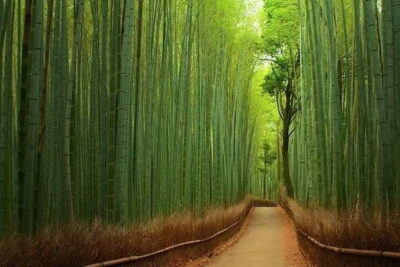
After Fushimi Inari, you shift from shrine lanes to Kyoto’s nature drama. Arashiyama is famous for its bamboo forest, and it also connects with the Sagano Romantic Train ride—people associate the area with spring cherry blossoms and autumn maple color.
With about an hour, the key is to keep your expectations realistic. You won’t have time for every side path and every viewpoint, but you will get the signature atmosphere: straight corridors of bamboo that make the light look different than in open streets.
This stop is also free for admission, which matters. It’s one of the few “wow” moments on the route where you’re not paying separately to enter. If you’ve been to bamboo spots elsewhere, you’ll still notice the density here—Kyoto does its own thing.
If you’re sensitive to crowds, consider walking a few minutes deeper before you stop for photos. The front area usually draws the first wave, while the back edges often feel calmer.
Kyoto sits thirty minutes away, more ways there
Kinkakuji Golden Pavilion: The One You Should Budget For
Kinkakuji (Golden Pavilion) is the showpiece on this route. It’s a Zen temple where the top two floors are covered in gold leaf, and it’s famous enough that you’ll recognize it even before you arrive.
This is one of the paid stops, so it’s worth treating it as your “value moment.” You’re paying for a concentrated experience: a single landmark with a strong visual payoff. That makes it feel less like a fee and more like buying time for the best angles and the best photo moments.
With around an hour, you can do the main viewing areas and still step back to reframe your photos. Try not to rush straight into the busiest spots. Give yourself two or three attempts at different distances—gold leaf reflects light differently depending on the angle.
One practical note: plan your shoes. You’ll be moving, and temple areas often mean uneven ground or lots of foot traffic.
Kiyomizu-dera and UNESCO Status: Views That Change How You See Kyoto
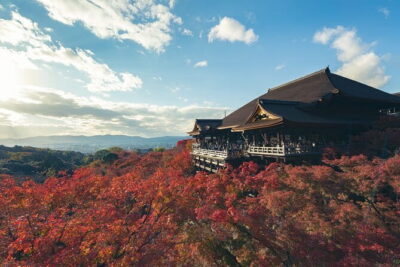
Kiyomizu-dera is a Buddhist temple in eastern Kyoto and part of the Historic Monuments of Ancient Kyoto UNESCO World Heritage site. It’s the kind of place where the architecture matters, but the viewpoints matter just as much.
Because this is another paid stop, I like to think of it as your “pay once, get multiple angles” entry. The time you’re given should be enough to take in the main sights and then look for a couple of different viewpoints without feeling like you’re being yanked along.
This is also where a good guide helps. Even when you can read a little signage, the context makes the scenes click—why certain structures are positioned the way they are, and what you’re meant to notice.
If you want photos with less stress, aim to pause for a minute away from the densest pocket of people. It’s not about avoiding everyone; it’s about controlling your own pace so you don’t end up fighting the flow.
Gion: Geisha District Stroll With a Light Touch
Gion is often described as the most famous geisha area in Japan, and on this tour you’ll spend about an hour here. This isn’t a museum stop. It’s a neighborhood walk where your job is to slow down and notice street shape, traditional façades, and the way the area feels at street level.
The admission is free, so you can use that hour to take in details without worrying about timing rules. I like this stop because it’s a breather between temples and temples again—less climbing, more atmosphere.
A practical tip: Gion gets photographed constantly. If you’re tired of the same angles, look for side streets and smaller frontage. Many of the best visuals come from looking at the area like a local—one turn at a time—rather than hunting one postcard view.
This is also a good segment for your guide’s photo support. If they’re translating and taking pictures, you’ll waste less time setting up and more time enjoying the street.
Hokan-ji (Yasaka-no-to Pagoda): A Strong Landmark in a Local Setting
Hokan-ji is known colloquially as Yasaka-no-to, and it features a 46-meter tall pagoda with graceful, sloping roofs across tiers. That height matters: the pagoda’s scale makes it feel like a fixed point in your memory of Kyoto.
This is another paid stop, and it’s worth it because the pagoda isn’t just a pretty background. It’s framed by the surrounding old Kyoto neighborhood vibe, so the setting gives your photos a sense of place instead of just a standalone monument.
With about an hour, you can take in the main views and then enjoy the slower pace of the neighborhood. This stop can feel more grounded than the busiest highlights, especially if you’ve been surrounded by tourists earlier in the day.
Again, your guide matters here. If they know where to stand for the best perspectives, you’ll save time and avoid ending up with average photos.
What’s Included vs What You’ll Pay Separately
Let’s talk money, because this tour is priced at $367.07 per person, and the value depends on what you pay on top. The included portion covers private transportation, parking fees, an air-conditioned vehicle, an English speaking driver, plus fuel surcharge and toll fees. You also get a mobile ticket, so you aren’t scrambling for paper.
Then the separate costs hit at the big-name temples:
- Kinkakuji Golden Pavilion: entrance fee listed as ¥500 per person
- Kiyomizu-dera Temple: entrance fee listed as ¥400 per person
- Hokan-ji Temple: entrance fee listed as ¥400 per person
By contrast, Fushimi Inari-taisha, Arashiyama bamboo area, and Gion are marked as free in the provided details. That mix is good for budgeting. You’re not paying entry on every stop; you’re paying for the specific landmark temples.
Optional extras can add more. If you want a kimono, it’s listed as available through Kimono Forest, ranging from ¥3980 to ¥6000, and it’s not included. If you’re on a tight budget, you can skip it and still get great photos—especially since the guide can also help with photography.
Timing and Pacing: Expect a Long Day, Not a Slow One
This tour runs about 6 to 10 hours. That’s a big window, and it tells you the day can feel like a serious sightseeing day rather than a relaxed stroll. Your hour at each stop is designed to see the essentials and keep the route moving.
The upside is convenience: you’re covering multiple districts in one day without transfers. The downside is that you don’t have “wander forever” time in one place. If you’re the type who could spend all day at one temple or one street, you might want to use your customization time wisely.
The guide will help you customize when there’s available time left. In practice, that usually means you can do small adjustments like adding a quick viewpoint or spending a few more minutes where your group is most interested.
How the Guide Experience Can Make or Break the Day
A great guide makes your day feel smooth. You get English speaking support, and the guide can act as a translator and photographer. That matters most when signs, etiquette, or directions aren’t clear, and it matters again when you want photos without juggling.
There can also be a risk if pickup goes wrong. One past experience included a driver with weak communication skills and confusion about where to meet at a hotel entrance. The result was stressful enough that the trip was canceled on the spot for that group.
My takeaway is simple: before the tour starts, send a clear note with exactly which entrance you’ll use, and be ready to step to the curb or lobby quickly. If your hotel has multiple entrances, give the guide the one you want them to use. That small step prevents a lot of wasted time.
On the positive side, there was also a case where a designated guide named Allan worked hard to meet people even when the cruise-ship pickup address was vague. It’s a good reminder that when you have a reliable guide, they can solve real-world location problems fast.
Lunch and Break Time: Plan Ahead
Lunch is not included. That means you’ll need to work meals into your own schedule during the day. Because temple stops can take more time if crowds spike, it’s smart to be flexible and not assume you’ll find the perfect lunch right when hunger hits.
If you want to keep the day enjoyable, don’t wait until you’re starving. Grab something quick before you feel desperate. Kyoto food is a big part of the experience, but your schedule will decide when you can realistically sit down.
Who This Tour Is Best For
This tour fits you best if you want a guided “Kyoto highlight circuit” without the stress of logistics. It’s especially good for couples, small groups, or anyone who values door-to-door transport.
It’s also a strong choice if you appreciate a guide who can translate and help with photos. That support is useful at crowded landmarks where your time is limited.
If you’re traveling solo and prefer to move at your own pace, you might find the time slots feel a bit tight. You’ll still enjoy the sights, but you won’t get the slow, unstructured wandering you might want.
And if you’re budget-tight, you’ll need to factor in the additional entrance fees at three major stops and the optional kimono cost if you’re tempted.
Should You Book This Private Kyoto Tour From Osaka?
I think this is a smart booking if you want the classic Kyoto list in one day and you’d rather spend your energy looking at shrines and pagodas than planning transit. The included private transport, English speaking driver support, and hotel pickup/drop-off are the backbone of the value—especially when you’re trying to see a lot without wasting time.
Book it if:
- you want Fushimi Inari, Kinkakuji, Kiyomizu-dera, Gion, and Hokan-ji all in one route
- you like the idea of a guide handling logistics and helping with translation and photos
- you’re comfortable budgeting for temple entrance fees
Consider a different plan if:
- you hate fixed time slots and want long free time in just one or two neighborhoods
- you’re very sensitive to pickup issues and can’t be flexible about meeting points
If you do book, set yourself up for success: confirm the exact pickup entrance, bring comfortable shoes, and plan for separate temple fees and lunch. With that in place, you’ll get a full, satisfying Kyoto day with less stress and more keepers.
More Tour Reviews in Osaka
- Osaka Go Karting Tour with Funny Costume★ 5.0 · 2,658 reviews
- Osaka Castle: Museum and Tower Entry Ticket★ 4.5 · 2,380 reviews
- Osaka: Shinsekai Food Tour with 13-15 Dishes at 5 Eateries★ 4.8 · 2,204 reviews
- Osaka Food Tour: 13 Dishes at 5 Local Eateries★ 5.0 · 2,149 reviews
- Hungry Osaka Street Food Tour:15 Tastings & 3 Drinks with a Local★ 5.0 · 1,727 reviews
Kyoto, Just Up the Line
- Osaka/Kyoto: Hiroshima Miyajima Bus Tour & Shinkansen Ticket★ 4.7 · 919 reviews
- From Kyoto/Osaka: Kyoto Top Highlights 1-Day Guided Bus Tour★ 4.5 · 714 reviews
- Ancient Capital Tour: Kyoto and Nara Highlights from Kyoto/Osaka★ 4.5 · 332 reviews
- Osaka/Kyoto: Amanohashidate & Miyama Tour with Boat & Lunch★ 4.6 · 207 reviews
- Kyoto and Nara Day Trip from Osaka★ 4.0 · 175 reviews
Your Osaka, at Your Pace
- Private Osaka Walking Tour: Highlights & Hidden Gems★ 5.0 · 569 reviews
- Osaka 4hr Private Tour with Government-Licensed Guide★ 5.0 · 314 reviews
- 3/4/5 Hours Private Tour in Osaka with Local Guide★ 5.0 · 189 reviews
- Osaka’s Best and Brightest: Private Full-Day Tour by Vehicle★ 5.0 · 147 reviews
- Kyoto & Nara Private customized tour with English speaking Guide★ 4.5 · 99 reviews
The Newest Osaka Write-Ups
- Private Photoshoot in Osaka with a Professional Photographer
★ 5.0 · 3 reviews - Osaka Early Morning Osaka Castle Tour Avoid Crowds
★ 5.0 · 3 reviews - Nara Private Tour with Pick and Drop and English Speaking Driver
★ 3.5 · 3 reviews - Osaka: Modern Vegetarian Sushi Cooking Class
★ 5.0 · 3 reviews - Nara Day Trip from Osaka with a Licensed Guide
★ 5.0 · 3 reviews
Osaka Private Tours, compared.
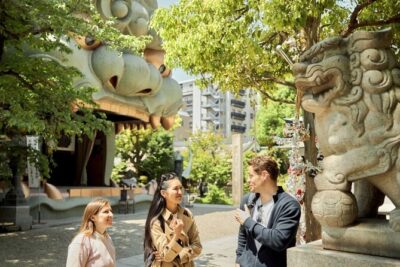 ★ 5.0Private Osaka Walking Tour: Highlights & Hidden GemsFrom $81569 reviews
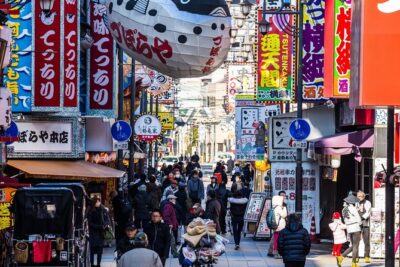 ★ 5.0Osaka 4hr Private Tour with Government-Licensed GuideFrom $105314 reviews
 ★ 5.03/4/5 Hours Private Tour in Osaka with Local GuideFrom $95189 reviews
 ★ 5.0Osaka’s Best and Brightest: Private Full-Day Tour by VehicleFrom $600147 reviews
 ★ 5.0Full Day Tour of Kyoto with Private TransportationFrom $247130 reviews
 ★ 4.5Kyoto & Nara Private customized tour with English speaking GuideFrom $54999 reviews
 ★ 4.6Private Custom Walking Tour with a Local GuideFrom $6297 reviews
 ★ 4.93/4/5 Hours Private Tour With Local GuideFrom $11686 reviews
Browse the lists this tour appears in