
Reviewed · OSAKA WALKING TOURS
Osaka Walking Tour
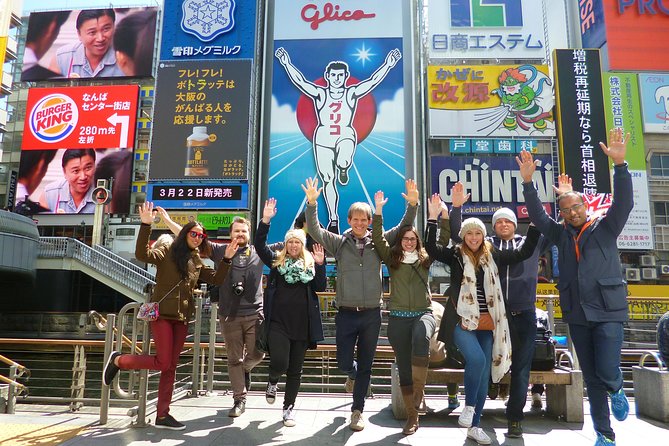
Osaka clicks faster when you walk it. This small-group tour strings together Osaka Station, Shinsekai, and the Dotonbori area so you get a feel for how the city works—food, streets, and local rhythm included. It runs about three hours, guided by an expert who points out what’s worth noticing (and what to ignore) as you move between neighborhoods.
I especially like two things: the Kushikatsu tasting in Shinsekai, which gives you a real food moment instead of just sightseeing photos, and the small group size (max 10), which makes it easier to keep a calm pace and actually ask questions. In the feedback, guides such as Hideoki, Rika, Kaori, and Yahiro are repeatedly praised for clear English and for tailoring the walk to first-time visitors.
One consideration: a big chunk of the experience begins around Osaka Station City, so if you get impatient with train-station complexity and commercial corridors, you’ll want comfortable shoes and a flexible mindset for an urban start. It’s still a good orientation tool, but it’s not a slow stroll through quiet temples only.
In This Review
- Key highlights worth showing up for
- Why this 3-hour Osaka orientation walk works for first timers
- Meeting at Osaka Station City: the fast way to avoid getting lost
- Shinsekai and the Kushikatsu tasting: a food stop that actually teaches
- Temple-and-street Osaka: what the route feels like on the ground
- Using the subway like a local (and budgeting the fare)
- Ebisu Bridge and Dotonbori: perfect landing spot for your evening
- Price and value: where the $53.06 makes sense
- Pace, weather, and what to wear so the walk feels good
- Who should book this Osaka walk—and who may want something else
- Should you book the Osaka Walking Tour?
- FAQ
- How long is the Osaka Walking Tour?
- What’s included in the price?
- Do I need to pay for the subway?
- Where do I meet the guide?
- Where does the tour end?
- Is there a limit on group size?
- Does the tour run in the rain?
Key highlights worth showing up for
- Max 10 travelers keeps the pace friendly and questions easy.
- Kushikatsu tasting in Shinsekai gives you Osaka street-food context in one stop.
- Subway travel is part of the plan (fare isn’t included), so you learn the flow of moving around.
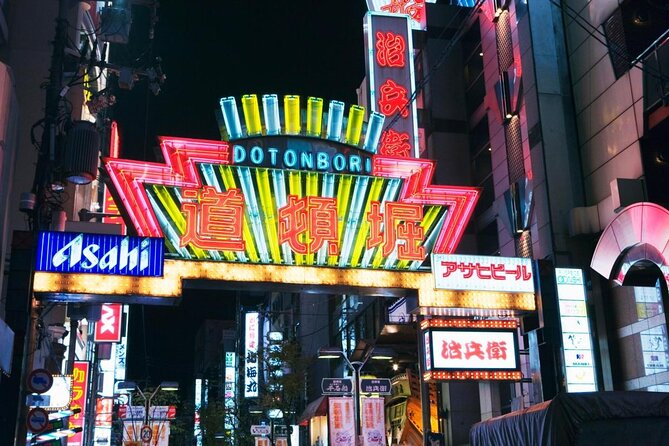
- Dotonbori’s energy ends the tour at Ebisu Bridge, a perfect springboard for your evening.
- A local guide-led route helps you connect Osaka’s business side with its older cultural pockets.
- A yellow flag meetup makes it easier to find your group at a busy station.
Osaka block by block, more routes on foot



Why this 3-hour Osaka orientation walk works for first timers
If it’s your first time in Osaka and you only have a few hours, you need two things: orientation and context. This tour is built for that. You start in the north around Osaka Station’s massive transit-and-shopping area, then work your way down into areas known for nightlife and bold street culture. Along the route, you’ll also be guided toward key “how Osaka feels” stops—like the Dotonbori waterfront entertainment district—so you don’t just tick off sights. You understand why people hang out there.
Another smart angle is that this isn’t a single-style tour. Osaka can feel like three different cities in one day: modern and efficient, historical and grounded, and then loud and playful around its food-and-signage districts. The guide ties those faces together as you go, so the city stops being a blur of neighborhoods.
The tour is also intentionally short. At about 3 hours, it fits neatly into a first-day plan without eating your whole schedule. That matters in Osaka, where changing neighborhoods can be fast but mentally tiring if you’re trying to do it all alone.
Meeting at Osaka Station City: the fast way to avoid getting lost
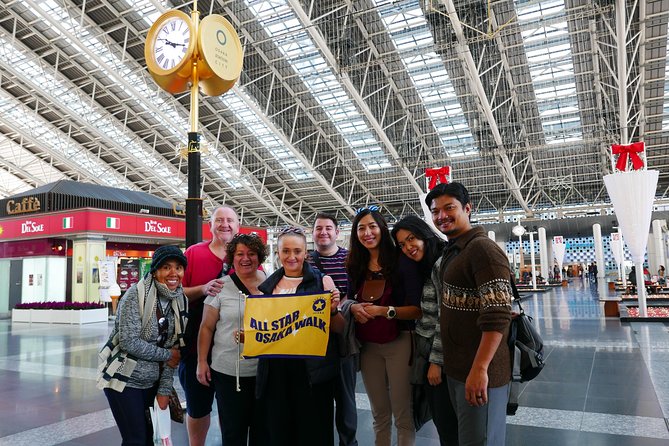
You meet in a very specific place: the Osaka Tourist Information Center on the ground level, in front of the central gate of JR Osaka Station, at 9:50 am. The guide carries an All Star Osaka yellow flag, and the tour starts exactly at 10:00 am—so don’t roll in at 9:59 and hope for miracles.
Why does this matter? Osaka Station is big and busy enough that it can throw off even confident travelers. Starting there is practical because it anchors you in a landmark you’ll likely use later. You’ll spend about 45 minutes at Osaka Station City, which gives you time to orient to the area around your hotel, your next train connection, and the general direction your day will flow.
The other reason this station start is valuable: the tour doesn’t treat transit as boring. It treats it as part of the experience. With a local guide, you learn the “how” of moving through the city, not just where to go.
Shinsekai and the Kushikatsu tasting: a food stop that actually teaches
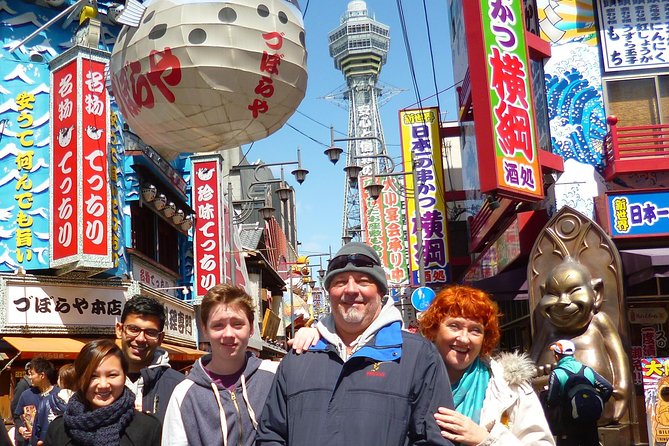
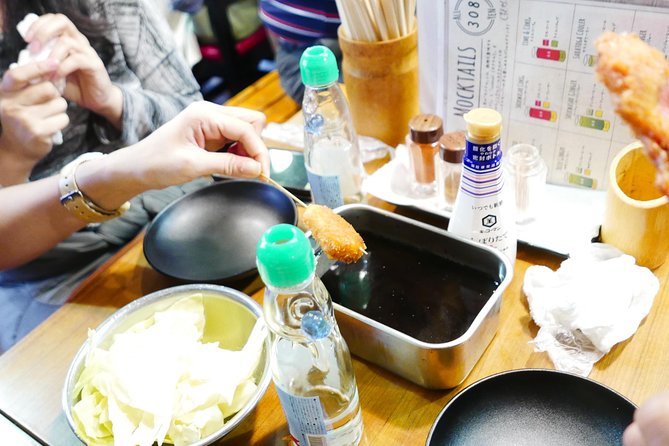
Shinsekai is one of Osaka’s most distinct downtown areas, and it’s famous for casual “Osaka soul food” snacks—especially Kushikatsu, which is deep-fried skewered food. During this tour, you don’t just pass by. You stop at a restaurant for a tasting, which turns food into a learning moment.
Here’s why this is good value for your time: when you taste something early, you start noticing it everywhere after that. You learn what people mean when they talk about Osaka’s snack culture. And you get a reference point for the next meals you plan on your own.
The tour also gives Shinsekai more weight than a quick photo stop. There’s about 50 minutes here, so it has time to feel like a real neighborhood rather than a drive-by. Even in mixed feedback, one thing stays consistent: the Kushikatsu tasting is a highlight because it breaks up the walking and gives you something to do besides look up at signs.
Practical note: the tour includes 1 non-alcoholic drink with your tasting. Everything else is not included, so if you’re the type who wants to eat a lot at once, you may want a bigger plan later.



Temple-and-street Osaka: what the route feels like on the ground
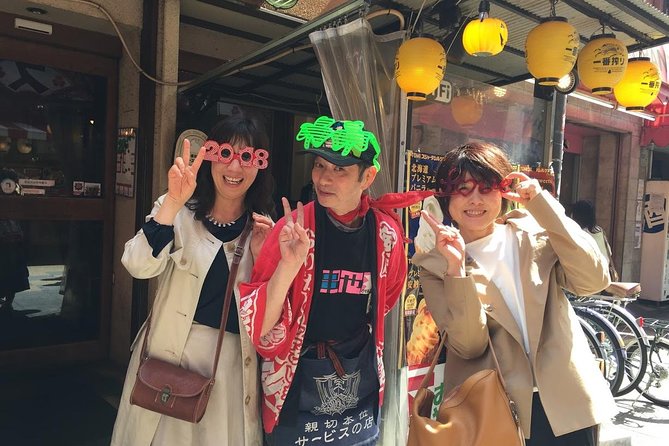
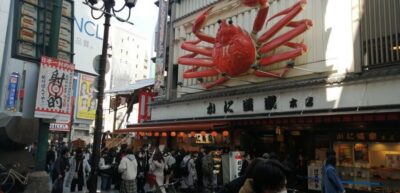
As the walk moves beyond Shinsekai, you’ll get the kind of Osaka that’s hard to describe from a map. The tour includes small attractive alleys lined with restaurants, plus a pass through a lively commercial district where you’ll see flashy billboards and a mix of shops, theaters, and eateries.
This part of the tour is less about a single landmark and more about reading the city. Osaka is a place where street design tells you what to do next—where to eat, where to linger, and where the action is. A good guide helps you interpret that quickly, instead of wandering for hours trying to “figure out the vibe.”
Also, the tour description includes stops connected to Osaka’s cultural side, such as Hozenji temple, and it’s set up so you witness different sides of the city as you move. Even if the exact “order of sights” can shift slightly, you should expect a balance: at least one culture anchor, at least one major entertainment zone, and plenty of street-level context in between.
If you love cities where the details are on the street—not just behind museum doors—this is the portion you’ll remember.
Using the subway like a local (and budgeting the fare)
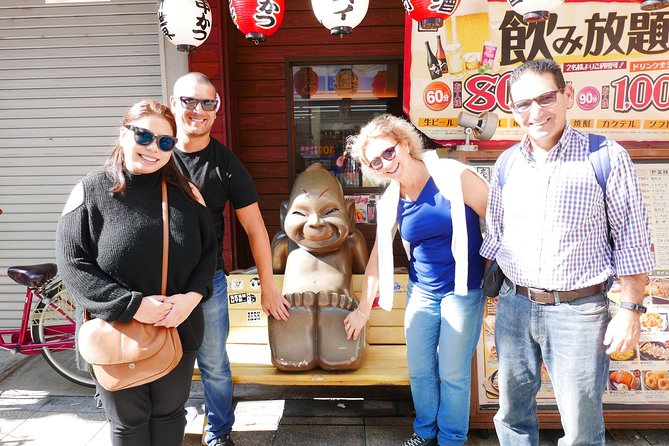
The tour includes riding the subway as part of the experience, but the subway fee is not included. The listed adult/youth fare is 430 yen, and the child fare is 220 yen.
This matters for two reasons. First, it affects your total day budget—so don’t forget it when you’re comparing the tour price to a DIY plan. Second, it changes the feel of the walk. You’re not trapped moving at street level the whole time. You’ll be able to cover more neighborhoods without wearing your legs out before you get to the good atmosphere.
The tour overall uses a moderate amount of walking. You’ll use escalators and some steps, so it’s best to wear shoes that can handle uneven sidewalk textures and sudden crowding.
Ebisu Bridge and Dotonbori: perfect landing spot for your evening
The tour ends at Ebisu Bridge (Ebisu-bashi) in the Dotonbori area, after about a short final stretch (around 10 minutes). This is a strong finish because Dotonbori is where Osaka’s neon-and-food energy peaks.
Ending on a bridge also helps mentally. You can pause, orient yourself, and decide what you want next—whether that’s more walking along the waterfront, lining up for snacks, or simply enjoying the street-level theater.
If you’re planning an evening out, this tour gives you a clean handoff. You don’t have to “start from scratch” after three hours—you’re already in one of the most famous zones in the city.
Price and value: where the $53.06 makes sense
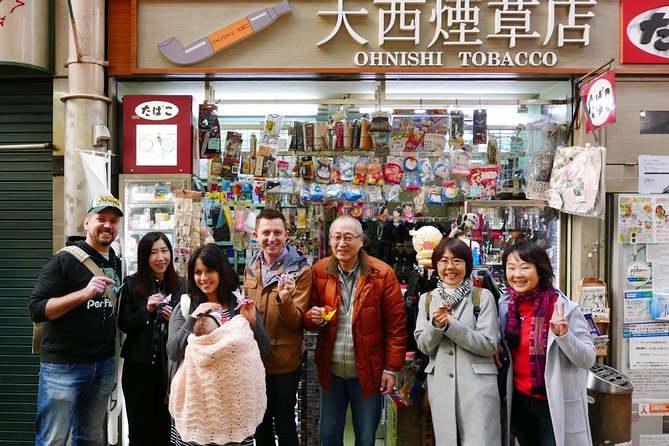
At $53.06 per person, the price is basically paying for three things: a local guide, a structured route that gets you around without confusion, and a small food experience.
Here’s what’s included:
- A local guide
- Food tasting (Kushikatsu)
- 1 non-alcoholic drink
- A mobile ticket
- A tour portion that indicates an admission ticket included (while the Osaka Station City stop is listed as free)
What’s not included:
- Subway fare (430 yen adult/youth, 220 yen child)
- Food and drinks beyond what’s specified
- Hotel pickup/drop-off
- Insurance
So does it feel like value? For many first-time visitors, yes—because you’re buying “time saved.” Osaka Station alone can be a learning curve, and Shinsekai is easier to enjoy with someone who knows the route and timing. The Kushikatsu tasting adds a tangible reward right in the middle of the walk, instead of leaving you hungry while you sightsee.
If you compare this to a self-guided plan, you’d need to do more research up front and spend more time figuring out what matters. The tour is meant to reduce that effort and get you to the parts of Osaka that work together.
Pace, weather, and what to wear so the walk feels good
This is a walking tour with a moderate amount of walking, and it runs rain or shine. You’ll want comfortable shoes because even when the route uses transit, you’re still on your feet in busy areas and along restaurant streets.
The tour description also notes that guides use escalators and some steps, so if you’re traveling with a stroller, plan to pay extra attention at those moments. One review also hints that guides may adjust timing and keep you in more indoor areas during extreme heat, which is exactly what you hope for when the weather is rough.
One more weather detail to keep in mind: the policy says the experience requires good weather, and if it’s canceled due to poor weather you’ll be offered a different date or a full refund. In real life, that means you should check conditions close to departure, especially in rainy or typhoon-season weeks.
Who should book this Osaka walk—and who may want something else
This tour is a great fit if you:
- Are short on time and want a first-day orientation that actually feels like Osaka
- Want one meaningful food taste rather than a full-blown food crawl
- Like having a guide who helps you connect neighborhoods to stories and daily life
- Appreciate a small-group experience (max 10) with a calm walking pace
It may not be your best choice if you:
- Want a long, uninterrupted food-focused itinerary. This tour includes a Kushikatsu tasting, but it’s not positioned as a full meal-by-meal food tour.
- Really dislike station-heavy starts. A major portion begins around Osaka Station City, so the beginning will feel urban and busy.
A helpful signal from the strong ratings: guides like Hideoki, Rika, Kaori, and Yahiro are repeatedly noted for being friendly, professional, and easy to talk with. If guide quality matters to you, that track record is a good sign.
Should you book the Osaka Walking Tour?
Book it if you want a smart, time-efficient way to understand Osaka’s layout and attitude in one go. The best reason is the combination: you get guided city context, you sample Kushikatsu, and you finish in Dotonbori where your evening plans get easier. It’s also a manageable 3-hour commitment.
Don’t book it if you’re the kind of traveler who needs quiet backstreets only, or if you’re expecting a big, multi-stop “food tour” with lots of different meals. This walk is more like orientation plus one classic snack stop than a full gastronomic marathon.
My practical advice: arrive early enough to handle Osaka Station without stress, wear shoes you can move in all day, and treat the subway fare as part of the real cost. If you do those things, you’ll leave with a clearer sense of where to go next—and why Osaka feels the way it does.
FAQ
How long is the Osaka Walking Tour?
The tour lasts about 3 hours (approx.).
What’s included in the price?
It includes a local guide, 1 non-alcoholic drink, and food tasting (Kushikatsu).
Do I need to pay for the subway?
Yes. The subway fee is not included (430 yen for adults/youth, 220 yen for children).
Where do I meet the guide?
Meet at the Osaka Tourist Information Center at JR Osaka station, ground level, in front of the central gate. The guide meets you at 9:50 am, and the tour starts at 10:00 am.
Where does the tour end?
The tour ends at Ebisu Bridge in the Dotonbori area.
Is there a limit on group size?
Yes. The tour has a maximum of 10 travelers.
Does the tour run in the rain?
Yes, it takes place rain or shine. If it’s canceled due to poor weather, you’ll be offered a different date or a full refund.
More Tour Reviews in Osaka
- Osaka Go Karting Tour with Funny Costume★ 5.0 · 2,658 reviews
- Osaka Castle: Museum and Tower Entry Ticket★ 4.5 · 2,380 reviews
- Osaka: Shinsekai Food Tour with 13-15 Dishes at 5 Eateries★ 4.8 · 2,204 reviews
- Osaka Food Tour: 13 Dishes at 5 Local Eateries★ 5.0 · 2,149 reviews
- Hungry Osaka Street Food Tour:15 Tastings & 3 Drinks with a Local★ 5.0 · 1,727 reviews
Osaka at Street Level
- Osaka Local Foodie Walking Tour in Dotonbori and Shinsekai★ 5.0 · 985 reviews
- Osaka: Deep Backstreets Walking Tour with Dinner Option★ 4.9 · 902 reviews
- Ultimate Osaka Walking Tour: Castle, Dotonbori & Hidden Gems★ 5.0 · 862 reviews
- Osaka: Main Sights and Hidden Spots Guided Walking Tour★ 4.9 · 702 reviews
- Private Osaka Walking Tour: Highlights & Hidden Gems★ 5.0 · 569 reviews
The Newest Osaka Write-Ups
- Private Photoshoot in Osaka with a Professional Photographer
★ 5.0 · 3 reviews - Osaka Early Morning Osaka Castle Tour Avoid Crowds
★ 5.0 · 3 reviews - Nara Private Tour with Pick and Drop and English Speaking Driver
★ 3.5 · 3 reviews - Osaka: Modern Vegetarian Sushi Cooking Class
★ 5.0 · 3 reviews - Nara Day Trip from Osaka with a Licensed Guide
★ 5.0 · 3 reviews
Osaka Walking Tours, compared.
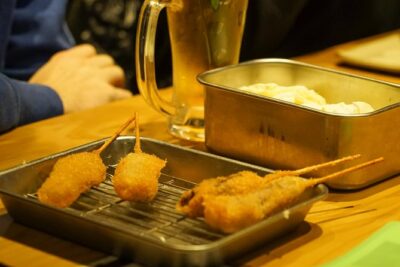 ★ 5.0Osaka Local Foodie Walking Tour in Dotonbori and ShinsekaiFrom $111985 reviews
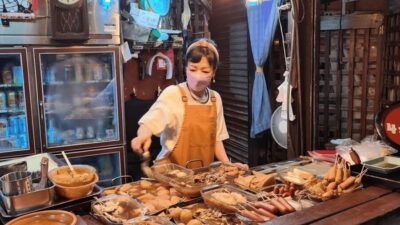 ★ 4.9Deep Backstreets Walking Tour with Dinner OptionFrom $40902 reviews
 ★ 5.0Ultimate Osaka Walking Tour: Castle, Dotonbori & Hidden GemsFrom $73862 reviews
 ★ 4.9Main Sights and Hidden Spots Guided Walking TourFrom $59702 reviews
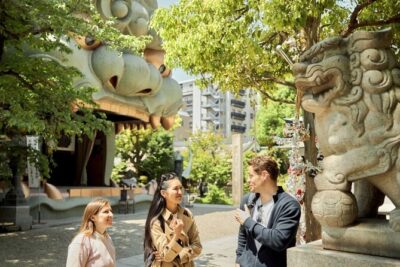 ★ 5.0Private Osaka Walking Tour: Highlights & Hidden GemsFrom $81569 reviews
 ★ 5.0Osaka Castle Walking Tour and Castle Tower AdmissionFrom $23561 reviews
 ★ 5.0Kuromon Market Food Walking Tour in Osaka (6 stops, 6 tastes)From $50550 reviews
 ★ 4.7Five Must-See Highlights Walking Tour & Ramen LunchFrom $56411 reviews
Browse the lists this tour appears in