
Reviewed · OSAKA BY NIGHT
Osaka Traditional Performing Arts Heritage Night
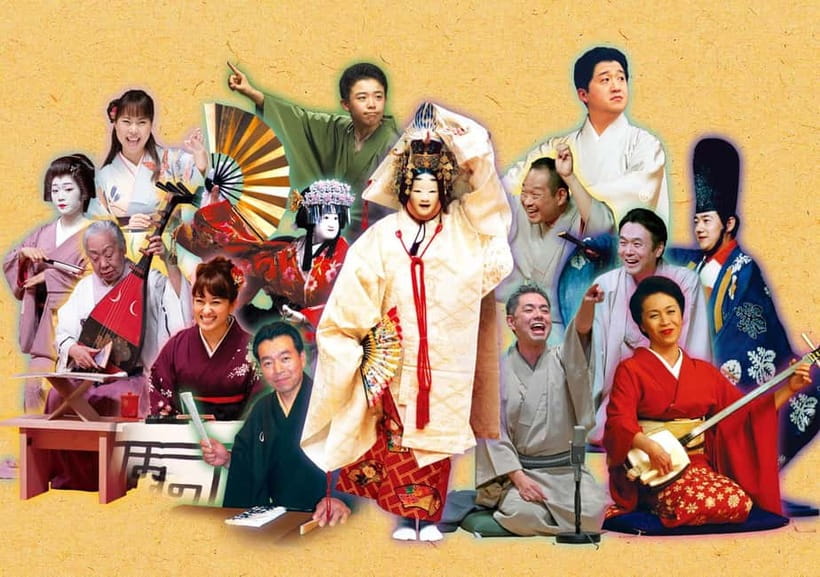
A stageful of old Japan in two hours. What makes this Osaka night stand out is the sheer variety packed into one program, from Noh to Rakugo, and the fact that it comes with multilingual explanations, subtitles, and materials so you can actually follow what you’re seeing.
I also like the hands-on touch. A few audience members (a couple of people at a time) get invited to try parts of the performance, including going up to the Noh stage wearing white socks. The one thing to watch: if you’re hoping to record or take photos inside, you can’t. That rule is strict, so come with your camera left alone.
In This Review
- Key things you’ll notice right away
- Why this Osaka performing-arts night works so well for first-timers
- The arts you’ll see: a guided sampler of Osaka traditions
- A simple 2-hour flow you can actually follow
- Hands-on Noh stage participation: the part you’ll remember
- English subtitles and multilingual explanations: how they change your experience
- Venue vibe at Yamamoto Noh Theater: theatre rules matter
- Price and time: value for $32 in Osaka
- Who should book this Osaka Heritage Night—and who might not
- Should you book Osaka Traditional Performing Arts Heritage Night?
- FAQ
- How long is Osaka Traditional Performing Arts Heritage Night?
- How much does it cost per person?
- Where is this experience located?
- What performing arts are included?
- Are there hands-on experiences?
- Is there English support?
- Can I take photos or record video inside?
- Is it suitable for young children?
- Can I cancel for a full refund?
- Is wheelchair accessibility available?
Key things you’ll notice right away
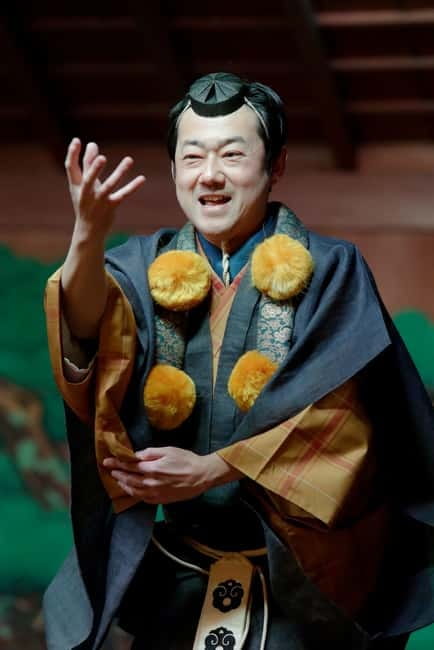
- A one-night sampler of Osaka traditional performing arts, not just one style
- Noh-stage hands-on moments with audience participation
- English support built in, with subtitles and multilingual materials
- Short segments with explanations before the performances start
- No video or photography inside, so plan to enjoy with your eyes
Osaka once the neon takes over


Why this Osaka performing-arts night works so well for first-timers
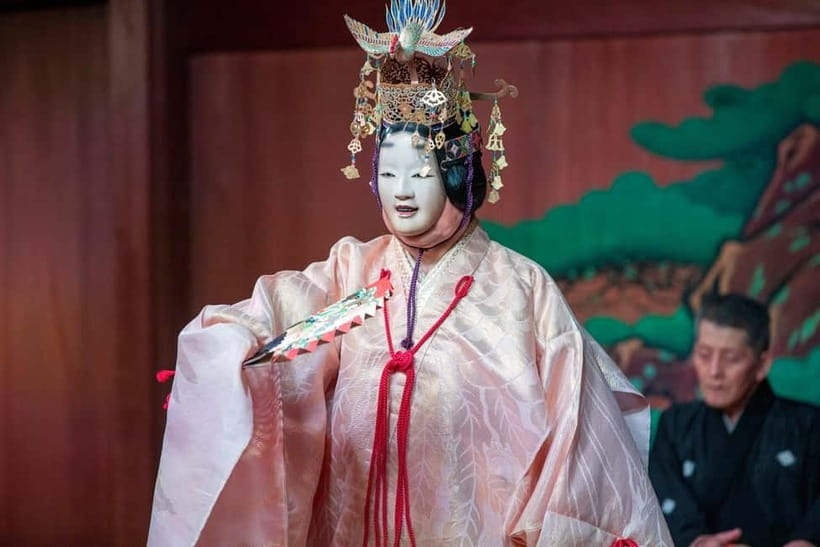
If traditional Japanese arts feel intimidating at first, this show is built to remove the fog fast. In 2 hours, you’re not forced to “study” for weeks. Instead, you get a guided tour through multiple art forms, with explanations and subtitles that keep the meaning close at hand.
I like the pacing here. It’s an omnibus format, meaning you move from one style to another, rather than sitting through one long, highly specialized performance with no context. That structure helps you notice the differences: how storytelling feels different from music-like narration, how stage movement changes from one tradition to the next, and how humor can show up in unexpected places.
Another big win: the show is designed to be accessible even if you’re seeing these traditions for the first time. The bilingual setup matters. English-language support isn’t treated like an afterthought; it’s part of how you’re meant to experience the night.
The arts you’ll see: a guided sampler of Osaka traditions
This is not a generic cultural show. You’ll get a lineup that includes Noh, Kyogen, Bunraku, Rakugo, plus additional performance styles such as Rokyoku, Kodan, Kamigata Mai, Gagaku, Onna Doraku, and Chikuzen Biwa. It’s a lot of names—and that can sound overwhelming on paper.
In practice, that variety is the point. Watching a single art form can teach you a lot, but it can also limit your understanding of where that form fits in the wider tradition. Seeing several Osaka-linked performing arts back-to-back lets you get an early mental map. You start to recognize patterns: what audiences react to, what kinds of gestures and voices carry meaning, and how the mood shifts from segment to segment.
English subtitles and multilingual explanations help you connect the dots without needing a background textbook. Even if your Japanese is limited, you still get enough guidance to follow the intent of each portion—especially because the explanations come right before the smaller performances.
From the feedback, this is exactly what people liked most. Kenneth noted the show was very educational for his teenagers. Pavel singled out the detailed explanations before each smaller performance, plus English translation and subtitles throughout. That combo is what makes this more than just entertaining.
A simple 2-hour flow you can actually follow
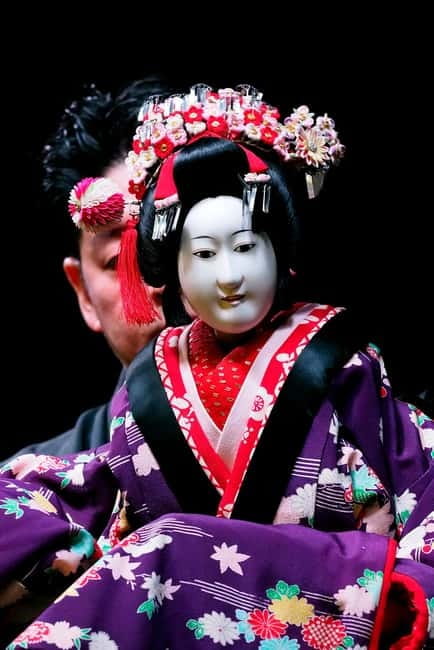
There’s no complicated plan for you to decode. The format is straightforward: you settle in for a sequence of performances, each with support to help you follow what’s happening. Between segments, you get explanations so you aren’t stuck trying to guess at meaning while the show moves on.
You should also expect the program to feel like a “greatest hits” tour across traditional performing styles. The night includes the main highlights of the Osaka traditional arts listed above. Some segments may feel more familiar (like comedic storytelling), while others may feel more formal or poetic. That contrast is useful. It teaches you how different traditions serve different emotional purposes.
And yes, because this is a theater program, the atmosphere matters. You’ll be watching in a performance space designed for these arts—so keep your focus on the stage, not on trying to document everything.
More curtains going up around Osaka


Hands-on Noh stage participation: the part you’ll remember
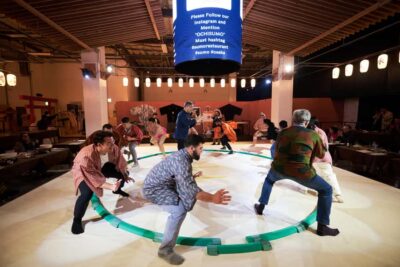
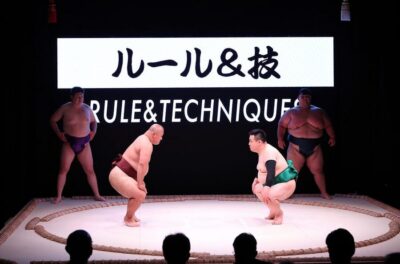
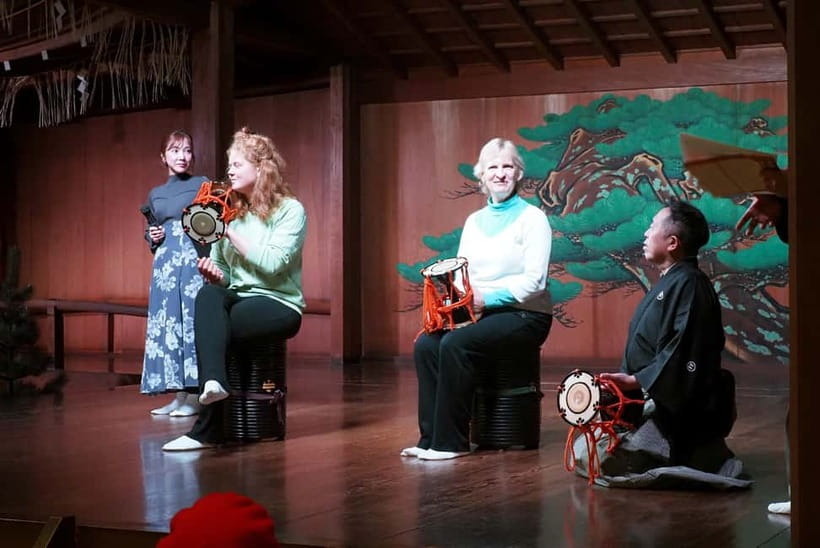
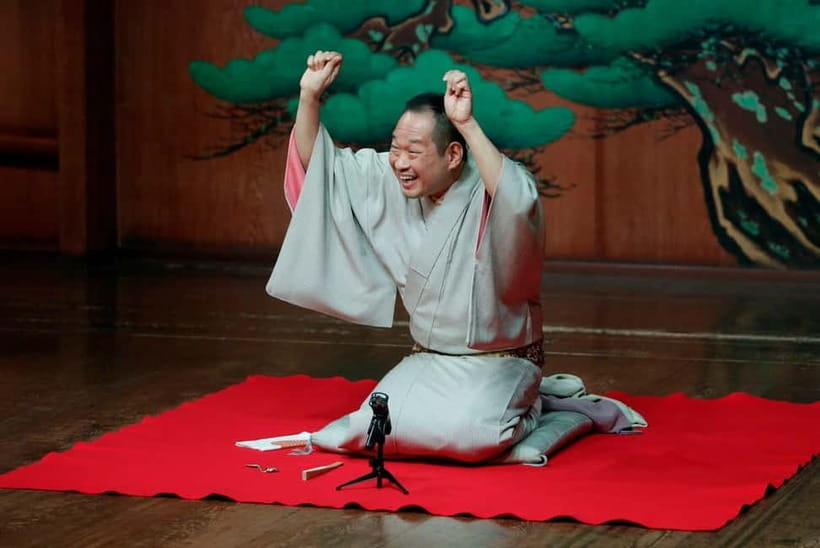
Here’s the moment that turns a good show into a personal memory. During the event, a couple of people from the audience are invited up to the Noh stage, and they wear white socks for the experience. It’s hands-on, but it’s not technical training that requires special skills beforehand.
What you can take from this, even if you never get selected: the show’s creators understand a key learning truth. Traditional performing arts aren’t only about what you watch. They’re also about how the body behaves in that style—posture, timing, and the relationship between performer and audience. By letting a few people try, the show makes that invisible part visible.
If you’re traveling with family or teens, this is often the strongest attention-grabber. Thomas brought his 8- and 6-year-old (and both had decent attention spans) and reported they thoroughly enjoyed the mix of humor, history, and insight. That hands-on element is likely a big reason why younger audiences stay engaged.
One practical note: even if you’re not called up, watch closely. The contrast between what you expect a “performance” to be and what actually happens on stage is part of the learning.
English subtitles and multilingual explanations: how they change your experience
A lot of “English-friendly” tours are really just brochures with better fonts. This show takes a different approach. You get multilingual explanations, subtitles, and supporting materials. The goal is simple: you should understand enough to enjoy without stopping every few minutes to catch up.
Pavel’s review is a good indicator of how well this works in real time. He emphasized the detailed explanations before each smaller performance and noted that English translation and subtitles were available throughout the show. Margarita also pointed out they watched the English-subtitled version where some performances were fully in English—very helpful when you’re trying to learn how the art forms communicate.
For you, that means:
- You can follow the intent of what’s happening, not just the costumes and movements.
- You’re less likely to feel lost during the formal or slower segments.
- You get enough context to compare styles during the show, which makes the experience stick.
Venue vibe at Yamamoto Noh Theater: theatre rules matter
This activity is hosted by Yamamoto Noh Theater. That matters because traditional performing arts depend on a quiet, controlled space. You’re not just attending a show; you’re stepping into a setting that’s meant to keep attention on the stage.
There are strict rules inside:
- No video recording
- No photography inside
So plan to rely on memory. If you want a souvenir, consider getting photos outside before you enter or look for any program materials provided during the event (multilingual materials are included).
Also, don’t bring the expectation that you’ll “document everything.” You’ll enjoy the show more if you treat it like a live lesson: watch, listen, read the subtitles, then notice what connects from one segment to the next.
Price and time: value for $32 in Osaka
At $32 per person for about 2 hours, you’re paying for a bundled experience. You’re not buying multiple separate tickets to different performances and hoping they line up. Instead, you get one night that covers a wide range of Osaka traditional arts, plus multilingual support and hands-on moments.
Is $32 a bargain? For a theater program with multiple performance styles and structured explanations, it’s more like fair value. The real value comes from the teaching component. If you came in curious and a bit clueless, the show helps you leave with actual understanding—especially because explanations are given before the smaller performances.
The reviews back up that perception. Kenneth called it very educational for teenagers. Pavel described it as a wonderful introduction. Margarita said it was great for touching several traditional directions at once. Those are exactly the outcomes you want when you’re spending one evening in Osaka.
Who should book this Osaka Heritage Night—and who might not
This works best if you:
- Want a beginner-friendly introduction to multiple Osaka traditional performing arts in one go
- Value English support with subtitles and multilingual materials
- Like the idea of audience participation, including the chance to see the process up close on stage
- Travel with teens who can handle a focused, 2-hour program
It may not be the best fit if you:
- Want to record or photograph inside (the rules are no video and no photos)
- Are traveling with kids under 7, since it isn’t suitable for children under 7 years
Also, if you’re someone who prefers deep specialization over variety, this show is a sampler. You’ll learn enough to appreciate the styles, but you won’t get hours of one tradition. Still, that’s often exactly what first-time visitors need.
Should you book Osaka Traditional Performing Arts Heritage Night?
Yes, if you want an organized, guided introduction to Osaka traditional performing arts in a single, easy-to-follow evening. The strongest reason to book is the combination of variety plus comprehension tools: English subtitles, multilingual explanations, and hands-on participation all support the same goal—helping you understand what you’re watching.
I’d skip it only if your priority is photo/video documentation or if you’re bringing children under 7. Otherwise, at $32 for 2 hours, it’s a practical way to get real cultural exposure without turning your trip into a homework project.
FAQ
How long is Osaka Traditional Performing Arts Heritage Night?
It lasts about 2 hours.
How much does it cost per person?
The price is listed as $32 per person.
Where is this experience located?
It’s in Honshu, Japan (Osaka traditional performing arts).
What performing arts are included?
The program includes Noh, Kyogen, Bunraku, Rakugo, Rokyoku, Kodan, Kamigata Mai, Gagaku, Onna Doraku, and Chikuzen Biwa, plus other Osaka traditional performing arts highlights.
Are there hands-on experiences?
Yes. Some audience members (a couple of people) can be invited to experience part of the performance on the Noh stage, wearing white socks.
Is there English support?
Yes. The event includes multilingual explanations, subtitles, and materials, with languages listed as English and Japanese.
Can I take photos or record video inside?
No. Video recording and photography inside are not allowed.
Is it suitable for young children?
No. It isn’t suitable for children under 7 years.
Can I cancel for a full refund?
Yes. Free cancellation is available up to 24 hours in advance for a full refund.
Is wheelchair accessibility available?
Yes, the activity is listed as wheelchair accessible.
More Tour Reviews in Osaka
- Osaka Go Karting Tour with Funny Costume★ 5.0 · 2,658 reviews
- Osaka Castle: Museum and Tower Entry Ticket★ 4.5 · 2,380 reviews
- Osaka: Shinsekai Food Tour with 13-15 Dishes at 5 Eateries★ 4.8 · 2,204 reviews
- Osaka Food Tour: 13 Dishes at 5 Local Eateries★ 5.0 · 2,149 reviews
- Hungry Osaka Street Food Tour:15 Tastings & 3 Drinks with a Local★ 5.0 · 1,727 reviews
Showtime in Osaka
- Osaka: Sumo Show & Experience w/ Optional Kimono & Hot Pot★ 4.5 · 609 reviews
- Osaka: Sumo Stage Show with Bento or Snack + Fight & Photo★ 4.3 · 364 reviews
- Osaka: English Stand Up Comedy Show at Osaka Comedy Club★ 4.7 · 203 reviews
- Osaka: UTAGE Japanese Taiko Live Show★ 4.9 · 167 reviews
- Osaka Sumo Experience with Live Show and Audience Challenge★ 5.0 · 162 reviews
Osaka Under Neon
- Osaka Nighttime tour★ 5.0 · 270 reviews
- Osaka After Dark: Small-Group Night Food Tour (Max 6)★ 4.5 · 245 reviews
- OSAKA NIGHT FUSION Japanese Taiko Kabuki Samurai Dance Show★ 4.8 · 155 reviews
- Osaka: Bar-Hopping Night Tour in Namba★ 4.7 · 117 reviews
- Osaka: Dark Side of Osaka Night Walking Tour★ 4.9 · 89 reviews
The Newest Osaka Write-Ups
- Private Photoshoot in Osaka with a Professional Photographer
★ 5.0 · 3 reviews - Osaka Early Morning Osaka Castle Tour Avoid Crowds
★ 5.0 · 3 reviews - Nara Private Tour with Pick and Drop and English Speaking Driver
★ 3.5 · 3 reviews - Osaka: Modern Vegetarian Sushi Cooking Class
★ 5.0 · 3 reviews - Nara Day Trip from Osaka with a Licensed Guide
★ 5.0 · 3 reviews
Osaka by Night, compared.
 ★ 5.0Osaka Nighttime tourFrom $198270 reviews
 ★ 4.5Osaka After Dark: Small-Group Night Food Tour (Max 6)From $116245 reviews
 ★ 4.8OSAKA NIGHT FUSION Japanese Taiko Kabuki Samurai Dance ShowFrom $40155 reviews
 ★ 4.7Bar-Hopping Night Tour in NambaFrom $112117 reviews
 ★ 4.9Dark Side of Osaka Night Walking TourFrom $2589 reviews
 ★ 4.9Private Vibrant Nighttime Photoshoot (Dotonbori)From $10980 reviews
 ★ 5.0Osaka Night Walk : Discover Umeda Food and PubFrom $11234 reviews
 ★ 5.0Hidden Gems and Bustling Districts of Osaka Night TourFrom $8833 reviews
Browse the lists this tour appears in