
Reviewed · OSAKA TEMPLES & SHRINES
Osaka: Private Tour of Shitennoji, Osaka’s Oldest Temple
Quiet temples beat crowds here. Shitennoji is Osaka’s oldest temple, and a guide helps you read the place instead of just passing through. I love the central temple focus and the calm Honbou Japanese Garden setting. One thing to consider: at $60 per person, it’s best value when you really want guidance and context.
This is a rare chance to slow down in a sacred space tied to early Buddhism in Japan. Shitennoji was built in 593 by Prince Shotoku, who helped spread Buddhism, so your visit feels connected to something foundational rather than just scenic.
The trip is short and structured, so you won’t have hours to wander on your own. If you’re the type who likes long, free roaming temple time, you might want a longer visit plan alongside this tour.
In This Review
- Key points worth caring about
- Shitennoji feels older than the rest of Osaka
- Price and what you actually get for $60
- Meeting at the Stone Torii Gate: start with the right landmark
- The first stop: Shitennoji Ishinotorii and the tone of the visit
- Central Temple time: learning what Shitennoji represents
- Japanese Garden: calm walking with guided context
- Viewpoint stop: sightseeing without losing the temple vibe
- How to get the most out of a short private tour
- Who this tour is best for (and who might skip it)
- Should you book Osaka’s Shitennoji private tour?
- FAQ
- Where is the meeting point for the tour?
- How long is the tour?
- Is this tour private?
- What language options are available?
- What is included in the price?
- Is food included?
- What parts of Shitennoji will we visit?
- Can I cancel for a refund?
- Is pay later available?
Key points worth caring about
- Private, guide-led pacing: you get a focused route with English (and Japanese) support.
- Prince Shotoku connection: the tour frames Shitennoji’s importance from the start.
- Garden time, not just temples: you’ll spend real time in the Honbou Japanese Garden area.
- Viewpoint stop included: there’s a planned moment for sightseeing beyond the main halls.
- Tickets are included: entry to the Central Temple and Honbou Japanese Garden is covered.
Quieter corners: more Osaka temples and shrines
Shitennoji feels older than the rest of Osaka
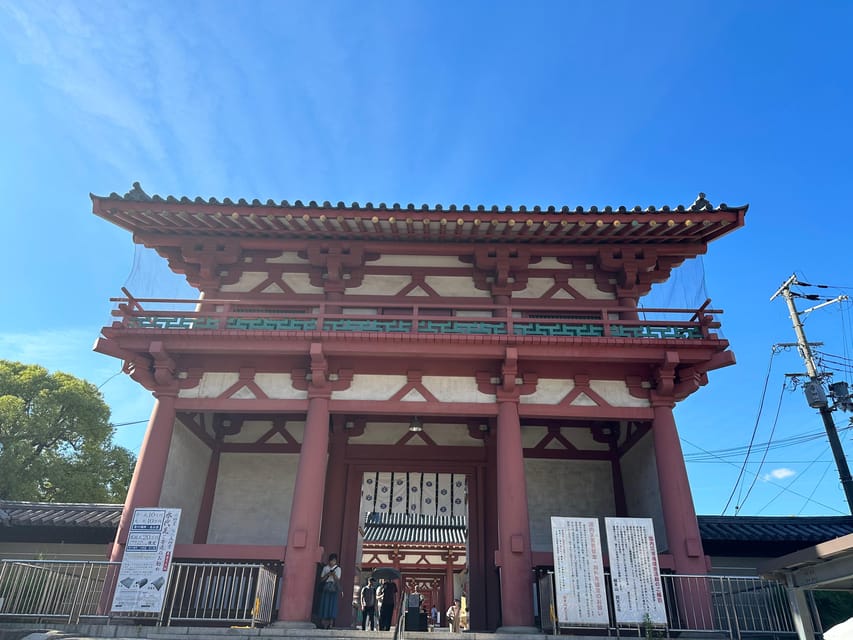
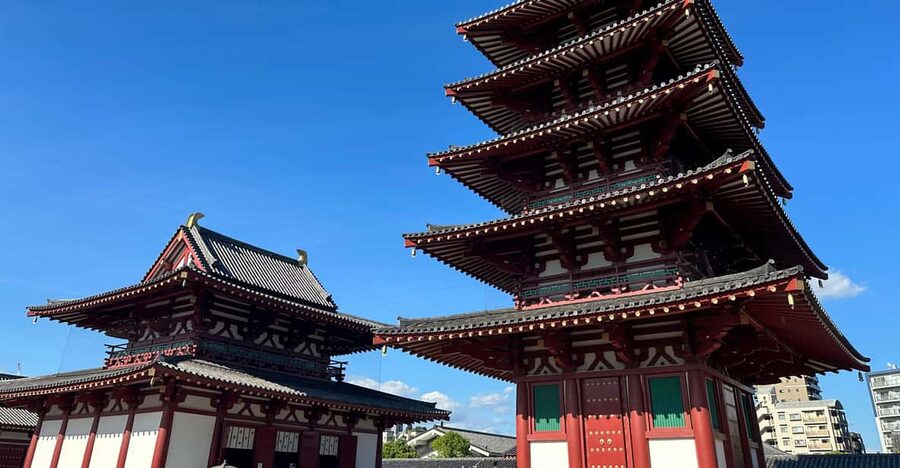
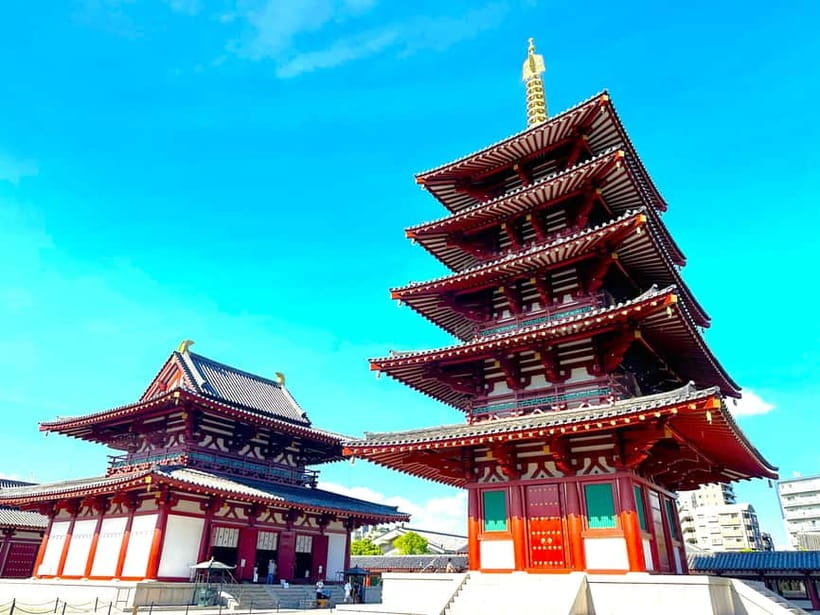
Shitennoji is the kind of Osaka stop you can’t fully get from photos. The temple complex carries weight because it’s historically significant—built in 593 by Prince Shotoku, a major figure in spreading Buddhism in Japan. That early origin changes your mindset as you walk in. You’re not just sightseeing; you’re stepping into a place that has been meaningful for a very long time.
And yes, it’s also an easy temple win because the atmosphere is calmer than you might expect. Part of why it gets fewer visitors than Osaka’s flashier, more famous spots is simply location. That can work in your favor. When you choose a guide here, you’re not competing for attention from your phone screen—you’re getting context while the space is still quiet enough to feel peaceful.
If you like places that mix spirituality with simple beauty, you’ll probably enjoy the way the tour balances halls, garden calm, and a viewpoint moment.
Price and what you actually get for $60
At $60 per person for a roughly 90-minute private tour, the value comes from two practical details: you’re paying for (1) a guide and (2) included entry to key areas. That matters because temple visits can turn into a lot of time spent figuring out what’s worth seeing, where to go next, and how to interpret what you’re looking at.
Here’s what you get with your ticket:
- Entry tickets for the Central Temple
- Entry into the Honbou Japanese Garden
- A guide to connect it all
Food isn’t included, so plan a snack or a meal before or after. But for a half-bite of culture—temple, garden, and views—this is a pretty efficient way to spend an afternoon in Osaka. It’s also a good deal if you’re traveling in a small group (a private tour usually becomes more attractive when the per-person cost spreads across more people).
The only caution is mindset: if you mainly want a self-guided stroll and you’re the kind of person who doesn’t like reading background, a guided private route may feel like extra spending. If you want meaning, the guide does a lot of the work for you.
Meeting at the Stone Torii Gate: start with the right landmark
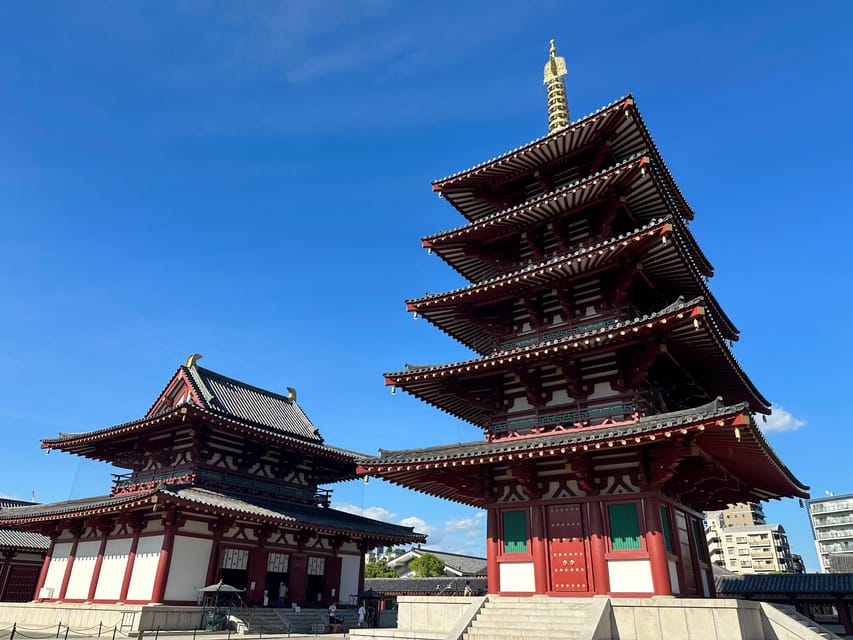
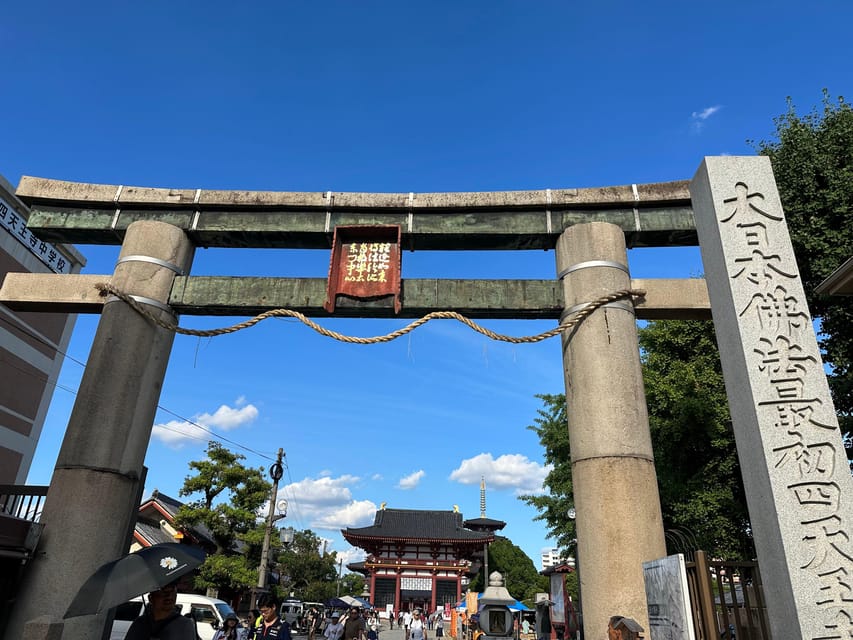
You meet your guide in front of the Stone Torii Gate at Shitennoji (Shitennoji Ishinotorii). Your guide will be holding a yellow sign with the DeepExperience logo, so it should be straightforward to spot.
This kind of meeting point matters because it saves you from the classic temple problem: arriving in the area but losing time figuring out which entrance or gate is the correct start. With a set starting landmark, you can focus on your first steps into the grounds instead of your first steps into confusion.
A guide to yourselves, more private days out

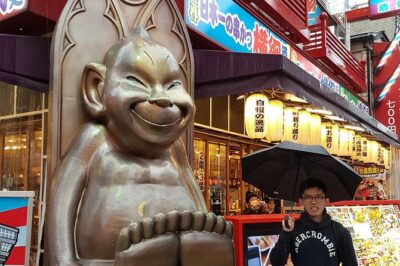
The first stop: Shitennoji Ishinotorii and the tone of the visit
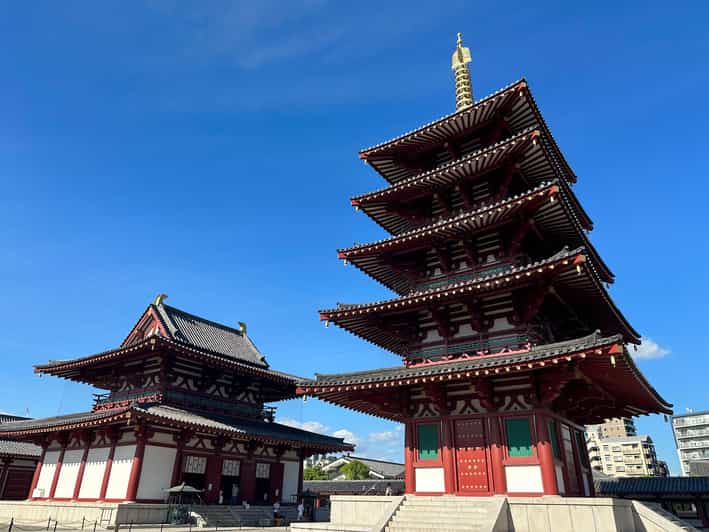
Right away, you’re placed at the stone torii gate. That’s not just decoration. In practice, it sets the “you are entering a sacred area” feeling, and it helps the rest of the tour click. Even without overthinking symbolism, I find it helps you shift from city mode into temple mode quickly.
From here, the guided visit begins, and you’ll move into the main Shitennoji areas where your guide explains what you’re seeing. The tour’s longer on-the-ground temple time is designed to keep you from rushing. That’s important at Shitennoji, because the value is in understanding why the complex matters.
Central Temple time: learning what Shitennoji represents
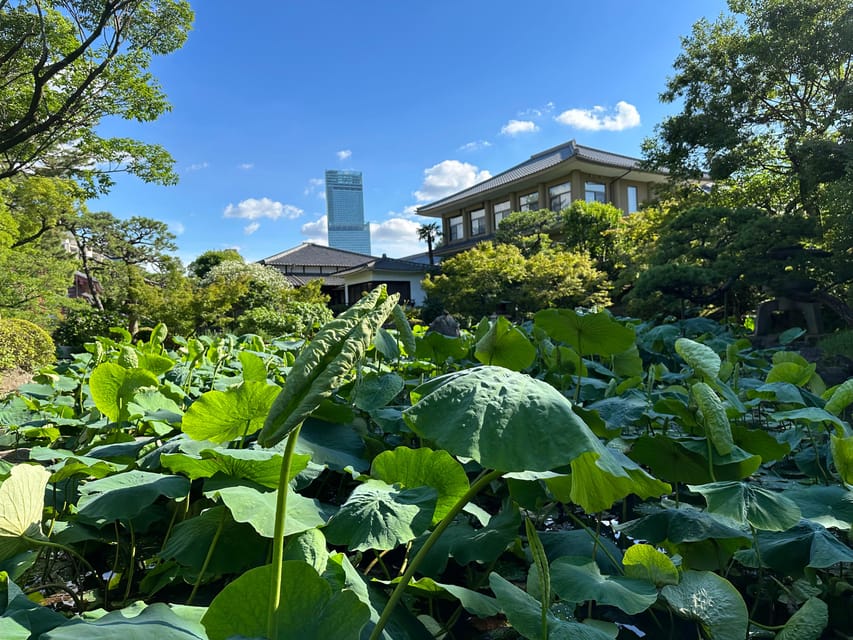
The heart of the tour is the guided time at Shitennoji, focused on the main buildings. This is where you get the historical framing: Shitennoji is one of Japan’s oldest and most important temples, and Prince Shotoku is credited with the temple’s founding in 593.
Why this matters for you: it turns the visit from look-and-walk into a story you can follow. Instead of only noticing surfaces and scenery, you start connecting people, religion, and early Japanese history to the place itself. Buddhism isn’t presented as a vague concept here; it’s described in a way that gives the site meaning.
This is also one of the stops where a good guide really changes the experience. In the tour feedback I was given, one guide named Adi stood out for connecting temple context to broader city life and first-time Japan advice. That kind of framing helps if you’re still getting your bearings in Osaka and you want your trip to feel less fragmented.
Japanese Garden: calm walking with guided context
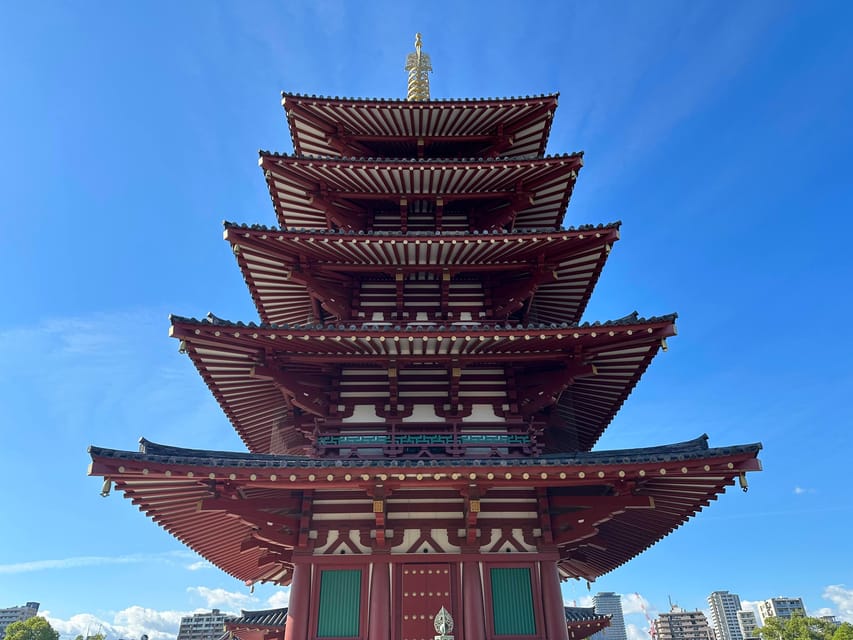
After the main temple segment, you transition into guided time in the Japanese Garden (Honbou Japanese Garden). Gardens in temple complexes tend to work like slow thinking. You pause more naturally. You look more carefully. And you’re less likely to treat the visit as another photo checklist.
Your tour includes a set garden portion, and the route ends at 本坊庭園(極楽浄土の庭), which refers to the Honbou garden associated with the idea of the Pure Land. Even if you don’t know the terms ahead of time, having a guide during this section helps you notice what you might otherwise skip.
Practical benefit: the garden section is often the part that restores your energy. After time in sacred buildings, it’s a gentle shift into quiet beauty, which makes the overall 90-minute block feel balanced rather than intense.
Viewpoint stop: sightseeing without losing the temple vibe
The itinerary also includes a viewpoint visit with guided sightseeing time. That addition is useful because it gives your brain a change of pace. Temples can feel similar if you only look at structures and paths, but viewpoints break up the experience and let you see how the site sits in its surroundings.
Keep your expectations grounded: this isn’t an all-day photo expedition. It’s a small, planned sightseeing moment. If your goal is to combine spirituality with a little Osaka-area perspective, this works.
How to get the most out of a short private tour
Because this tour runs on a tight timeframe, your “best results” depend on how you approach it. Here are a few smart moves that keep the experience from feeling rushed:
- Ask your guide one or two focused questions at the start. You’ll get better answers later when you see the related features.
- Wear comfortable shoes. Temple grounds and garden paths usually mean you’re walking more than you expect.
- Take one slow pause. If you rush through every moment, you’ll miss the tranquility that makes this place worth the trip.
- If you’re new to Osaka, use your guide for practical orientation. The example of Adi being praised for city-life tips is a clue that some guides gladly help with “what should I do next” after the temple.
Also, since it’s a private group, you can usually match the pace to your comfort level. Just don’t assume you’ll have endless time for extra wandering beyond the planned stops.
Who this tour is best for (and who might skip it)
This private Shitennoji tour is ideal if you:
- want an English or Japanese guide instead of piecing together temple context yourself
- care about Buddhist history in Japan, especially the early connection to Prince Shotoku
- prefer calmer, less-crowded sites over nonstop tourist hubs
- like the combination of temple + garden + a viewpoint in one compact outing
It’s less ideal if you:
- are purely into independent wandering and don’t want a structured route
- expect food or a full-day experience included (food isn’t included, and the tour is short)
For many people, this fits perfectly as a morning or afternoon cultural anchor in Osaka, especially if you’re also visiting other famous areas and want one slower, meaningful stop.
Should you book Osaka’s Shitennoji private tour?
I’d book this tour if you want Shitennoji to mean something. The guide-led format plus included entry to the Central Temple and Honbou Japanese Garden makes it efficient, and the temple-garden-viewpoint structure keeps you from having a “seen it, done it” feeling.
Skip it only if your budget is tight and you’d rather spend the time self-guiding. At $60 per person, the value relies on you using the guide and tickets, not just walking alongside them.
If your goal is to leave Osaka with one genuinely calming, historically grounded temple experience, this one is a strong pick. The fact that Shitennoji is less crowded than some other major temples can be a bonus, especially when someone helps you understand what you’re looking at.
FAQ
Where is the meeting point for the tour?
Meet your guide in front of the Stone Torii Gate at Shitennoji temple (Shitennoji Ishinotorii). Your guide will be holding a yellow sign with the DeepExperience logo.
How long is the tour?
The tour duration is 90 minutes. Starting times depend on availability.
Is this tour private?
Yes. The group type is a private group.
What language options are available?
Live tour guide options include English and Japanese.
What is included in the price?
Entry tickets to the Central Temple and Honbou Japanese Garden are included, along with a guide.
Is food included?
No. Food is not included.
What parts of Shitennoji will we visit?
You’ll visit the central Shitennoji temple buildings with guided time, then the Japanese Garden with guided time, plus a viewpoint visit for sightseeing. The tour ends at 本坊庭園(極楽浄土の庭).
Can I cancel for a refund?
Yes. You can cancel up to 24 hours in advance for a full refund.
Is pay later available?
Yes. You can reserve now and pay later to keep travel plans flexible.
More Tour Reviews in Osaka
- Osaka Go Karting Tour with Funny Costume★ 5.0 · 2,658 reviews
- Osaka Castle: Museum and Tower Entry Ticket★ 4.5 · 2,380 reviews
- Osaka: Shinsekai Food Tour with 13-15 Dishes at 5 Eateries★ 4.8 · 2,204 reviews
- Osaka Food Tour: 13 Dishes at 5 Local Eateries★ 5.0 · 2,149 reviews
- Hungry Osaka Street Food Tour:15 Tastings & 3 Drinks with a Local★ 5.0 · 1,727 reviews
Your Osaka, at Your Pace
- Private Osaka Walking Tour: Highlights & Hidden Gems★ 5.0 · 569 reviews
- Osaka 4hr Private Tour with Government-Licensed Guide★ 5.0 · 314 reviews
- 3/4/5 Hours Private Tour in Osaka with Local Guide★ 5.0 · 189 reviews
- Osaka’s Best and Brightest: Private Full-Day Tour by Vehicle★ 5.0 · 147 reviews
- Kyoto & Nara Private customized tour with English speaking Guide★ 4.5 · 99 reviews
Temple Gates and Shrine Paths
- Osaka: Minoh, Katsuoji Temple, & Minoh Falls Full-day Tour★ 4.9 · 172 reviews
- Full Day Kyoto Tour : Bamboo Forest, Golden Temple, Fushimi Inari★ 5.0 · 84 reviews
- Osaka Temple Cool Foot Bath & Matcha Experience〈45min〉★ 4.9 · 82 reviews
- Osaka: Mind & Spirit Balance Temple Reiki Healing★ 5.0 · 41 reviews
- Katsuo-ji Temple, Arashiyama Forest, & Nara Park★ 4.0 · 37 reviews
The Newest Osaka Write-Ups
- Private Photoshoot in Osaka with a Professional Photographer
★ 5.0 · 3 reviews - Osaka Early Morning Osaka Castle Tour Avoid Crowds
★ 5.0 · 3 reviews - Nara Private Tour with Pick and Drop and English Speaking Driver
★ 3.5 · 3 reviews - Osaka: Modern Vegetarian Sushi Cooking Class
★ 5.0 · 3 reviews - Nara Day Trip from Osaka with a Licensed Guide
★ 5.0 · 3 reviews
Osaka Temples & Shrines, compared.
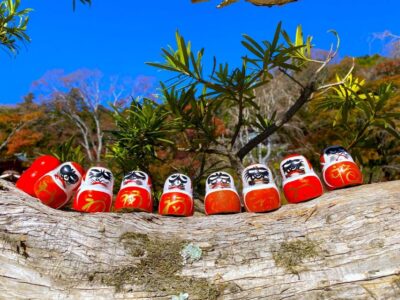 ★ 4.9Minoh, Katsuoji Temple, & Minoh Falls Full-day TourFrom $135172 reviews
Full Day Kyoto Tour : Bamboo Forest, Golden Temple, Fushimi InariFrom $10584 reviews
★ 4.9Minoh, Katsuoji Temple, & Minoh Falls Full-day TourFrom $135172 reviews
Full Day Kyoto Tour : Bamboo Forest, Golden Temple, Fushimi InariFrom $10584 reviews
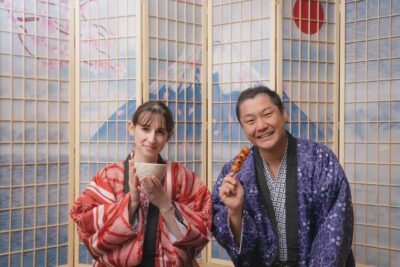 ★ 4.9Osaka Temple Cool Foot Bath & Matcha Experience〈45min〉From $3482 reviews
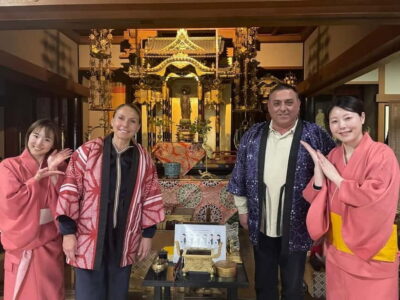 ★ 5.0Mind & Spirit Balance Temple Reiki HealingFrom $16141 reviews
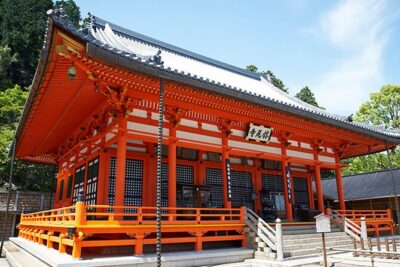 ★ 4.0Katsuo-ji Temple, Arashiyama Forest, & Nara ParkFrom $9137 reviews
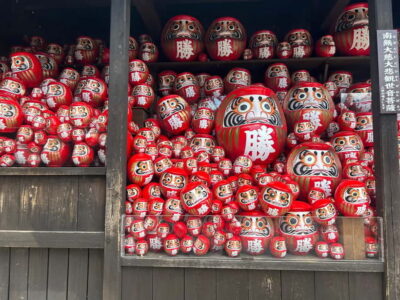 ★ 4.7Minoh Waterfall & Katsuo-ji Temple Half-Day TourFrom $4727 reviews
 ★ 5.0Osaka Half-day E-bike Adventure: Minoh Falls & Katsuoji TempleFrom $3425 reviews
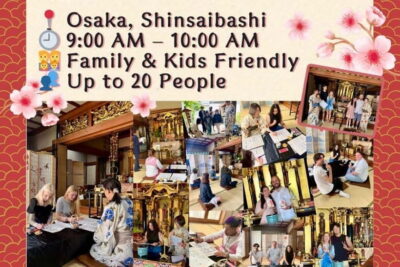 ★ 4.9Temple Tour and Traditional Calligraphy LessonFrom $2024 reviews
Browse the lists this tour appears in