
Reviewed · OSAKA WALKING TOURS
Osaka Like a Local: 6 Hours of Walking, Eating & Exploring!
Osaka shows up fast on foot. This 6-hour walk strings together Osaka Castle sights, Kuromon lunch, Shinsekai energy, and a night view from Umeda Sky Building with a guide who keeps the day moving.
I especially like the human touch. The guide starts with a quick listen to your interests, then shapes the route around what you care about most, including optional add-ons like a tea ceremony. I also like the eating rhythm: you get focused time at Kuromon Market for street-food-style tasting and beer, then a Dotonbori roam with classic Osaka street snacks instead of random wandering.
One thing to plan for: it’s a walking tour that covers almost 10 km, plus public-transit transfers. Bring good shoes, and it’s not a good fit if you’re pregnant or have mobility limits.
In This Review
- Key Points You’ll Actually Care About
- A 6-Hour Walk That Shows Osaka’s Real Mood
- Where You Meet, and How to Start Without Stress
- Osaka Castle: More Than a Photo Stop
- The Housing & Living Museum: See Osaka Up Close (Without the Crowds)
- Kuromon Ichiba Market: Lunch That Feels Like a Local Routine
- Dotonbori Street Food: Lights, Noise, and Real Osaka Eating
- Tea Time and the Optional Tea Ceremony Add-On
- Shinsekai: Tsutenkaku and the “New World” Feel
- Shitennoji: Temple Calm After Street Noise
- Umeda Sky Building at Sunset: End the Day With City Views
- Walking, Transfers, and Weather: The Practical Stuff That Makes or Breaks It
- Price: Is $77 Good Value for What You Get?
- Who This Tour Fits Best (and Who Should Skip It)
- Guide Quality: Why Your Day Can Feel Personal
- Should You Book This Osaka Like a Local Tour?
- FAQ
- How long is the Osaka Like a Local tour?
- What is the group size?
- Where do we meet in Osaka?
- Is hotel pickup available?
- What does the tour include in the $77 price?
- Do I need to pay for the tea ceremony?
- Is the tour okay during rain?
- Is there free cancellation?
Key Points You’ll Actually Care About
- Small group, max 8 people for an easier pace and more time for questions
- Almost 10 km on foot with comfort breaks built in, rain or shine
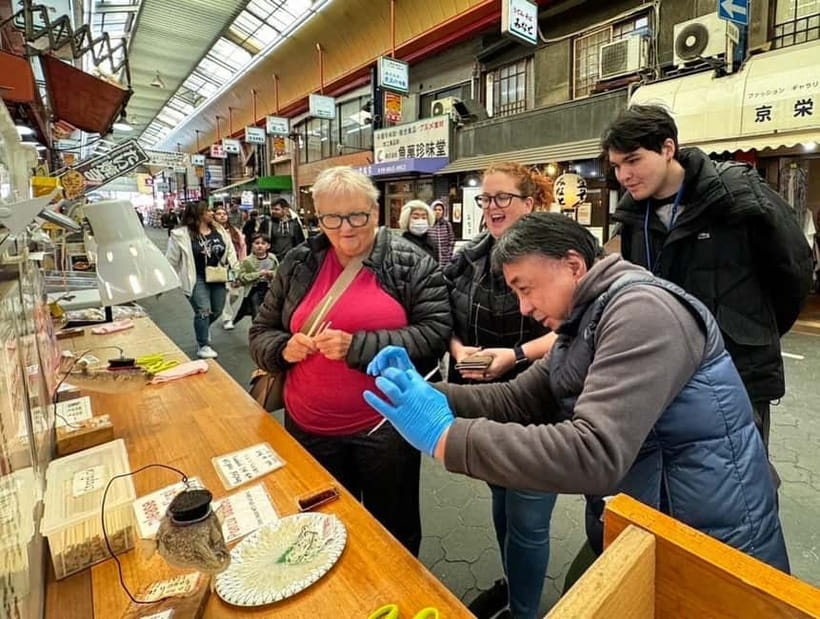
- Kuromon Market lunch time with lots more than seafood, including beef, fruits, and sweets
- Shinsekai + Tsutenkaku for that “New World” Osaka vibe and big skyline views
- Shitennoji temple stop with a free-entry feel and a monthly flea market window (on the 21st/22nd)
- Umeda Sky Building at sunset to end the day with a city-wide wow
Osaka block by block, more routes on foot


A 6-Hour Walk That Shows Osaka’s Real Mood
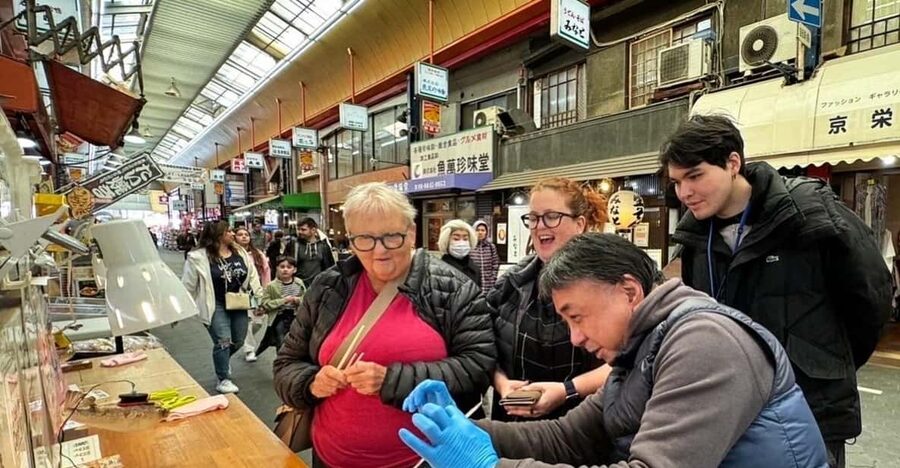
Osaka is a city you understand with your feet. This is not a “sit and get facts” tour. It’s a guided walk that connects the postcard spots (castle and sky views) to the daily-life energy: market noise, street-food lines, and neighborhood temples.
You’ll spend the day mixing big landmarks with smaller, practical stops—places where locals actually browse, snack, and wander. That’s why this route works: it teaches the shape of Osaka, not just its highlights.
Where You Meet, and How to Start Without Stress
You meet at Osaka JOINER’s base in Namba, inside Namba Walk near exit B23. It’s between the Mizuno Shop and Docomo Shop, so you’re not stuck trying to find a random street corner.
If you’d rather skip the walk to the meeting point, hotel pickup can be arranged—just message ahead. Either way, the goal is simple: get you started smoothly, then send you out on the city blocks that actually matter.
Osaka Castle: More Than a Photo Stop
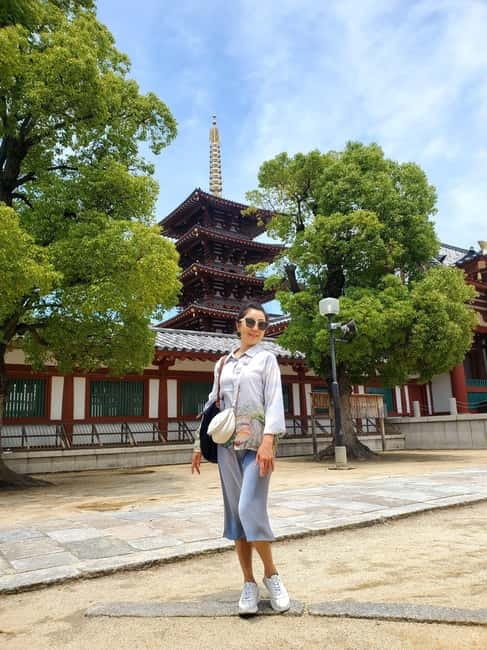
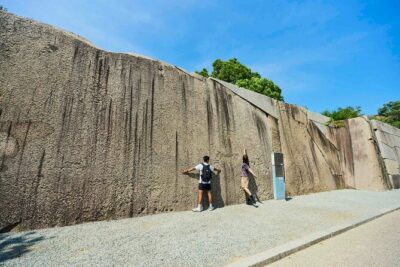
The day kicks off with Osaka Castle, with time to look around, take photos, and get a guided explanation. You’ll also have a chance to go inside the castle depending on timing, but admission isn’t included, so plan for extra costs if you want to enter.
What I like about this stop is the “sense of place” factor. Even if you’re not a big history person, it’s hard not to be impressed by how Osaka’s story centers around power and design. Plus, early in the tour means you’re less likely to feel rushed before the walking really ramps up.
Tip: if you’re photo-focused, it’s worth showing up with the expectation of walking a bit around the grounds, not just snapping one view and moving on.


The Housing & Living Museum: See Osaka Up Close (Without the Crowds)
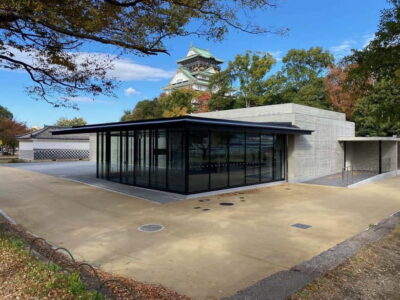
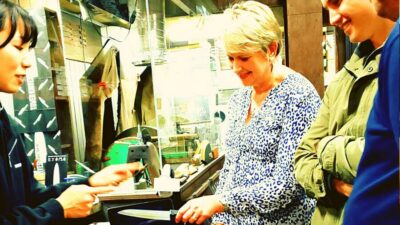
Heading north, you’ll stop at the Museum of Housing and Living of Osaka. This is one of those stops that feels small until you’re inside it. You get a picture of how people lived around the 1800s, and you can even wear a kimono if you want (it’s the kind of activity that turns a “museum stop” into a memory).
There are also model displays showing Osaka around the 1900s, which helps you connect the city you’re walking through now with the one that existed before today’s skyline and street signs.
If you like culture but get bored at long, lecture-heavy museums, this one tends to land well because it’s visual and hands-on.
Kuromon Ichiba Market: Lunch That Feels Like a Local Routine
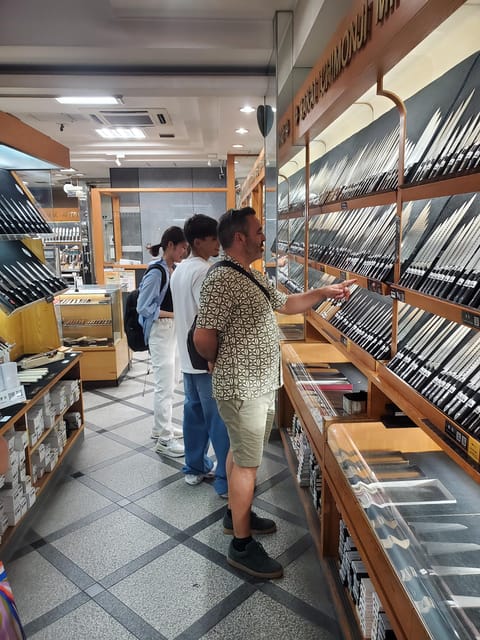
Then comes the best part for many people: serious Kuromon Market time. You’ll get a full hour for break time, including chances to do food tasting and even grab a beer. Food expenses aren’t included, but the structure gives you permission to snack like a local instead of trying to “order the right thing” under pressure.
Kuromon is famous, and yes, seafood is a big deal here. But you’re not limited to fish. The market also offers beef, fruits, and sweets, which makes it easier to keep everyone happy—even if one of you is picky.
How to make this lunch time work:
- Go in hungry enough to sample, not so stuffed that you can’t explore.
- Treat it like a tasting circuit: pick 2–3 small things rather than betting everything on one big meal.
- Use the guide. This kind of market moves fast, and a good local can steer you toward what’s worth your yen.
And based on real tour experiences, guides may point you toward extra treats along the way, including sweets like Osaka cheesecake, depending on your interests and timing.
Dotonbori Street Food: Lights, Noise, and Real Osaka Eating
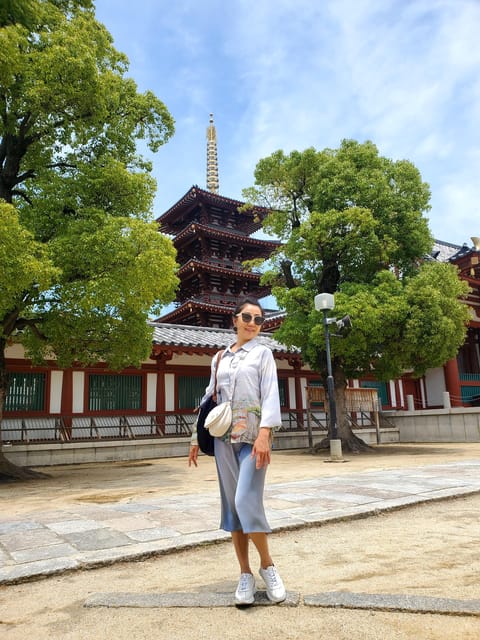
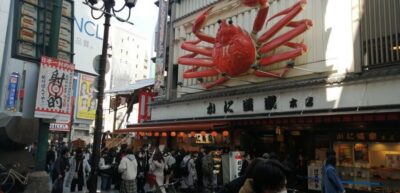
After Kuromon, you’ll head to Dotonbori, the street-food and entertainment corridor that defines a lot of how people imagine Osaka. The tour includes time for sightseeing and food tasting, plus a chance to slow down with tea.
Dotonbori has a straightforward appeal: it’s packed with places to eat, and the atmosphere is all about motion—people cutting across the sidewalks, signs buzzing with color, and lines forming because the food looks good right now. The tour description even calls out that the area has over 50 food shops, which explains the variety you’ll see just by walking a few blocks.
If you’re visiting for the first time, this is a smart moment to get oriented. You’ll see what “street food Osaka” actually means, not just what menus say in photos.
Tea Time and the Optional Tea Ceremony Add-On
Your schedule includes a tea segment in Dotonbori. If you want the full cultural experience, you can add a tea ceremony, but it’s not included in the base price. The fee is around 4,000 yen, and you’ll need to pay at the shop.
Important practical note: if you want to do the tea ceremony, tell the guide beforehand so they can make a reservation. This matters because tea ceremonies usually can’t be treated like a last-minute walk-up activity when the group is already moving through other stops.
Shinsekai: Tsutenkaku and the “New World” Feel
Next is Shinsekai, a neighborhood people describe as Osaka’s “New World.” The tour includes a stop around Tsutenkaku Tower for photos and sightseeing, plus scenic views as you move through the area.
From Tsutenkaku, you can go up to see Osaka from above. There’s also mention of a bungee jump option if you have the courage, though that’s clearly something you’d handle on your own time and at your own expense if you choose it.
What makes Shinsekai work in a short tour is that it feels different from the other stops. You’re not just looking at one famous building or one market. You’re absorbing a whole neighborhood vibe—street signs, local snack culture, and the sense that people come here to be part of the energy.
Shitennoji: Temple Calm After Street Noise
Then you’ll head to Shitennoji, one of the important temples near the Shinsekai area. The tour includes time for a photo stop and sightseeing.
There’s also a special detail to know: on the 21st and 22nd of every month, there’s a flea market happening around the temple area, and the temple entrance is free. If your travel dates line up, it can turn this stop into a lively blend of tradition and everyday browsing.
If you’re interested in Buddhism, this is a straightforward place to pause and do a prayer. Even if you’re not religious, it’s a nice contrast—street food and city lights in the earlier part of the day, then a calmer spiritual moment.
Umeda Sky Building at Sunset: End the Day With City Views
Your final big moment is Umeda Sky Building. The tour includes photo time, a chance to explore, and free time before heading up for sightseeing—especially good around sunset.
The appeal here is simple: you get a wide view of Osaka from above, the kind that makes you connect the neighborhoods you walked through with the bigger picture. It’s also a great way to end a walking day, because the top-of-the-building time feels like a reward break rather than another chore.
Walking, Transfers, and Weather: The Practical Stuff That Makes or Breaks It
This tour covers almost 10 km on foot. It includes breaks if you need them, but you should still plan your day around walking. Comfortable shoes aren’t a suggestion here—they’re the difference between enjoying the stops and counting minutes.
The tour uses public transportation for transfers between areas. Transportation expenses aren’t included, so you’ll likely want to budget for transit fares in addition to the tour price.
Weather-wise: the tour proceeds in rainy weather. Bring a raincoat or umbrella so you’re not miserable during outside stretches. Osaka can do quick changes, and you won’t want to waste your energy dealing with being soaked.
Price: Is $77 Good Value for What You Get?
At $77 per person for 6 hours, the tour price is fairly reasonable given what’s bundled: an English guide and a walking-tour format with multiple major areas packed into one day.
But here’s the honest value math: the price covers the guide and the structure, not the extras. Admission fees, food, drinks, and transportation are not included. Optional experiences like the tea ceremony are extra (around 4,000 yen).
So the question becomes: do you want to spend money on a guide to save time and reduce guesswork? If yes, this is good value. It gives you a route that covers Osaka’s key districts without you needing to plan each transfer and decide where to eat under pressure.
Who This Tour Fits Best (and Who Should Skip It)
This tour is ideal if you want a first taste of Osaka that mixes landmarks with daily-life neighborhoods. I’d especially recommend it for:
- People who like walking but don’t want to navigate alone
- Food-focused visitors who want guided tasting time in markets and street-food areas
- Travelers who enjoy short “culture stops” like the housing museum and a temple visit
It’s not suitable for pregnant women or people with mobility impairments, mainly because the route is long and involves walking plus transit.
Guide Quality: Why Your Day Can Feel Personal
One of the biggest strengths here is the guide approach. English-speaking hosts are described as patient, funny, and attentive to questions. Names like Ken, Yuriko, and Minori show up in guide feedback, and the pattern is consistent: the guide isn’t just reciting facts. They’re helping you make choices, including what to eat when you’re unsure.
Even when the group ended up being smaller than expected, the guide still managed the pace and filled the time with useful Osaka stops. That’s a real plus, because a walking tour can feel awkward if the guide can’t keep momentum.
Should You Book This Osaka Like a Local Tour?
I’d book it if you want a guided route that hits Osaka Castle, Kuromon Market lunch, Dotonbori street food, Shinsekai, Shitennoji, and ends with a sunset view. The mix is practical and it covers a lot without feeling like a rushed highlight machine.
Skip it if you hate long walking, struggle with mobility, or you don’t want to deal with extra costs for food, transit, and possible admissions. Also, if you’re the kind of traveler who wants lots of downtime, this one moves more like a full day of activity than a relaxed stroll.
If you go in with comfortable shoes, some cash, and a hunger for markets and street snacks, you’ll walk away with the Osaka you came for.
FAQ
How long is the Osaka Like a Local tour?
It lasts 6 hours.
What is the group size?
The tour is limited to a small group, up to 8 participants.
Where do we meet in Osaka?
You meet at Osaka JOINER’s base in Namba, inside Namba Walk, near exit B23 (not the subway area). The shop is between Mizuno Shop and Docomo Shop.
Is hotel pickup available?
Yes. You can request hotel pickup by messaging ahead.
What does the tour include in the $77 price?
The price includes the guide fee and a walking tour. Transportation, admission, food, and drinks are not included.
Do I need to pay for the tea ceremony?
Yes. The tea ceremony is optional and costs around 4,000 yen, paid directly at the shop. You should tell the guide beforehand if you want to add it for a reservation.
Is the tour okay during rain?
The tour goes ahead in rainy weather. Bring a raincoat or umbrella.
Is there free cancellation?
Yes. You can cancel up to 24 hours in advance for a full refund.
More Tour Reviews in Osaka
- Osaka Go Karting Tour with Funny Costume★ 5.0 · 2,658 reviews
- Osaka Castle: Museum and Tower Entry Ticket★ 4.5 · 2,380 reviews
- Osaka: Shinsekai Food Tour with 13-15 Dishes at 5 Eateries★ 4.8 · 2,204 reviews
- Osaka Food Tour: 13 Dishes at 5 Local Eateries★ 5.0 · 2,149 reviews
- Hungry Osaka Street Food Tour:15 Tastings & 3 Drinks with a Local★ 5.0 · 1,727 reviews
Osaka at Street Level
- Osaka Local Foodie Walking Tour in Dotonbori and Shinsekai★ 5.0 · 985 reviews
- Osaka: Deep Backstreets Walking Tour with Dinner Option★ 4.9 · 902 reviews
- Ultimate Osaka Walking Tour: Castle, Dotonbori & Hidden Gems★ 5.0 · 862 reviews
- Osaka: Main Sights and Hidden Spots Guided Walking Tour★ 4.9 · 702 reviews
- Private Osaka Walking Tour: Highlights & Hidden Gems★ 5.0 · 569 reviews
The Newest Osaka Write-Ups
- Private Photoshoot in Osaka with a Professional Photographer
★ 5.0 · 3 reviews - Osaka Early Morning Osaka Castle Tour Avoid Crowds
★ 5.0 · 3 reviews - Nara Private Tour with Pick and Drop and English Speaking Driver
★ 3.5 · 3 reviews - Osaka: Modern Vegetarian Sushi Cooking Class
★ 5.0 · 3 reviews - Nara Day Trip from Osaka with a Licensed Guide
★ 5.0 · 3 reviews
Osaka Walking Tours, compared.
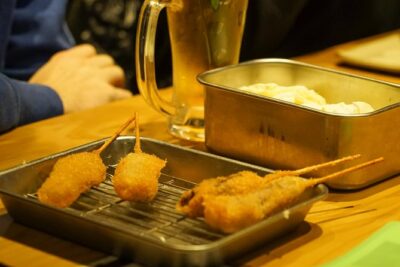 ★ 5.0Osaka Local Foodie Walking Tour in Dotonbori and ShinsekaiFrom $111985 reviews
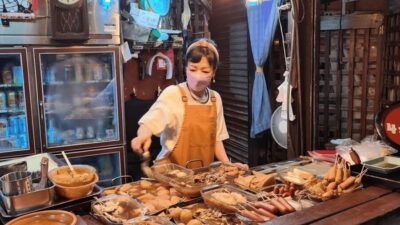 ★ 4.9Deep Backstreets Walking Tour with Dinner OptionFrom $40902 reviews
 ★ 5.0Ultimate Osaka Walking Tour: Castle, Dotonbori & Hidden GemsFrom $73862 reviews
 ★ 4.9Main Sights and Hidden Spots Guided Walking TourFrom $59702 reviews
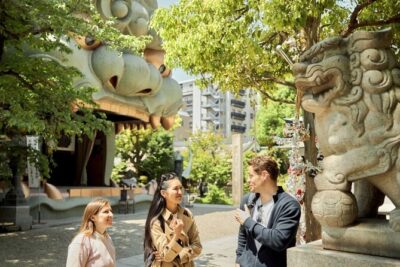 ★ 5.0Private Osaka Walking Tour: Highlights & Hidden GemsFrom $81569 reviews
 ★ 5.0Osaka Castle Walking Tour and Castle Tower AdmissionFrom $23561 reviews
 ★ 5.0Kuromon Market Food Walking Tour in Osaka (6 stops, 6 tastes)From $50550 reviews
 ★ 4.7Five Must-See Highlights Walking Tour & Ramen LunchFrom $56411 reviews
Browse the lists this tour appears in